
Gardening in tropical regions brings a unique set of challenges and wonders. One of the most crucial aspects is identifying common pests that can threaten our treasured plants. Let’s dive into understanding these pests and how they affect our beautiful green spaces. Read Interesting article: Top 7 Common Pests in Tropical Gardens and How to Combat Them
Understanding Tropical Garden Ecosystems
Tropical gardens are vibrant, full of life, and often incredibly diverse. When I first started my tropical garden, I was amazed by the variety of plants and creatures that coexisted. This diversity is what makes tropical ecosystems so rich and dynamic. However, it also means that our gardens are home to a plethora of pests, some of which can wreak havoc if not identified and managed properly.
Importance of Biodiversity
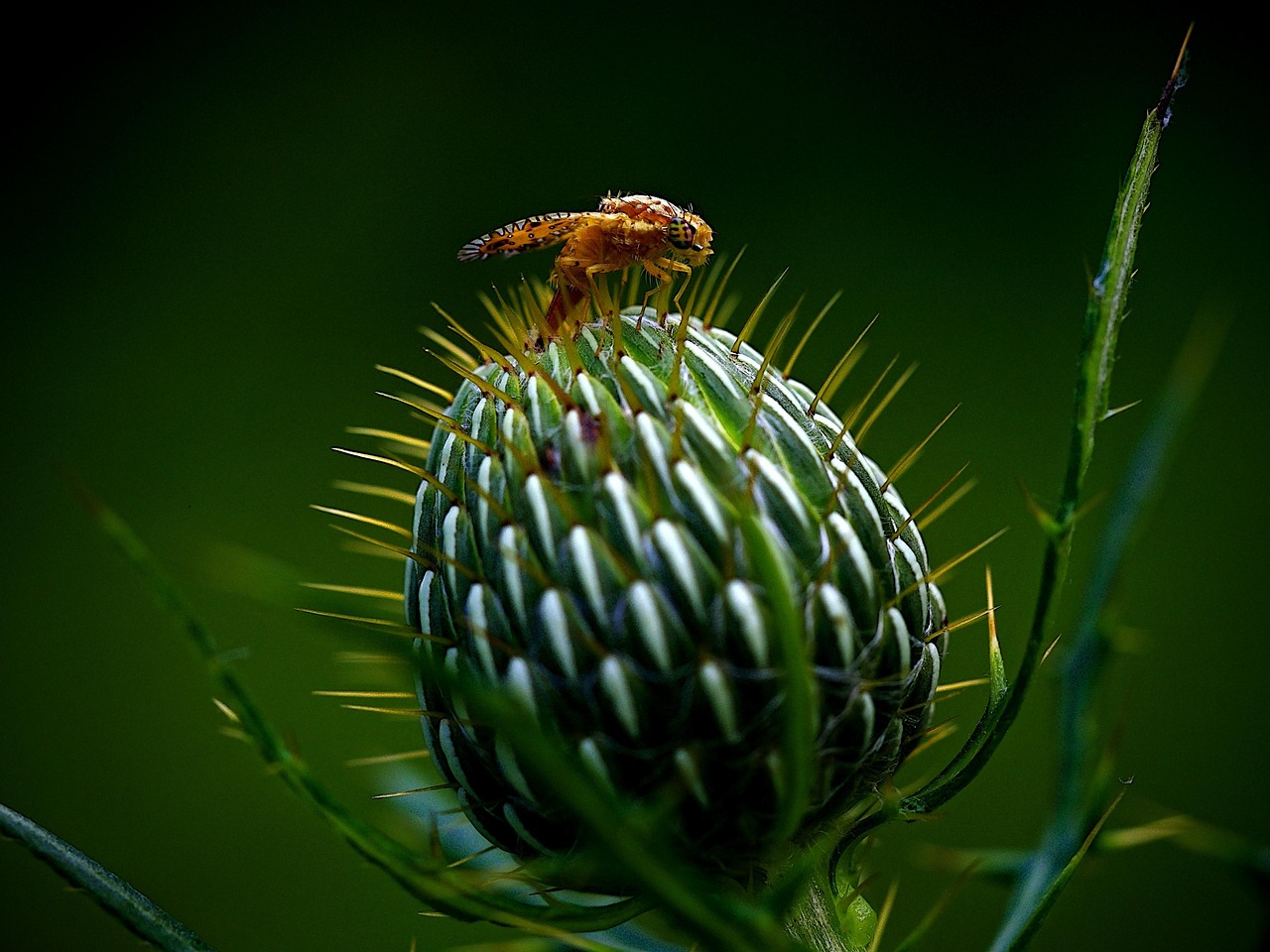
Biodiversity plays a crucial role in the health of tropical gardens. The variety of plants and animals helps create a balanced ecosystem. I’ve noticed that when I have a diverse range of plants, the pests seem to be less of a problem. Beneficial insects, like ladybugs and predatory wasps, thrive in diverse environments, keeping pest populations in check. I remember a time when my garden was overrun with aphids, but after planting a few different flowering species, I noticed a significant decrease in their numbers. It’s a reminder that nature often has its own way of balancing things out.
Climate Conditions in Tropical Regions
The climate in tropical regions is a major factor in the types of pests we encounter. With high humidity and warm temperatures year-round, our gardens create the perfect breeding ground for many pests. I often find myself battling not just the pests but the ideal conditions they thrive in! Rainfall also plays a big role; during the wet season, I’ve seen pest populations explode almost overnight. Understanding these climate conditions helps me anticipate pest problems and prepare accordingly.
Common Pests in Tropical Gardens
Identifying the common pests in tropical gardens is essential for maintaining a healthy garden. I’ve learned that being proactive and observant can make a huge difference. Here are some of the pests I’ve encountered and how to recognize them. Read Interesting article: Effective Strategies for Managing Pests in Tropical Gardens
Insect Pests
Insect pests are probably the most common culprits in tropical gardens. Their presence can often go unnoticed until significant damage is done. Here are a few that I frequently deal with:
Aphids
Aphids are small, often green or black insects that suck the sap from plants. I remember my first encounter with them; they were all over my rose bushes! They tend to cluster on new growth, and their sticky excrement can lead to sooty mold. If you notice a shiny, sticky substance on your plants, you might have aphids. Keeping an eye on the undersides of leaves can help catch them early.
Spider Mites
Spider mites are another pesky problem I faced. They’re tiny and can be hard to spot, but their damage is noticeable. I’ve seen leaves develop a stippled appearance, almost like someone took a paintbrush and dotted them. If you see fine webbing in the foliage, it’s a sign of spider mites. They thrive in hot, dry conditions, so I’ve found that increasing humidity around my plants can help manage their populations.
Whiteflies
Whiteflies are small, white, moth-like insects that gather on the undersides of leaves. When I first saw them, I thought they looked harmless, but they can cause significant damage. They feed on plant sap, which can weaken plants over time. If I disturb them, they tend to fly up in a cloud, which is quite a sight, but not a welcome one! Regularly inspecting the undersides of leaves has helped me keep them at bay.
Leafcutter Ants
Leafcutter ants are fascinating but can be destructive. They cut leaves to take back to their colonies for food. I remember watching them march in a line, carrying pieces of my plants. While they have a role in the ecosystem, too many can damage your garden. I’ve learned to identify their trails and disrupt them before too much damage is done.
Snails and Slugs
Snails and slugs can be particularly troublesome in moist tropical gardens. I’ve had nights where I’d go out with a flashlight, hunting them down! They leave a telltale trail of slime and tend to munch on tender leaves, especially at night. I’ve found that setting up traps with beer or using copper tape around plants can help keep them under control.
Nematodes
Nematodes are microscopic worms that can cause root damage. I remember the first time I realized my plants were suffering due to nematodes; they were wilting despite adequate water. A soil test revealed the problem, and now I’m cautious about soil health and rotation. Healthy soil can help reduce nematode populations.
Fungal Pests
Fungal pests can also pose challenges in tropical gardens. I’ve experienced quite a few issues with diseases that affect my plants, especially during humid periods.
Powdery Mildew
This fungal disease appears as a white powder on leaves, often during warm, dry weather. I’ve seen it spread quickly, especially in crowded gardens. To combat it, I’ve learned to space my plants for better airflow and avoid overhead watering.
Root Rot
Root rot happens when the roots sit in waterlogged soil for too long. I’ve lost a few plants to this due to heavy rains. Ensuring good drainage in my pots and garden beds has been a game changer for preventing root rot.
Identifying Pest Damage
Recognizing the signs of pest damage is crucial for maintaining a healthy tropical garden. It’s easy to overlook subtle changes in our plants, but I’ve learned that being observant can save a lot of heartache down the road. Here are some key indicators I’ve found useful in identifying pest issues. Read Interesting article: Natural Ways to Manage Pests in Your Tropical Garden
Signs of Infestation
Understanding what to look for when it comes to pest damage can make all the difference. I’ve had my share of close calls, but by paying attention to the following signs, I’ve been able to catch infestations early.
Visible Damage on Leaves
One of the first signs I’ve noticed is visible damage on leaves. This can manifest in various ways—holes, discoloration, or even curling. For example, when my eggplants had holes eaten through their leaves, I knew I needed to investigate further. I found that the culprit was caterpillars hiding on the undersides. Keeping an eye out for irregularities can help you spot problems before they escalate.
Wilting and Stunted Growth
Another telltale sign of trouble is wilting and stunted growth. There have been times when I’ve watered my plants diligently, only to see them droop. I remember being confused until I discovered nematodes had taken residence in my soil, damaging the roots. If you notice that your plants aren’t thriving, it might be worth digging a little deeper—literally! Healthy roots should be firm and white, so any discoloration or mushiness could indicate a problem.
Using Traps and Monitoring Techniques
Monitoring pests effectively requires a proactive approach. I’ve found that setting up traps and using monitoring techniques can help keep an eye on potential infestations before they spiral out of control.
For example, sticky traps can be placed strategically around the garden to catch flying insects like whiteflies. I remember placing these traps around my tomato plants and was surprised at how many pests I caught. Not only do these traps help identify what’s lurking in the garden, but they also provide a visual cue for when pest populations are on the rise.
Preventative Measures
Taking preventative measures can be the best defense against pests. I’ve come to realize that a little planning can go a long way in protecting my garden.
Choosing Resistant Plant Varieties
One of the first steps I recommend is choosing pest-resistant plant varieties. When I started expanding my garden, I made it a point to research plants that are known to resist common tropical pests. For instance, I’ve had great success with marigolds, which are known to deter nematodes and other pests. It’s amazing how a little forethought in plant selection can save a lot of headaches down the line.
Creating a Healthy Garden Environment
A healthy garden environment is vital for keeping pests at bay. I’ve learned that maintaining soil health and proper watering practices can significantly reduce pest incidents.
Soil Health
Healthy soil means healthy plants. I’ve started to incorporate compost and organic matter into my garden beds, which not only improves soil structure but also boosts beneficial microorganisms. I remember when I first began this practice; my plants seemed to flourish, and pest issues diminished. Testing the soil regularly for nutrients has also helped me understand what my plants need to thrive.
Watering Practices
Watering practices are another critical aspect of pest prevention. I’ve found that overwatering can lead to root rot and attract pests like fungus gnats. I now focus on watering early in the day, allowing plants to absorb moisture before the heat sets in. This practice has helped my garden stay healthier and less appealing to pests.
Companion Planting Strategies
Companion planting has been a game changer for me in pest management. I’ve discovered that planting certain species together can naturally deter pests. For instance, I’ve paired basil with my tomatoes, and not only does it enhance the flavor of the tomatoes, but basil is also known to repel whiteflies. It’s like having a natural pest control system right in my garden!
Similarly, planting garlic and onions can help ward off a range of pests. I love how these strategies not only protect my plants but also add diversity to my garden. It’s all about finding the right combinations, and I’ve had a lot of fun experimenting with different pairings.
Treatment Options
Treating pests in our tropical gardens can feel overwhelming at times, but I’ve learned that there are effective methods available, both organic and chemical. Each approach has its place, depending on the severity of the infestation and my personal gardening philosophy. Understanding these options has empowered me to make informed decisions for my plants.
Organic Pest Control Methods
For me, organic pest control methods are often the first line of defense. I appreciate knowing that I’m not introducing harsh chemicals into my garden or the environment. Here are some organic treatments I’ve successfully used:
Neem Oil
Neem oil has become a staple in my gardening toolkit. I was first introduced to it by a fellow gardener who swore by its effectiveness. This natural pesticide comes from the seeds of the neem tree and works by disrupting the life cycle of pests. I’ve found it particularly useful against aphids and spider mites. When I mix neem oil with water and a few drops of dish soap, it creates an effective spray. I remember applying it during the early morning hours to avoid burning the leaves in the sun, and it made a noticeable difference in my plants’ health.
Insecticidal Soaps
Insecticidal soaps have also been a lifesaver in my garden. They work by suffocating soft-bodied insects, like aphids and whiteflies, without harming beneficial insects. I typically make my own mixture using pure soap and water, which is really easy and cost-effective. When I first tried it, I was amazed at how quickly I saw results. It’s perfect for those organic gardening days when I want to keep everything as natural as possible.
Chemical Treatments
While I prefer organic methods, I also recognize that sometimes chemical treatments may be necessary, especially when faced with a severe outbreak. I’ve learned to approach this carefully.
When to Use Pesticides
Knowing when to resort to pesticides can be tricky, but I’ve come to realize that it’s essential to assess the situation. If I notice my plants are severely infested and organic methods aren’t working, I might consider using a pesticide. However, I make sure to read labels thoroughly to choose options that are less harmful to beneficial insects and the environment. I keep in mind that timing is crucial; applying pesticides during the evening or early morning helps minimize the impact on pollinators.
Safe Application Techniques
When I’ve decided to use chemical treatments, I always prioritize safety. Wearing gloves and a mask is a must for me, and I make sure to apply the product on a calm day to avoid drift to unintended areas. I also take care to direct the spray toward the affected plants, minimizing exposure to the surrounding ecosystem. After applying, I monitor the area and wash my hands thoroughly afterward. It’s all about being responsible—protecting my plants while caring for the environment.
Monitoring and Maintenance
Monitoring and maintenance have proven to be essential elements in my gardening journey. By being proactive, I can catch issues early and maintain a healthy garden.
Regular Garden Inspections
One of the best habits I’ve developed is conducting regular inspections of my garden. I make it a point to walk through at least once a week, observing the plants closely for any signs of distress or pest activity. I’ve found that these routine check-ins can save me a lot of trouble down the line. During these inspections, I look at leaves, stems, and soil conditions, making notes of any changes. It’s become almost meditative for me, appreciating the beauty of my plants while keeping a watchful eye.
Seasonal Maintenance Practices
Seasonal maintenance is another crucial aspect of keeping my tropical garden thriving. As the weather changes, I adjust my practices to meet the needs of my plants. For instance, I often prune my plants in the early spring to promote healthy growth and improve air circulation, which helps reduce fungal issues. Additionally, I make it a point to clean up fallen leaves and debris, as they can harbor pests and diseases. This practice has helped me maintain a healthier environment in my garden.
Taking the time to learn and adapt my strategies has made a significant difference in my gardening success. I find joy in nurturing my plants and watching my garden flourish, despite the challenges that come with it. It’s all part of the adventure!
Resources for Further Learning
As I’ve navigated the beautiful yet sometimes challenging world of tropical gardening, I’ve discovered that having the right resources can make all the difference. Whether you’re a beginner just starting or someone with years of experience, there’s always more to learn. Here are some resources I’ve found incredibly helpful.
Online Communities and Forums
One of my favorite ways to learn has been by connecting with other gardeners online. Platforms like Reddit and Facebook have dedicated groups where gardeners share their experiences, tips, and even struggles. Just the other day, I joined a tropical gardening group where members shared photos of their gardens and discussed pest management strategies specific to our climate. Engaging with these communities not only provides answers to pressing questions but also fosters a sense of camaraderie among fellow gardening enthusiasts. It feels great to know that I’m not alone in this journey!
Books and Guides on Tropical Gardening
Books have been a treasure trove of knowledge for me. I recommend checking out “The Tropical Garden” by David S. McNaughton. This guide covers everything from plant selection to pest control in tropical environments. I’ve often found myself flipping through its pages, taking notes and learning about new techniques. There are also many regional guides that focus specifically on the plants and pests in your area, making them particularly useful. I love having a physical book in hand; it feels more personal, and I can highlight sections that resonate with my gardening journey.
Local Extension Services and Workshops
Another fantastic resource is local extension services. Many universities offer programs that provide resources, workshops, and expert advice tailored to local gardeners. I attended a workshop on sustainable gardening practices last spring, and it was enlightening! I learned about native plants and how to create a garden that supports local wildlife. Many of these services also offer soil testing, which can be invaluable for understanding and improving your garden’s health.
Final Thoughts
Gardening in tropical regions can indeed be a rollercoaster ride of challenges and rewards. I’ve learned to embrace the ups and downs, knowing that each experience adds to my journey as a gardener. From identifying pests to implementing preventative measures, the knowledge I’ve gained has made me more confident in my abilities to cultivate a thriving garden. It’s about finding what works best for me and staying adaptable to new challenges. I feel a deep connection to my garden, and I hope that sharing my experiences inspires others to find joy and fulfillment in their own gardening adventures. Let’s keep exploring, learning, and growing together!
Frequently Asked Questions
What are the common pests found in tropical gardens?
Common pests in tropical gardens include aphids, spider mites, whiteflies, leafcutter ants, snails, slugs, and nematodes. Each of these pests can cause significant damage to plants if not identified and managed properly.
How does biodiversity affect pest populations in tropical gardens?
Biodiversity in tropical gardens creates a balanced ecosystem that helps keep pest populations in check. A diverse range of plants attracts beneficial insects, such as ladybugs and predatory wasps, which can naturally control pest numbers.
What climate conditions contribute to pest problems in tropical regions?
The high humidity and warm temperatures year-round in tropical regions create ideal breeding conditions for many pests. Additionally, during the wet season, pest populations can explode rapidly due to increased moisture.
What signs indicate a pest infestation in a garden?
Signs of pest infestation include visible damage on leaves (such as holes, discoloration, or curling), wilting and stunted growth, and the presence of pests themselves. Regular inspections can help catch infestations early.
What are some effective organic pest control methods?
Effective organic pest control methods include using neem oil, which disrupts the life cycle of pests, and insecticidal soaps that suffocate soft-bodied insects. Both methods are safe for beneficial insects when applied correctly.
How can soil health impact pest problems?
Healthy soil contributes to healthy plants and can reduce pest incidents. Incorporating compost and organic matter into garden beds improves soil structure and boosts beneficial microorganisms, making plants more resilient to pests.
What role does companion planting play in pest management?
Companion planting involves growing certain plant species together to naturally deter pests. For example, basil is known to repel whiteflies when planted alongside tomatoes, enhancing both pest control and plant diversity in the garden.
When should chemical treatments be considered for pest control?
Chemical treatments should be considered when pest infestations are severe and organic methods are ineffective. It’s important to read labels carefully and apply pesticides in a way that minimizes harm to beneficial insects and the environment.
What are some preventative measures to protect a tropical garden from pests?
Preventative measures include choosing pest-resistant plant varieties, maintaining soil health, practicing proper watering, and conducting regular garden inspections. These strategies can help minimize pest problems before they arise.
Where can I find resources for further learning about tropical gardening?
Resources for further learning include online communities and forums, books and guides specific to tropical gardening, and local extension services that offer workshops and expert advice tailored to local conditions.