
Creating a lush tropical garden can be a rewarding experience, but managing soil moisture efficiently is vital. Soil moisture sensors can help you achieve that perfect balance, ensuring your plants thrive in the warmth and humidity of a tropical climate. Read Interesting article: Unlocking the Secrets of Tropical Soil Composition
Table of Contents
Understanding the Importance of Soil Moisture in Tropical Gardens
As I embarked on my journey to create a vibrant tropical garden, I quickly learned that understanding soil moisture is crucial for plant health. Soil moisture refers to the amount of water present in the soil, and it affects how plants absorb nutrients. Without the right moisture levels, even the most resilient species can struggle. In my experience, I found that keeping a close eye on soil moisture not only promotes healthy plants but also saves water and effort.
The Role of Soil Moisture in Plant Health
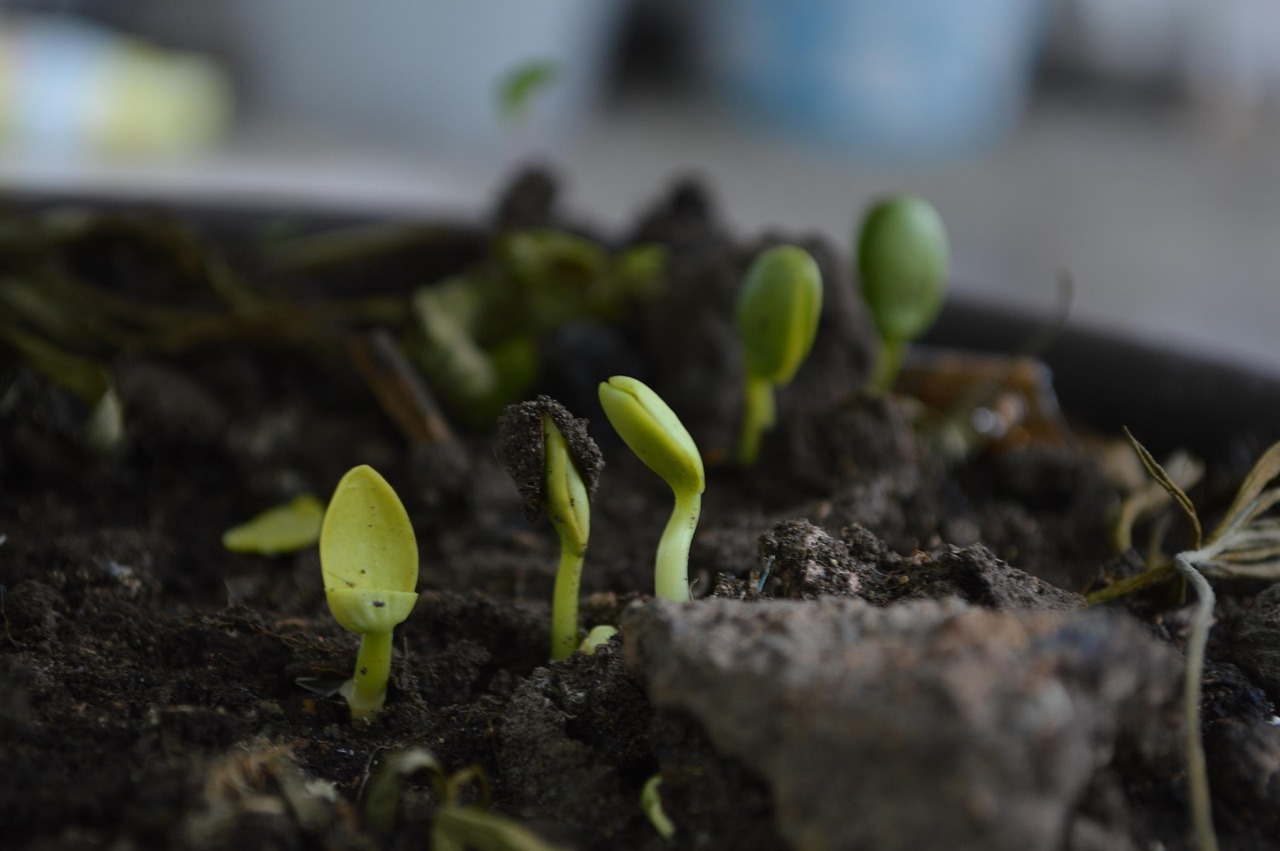
Soil moisture plays a vital role in several aspects of plant health. When soil is adequately moist, it allows roots to absorb essential nutrients and water efficiently. Without sufficient moisture, plants can suffer from stress, leading to wilting or even death. I remember the first time I neglected to check my soil moisture levels before a hot spell; my plants showed signs of stress almost immediately. This experience taught me that maintaining proper moisture is key to promoting growth and overall vitality.
Moreover, an optimal moisture level helps regulate temperature in the soil. Moist soil retains warmth, which is beneficial for tropical plants that thrive in heat. I’ve noticed that when the moisture levels are just right, my plants flourish, growing lush and vibrant. On the other hand, too little moisture can lead to stunted growth, while too much can cause root rot. The balance is everything.
How Tropical Climate Affects Soil Moisture Levels
The tropical climate has its own unique features that directly affect soil moisture. Generally characterized by high temperatures and humidity, tropical regions also experience heavy rainfall during wet seasons. I have found that this combination can lead to rapid changes in soil moisture. After a heavy rain, the soil can become saturated, while during dry spells, it can dry out quickly.
Additionally, the type of soil in tropical areas can affect how moisture is retained. Sandy soils tend to drain quickly, while clay soils may hold moisture longer. I’ve come across this firsthand while working on my garden. When I planted in sandy sections, I had to water more frequently, while the clay areas retained moisture for longer periods. Understanding these dynamics has been key in managing my garden successfully. Read Interesting article: Why, How and When to Soil-Test Your Lawn – Lotusmagus
Common Challenges in Maintaining Soil Moisture
While I love my tropical garden, I’ve faced several challenges in maintaining proper soil moisture. One of the biggest hurdles is the inconsistency of rainfall. During dry spells, I often found myself overwatering, which led to issues like root rot in some plants. I learned the hard way that too much water can be just as detrimental as too little.
Pest activity also plays a role. I noticed that certain pests thrive in moist conditions, which can lead to additional stress on plants. This made me realize the importance of monitoring moisture levels actively and adjusting my watering schedule accordingly.
Another challenge is the physical layout of the garden. Areas that receive direct sunlight tend to dry out faster than shaded spots. I’ve had to get creative with plant placement, ensuring those that need more moisture are in the right spots. This trial and error process has taught me to be more observant and adaptive in my gardening approach.
In conclusion, understanding the role of soil moisture in plant health, how the tropical climate affects it, and recognizing the common challenges we face can significantly enhance our gardening experience. With this knowledge, we are better equipped to create flourishing tropical gardens filled with vibrant life, and that’s where soil moisture sensors come into play.
What Are Soil Moisture Sensors?
As I dove deeper into the world of gardening, I discovered soil moisture sensors, which truly revolutionized my approach. These handy devices measure the amount of moisture in the soil, allowing me to monitor and adjust my watering habits effectively. I remember feeling a sense of relief knowing I had a tool to help me tackle one of the most challenging aspects of gardening—keeping my plants hydrated without overdoing it.
Definition and Functionality of Soil Moisture Sensors
Soil moisture sensors work by detecting the moisture level in the soil and providing real-time data. They typically consist of a probe that is inserted into the ground, measuring moisture levels at various depths. Some sensors even connect to apps on your phone, giving you instant updates about your garden’s needs. I found this especially useful during busy weeks when I couldn’t be in the garden as often as I wanted. Having that information at my fingertips made it easier to ensure my plants were well cared for.
Types of Soil Moisture Sensors
While exploring the various types of soil moisture sensors, I realized there are several options, each with its unique features and advantages. Here are the main types I came across:
Capacitive Sensors
Capacitive sensors measure soil moisture by detecting changes in capacitance. They tend to be more durable and can provide accurate readings without corroding over time. I noticed that these sensors are less affected by soil salinity, which is a plus in tropical regions. They help me gauge moisture levels effectively, allowing me to plan my watering schedule accurately.
Resistive Sensors
Resistive sensors work by measuring the electrical resistance of the soil, which changes based on moisture levels. Although they can be more affordable, I found they can be less reliable in the long run, as the probes may corrode or degrade over time. I initially started with a resistive sensor, but I switched to a capacitive one for better longevity and accuracy.
Tensiometers
Tensiometers are another type that measures soil moisture tension, or the force required for plant roots to extract water from the soil. They contain a water-filled tube with a gauge that indicates how much tension is present. I found them particularly useful for understanding deeper moisture levels, especially during dry spells when my plants needed extra attention.
Benefits of Using Soil Moisture Sensors in Tropical Gardens
After using soil moisture sensors in my garden for a while, I can confidently say they come with a host of benefits that have transformed the way I approach gardening.
Optimizing Water Usage
One of the primary benefits of soil moisture sensors is the optimization of water usage. By providing real-time data, I was able to cut back on unnecessary watering. I remember the first time I used a sensor and saw the readings drop; it saved me from overwatering—something I had struggled with in the past. Less water waste means not only healthier plants but also a reduced water bill!
Improving Plant Health and Growth
By maintaining consistent moisture levels, I noticed a marked improvement in the health and growth of my plants. The lush, green foliage and vibrant blooms I achieved would not have been possible without these sensors. They helped me keep my plants happy and thriving, which made gardening feel all the more rewarding.
Reducing Overwatering and Underwatering Risks
Before using soil moisture sensors, I often faced the dilemma of whether to water or not. With sensors, I found that I could eliminate that guesswork. I learned that the right balance is essential, and these devices helped me avoid the pitfalls of both overwatering and underwatering. I recall a specific instance where my sensor indicated enough moisture in the soil, prompting me to hold off on watering. My plants thrived because I listened to the data rather than my instincts alone.
Data-Driven Gardening Decisions
Having access to data transformed my gardening experience. I started to notice patterns in moisture levels and plant health, which helped me make informed decisions. Whether it was timing my watering or adjusting my garden layout, this new approach made me feel more in control. I could track moisture trends over time, leading to more strategic planning for my garden’s needs.
Top Soil Moisture Sensors for Tropical Gardens
Finding the right soil moisture sensor can be a game-changer for anyone passionate about their garden. I’ve explored various options, and here are some of my favorites that I believe work wonderfully in tropical settings:
Best Entry-Level Soil Moisture Sensors
Product A: Features and Benefits
Product A is a user-friendly option perfect for beginners. It offers accurate moisture readings and a straightforward design, making it easy to use. The affordable price point makes it accessible for anyone just starting their gardening journey.
Product B: Features and Benefits
This sensor provides a simple interface that lets you check moisture levels quickly. It’s compact and portable, which I found handy for moving around the garden as needed. Its easy setup was a real bonus for me!
Best Mid-Range Soil Moisture Sensors
Product C: Features and Benefits
Product C offers advanced features, including app connectivity and customizable alerts. I loved how I could receive notifications right on my phone, making it even easier to manage my garden remotely.
Product D: Features and Benefits
This option provides deeper moisture readings, which proved beneficial for my taller plants. It also has a durable design, perfect for the humid conditions of a tropical garden.
Best Advanced Soil Moisture Sensors
Product E: Features and Benefits
For those who want the best, Product E offers cutting-edge technology and extensive features, including soil type analysis and in-depth moisture tracking. I found this sensor to be a powerful ally in ensuring my plants received the perfect amount of water.
Product F: Features and Benefits
This advanced sensor provides comprehensive data and integrates seamlessly with smart home systems. It gives me peace of mind, knowing that my garden is being monitored even when I’m away.
Using soil moisture sensors has truly transformed my gardening experience, allowing me to create a thriving tropical paradise while managing water effectively. As I look forward to the next gardening season, I can’t help but feel excited about the possibilities these tools have opened up! Read Interesting article: Essential Soil Tips for Thriving Indoor Tropical Plants
How to Install and Use Soil Moisture Sensors
Installation Guidelines
When I first started using soil moisture sensors, I was a bit intimidated by the idea of installation. However, I quickly realized it’s a straightforward process. The first step is selecting the right spot in your garden. I recommend choosing areas representative of your garden’s different moisture levels. For instance, if you have both shaded and sunny spots, it’s beneficial to place sensors in both locations. This way, you can monitor how moisture levels differ based on sunlight exposure.
Once you’ve chosen the spots, insert the probe of the sensor into the soil. I found that plunging it into the ground at least 6 to 12 inches deep is ideal for most plants. This depth helps ensure you’re getting an accurate reading of the moisture levels where the roots are growing. After inserting the sensor, ensure it is stable and not leaning. I sometimes had to pack the soil around the sensor gently to keep it in place.
Calibration and Setup
Calibration is a crucial step I learned about while setting up my sensors. Some sensors come pre-calibrated, while others might require adjustments to ensure accurate readings. I took the time to read the manufacturer’s instructions carefully. For those that needed calibration, it usually involved inserting the sensor into dry soil and noting the reading, followed by inserting it into moist soil to see how it changed. This step helped me understand the range my sensor was working within, which made interpreting the data much easier.
Setting up the app integration was another game changer. If your sensor has smart features, downloading the accompanying app was simple. I remember connecting my sensor to my phone and being amazed at how I could monitor moisture levels from anywhere. It felt like having a little piece of technology that brought my garden to me!
Interpreting Sensor Data
Once my sensors were installed and calibrated, it was time to dive into the data. I found that interpreting sensor readings was incredibly intuitive. Most sensors provide a clear numerical value indicating soil moisture percentage. Over time, I learned to read these values relative to what my plants needed. For instance, if the sensor indicated a moisture level of 30% or lower, it was time for a drink, while levels above 50% usually meant I could hold off on watering.
I also discovered that some sensors offer alerts when moisture levels drop or rise above a certain threshold. Setting these alerts allowed me to react promptly to changes, preventing both drought stress and overwatering. Knowing I had a reliable source of information made me feel more connected to my garden’s needs.
Maintenance Tips for Longevity
To keep my soil moisture sensors functioning optimally, I learned a few maintenance tips. One key takeaway was to regularly check the probes for any signs of corrosion or damage. I made it a habit to clean the probes with a soft cloth to remove any soil buildup that could interfere with readings. This simple step helped ensure accuracy in the long run.
Additionally, I monitored the battery life if my sensor was battery-operated. I found it helpful to set reminders to check the battery status every couple of months to avoid any surprises. For sensors connected to an app, keeping the app updated was crucial to ensure I had access to the latest features and improvements.
Lastly, I realized that seasonal changes could affect sensor performance, especially during heavy rains or the dry season. I kept an eye on how weather conditions impacted my readings and adjusted my gardening practices accordingly. This adaptability has been a cornerstone of my gardening journey, allowing me to make the most of what my sensors offer.
Overall, installing and using soil moisture sensors has been a rewarding experience. They provide a deeper understanding of my gardening environment, ultimately leading to healthier, more vibrant plants. As we move forward, I’m excited to explore how these sensors can integrate with other gardening tools and technologies for an even richer gardening experience.
Integrating Soil Moisture Sensors with Other Gardening Tools
Smart Irrigation Systems
One of the most exciting ways I’ve integrated soil moisture sensors into my gardening routine is through smart irrigation systems. These systems can automatically adjust watering schedules based on real-time moisture data from the sensors. I remember the first time I connected my sensor to a smart irrigation system; it felt like stepping into the future! Instead of guessing when to water, the system takes care of it for me. This not only saves water but also ensures my plants receive the right amount of moisture when they need it most.
In my experience, setting up the connection was straightforward. While each system has its specific setup process, I found that most smart irrigation systems offer user-friendly interfaces that make integration a breeze. I simply had to link my sensor data to the irrigation controller, and from there, I could relax knowing my garden was in good hands.
Weather Stations
Another tool I’ve found beneficial is a personal weather station. Having access to local weather data—like rainfall, temperature, and humidity—has allowed me to make even better decisions regarding my watering schedule. For instance, if a rain shower is forecasted, I can adjust my irrigation plans accordingly. When I incorporated this with my soil moisture sensors, it became a powerful combination. The sensors provide specific moisture needs, while the weather station informs me of external factors that might affect those needs.
Using both tools together has taught me to be more proactive rather than reactive in my gardening approach. I’ve noticed that I’m less likely to overwater or underwater my plants, resulting in healthier growth and less stress on my part!
Garden Management Apps
Lastly, I’ve started using garden management apps that sync with my soil moisture sensors. These apps allow me to track moisture levels over time, set reminders, and even receive alerts when my plants need water. I found it particularly helpful to visualize my garden’s moisture data in charts and graphs. This visual representation helped me understand trends and make more informed decisions.
These apps often have features that help me plan my planting schedule based on moisture needs, which I appreciate. I’ve discovered that considering this data while planning my garden layout creates a more harmonious environment for my plants, ensuring they all receive the care they need.
Case Studies: Successful Tropical Gardens Using Soil Moisture Sensors
Case Study 1: Home Garden
In one particular home garden I visited, the owner had completely transformed her tropical garden using soil moisture sensors. After implementing the sensors, she noticed a significant improvement in her plants’ health and vitality. By monitoring moisture levels and adjusting her watering routine based on the sensor data, she was able to grow a variety of tropical plants that flourished year-round. Her experience reinforced my belief in the effectiveness of these tools for home gardeners.
Case Study 2: Community Garden
A community garden in my area also adopted soil moisture sensors, and the results have been impressive. The gardeners collaborated to install multiple sensors throughout the plot, allowing them to monitor moisture levels collectively. This shared approach not only improved the overall health of the garden but also fostered a sense of community among the gardeners. They frequently share tips and insights based on sensor readings, which has led to a thriving and vibrant space for everyone involved.
Case Study 3: Commercial Tropical Farm
Finally, I learned about a commercial tropical farm that incorporated advanced soil moisture sensors into their operations. By using these sensors, the farm was able to optimize water usage significantly, reducing waste and promoting sustainable practices. The farm’s management noted that their crop yield increased thanks to the precise watering enabled by the sensors, proving that even in large-scale operations, these tools can make a substantial difference.
Frequently Asked Questions (FAQs)
How do I choose the right soil moisture sensor for my garden?
Choosing the right soil moisture sensor depends on your specific needs, budget, and gardening style. Consider factors like the size of your garden, the types of plants you’re growing, and whether you want smart features or basic functionality. I recommend starting with a user-friendly option if you’re new to gardening.
Can soil moisture sensors work in all types of soil?
Yes, soil moisture sensors can work in various soil types. However, their effectiveness may vary depending on soil composition. For instance, sandy soils may require more frequent checks due to rapid drainage, while clay soils retain moisture longer. Adjusting my watering based on soil type has helped immensely.
Are there any downsides to using soil moisture sensors?
While soil moisture sensors are beneficial, there are some downsides. Initial costs can be a barrier for some, and certain sensors may require regular calibration or maintenance. Additionally, they can malfunction if not taken care of properly. However, from my experience, the advantages far outweigh the downsides.
How often should I check my soil moisture levels?
The frequency of checking soil moisture levels can vary based on factors like plant types and weather conditions. I suggest checking at least once a week, but during hot or dry spells, daily checks may be necessary. Using sensors takes the guesswork out of this process, allowing for more precise monitoring.
What are the benefits of using soil moisture sensors in tropical gardens?
Soil moisture sensors help optimize water usage, improve plant health and growth, reduce risks of overwatering and underwatering, and enable data-driven gardening decisions. These benefits have transformed the way I approach gardening, making it easier to maintain healthy plants.
What types of soil moisture sensors are available?
There are several types of soil moisture sensors, including capacitive sensors, resistive sensors, and tensiometers. Capacitive sensors are durable and accurate, resistive sensors are more affordable but can degrade over time, and tensiometers measure soil moisture tension for deeper insights.
How do I install soil moisture sensors in my garden?
To install soil moisture sensors, choose representative spots in your garden, insert the probe into the soil at least 6 to 12 inches deep, and ensure it is stable. Calibration may be required for accurate readings, depending on the sensor model.
Can soil moisture sensors be integrated with other gardening tools?
Yes, soil moisture sensors can be integrated with smart irrigation systems, personal weather stations, and garden management apps. This integration allows for more efficient watering schedules and better tracking of moisture levels.
What are some common challenges in maintaining soil moisture?
Common challenges include inconsistent rainfall, pest activity thriving in moist conditions, and the physical layout of the garden affecting moisture retention. Being observant and adaptive in your gardening approach can help overcome these challenges.
How do soil moisture sensors contribute to sustainable gardening practices?
Soil moisture sensors promote sustainable gardening by optimizing water usage, reducing waste, and enabling more precise watering. This helps maintain healthy plants while conserving water resources, making gardening practices more environmentally friendly.