
Summer is the perfect time to embrace the vibrant world of tropical gardening. With the right plants and techniques, your garden can flourish and bring a slice of paradise right to your backyard.
Understanding Tropical Gardens
What is a Tropical Garden?
A tropical garden is a lush, colorful environment that mimics the natural habitats found in tropical regions. I remember the first time I stepped into a tropical garden; the air was thick with humidity, and the vivid colors of the flowers and foliage left me in awe. These gardens are filled with a variety of plants that thrive in warm, moist conditions, creating a vibrant and lively atmosphere. In my experience, a tropical garden can include anything from towering palms to delicate orchids, making it a unique oasis of beauty.
Key Characteristics of Tropical Plants
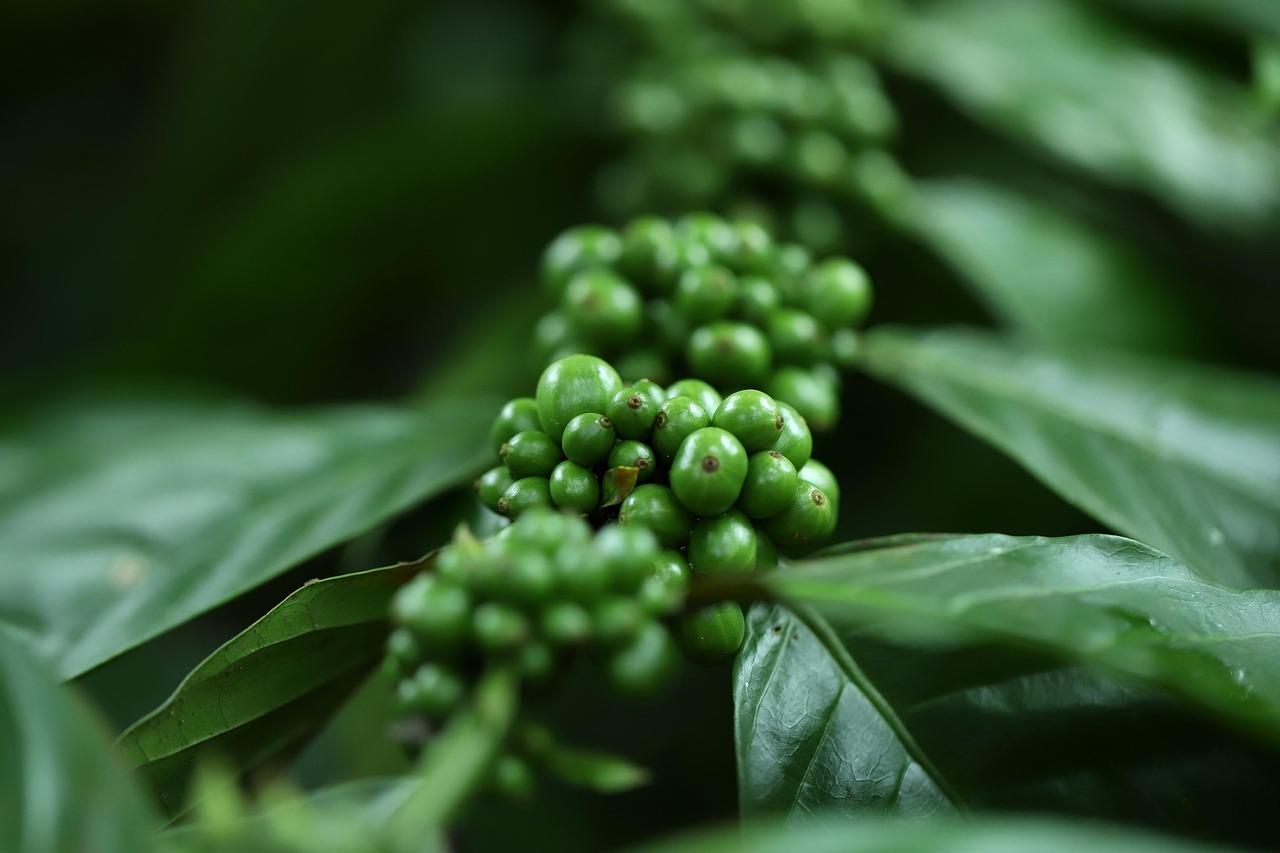
Tropical plants are known for their broad leaves, bright flowers, and fast growth rates. I’ve always been fascinated by how some of these plants can grow several feet in just one season. Many tropical plants are also evergreen, which means they retain their leaves year-round, providing continuous beauty. They prefer warm temperatures, typically between 60°F to 90°F, and they flourish in high humidity. I’ve noticed that when I provide my tropical plants with the right conditions, they reward me with vibrant blooms and lush foliage.
Benefits of Having a Tropical Garden
Creating a tropical garden brings many benefits beyond just aesthetics. For one, it can create a peaceful retreat right at home. I often find myself escaping to my garden, enjoying the sights and sounds of nature. Tropical plants are also excellent for attracting wildlife, including birds and butterflies, which adds an extra layer of life to the garden. Additionally, growing your own tropical fruits brings the joy of harvesting fresh produce. Whether it’s juicy mangoes or sweet pineapples, having these fruits in my garden is incredibly rewarding.
Essential Tropical Plants for Summer Growth
Popular Tropical Plants for Home Gardens
When it comes to tropical plants, I’ve found that some varieties are particularly well-suited for home gardens. Plants like hibiscus, bird of paradise, and banana trees are not only stunning but also relatively easy to care for. Hibiscus, with its large and colorful blooms, always attracts attention, and I love how it adds a pop of color to my garden. Bird of paradise, on the other hand, has striking flowers that resemble exotic birds in flight, making it a conversation starter whenever I have guests over.
Exotic Flowers to Enhance Your Garden
If you want to take your tropical garden to the next level, consider incorporating some exotic flowers. I’ve recently added anthuriums and plumerias to my collection. Anthuriums have glossy leaves and unique, heart-shaped flowers that can bloom in various colors. Plumerias have a delightful fragrance that fills the air, especially during warm evenings. These flowers not only enhance the visual appeal of the garden but also create an inviting atmosphere that draws people in.
Fruit-Bearing Tropical Plants
One of the most exciting aspects of a tropical garden is the potential for growing fruit-bearing plants. I’ve found that plants like papaya, guava, and passion fruit are perfect for a summer garden. Papayas grow quickly and can bear fruit within a year, making them a rewarding choice. Guava offers sweet, fragrant fruit and can also serve as a lovely ornamental shrub. Passion fruit vines are perfect for vertical gardening, and their aromatic fruits are a treat to enjoy fresh from the vine. Each time I harvest from my garden, it’s a reminder of the hard work and joy that gardening brings.
Optimal Growing Conditions for Tropical Plants
Temperature Requirements
To maximize the growth of your tropical garden, understanding temperature requirements is essential. Tropical plants thrive in warm conditions, and I’ve learned that temperatures below 50°F can stunt their growth. In my garden, I monitor the temperature closely, especially during colder nights. If I anticipate a drop, I cover my sensitive plants or bring them indoors to protect them from the cold.
Humidity Levels and Their Importance
Humidity is another crucial factor for tropical plants. These plants typically prefer humidity levels around 60-80%. I remember when I first started my garden, I noticed some of my plants struggling in the dry summer air. A simple solution was to mist them regularly or use a humidifier nearby. I’ve also found that grouping my plants together creates a microclimate, helping to keep the humidity levels high.
Soil Types Best Suited for Tropical Plants
Having the right soil is vital for the health of tropical plants. I’ve discovered that a well-draining potting mix enriched with organic matter works wonders. Adding compost not only improves soil structure but also provides essential nutrients. Whenever I plant new tropical species, I make sure to amend the soil properly, ensuring they have the best chance to thrive. Read Interesting article: Unlock Lush Growth: Soil Secrets for Tropical Gardens
Watering Techniques for Tropical Gardens
Best Practices for Watering Tropical Plants
Watering is one of the most crucial aspects of maintaining a tropical garden. I’ve learned that these plants thrive in consistently moist soil, but they also don’t appreciate sitting in water. I generally water my tropical plants deeply, ensuring that the moisture reaches the roots. My routine often involves checking the top inch of the soil; if it feels dry, it’s time to water. I’ve found that watering in the early morning is ideal, as it allows the plants to absorb moisture before the sun becomes too intense. This also helps prevent evaporation, which can be a real concern during the hot summer months.
How to Prevent Overwatering
Overwatering can be just as damaging as underwatering, and I’ve experienced the consequences firsthand. I once lost a beautiful hibiscus to root rot because I was too generous with my watering can. To avoid this mistake, I make sure my pots have good drainage holes. I also use a soil moisture meter to gauge how wet my soil really is. If I notice that the soil stays consistently damp, I adjust my watering schedule accordingly. I’ve also learned to watch for signs of overwatering, such as yellowing leaves or a wilting appearance, even though the soil is wet. When I see these signs, I cut back on watering and allow the soil to dry out a bit before resuming my regular routine.
Understanding Irrigation Systems
As my tropical garden grew, I realized that a reliable irrigation system was essential for keeping everything healthy, especially during those scorching summer days. I decided to invest in a drip irrigation system, which allows me to deliver water directly to the roots of my plants without wasting a drop. This system has become a game-changer for me. I can set it on a timer, which means I don’t have to worry about whether I remembered to water each day. I often experiment with different schedules and amounts of water, adjusting based on the weather conditions. On particularly hot days, I tend to increase the watering frequency, while cooler days might require less.
Fertilization Strategies for Maximum Growth
Types of Fertilizers for Tropical Plants
Finding the right fertilizer can feel overwhelming, but I’ve discovered that tropical plants are generally heavy feeders. I often use a balanced fertilizer that contains equal parts nitrogen, phosphorus, and potassium. This nutrients trio supports healthy leaf growth, vibrant blooms, and overall plant vigor. During the growing season, I like to apply fertilizer every four to six weeks, which keeps my plants well-nourished. I’ve also experimented with slow-release fertilizers, which are fantastic for ensuring a continuous supply of nutrients without the need for frequent applications. Read Interesting article: Organic Fertilizers 101: Boost Your Tropical Garden Growth
Organic vs. Synthetic Fertilizers
When it comes to choosing between organic and synthetic fertilizers, I’ve leaned towards organic options. I love knowing that I’m nurturing my garden with natural materials, like compost and fish emulsion. I’ve found that organic fertilizers not only provide essential nutrients but also improve soil health over time. However, I understand that synthetic fertilizers can offer quick results, which is enticing when I’m trying to revive a struggling plant. Ultimately, I believe it’s a matter of personal preference; I’ve found a nice balance by using both types at different times, depending on what my plants need.
How to Create a Fertilization Schedule
Creating a fertilization schedule has been essential for my garden’s success. I typically mark my calendar with reminders for when to fertilize, ensuring I don’t overlook this critical task. I’ve also started keeping a gardening journal where I note the growth patterns of my plants and how they respond to different fertilizers. This practice has helped me tailor my approach over the years. For instance, I’ve noticed that during peak growing season, my plants tend to benefit from more frequent feeding, while in the fall, I scale back to let them prepare for dormancy.
Pest and Disease Management
Common Pests Affecting Tropical Plants
Pest management is another area where I’ve had my share of challenges. Tropical plants can attract a variety of pests, including aphids, spider mites, and whiteflies. I remember one summer when my beautiful bird of paradise was infested with aphids, and I felt defeated. After some research, I learned that keeping a close eye on my plants and catching infestations early was key. Now, I regularly inspect the undersides of leaves and the stems for any signs of pests. If I see anything suspicious, I act quickly, often treating with insecticidal soap or neem oil.
Natural Remedies for Pest Control
I prefer to avoid harsh chemicals in my garden whenever possible, which has led me to explore natural remedies for pest control. I’ve had success with introducing beneficial insects, like ladybugs and lacewings, which help keep pest populations in check. I also make homemade sprays with garlic and hot pepper, which deter pests without harming the plants. It’s fascinating to see how effective these natural methods can be, and I love sharing my experiences with friends who garden.
Recognizing and Treating Plant Diseases
Plant diseases can be a gardener’s worst nightmare, and I’ve learned to recognize the warning signs. Fungal infections, such as powdery mildew, have appeared in my garden on occasion, particularly during the humid months. I’ve found that good air circulation and proper spacing between plants can significantly reduce the risk of disease. When I do notice issues, I promptly remove affected leaves and apply fungicides if necessary. I’ve learned that being proactive is key, and regular maintenance can go a long way in keeping my tropical garden healthy.
Seasonal Care: Preparing for Summer
Pruning and Trimming Techniques
As summer approaches, I find that pruning and trimming become essential tasks in my tropical garden. It’s amazing how a little trimming can promote healthier growth and enhance the overall appearance of the plants. I remember the first time I pruned my hibiscus; I was nervous about cutting off too much, but I quickly learned that removing dead or overgrown branches encourages new growth. I usually start by removing any damaged or diseased stems, which helps prevent problems down the line. I also trim back the foliage to allow for better air circulation, which is crucial during those hot, humid months. For me, pruning feels like giving my plants a fresh start, and I can see the results in the vibrant blooms that follow.
Mulching Benefits for Summer Heat
Mulching is another step I take to prepare my garden for summer. I’ve found that a good layer of mulch can do wonders in retaining soil moisture and regulating temperature. When I first tried mulching, I used organic materials like shredded leaves and wood chips, which not only help retain moisture but also break down over time, enriching the soil. I remember one particularly hot summer; my mulch layer kept the roots of my tropical plants cool and comfortable, making a noticeable difference in their health. I also love how mulch gives my garden a neat, polished look. It’s like a little protective blanket for my plants, shielding them from the harsh summer sun.
Protecting Plants from Extreme Weather
Extreme weather can really take a toll on tropical plants, and I’ve learned to anticipate challenges as summer rolls in. I keep an eye on weather forecasts, especially during storm season, and take action to protect my garden. For instance, I’ve invested in plant covers and stakes to shield my more delicate plants from strong winds and heavy rain. I remember a time when a sudden storm uprooted my beloved banana tree; since then, I’ve made it a priority to secure my plants before any forecasted bad weather. I also make sure to check my garden regularly after storms to remove debris and assess any damage. Being proactive has saved me a lot of heartache and kept my garden thriving.
Creating a Sustainable Tropical Garden
Using Native Plants for Resilience
When I think about sustainability in my tropical garden, using native plants is at the forefront. I’ve learned that native plants are often more resilient, requiring less water and maintenance than exotic species. They’re well-adapted to the local climate and can thrive without the extra fuss. I remember discovering a local nursery that specializes in native tropical plants, and it was a game-changer for me. Incorporating these plants not only benefits my garden but also supports local wildlife, as they provide food and habitat for native birds and insects. I feel a sense of pride knowing that I’m contributing to the ecosystem while creating a beautiful space.
Companion Planting Techniques
Companion planting has become a fascinating aspect of my gardening journey. I’ve found that certain plants can thrive together, enhancing growth and deterring pests. For example, I’ve paired marigolds with my tropical fruits, and the results have been impressive. Marigolds not only add a splash of color but also repel nematodes and other pests that threaten my plants. In my experience, experimenting with different companion plants has led to healthier, more vibrant growth. It’s like creating a little community within my garden, where every plant plays a role and supports one another.
Water Conservation Methods
As summer heat sets in, I’ve become more conscious of my water usage. Implementing water conservation methods has helped me maintain a flourishing garden while being mindful of resources. I’ve started using rain barrels to collect water from my roof, which I then use to irrigate my garden. This not only saves money on water bills but also makes me feel more connected to the environment. I’ve also laid down drip irrigation systems that deliver water directly to the roots of my plants, minimizing waste. I feel a sense of accomplishment knowing that I’m taking steps to garden sustainably while still enjoying the beauty of my tropical plants.
Enhancing Aesthetics in Your Tropical Garden
Design Ideas for Tropical Garden Layouts
Creating a visually striking tropical garden layout has always been a fun challenge for me. I’ve discovered that layering plants of varying heights and textures creates depth and interest. For instance, I like placing taller plants, like palms, in the back and then layering smaller plants, such as hibiscus and ferns, in front. This not only showcases the beauty of each plant but also creates a lush, full look. I often walk through my garden, adjusting the placement of plants until I find the perfect arrangement that pleases my eye. I’ve realized that there’s no right or wrong way to design a garden; it’s all about personal expression and what feels right to me.
Incorporating Water Features
Water features have taken my tropical garden to another level. I remember when I first added a small pond; the sound of running water instantly created a peaceful ambiance. Water features also attract wildlife like frogs and birds, adding life to my garden. I’ve experimented with different styles, from fish ponds to simple fountains, and each has its charm. I find that incorporating water not only beautifies the space but also helps cool the area, which is a blessing during those hot summer days.
Choosing the Right Garden Decor
Garden decor is the finishing touch that brings my tropical garden vision to life. I’ve played around with various decorative elements, including sculptures, colorful pots, and fairy lights. Each piece adds personality and reflects my style. I remember finding a beautiful ceramic bird statue that now sits among my plants, and it has become a conversation starter whenever I have visitors. I also love using vibrant pots to house my tropical plants, making them pop against the lush greenery. It’s all about creating a space that feels welcoming and uniquely mine.
Frequently Asked Questions
What is a tropical garden?
A tropical garden is a lush, colorful environment that mimics the natural habitats found in tropical regions, filled with a variety of plants that thrive in warm, moist conditions.
What are the key characteristics of tropical plants?
Tropical plants are known for their broad leaves, bright flowers, fast growth rates, and many are evergreen, thriving in warm temperatures between 60°F to 90°F and high humidity.
What benefits do tropical gardens provide?
Tropical gardens create a peaceful retreat, attract wildlife such as birds and butterflies, and allow for the growing of tropical fruits, providing both beauty and the joy of harvesting fresh produce.
What are some popular tropical plants for home gardens?
Popular tropical plants for home gardens include hibiscus, bird of paradise, and banana trees, which are stunning and relatively easy to care for.
How should tropical plants be watered?
Tropical plants thrive in consistently moist soil but do not appreciate sitting in water. It’s best to water deeply in the early morning and check the top inch of soil for dryness before watering.
What is the ideal humidity level for tropical plants?
Tropical plants typically prefer humidity levels around 60-80%, and misting them regularly or using a humidifier can help maintain these levels.
What types of fertilizers are best for tropical plants?
Balanced fertilizers containing equal parts nitrogen, phosphorus, and potassium are ideal for tropical plants, and applying fertilizer every four to six weeks during the growing season supports their health.
How can I prevent pests in my tropical garden?
Regularly inspecting plants for pests, using insecticidal soap or neem oil, and introducing beneficial insects like ladybugs can help manage pest populations naturally.
What should I consider for summer care of tropical plants?
During summer, pruning and trimming are essential for promoting healthy growth, while mulching helps retain soil moisture and protect roots from heat.
What are some sustainable practices for tropical gardening?
Using native plants for resilience, practicing companion planting to enhance growth and deter pests, and implementing water conservation methods such as rain barrels are effective sustainable practices for tropical gardening.