
Some of the most fragrant roses include Damask, Bourbon, and Tea varieties, known for their strong, sweet scents and visual appeal.
This overview highlights the scent characteristics and cultivation considerations of different highly fragrant roses, helping gardeners select varieties that combine aromatic richness with beauty and ease of growing.
Damask Roses for Classic Fragrance
Damask roses are prized for their intensely aromatic qualities, making them a top choice for gardeners seeking a traditional, highly fragrant variety. Their sweet scent and historical significance ensure they remain favorites in fragrance gardens and perfume production.
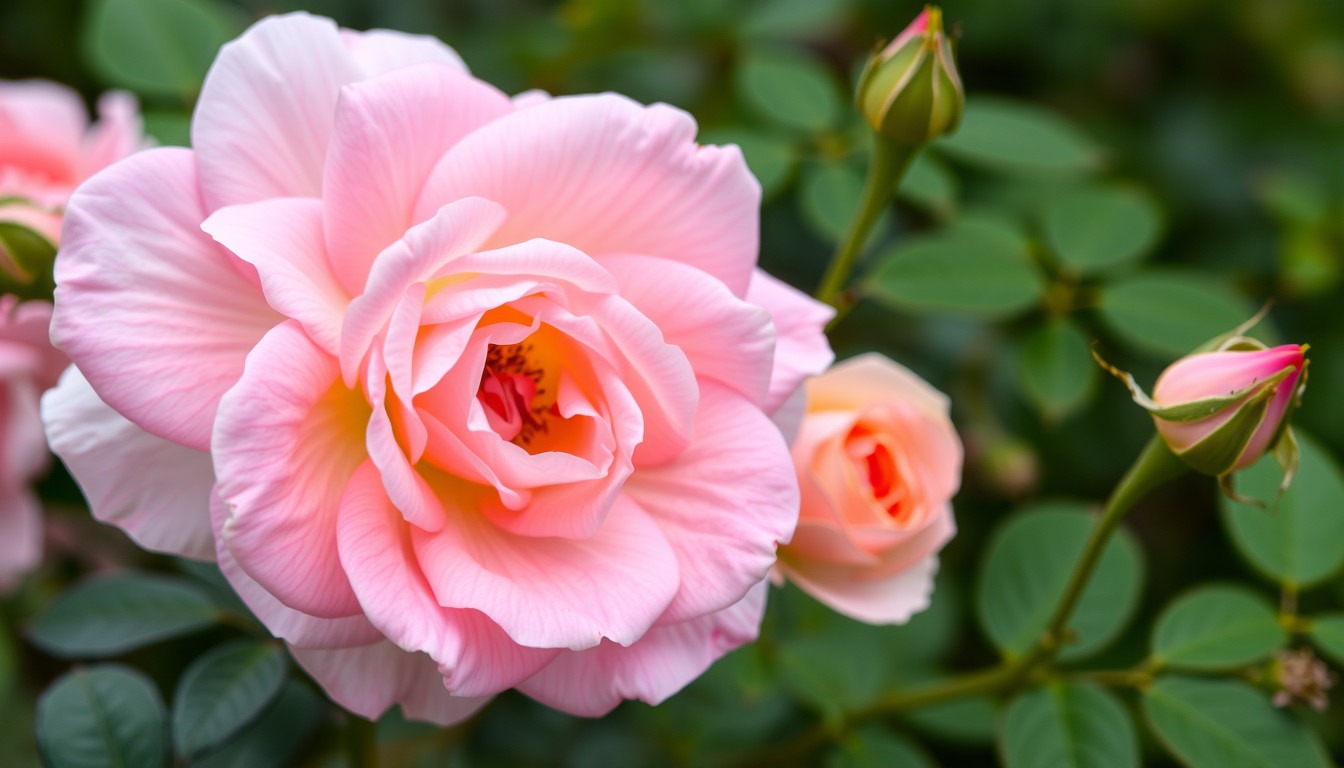
For those interested in traditional garden fragrances, [LINK]Damask roses[/LINK] are known for their classic, strong fragrance. are an excellent choice for their iconic scent.
1. Poliantha Damask
This variety produces clusters of small, densely petaled blossoms with a profoundly sweet, spicy aroma. It blooms reliably from early summer through fall, offering a consistent scent that enhances the sensory experience of any garden. Its bushy growth habit suits those seeking a compact yet fragrant shrub, and it adapts well to various soil types. However, Poliantha Damask can be susceptible to aphids and requires consistent pruning to keep it healthy.
Table of Contents
2. Mme Hardy Damask
Known for its large, pale pink flowers and powerful fragrance, Mme Hardy Damask has long been a favorite among perfume makers. Its scent lingers well into the evening, making it an excellent choice for sensory gardens focused on fragrance. This rose thrives in full sun and well-drained soil, though it may need protection from harsh winter conditions in colder climates. It does have a tendency to produce abundant thorns, which can make handling and pruning a bit difficult.
| Rose Variety | Scent Profile | Blooming Season | Appearance | Growing Conditions | Limitations |
|---|---|---|---|---|---|
| Poliantha Damask | Strong, sweet, spicy | Early summer to fall | Clusters of small, dense flowers | Well-drained soil, adaptable | Susceptible to aphids, needs pruning |
| Mme Hardy Damask | Rich, powerful, long-lasting | Late spring to early summer | Large, pale pink blossoms | Full sun, winter protection | Thorny stems, sensitive to cold |
Climbing Rose 'Zephirine Drouhin' for Year-Round Fragrance
The 'Zephirine Drouhin' climbing rose is prized for its persistent and strong scent, making it a standout among fragrant roses. Its ability to grow vertically along fences, walls, or trellises allows it to deliver a constant, pleasant aroma throughout the growing season, from early spring to fall.
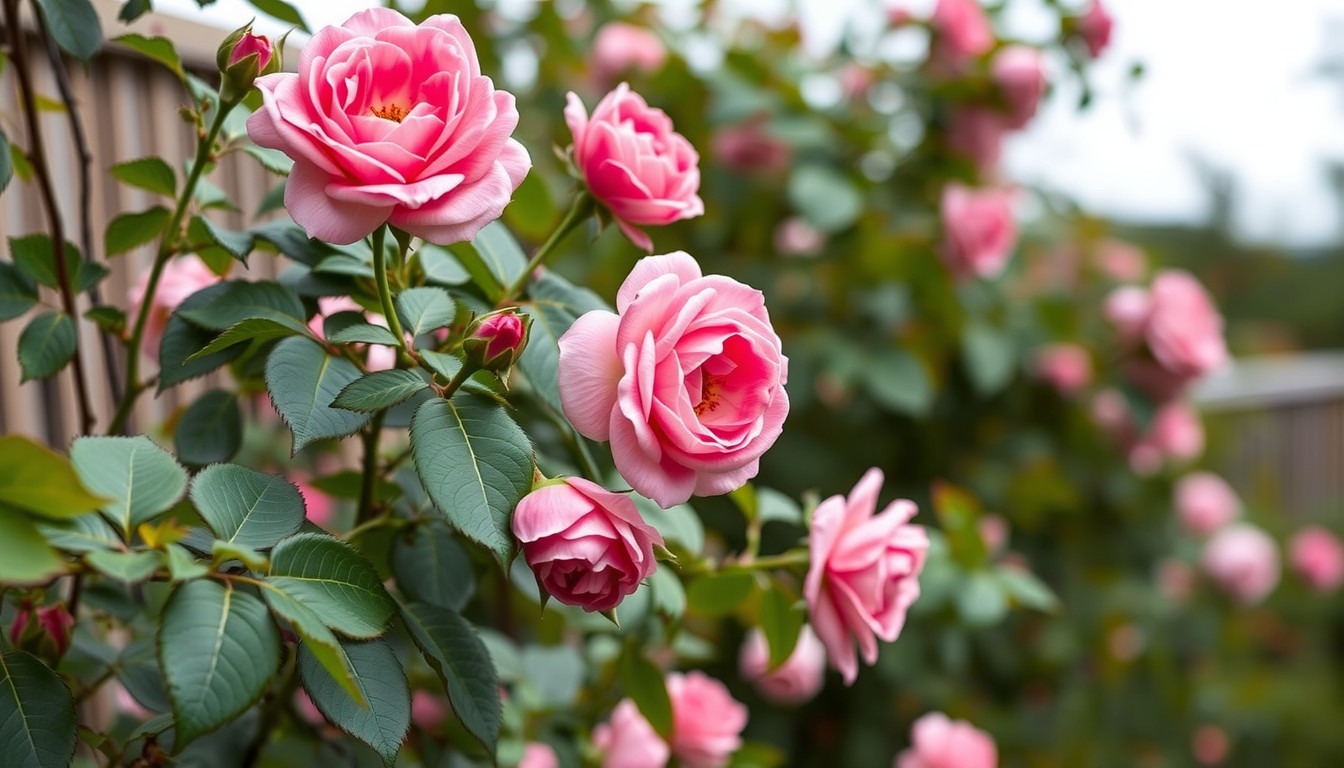
1. Fragrance Profile
This variety is notably fragrant among climbing roses, with an intensity level that is typically described as strong. Its scent is characterized by a vivid, sweet, and slightly spicy aroma that can fill a garden space without overwhelming. During peak blooming, the fragrance is especially pronounced, inviting close inspection and offering a sensory pleasure that greatly enhances outdoor spaces.
The strong scent characterizes how well this rose provides continuous aromatic impact, especially in full sun conditions, when the blooms are at their best. Gardeners seeking a persistent and powerful fragrance often choose 'Zephirine Drouhin' because it reliably releases a vivid, inviting scent that remains noticeable even after the flowers fade.
2. Suitability and Limitations
This rose suits those who want year-round fragrance with a vertical display, making it ideal for fences or wall-mounted gardens. It is especially suitable for gardeners who enjoy regular pruning, as its thorny stems require careful handling. While it provides impressive visual and aromatic impact, its thorniness can make pruning and maintenance a bit challenging, particularly for less experienced gardeners.
Additionally, 'Zephirine Drouhin' prefers full sun and well-drained soil, though it may need winter protection in colder climates. Its vigorous growth and strong scent make it a highly desirable choice, but gardeners should be prepared for its thorny stems and the need for consistent care to maximize fragrance and health.
Tea-Flowered Roses for Spicy Fragrance
Tea roses are prized for their distinctive, spicy aroma that tends to fill gardens with a rich, complex scent profile. Their aromatic qualities make them ideal for gardeners seeking a fragrant flourish in their outdoor space.
1. Popular Varieties
Among the most renowned tea roses for fragrance are ‘Etoile de Hollande’ and ‘Christopher Marlowe.’ These varieties are celebrated for their moderate to high scent intensity, often carrying fruity or spicy notes that add depth to their aroma. Their blooms typically feature classic rose forms, with petals that open fully to release their fragrance effectively.
Growing conditions significantly influence their fragrance production. Tea roses thrive best in climates with mild winters and plenty of sunshine. They prefer well-drained, slightly acidic soil rich in organic matter. Consistent watering and regular pruning help maintain healthy growth and enhance scent diffusion. In warmer climates, they may require afternoon shade to prevent heat stress, which can diminish scent intensity.
These roses tend to do well in gardens where care is attentive and conditions are optimal. However, their sensitivity to climate means that they might struggle or produce less fragrance in colder or overly wet environments. Gardeners should consider local climate conditions and soil quality before planting. Overall, tea roses offer a spicy, alluring aroma that appeals to those who enjoy a more complex floral scent, but their performance depends closely on proper cultivation practices and local climate compatibility.
Old Garden Roses for Rich, Multifaceted Scent
Frequently overlooked in modern gardens, Old Garden Roses produce some of the most layered and historic fragrances. Their scent profiles often include a combination of spicy, floral, and fruity notes, making them a favorite for fragrance enthusiasts.
1. Examples
Varieties like Gallica and Bourbon roses are prime examples of Old Garden Roses renowned for their potent aroma. Gallica roses, with their tight blooms, often emit a deep, spicy scent that intensifies during the early morning and evening hours. Bourbon roses, on the other hand, tend to have a rich, sweet fragrance that can fill a garden space.
These roses typically bloom once per season, usually between late spring and early summer, depending on the specific variety and climate. Their distinct fragrance tends to become more pronounced as they mature, releasing their scent most strongly in the cooler parts of the day, such as dawn and dusk.
Old Garden Roses are well-suited for gardeners who appreciate history and the atmosphere of traditional floristry. Their layered scents appeal to those willing to invest in their ongoing care, as they often require specific conditions like well-drained soil and full sun to thrive. One useful detail is that many of these roses are also quite hardy and disease-resistant compared to some modern hybrids, but their scent and bloom performance can diminish if overly stressed by climate or improper watering.
A notable limitation is their sensitivity to environmental factors. Cold or overly wet conditions may suppress their fragrance or cause bloom failure. However, for dedicated gardeners who provide attentive care, Old Garden Roses mature into smell-rich specimens that evoke a sense of history and nostalgia, making them a distinctive and sensory highlight in fragrant gardening.
Polyantha Roses for Compact Fragrance
Polyantha roses are small, bushy varieties that pack a surprising floral scent into compact forms, making them ideal for garden borders, containers, or ground cover. Their vibrant clusters of blooms not only add visual appeal but also contribute strong fragrance to small garden spaces.
1. Best Fragrant Polyantha
Among the most fragrant polyantha roses, certain varieties stand out for their bright, multi-flowered clusters and enticing aroma. These roses typically emit a sweet, fruity scent that entices garden visitors and enhances outdoor spaces with minimal maintenance.
Physically, polyantha roses feature dense masses of small blooms that flourish in tight clusters. Their colors range from soft pinks and reds to creamy whites, blending well with various garden styles. The form is generally compact, with a rounded, bushy habit that requires no extensive pruning. This visual richness complements the fragrant qualities, creating a sensory harmony that attracts pollinators and adds a lively splash of color.
These roses are particularly suitable for gardeners with limited space or those seeking a decorative ground cover with a sensory edge. Their small size and floriferous nature mean they perform well in containers or as border accents. They thrive in full sun and well-drained soil, with many varieties demonstrating notable resilience and disease resistance, especially when properly cared for.
One useful detail is that despite their modest stature, polyantha roses can produce a surprisingly strong perfume, often more concentrated than larger hybrid varieties. However, environmental conditions such as excessive heat or humidity can diminish their scent or flowering intensity. Cold weather may also impact their bloom production, making them better suited to moderate climates or requiring winter protection in colder areas.
While they generally require less maintenance, consistent watering and full sun are essential to maximize fragrance and bloom production. Compared to larger, more traditional roses, polyantha varieties may offer less in terms of overall scent range but excel in providing a concentrated, delightful perfume in a small footprint. Gardeners who value both visual charm and aromatic delight will find these roses a fitting choice, especially when space or practical planting considerations are priorities.
Fragrant Rambler Roses for Extensive Bloom and Scent
Rambler roses are prized for their vigorous growth and prolific flowering, often covering large structures with an abundance of fragrant blooms. Their persistent scent makes them a favorite for gardeners seeking a continuous, pleasant aroma in their outdoor spaces.
1. Recommended Varieties
Among the most fragrant rambler roses, varieties like American Beauty and Cecile Brunner stand out. These roses emit a strong, sweet aroma that can fill a garden or outdoor area with delightful scent during their blooming period. Their frequent, abundant blossoms make them ideal for covering trellises, fences, or pergolas, providing a continuous source of fragrance.
This type of rose generally suits those who desire both visual impact and sensory pleasure from their garden. Because they tend to be large and vigorous, rambler roses thrive with regular pruning and support, making them suitable for spacious gardens or private estates. They can, however, be less ideal for small, confined spaces where containment is a concern.
A useful detail is that these roses typically bloom in late spring through summer, sometimes extending their flowering season if properly cared for. Nevertheless, they may require winter protection in colder climates, as harsh weather can diminish their scent and flowering performance. While generally low-maintenance, they need full sun and consistent watering to maximize their fragrance and bloom density.
Compared to more compact rose varieties, ramblers may deliver a more powerful fragrance but might lack the nuanced scent range of certain shrub or hybrid teas. Their vigorous growth can also mean more frequent training and pruning are necessary to keep the plants healthy and in check, especially in smaller gardens.
David Austin English Roses for Sophisticated Fragrance
Renowned for their layered, complex scents, David Austin English Roses are often prized by gardeners seeking the most fragrant roses. These hybrid roses combine heritage charm with intense, character-rich aromas, making them a top choice for scent enthusiasts and traditional garden designs alike.
1. Top Picks
Varieties such as ‘Gertrude Jekyll’ and ‘Olivia Rose Austin’ stand out for their exceptional fragrance profiles. They deliver a strong, evocative scent characterized by an intensity that can fill a garden, attracting pollinators and delighting visitors. The fragrance level is often rated as highly intense, with some describing the aroma as both romantic and multi-layered, revealing different notes at various times of day or in changing weather conditions.
Due to their complex scent profiles, these roses are particularly suited for formal garden settings, scent-focused displays, or quiet retreat spaces. They thrive when planted in well-drained soil with full sun exposure, which helps maximize fragrance production. These roses not only offer a sensory experience but also bring a touch of historical elegance, echoing the traditional rose gardens of old England.
One useful detail for growers is that David Austin English Roses, especially the most fragrant ones, often require regular pruning to maintain their shape and encourage dense, fragrant blooms. However, their vigorous growth means they can quickly become dominant in smaller gardens unless managed carefully. A notable limitation is that, although deeply fragrant, some varieties may exhibit a slightly less prolific bloom count compared to modern hybrid roses, making timing and plant care crucial to fully enjoy their scent.
Frequently Asked Questions
1. What specific factors contribute to rose fragrance intensity?
The concentration of aromatic compounds, the variety’s genetics, and environmental conditions like soil, temperature, and sunlight all influence scent intensity in roses.
2. Which cultivation conditions maximize rose scent in different climates?
Providing full sun, well-drained soil, and consistent watering generally enhances fragrance, but specific needs vary; colder climates may require winter protection, while warmer areas benefit from shade during peak heat.
3. How often should fragrant roses be pruned for optimal scent?
Prune roses early in the growing season to promote healthy growth and air circulation, typically once or twice a year; avoid heavy pruning during blooming to preserve scent traits.
4. Do certain rose varieties bloom more fragrant than others?
Yes, Damask, Bourbon, and Tea roses are among the most fragrant, with their scent strength rooted in their genetic makeup; hybrid or modern roses often have less intense aromas.
5. What time of year do most fragrant roses emit their strongest scent?
The peak scent usually occurs during full bloom in late spring to early summer, though some varieties like climbing roses can maintain noticeable fragrance through multiple flowering periods.
6. Are there fragrances that tend to fade quickly, and how to prolong scent?
Fruity and spicy scents can fade rapidly; to prolong fragrance, deadhead spent blooms, prune regularly, and consider planting in cooler, shaded locations to reduce scent degradation.
7. Can hybridizing roses increase their scent intensity?
Hybridization can enhance scent traits if breeders select parent plants with strong fragrances, but the process may also dilute natural scent if not carefully managed.
Sources and Further Reading
- 17 of the Most Fragrant Roses for Sweet Scents All Season Long
- 18 Most Fragrant Roses That Smell As Good As They Look – Gardening Chores
- 15 Most Fragrant Roses to Grow for a Garden That Smells Like Heaven
- Extremely Fragrant Roses: The Ultimate Guide To Scented Varieties
- The Most Fragrant Roses for Your Garden: A Comprehensive Guide – Petal …