
Creating a tropical container garden can be a delightful adventure, bringing vibrant colors and lush greenery right to your home. With the right care and attention through the seasons, these gardens can thrive beautifully.
Table of Contents
Understanding Tropical Container Gardens
What are Tropical Container Gardens?
Tropical container gardens are essentially mini-ecosystems that allow us to grow a variety of tropical plants in pots or containers. These gardens can be set up on balconies, patios, or even indoors, making them accessible for everyone, regardless of space. I remember the first time I tried container gardening; I was amazed at how much life and color I could bring into my space with just a few pots. The thrill of nurturing plants and watching them flourish in their containers is truly rewarding.
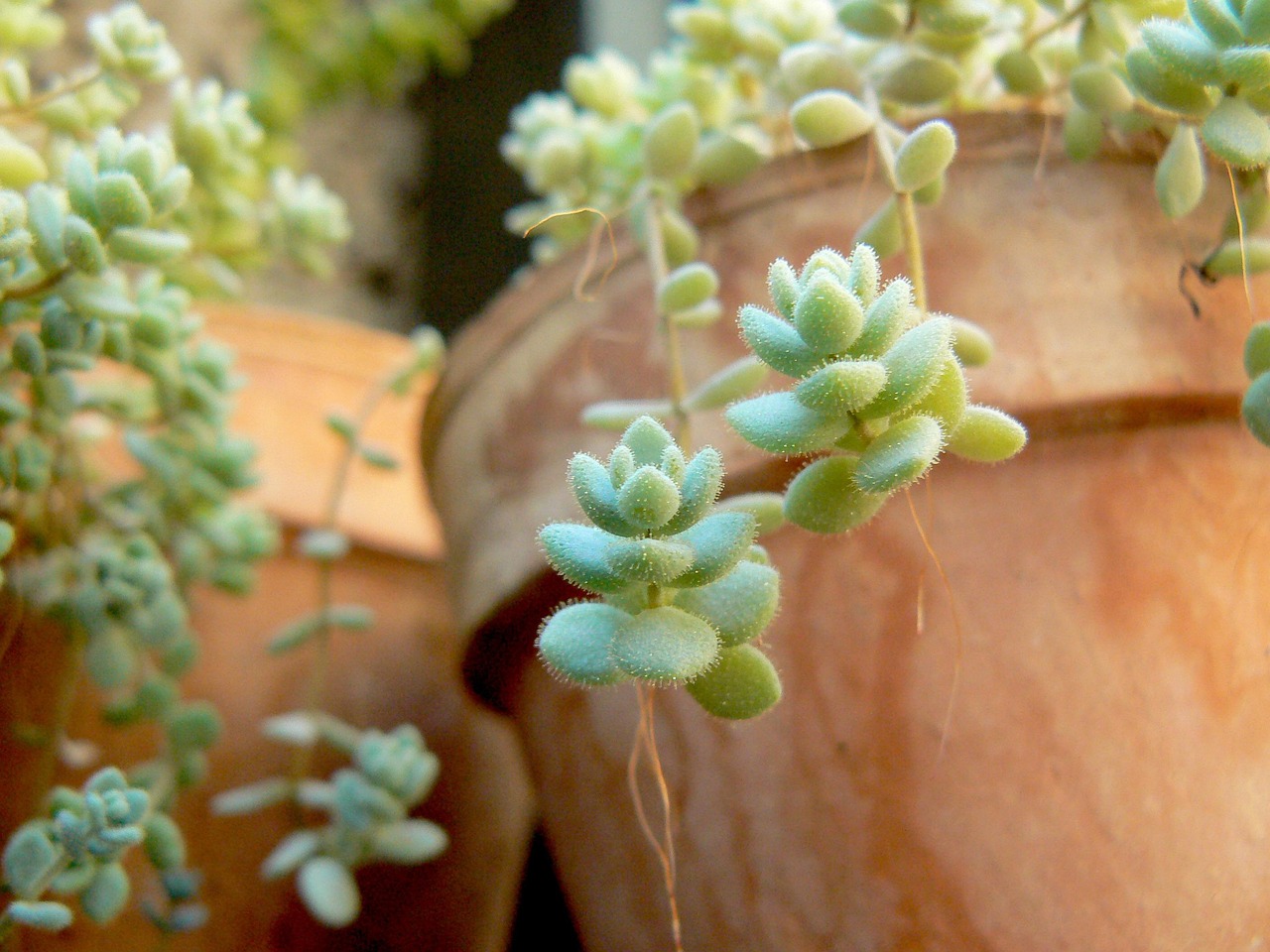
In a tropical container garden, you can choose from a wide array of plants that thrive in warm temperatures and require plenty of sunlight. Think of vibrant flowering plants, lush foliage, and even small fruit-bearing trees. I’ve found that the versatility of container gardening allows for creativity—mixing different plants and colors to create a living masterpiece that reflects my personal style. For more tips on soil preparation, check out DIY Soil Mix Recipes for Vibrant Tropical Container Gardens.
Benefits of Container Gardening in Tropical Climates
Container gardening in tropical climates offers numerous advantages. For starters, it allows us to control the growing conditions—like soil quality and moisture levels—more easily than in traditional garden beds. I’ve discovered that using good-quality potting soil can greatly influence plant health. Plus, containers provide excellent drainage, which is crucial in preventing root rot, especially in humid conditions.
Another benefit is mobility. If you’ve ever experienced a sudden downpour, you know how important it is to quickly relocate plants. Containers can be moved to sheltered areas or even indoors during extreme weather, ensuring our tropical beauties are protected. I’ve often moved pots around to take advantage of the best sunlight or shade, which has made a significant difference in growth and blooming. And let’s not forget the aesthetic appeal! Containers can be arranged and rearranged to create stunning displays, making our outdoor spaces more inviting.
Essential Plants for Tropical Container Gardens
Best Tropical Plants for Containers
When selecting plants for my tropical container garden, I look for those that can handle the heat and humidity. Some of my favorites include hibiscus, bougainvillea, and philodendrons. Hibiscus, with its large, colorful flowers, always makes a statement and attracts pollinators like bees and butterflies. Bougainvillea is another standout; its vibrant bracts create a cascade of color and can be trained to climb trellises or spill over the edges of pots.
For foliage, I love using ferns and caladiums. Their lush leaves add texture and depth, making the garden feel more tropical. I’ve also experimented with tropical fruit plants, like dwarf bananas or pineapple plants, which not only look great but also provide delicious rewards. When choosing plants, I always consider their growth habits and ensure that they will thrive together in the same container.
Choosing the Right Container
The choice of container can make a big difference in the health of your plants. I’ve learned that opting for pots made from breathable materials, like clay or resin, helps with moisture retention and prevents overheating. Drainage is critical; I always make sure there are adequate drainage holes in the bottom of each pot. If not, I’ve found that even the prettiest plant can suffer from waterlogged roots.
Size matters too! I tend to use larger containers for plants that will grow tall or bushy, as this gives them enough room to spread out their roots. Mixing different sized pots can create a visually appealing arrangement, and I love experimenting with various heights and shapes. Just remember, a well-chosen container not only supports plant health but also enhances the overall design of your garden.
In my experience, it’s important to consider how the container fits within the rest of the garden. Matching colors and styles can create harmony, while contrasting textures can add interest. I often find myself rearranging my pots, discovering new layouts that make my space feel fresh and exciting.
Seasonal Care Tips
Spring Care Tips
Soil Preparation and Fertilization
As spring rolls around, I get excited about the fresh start it brings to my tropical container garden. This season is all about rejuvenation. I begin by refreshing the soil in my containers. I’ve learned that using a quality potting mix is crucial, as it provides the right nutrients and drainage. I usually mix in some organic compost or well-rotted manure to enhance the soil’s fertility. This way, my plants get a nutrient boost as they start to grow again.
Fertilization is another essential part of my spring routine. I like to apply a slow-release fertilizer to ensure my plants have a steady supply of nutrients throughout the growing season. I remember the first year I skipped this step; my plants struggled to thrive. Now, I make it a priority because I’ve noticed a significant difference in growth and flowering when I keep them well-fed.
Planting and Transplanting Techniques
Spring is also the perfect time for planting new additions or transplanting existing plants to larger containers. I find that properly timing these activities can help the plants establish roots before the summer heat kicks in. When transplanting, I gently loosen the roots and place them in a new pot filled with fresh soil. It’s a bit of a messy process, but I love getting my hands dirty, and the reward of seeing my plants flourish is worth it!
If I’m adding new tropical plants, I make sure to choose varieties that complement what I already have. I often look for plants with contrasting colors or textures to create a vibrant display. Mixing different heights and forms keeps my garden visually interesting. I’ve learned that planning these combinations can truly elevate the aesthetic of my space.
Summer Care Tips
Watering Needs and Techniques
Summer brings heat and humidity, which means my tropical container garden requires diligent watering. I’ve found that checking the moisture level daily is critical. If the top inch of soil feels dry, it’s time to water. I typically water deeply to encourage root growth, allowing the water to flow out of the drainage holes at the bottom of the pot. This ensures that the entire root system gets the hydration it needs.
During particularly hot spells, I sometimes mist the leaves of my plants in the morning. This not only provides a little extra humidity but also helps keep pests at bay. I remember one summer when I neglected this step; the heat took its toll, and several plants showed signs of stress. Now, I make sure to keep a close eye on them and adjust my watering routine accordingly.
Managing Heat and Humidity
In summer, managing heat and humidity is crucial. I often move my pots around to find the perfect balance of sunlight and shade. For instance, some of my more delicate plants prefer dappled sunlight, while others thrive in full sun. I feel like a gardener in a dance, constantly adjusting to the rhythm of the sun’s movement.
Another tip I’ve learned is to group pots together. This creates a microclimate, helping to retain moisture. I noticed that my plants seemed happier and healthier when they were close together. Plus, it makes watering easier! I’ve also added mulch to the top of the soil in my pots; this helps retain moisture and keeps the roots cooler during those scorching summer days.
Fall Care Tips
Pruning and Maintenance
As fall approaches, it’s time to focus on maintenance. I find that pruning my tropical plants promotes healthy growth and can encourage flowering in the next season. I love taking a moment to inspect each plant; it’s a chance to appreciate how far they’ve come. If I see any dead or yellowing leaves, I promptly remove them to prevent any potential diseases from spreading.
In my experience, also cutting back overly leggy growth encourages bushier plants. It’s surprising how much vitality can come from a little trimming. I remember feeling hesitant the first time I pruned my hibiscus, but the result was a more robust plant that bloomed beautifully the following spring.
Preparing for Cooler Nights
As temperatures begin to drop, I keep an eye on the forecast. If cooler nights are on the way, I make sure to bring my more sensitive plants indoors or to a sheltered area. Covering pots with protective cloth can also help shield them from chilly winds. I’ve learned that it’s better to be proactive than to wait until a frost threatens my lovely plants.
Winter Care Tips
Protecting Plants from Frost
Winter can be tough on tropical container gardens, especially in areas that experience frost. I’ve become quite diligent in monitoring nighttime temperatures. If a frost is predicted, I cover my pots with frost cloth or burlap to protect them. It’s a small investment of time, but it’s saved my plants more than once!
Indoor Care for Tropical Plants
If I bring plants indoors for the winter, I try to find the sunniest spot in my home. I’ve noticed that my tropical plants thrive when they receive adequate light, even if it’s indirect. To keep them healthy, I also maintain a consistent watering schedule and occasionally mist them to replicate the humidity they love.
During the winter months, I take the time to reflect on my garden’s progress and plan for the upcoming spring. It’s a great opportunity to research new plants and think about how I can improve my container garden for the next season. This cycle of care and creativity keeps me inspired and connected to my growing space.
Common Pests and Diseases
Identifying Common Pests in Tropical Container Gardens
When I first started my tropical container garden, I was blissfully unaware of the little critters that could wreak havoc on my plants. Over time, I’ve learned to keep a close eye on them. Aphids, spider mites, and whiteflies are some of the most common pests I’ve encountered. Aphids tend to cluster on the undersides of leaves, sucking the sap and leaving behind a sticky residue known as honeydew. I remember the first time I spotted them; it felt like a mini invasion! Spider mites, on the other hand, usually create fine webbing on the leaves, which can be a sign of stress due to low humidity. I’ve also discovered whiteflies, which flutter up when I disturb the plants. Just a tiny cloud of them can be quite alarming!
It’s crucial to identify these pests early. I often spend a few moments each week inspecting my plants. A good magnifying glass can make a big difference in spotting these tiny troublemakers. I find that keeping a journal of the plants and their health helps me track any recurring issues, which is invaluable for prevention. For more detailed information on managing pests, refer to Common Pests in Container Gardening and How to Handle Them.
Preventative Measures and Treatments
Preventing pests in my tropical container garden has become a vital part of my gardening routine. One of the best strategies I’ve discovered is to encourage beneficial insects, like ladybugs and lacewings, that feed on pests. Creating a diverse plant environment can help attract these friends to my garden. I’ve also started using companion planting, which involves growing plants together that naturally repel pests. For instance, marigolds are known to deter aphids and nematodes, so I often plant them alongside more vulnerable species.
When it comes to treatment, I prefer using organic solutions to keep my garden safe and healthy. Neem oil has been a lifesaver for me; it’s effective against many pests and doesn’t harm beneficial insects when applied correctly. I remember the first time I used it; I diluted it with water and sprayed it on the affected plants in the evening to avoid sunburn on the leaves. It made a noticeable difference! I also enjoy using insecticidal soap for quick fixes; it’s gentle yet effective, making it a great option for my tropical plants.
Watering and Irrigation Techniques
Best Practices for Watering Tropical Container Gardens
Watering is one of the most crucial aspects of maintaining a thriving tropical container garden. I’ve learned that each plant has its own watering needs, and it’s essential to understand those differences. For instance, I find that plants like succulents prefer to dry out between waterings, while tropical plants like ferns and philodendrons thrive with consistently moist soil. I often feel like a detective, trying to decipher the clues each plant gives me about its water needs.
One of my favorite practices is to water in the morning. This allows time for the leaves to dry before evening, which helps prevent fungal diseases. I usually check the moisture level with my finger—if the top inch feels dry, it’s time to give them a drink. I prefer deep watering, ensuring the water penetrates the entire root zone. I often watch for it to drain out of the holes at the bottom of the pot; that’s my sign that I’ve done a good job!
Drip Irrigation vs. Manual Watering
As my container garden has grown, I decided to explore drip irrigation. I love the idea of having a system that waters my plants consistently without me having to worry about it daily. Setting up a drip irrigation system was a bit of a project, but it was well worth the effort. It not only saves time but also conserves water, which is an important factor for me. I’ve noticed that my plants respond well to this consistent moisture, and I can focus on other gardening tasks.
However, I still enjoy manual watering, especially when I want to check on my plants closely. It gives me a chance to bond with them. I often find myself admiring their progress while I water. It’s a ritual I cherish, and I think it helps me stay connected to my garden, understanding its needs more intimately.
Fertilization and Soil Management
Types of Fertilizers for Tropical Plants
Fertilizing my tropical container garden is something I’ve learned to approach with care. Different plants have different nutrient needs, so I always read up on what each type prefers. I typically use a balanced, slow-release fertilizer during the growing season, which helps provide a steady supply of nutrients. I usually apply it every few months, right at the beginning of spring and again midsummer. This way, my plants have the best chance to thrive!
In addition to slow-release fertilizers, I also enjoy using liquid fertilizers during the growing season. They give my plants an immediate boost, which is especially helpful if I notice any signs of nutrient deficiency, like yellowing leaves. I often dilute the liquid fertilizer and apply it when I water, making it easy to integrate into my routine.
Soil Composition and Drainage Solutions
The soil composition is another critical aspect I’ve come to understand. Good-quality potting mix is a must for tropical plants. I prefer a mix that includes components like peat moss, perlite, and coconut coir, which provide excellent drainage and aeration. I’ve had my share of experiences with poor drainage leading to root rot, so I always ensure my pots have proper drainage holes. For more information on the best soil mixes, check out Top 5 Soil Mixes for Thriving Tropical Container Gardens.
I sometimes mix in extra perlite or coarse sand to increase drainage, especially for plants that are more sensitive to overwatering. I’ve learned that creating the right soil environment not only supports plant health but also encourages vibrant colors and lush growth. It’s fascinating how much of a difference good soil can make!
Seasonal Design Considerations
Choosing Complementary Plant Combinations
One of the joys of container gardening is experimenting with plant combinations. I love to create arrangements that not only look beautiful but also support each other’s growth. When selecting plants, I focus on varying heights, textures, and colors to create visual interest. I remember one summer, I paired vibrant red hibiscus with the deep green leaves of a philodendron and the delicate blooms of a sweet potato vine. The contrast was stunning, and it drew compliments from friends and neighbors!
I also consider the growth habits of each plant. For instance, I’ve learned that combining trailing plants with upright varieties can create a layered effect that feels full and lush. I often play around with different combinations, and it’s incredible how a simple rearrangement can refresh the look of my garden.
Seasonal Color Schemes and Aesthetics
As the seasons change, I enjoy adapting my container garden’s color scheme. In spring, I might lean toward pastel colors, while summer often calls for bold, vibrant hues. I find that the colors I choose can truly affect the mood of my outdoor space. For example, I love how the bright yellows and oranges of marigolds can create a sunny atmosphere, while deep purples and blues can add a sense of tranquility.
Additionally, I like incorporating seasonal accents, such as decorative stones or colorful pots that reflect the current season. I remember adding bright orange pots for fall, which brought warmth to my garden as the leaves began to drop. It’s these small details that make my tropical container garden feel cohesive and inviting, no matter the time of year.
Resources and Tools for Container Gardening
Essential Gardening Tools
Over time, I’ve gathered an essential toolbox for my container gardening adventures. A good pair of pruning shears is indispensable; I use them to keep my plants tidy and healthy. I also recommend having a trowel and a hand cultivator on hand for planting and soil management. These tools make digging and mixing soil much easier.
Another tool I can’t live without is a watering can with a long spout. It allows me to water my plants without disturbing the soil too much, which is especially important for delicate species. I’ve discovered that having a moisture meter can also be helpful, especially for those times when I’m unsure whether it’s time to water. These small investments in tools have made a significant difference in my gardening experience.
Online Resources and Communities for Container Gardeners
The wealth of information available online has been a game-changer for me! I often find inspiration and tips through gardening blogs and online forums. Websites dedicated to container gardening have provided me with valuable insights, from pest management to seasonal care. I’ve also joined social media groups where fellow gardeners share their experiences and advice. It’s comforting to connect with others who share the same passion, and I’ve learned so much from their stories and suggestions.
One of my favorite resources is YouTube, where I can watch tutorials on various gardening techniques. Seeing someone demonstrate a new method makes it much easier to understand and implement. Plus, it’s always fun to discover new plant varieties or creative container designs. This community of gardeners, both online and offline, keeps me motivated and inspired on my gardening journey!
Frequently Asked Questions
What are tropical container gardens?
Tropical container gardens are mini-ecosystems that allow for the growth of various tropical plants in pots or containers. They can be set up on balconies, patios, or indoors, making them accessible for people with limited space.
What are the benefits of container gardening in tropical climates?
Container gardening in tropical climates offers advantages such as better control over growing conditions, excellent drainage, and mobility. It allows gardeners to move plants to sheltered areas during extreme weather and create visually appealing arrangements.
What types of plants are best for tropical container gardens?
Some popular tropical plants for containers include hibiscus, bougainvillea, philodendrons, ferns, caladiums, and even tropical fruit plants like dwarf bananas and pineapple plants. These plants thrive in warm temperatures and require plenty of sunlight.
How should I choose the right container for my tropical plants?
When selecting a container, opt for breathable materials like clay or resin, ensure adequate drainage holes, and choose a size that allows for root growth. Mixing different sizes and shapes can enhance the visual appeal of your garden.
What are some spring care tips for tropical container gardens?
In spring, refresh the soil with quality potting mix and organic compost, and apply a slow-release fertilizer. It’s also a good time for planting new additions or transplanting existing plants to larger containers.
How do I manage watering during the summer for my tropical container garden?
During summer, check the moisture level daily and water deeply when the top inch of soil feels dry. Grouping pots together can create a microclimate that helps retain moisture, and misting the leaves can provide extra humidity.
What maintenance should I do for my tropical plants in the fall?
In fall, focus on pruning your tropical plants to promote healthy growth and remove any dead or yellowing leaves. It’s also important to prepare sensitive plants for cooler nights by moving them indoors or covering them with protective cloth.
How can I protect my tropical plants from frost in winter?
To protect plants from frost, monitor nighttime temperatures and cover pots with frost cloth or burlap if frost is predicted. If bringing plants indoors, place them in the sunniest spot and maintain a consistent watering schedule.
What common pests should I watch for in tropical container gardens?
Common pests in tropical container gardens include aphids, spider mites, and whiteflies. Regularly inspecting plants and encouraging beneficial insects can help manage these pests effectively.
What are some best practices for watering tropical container gardens?
Watering in the morning is ideal, allowing leaves to dry before evening to prevent fungal diseases. Deep watering ensures moisture penetrates the entire root zone, and using a drip irrigation system can provide consistent moisture without daily effort.