
Spring is the perfect time to unveil the wonders of tropical plants. Let’s dive into the secrets that will help these vibrant plants thrive in your garden.
Table of Contents
Understanding Tropical Plants
Definition of Tropical Plants
Tropical plants are those that thrive in warm, humid environments typically found near the equator. These plants love consistent warmth and moisture, making them unique compared to their temperate counterparts. I remember when I first learned about tropical plants; the sheer variety and vibrancy captivated me. It’s fascinating to think that these plants flourish in climates where temperatures rarely dip below 50°F (10°C). Understanding this definition helps us appreciate their special needs for successful growth.
Types of Tropical Plants
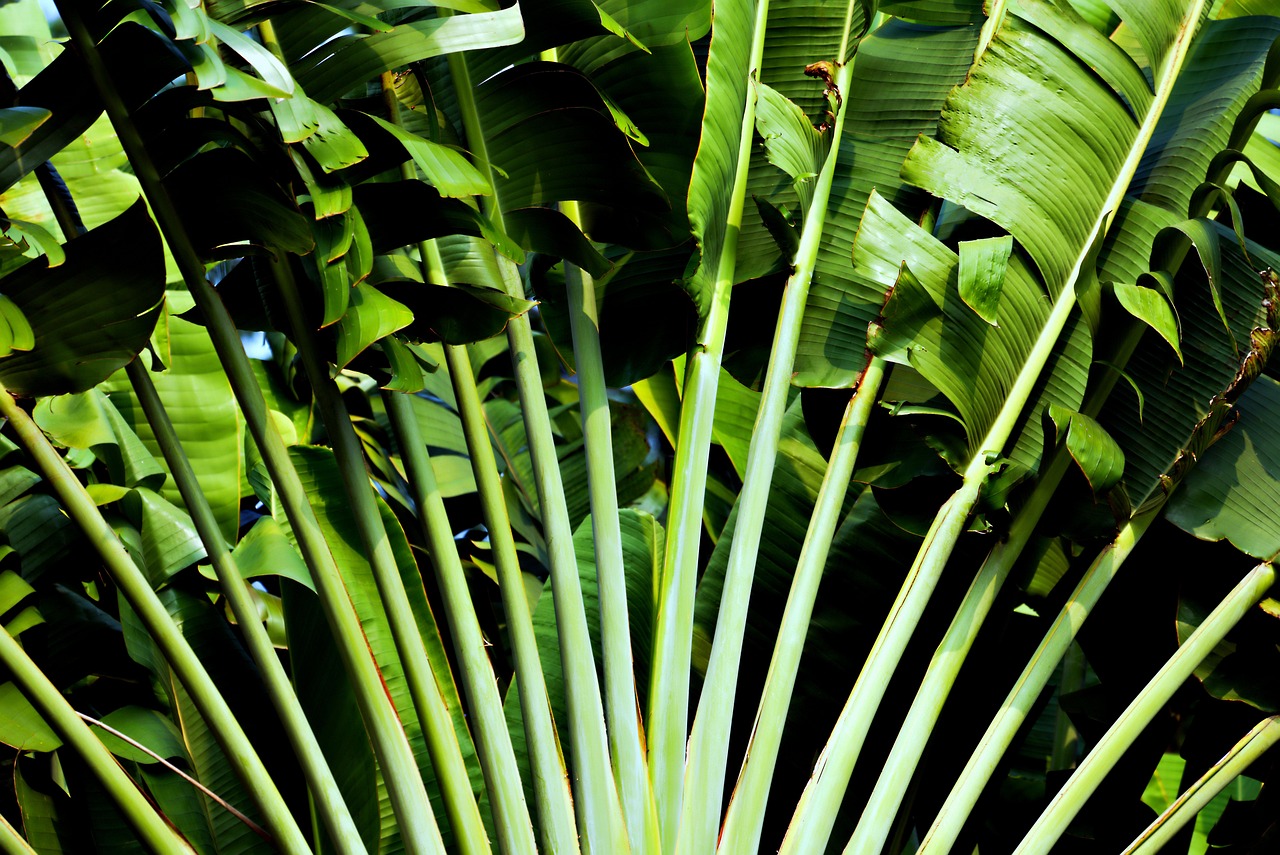
There’s an incredible range of tropical plants to explore. From the striking Bird of Paradise to the enchanting Hibiscus, each plant brings its own charm. Here’s a quick overview of some popular types:
- Flowering Plants: These include orchids, bougainvillea, and plumeria, known for their stunning blooms.
- Foliage Plants: Plants like philodendrons and monstera add a lush, green aesthetic to any garden.
- Trees: Palms, rubber trees, and banana plants can provide shade and a tropical feel.
- Cacti and Succulents: Some tropical regions have unique varieties that thrive in drier conditions.
When I began my tropical garden, I experimented with different types, and I found that mixing flowering and foliage plants created an inviting atmosphere.
Characteristics of Tropical Plants
Tropical plants share several key characteristics that set them apart. They often have broad leaves, which help them capture sunlight efficiently in their native habitats. I remember being amazed by the size of some leaves, like those of the elephant ear plant; they seem to reach for the sky! Another defining feature is their vibrant colors; many tropical plants boast bright hues to attract pollinators. Additionally, these plants typically have a fast growth rate, especially during the warm season. Understanding these characteristics allows us to provide better care tailored to their needs.
Spring Planting Essentials
When to Start Planting Tropical Plants
Timing is crucial when it comes to planting tropical plants. Generally, the best time to start is after the last frost, which varies depending on your region. I’ve learned that many gardeners wait until the soil temperature reaches at least 60°F (15°C). This ensures that your tropical plants will have the warmth they need to get established. For me, checking the weather forecast and planning my planting dates accordingly became a vital part of my gardening routine.
Ideal Soil Conditions for Tropical Plants
Tropical plants thrive in well-draining soil that retains moisture without becoming waterlogged. I found that a mix of potting soil, compost, and perlite works wonders. This blend provides the necessary nutrients while ensuring adequate drainage. It’s essential to test the pH level of your soil, aiming for a slightly acidic to neutral range of 6.0 to 7.0. When I first started gardening, I overlooked this step, which resulted in stunted growth for some of my plants. Now, I always make soil testing a priority.
Climate Considerations for Tropical Plant Growth
Understanding your local climate is key to successful tropical gardening. Tropical plants generally prefer warm temperatures and high humidity. In my experience, if you live in a cooler climate, you might want to consider starting your plants indoors or using a greenhouse. I remember using a grow light during my first spring planting; it really helped my young plants get a strong start before transferring them outdoors. I also learned that consistent watering and misting can mimic the humidity these plants crave.
Tools and Equipment Needed for Planting
Having the right tools can make your planting experience smooth and enjoyable. Here are some essentials I recommend:
- Shovels and Trowels: Perfect for digging holes and mixing soil.
- Watering Can or Hose: Essential for keeping your plants hydrated.
- Pruning Shears: Useful for keeping your plants healthy by removing dead or diseased leaves.
- Gloves: Protect your hands while working with soil and plants.
When I first started, I skimped on tools and learned the hard way that investing in quality equipment pays off in the long run. It makes the planting process so much more enjoyable!
Choosing the Right Tropical Plants
Popular Tropical Plants for Beginners
When I first started my journey into tropical gardening, I felt overwhelmed by the vast choices available. However, I quickly discovered that certain plants are not only stunning but also forgiving for beginners. One of my favorites is the Peace Lily, known for its beautiful white blooms and ability to thrive in lower light conditions. Another great option is the Snake Plant; it’s virtually indestructible and can tolerate neglect, making it perfect for those of us who may forget to water occasionally. Finally, I recommend trying Pothos, which grows easily in various conditions and is fantastic for beginners looking to fill their spaces with lush greenery.
Best Tropical Plants for Containers
If you’re like me and have limited garden space—or simply love the idea of bringing the tropics indoors—container gardening is a fantastic solution. I’ve found that Ferns, such as Boston Ferns or Bird’s Nest Ferns, thrive beautifully in pots, adding a soft, lush feel to any space. Caladiums are another striking choice, with their heart-shaped leaves offering a burst of color. Lastly, Dracaena varieties are perfect for containers; they add height and drama while being relatively easy to care for. Using decorative pots can also enhance the aesthetic, allowing us to showcase our tropical plants as living art pieces.
Low-Maintenance Tropical Plants
For those of us with busy lives, finding low-maintenance tropical plants can be a game changer. One plant that has worked wonders for me is the ZZ Plant. This beauty thrives on neglect and doesn’t need much light or water, making it ideal for anyone with a hectic schedule. Another low-maintenance favorite is the Rubber Plant; its glossy leaves are not only beautiful but also resilient. Additionally, the Spider Plant is a classic choice; it’s forgiving and produces ‘babies’ that can be propagated easily, giving us more plants with minimal effort!
Exotic Tropical Plants to Try
If you’re feeling adventurous and want to add some exotic flair to your garden, I highly recommend trying Heliconias. These stunning plants produce vibrant, bird-like flowers that are sure to be a conversation starter. I remember stumbling upon a Heliconia in a garden center, and I couldn’t resist bringing it home! Another exotic option is the Hibiscus, which showcases large, colorful blooms that can brighten up any space. Finally, consider the Alocasia, known for its dramatic foliage; these plants can add a touch of the tropics and are perfect for creating a tropical oasis. Just be aware that some of these plants can be a little more finicky, so I always recommend doing a bit of research to ensure they fit your gardening style.
Planting Techniques for Tropical Plants
Preparing the Soil for Planting
As I learned more about tropical gardening, I realized how crucial soil preparation is for the health of my plants. I typically start by loosening the soil to improve aeration. Mixing in organic matter like compost not only enriches the soil but also helps retain moisture, which is vital for tropical plants. I remember the first time I planted without adequately preparing the soil, and my plants struggled to take root. Now, I always take the time to prepare my soil properly, and the results speak for themselves!
Transplanting Techniques for Young Plants
Transplanting young tropical plants can be a bit daunting, but I’ve found that it’s all about being gentle and careful. I usually water the plant a day before transplanting; this helps to reduce stress on the roots. When removing the plant from its pot, I gently tap the sides to loosen the soil and then carefully slide it out, making sure not to damage the roots. In my experience, planting the young plant at the same depth it was in its original pot helps it adjust better. After transplanting, I give it a good watering to settle the soil around the roots.
Spacing and Arrangement Tips
When arranging my tropical plants, I always consider their growth habits and space requirements. I often use taller plants, like palms or dracaenas, as focal points in the back or center of my garden. For me, creating layers with varying heights adds depth and interest. I like to place shorter plants, like ferns or caladiums, in the front to create a lush, tropical feel. Additionally, I leave enough space between plants to allow for airflow, which is essential for preventing diseases. Observing how the plants interact with each other has been a rewarding part of my gardening journey.
Watering Guidelines Post-Planting
After planting, I’ve learned that watering is key to establishing a healthy root system. I typically water thoroughly, ensuring the soil is evenly moist but not soggy. One thing I’ve noticed is that tropical plants love consistent moisture, so I try to keep an eye on the soil’s moisture level. I often stick my finger in the soil to check. If it feels dry an inch below the surface, it’s time for a drink. I also like to use mulch to retain moisture and suppress weeds, which makes my life a little easier while adding an extra layer of beauty to my garden.
Care and Maintenance of Tropical Plants
Fertilization Best Practices
Once my tropical plants are settled in, I quickly learned that fertilization is key to keeping them healthy and thriving. Tropical plants often require more nutrients than other varieties due to their rapid growth. I usually opt for a balanced, water-soluble fertilizer that I can mix into my watering routine every few weeks during the growing season. One personal tip I found useful is to dilute the fertilizer to half the recommended strength; this way, I avoid the risk of over-fertilizing, which can harm the plants. Watching my plants respond positively to the nutrients has been incredibly rewarding, and I often notice a burst of growth after a good feeding.
Pest Control Strategies
Keeping pests at bay has been one of the biggest challenges I’ve faced in tropical gardening. Aphids, spider mites, and mealybugs seem to have a knack for finding their way to my plants! I’ve found that regularly inspecting my plants helps me catch infestations early. If I spot any pests, I often spray them off with a strong jet of water or use insecticidal soap. I’ve also learned to introduce beneficial insects, like ladybugs, which can help control pest populations naturally. I remember the first time I noticed ladybugs in my garden; it felt like I had a little army working on my behalf! Taking these proactive measures has made a noticeable difference in the health of my plants.
Common Diseases Affecting Tropical Plants
In addition to pests, tropical plants can fall victim to various diseases, which I unfortunately learned the hard way. Fungal infections, root rot, and leaf spot are some of the common issues I’ve encountered. I’ve found that ensuring good air circulation and avoiding excess moisture on the leaves can significantly reduce the risk of these diseases. For example, when I watered, I made it a habit to water at the base of the plant rather than from above. If I do notice a disease, I quickly remove affected leaves and sometimes apply a fungicide if necessary. It’s been a learning curve, but staying attentive to my plants has helped me keep them in tip-top shape.
Pruning and Grooming Techniques
Pruning is an essential part of maintaining the beauty and health of tropical plants. I’ve discovered that regular pruning encourages bushier growth and helps remove any dead or diseased leaves. I like to tackle pruning in the spring to prepare my plants for their growing season. Using sharp pruning shears, I carefully snip away any dead or yellowing leaves, which not only improves the appearance of the plant but also promotes airflow. I remember feeling nervous the first time I pruned my plants, worried I might damage them, but now it feels like a natural part of my gardening routine. Plus, I often take cuttings from my plants to propagate new ones, which has been a lovely way to expand my tropical garden!
Creating the Perfect Tropical Environment
Light Requirements for Tropical Plants
One of the most vital aspects of caring for tropical plants is understanding their light needs. Many tropical plants thrive in bright, indirect sunlight, while others can tolerate lower light conditions. I’ve made it a point to observe how the light shifts in my garden throughout the day. For instance, my Peace Lily flourishes in a spot that receives filtered light, while my Snake Plant does well in a shadier corner. If I notice a plant stretching toward the light or showing signs of yellowing leaves, it’s usually a clue that I need to adjust its location. I remember moving my Dracaena closer to a window and almost instantly seeing it perk up!
Humidity Levels and Their Importance
Humidity is another critical factor in keeping my tropical plants happy. Since most tropical plants originate from naturally humid environments, I’ve found that mimicking these conditions is essential. I often use a humidifier or place trays filled with water and pebbles near my plants to enhance humidity levels. During particularly dry spells, misting my plants has also been helpful. I recall a time when I neglected the humidity, and my delicate ferns showed signs of stress; I quickly implemented my misting routine, and they bounced back beautifully. It’s amazing how a little extra moisture can transform the overall health of my garden!
Temperature Control for Optimal Growth
Tropical plants thrive in warm temperatures, so I’ve learned to keep an eye on the climate in my space. I aim to maintain temperatures between 65°F to 85°F (18°C to 29°C) for optimal growth. During colder months, I ensure my plants aren’t exposed to drafts or sudden temperature changes. I remember bringing my plants indoors last year before a cold snap and was thrilled that they continued to flourish. When keeping plants indoors, I also make sure they aren’t too close to heating vents, which can dry them out. Finding the right balance has been a key factor in my gardening success.
Common Mistakes to Avoid When Planting Tropical Plants
Overwatering vs. Underwatering
One of the biggest challenges I’ve faced as a tropical gardener is striking the right balance with watering. I’ve made the mistake of overwatering, thinking my plants needed constant moisture, only to find them wilting and suffering from root rot. On the flip side, I’ve also let them dry out too much at times, especially during hot spells. I learned that it’s crucial to check the soil moisture before watering. Now, I stick my finger into the soil about an inch down; if it’s dry, it’s time to water. This simple habit has saved many of my plants from distress!
Ignoring Soil Quality
When I first started gardening, I didn’t pay much attention to soil quality, and it showed! Poor soil can lead to stunted growth and unhealthy plants. I remember when I used straight garden soil without any amendments; my tropical plants struggled to thrive. Now, I always ensure my soil is well-aerated and nutrient-rich by mixing in organic compost and perlite. Investing time in good soil has made a world of difference in the health of my plants.
Choosing Incompatible Plant Varieties
Choosing the right plant varieties is essential for a thriving tropical garden. I’ve had my fair share of missteps, like planting sun-loving tropicals in shaded areas or mixing plants with different humidity needs. I once planted a delicate orchid next to a robust monstera, and I quickly realized that their requirements were worlds apart! Now, I take time to research the specific needs of each plant and group them accordingly. This simple act has helped me create a more harmonious garden.
Sustainable Practices for Planting Tropical Plants
Using Organic Fertilizers
As I became more conscious of my gardening practices, I shifted towards using organic fertilizers. I found that they not only nourish my plants but also support the ecosystem. I typically use compost and natural amendments like fish emulsion or seaweed extract to feed my tropical plants. Seeing my plants respond positively to these organic options has been incredibly gratifying, and I feel good knowing I’m making a sustainable choice.
Water Conservation Techniques
Water conservation has become an important focus for me, especially during dry seasons. I’ve implemented rainwater collection systems and use drip irrigation to minimize waste. I also mulch around my plants to help retain moisture in the soil. These practices have not only helped me save water, but they’ve also contributed to healthier plants by maintaining consistent moisture levels. It’s satisfying to know I’m doing my part while enjoying the beauty of my tropical garden.
Encouraging Biodiversity in Your Garden
Creating a diverse garden has always been a goal of mine. I’ve learned that planting a variety of species not only attracts beneficial insects but also helps create a balanced ecosystem. I often incorporate native plants alongside my tropical varieties, which support local wildlife and pollinators. Observing the increased activity in my garden has been a joy, and it reinforces the importance of biodiversity in maintaining a healthy, thriving environment.
Resources for Further Learning
Books on Tropical Gardening
For anyone wanting to deepen their understanding of tropical gardening, I highly recommend checking out books like “Tropical Plants for Home and Garden” by the Royal Horticultural Society. It’s packed with insights and practical advice that have helped me tremendously. I also enjoyed “The Tropical Gardener” by John Brookes, which offers inspiring designs and tips suited for tropical climates.
Online Communities and Forums
Joining online communities has been a game changer for me. Websites like GardenWeb and Reddit’s gardening forums have connected me with fellow tropical plant enthusiasts. Sharing experiences and seeking advice from others has enriched my gardening journey. I love reading about others’ successes and challenges, and it often inspires new ideas for my garden!
Workshops and Local Gardening Clubs
Lastly, attending workshops and joining local gardening clubs has provided me with hands-on learning experiences. I remember participating in a local tropical plant workshop where I learned about propagation techniques. Meeting other gardeners in my area has also fostered friendships and given me a support network. I encourage everyone to seek out these opportunities; they are invaluable for growing as a gardener.
Final Thoughts
Gardening with tropical plants has been one of the most rewarding experiences of my life. From understanding their unique needs to creating a vibrant, lush space, I’ve learned so much along the way. I encourage anyone interested in tropical gardening to dive in, embrace the learning curve, and enjoy the journey. Remember, every gardener has their own story filled with triumphs and lessons. So, let’s keep cultivating our love for plants and sharing our experiences with others!
Read Interesting article: Winter Care for Tropical Plants: Keep Them Thriving
Frequently Asked Questions
What are tropical plants?
Tropical plants are those that thrive in warm, humid environments typically found near the equator. They require consistent warmth and moisture, flourishing in climates where temperatures rarely dip below 50°F (10°C).
What types of tropical plants are popular for gardening?
Popular types of tropical plants include flowering plants like orchids and hibiscus, foliage plants like philodendrons and monstera, trees such as palms and rubber trees, and even cacti and succulents from tropical regions.
When is the best time to plant tropical plants?
The best time to start planting tropical plants is generally after the last frost, ensuring that the soil temperature reaches at least 60°F (15°C) for optimal establishment.
What soil conditions are ideal for tropical plants?
Tropical plants thrive in well-draining soil that retains moisture without becoming waterlogged. A mix of potting soil, compost, and perlite is recommended, with a pH level aiming for 6.0 to 7.0.
Which tropical plants are suitable for beginners?
Beginners may find success with the Peace Lily, known for its beautiful blooms and low light tolerance, the Snake Plant, which is resilient and requires minimal care, and Pothos, which grows easily in various conditions.
How can I maintain humidity for my tropical plants?
To maintain humidity for tropical plants, you can use a humidifier, place trays filled with water and pebbles near the plants, or mist them regularly, especially during dry spells.
What are some common pests that affect tropical plants?
Common pests affecting tropical plants include aphids, spider mites, and mealybugs. Regular inspection, spraying with water, and introducing beneficial insects like ladybugs can help manage these pests.
How should I water my tropical plants after planting?
After planting, water thoroughly to ensure the soil is evenly moist but not soggy. It’s important to check the soil moisture level regularly and use mulch to retain moisture.
What common mistakes should I avoid when planting tropical plants?
Common mistakes include overwatering or underwatering, ignoring soil quality, and choosing incompatible plant varieties. It’s crucial to check soil moisture, use well-aerated soil, and research the specific needs of each plant.
What are some sustainable practices for planting tropical plants?
Some sustainable practices include using organic fertilizers, implementing water conservation techniques like rainwater collection, and encouraging biodiversity by planting a variety of species to support local wildlife and pollinators.
Read Interesting article: Protect Your Tropical Plants: Winter Gardening Strategies
Read Interesting article: Essential Winter Care Tips for Tropical Plants in Your Garden