
Yes, the Bleeding Heart Vine (Dicentra spectabilis) contains toxic isoquinoline alkaloids that can have harmful effects on both humans and pets. Understanding these poisonous effects, the symptoms of exposure, and safety precautions is essential for anyone who grows or interacts with this plant.
Understanding the Toxicity of Bleeding Heart Vine
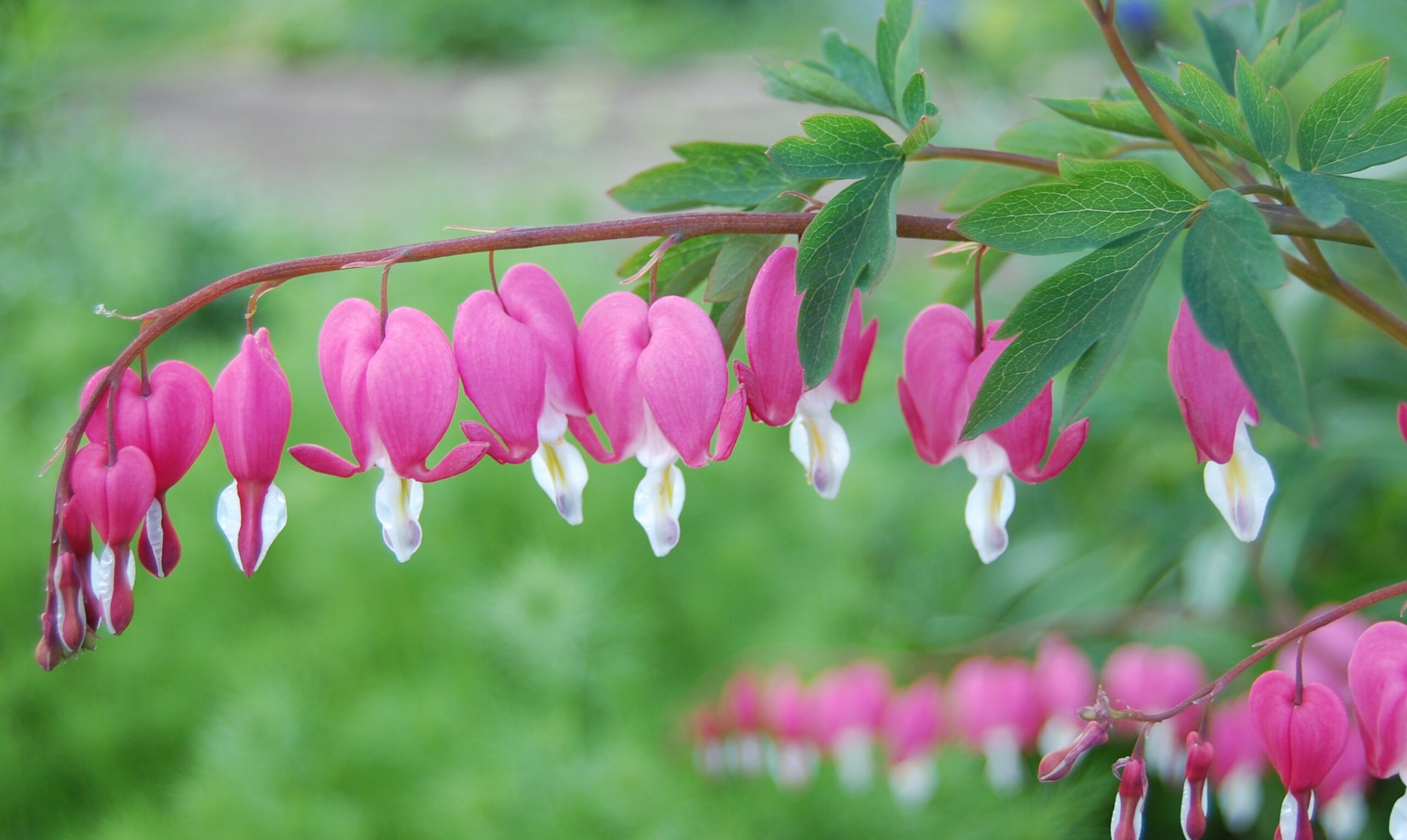
The Bleeding Heart Vine (Dicentra spectabilis) is not just a beautiful addition to gardens; it also contains toxic compounds that pose risks to both humans and pets. The primary culprits behind its poisonous effects are isoquinoline alkaloids. These compounds are found in all parts of the plant, including the roots, leaves, stems, and flowers.
Key Toxic Compounds
-
Isoquinoline Alkaloids:
- These potent compounds are responsible for the toxicity associated with the Bleeding Heart plant. When ingested, isoquinoline alkaloids can interfere with normal biological processes. They are known to cause a range of symptoms, from mild gastrointestinal upset to more severe reactions.
-
Common Symptoms of Toxicity:
- Gastrointestinal Distress: Ingesting parts of the Bleeding Heart can lead to nausea, vomiting, and diarrhea. These symptoms are often the first indicators of irritation caused by the alkaloids.
- Skin Irritation: Direct contact with the plant can result in skin reactions such as redness, itching, and rashes. This is mainly due to the presence of alkaloids in the sap, which can cause discomfort upon exposure.
- Severe Reactions: In more serious cases, especially with larger ingestions, symptoms may escalate to include confusion, seizures, or difficulty breathing. Such severe outcomes are rare but underscore the importance of treating this plant with caution.
Mechanism of Toxicity
Isoquinoline alkaloids work by disrupting normal cellular functions. For instance, they can inhibit vital processes like muscular contractions and liver functions. This disruption can lead to serious complications, such as liver damage, if significant quantities are consumed. Studies have shown that the toxicity of these alkaloids varies, but their potential to cause harm remains a significant concern for both pets and humans [https://www.academia.edu/51950399/Quinolines_Isoquinolines_Angustureine_and_Congeneric_Alkaloids_Occurrence_Chemistry_and_Biological_Activity].
Safety Precautions
Given the toxicity of the Bleeding Heart plant, safety precautions are essential when handling it. Wearing protective gear, such as gloves, is highly recommended. This minimizes the risk of skin irritation and accidental ingestion. For those who garden or work with these plants, investing in quality Garden Gloves for Safe Handling of Toxic Plants can provide an extra layer of protection.
Understanding the toxic effects of the Bleeding Heart Vine is crucial for anyone who interacts with this plant. Recognizing the symptoms and knowing how to respond can make all the difference in ensuring safety for both humans and pets.
Common Symptoms of Bleeding Heart Vine Poisoning
The Bleeding Heart plant, known scientifically as Dicentra spectabilis, contains isoquinoline alkaloids that can lead to various poisoning symptoms in both humans and pets. Understanding these symptoms is vital for anyone who may come into contact with this beautiful but toxic plant.
Symptoms in Humans
When humans ingest parts of the Bleeding Heart plant, they may experience:
- Mild Gastrointestinal Upset: This can include symptoms like nausea, vomiting, and diarrhea. These are often the first signs of exposure.
- Skin Irritation: Direct contact with the plant’s sap may cause mild skin reactions, such as redness, itching, or rashes.
-
Severe Reactions: In cases of significant ingestion, more serious symptoms can occur, including:
- Liver Damage: Prolonged exposure to high amounts of isoquinoline alkaloids can affect liver function.
- Seizures: Though rare, seizures can occur if a large quantity is consumed.
The severity of these symptoms typically correlates with the amount ingested. Smaller amounts may only lead to mild gastrointestinal issues, while larger doses can escalate to severe reactions requiring medical attention.
Symptoms in Pets
Pets, especially dogs and horses, are more likely to experience pronounced symptoms when they consume the Bleeding Heart plant:
- Gastrointestinal Distress: Similar to humans, pets may show signs of vomiting, diarrhea, and lethargy after ingesting the plant.
- Excessive Drooling: This can be an indicator of nausea or discomfort.
- Neurological Symptoms: In cases of higher consumption, symptoms may include staggering, tremors, weakness, and even seizures.
Again, the severity of these symptoms depends on how much of the Bleeding Heart plant was ingested. Prompt recognition and treatment are essential to prevent severe health outcomes.
What to Do If Symptoms Appear
If you suspect that someone has ingested parts of the Bleeding Heart plant, or if your pet shows signs of distress, it’s crucial to seek help immediately. Rinse the mouth with water for humans and contact a poison control center. For pets, reach out to a veterinarian for guidance on the best steps to take.
Being aware of these symptoms can make a significant difference in ensuring safety when interacting with the Bleeding Heart plant. Always take precautions and keep this plant away from children and curious pets to minimize risks associated with its toxicity.
Effects on Pets and Livestock
The Bleeding Heart plant, or Dicentra spectabilis, can have serious effects on pets and livestock due to its toxic isoquinoline alkaloids. These compounds are found in all parts of the plant, making ingestion particularly risky. Dogs and cats are especially vulnerable, and even small amounts can lead to distressing symptoms.
Symptoms in Pets
If a dog or cat ingests the Bleeding Heart plant, you may notice the following symptoms:
- Gastrointestinal Distress: This includes vomiting and diarrhea, which can be quite severe.
- Lethargy: Your pet may seem unusually tired or inactive.
- Excessive Drooling: This can be a sign of nausea.
- Tremors: In more serious cases, especially with larger ingestions, pets may experience shaking or seizures.
It’s important to monitor your pets closely if you suspect they have consumed any part of this plant. In dogs, ingestion can lead to more pronounced symptoms like staggering or weakness, which can escalate quickly.
Risks for Livestock
Livestock, such as horses and cattle, are also at risk from the Bleeding Heart plant. The toxicity levels are particularly concerning for larger animals, as they may consume more of the plant. Symptoms in livestock can mirror those seen in pets but may also include:
- Severe Abdominal Pain: This can manifest as restlessness or an unwillingness to eat.
- Respiratory Distress: In critical cases, animals may have difficulty breathing due to the effects of isoquinoline alkaloids.
The potential for severe reactions increases with the size of the animal and the amount consumed. Immediate veterinary attention is essential for any suspected cases of Bleeding Heart consumption.
Precautions
To protect your pets and livestock, it’s wise to take proactive measures:
- Keep the Bleeding Heart plant out of reach: Ensure that curious animals cannot access it.
- Wear gloves when handling the plant: This helps prevent skin irritation caused by the sap and minimizes the risk of accidental ingestion. For added safety, consider using Garden Gloves for Safe Handling of Toxic Plants when pruning or planting.
Recognizing the symptoms of Bleeding Heart poisoning and acting quickly can make a significant difference in the outcome for your pets and livestock. If you suspect ingestion, do not hesitate to contact a veterinarian for immediate guidance.
First Aid Measures for Exposure
If someone ingests parts of the Bleeding Heart plant, or if there is skin contact, it’s important to act quickly. The isoquinoline alkaloids found in the Bleeding Heart plant, such as those in Dicentra spectabilis, can lead to various symptoms, including nausea, vomiting, and skin irritation. Here are the steps to take:
In Case of Ingestion:
- Stay Calm: Reassure the affected person. Anxiety can worsen symptoms.
- Do Not Induce Vomiting: Unless specifically instructed by a medical professional, do not induce vomiting as it may cause more harm.
- Rinse the Mouth: If safe to do so, have the person rinse their mouth with water to remove any plant residue.
- Drink Water: Encourage drinking water to help dilute the toxins. Avoid milk, as it may not be effective.
-
Monitor Symptoms: Watch for signs of toxicity, which can include:
- Nausea
- Vomiting
- Diarrhea
- Dizziness
- Difficulty breathing
- Seek Medical Help: If symptoms persist or worsen, contact a poison control center or seek medical assistance immediately.
In Case of Skin Contact:
- Wash Affected Area: If the sap comes into contact with skin, wash the area thoroughly with soap and water to remove any irritants.
- Use Cool Compress: If irritation occurs, applying a cool, damp cloth can help soothe the skin.
- Monitor for Reactions: Look for signs of dermatitis, such as redness, itching, or rash.
- Seek Medical Attention: If symptoms do not improve or if severe reactions occur, contact a healthcare provider.
When to Call for Help:
- If any severe symptoms develop, such as confusion, seizures, or difficulty breathing, seek emergency medical assistance right away.
- For pets that have ingested the plant, contact a veterinarian for immediate guidance.
Taking these first aid measures promptly can significantly reduce the severity of the effects caused by exposure to the Bleeding Heart plant. Always keep the plant out of reach from children and pets to prevent accidental exposure.
For safer handling, it’s wise to wear gloves, such as Garden Gloves for Safe Handling of Toxic Plants, when gardening with Bleeding Heart plants.
Safe Handling and Precautions
When dealing with the Bleeding Heart plant (Dicentra spectabilis), safety should always come first due to its potential poisonous effects. Here are essential precautions to minimize risks associated with the isoquinoline alkaloids contained in this beautiful but toxic plant.
- Wear Gloves: Always wear gardening gloves when handling the Bleeding Heart plant. This simple step helps protect your skin from potential irritation caused by the plant’s sap and reduces the risk of transferring toxins if you touch your face or mouth. Gloves are a must, especially when pruning or planting as recommended by safety guidelines.
- Keep Away from Children and Pets: The Bleeding Heart plant is particularly dangerous for curious children and pets. It’s important to plant it in areas that are completely out of reach. Young kids and pets may not recognize the plant’s toxic nature and could inadvertently ingest parts of it, leading to symptoms like vomiting or diarrhea.
- Recognize the Plant: Familiarize yourself with the features of the Bleeding Heart plant to avoid accidental encounters. Look for its distinctive heart-shaped flowers, which can be pink or white, and its fern-like green leaves. Being able to identify this plant will help you steer clear of it when gardening or playing outdoors.
- Educate Others: Make sure that anyone who spends time in your garden understands the risks associated with the Bleeding Heart plant. Inform family members, friends, and visitors about the potential symptoms of toxicity, such as gastrointestinal upset or skin irritation, to ensure they know what to watch for.
- Proper Disposal: If you need to remove parts of the plant, dispose of them carefully. Seal any cuttings in a bag to prevent accidental exposure and keep them away from areas where children and animals play.
- Wash Hands Thoroughly: After handling the Bleeding Heart plant, wash your hands with soap and water even if you wore gloves. This will help remove any trace of sap that could cause skin irritation or accidental ingestion.
By taking these safety measures seriously, you can enjoy the beauty of the Bleeding Heart plant while minimizing the risks associated with its toxic properties. Always prioritize safety to keep yourself, your family, and your pets safe from the harmful effects of this enchanting yet dangerous plant.
Comparison with Other Toxic Plants
When considering the Bleeding Heart Vine (also known as Dicentra spectabilis), it’s essential to compare its toxicity with other common garden plants. Understanding these differences can help gauge its danger level.
Similarities with Other Toxic Plants
The Bleeding Heart plant contains isoquinoline alkaloids, which are also found in various other toxic plants like foxglove (Digitalis purpurea) and lily of the valley (Convallaria majalis). These alkaloids can lead to similar symptoms in cases of ingestion. For instance:
- Gastrointestinal upset: Like the Bleeding Heart, both foxglove and lily of the valley can cause nausea, vomiting, and diarrhea when consumed.
- Cardiac issues: Foxglove, in particular, is notorious for affecting heart function, sometimes causing arrhythmias. While the Bleeding Heart plant does not directly impact the heart, severe poisoning can lead to distressing symptoms requiring medical intervention.
Differences in Symptoms and Treatments
Although symptoms can overlap, the specific effects of the Bleeding Heart plant can differ from those of other toxic plants. For example:
- Bleeding Heart: Ingestion may lead to symptoms such as vomiting, diarrhea, and in severe cases, liver damage or seizures. Skin contact can also result in irritation or rashes due to its isoquinoline alkaloids.
- Foxglove: In addition to gastrointestinal symptoms, it can cause heart irregularities, which are not typically associated with the Bleeding Heart plant. Treatment often requires more intensive medical care, such as administering activated charcoal to manage heart symptoms.
- Lily of the Valley: Similar to foxglove, it can cause heart issues and gastrointestinal symptoms. The treatment for ingestion generally involves hospitalization for cardiac monitoring.
Treatment Differences
The immediate treatment for ingestion of the Bleeding Heart plant primarily involves rinsing the mouth and contacting a poison control center or veterinarian. In contrast, treatments for foxglove or lily of the valley toxicity may require more advanced medical interventions, including cardiac monitoring and medications to stabilize heart function.
Skin Contact Risks
The Bleeding Heart plant can cause skin irritation upon contact, a characteristic shared with rhubarb leaves (Rheum rhabarbarum), which can also lead to dermatitis. However, while rhubarb is primarily toxic when ingested, the Bleeding Heart presents risks from both ingestion and direct contact.
Conclusion
Understanding the toxicity of the Bleeding Heart plant in comparison with other poisonous plants highlights its potential dangers. The presence of isoquinoline alkaloids plays a significant role in its toxic effects, leading to gastrointestinal issues and possible skin irritation. While it is not as acutely dangerous as some other plants like foxglove or lily of the valley, awareness and caution are essential when handling or planting it in areas frequented by children and pets. For further information on poisonous plants, you can visit Cornell University Department of Animal Science and learn more about the Bleeding Heart Vine at Bleeding Heart Vine, Clerodendrum thomsoniae.
Long-Term Effects of Exposure
Repeated exposure to the Bleeding Heart Vine, or Dicentra spectabilis, can lead to concerning long-term health effects, particularly due to its isoquinoline alkaloids. These compounds are responsible for the plant’s toxicity and can accumulate in the body over time, especially with frequent skin contact or ingestion.
Skin Contact and Irritation
For individuals who handle the Bleeding Heart plant regularly, skin irritation is a common risk. The sap may cause allergic reactions or dermatitis, leading to:
- Chronic Skin Conditions: Prolonged exposure to the plant’s sap can result in ongoing skin issues like eczema or contact dermatitis. Symptoms may include persistent redness, itching, and discomfort.
- Sensitivity: Over time, individuals may develop increased sensitivity to the plant, making even minimal contact more irritating.
Gastrointestinal Effects
Ingesting parts of the Bleeding Heart plant can lead to gastrointestinal problems. While acute symptoms like nausea and vomiting may resolve quickly, there are potential long-term effects:
- Chronic Digestive Issues: Frequent ingestion, even in small amounts, can lead to ongoing digestive disturbances. This may manifest as chronic nausea, abdominal pain, or irregular bowel movements.
- Liver Function Concerns: Isoquinoline alkaloids have been linked to liver damage in severe cases of poisoning. Repeated exposure might stress liver function, potentially leading to chronic liver conditions over time.
Risk to Pets
Pets are particularly vulnerable to the Bleeding Heart plant’s toxic effects. Long-term exposure for pets could result in:
- Behavioral Changes: Chronic ingestion can lead to lethargy and changes in appetite, which may indicate underlying health issues.
- Kidney or Liver Damage: Similar to humans, pets can experience significant damage to their organs, especially the liver and kidneys, due to the isoquinoline alkaloids present in the plant.
Recommendations for Safety
To minimize the risk of long-term effects from exposure to the Bleeding Heart Vine, consider the following precautions:
- Always wear gloves when handling the plant to avoid skin irritation.
- Ensure that children and pets are kept away from areas where Bleeding Heart plants grow.
- If ingestion occurs, seek medical or veterinary advice immediately to prevent potential chronic health issues.
Understanding the long-term health effects linked to the Bleeding Heart plant is essential for ensuring safety for both humans and pets. For further details on the Bleeding Heart plant, you can consult Dicentra eximia (Bleeding-heart, Fringed Bleeding Heart, Wild Bleeding …).
Statistical Insights on Poisoning Incidents
When discussing the poisonous effects of the Bleeding Heart Vine, it’s critical to understand the statistics surrounding poisoning incidents. While severe cases are relatively rare, awareness is essential to ensure safety for both humans and pets.
According to various reports, the ingestion of Bleeding Heart plants, particularly Dicentra spectabilis, has shown a notable correlation between exposure and the symptoms associated with isoquinoline alkaloids. These toxic compounds can cause gastrointestinal disturbances, which are the most commonly reported symptoms.
- Demographic Data: Most incidents involve children and pets, who are naturally curious and may mistakenly ingest parts of the plant. In children, the symptoms often manifest as mild vomiting and diarrhea, while pets, especially dogs, can experience more severe effects such as lethargy and excessive drooling.
- Trends Over Time: Data collected over the years indicates an increasing awareness of plant toxicity amongst pet owners and parents. As a result, reports of ingestion have slightly decreased due to better education and precautionary measures being taken. However, cases still arise, particularly in households without awareness of the Bleeding Heart plant’s potential dangers.
- Severity of Incidents: Although most incidents do not result in severe outcomes, there have been documented cases where ingestion led to serious health issues, including liver damage. Serious cases often require veterinary intervention, emphasizing the need for immediate action if ingestion is suspected.
- Common Symptoms Observed: In humans, symptoms of exposure can range from mild gastrointestinal upset to severe reactions, including convulsions in rare situations. For pets, signs like vomiting, diarrhea, and even tremors are reported when significant quantities are consumed.
These statistics highlight the necessity for ongoing education about the Bleeding Heart plant and its toxicity. Gardeners and homeowners must remain vigilant, particularly in spaces where children and pets roam. Ensuring that these plants are identified and kept out of reach can significantly mitigate risks associated with isoquinoline alkaloids present in the plant. For further insights on plant safety, you may refer to the NPIC’s Pesticide Statistics.