
Hermaphrodite cannabis plants develop both male and female reproductive organs primarily due to genetic predisposition and environmental stress factors. Understanding the causes of hermaphroditism is crucial for growers looking to maintain the quality and yield of their cannabis crops.
Understanding Hermaphroditism in Cannabis Plants
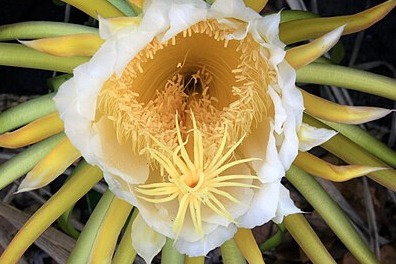
Hermaphroditism in cannabis plants refers to the occurrence of a single plant exhibiting both male and female reproductive organs. This fascinating phenomenon arises from various factors, primarily genetics and environmental stress. Cannabis plants are dioecious, meaning they typically have distinct male and female individuals. Male plants produce pollen, while female plants develop buds. When a cannabis plant becomes hermaphroditic, it can produce both pollen sacs and buds, allowing it to self-pollinate if necessary.
Characteristics of Hermaphrodite Cannabis Plants
Hermaphrodite cannabis plants can be categorized into two main types:
- True Hermaphrodites: These plants have a genetic predisposition to develop both male and female organs. This trait is often seen in certain strains that have not been properly stabilized through breeding. For instance, some Thai sativas are known to be more likely to produce hermaphrodites due to their genetic makeup.
- Bisexual Plants: These plants develop male traits in response to environmental stressors. Factors such as light stress, temperature fluctuations, and nutrient issues can prompt a female plant to grow male flowers. This adaptation can ensure survival in challenging conditions by allowing the plant to self-pollinate if no male plants are present.
Implications of Hermaphroditism in Cultivation
Hermaphroditism can significantly impact cannabis cultivation. A hermaphrodite plant can pollinate nearby female plants, leading to seed production and a lower quality harvest. Growers typically aim for sinsemilla, which refers to unpollinated buds that are more potent and desirable.
The presence of hermaphrodite cannabis plants can be detrimental for several reasons:
- Genetic Factors: Some strains are predisposed to hermaphroditism due to unstable genetics. This means that if a grower is not careful with their breeding practices, they may inadvertently introduce these traits into their crops.
- Environmental Stress: Stress factors such as inconsistent light schedules, pest pressure, and nutrient imbalances can trigger hermaphroditism. For example, if a plant experiences light leaks or excessive heat, it may interpret this as a threat to its survival, leading to the development of male parts as a self-pollination mechanism.
Understanding these dynamics is crucial for growers who want to maintain healthy plants and high-quality yields. By recognizing the signs of hermaphroditism and the underlying causes, cultivators can take proactive measures to mitigate potential issues and protect their crops from unwanted pollination.
For further insights on cannabis reproductive parts and their implications in cultivation, you can explore resources like Hemp Reproductive Plant Parts – Agronomy and Ann Tate’s study on hermaphroditism in plants.
Genetic Causes of Hermaphroditism
Genetics play a significant role in the development of hermaphrodite cannabis plants. Certain strains are predisposed to this condition due to their hereditary traits. A true hermaphrodite cannabis plant can exhibit both male and female reproductive organs, showcasing a unique genetic makeup that allows it to thrive under specific circumstances. Strains such as Thai sativas are notorious for their higher likelihood of becoming hermaphrodites. This is primarily due to their genetic history and how these traits have been passed down through generations.
Unstable breeding practices can exacerbate the likelihood of hermaphroditism in cannabis plants. When breeders rush to create new strains without adequately stabilizing them over multiple generations, they may inadvertently introduce genetic traits that increase the risk of hermaphroditism. These unstable strains often carry the potential for mixed sexual characteristics, making them more susceptible to developing male organs under stress. This is a crucial point for growers, as selecting seeds from stable, well-bred strains can significantly reduce the chances of encountering hermaphrodite plants in the garden.
Environmental factors can also trigger genetic predispositions. For example, even a plant with strong, stable genetics may morph into a hermaphrodite if it experiences significant environmental stress. This interplay between genetics and environmental conditions highlights the complexity of hermaphroditism in cannabis cultivation. By understanding these genetic factors, growers can make informed decisions when selecting strains, ultimately minimizing the risk of hermaphrodite cannabis plants in their crops.
Sources such as Haploid Production in Cannabis sativa: Recent Updates and The Influence of Confinement Stress on Hermaphroditism in Cannabis Seeds provide further insights into the relationship between genetics and hermaphroditism in cannabis plants.
Environmental Stress Factors Leading to Hermaphroditism
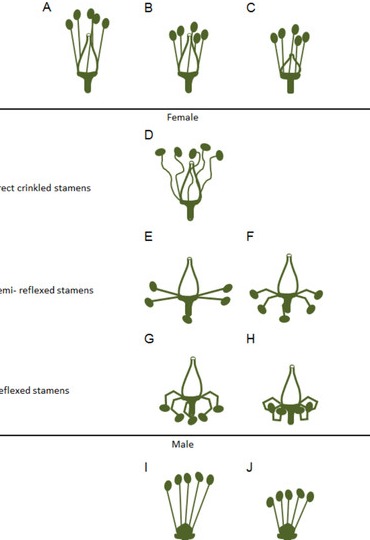
Environmental stress plays a crucial role in triggering hermaphroditism in cannabis plants. Even those with solid genetics can exhibit mixed sexual traits when subjected to unfavorable conditions. Below, we explore specific stressors that can lead to the development of hermaphrodite cannabis plants.
Light Stress
One of the most common culprits of hermaphroditism is light stress. Cannabis plants thrive on a consistent light schedule. Any interruptions, such as light leaks during the dark period or fluctuating light intensities, can confuse the plant. This confusion may trigger a survival mechanism where the female plant develops male parts, allowing it to self-pollinate. Growers must ensure that light exposure is controlled and stable to reduce this risk.
Temperature Fluctuations
Temperature extremes can also lead to hermaphroditism in cannabis plants. If temperatures are too high or too low, the plant may experience stress that prompts it to produce both male and female flowers. For instance, a grower reported that the sudden spike in temperature during a heatwave caused several of their plants to hermaphrodite. Maintaining a stable temperature, ideally between 70°F to 85°F during the day, is essential for healthy growth.
Nutrient Issues
Nutrient imbalances can create significant stress for cannabis plants. Over-fertilization or nutrient deficiencies can weaken the plant, leading to hermaphroditic traits. For example, a grower who used a nutrient mix without understanding their plants’ specific needs noticed that some of their females began to develop male flowers. Regular monitoring and adjustments to nutrient levels can help prevent such occurrences.
Pest Pressure
Pest infestations can also induce stress in cannabis plants, triggering hermaphroditism. When plants are under attack, their survival instincts kick in, pushing them to self-pollinate to ensure the continuation of their genes. A case study revealed that plants exposed to spider mites exhibited hermaphroditic traits due to the stress of the infestation. Keeping a vigilant eye on pests and employing preventive measures can significantly reduce this risk.
External Factors
Other external factors such as physical damage from pruning or transplant shock can also lead to hermaphroditism. Even simple actions like mishandling during the flowering stage can compromise a plant’s health, causing it to switch to hermaphrodite mode. Growers must handle their plants gently and provide optimal care during critical growth phases to avoid stress-induced hermaphroditism.
By understanding these environmental stressors, growers can take proactive steps to minimize the risk of hermaphrodite cannabis plants in their gardens. For a deeper dive into how confinement stress affects cannabis seeds, check out The Influence of Confinement Stress on Hermaphroditism in Cannabis Seeds.
True Hermaphrodites vs. Bisexual Plants
Understanding the difference between true hermaphrodites and bisexual plants is crucial for cannabis growers. True hermaphrodites are cannabis plants that genetically possess both male and female reproductive organs. This genetic predisposition allows them to develop pollen sacs alongside buds, which can happen without any external stressors. Strains like Thai sativas are known for this trait, making them more likely to exhibit true hermaphroditism due to their genetics.
On the other hand, bisexual plants are typically female cannabis plants that develop male flowers in response to environmental stress. This stress can stem from various factors, including:
- Light Stress: Inconsistent light schedules or interruptions during the dark period can confuse the plant, leading it to develop male flowers as a survival mechanism.
- Temperature Fluctuations: Extreme highs or lows in temperature can trigger the production of male flowers, as the plant attempts to ensure pollination when it senses environmental instability.
- Nutrient Issues: Deficiencies or toxicities in nutrients can also cause stress, resulting in the development of male reproductive parts alongside female ones.
- Pest Pressure: Infestations can place plants under severe stress, prompting them to become bisexual as they try to ensure their survival through self-pollination.
The implications of these differences in cannabis cultivation are significant. True hermaphrodites can lead to a crop that contains both seeds and buds, which is undesirable for growers looking for high-quality sinsemilla. Meanwhile, when bisexual plants form, they can pollinate surrounding females, further compromising the overall yield and quality of the harvest.
To avoid these issues, growers should focus on maintaining optimal environmental conditions. This includes ensuring consistent light cycles, regulating temperature, providing balanced nutrients, and safeguarding against pests. By addressing these factors, growers can significantly reduce the chances of hermaphrodite cannabis plants in their gardens, allowing for a healthier and more productive crop.
For more details on plant sexual systems, check out Angiosperm sexual systems and on monoecious plants and bisexual flowers.
Identifying Hermaphrodite Cannabis Plants
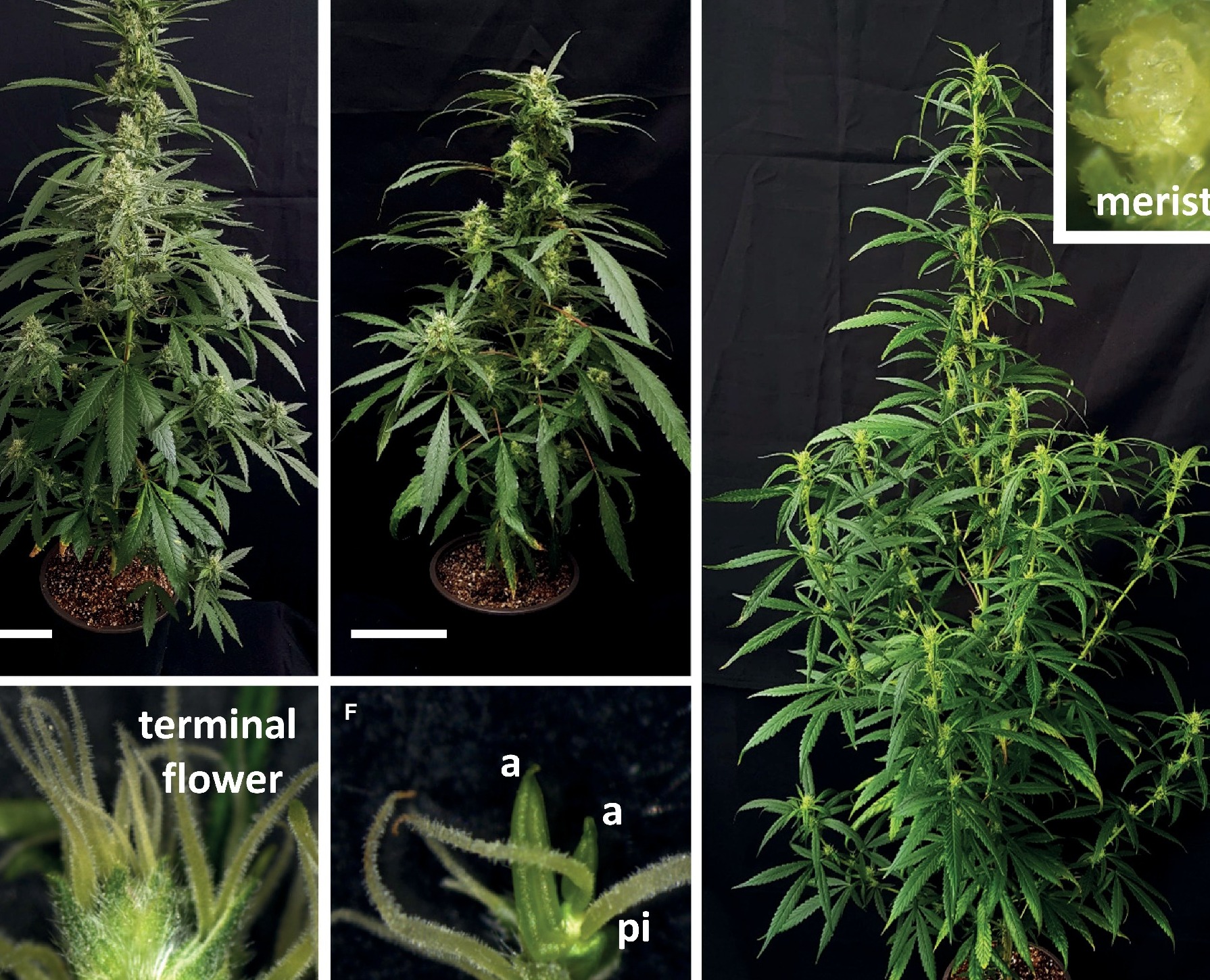
Identifying hermaphrodite cannabis plants early in the growth cycle is crucial for maintaining a healthy crop. Recognizing the signs can help growers take action before any pollination occurs, preventing potential damage to the yield and quality of the harvest.
Visual Indicators to Watch For
- Pollen Sacs: One of the most visible signs of hermaphroditism is the appearance of male pollen sacs. These sacs look like small green balls or grapes and can form alongside the female flowers. If you notice these developing on plants that are primarily female, they may be hermaphrodites.
- Banana Flowers: In some cases, hermaphrodite cannabis plants produce what are known as “banana flowers.” These are elongated structures that resemble bananas, emerging from the female flowers. This is a common sign of stress-induced bisexual plants trying to self-pollinate.
- Mixed Sex Organs: True hermaphrodites will have both male and female organs on the same plant. If you see pistils (the female reproductive parts) and stamen (the male parts) on the same node, it indicates that the plant is a true hermaphrodite. This can happen due to genetic predisposition or environmental stress.
- Early Flowering Stress Signs: Keep an eye out for signs of stress in your plants, such as drooping leaves, yellowing, or uneven growth. Stress can trigger the hermaphroditic response, leading to the development of male features. Factors like light stress, temperature fluctuations, and nutrient issues contribute significantly to this response.
Key Signs in the Growth Cycle
- During Vegetative Stage: While it’s more challenging to identify hermaphroditism in this stage, look for any irregularities in growth patterns. Consistent environmental stressors can lead to genetic expressions that may show up later.
- During Flowering Stage: This is when the signs become more pronounced. Regularly check for the aforementioned pollen sacs and banana flowers, especially as the plants transition into the flowering stage.
Monitoring Environmental Factors
Environmental stress can cause plants to express hermaphroditic traits. Always monitor:
- Light Cycles: Inconsistent lighting can confuse plants and trigger stress. Ensure that your light schedules are consistent to avoid hermaphroditism.
- Temperature and Humidity: Fluctuations in temperature and humidity can lead to stress. Maintain stable conditions for optimal growth.
- Nutrient Levels: Both deficiencies and toxicities can cause stress. Regularly check and adjust nutrient levels to keep your plants healthy.
By keeping a close watch on these indicators, growers can effectively identify hermaphrodite cannabis plants early on. This proactive approach helps mitigate the risks associated with hermaphroditism, allowing for a healthier and more productive crop. For more information on plant identification, visit Identify Plant and Insects | Cornell Garden-Based Learning and Plant Reproduction | Organismal Biology.
Prevention Strategies for Avoiding Hermaphroditism
Preventing hermaphroditism in cannabis plants is all about managing genetics and environmental factors. By focusing on these areas, growers can minimize the risk of their plants developing hermaphrodite characteristics. Here are some effective strategies:
1. Select the Right Genetics
Choosing the right strains is crucial. Some cannabis strains are genetically predisposed to hermaphroditism, commonly known as true hermaphrodites. For instance, Thai sativas are known to have a higher likelihood of turning hermaphrodite. When selecting seeds, look for strains that have a reputation for stability. Researching breeders who focus on stabilizing their genetics can lead to healthier plants less prone to hermaphroditism.
2. Manage Environmental Stress
Environmental factors play a significant role in triggering hermaphroditism. Stress from inconsistent light schedules, temperature fluctuations, and nutrient imbalances can lead to a plant developing both male and female parts. Here are some key aspects to manage:
- Light Stress: Ensure that your light cycles are consistent. Interruptions during the dark period can confuse plants, pushing them into survival mode and leading to hermaphroditism.
- Temperature Control: Maintain a stable temperature within the ideal range for cannabis growth. Extremes in heat or cold can stress plants and induce hermaphroditism.
- Humidity Levels: Keep humidity levels stable to prevent stress. High humidity can encourage mold, while low humidity can dry out plants, both of which can lead to hermaphrodite traits.
3. Nutrient Management
Both nutrient deficiencies and toxicities can cause environmental stress that leads to hermaphroditism. Regularly check and adjust nutrient levels based on the specific needs of your plants. Using a balanced nutrient package can help ensure that your plants receive what they need to thrive. Additionally, avoid over-fertilizing, which can create toxic conditions for the roots.
4. Reduce Physical Stress
Handling plants roughly or causing physical injuries can trigger a stress response. Be gentle when transplanting or pruning. This helps maintain the overall health of the plant and reduces the likelihood of developing hermaphrodite characteristics.
5. Monitor for Pests and Diseases
Pest pressure and diseases can create significant stress for cannabis plants. Regularly inspect your plants and use preventive measures to manage pests. If you notice any signs of infestation, address them promptly to prevent stress-related hermaphroditism.
By implementing these prevention strategies, growers can minimize the risk of their cannabis plants becoming hermaphrodites. Taking care to manage genetics, environmental factors, and plant health can go a long way in ensuring a successful, high-quality harvest. For more insights on cannabis cultivation, check out this study on Haploid Production in Cannabis sativa and research on Confinement Stress and Hermaphroditism.
Managing Hermaphrodite Plants in Your Grow
Finding a hermaphrodite cannabis plant in your garden can be alarming, especially since these plants can produce both male and female flowers. This duality often leads to self-pollination, which is usually undesirable for growers who want potent, seedless buds. If you spot a hermaphrodite, it’s essential to act quickly to mitigate any negative impact on your crop.
Removal Strategies
- Identify the Hermaphrodite: Look for plants displaying both male pollen sacs and female buds. True hermaphrodites have distinct male and female parts, while bisexual plants may develop male features due to environmental stress. Early identification is key to preventing pollination.
- Isolate the Plant: Once identified, immediately isolate the hermaphrodite from your other plants. This helps prevent cross-pollination, which can lead to unwanted seeds in your harvest.
- Remove Male Flowers: If the hermaphrodite has only a few male flowers, you might consider removing them rather than discarding the entire plant. However, this requires careful observation to ensure no further male flowers develop.
- Harvest Early: If the plant is heavily hermaphroditic, it might be best to harvest it early to salvage the remaining female buds. This is especially true if you notice signs of significant stress that could lead to further hermaphroditism.
- Dispose of the Plant: For plants that are predominantly hermaphroditic, the best course of action is to remove and dispose of them entirely. This ensures that other plants in your crop remain unaffected by potential pollination.
Potential Uses for Hermaphrodite Plants
While hermaphrodite cannabis plants are generally seen as a liability, they can still have some uses:
- Genetic Exploration: Breeders may be interested in hermaphroditic plants to explore their genetic traits. These plants can sometimes pass on unique characteristics, which might be beneficial in future breeding programs.
- Seed Production: If your goal is to produce seeds rather than consumable buds, hermaphrodites can be a useful tool. Their ability to self-pollinate can lead to seed production without needing male plants.
- Composting: If the plant is no longer viable for your grow, consider composting it. This can help recycle nutrients back into your garden, even if it won’t yield high-quality buds.
It’s important to remember that hermaphroditism can stem from various causes, including genetics and environmental stress. By understanding these factors, you can take proactive measures to minimize their impact in your grow space.
For more on pest management and environmental stressors affecting cannabis, refer to this Field Guide to Hemp (Cannabis sativa) Diseases for comprehensive insights.
Long-term Effects of Hermaphroditism on Cannabis Yields
Hermaphroditism in cannabis plants can significantly impact the quality and quantity of your harvest over time. When plants develop both male and female characteristics, it can lead to unwanted pollination, resulting in seed production instead of the sought-after sinsemilla buds. This shift not only reduces the potency of your yield but can also affect your overall crop management practices.
Impact on Crop Quality
- Lower THC Levels: Hermaphrodite cannabis plants often divert energy from bud production to seed development. This shift can lead to lower THC levels, making the final product less desirable for consumers.
- Reduced Bag Appeal: The presence of seeds in your buds can diminish visual appeal and affect the smoking experience. Growers aiming for high-quality, seedless flowers will find hermaphroditism detrimental.
- Inconsistent Quality: Repeated issues with hermaphroditism can lead to inconsistent batches. This inconsistency can create challenges for growers trying to maintain a reliable product, which is crucial for building a loyal customer base.
Genetic Considerations
Certain strains are genetically predisposed to hermaphroditism, known as true hermaphrodites. These strains may develop male flowers even in optimal conditions. If these plants are repeatedly included in your grow, it can lead to a cycle where hermaphroditism becomes a recurring issue. Understanding the genetics behind your strains is crucial in mitigating risks associated with hermaphrodite cannabis plants.
Environmental Stressors
Environmental factors play a significant role in triggering hermaphroditism. Stressors like inconsistent light, temperature fluctuations, and nutrient imbalances can cause female plants to develop male organs, known as bisexual plants. If you experience these stressors frequently, they can create a stressful grow environment that encourages hermaphroditism. It’s essential to maintain stable conditions to avoid this scenario and ensure healthy plants.
Adjusting Grow Practices
Growers facing ongoing hermaphroditism may need to adjust their cultivation techniques. This includes:
- Selecting Stable Genetics: Choosing strains known for stability can help reduce the chances of hermaphroditism. Avoiding strains that are prone to hermaphroditism can prevent these issues from arising in the first place.
- Monitoring Environmental Conditions: Keeping a close eye on light schedules, temperature, and humidity can help minimize stress factors that lead to hermaphroditism. Regular checks and adjustments can create a more favorable environment for your plants.
- Implementing Stress Reduction Techniques: Using techniques such as proper pruning and avoiding over-fertilization can help keep plants healthy and reduce the likelihood of hermaphroditism due to stress.
By being aware of these long-term effects and implementing proactive strategies, growers can better manage the risks associated with hermaphrodite cannabis plants. Understanding the causes and implications of hermaphroditism is vital for achieving high-quality cannabis yields (The Influence of Confinement Stress on Hermaphroditism in Cannabis Seeds, PDF asset.library.wisc.edu).