
Grub worms, particularly the Green June Beetle larvae, crawl on their backs as a unique locomotion method, using their dorsal bristles to gain traction, which helps them navigate through their environment effectively.
Grub worms exhibit fascinating behaviors, including crawling on their backs. This article explores the reasons behind this unique movement, their lifecycle, identification tips, and effective treatments for managing grub infestations in your garden or lawn.
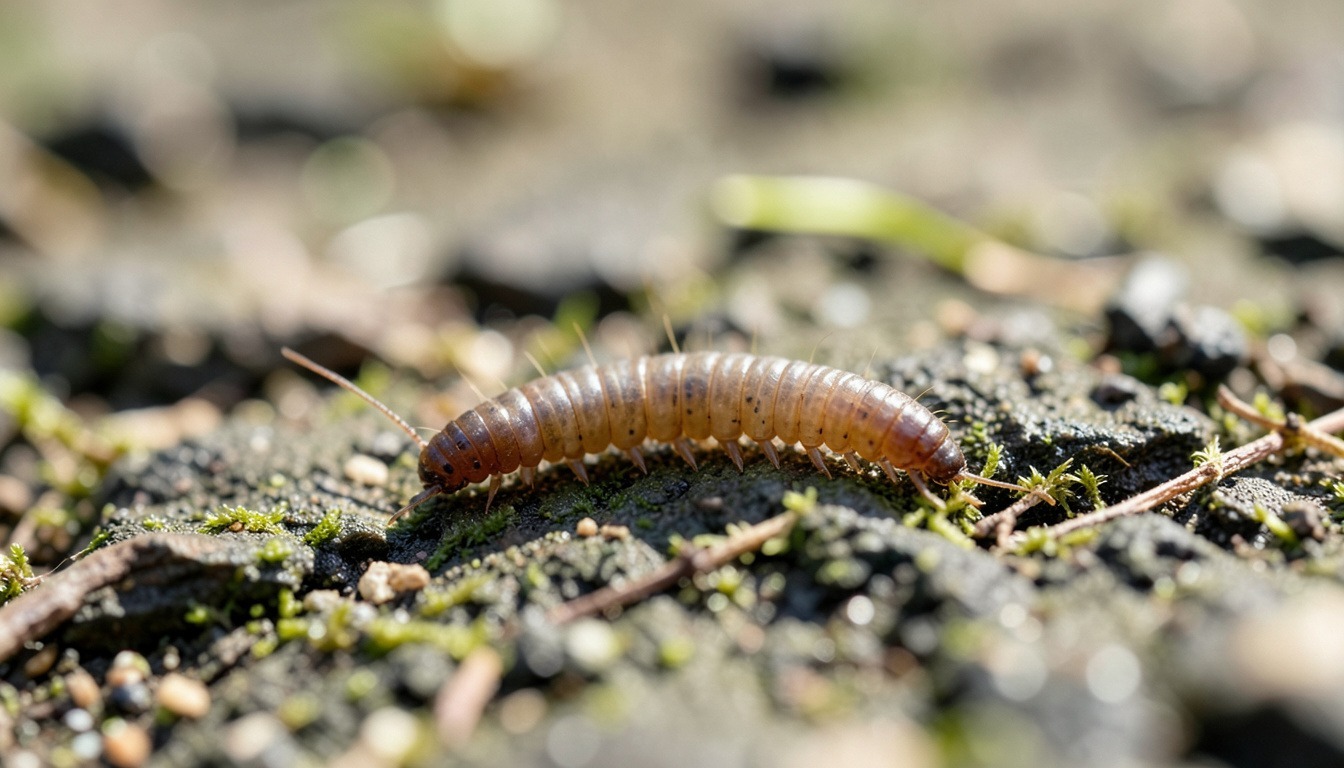
Understanding Grub Worm Behavior: Why Do They Crawl on Their Backs?
Grub worms, particularly the larvae of the Green June Beetle, exhibit a unique behavior by crawling on their backs. This unusual locomotion raises questions about its mechanics and ecological significance.
The Mechanics of Backward Crawling
Grub worms have developed a distinctive method of movement. Their bodies are equipped with stiff bristles that allow them to gain traction while crawling on their backs. This technique involves undulating their bodies and using their dorsal bristles.
- Body Structure: Green June Beetle larvae possess short, stubby legs and wide bodies. Their legs are not effective for traditional crawling, which necessitates this backward movement.
- Speed: When disturbed, a grub can quickly cover several inches in mere seconds, showcasing an impressive adaptation for evasion.
This behavior is thought to be a response to threats. By crawling on their backs, grubs may reduce their visibility to predators.
Table of Contents
Ecological Importance of Grub Behavior
Grub worms play critical roles in ecosystems. Their unique behavior contributes to several ecological functions:
- Decomposition: Grubs feed on decaying plant material, aiding in nutrient recycling within the soil.
- Soil Aeration: Their burrowing activities help aerate the soil, promoting healthier plant growth.
- Food Source: Grubs serve as a food source for various wildlife, including birds and mammals.
Understanding these ecological roles emphasizes the importance of grub worms beyond their presence in gardens.
Comparisons with Other Larvae
While many larvae exhibit crawling behaviors, few do so on their backs. Here’s how grub worms compare to similar insects:
| Insect Type | Crawling Behavior | Notable Differences |
|---|---|---|
| Green June Beetle | Crawls on its back | Uses bristles for traction; effective in evasion. |
| Cockchafer Larvae | C-shaped, crawls on belly | Moves primarily on its belly; less agile. |
| Rosechafer Larvae | Sometimes crawls on back | Similar behavior but less common in comparison. |
These comparisons highlight the unique adaptations of the Green June Beetle larvae, making their backward crawling a fascinating subject of study.
For effective management of grub populations, consider using Grub and Pest Control Products to ensure a healthy garden ecosystem.
Lifecycle of Grub Worms: From Larvae to Beetles
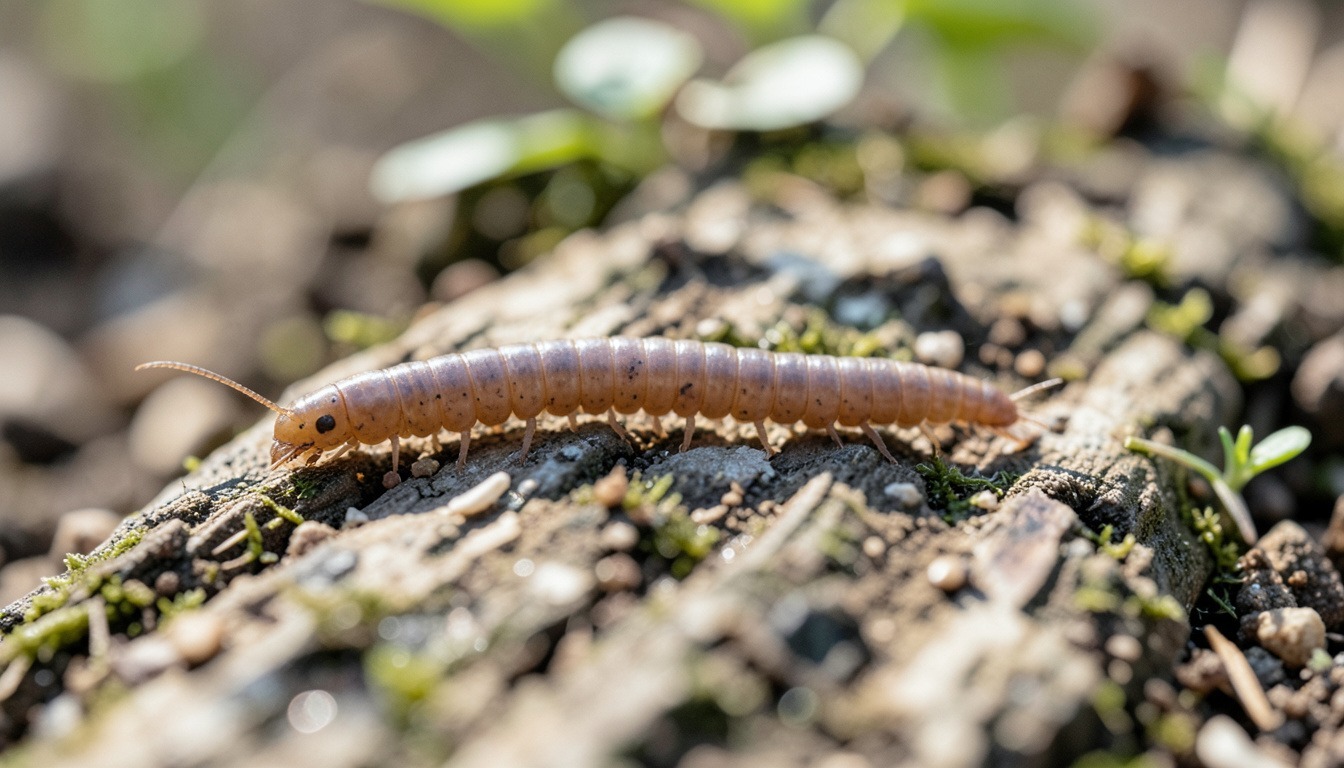
Grub worms, particularly those that crawl on their backs, undergo a fascinating lifecycle that transitions from larvae to adult beetles. Understanding these stages can help in identifying and managing grub infestations effectively.
Lifecycle Stages Explained
Grub worms progress through several distinct stages:
| Stage | Description | Duration |
|---|---|---|
| Egg | Laid in soil, typically in late summer. | 2-3 weeks |
| Larvae | Hatching from eggs, they begin feeding on roots. | Late summer to fall |
| Pupal | Larvae burrow deeper into the soil to pupate. | Late fall to spring |
| Adult Beetle | Emerges from the soil, ready to mate. | Late spring to summer |
The larvae stage is crucial, as this is when they cause damage to lawns and gardens. During this period, environmental factors like soil temperature and moisture levels significantly influence their development.
Factors Affecting Development
Several environmental factors impact the growth and behavior of grub worms:
- Soil Temperature: Grubs thrive in warmer soils, typically 65°F to 85°F.
- Moisture Levels: Adequate moisture encourages feeding and growth. Dry conditions may cause larvae to burrow deeper.
- Seasonal Changes: Grubs are most active in late summer and early fall. They tend to remain dormant during winter, emerging again in spring as the soil warms.
Emergence of Adult Beetles
The transition to adult beetles marks the end of the grub lifecycle. Adult beetles often emerge in late spring or early summer. The life cycle begins anew as females lay eggs in the soil. Notably, Green June Beetles are known for their unique behavior of crawling on their backs. This behavior aids in their mobility and helps them evade predators.
Recognizing these stages and the environmental conditions affecting grub worms can facilitate effective pest management. For effective management of grub populations, consider using Grub and Pest Control Products to ensure a healthy garden ecosystem.
Identifying Grub Worms: Key Features and Similar Insects
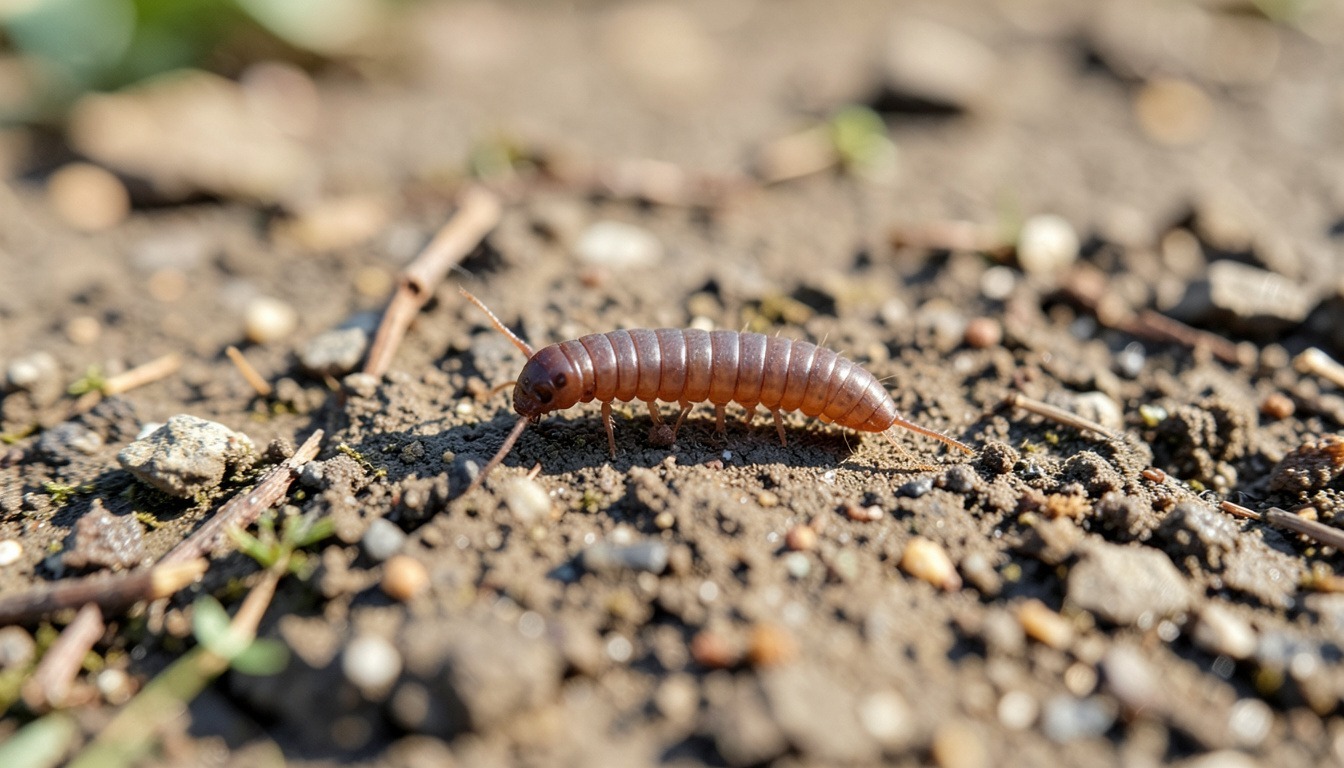
Grub worms are often mistaken for other larvae due to their similar physical characteristics. Understanding their unique features is crucial for accurate identification, especially for those observing the peculiar behavior of grubs crawling on their backs.
Visual Identification Features of Grub Worms
Grub worms typically exhibit distinct characteristics that set them apart from similar insects. Here are key features to look for:
- Body Shape: Grubs have a soft, curled, C-shaped body. This is particularly noticeable when they are disturbed.
- Color: Most grubs are creamy-white with a brown head. The Green June Beetle larvae, for example, have a more robust body.
- Size: Grubs can vary in size, but Green June Beetle larvae can grow up to 1 inch long.
- Movement Behavior: Unlike many other larvae, the Green June Beetle grub can crawl on its back, using its bristles for traction.
| Feature | Grub Worm (Green June Beetle) | Cutworm |
|---|---|---|
| Body Shape | C-shaped | Smooth, elongated |
| Color | Creamy-white, brown head | Dark brown or gray |
| Size | Up to 1 inch | Up to 2 inches |
| Movement | Crawls on back | Crawls on belly |
Comparing Grubs with Cutworms and Other Larvae
Grub worms are often confused with cutworms and other larvae. Here’s how to differentiate them:
- Cutworms: These larvae are the caterpillar stage of moths. They are generally longer, smoother, and do not exhibit the unique back-crawling behavior that grubs do.
- Other Larvae: Many other larvae can be found in gardens, but few share the distinctive C-shape and movement patterns of grubs.
Common Mistakes in Identification
Misidentifying grubs can lead to ineffective pest control strategies. Here are common pitfalls:
- Assuming All C-shaped Larvae are Grubs: Not all C-shaped larvae are grubs. Cutworms and certain moth larvae can also fit this description.
- Ignoring Behavior: The back-crawling behavior is a key indicator of a grub worm. Observing movement patterns can aid in identification.
- Neglecting Size and Color Variations: Grub size and color can vary. Noting these details can prevent confusion with similar insects.
For thorough identification, consider using visual guides and checklists. Knowing the specific features of grub worms helps ensure accurate identification in your garden.
The Impact of Grub Worms: Damage and Ecological Role
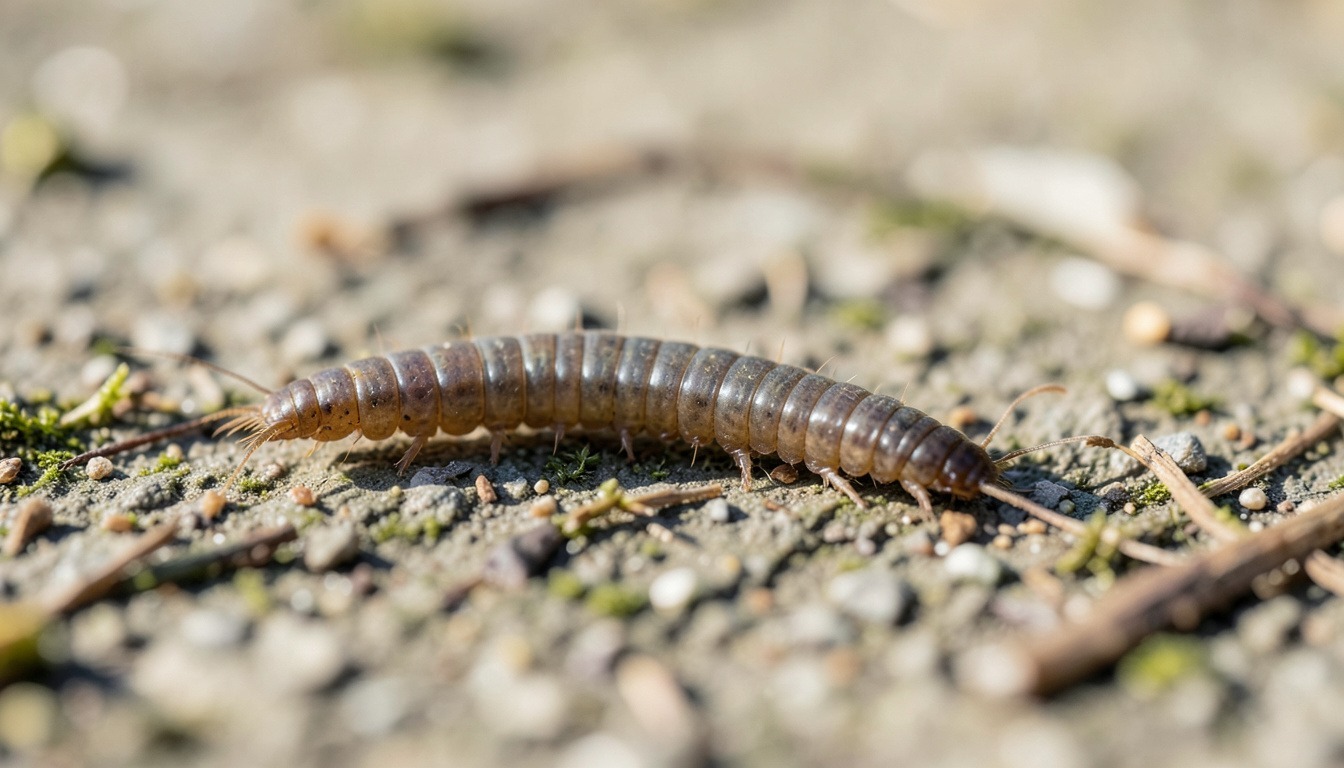
Grub worms, particularly the Green June Beetle larvae, can cause significant damage to gardens and lawns. Understanding their ecological role is crucial to managing their populations effectively.
Damage to Lawns and Gardens
Grub worms primarily feed on the roots of grass and plants. This feeding behavior leads to visible damage, including:
- Browning Grass: Grass may turn brown and die off, resulting in patches.
- Weak Root Systems: A weakened root system makes plants susceptible to drought and disease.
- Increased Pest Pressure: Damaged plants may attract other pests, compounding the issue.
For example, a garden infested with grub worms may exhibit wilting plants or patches of dead grass that require extensive restoration efforts.
Grubs as Decomposers: An Ecological Perspective
Despite their potential to damage gardens, grub worms play a vital role in the ecosystem. They contribute to soil health through:
- Organic Matter Breakdown: Grubs feed on decomposing organic material, aiding nutrient cycling.
- Soil Aeration: Their burrowing activity helps aerate the soil, promoting better water infiltration and root growth.
By understanding these ecological roles, gardeners can appreciate the balance between managing grub populations and maintaining a healthy ecosystem.
Managing Grub Populations Effectively
Effective management of grub worms is essential to minimize their damage. Here are some strategies:
- Regular Monitoring: Check soil for grubs, especially in late summer and early fall when they are most active.
- Cultural Practices: Maintain healthy lawns through proper watering and fertilization to reduce stress on plants.
- Biological Controls: Introduce beneficial nematodes that target grub larvae without harming other beneficial insects.
By implementing these practices, gardeners can manage grub worm populations while preserving their ecological benefits.
Treatment Options for Grub Worm Infestations
Managing grub worm infestations effectively requires understanding the treatment options available. Both natural and chemical methods exist, each with unique benefits and considerations.
Natural Treatment Methods
Natural treatments can be effective and environmentally friendly. Here are some options:
- Beneficial Nematodes: These microscopic worms target and kill grub larvae. They are safe for plants and pets.
- Diatomaceous Earth: This natural powder can be sprinkled over areas where grubs are active. It dehydrates and kills the larvae upon contact.
- Milky Spore: This bacterium specifically targets Japanese beetle grubs, helping to reduce their population over time.
Chemical Treatments Explained
Chemical treatments may provide faster results but require careful application. Consider these options:
- Insecticide Granules: Apply these to the soil where grubs are present. They act quickly to eliminate larvae.
- Liquid Insecticides: These can be sprayed directly on infested areas. They penetrate the soil and target grubs effectively.
When to Apply Treatments for Best Results
Timing is critical for effective grub control. Follow these guidelines:
- Early Spring: Apply treatments before larvae emerge from the soil.
- Late Summer to Early Fall: Target grubs when they are actively feeding near the surface.
Decision Framework for Choosing Treatments
When deciding between natural and chemical treatments, consider the following:
1. Severity of Infestation: For minor infestations, natural methods may suffice. Severe cases may require chemical options.
2. Environmental Impact: If eco-friendliness is a priority, opt for natural treatments.
3. Time Constraints: Chemical treatments often act faster, making them suitable for urgent situations.
By evaluating these factors, you can choose the most appropriate treatment for grub worm infestations.
Frequently Asked Questions
These quick answers cover the most common questions about this topic, including key details, practical tips, and common concerns.
Why do grubs crawl on their backs?
Grubs, particularly the larvae of the Green June Beetle, crawl on their backs as a unique method of locomotion. This behavior helps them evade predators by reducing visibility. Their bodies are equipped with stiff bristles that provide traction, allowing them to move quickly when disturbed.
How long does it take a grub worm to turn into a June bug?
The transformation from grub to adult June bug typically takes about 10 months. After hatching, the larvae feed through late summer and fall, pupate over winter, and emerge as adult beetles in late spring or early summer. This lifecycle highlights the importance of timing when managing grub populations.
Will grubs eventually go away?
Grubs can naturally decline in numbers, especially in adverse conditions like cold winters or dry spells. However, if conditions are favorable, they can persist and cause ongoing damage to lawns and gardens. Regular monitoring and management are essential to prevent infestations.
What kills lawn grubs instantly?
Chemical insecticides, particularly those containing ingredients like imidacloprid or chlorantraniliprole, can kill lawn grubs quickly upon application. However, for a more eco-friendly approach, beneficial nematodes can also effectively target and eliminate grubs without harming beneficial insects.
Would you like to know how to manage them in your yard or identify if they are causing damage to your grass?
To manage grubs, start by regularly inspecting your lawn for signs of damage, such as brown patches or spongy soil. If you identify grubs, consider using natural treatments like beneficial nematodes or chemical insecticides, depending on the severity of the infestation and your environmental preferences.
What grub is this and why is it crawling on its back?
If you observe a grub crawling on its back, it is likely a Green June Beetle larva. This species is known for this unique movement, which helps it navigate its environment and evade threats. Look for its C-shaped body, creamy-white color, and distinctive bristle-covered back for identification.
How can I manage grubs in my yard?
To manage grubs effectively, implement a combination of monitoring, cultural practices, and treatments. Regularly check for grubs, maintain healthy grass through proper watering and fertilization, and apply treatments at the right time, such as in late summer or early fall when grubs are most active.
When is the best time to treat for grubs?
The best time to treat for grubs is in late summer to early fall when they are actively feeding near the surface. Applying treatments during this period maximizes their effectiveness. Additionally, early spring treatments can help prevent larvae from emerging from the soil.