
Bringing the lush beauty of tropical plants into our homes can transform any space into a vibrant oasis. Choosing the right container for these plants is crucial to their health and growth. For insights on ensuring your containers are optimal for your plants, check out Best Drainage Solutions for Indoor Tropical Plant Containers.
Table of Contents
Understanding Tropical Plants and Their Needs
What are Tropical Plants?
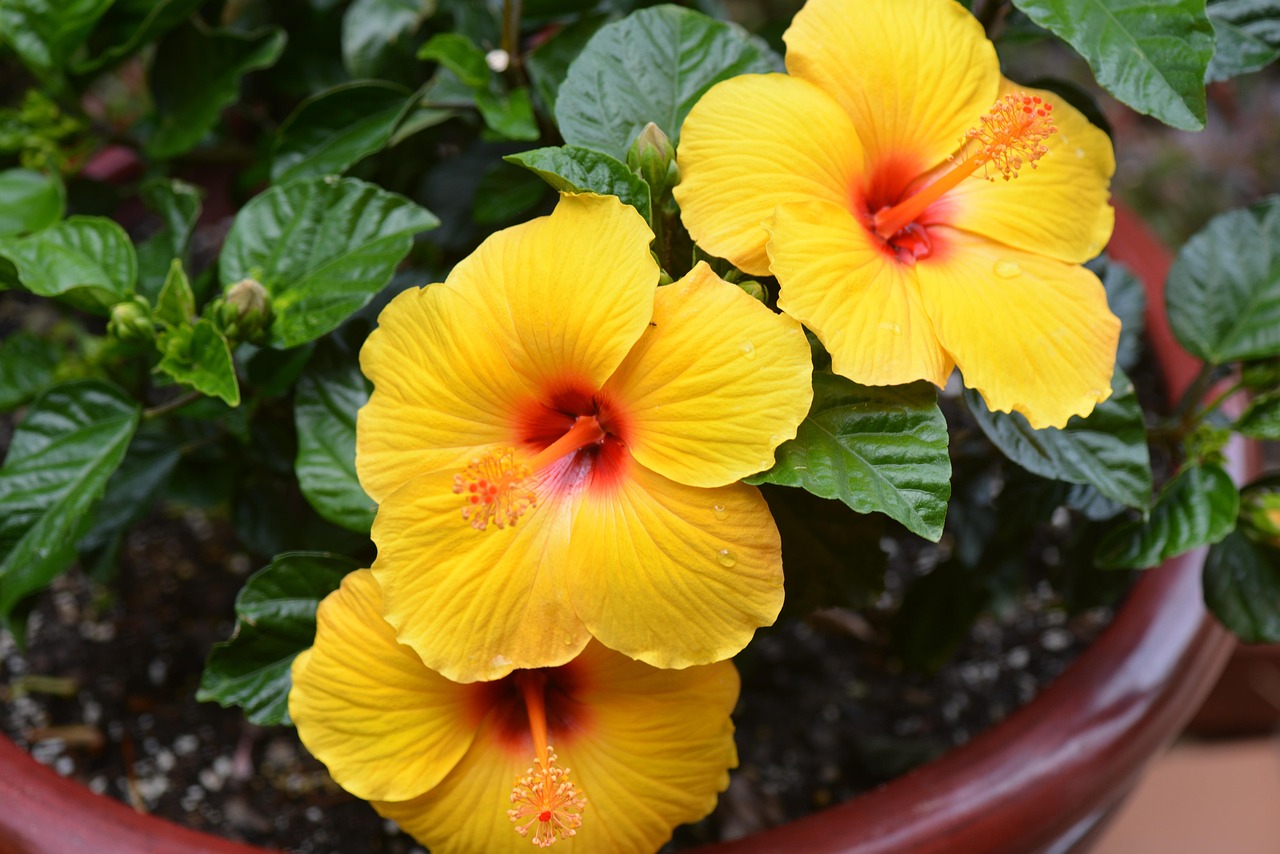
Tropical plants are native to regions close to the equator, where the climate is warm and humid all year round. These plants thrive in conditions that mimic their natural environment, which is often characterized by consistent temperatures and high moisture levels. I remember my first encounter with tropical plants; seeing their vibrant colors and unique shapes instantly drew me in. Some popular tropical plants include monstera, ferns, and orchids. They each have their own specific needs, but they all share a preference for warmth, humidity, and well-draining soil.
Ideal Growing Conditions for Tropical Plants
To truly thrive, tropical plants need certain conditions. First, they love warmth. Most tropical plants do best in temperatures ranging from 65°F to 85°F. I’ve noticed that if these plants are exposed to temperatures below 50°F, they can go into shock or even die. Next, humidity is key; tropical plants often come from rainforests, so they appreciate a humid environment. I often use a humidity tray or a humidifier to keep the air around my tropical plants moist. Additionally, they need bright, indirect light. Direct sunlight can scorch their leaves, so I’ve learned to place them in locations that provide filtered light.
Importance of Proper Container Choice
The container you choose can significantly impact the health of your tropical plants. A proper container supports drainage and airflow, which are vital for root health. I’ve seen firsthand how a poorly draining pot can lead to root rot, which can be detrimental to any plant. The right container also allows for growth; as tropical plants can grow quite large, it’s important to choose one that accommodates their size. I prefer to think of the container as a home for my plants; it needs to provide not just shelter but also the right environment for them to flourish. For more on container aesthetics, explore Top Decorative Tips for Styling Your Tropical Plant Containers.
Top 5 Containers for Thriving Tropical Plants
1. Terracotta Pots
Benefits of Terracotta for Airflow and Drainage
Terracotta pots are one of my go-to choices for tropical plants. The porous nature of terracotta allows for excellent airflow and drainage, which is vital for the health of the roots. I’ve noticed that when my tropical plants are in terracotta, they tend to thrive better because the soil dries out at a manageable rate, preventing root rot. This breathable material helps maintain a balance of moisture and air, making it a perfect match for our humidity-loving friends.
Best Practices for Using Terracotta
When using terracotta pots, I always ensure they have drainage holes at the bottom. I’ve made the mistake of neglecting this before, thinking the pot would suffice without them, and I learned my lesson the hard way! Additionally, I tend to soak the pot in water for a few hours before planting to help it retain some moisture initially, reducing the risk of shock for the plant. It’s also a good idea to place a layer of gravel at the bottom to enhance drainage further.
2. Plastic Pots
Lightweight and Versatile Options
Plastic pots are incredibly lightweight and come in a variety of sizes and colors, which I find appealing. They are perfect for hanging plants or when I want to move my plant around to catch the best light without straining my back. I’ve used plastic pots for my smaller tropical plants, and they work well! They retain moisture better than terracotta, which can be a plus if you tend to forget to water occasionally.
Choosing the Right Size and Style
When selecting plastic pots, I consider the size carefully. Tropical plants can outgrow their pots quickly, so I opt for containers that give a little room for growth. I’ve learned that it’s better to start with a slightly larger pot to avoid repotting too soon. Additionally, I enjoy the variety of styles available – from sleek modern designs to bright colors that can add a pop of fun to my space!
3. Ceramic Pots
Decorative Options for Indoor and Outdoor Use
Ceramic pots are visually stunning and come in many beautiful finishes. I love how they can add an artistic touch to my home decor while providing a suitable environment for my tropical plants. They hold moisture well, which is great for those plants that prefer consistently damp soil. However, I’ve found that they can be heavier than other options, which is something to consider if I plan to move the pots around often.
Considerations for Insulation and Weight
One thing I’ve noticed about ceramic pots is their insulating properties. They can help keep the soil temperature stable, which is beneficial for tropical plants that prefer warm conditions. However, I always check the weight before purchasing; I’ve had some ceramic pots that were so heavy I regretted my decision when it came time to move them. I recommend looking for lightweight ceramic options if you’re like me and enjoy rearranging your plant displays often.
4. Fabric Grow Bags
Benefits of Breathability and Root Health
Fabric grow bags have become one of my favorite ways to cultivate tropical plants. They are incredibly breathable, which promotes healthy root growth. I’ve read that the air pruning effect of fabric helps keep the roots from becoming pot-bound, allowing them to spread out more naturally. I appreciate how these bags are easy to store when not in use since they can fold flat!
Best Uses for Fabric Grow Bags
I typically use fabric grow bags for my outdoor tropical plants, especially those I want to keep portable. They’re fantastic for when I want to move plants around to catch the sunlight or even bring them indoors during colder months. I’ve found that they work wonders for my seedlings too, as they can easily establish their roots without being restricted. Plus, they’re usually quite affordable, making them a great option for anyone looking to garden on a budget.
5. Self-Watering Containers
How Self-Watering Works
Self-watering containers have been a game changer for me, especially on days when I’m too busy to keep up with my plants. These pots have a built-in reservoir that allows the plant to absorb water as needed. I’ve noticed that my tropical plants seem to thrive in these containers, as the consistent moisture level keeps them happy and healthy. It’s like having a little assistant to help me out!
Advantages for Busy Plant Owners
For anyone who travels frequently or has a hectic schedule like I do, self-watering containers can be a lifesaver. They reduce the frequency of watering, allowing me to enjoy my plants without the stress of constantly checking soil moisture. I recommend looking for models that have clear indicators for water levels, so it’s easy to see when it’s time to refill. Just be sure to monitor your plants; even with self-watering options, some tropical plants may still appreciate a little extra care now and then!
Factors to Consider When Choosing Containers
Drainage and Airflow
Size and Growth Potential
Material Durability and Aesthetics
Cost and Budget Considerations
Factors to Consider When Choosing Containers
Drainage and Airflow
When I first started my journey with tropical plants, I didn’t fully understand the importance of drainage and airflow. I remember the excitement of bringing home a beautiful plant, only to find it wilting days later. That was a wake-up call! Proper drainage is crucial because it prevents excess water from sitting at the bottom of the pot, which can lead to root rot. I’ve found that pots with multiple drainage holes work best, allowing water to escape easily. For more information on improving drainage, you can read about Best Drainage Solutions for Indoor Tropical Plant Containers.
Airflow is another factor that I’ve learned to prioritize. Healthy roots need oxygen, just like we do. Containers that promote airflow, like terracotta or fabric pots, are great because they allow air to circulate around the roots. I always check for airflow before buying a pot, and I’ve noticed that my plants thrive much better when they have room to breathe.
Size and Growth Potential
Choosing the right size container can feel a bit daunting at first, especially since tropical plants can grow quite large. I remember getting a small pot for my monstera, thinking it would be fine. But it didn’t take long before I had to repot it into a larger container. Now, I always consider the growth potential of the plant. I prefer to start with a slightly larger pot than I think I need. This way, I give my plants room to grow without needing constant repotting. It saves me stress and keeps my plants happy!
Another thing I’ve learned is to check the dimensions of the pot. A tall, narrow pot may look appealing, but it might not be ideal for a plant that needs a wider base for stability. I often opt for wider pots for plants with larger root systems, as it allows them to spread out comfortably.
Material Durability and Aesthetics
The material of the container can affect not only the health of the plant but also the overall look of my space. I’ve experimented with various materials, and each has its charm. For instance, while I adore the rustic feel of terracotta, I also appreciate the sleek design of ceramic pots. I’ve noticed that some materials, like metal, can heat up quickly in the sun, which isn’t ideal for tropical plants that prefer stable temperatures.
Durability is another important consideration. I tend to choose containers that can withstand the test of time. I’ve had ceramic pots that chipped easily, which was disappointing. Now, I prioritize materials that are sturdy and can handle a bit of wear and tear. Aesthetically, I love to match the pots with my home decor, creating a cohesive look. I feel that a beautiful pot can elevate the whole vibe of a room!
Cost and Budget Considerations
Let’s be real: gardening can be an expensive hobby. I remember my initial excitement leading me to buy several high-end pots, but soon I realized I needed to stick to a budget. Thankfully, there are plenty of affordable options out there! I often browse local garden centers and online shops for sales or discounts. I’ve found that fabric grow bags are an excellent budget-friendly choice, giving me a lot of bang for my buck.
When I’m considering my budget, I also think about the long-term investment. Sometimes spending a bit more on a quality container can save money down the road by preventing issues like root rot or plant stress. I like to weigh my options and think about how much I’m willing to invest in a container that will help my plants thrive. It’s all about finding that balance!
Care Tips for Tropical Plants in Containers
Watering Needs
Watering tropical plants can feel like a balancing act. Too little water and they droop; too much and they can drown. I’ve learned that checking the top inch of the soil is a good indicator of when to water. If it feels dry, it’s time to give them a drink. I often use room temperature water to avoid shocking the plants. I also try to water in the morning, as it allows the excess moisture to evaporate throughout the day, providing a perfect environment for my plants.
Fertilization Requirements
I didn’t realize how important fertilization was for tropical plants until I noticed mine looking a bit lackluster. I started using a balanced liquid fertilizer every few weeks during the growing season. It’s amazing how a little boost can make such a difference! I’ve found that following the instructions on the fertilizer bottle is key; I’ve sometimes been tempted to over-fertilize, thinking it would help them grow faster, but that can actually harm the plants.
Light Exposure and Placement
Finding the right light for tropical plants has been a bit of a trial-and-error experience for me. I remember placing my fiddle leaf fig in a spot that I thought was bright enough, only to watch its leaves start to yellow. Now, I pay close attention to the light requirements for each plant. I often move them around to find that sweet spot of bright, indirect light. I’ve learned to observe how they respond to their environment – if they start leaning towards the light, I know I’m on the right track!
Regular Maintenance and Repotting
Regular maintenance is a must! I’ve gotten into the habit of checking my plants weekly for any signs of pests or disease. Removing dead leaves and dusting off the foliage helps keep them healthy and looking their best. As for repotting, I aim to do it every couple of years or when I notice the roots starting to outgrow the container. I find that repotting in the spring, just before the growing season, gives my plants a great boost.
Final Thoughts
As I reflect on my journey with tropical plants, I can’t help but feel a sense of fulfillment and joy. There’s something magical about nurturing these beautiful plants and witnessing their growth. Each container choice, watering session, and sunlight adjustment has been a learning experience that has deepened my connection with nature. I’ve learned that every tropical plant has its unique personality and requirements, and it’s our job as caretakers to understand and meet those needs.
When selecting the right container, I’ve discovered that it’s not just about aesthetics or convenience; it’s about creating the best environment for our plants. I think it’s important to be patient and adaptable. There were times when I struggled with plant care, but I realized that it’s all part of the journey. Gardening is a process of trial and error, and each mistake offers valuable lessons that help us grow alongside our plants.
Watering, fertilizing, and providing the right light are essential elements, but they also need to be balanced with regular maintenance and an understanding of our plants’ cues. I’ve developed a routine for checking my plants weekly, which has not only helped keep them healthy but has also turned into a calming ritual for me. I find that spending time with my plants brings me peace, and I believe that energy flows both ways – as I care for them, they bring joy and life into my home.
Ultimately, the key to success with tropical plants lies in our willingness to learn and adapt. Each plant may require a unique approach, but the rewards of developing that bond with them are immeasurable. I encourage anyone looking to bring tropical plants into their lives to embrace the journey, experiment with different containers, and enjoy the vibrant beauty that these plants can add to our homes. Whether you’re an experienced plant parent or just starting out, there’s always something new to discover, and I can’t wait to continue this adventure with my tropical companions.
Frequently Asked Questions
What are tropical plants?
Tropical plants are native to regions close to the equator, where the climate is warm and humid all year round. They thrive in conditions that mimic their natural environment, characterized by consistent temperatures and high moisture levels. Popular tropical plants include monstera, ferns, and orchids, which all prefer warmth, humidity, and well-draining soil.
What are the ideal growing conditions for tropical plants?
Tropical plants thrive in temperatures ranging from 65°F to 85°F and require high humidity, similar to a rainforest environment. They also need bright, indirect light, as direct sunlight can scorch their leaves.
Why is proper container choice important for tropical plants?
The container significantly impacts the health of tropical plants by supporting drainage and airflow, which are vital for root health. A proper container accommodates plant growth and helps prevent issues like root rot.
What are the benefits of terracotta pots for tropical plants?
Terracotta pots are porous, allowing for excellent airflow and drainage, which is vital for root health. They help maintain a balance of moisture and air, preventing root rot and promoting better plant growth.
What should I consider when using plastic pots for tropical plants?
Plastic pots are lightweight and come in various sizes and colors, making them versatile. It’s important to choose the right size to accommodate growth, as tropical plants can outgrow their pots quickly. They retain moisture better than terracotta, which can be beneficial for those who may forget to water occasionally.
What advantages do ceramic pots offer for indoor and outdoor use?
Ceramic pots are visually appealing and can add an artistic touch to home decor. They hold moisture well and help stabilize soil temperature, which is beneficial for tropical plants, though they can be heavier than other options.
How do fabric grow bags benefit tropical plants?
Fabric grow bags are breathable, promoting healthy root growth and preventing roots from becoming pot-bound. They are easy to store when not in use and are particularly useful for outdoor plants that need to be moved frequently.
What are self-watering containers and their advantages?
Self-watering containers have a built-in reservoir that allows plants to absorb water as needed, which helps maintain consistent moisture levels. They are beneficial for busy plant owners, reducing the frequency of watering and allowing for easier plant care.
What factors should I consider when choosing containers for tropical plants?
Key factors include drainage and airflow, size and growth potential, material durability and aesthetics, and cost and budget considerations. Proper drainage prevents root rot, and the right size allows for plant growth while maintaining aesthetic appeal.
What are some care tips for tropical plants in containers?
Care tips include checking soil moisture by feeling the top inch, using balanced liquid fertilizer during the growing season, providing bright, indirect light, and performing regular maintenance like checking for pests and repotting as needed.