
Tropical gardens are vibrant and lush, but they often attract a variety of pests. Understanding these common nuisances can help us protect our green spaces and maintain their beauty. For more information on managing these pests, check out Effective Strategies for Managing Pests in Tropical Gardens.
Understanding Tropical Garden Ecosystems
When I first started my tropical garden, I was amazed at the diversity of plants and creatures all thriving together. Tropical gardens are like little ecosystems bursting with life. The vibrant colors and unique scents are not just for our enjoyment; they play a crucial role in the environment. The importance of biodiversity in these gardens cannot be overstated.
The Importance of Biodiversity
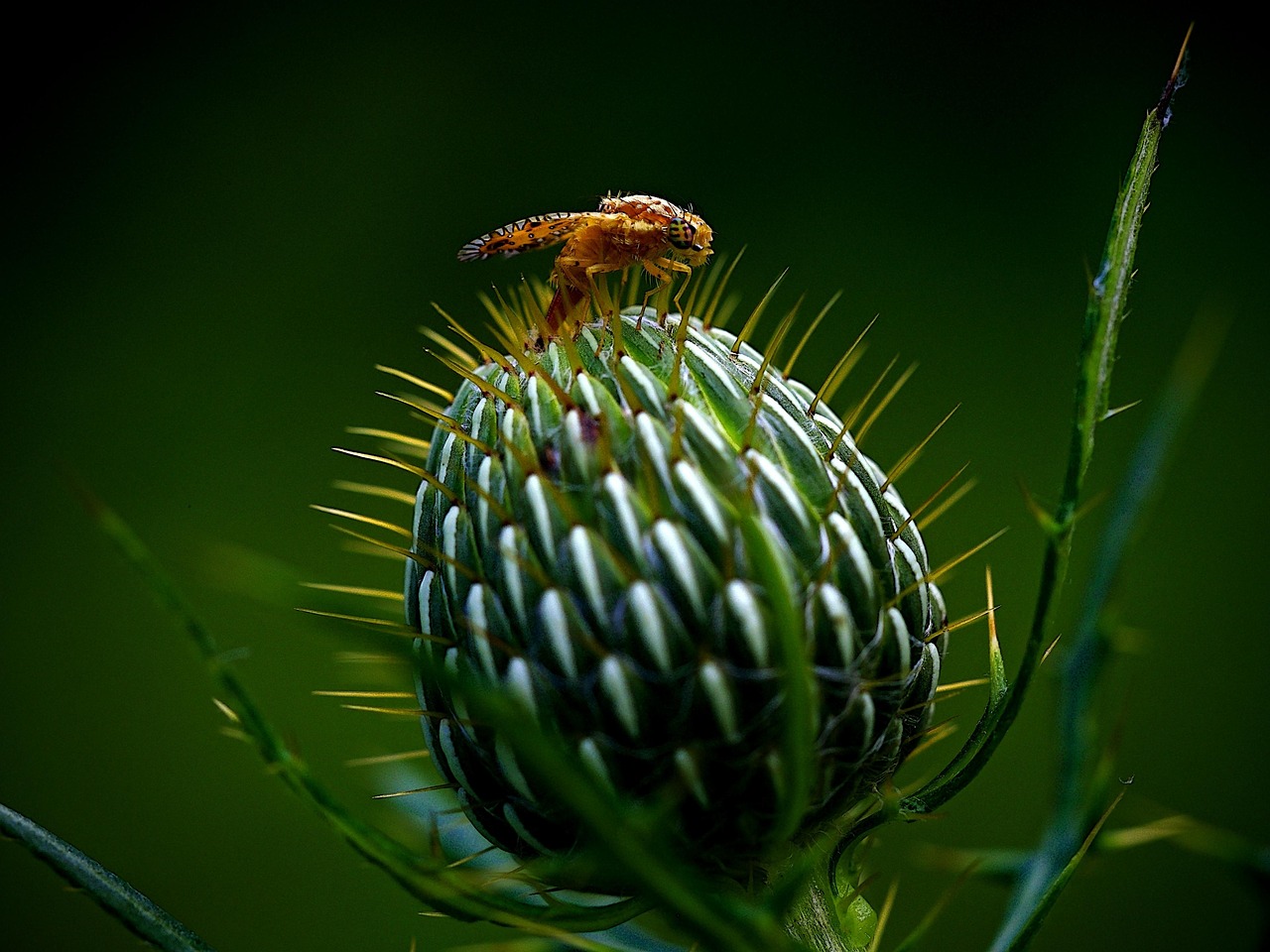
I learned early on that a healthy garden relies on the balance of various species. Biodiversity brings resilience to ecosystems, making them less prone to diseases and pests. By having a mix of plants, insects, and even animals, my garden has become a sanctuary not only for me but for many beneficial organisms. These creatures help pollinate flowers, break down organic material, and even control pest populations. I’ve found that a diverse garden tends to be healthier and requires less intervention.
Common Characteristics of Tropical Gardens
Tropical gardens are typically characterized by their warmth and high humidity, which creates the perfect environment for many plants and organisms. My garden features a variety of lush foliage, vibrant flowers, and even some exotic fruits. The soil tends to be rich and fertile, supporting a wide variety of plant life. However, this lushness also attracts pests. The warm climate allows pests to thrive year-round, which can be a challenge for any gardener. I’ve had to adapt my gardening practices to keep these pests at bay while nurturing my garden’s diversity.
Identifying Common Pests in Tropical Gardens
Over time, I’ve encountered several pests that seem almost inevitable in tropical gardens. Understanding these pests is key to effective management. Here’s a breakdown of the top seven common pests I’ve dealt with, along with some tips on how to recognize and combat them.
1. Aphids
Aphids are tiny, soft-bodied insects that can be found in various colors, including green, black, and yellow. I remember my first encounter with them; they clustered together on the tender new growth of my plants. They feed by sucking sap from the plants, which can weaken them and lead to stunted growth. To combat aphids, I often introduce ladybugs to my garden, their natural predators. Simple homemade soap sprays can also deter them effectively.
2. Whiteflies
Whiteflies are another common nuisance. These tiny, white insects are usually found on the undersides of leaves. I noticed their presence when I saw a cloud of them fluttering up as I brushed against my plants. They can cause yellowing leaves and reduced plant vigor. I found that using sticky traps helps catch whiteflies, and introducing parasitic wasps has been a game-changer for me.
3. Spider Mites
Spider mites are barely visible to the naked eye, but their damage is quite apparent. I remember discovering fine webbing on my plants, which led me to these pests. They thrive in dry conditions, sucking the life out of leaves and leaving them speckled and discolored. I’ve had success using neem oil as a natural remedy; it suffocates the mites without harming my plants.
4. Mealybugs
Mealybugs look like tiny cotton balls on my plants, and they love to hide in leaf axils. They can weaken plants significantly by sucking sap, and their presence can lead to sooty mold. I’ve learned to dab them with a cotton swab dipped in rubbing alcohol to remove them. Neem oil can also be effective in controlling their population.
5. Thrips
Thrips are slender, tiny insects that can be hard to spot. They feed on flowers and leaves, and they can cause serious damage if not dealt with. I discovered thrips when I noticed my flowers looking distorted. I’ve found that regular spraying with insecticidal soap can keep them under control, plus it helps to keep my plants healthy.
6. Caterpillars
Caterpillars can be a gardener’s nightmare, especially when they munch on my prized plants. I’ve had my share of battles with them! They often leave behind chewed leaves and the dreaded frass (caterpillar droppings). I usually inspect my plants regularly and hand-pick them off whenever I spot them. Introducing birds or using organic insecticides can also help manage their population.
7. Snails and Slugs
Last but not least, snails and slugs are a common sight in many tropical gardens. They come out at night, leaving behind slime trails and chewed-up leaves. I’ve tried various methods to keep them away, from creating barriers with crushed eggshells to using beer traps. They’re persistent, but I’ve learned that keeping my garden tidy helps prevent them from establishing a home.
As we navigate the challenges of gardening in a tropical climate, understanding these common pests is the first step toward combatting them. I’ve found that a proactive approach not only protects my plants but also enhances the overall health of my garden ecosystem. For more tips on natural pest management, you can refer to Natural Ways to Manage Pests in Your Tropical Garden.
Signs of Pest Infestation
Visual Indicators
As I spent more time in my tropical garden, I learned to pay close attention to its subtle signs. One of the first indicators of a pest infestation often comes from simply looking at my plants. For instance, leaves that are curling, yellowing, or have unusual spots can signal trouble. I’ve seen how quickly a healthy-looking plant can turn if pests invade. I remember discovering a patch of my beloved hibiscus that had suddenly developed sticky residue on its leaves. That’s when I realized I needed to be vigilant about checking for pests. Regular visual inspections have become a part of my gardening routine; I try to check for these indicators at least once a week.
Damage to Plants
The damage pests inflict on plants can sometimes be evident even without a close inspection. For example, when I found holes in the leaves or flowers of my plants, I knew something was amiss. Caterpillars and thrips have been particularly notorious for this in my garden. I often asked myself how long the damage had been going on before I noticed. Over time, I became more adept at spotting these signs early, like wilting leaves or stunted growth, which can be a clear indication of pest activity. I’ve also learned to keep an eye on the overall vigor of my plants; if they seem weak or unhealthy, it might be time to investigate further.
Presence of Droppings or Eggs
Another telltale sign of an infestation is the presence of droppings or eggs. I vividly remember the first time I saw tiny black specks on the leaves of my ferns. After a little research, I found out they were caterpillar droppings, often referred to as frass. This realization made me more observant, and now I regularly check for any unusual residues on my plants. Additionally, I’ve spotted small clusters of eggs on the undersides of leaves, particularly near where I’ve seen caterpillars. Recognizing these signs has helped me act quickly, preventing further damage to my beloved plants.
Effective Combat Strategies for Each Pest
Natural Predators and Beneficial Insects
One of the most rewarding aspects of my gardening journey has been discovering the role of natural predators. For instance, introducing ladybugs into my garden was a game-changer for controlling aphid populations. I remember feeling a sense of relief watching these little creatures go to work, munching away at the aphids on my plants. I’ve also learned to attract other beneficial insects, such as lacewings and predatory wasps, by planting flowers like marigolds and dill. These plants not only beautify my garden but also help create a balanced ecosystem that keeps pests in check.
Organic Sprays and Homemade Remedies
Over the years, I’ve experimented with various organic sprays and homemade remedies to combat pests. Neem oil has become my go-to solution, as it’s effective against a wide range of pests without harming beneficial insects. I also love making my own garlic or pepper sprays, which I’ve found to be quite effective. Mixing crushed garlic with water and letting it steep overnight creates a potent deterrent. I remember the first time I sprayed this concoction on my roses; the pests disappeared, and I felt proud of my eco-friendly approach.
Cultural Practices to Prevent Infestations
Implementing good cultural practices has been vital in preventing pest infestations. I’ve learned the importance of crop rotation, which involves changing the location of my plants each season to disrupt pest life cycles. Additionally, keeping my garden tidy and removing dead leaves and debris helps reduce hiding spots for pests. I remember how overwhelmed I felt during the rainy season, but I soon realized that regular maintenance kept pests at bay. I also try to space my plants adequately; crowded plants can create a humid environment that pests love.
Chemical Treatments: When and How to Use
While I strive to use organic methods, I’ve found that there are times when chemical treatments may be necessary, especially in severe infestations. When I first resorted to using pesticides, I made sure to choose products that were less harmful to beneficial insects and the environment. I learned to spray during the evening or early morning when bees and other pollinators are less active. Following the instructions carefully has been key to minimizing any negative impact on my garden ecosystem. I believe that understanding when to step in with chemical treatments can make a significant difference in the long-term health of my garden.
Preventive Measures for Tropical Gardens
Regular Monitoring and Inspection
Establishing a routine for monitoring my plants has been incredibly beneficial. I’ve learned that early detection is crucial in managing pests effectively. I try to inspect my plants regularly, especially after heavy rains or changes in weather. I often carry a small notebook to jot down any new findings or changes in my garden. This practice not only helps me stay organized but also allows me to track patterns over time. I feel that being proactive rather than reactive has made all the difference in maintaining my tropical paradise.
Companion Planting Techniques
Companion planting has been another great strategy I’ve adopted in my garden. Certain plants can deter pests naturally while attracting beneficial insects. I remember when I planted basil near my tomatoes; not only did it enhance their flavor, but it also seemed to keep aphids away. I often refer to companion planting charts to help me pair plants effectively. This method has made my garden more diverse and resilient, creating a beautiful harmony among plants.
Soil Health and Maintenance
Healthy soil is the foundation of a thriving garden. I’ve learned that maintaining soil health can significantly reduce pest problems. I regularly add organic matter, such as compost, to enrich the soil and promote beneficial microbial activity. This has led to stronger plants that are better equipped to withstand pests and diseases. I also practice mulching, which conserves moisture and suppresses weeds, creating a more stable environment for my plants. Emphasizing soil health has been a game-changer in my gardening journey, allowing me to grow a vibrant, pest-resistant tropical garden. For insights on irrigation maintenance, check out Keep Your Tropical Plants Happy: Irrigation Maintenance Guide.
FAQs about Pests in Tropical Gardens
What are the most common signs of pest damage?
From my experience, the signs of pest damage can vary depending on the type of pest involved. However, there are some common indicators that many gardeners, including myself, have noticed. For instance, yellowing leaves are often a red flag. I frequently check for wilting or drooping foliage, which can signal that pests are at work. Additionally, I pay attention to any unusual growth patterns, such as curled or misshapen leaves, which can indicate that pests like aphids or thrips are feeding on the plants. I’ve also learned to look for holes in leaves or flowers, which are often the work of caterpillars or beetles. Learning to recognize these signs early has helped me take action before the damage becomes severe.
How can I naturally repel pests without harming my plants?
I’ve always preferred natural methods for pest control, as they tend to be safer for both my plants and the environment. Some strategies I’ve successfully used include introducing beneficial insects like ladybugs, which naturally prey on pests like aphids. Additionally, I’ve found that planting herbs such as basil and mint can deter unwanted visitors. Sprays made from garlic or hot peppers are also effective at repelling pests without causing harm to my plants. I remember the first time I made a garlic spray; I mixed crushed garlic with water, let it steep, and sprayed it on my plants. Not only did it keep pests away, but it also made me feel good knowing I was using a natural solution. Keeping my garden healthy and balanced has been key to preventing infestations.
Are there specific plants that deter common pests?
Absolutely! Over the years, I’ve discovered that certain plants can act as natural pest repellents. For example, marigolds are often touted as a great companion plant because they repel nematodes and aphids. I’ve planted them around my vegetables, and I believe they’ve made a noticeable difference. Additionally, I’ve read that planting lavender can deter pests like moths and fleas. I’ve also seen success with basil, which helps keep aphids and mosquitoes at bay. Whenever I plan my garden layout, I make it a point to include these beneficial plants, creating a harmonious environment where everything seems to work together. This approach not only enhances the beauty of my garden but also promotes a healthier ecosystem.
What is the best time to treat my garden for pests?
Timing is crucial when it comes to pest control. From my experience, the best time to treat my garden for pests is during the early morning or late evening. This is when the temperatures are cooler, and beneficial insects are less active. I’ve learned that treating my plants during these times helps to minimize the impact on pollinators like bees. Additionally, I prioritize inspecting my garden after heavy rains, as moisture can create favorable conditions for pests to thrive. I remember a time when I neglected to check my garden after a rainstorm, and I was met with an overwhelming number of pests. Since then, I’ve made it a habit to keep a close eye on my plants during these critical times. Being proactive has made a big difference in maintaining my tropical paradise.
These questions and answers have helped me navigate the challenges of gardening in a tropical climate. It’s all about learning and adapting our strategies to create a thriving environment where our plants can flourish.
Final Thoughts
Reflecting on my journey through the vibrant world of tropical gardening, I realize that pest management is just one piece of a much larger puzzle. I’ve come to appreciate that every challenge presents an opportunity for growth—not just for my plants, but for myself as a gardener. The balance between nurturing biodiversity and managing pests is delicate, yet incredibly rewarding. It’s a dance that requires patience, observation, and a willingness to adapt.
I’m continuously amazed at how interconnected everything is in my garden. Each plant, insect, and even the soil itself plays a role in the overall health of the ecosystem. By fostering this balance, I’ve noticed that my garden thrives in ways I never expected. I often share this perspective with fellow gardeners, as I believe that understanding the dynamics of our ecosystems not only helps us manage pests but also enriches our gardening experience. It’s like being part of a living, breathing community.
As I look back on the various pest challenges I faced, I feel a sense of accomplishment. Each pest encounter has taught me valuable lessons. I’ve learned the importance of being proactive, developing strategies, and utilizing natural methods wherever possible. The satisfaction of seeing my plants bloom and flourish, despite the occasional pest attack, is truly uplifting. It reminds me why I fell in love with gardening in the first place.
Moreover, I firmly believe that sharing our experiences can empower others. Whether you’re a seasoned gardener or just starting your journey, know that you’re not alone in facing these challenges. I encourage you to embrace the learning process, try different techniques, and don’t hesitate to experiment. Gardening is as much about the journey as it is about the destination.
Lastly, I’ve found that connecting with other gardeners and sharing successes and failures fosters a sense of community. It’s heartwarming to know that we’re all striving for the same goal: to cultivate a flourishing and beautiful garden. So, let’s keep exchanging tips, supporting each other, and celebrating the beauty of our tropical gardens together. Happy gardening!