
Keeping tropical plants healthy and vibrant isn’t just about sunlight and water; it’s also about protecting them from pests. Let’s dive into some essential preventative measures to keep your tropical oasis thriving!
Understanding Tropical Plants and Common Pests
Popular Tropical Plants
Tropical plants have a unique charm that captivates many of us. I remember the first time I encountered a vibrant hibiscus or lush monstera; I was instantly drawn to their exotic beauty. Among the popular tropical plants, you’ll find the stunning Bird of Paradise, the elegant Bromeliads, and the lush Philodendrons. Each of these plants brings a slice of the tropics into our homes or gardens, providing a lush, vibrant atmosphere that enhances our living spaces.
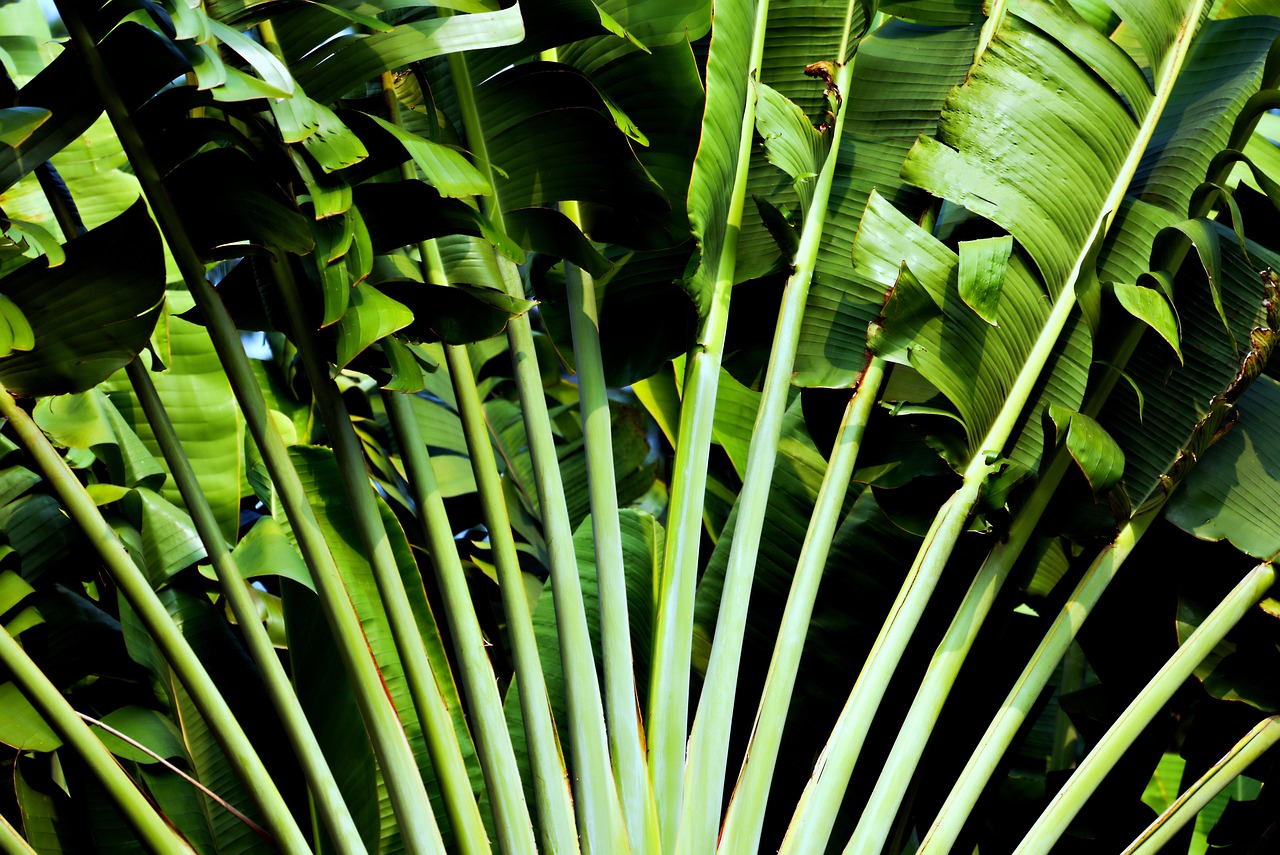
What makes these plants so appealing is not just their aesthetics but also their adaptability. They thrive in warm, humid conditions, making them perfect for indoor environments, especially when the weather outside is less than inviting. However, this love for humidity can also create a perfect breeding ground for pests if you’re not careful. Understanding the specific needs of these plants and how to care for them helps ensure they remain healthy and pest-free. For more information on plant health, check out the Ultimate Guide to Identifying Tropical Plant Diseases.
Common Pests Affecting Tropical Plants
As much as I adore my tropical plants, I’ve learned the hard way that they can attract a variety of pests. Common culprits include aphids, mealybugs, spider mites, and scale insects. I remember spotting tiny webs on my spider plant, only to discover it was a spider mite invasion! Each pest has its own method of attack, and knowing what to look out for can save us a lot of heartache.
- Aphids: These small, soft-bodied insects suck the sap from plants, causing leaves to curl and yellow.
- Mealybugs: They appear as white, cottony masses on the leaves and stems, robbing plants of their nutrients.
- Spider Mites: These tiny pests thrive in dry conditions and can cause stippling on leaves, along with those dreaded webs.
- Scale Insects: They look like small bumps on the plant stems and leaves and can weaken the plant significantly.
Signs of Pest Infestation
I’ve spent countless hours nurturing my plants, so when something seems off, I know to pay attention. Early detection is crucial, and there are several signs that indicate a pest problem. Yellowing leaves, stunted growth, and visible pests are some of the most obvious indicators. I’ve often noticed that if my plant’s leaves start to curl or if there’s a sticky residue on the leaves, it’s time to investigate further.
Regularly inspecting your plants can help catch these issues before they become serious. For instance, if I see leaf drop or tiny webs forming, I immediately check for spider mites. Sometimes, the signs can be subtle, like small black specks on the undersides of leaves, which could be aphids. Learning to recognize these signs early can make all the difference in keeping our plants healthy. If you’re curious about plant diseases, you might find the article Recognizing Symptoms of Tropical Plant Diseases Fast quite helpful.
Preventative Measures for Pest Control
Choosing the Right Soil and Potting Mix
One of the first steps in keeping tropical plants pest-free is choosing the right soil. I discovered that a well-draining potting mix is essential for tropical plants, as it helps prevent root rot and maintains an environment that is less favorable for pests. I often opt for a mix that includes peat moss, pine bark, and perlite; this combination allows for good aeration and moisture retention without becoming overly soggy. A healthy plant is less susceptible to pests, and using quality soil is a crucial foundation for that health.
Plant Placement and Environment
Where I place my tropical plants can significantly impact their health. I’ve learned that keeping plants in a well-lit area, away from drafts, can help them thrive. However, I also make sure they are not in direct, harsh sunlight, which can stress them out. Humidity is vital for tropical plants, and I often mist my plants or place a humidifier nearby. This not only keeps them happy but also deters pests that prefer dry conditions.
Watering Practices to Prevent Pests
Watering is another critical factor. I used to water my tropical plants on a schedule, but I’ve learned it’s better to check the soil moisture first. Overwatering can lead to root rot, which attracts pests, while underwatering can stress the plants, making them more vulnerable. I usually stick my finger into the soil about an inch deep; if it feels dry, it’s time to water. This way, I keep my plants hydrated without creating an environment that pests would love to invade.
Proper Pruning and Maintenance
Regular maintenance is something I can’t stress enough. Pruning dead or yellowing leaves not only keeps the plant looking its best but also prevents pests from taking hold. I’ve found that keeping the foliage clean and trimmed allows for better air circulation, which can deter pests. Just like us, plants need a little TLC! This means checking for any dead or damaged leaves, and removing them regularly. Trust me, your plants will thank you for it. If you want to learn more about recognizing plant issues, consider reading Top Signs Your Tropical Plants Are Diseased: Quick Tips.
Natural Remedies and Organic Solutions
Essential Oils for Pest Repellent
When it comes to keeping my tropical plants healthy, I’ve turned to natural remedies, and one of my favorites is essential oils. I find that oils like neem, peppermint, and lavender can work wonders against pests. For instance, when I noticed aphids on my new hibiscus, I mixed a few drops of neem oil with water in a spray bottle. After a couple of applications, those pesky bugs were gone, and my plant looked rejuvenated.
Essential oils not only repel pests but also provide a pleasant aroma to my space. I often add a few drops of peppermint oil to my misting water, which invigorates both me and my plants. The key here is to dilute the oils properly; a few drops in a spray bottle filled with water usually does the trick. I recommend testing it on a small leaf first, just to ensure the plant reacts well. It’s amazing how something so simple can help protect our beloved green friends!
Homemade Insecticidal Soaps
Homemade insecticidal soap has become one of my go-to solutions for pest control. It’s straightforward to make and is safe for my plants. All it takes is a few ingredients: liquid dish soap (the kind without degreasers or additives), water, and a spray bottle. I mix about one to two tablespoons of soap with a quart of water. When I spray it on infested areas, it suffocates pests like mealybugs and aphids, effectively controlling their populations.
What I’ve learned is that timing is crucial. I usually apply the soap in the early morning or late afternoon to avoid leaf burn from the sun. This way, I protect my plants while effectively targeting pests. I’ve found that consistency is key—applying the soap every few days can significantly help keep infestations at bay. Plus, it feels great to know that I’m using a natural approach to care for my plants!
Beneficial Insects for Pest Control
Another fascinating aspect of pest management is the use of beneficial insects. I remember the first time I welcomed ladybugs into my garden; it felt like I was inviting tiny superheroes! These little critters are natural predators to many pests, including aphids and spider mites. I often look for ways to attract them to my plants by planting flowers like marigolds and dill, which are known to draw in these beneficial insects.
When I started noticing a rise in spider mites on my tropical plants, I decided to release a few ladybugs. To my delight, within a week, I saw a significant decrease in the pest population. It’s like having a team of allies working alongside me to protect my plants! Using beneficial insects is not only effective but also a sustainable choice. I love how it creates a balanced ecosystem in my garden, allowing nature to do its part in pest control.
Chemical Pest Control Options
Types of Pesticides Suitable for Tropical Plants
While I prefer natural methods, I understand that sometimes pest problems can escalate beyond my control. In those instances, I’ve researched chemical pesticides that are specifically safe for tropical plants. Two common types I consider are systemic insecticides and contact insecticides. Systemic insecticides are absorbed by the plant, which means they can control pests that feed on the plant’s sap, while contact insecticides act on pests upon direct application.
Before I make a decision, I always check the labels for compatibility with tropical plants. It’s essential to choose a product that won’t harm them or disrupt their growth. Also, I recommend looking for pesticides that target specific pests rather than broad-spectrum options. This approach minimizes the risk to beneficial insects and the overall garden ecosystem.
Application Methods and Safety Precautions
Applying pesticides requires careful attention to ensure safety for both me and my plants. I’ve learned to follow the instructions on the label meticulously. When I spray, I always wear gloves and a mask to protect myself from inhaling any harmful chemicals. I prefer to apply pesticides in the early morning when temperatures are cooler, which reduces the risk of harming my plants.
Another tip I’ve found useful is to test a small area of the plant before a full application. This way, I can ensure that the plant doesn’t react negatively. After application, I always monitor my plants closely for any signs of stress. I think being cautious and respectful of their needs goes a long way in maintaining a healthy indoor garden.
Regular Monitoring and Maintenance
Creating a Pest Management Schedule
Establishing a schedule for pest management has been a game-changer for me. I’ve realized that checking in on my plants regularly helps catch any potential infestations early. I usually set aside a specific day each week to inspect my plants thoroughly. This routine allows me to spot any changes, like yellow leaves or webbing, before they become major issues.
During my monitoring sessions, I take notes on each plant’s condition and any signs of pests. If I notice any issues, I adjust my care routine accordingly. Having a schedule helps keep me proactive rather than reactive, which ultimately saves me a lot of stress and heartbreak down the line.
Inspecting Plants for Early Signs of Pests
I can’t stress enough how important it is to inspect the undersides of leaves and the stem joints. This is where pests often like to hide. I usually bring a flashlight to help me see better during my inspections, especially in the dimmer corners of my plant collection. I’ve found that paying close attention to these areas reveals early signs of infestations that might otherwise go unnoticed.
Whenever I spot any suspicious activity, I take immediate action, whether it’s treating with soap or using my homemade remedies. This habit has significantly reduced the number of pest problems I face. By being diligent and attentive, I feel like I’m giving my tropical plants the best chance to thrive and flourish!
Seasonal Considerations for Pest Prevention
Seasonal Pests to Watch Out For
As I’ve continued my journey with tropical plants, I’ve learned that different seasons bring different challenges. During the spring and summer months, pests seem to come alive, and I’ve encountered an influx of aphids and spider mites. The warmer weather creates ideal conditions for these little invaders to thrive. I remember one summer when my monstera was absolutely covered in spider mites, and it felt like I was fighting a losing battle!
During the fall and winter, while some pests may die off, I’ve noticed that others, like fungus gnats, can become more prominent—especially if I’m not careful with my watering habits. These pesky gnats love damp soil, so I’ve become more vigilant about letting my soil dry out a bit between waterings during these cooler months. Understanding the seasonal patterns of pests has helped me stay one step ahead in my pest management strategy.
Adjusting Care Based on Seasonal Changes
Adapting my care routine according to the seasons has been another game-changer. For example, during the hot summer months, I often increase the humidity around my plants, which means I might mist them more frequently or even rotate them outside for some natural sunlight. This extra boost helps my tropical plants stay healthy and resilient against pests. I remember how much brighter my plants looked after a few days outside; they just seemed to thrive in the natural elements.
As the colder months approach, I adjust my watering schedule too. I’ve discovered that tropical plants tend to need less water during winter, which means I check the soil more often to avoid overwatering. This is also the time when I might bring out my grow lights to ensure they’re still getting enough light. I’ve noticed that when I maintain a consistent environment, my plants are less stressed and therefore less susceptible to pests.
Another practice I’ve embraced with the seasons is using natural pest deterrents as the weather changes. In the summer, I might rely more on neem oil as a preventative measure, while in the winter, I focus more on ensuring my plants are clean and well-maintained to deter any lingering pests. This flexibility has made a significant difference in how I manage pest control throughout the year.
FAQs About Keeping Tropical Plants Pest-Free
What are the best plants for pest resistance?
This is a question I’ve often pondered. From my experience, some tropical plants are naturally more resilient to pests. For instance, I’ve found that plants like snake plants and rubber trees tend to repel pests better than others. Their thicker, waxy leaves seem to deter some of the common culprits. I also recommend incorporating companion plants like marigolds, which can attract beneficial insects and keep harmful pests at bay. It’s always nice to have a few hardy companions in your plant collection!
How do I identify which pest is affecting my plant?
Identifying pests can feel a bit daunting, but I’ve learned to look for specific signs. For example, if I see sticky residue, it’s often a sign of aphids or mealybugs. Tiny webs? That usually means spider mites. I’ve found that using a magnifying glass can be incredibly helpful to spot these tiny pests. Taking clear photos and comparing them with online resources has also helped me identify what’s bothering my plants. It’s like being a detective in my own little jungle!
When should I use chemical treatments?
I try to reserve chemical treatments for when I’ve exhausted my natural options. If I notice a significant infestation that isn’t responding to my homemade remedies or if my plants are showing signs of severe distress, I consider using chemical treatments. I always read the labels carefully to ensure they’re safe for my tropical plants and apply them according to the instructions. Timing is also crucial; early morning or late afternoon is usually best to avoid harming the plants. I think it’s all about finding that balance between protecting my plants and being mindful of the environment.
Frequently Asked Questions
What are the most common pests affecting tropical plants?
Common pests that affect tropical plants include aphids, mealybugs, spider mites, and scale insects. Each pest has its own method of attack, and recognizing them early can help prevent serious damage to your plants.
How can I identify signs of pest infestation in my tropical plants?
Signs of pest infestation include yellowing leaves, stunted growth, visible pests, sticky residue on leaves, leaf drop, and tiny webs. Regular inspections can help catch these issues early.
What type of soil should I use for tropical plants to prevent pests?
A well-draining potting mix is essential for tropical plants. A mix containing peat moss, pine bark, and perlite allows for good aeration and moisture retention, creating an environment less favorable for pests.
How can I maintain humidity for my tropical plants?
Maintaining humidity can be achieved by misting your plants or using a humidifier nearby. This helps keep the plants happy and deters pests that prefer dry conditions.
What natural remedies can I use to repel pests?
Essential oils like neem, peppermint, and lavender can be effective against pests. Additionally, homemade insecticidal soap made with liquid dish soap and water can suffocate pests like mealybugs and aphids.
How can beneficial insects help with pest control?
Beneficial insects, such as ladybugs, are natural predators of many pests like aphids and spider mites. Planting flowers like marigolds and dill can attract these beneficial insects to your plants.
When should I consider using chemical pesticides?
Chemical pesticides should be considered when natural methods have not resolved a significant infestation or when plants show signs of severe distress. It’s important to choose products safe for tropical plants and follow application instructions carefully.
What is the importance of regular plant inspections?
Regular inspections allow for early detection of pest problems. Setting aside specific days to check your plants helps to monitor their health and catch any signs of pests before they escalate.
How do seasonal changes affect pest management for tropical plants?
Seasonal changes can bring different pests; for example, aphids and spider mites are more prevalent in spring and summer, while fungus gnats can appear in fall and winter. Adjusting care routines and pest management strategies according to the season is essential.
What are some tips for proper watering practices to keep tropical plants healthy?
It’s best to check the soil moisture before watering rather than sticking to a schedule. Overwatering can lead to root rot, which attracts pests, while underwatering can stress plants, making them more vulnerable. Stick your finger into the soil to check moisture levels before watering.