
Orchids are more than just beautiful flowers; they are a passion for many gardeners. This ultimate guide will unveil the secrets of popular orchid types, helping you create a stunning garden filled with these exotic blooms. Read Interesting article: Essential Guide to Popular Indoor Tropical Plant Varieties
Table of Contents
Understanding Orchids: An Overview
What are Orchids?
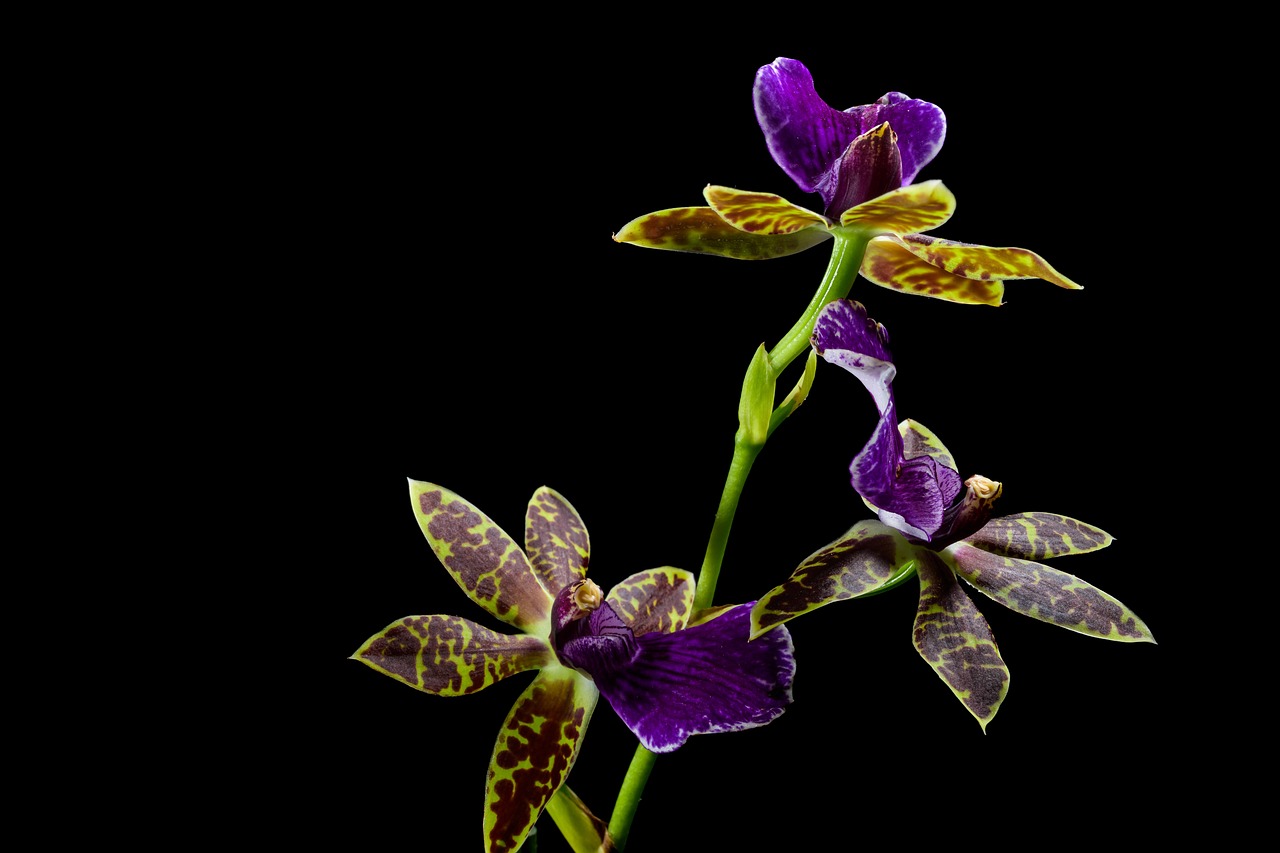
Orchids belong to the family Orchidaceae, one of the largest families of flowering plants. With over 25,000 different species and more than 100,000 hybrids, orchids come in every imaginable color, shape, and size. I remember the first time I saw an orchid; it was a Phalaenopsis with its graceful, sweeping petals. I was captivated! Orchids are unique in their structure, typically featuring three outer petals and three inner petals, known as the labellum, which often serves to attract pollinators. Each type of orchid has its own distinct characteristics, making them fascinating to grow and study.
The Importance of Orchids in Gardening
In my experience, orchids add an extraordinary touch to any garden. They are versatile and can thrive in various conditions, whether in a pot indoors or in a vibrant outdoor garden. Orchids not only bring beauty but also contribute to biodiversity. They play a crucial role in their ecosystems, often forming symbiotic relationships with fungi and insects. This connection makes them an important part of our natural world, and nurturing orchids can help support these vital relationships. I’ve found that when I add orchids to my garden, they draw attention and admiration from friends and family, making my gardening efforts feel truly rewarding. Read Interesting article: Top 10 Popular Indoor Tropical Plants for Your Home
Common Myths About Orchids
Many people shy away from growing orchids because of misconceptions. I used to think they were overly complicated and required a greenhouse to thrive. However, I’ve learned that while some orchids do have specific needs, many types are perfectly suited for beginner gardeners. One of the biggest myths is that orchids need constant humidity. While orchids do enjoy a humid environment, they can adapt to less humid conditions if given the right care. Another myth is that orchids only bloom once a year. In reality, certain types can bloom multiple times throughout the year with proper care. Debunking these myths has opened up a whole new world of gardening possibilities for me and many others.
Popular Orchid Types for Your Garden
Phalaenopsis (Moth Orchid)
Phalaenopsis, commonly known as Moth Orchids, are one of the most popular and easiest orchids to grow. I remember the first time I bought one; it had stunning, waxy flowers that lasted for months. They thrive in low light, making them perfect for indoor spaces. The care requirements are manageable, as they prefer a potting mix that retains some moisture but drains well. I’ve found that a little indirect light and regular watering can keep them happy and blooming!
Cattleya (Corsage Orchid)
Cattleyas are known for their stunning, large blooms and are often used in corsages, hence the name. They have a fragrance that can fill a room, which I absolutely love. However, Cattleyas do require more light than Phalaenopsis, so they’re best suited for a spot with bright, indirect sunlight. They thrive in well-draining media and need to dry out between waterings. I’ve noticed that with a little extra attention, my Cattleya orchids can put on a spectacular show of color.
Dendrobium (Dendrobium Orchid)
Dendrobium orchids are incredibly diverse, with over 1,800 species. They range in size and color, making them an exciting addition to any garden. I’ve found Dendrobiums to be quite resilient, adapting well to different environments. They prefer bright light and slightly cooler temperatures during their rest period. I’ve learned that providing them with the right conditions encourages them to bloom profusely, creating a breathtaking display.
Oncidium (Dancing Lady Orchid)
The Oncidium, often called the Dancing Lady Orchid, is a personal favorite of mine. Their unique flower shape and vibrant colors are simply enchanting. I remember the first time I witnessed their blooms; it felt like watching a dance. Oncidiums prefer bright light but can tolerate some shade. They thrive in a well-draining medium, and I’ve found that they appreciate a little extra humidity, which can be achieved by misting the leaves occasionally.
Vanda (Vanda Orchid)
Vanda orchids are known for their striking, bold colors and can be grown in pots or mounted on trees. I love how they seem to thrive in bright sunlight, making them perfect for outdoor gardens. They require regular watering, as they enjoy moist conditions. I’ve observed that Vandas can bloom several times a year, and their vibrant colors can truly make your garden pop.
Paphiopedilum (Slipper Orchid)
Paphiopedilum, or Slipper Orchids, are easily recognizable by their unique pouch-shaped flowers. I find these orchids fascinating because they come in various colors and patterns. They prefer lower light levels and enjoy a more humid environment. I’ve had some success growing them in a pot with a mix that retains moisture yet allows for drainage. Their unusual appearance always sparks conversation when I show them off to friends.
Miltonia (Pansy Orchid)
Miltonias, often referred to as Pansy Orchids, have delicate blooms resembling pansies. Their vibrant colors and fragrant flowers make them a delightful addition to any collection. I’ve noticed that they thrive in moderate light and enjoy a humid environment. Regular watering is essential, but they don’t like to sit in water, so drainage is key. The sweet scent of their blooms always brings a smile to my face.
Brassia (Spider Orchid)
Brassia orchids are known for their striking, spider-like flowers that can be quite eye-catching. I find their unique shapes and colors fascinating. These orchids prefer bright light and well-drained media. I’ve learned that they can benefit from a bit of extra humidity, and they often bloom in the spring and fall. Their unusual appearance can add an exotic touch to any garden.
Coelogyne (Coelogyne Orchid)
Coelogyne orchids are less common but are equally beautiful. They often feature lovely, fragrant flowers that can bloom multiple times a year. I’ve found that they thrive in moderate to bright light and require regular watering. They prefer to dry out slightly between waterings, which can be a bit different from other orchids. Their delicate blooms are truly a hidden gem in the orchid world.
Choosing the Right Orchid for Your Garden
Factors to Consider: Climate and Environment
When it comes to picking the right orchid for my garden, the climate and environment are key factors. I’ve learned that different orchids have varying requirements, and understanding these can make all the difference in their thriving. For example, if I live in a warmer, humid climate, I might find that orchids like Vandas and Dendrobiums perform exceptionally well. On the other hand, if I’m in a cooler area, I would lean towards more resilient varieties like Paphiopedilums or Miltonias. I often check the average temperatures and humidity levels in my area, as this helps me narrow down my options and ensures my choices will thrive in my local conditions.
Orchid Care Requirements
After considering the climate, I think about the care requirements of each orchid type. Some orchids, like the Phalaenopsis, are forgiving and can tolerate a bit of neglect, which makes them perfect for busy lifestyles. Others, like Cattleyas, demand more attention, such as specific light conditions and consistent watering. I’ve found that understanding the care needs of each orchid can help me manage my time and resources effectively. I often keep a care diary for my orchids, jotting down notes on their specific needs, which makes it easier to cater to each type.
Best Locations for Different Orchid Types
Finding the right spot for each orchid in my garden is crucial. I’ve discovered that light exposure plays a big role in their growth. For instance, placing my Oncidiums in a spot where they catch the morning sun but are shaded from harsh afternoon rays seems to keep them happy. I once made the mistake of placing a Vanda in a low-light area, and it just didn’t thrive. Now, I make sure to observe how each orchid responds to its environment. I often rotate my orchids to different locations throughout the year, adjusting for seasonal changes in light and temperature.
Orchid Growing Conditions
Light Requirements for Orchids
Light is one of the most important factors for orchid health, and I’ve learned that different types have varying light needs. Phalaenopsis orchids, for example, don’t require as much light as my Vandas. I’ve found that bright, indirect light works well for most orchids. In my experience, placing them near a window with filtered light or using sheer curtains can create the perfect environment. I keep an eye on my orchids for signs of too much light, like yellowing leaves, or too little light, which can cause them to stretch and become leggy.
Watering and Humidity Needs
Watering can be a bit tricky with orchids, but once I got the hang of it, things improved significantly. I’ve learned to check the potting medium rather than sticking to a strict schedule. Orchids generally prefer to dry out a bit between watering. I usually stick my finger in the potting mix; if it feels dry an inch down, it’s time to water. As for humidity, I remember when I first started; I thought I needed to mist my orchids daily, but that can lead to problems. Instead, I use a humidity tray filled with pebbles and water, which helps create a more stable environment without overdoing it. I’ve noticed that my orchids respond well when I maintain humidity levels around 50-70%.
Temperature Preferences
Temperature is another crucial element in orchid care. I’ve realized that most orchids prefer temperatures between 65°F to 75°F during the day and a bit cooler at night. I often take note of how temperature fluctuations impact my orchids. For example, I’ve found that giving my Dendrobiums a slight drop in temperature during their rest period encourages them to bloom more profusely. I keep an eye on the weather, especially during extreme heat or cold spells, to ensure my orchids are protected from temperature extremes.
Soil Types and Potting Options
Choosing the right potting mix is essential for orchids, and I’ve experimented with different types to see what works best. I discovered that orchids need a well-draining medium, which often includes bark, perlite, and sphagnum moss. I tend to avoid regular potting soil, as it retains too much moisture. When I pot my orchids, I use a mix designed specifically for them, ensuring that air can circulate around the roots. I also like to choose pots with plenty of drainage holes, which I’ve found helps prevent root rot—a common issue that can be devastating for these beautiful plants.
Common Orchid Pests and Diseases
Identifying Common Pests
As with any plant, orchids are not immune to pests. I’ve encountered a few common culprits, such as aphids, mealybugs, and spider mites. They can be sneaky, hiding on the undersides of leaves or in the crevices of the flowers. I’ve learned to inspect my orchids regularly, looking for signs of distress or webbing. Early detection has saved many of my orchids from serious damage, and I recommend keeping a close eye on them, especially during warmer months when pests tend to be more active.
Preventative Measures
Prevention is key when it comes to orchid pests. I’ve found that maintaining good air circulation around my plants helps reduce the chances of infestations. I also practice proper watering techniques, as overwatering can attract pests. Setting my orchids outside on mild days has proven beneficial, as natural predators can help keep the pest population in check. I often consider using neem oil or insecticidal soap as a preventative measure, applying it periodically to ward off any unwanted guests.
Treatment Options for Diseases
Unfortunately, diseases can strike, too. I’ve dealt with issues like root rot and fungal infections. When I notice yellowing leaves or a bad smell from the pot, I know I have to act quickly. I’ve learned that repotting the orchid in fresh, dry mix can help save it from root rot. For fungal infections, I often use a fungicide as a treatment. Keeping my tools clean and sterilized has become a habit that helps prevent the spread of disease. I’ve found that being proactive and attentive to my orchids’ health pays off in the long run.
Orchid Maintenance and Care Tips
Fertilizing Your Orchids
Fertilizing is one of those things I’ve come to realize is essential for keeping my orchids thriving. In my experience, orchids have specific nutrient needs, and regular fertilization can make a noticeable difference in their growth and blooming. I generally use a balanced fertilizer, specifically formulated for orchids, which typically has a higher nitrogen content. I remember the first time I fertilized my orchids; I was so nervous about overdoing it. I learned that it’s best to fertilize every two to four weeks during the growing season, and I always dilute it to about half the recommended strength. This way, I can avoid burning the roots. I also try to fertilize after I’ve watered to help the nutrients be absorbed more effectively. Watching my orchids respond positively to this care has been so rewarding!
Repotting Techniques
Repotting can seem daunting, but I’ve found it to be a vital part of orchid care. I usually repot my orchids every one to two years, or when I notice that the potting medium has broken down or the roots are outgrowing their container. I remember the first time I repotted an orchid; I was so nervous about damaging the roots! To make the process smoother, I prepare my new pot and fresh potting mix beforehand. When I repot, I gently remove the orchid from its pot, carefully trimming away any dead or rotting roots. I then place it in the new pot, ensuring the roots are spread out and not cramped. A good tip I’ve learned is to use a pot that’s only slightly larger than the previous one. This helps the plant establish itself more quickly and encourages healthy growth.
Pruning and Grooming Your Orchids
I’ve discovered that pruning is another key aspect of orchid maintenance, which helps promote future blooms. After flowering, I like to prune back the flower spike. For some orchids like Phalaenopsis, I cut the spike just above a node to encourage new growth. This little trick has allowed me to see more blooms than I initially thought possible! I also keep an eye out for any yellowing or dead leaves, which I promptly remove. This not only improves the plant’s appearance but also helps prevent disease. Regular grooming has become a part of my routine, and it’s satisfying to see my orchids looking their best. I think it’s all about the little details that lead to a healthier, more vibrant plant.
Propagation of Orchids
Methods of Orchid Propagation
Orchid propagation can feel like a magical process! I’ve always been fascinated by how we can create new plants from just a piece of an existing one. There are several methods for propagating orchids, including division, keiki (baby orchid) production, and seed propagation. I’ve had the most success with division, which involves separating a mature plant into smaller sections, each with roots and leaves. It’s a bit like giving my orchids a fresh start! Keiki propagation is also a neat method I’ve tried, especially with Dendrobiums. When a baby orchid grows on the flower spike, I let it develop roots before carefully cutting it away. Both methods have been rewarding and a fun way to expand my collection.
Step-by-Step Guide to Dividing Orchids
If you’re considering dividing your orchids, here’s how I usually go about it. First, I wait until the plant has finished blooming and is in a healthy state. I then prepare my workspace with sterilized tools and a fresh potting mix. Gently, I remove the orchid from its pot and inspect the root system. I look for natural divisions where it makes sense to separate the plant. Using a sharp, sterilized knife or scissors, I cut between the sections, ensuring each division has healthy roots and leaves. I then pot each division separately in a new mix, giving them a good watering to help settle the roots. This process not only rejuvenates the parent plant but also gives me the joy of nurturing new orchids!
Using Seed and Tissue Culture Techniques
While I haven’t delved deeply into seed propagation, I’ve read about how it can be quite complex. Orchids have tiny seeds that require specific conditions to germinate, often needing a sterile environment. I find tissue culture fascinating, as it allows for mass propagation of orchids in a lab setting. However, for those of us at home, it’s more practical to stick with division and keiki methods. That said, I love the idea of exploring tissue culture in the future, as it opens up so many possibilities for hybridizing and creating unique orchid varieties!
Orchid Shows and Community Resources
Top Orchid Shows to Attend
If you’re as passionate about orchids as I am, attending orchid shows can be a fantastic way to immerse yourself in the community! I’ve personally loved visiting local and national orchid shows, where I could see stunning varieties up close and meet other enthusiasts. There are often vendors selling rare orchids and supplies, plus workshops and talks that provide valuable insights. I remember my first show; it was so inspiring to see all the vibrant colors and diverse types in one place. I always come away with new ideas and a refreshed sense of enthusiasm for my own orchids!
Joining Orchid Societies and Clubs
Joining an orchid society or club has been one of the best decisions I’ve made as an orchid lover. I’ve met so many knowledgeable people who share their experiences and tips. These groups often host meetings, provide educational resources, and even organize plant swaps. It’s a wonderful way to connect with others who share my passion. I’ve learned so much from the collective wisdom of club members and have made lasting friendships along the way!
Online Resources for Orchid Enthusiasts
In this digital age, I’ve found that there are countless online resources available for orchid enthusiasts. From forums to social media groups, there’s a wealth of information and support at our fingertips. I often browse websites dedicated to specific orchid types or general care tips. YouTube channels focused on orchid care and propagation have also been incredibly helpful. I enjoy watching videos that demonstrate techniques I want to try myself. The online community is vibrant and full of inspiration, and I’m grateful for the connections I’ve made through these platforms!
Frequently Asked Questions (FAQs) About Orchids
How often should I water my orchids?
Watering frequency can depend on the type of orchid and the environment, but a good rule of thumb is to check the potting medium. I usually water when the top inch feels dry.
What’s the best fertilizer for orchids?
A balanced orchid fertilizer, typically with a higher nitrogen content, works well. I like to dilute it to half strength and fertilize every two to four weeks during the growing season.
Can I grow orchids indoors?
Absolutely! Many orchids, like Phalaenopsis, thrive indoors as long as they get adequate light and humidity. I recommend finding a bright spot with indirect light.
How do I know when to repot my orchids?
Repot when the potting medium breaks down or the roots become crowded. I often check for signs of yellowing leaves or poor growth, which can indicate it’s time to repot.
Frequently Asked Questions
What are orchids?
Orchids belong to the family Orchidaceae, one of the largest families of flowering plants, with over 25,000 different species and more than 100,000 hybrids. They feature three outer petals and three inner petals, known as the labellum, which often serves to attract pollinators.
Why are orchids important in gardening?
Orchids add beauty and contribute to biodiversity in gardens. They can thrive in various conditions and often form symbiotic relationships with fungi and insects, making them important in ecosystems.
What are some common myths about orchids?
Some myths include that orchids need constant humidity and that they only bloom once a year. In reality, many orchids can adapt to less humid conditions and certain types can bloom multiple times a year with proper care.
What is the best light condition for orchids?
Most orchids prefer bright, indirect light. For example, Phalaenopsis orchids do not require as much light as Vanda orchids, which thrive in bright sunlight.
How should I water my orchids?
Watering frequency depends on the type of orchid and its environment, but it’s best to water when the top inch of the potting medium feels dry. Orchids generally prefer to dry out a bit between waterings.
What type of fertilizer should I use for orchids?
A balanced fertilizer specifically formulated for orchids, typically with a higher nitrogen content, is recommended. It’s best to dilute it to about half strength and fertilize every two to four weeks during the growing season.
How do I know when to repot my orchids?
Repot orchids when the potting medium has broken down or the roots become crowded. Signs like yellowing leaves or poor growth can also indicate it’s time to repot.
Can I grow orchids indoors?
Yes, many orchids, like Phalaenopsis, thrive indoors as long as they receive adequate light and humidity. A bright spot with indirect light is ideal for their growth.
What are some common pests that affect orchids?
Common pests include aphids, mealybugs, and spider mites. These pests can often hide on the undersides of leaves or in flower crevices, so regular inspection is important for early detection.
What are the methods of orchid propagation?
Methods of orchid propagation include division, keiki (baby orchid) production, and seed propagation. Division is often the most successful method, where a mature plant is separated into smaller sections with roots and leaves.