
Have you ever wondered how to create a lush, thriving garden in the tropics? Mulching might just be the secret ingredient you need to unlock the full potential of your tropical paradise.
Table of Contents
Understanding Mulching in Tropical Gardens
Mulching is one of those gardening practices that can transform your garden from ordinary to extraordinary. At its core, mulching involves placing a layer of material on the soil’s surface. This simple act can have profound effects on the health and appearance of your plants. I remember the first time I mulched my garden; I was amazed at how quickly the plants responded by growing lush and vibrant. It felt like I had discovered a hidden treasure!
Definition of Mulching
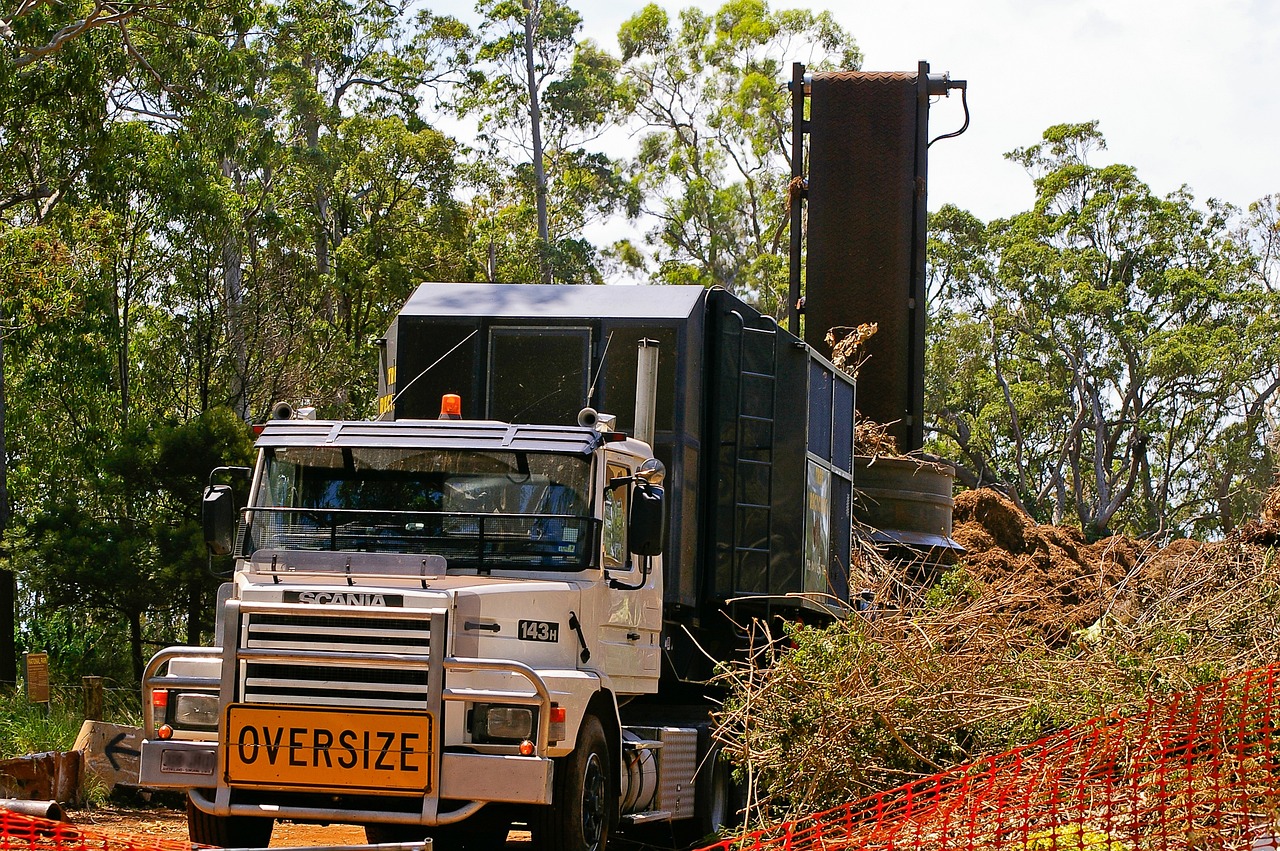
So, what exactly is mulching? It’s the process of covering the soil with various materials to benefit plant growth. The mulch can be organic, like shredded leaves or straw, or inorganic, like plastic or stones. For me, the beauty of mulching lies in its versatility; you can choose materials that not only enhance the garden’s aesthetics but also provide essential nutrients to your plants as they decompose.
Types of Mulch Suitable for Tropical Climates
When it comes to tropical gardens, certain types of mulch work better due to the unique climate conditions. Organic mulches, such as wood chips, straw, and coconut coir, are particularly effective. I’ve found that coconut coir, in particular, is a game-changer. It retains moisture exceptionally well and breaks down slowly, enriching the soil over time. On the other hand, inorganic options like gravel and stones can also be beneficial. They don’t decompose like organic materials but can help with drainage and soil temperature control, which is crucial in the heat of the tropics.
Benefits of Mulching in General
Now, let’s dive into the myriad benefits of mulching. I’ve experienced firsthand how a good layer of mulch can change the game for my garden. Here’s what I’ve learned about the advantages:
- Moisture Retention: Mulch acts as a barrier against evaporation, keeping the soil underneath moist. In hot tropical weather, this is invaluable. I’ve seen my plants thrive even during dry spells, all thanks to a good mulch cover.
- Weed Suppression: One of the biggest challenges in any garden is dealing with weeds. A thick layer of mulch can prevent weed seeds from germinating, saving you time and effort. I remember how much I dreaded weeding until I discovered the power of mulch!
- Temperature Regulation: Mulch helps regulate soil temperature, keeping it cooler in the scorching heat. This has been particularly helpful for my delicate tropical plants that can’t handle extreme temperatures.
- Soil Health Improvement: As organic mulch breaks down, it adds valuable nutrients back into the soil. This process has made my soil richer and more fertile over time.
- Attracting Beneficial Organisms: Mulch provides a habitat for beneficial insects and organisms that contribute to a healthy ecosystem in your garden. I love noticing the increase in butterflies and bees since I started mulching!
These benefits are just the tip of the iceberg. I genuinely believe that mulching is one of the simplest yet most effective ways to enhance your gardening experience. Whether you’re a newbie or a seasoned gardener, incorporating mulch can yield fantastic results.
In my journey as a gardener in a tropical climate, I’ve learned to embrace mulching as a fundamental practice. It not only simplifies my gardening tasks but also creates a thriving environment for my plants. As we continue exploring the topic, I can’t wait to share more about the specific benefits of mulching tailored to tropical gardens.
Key Benefits of Mulching in Tropical Gardens
Soil Moisture Retention
One of the standout benefits of mulching that I’ve seen in my own garden is soil moisture retention. This is particularly crucial in tropical climates where the sun can beat down relentlessly. I remember during a particularly dry season, my garden was suffering. After applying a thick layer of organic mulch, I was amazed at how the soil stayed moist for longer. It was like giving my plants a refreshing drink in the middle of a heatwave! The mulch acts as a protective barrier, reducing evaporation. As a result, my plants thrived, and I didn’t have to water as frequently—talk about a win-win!
Temperature Regulation
Temperature regulation is another incredible advantage of mulching. Tropical gardens can swing from scorching hot days to cooler nights, and my plants often felt the impact of these fluctuations. When I started mulching, I noticed that the soil temperature remained more stable. The mulch kept the roots cool during the heat of the day and insulated them during cooler nights. I found that my more delicate plants, like orchids and ferns, seemed to flourish under this protective layer. It really made me appreciate the subtle yet powerful role that mulch plays in maintaining a healthy environment for my plants.
Weed Suppression
Weeds can be relentless in a tropical garden, and I used to feel overwhelmed by their presence. I discovered that a good layer of mulch can significantly suppress weed growth. By blocking sunlight from reaching weed seeds, I found that I spent much less time battling these pesky invaders. It was such a relief! I remember one weekend, I dedicated an entire afternoon to mulching, and I was surprised at how much easier my gardening tasks became afterward. Now, instead of pulling weeds, I can focus on nurturing my plants, which is what I truly enjoy.
Improving Soil Quality
Improving soil quality is something I hold dear in my gardening journey. As I’ve mentioned, organic mulch breaks down over time, enriching the soil with essential nutrients. The decomposition adds organic matter to the soil, enhancing its structure and fertility. I’ve noticed that my plants not only grow stronger but also produce more blooms and fruits. It’s like a little magic; the more I mulch, the more vibrant my garden becomes. I often like to dig my fingers into the soil and feel its richness after a good season of mulching. It’s a tangible reminder that I’m nurturing a healthy ecosystem right in my backyard. The health of my garden is a testament to the benefits of organic practices.
Attracting Beneficial Organisms
One of the more delightful benefits of mulching that I’ve experienced is attracting beneficial organisms. Since I began mulching, I’ve seen an uptick in helpful insects like ladybugs and bees. It’s like I threw a garden party, and all the right guests showed up! These beneficial creatures help pollinate my plants and keep pests in check. I even set up a small butterfly garden area, and since then, I’ve been rewarded with a flutter of colors dancing around my garden. It’s such a joy to witness the small ecosystem thriving, all thanks to the inviting environment created by the mulch.
Best Mulching Materials for Tropical Gardens
Organic Mulch Options
Now that we’ve explored the benefits, let’s dive into the best mulching materials for tropical gardens. Choosing the right mulch can amplify all the advantages we’ve discussed.
Wood Chips
Wood chips are a fantastic organic mulch option. I’ve used them in my garden, and they work wonders for moisture retention and weed suppression. They break down slowly, which means they last longer and continuously enrich the soil. Plus, they give a nice rustic aesthetic to the garden.
Straw and Grass Clippings
Straw and grass clippings are easily accessible and economical options. I often save grass clippings after mowing the lawn; they make a great mulch that decomposes quickly, adding nutrients to the soil. Just be cautious not to use clippings from chemically treated lawns, as those can harm your garden.
Coconut Coir
Coconut coir is another personal favorite of mine. It’s lightweight, retains moisture exceptionally well, and is biodegradable. I love how it keeps my plants hydrated without becoming waterlogged. Plus, it’s a sustainable option, as it’s made from the husks of coconuts, which are abundant in tropical regions. Using natural materials like coir aligns with my gardening philosophy.
Inorganic Mulch Options
While organic mulch is often the most beneficial, inorganic options can also play a role in tropical gardens.
Gravel and Stones
Gravel and stones are ideal for drainage and can help control soil temperature. I’ve used them in pathways and around heat-sensitive plants, and they really do a great job of preventing soil compaction while allowing excess moisture to drain away.
Rubber Mulch
Rubber mulch, made from recycled tires, is another option I’ve come across. It doesn’t break down, which means it lasts a long time. It’s excellent for preventing weeds and retaining moisture. However, I’ve opted for natural materials in my garden, but rubber mulch can be a practical choice for certain areas, especially in high-traffic zones.
How to Apply Mulch Effectively
Preparing the Garden Bed
When it comes to applying mulch, preparation is key. I remember the first time I mulched my garden, and I didn’t realize how important it was to start with a clean canvas. Before spreading any mulch, I make sure to remove weeds, rocks, and any debris from the area where I plan to apply it. This helps minimize competition for nutrients and ensures that the mulch can do its job effectively. I often use a hoe or a hand trowel to loosen the soil a bit, which allows the nutrients from the mulch to penetrate better. It’s like giving my garden a fresh start!
Layer Thickness Recommendations
One of the most common questions I get about mulching is: “How thick should the layer be?” From my experience, a thickness of about 2 to 4 inches works best for most tropical gardens. If the layer is too thin, it might not effectively suppress weeds or retain moisture. On the other hand, if it’s too thick, it can suffocate your plants or create a habitat for pests. I’ve learned to strike a balance—covering the soil well without overwhelming my plants. I usually aim for around 3 inches, which has worked beautifully in my garden.
Best Timing for Mulching
Timing is everything when it comes to mulching. I’ve found that applying mulch in the early spring or after planting is ideal. This timing allows the mulch to retain moisture during the hot months and suppress weeds right when they start to germinate. I remember waiting until the rainy season started to apply mulch, and I was pleasantly surprised at how quickly my garden thrived afterward. It’s as if my plants could feel the difference immediately! If you’re in a tropical region with distinct wet and dry seasons, mulching just before the rains can ensure your plants get the maximum benefits.
Maintenance Tips for Mulched Areas
Once you’ve applied mulch, it’s important to keep an eye on it. I’ve learned that mulch doesn’t just sit there and do nothing; it requires some maintenance. Over time, organic mulch will break down, so I make it a point to replenish it every few months. This helps maintain that ideal layer thickness and ensures my soil remains enriched. I also check for any weed growth or signs of pest activity, as I’ve noticed that some weeds can still sneak through, especially if the mulch layer is uneven. If I find any rogue weeds, I simply pull them out by hand—another reason why preparing the garden bed is so important!
Another tip I’ve picked up is to keep the mulch a few inches away from the base of my plants. This prevents moisture buildup right at the stem, which can lead to rot. I’ve had my fair share of issues with this in the past, and I now make sure to give my plants some breathing room. It’s amazing how these little adjustments can make a big difference in the health of my garden.
Applying mulch effectively can transform your gardening experience. With some preparation and maintenance, I believe you can unlock a whole new level of growth and beauty in your tropical garden. As we continue, I’m excited to share some common myths and misconceptions about mulching that I’ve encountered along my journey!
Common Myths and Misconceptions About Mulching
Mulching is Only for Aesthetics
One of the biggest misconceptions I’ve come across is that mulching is primarily for looks. While it’s true that a fresh layer of mulch can enhance the visual appeal of a garden, its benefits go far beyond just aesthetics. I used to think the same way until I noticed how much healthier my plants became after I started mulching. It’s like dressing up your garden for a party, but the real celebration is the thriving ecosystem you’re nurturing beneath the surface. The health of your plants and soil is the star of the show! So, let’s not just think of mulch as a decorative touch; it’s a crucial part of maintaining a vibrant garden.
All Mulch Types are the Same
Another myth I’ve encountered is that all types of mulch are interchangeable. I can tell you from experience that this is far from the truth! Each type of mulch has its unique properties and benefits. For example, while wood chips are fantastic for moisture retention and soil enrichment, gravel may excel in drainage but won’t provide the same nutrients. I remember when I first started gardening, I used whatever mulch I had on hand without considering its qualities. Once I began experimenting with different types, my garden flourished in ways I hadn’t expected. Understanding the specific needs of your garden helps you choose the right mulch that serves your plants best.
Mulch Attracts Pests
Many people worry that mulching will attract pests, but I’ve found the opposite to be true. While it’s essential to select the right materials, mulching can actually help create a healthier environment that attracts beneficial insects. I used to be concerned about critters hanging around my garden, but I quickly learned that the presence of ladybugs and other pollinators is a good sign! These helpful insects contribute to pest control and pollination, which are vital for a successful garden. So instead of shying away from mulch because of pest fears, embrace it as a way to encourage a balanced ecosystem!
Challenges of Mulching in Tropical Gardens
Climate Considerations
While mulching offers numerous benefits, it’s essential to acknowledge the challenges that come with it, especially in tropical climates. I’ve faced issues with heavy rainfall washing away mulch layers or causing them to break down quicker than I anticipated. During particularly wet seasons, I’ve noticed that certain mulches may need more frequent replenishing. Understanding your local climate patterns can help in choosing the right mulch and adjusting your maintenance routine. I’ve learned to monitor the weather closely and be prepared to add new mulch after heavy rains to maintain that protective barrier.
Decomposition Rates of Organic Mulch
Another challenge I’ve encountered is the rapid decomposition of organic mulch in the humid tropical climate. While this breakdown enriches the soil, it also means I need to be diligent about replacing it more often than in cooler regions. I remember feeling frustrated when I saw my beautiful wood chip layer diminish after just a few months. However, I’ve come to appreciate this aspect of organic mulch—it encourages a cycle of nutrient replenishment, which ultimately benefits my plants. It’s a balance of patience and observation; I’ve learned to keep an eye on the mulch thickness to ensure it’s always doing its job effectively.
Potential for Fungal Growth
Fungal growth is another factor to consider when mulching. In the humid conditions of the tropics, certain types of organic mulch can create a perfect environment for fungi. While some fungi are harmless and even beneficial to plants, others can pose challenges. I remember once after applying a thick layer of mulch, I noticed some mushrooms popping up. It made me a bit uneasy at first. However, I learned that as long as the mushrooms aren’t harmful to my plants, they can be a part of a healthy ecosystem. Being informed about the types of fungi and their roles can help us manage our gardens effectively without unnecessary worry.
Case Studies: Successful Mulching Practices in Tropical Gardens
Urban Gardens
I find it inspiring to see how urban gardeners have embraced mulching to overcome space limitations and harsh conditions. In my city, I’ve seen community gardens flourish with the help of strategic mulching practices. These gardens not only beautify the urban landscape but also create a green refuge for city dwellers. Many of these gardeners use organic waste for mulch, turning kitchen scraps and yard waste into a resource that nourishes their plants. It’s a perfect example of sustainability in action!
Community Gardens
Community gardens provide another fantastic case study in successful mulching. I’ve participated in a few community gardening events where we collectively mulched common areas. This teamwork not only enhanced the garden’s overall health but also built camaraderie among neighbors. I remember one gardener sharing how much easier it became to manage weeds after we mulched together. These shared experiences have shown me the power of collaboration in gardening!
Private Tropical Landscapes
In private tropical landscapes, I’ve noticed homeowners using mulching creatively to overcome specific challenges. For instance, I visited a friend’s house where they used coconut coir and wood chips to create a vibrant tropical garden. This combination not only helped retain moisture but also provided a beautiful contrast against the lush greenery. I appreciated how they adapted their mulching strategies to their unique landscape, illustrating that there’s no one-size-fits-all solution in gardening.
Final Thoughts
As I reflect on my journey with mulching in tropical gardens, I feel grateful for all the lessons learned. Mulching has truly transformed the way I garden. Whether it’s the moisture retention, weed suppression, or the thriving ecosystem it fosters, the benefits are undeniable. I believe that anyone can unlock the full potential of their garden with a little effort and the right mulching practices. Remember, it’s not just about aesthetics; it’s about creating a nurturing environment for your plants and the wildlife they attract. As we continue to explore sustainable gardening practices, I encourage you to embrace mulching and watch your tropical paradise flourish!
Frequently Asked Questions
What is mulching?
Mulching is the process of covering the soil with various materials to benefit plant growth. It can involve organic materials, like shredded leaves or straw, or inorganic materials, like plastic or stones.
What are the benefits of mulching in tropical gardens?
Mulching in tropical gardens provides several benefits, including moisture retention, weed suppression, temperature regulation, soil health improvement, and attracting beneficial organisms.
What types of mulch are suitable for tropical climates?
Suitable types of mulch for tropical climates include organic options like wood chips, straw, and coconut coir, as well as inorganic options like gravel and stones.
How does mulching help with moisture retention?
Mulch acts as a barrier against evaporation, keeping the soil underneath moist, which is particularly valuable in hot tropical weather.
What is the recommended thickness for a mulch layer?
A mulch layer thickness of about 2 to 4 inches is recommended for most tropical gardens. Aiming for around 3 inches typically works well to suppress weeds and retain moisture without suffocating plants.
When is the best time to apply mulch?
The best time to apply mulch is in early spring or after planting. This timing helps retain moisture during hot months and suppresses weeds right when they start to germinate.
How should mulch be maintained after application?
Mulch should be replenished every few months as it breaks down over time. It’s also important to check for weed growth and keep the mulch a few inches away from the base of plants to prevent moisture buildup and rot.
What common myths exist about mulching?
Common myths about mulching include the belief that it’s only for aesthetics, that all mulch types are the same, and that mulching attracts pests. In reality, mulching provides significant health benefits for plants and soil.
What challenges might be faced when mulching in tropical gardens?
Challenges in tropical gardens may include heavy rainfall washing away mulch, rapid decomposition of organic mulch, and potential fungal growth due to humid conditions.
Can mulching attract beneficial organisms?
Yes, mulching can attract beneficial organisms. A healthy mulch layer can create an inviting environment for helpful insects like ladybugs and bees, which aid in pollination and pest control.