
Are you ready to unlock vibrant growth in your tropical container plants? Understanding their unique needs and how to fertilize them effectively can transform your gardening experience. Read Interesting article: Top Fertilization Strategies for Thriving Tropical Container Plants
Table of Contents
Understanding Tropical Container Plants
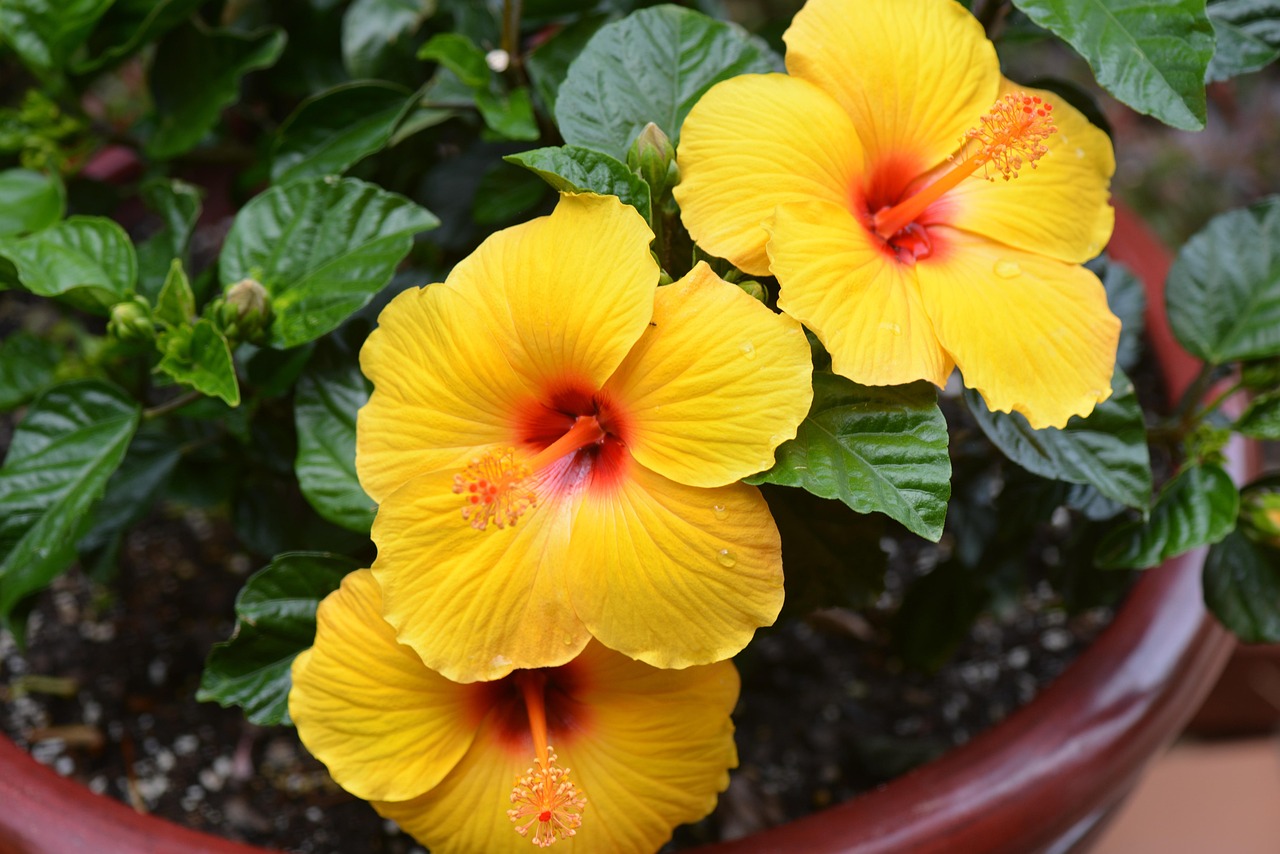
Tropical container plants bring a burst of color and life to our homes and gardens. I remember the first time I brought a vibrant hibiscus into my living room. It was like letting a piece of paradise into my space! But to keep these plants thriving, it’s important to understand their characteristics and how container gardening can benefit them.
Characteristics of Tropical Plants
Tropical plants are known for their lush foliage and vibrant flowers. They thrive in warm, humid conditions, which can be quite different from the typical environments we see in temperate regions. In my experience, they often require more water and nutrients than their temperate counterparts. This means that understanding their growth patterns is crucial for success. I’ve learned that many tropical plants are not only fast-growing but also have specific sunlight requirements. For instance, some prefer bright, indirect light, while others can handle direct sun. Knowing these details helps in creating the perfect environment.
Benefits of Container Gardening
Container gardening offers a host of benefits, especially for tropical plants. One of the biggest advantages I’ve found is the ability to control soil quality and drainage. Tropical plants often thrive in well-draining, nutrient-rich soil, and using containers allows us to customize the soil mix. Plus, containers can be moved to optimize light conditions or protect plants from harsh weather. I’ve often rearranged my pots to catch the best sunlight, and it’s amazing how quickly my plants respond to a little extra light! Additionally, container gardening enables us to showcase our tropical beauties in creative ways, adding visual interest to patios, balconies, or even indoors. Read Interesting article: Create the Perfect Soil Mix for Your Tropical Container Plants
Common Tropical Container Plants
There are so many wonderful tropical plants to choose from for container gardening! I’ve experimented with a variety over the years, and some favorites have emerged. Here are a few that I believe are perfect for containers:
- Hibiscus: Known for its stunning flowers, hibiscus is a showstopper that thrives in sunny spots.
- Bird of Paradise: With its unique foliage and exotic flowers, this plant truly brings a tropical vibe to any space.
- Philodendron: Easy to care for and adaptable, philodendrons can handle low light, making them great for indoor spaces.
- Orchids: These elegant blooms can thrive in containers, especially when given the right care and humidity.
- Ferns: Tropical ferns, like Boston ferns, add lush greenery and can thrive in shaded areas.
Choosing the right tropical plants for containers is essential. I’ve often found that mixing different types of plants creates a stunning display. However, it’s essential to ensure they have similar light and water needs to thrive together.
Essential Nutrients for Tropical Plants
Now that we understand tropical container plants, let’s dive into the nutrients they need. Just like us, these plants require a balanced diet to flourish. From my experience, proper fertilization is key to achieving vibrant growth. Read Interesting article: Boost Your Tropical Container Plants with These Fertilization Tips
Nitrogen: The Growth Booster
Nitrogen is vital for tropical plants as it promotes healthy leaf growth. I remember when I first started gardening; my plants looked pale and weak. After researching, I learned that a nitrogen deficiency could be the culprit. I started using a nitrogen-rich fertilizer, and it was incredible to see the transformation in just a few weeks! New leaves sprouted, and the color became richer. It’s one of the most important elements for any tropical gardener.
Phosphorus: Root and Flower Development
Phosphorus plays a crucial role in root development and flowering. I’ve noticed that when my tropical plants start to bloom, they often require a boost of phosphorus. I’ve had great luck with fertilizers that have higher phosphorus content during the flowering phase. It’s like giving my plants a little extra love to encourage those beautiful blooms!
Potassium: Overall Plant Health
Potassium is essential for overall plant health, helping with water regulation and disease resistance. I’ve learned that if my plants are struggling with wilting or yellowing leaves, checking their potassium levels can be a game-changer. When I started adding potassium-rich fertilizers, I noticed my plants became more resilient and vibrant.
Micronutrients: Trace Elements for Vitality
While macronutrients are crucial, don’t overlook the importance of micronutrients. These trace elements, like iron, manganese, and zinc, are vital for the overall health of tropical plants. In my experience, a well-rounded fertilizer that includes these micronutrients can make a significant difference in plant vitality. I remember when I neglected to provide these essential nutrients; my plants struggled. Once I added a complete fertilizer, their growth exploded!
Choosing the Right Fertilizer
Choosing the right fertilizer can feel overwhelming, especially with so many options available. From my experience, understanding the different types of fertilizers and their benefits makes the decision much easier. I’ve spent countless hours experimenting with various products, and I’ve learned a lot along the way.
Types of Fertilizers
When it comes to fertilizers, they typically fall into two main categories: organic and synthetic. Each has its pros and cons, and I’ve found that knowing what works best for my plants and gardening style is crucial.
Organic vs. Synthetic
Organic fertilizers come from natural sources, such as compost, manure, or bone meal. I love using organic fertilizers because they improve soil health over time, promote beneficial microorganisms, and are generally safer for the environment. When I started using organic fertilizers, I noticed not only healthier plants but also a more vibrant ecosystem in my pots.
On the other hand, synthetic fertilizers are chemically formulated and provide nutrients in a more concentrated form. They work quickly and are often less expensive. I’ve used synthetic fertilizers in a pinch, and while they can give my plants a fast boost, I always feel the need to balance them with organic options to maintain long-term soil health.
Slow-Release vs. Quick-Release
Another important consideration is whether to use slow-release or quick-release fertilizers. Slow-release fertilizers gradually release nutrients over time, which is fantastic for busy gardeners like me who might forget to fertilize regularly. I often apply a slow-release fertilizer at the beginning of the growing season, and it lasts for several months, providing a steady supply of nutrients.
Quick-release fertilizers, however, deliver nutrients immediately. This is particularly useful if I notice my plants showing signs of deficiency. I like to keep a liquid quick-release fertilizer on hand for emergencies, and it’s amazing how quickly my plants perk up after a dose. Just be sure to monitor how often I use it, as too much can lead to issues.
Understanding NPK Ratios
When choosing fertilizers, I always check the NPK ratio on the label. NPK stands for nitrogen (N), phosphorus (P), and potassium (K), which are the three main nutrients plants need. The numbers tell you the percentage of each nutrient in the fertilizer. For example, a fertilizer with an NPK ratio of 10-10-10 contains equal parts of all three nutrients.
For my tropical container plants, I often look for fertilizers with a higher first number (nitrogen) to encourage lush foliage growth, particularly during the growing season. When my plants start to bloom, I switch to a fertilizer with a higher phosphorus number to support root and flower development. This approach has helped me achieve beautiful results in my garden!
Choosing Fertilizers for Specific Plants
Every tropical plant has its unique needs, and I’ve found it beneficial to tailor my fertilizer choices accordingly. For instance, when fertilizing my orchids, I opt for a specialized orchid fertilizer that contains higher amounts of potassium to enhance flower quality and overall health. Similarly, for ferns, I lean towards a balanced fertilizer but ensure it’s low in nitrogen to prevent excessive leaf growth that could lead to weak stems.
Understanding each plant’s specific requirements has transformed my gardening experience. I often keep a journal to track what works best for each type of plant, and it’s been an invaluable resource for my gardening journey.
Best Fertilization Practices
Now that we’ve covered how to choose the right fertilizer, it’s essential to talk about the best practices for applying it. I’ve made my share of mistakes in this area, so I’m excited to share what I’ve learned along the way.
When to Fertilize Tropical Container Plants
Timing is everything when it comes to fertilization. I’ve learned that understanding the growth cycle of my tropical plants makes a significant difference in their health. Typically, I fertilize during the growing season—spring and summer—when plants are actively growing and in need of nutrients. In the dormant season, I reduce or even stop fertilizing, as my plants don’t need extra food when they’re not growing.
Growing Season vs. Dormant Season
During the growing season, I fertilize my tropical container plants every 4 to 6 weeks. I usually set reminders on my phone, so I don’t forget! When fall arrives, I cut back on fertilization, allowing my plants to prepare for their rest period. It’s amazing how they seem to appreciate this break, as their growth naturally slows down.
How to Apply Fertilizer
Applying fertilizer correctly is just as important as choosing the right one. I remember the first time I used granular fertilizer; I sprinkled it too close to the plant’s base and ended up burning the roots. Now, I’m much more cautious!
Granular Fertilizer Application
For granular fertilizers, I make sure to evenly distribute the granules around the base of the plant, keeping a safe distance from the stem. After application, I follow up with a good watering to help the nutrients soak into the soil without harming the roots.
Liquid Fertilizer Techniques
When using liquid fertilizers, I prefer to dilute them according to the package instructions. I then pour the mixture onto the soil rather than the leaves to avoid any potential burn. I’ve found that liquid fertilizers provide a fast-acting boost, especially when my plants show signs of needing help.
Avoiding Over-Fertilization
One of the biggest mistakes I see myself and others make is over-fertilization. It’s crucial to remember that more is not always better. I’ve experienced firsthand how too much fertilizer can lead to salt buildup in the soil, which can harm my plants. I always err on the side of caution and follow the recommended application rates. If I’m ever in doubt, I’d rather under-fertilize than overdo it!
Signs of Nutrient Deficiencies
As I’ve gotten more into tropical container gardening, I’ve learned that understanding the signs of nutrient deficiencies can be a game-changer. Just like us, plants can show when they’re not getting what they need. I remember my first encounter with nutrient deficiency; I was puzzled by my once-vibrant plants turning dull and lifeless. It took a bit of research and observation, but I finally figured out what was going wrong. Here’s what I’ve discovered about the signs to look for and how to address them.
Identifying Common Nutrient Deficiencies
Each nutrient deficiency can manifest in different ways. I’ve found that paying close attention to the appearance of my plants helps me catch issues early. Here are some common signs I’ve noticed:
Yellowing Leaves (Chlorosis)
One of the most noticeable signs of nutrient deficiency is yellowing leaves, also known as chlorosis. When I see this happening, I usually check the nitrogen levels first. Nitrogen deficiency often shows up as yellowing in older leaves while the younger leaves remain green. I’ve learned that a nitrogen-rich fertilizer can help revive my plants quickly. However, yellowing can also indicate a lack of iron, especially if the new growth is yellow while the veins remain green. In that case, I reach for a fertilizer that includes iron chelates to boost their health.
Stunted Growth
Another red flag I’ve encountered is stunted growth. My plants sometimes seem to be in slow motion, and it’s frustrating! When I notice this, I look at my fertilization routine. Stunted growth can indicate a lack of phosphorus or potassium. I remember one summer when my beloved hibiscus wasn’t growing as expected. After some adjustments to my fertilizer—choosing one that was higher in phosphorus—I saw a noticeable change within weeks. It’s a reminder that the right nutrients can really unleash growth potential.
Poor Flowering and Fruiting
For those of us who love tropical plants for their stunning flowers, poor flowering can be disheartening. I’ve had instances where my orchids or hibiscus just wouldn’t bloom. This often points to inadequate phosphorus levels. When I started using fertilizers tailored for flowering plants, I noticed my blooms returned with a vengeance! Ensuring that my plants get a good dose of phosphorus during their blooming phase has become a key part of my gardening strategy.
Solutions for Addressing Deficiencies
When I identify a nutrient deficiency, my next step is to take action. Here are some strategies that have worked well for me:
- Adjust Fertilization: The first thing I do is adjust my fertilization schedule. If I notice yellowing leaves, I might switch to a fertilizer with a higher nitrogen content or add a nitrogen supplement. For poor flowering, I ensure that I’m using a phosphorus-rich fertilizer.
- Soil Testing: I’ve found that testing my soil occasionally can provide valuable insights. Many garden centers offer kits that help determine nutrient levels. This way, I can tailor my fertilization to meet specific needs rather than relying on guesswork.
- Supplement with Micronutrients: Sometimes, the issue can stem from a lack of micronutrients. I’ve learned to keep a balanced fertilizer on hand that includes iron, manganese, and other trace elements. A little boost can make a big difference!
- Monitor Watering Practices: If I suspect nutrient deficiencies, I also take a close look at my watering practices. Overwatering can lead to root problems that interfere with nutrient uptake, so I ensure my containers have good drainage and adjust my watering schedule accordingly.
Through trial and error, I’ve developed a keen eye for spotting these deficiencies early on, which has transformed my gardening experience. The more I learn to respond effectively to the needs of my tropical container plants, the more vibrant and lush my garden becomes. It’s truly rewarding to see how a little diligence and care can lead to a flourishing tropical paradise in my home!
Watering and Fertilization: A Balanced Approach
As I dive deeper into the world of tropical container gardening, I’ve come to realize that watering and fertilization go hand in hand. It’s not just about throwing in some fertilizer and hoping for the best; it’s about finding that perfect balance. I’ve had my share of mishaps—too much water here, not enough fertilizer there—and I’ve learned that these two elements work together to support plant health.
Understanding Watering Needs
Getting to know how much water my tropical plants need has been crucial. They often thrive in humid environments, which can make watering a bit tricky. I’ve found that overwatering is a common problem, especially in containers where drainage can be limited. I usually stick my finger into the soil about an inch deep; if it feels dry, it’s time to water. This simple habit has helped me avoid drowning my plants!
How Fertilization Affects Watering
Interestingly, I’ve learned that fertilization can impact how much water my plants need. When I fertilize, especially with quick-release fertilizers, my plants often require more water to help absorb the nutrients effectively. I keep this in mind, especially during the growing season. It’s important to avoid water stress, as it can hinder nutrient uptake and lead to deficiencies.
Best Practices for Water-Fertilizer Combination
From my experience, combining watering and fertilization can be incredibly beneficial. Here are some best practices that work for me:
- Water Before Fertilizing: I always make sure to water my plants a day or two before I apply fertilizer. This helps ensure that the soil is moist, which can prevent root burn from concentrated nutrients.
- Use Fertilizers During Watering: I sometimes mix liquid fertilizers into my watering routine. This method allows me to provide nutrients while ensuring my plants are hydrated. I dilute the fertilizer according to the instructions and water as usual.
- Monitor Soil Moisture: I keep an eye on soil moisture levels after fertilizing. If I notice my plants looking a bit droopy, I check to see if they need more water. Balancing these elements is key to keeping them healthy and happy!
Finding that sweet spot between watering and fertilization has not only improved the health of my tropical plants but has also made my gardening experience much more enjoyable. With a little attention and care, I’ve created a thriving tropical oasis right in my home!
Frequently Asked Questions
What are the characteristics of tropical container plants?
Tropical container plants are known for their lush foliage and vibrant flowers. They thrive in warm, humid conditions, often requiring more water and nutrients than temperate plants. Many tropical plants are fast-growing and have specific sunlight requirements, such as preferring bright, indirect light or being able to handle direct sun.
What are the benefits of container gardening for tropical plants?
Container gardening allows for better control of soil quality and drainage, which is crucial for tropical plants that need well-draining, nutrient-rich soil. It also enables gardeners to move containers to optimize light conditions and protect plants from harsh weather, while adding visual interest to spaces like patios or balconies.
What are some common tropical container plants suitable for gardening?
Some common tropical container plants include hibiscus, bird of paradise, philodendron, orchids, and ferns. These plants vary in care requirements and can create stunning displays when mixed together, provided they have similar light and water needs.
What essential nutrients do tropical plants need for healthy growth?
Tropical plants require a balanced diet of macronutrients, which include nitrogen for leaf growth, phosphorus for root and flower development, and potassium for overall health. Micronutrients such as iron, manganese, and zinc are also vital for plant vitality.
How do I choose the right fertilizer for my tropical container plants?
When choosing fertilizer, consider the type (organic vs. synthetic), the release rate (slow-release vs. quick-release), and the NPK ratio (nitrogen, phosphorus, potassium). Higher nitrogen fertilizers are preferred during the growing season for leaf growth, while higher phosphorus fertilizers are beneficial during blooming.
When is the best time to fertilize tropical container plants?
The best time to fertilize tropical container plants is during the growing season, typically spring and summer, when they are actively growing. Fertilization should be reduced or stopped during the dormant season in fall and winter.
What are the signs of nutrient deficiencies in tropical plants?
Common signs of nutrient deficiencies include yellowing leaves (chlorosis), stunted growth, and poor flowering. Yellowing leaves may indicate nitrogen or iron deficiency, while stunted growth can be a sign of lacking phosphorus or potassium.
How should I apply fertilizer to my tropical container plants?
For granular fertilizers, evenly distribute the granules around the base of the plant and water afterward to help nutrients soak into the soil. For liquid fertilizers, dilute according to package instructions and apply to the soil, avoiding the leaves to prevent burn.
How can I balance watering and fertilization for my tropical plants?
To balance watering and fertilization, water the plants a day or two before applying fertilizer to prevent root burn. Additionally, consider mixing liquid fertilizers into your watering routine to keep the plants hydrated while providing nutrients.
What should I do if I notice nutrient deficiencies in my tropical plants?
If you identify nutrient deficiencies, adjust your fertilization schedule, consider soil testing, supplement with micronutrients, and monitor your watering practices. This proactive approach can help restore your plants’ health and vitality.