
Death Valley National Park offers a range of incredible campgrounds for outdoor enthusiasts. In 2026, discover the top 10 campgrounds to experience the unique beauty of this desert landscape, complete with essential reservation tips to enhance your camping adventure.
Introduction to Death Valley Campgrounds
Death Valley National Park is a unique gem for camping lovers. It’s a land of stunning contrasts, from towering mountains to vast salt flats. In 2026, let’s explore the best campgrounds this incredible park has to offer, along with some handy reservation tips.
Overview of Death Valley National Park
Death Valley National Park, located on the California-Nevada border, is the hottest, driest, and lowest national park in the U.S. It spans over 3 million acres and showcases a fascinating mix of geological features. Here’s what to know:
- Climate: Expect extreme temperatures. Summer highs can soar above 120°F, while winter nights may dip below freezing. The best camping months are usually October through April.
- Geography: The park features towering mountains, vast desert landscapes, and unique formations like Badwater Basin, the lowest point in North America.
- Wildlife: Despite the harsh conditions, the park is home to a variety of animals. You might spot coyotes, bighorn sheep, and a plethora of birds.
Why Camp in Death Valley?
Camping in Death Valley offers a one-of-a-kind experience. Here’s why you should consider it:
- Stargazing: With minimal light pollution, the night sky is a dream for stargazers. You can see countless stars and even the Milky Way with the naked eye.
- Diverse Campgrounds: From developed sites with amenities to more rustic spots, there’s something for everyone.
- Adventure Opportunities: Hiking, biking, and exploring unique landscapes are just a few activities you can enjoy.
Decision-Making Tips for Choosing a Campground
When selecting where to camp, keep these factors in mind:
Table of Contents
- Amenities: Some campgrounds offer restrooms, showers, and picnic tables, while others are more basic.
- Proximity to Attractions: If you want to be close to popular sites, consider campgrounds like Furnace Creek.
- Reservation Needs: Some campgrounds require advance booking, especially during peak season.
By understanding the park’s unique features and planning your visit, you can make the most of your camping experience in Death Valley.
1. Furnace Creek Campground: The Most Popular Choice
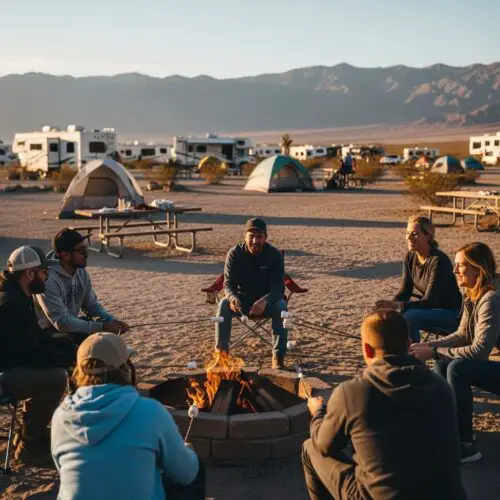
Furnace Creek Campground is the crown jewel of camping in Death Valley. It’s the most popular choice for good reason. With great amenities and a prime location, it attracts campers year-round.
Amenities and Facilities
Furnace Creek offers a variety of amenities to make your stay comfortable:
- Electric Hookups: The only campground in Death Valley with electric hookups for RVs.
- Restrooms and Showers: Clean facilities to freshen up after a day of exploring.
- Picnic Tables and Fire Pits: Perfect for enjoying meals and evenings under the stars.
- Proximity to Attractions: Just a stone’s throw from attractions like the Furnace Creek Visitor Center and Badwater Basin.
While the campground is well-equipped, it can fill up quickly. So, if you want to snag a spot, planning is key.
Reservation Tips
Reservations at Furnace Creek are essential, especially during peak season. Here are some helpful tips:
- Book Early: Reservations open six months in advance. Don’t wait until the last minute!
- Best Times to Visit: Aim for late fall to early spring. The weather is much more pleasant for camping.
- Check Availability: Use the official website for real-time availability and booking.
- Cancellation Policy: Familiarize yourself with the cancellation policy. Plans can change!
Why Choose Furnace Creek?
Furnace Creek stands out for several reasons:
- Accessibility: Close to key park attractions, making it easy to explore.
- Community Feel: You’ll find a friendly atmosphere with fellow campers.
- Comfort: The amenities here offer a level of comfort that’s hard to beat in the desert.
In a nutshell, if you’re looking for a well-rounded camping experience in Death Valley, Furnace Creek is hard to top!
2. Texas Springs Campground: A Scenic Retreat
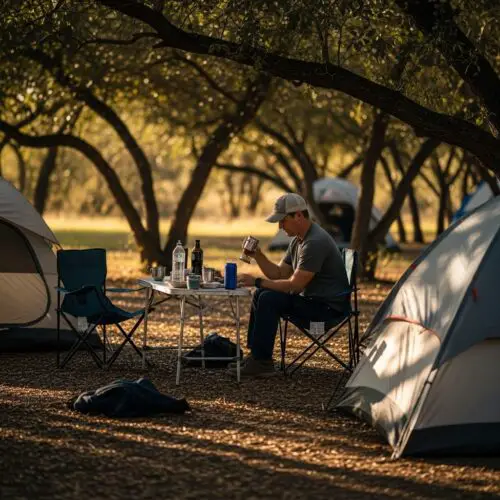
Texas Springs Campground is a hidden gem in Death Valley. Nestled near Furnace Creek, it offers stunning views and a peaceful atmosphere. Let’s dive into what makes this campground a top choice for 2026.
Natural Attractions
Texas Springs boasts beautiful, sweeping views of the desert landscape. The nearby mountains provide a stunning backdrop. Here are some highlights:
- Stargazing: With minimal light pollution, the night sky here is breathtaking. Bring your telescope or just lay back and enjoy the stars.
- Wildlife: Keep an eye out for desert critters! You might spot bighorn sheep or a variety of birds.
- Hiking Trails: Explore nearby trails that showcase the unique desert flora and geology.
Reservation Insights
Reservations are crucial for a smooth camping experience. Here’s what you need to know about Texas Springs:
- First-Come, First-Served: This campground operates on a first-come, first-served basis. Arrive early to secure your spot, especially during peak season.
- Limited Sites: There are only 92 sites available. This means it can fill up quickly, particularly in the cooler months.
- Amenities: Expect basic amenities like flush toilets and picnic tables. Remember, no generators are allowed, so it’s quieter and more serene than some other campgrounds.
Camping Experience
Camping at Texas Springs is both relaxing and fun. Here’s what campers love about it:
- Community Feel: You’ll meet fellow nature lovers who enjoy the quiet ambiance. It creates a friendly atmosphere.
- Proximity to Attractions: Being close to Furnace Creek means easy access to park amenities without the hustle and bustle.
- Unique Features: Each site has its own charm. Some spots offer better views than others, so take your time to choose.
Personal Anecdote: One camper shared that arriving just at sunrise allowed them to snag a prime spot with a view of the mountains. It made for a magical weekend filled with hiking and stargazing.
Texas Springs Campground is a perfect blend of natural beauty and tranquility. If you’re planning a trip to Death Valley in 2026, don’t skip this scenic retreat!
3. Mesquite Spring Campground: A Hidden Gem
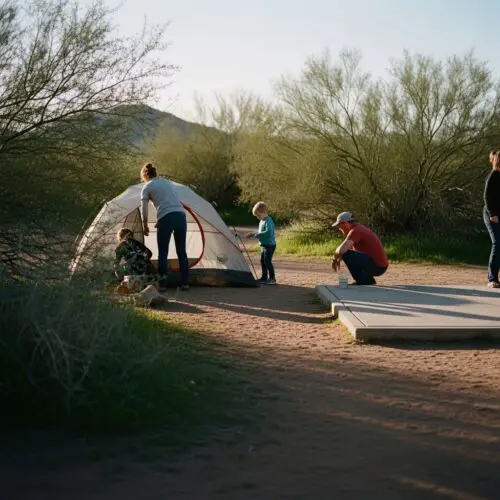
Mesquite Spring Campground is a quieter spot in Death Valley, perfect for those looking for a more peaceful camping experience. Nestled among stunning landscapes, it offers a unique blend of beauty and seclusion.
Amenities Overview
Mesquite Spring may be small, but it packs a punch with its amenities. Here’s what you can expect:
- Sites: 30 campsites, each with a fire pit and picnic table.
- Water Access: Available nearby, but check seasonal availability.
- Restroom Facilities: Vault toilets are on-site.
- Scenic Views: Enjoy breathtaking views of the Mesquite Flat Sand Dunes and surrounding mountains.
This campground is ideal for those who want to escape the busier areas of Death Valley, providing a more intimate camping experience.
Reservation Tips
Reservations at Mesquite Spring are generally not required, but it’s wise to check ahead. Here are some tips:
- First-Come, First-Served: It operates on a first-come, first-served basis. Arrive early, especially during peak seasons.
- Best Time to Visit: Late fall to early spring is ideal. Temperatures can drop at night, so bring warm layers.
- Check for Updates: Always verify campground status on the National Park Service website before your trip.
By planning ahead, you can secure a spot and enjoy your stay without a hitch!
Why Camp Here?
So, why choose Mesquite Spring over more popular campgrounds like Furnace Creek? Here are a few compelling reasons:
- Stargazing: With less light pollution, the night sky here is spectacular. Bring your telescope or just lay back and enjoy the view.
- Wildflowers in Spring: If you visit during the right season, you might witness a stunning display of wildflowers.
- Secluded Experience: Fewer campers mean more peace and quiet. It’s perfect for families or couples looking to connect with nature.
Mesquite Spring offers a unique camping experience that highlights the natural beauty of Death Valley. Whether it’s a serene night under the stars or a day of exploration, you won’t regret choosing this hidden gem.
4. Stovepipe Wells Campground: Proximity to Attractions
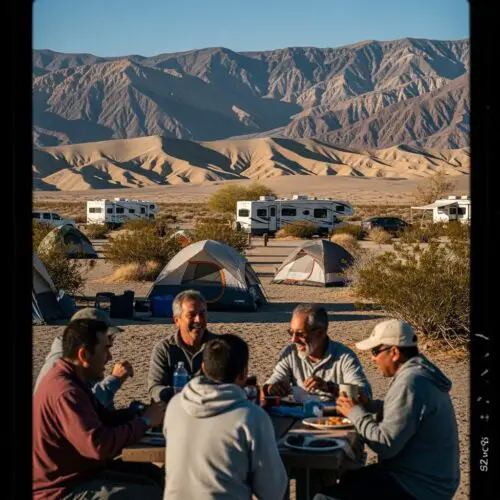
Stovepipe Wells Campground is a great spot for campers who want to explore the best of Death Valley. Its location makes it easy to access some must-see attractions nearby.
Attractions Nearby
Here are some highlights close to Stovepipe Wells:
- Mesquite Dunes: Just a short drive away, these stunning dunes are perfect for sunrise hikes or sandboarding.
- Telescope Peak: The highest point in the park, offering breathtaking views and hiking trails.
- Golden Canyon: A fabulous hike that leads to the famous Red Cathedral and is great for photography.
- Badwater Basin: The lowest point in North America, where you can see the salt flats up close.
Reservation Strategies
Reservations for Stovepipe Wells Campground are on a first-come, first-served basis. Arriving early is key, especially during peak season. Aim for mid-October to mid-April for milder temperatures and better camping conditions. If you’re hoping to snag a spot, consider these tips:
- Visit on Weekdays: Campsites fill up quickly on weekends.
- Check Availability: Use the National Park Service website for current site status.
- Plan for Flexibility: Have alternative campgrounds in mind, like Furnace Creek, if Stovepipe Wells is full.
Camping Highlights
Stovepipe Wells offers basic amenities, making it an excellent choice for budget-conscious campers. Here’s what to expect:
- Fire Pits: Perfect for evening gatherings.
- Picnic Tables: Great for meals and relaxing.
- Access to Showers: For a small fee, enjoy the nearby Stovepipe Wells hotel pool and shower facilities.
This campground is not only budget-friendly but also strategically located for adventurers looking to explore the wonders of Death Valley. Make sure to plan ahead for a memorable camping experience!
5. Emigrant Campground: The Tent-Only Experience
If you’re looking for a true camping experience in Death Valley, Emigrant Campground is your spot. This site is perfect for tent campers seeking solitude and stunning views.
Tent Camping Features
Emigrant Campground is designed for tent camping only, making it a unique escape in the park. Here’s what you can expect:
- Free Camping: Yes, you read that right! No fees here.
- Basic Amenities: Expect picnic tables and flush toilets, but no fire pits.
- Cooler Climate: At 2,100 feet elevation, it’s a bit cooler than lower campgrounds.
- Stunning Scenery: Enjoy views that are hard to beat, thanks to its secluded location.
This campground provides a peaceful setting, ideal for those who want to connect with nature. Picture yourself under the stars, surrounded by the sounds of the desert.
Reservation Information
Reservations at Emigrant Campground aren’t necessary since it operates on a first-come, first-served basis. However, here are a few tips:
- Arrive Early: Popular spots fill up quickly, especially during peak season (October to April).
- Check Weather: Be prepared for cooler nights and potential rain in the winter months.
- Pack Essentials: Since there are no fires allowed, plan your cooking accordingly—bring a portable stove!
Why Choose Emigrant?
Emigrant Campground stands out for several reasons:
- Tent-Only Policy: This keeps the atmosphere quieter and more natural, perfect for tent enthusiasts.
- Secluded Experience: You’ll enjoy more privacy compared to larger campgrounds.
- Stargazing Opportunities: The dark skies here are perfect for seeing the Milky Way like never before.
If you want a no-frills camping experience that lets you truly immerse yourself in the beauty of Death Valley, Emigrant Campground should be on your list!
6. Wildrose Campground: High Elevation Escape
Wildrose Campground offers a unique camping experience at a higher elevation in Death Valley. It’s a perfect spot for those seeking cooler temperatures and stunning views.
Elevation Benefits
Camping at Wildrose means enjoying a cooler climate. At approximately 4,100 feet, it’s much more comfortable than lower campgrounds during the hot summer months. Here are some perks of high-altitude camping:
- Cooler Temperatures: Expect refreshing nights and pleasant days, especially from late fall to early spring.
- Unique Flora and Fauna: Explore diverse plant life and wildlife not found in lower elevations. Look for rare species like the bristlecone pine.
- Stunning Views: You’ll have breathtaking views of the surrounding mountains and valleys, perfect for sunrise and sunset photography.
Reservation Tips
Wildrose Campground operates on a first-come, first-served basis. Here are some tips to increase your chances of securing a spot:
- Arrive Early: Especially on weekends and holidays, plan to get there early in the day.
- Visit Off-Peak: Consider camping during weekdays or off-peak seasons for less competition.
- Be Flexible with Dates: If possible, adjust your travel dates for availability.
Wildrose Attractions
Wildrose Campground isn’t just about the camping. It’s a gateway to various attractions. Here’s what you can do:
- Hiking: Access popular trails like the Wildrose Peak Trail, which offers rewarding summit views.
- Stargazing: The elevation provides clear skies for stargazing. Bring a telescope or just lay back and enjoy the night sky.
- Wildlife Watching: Keep an eye out for mountain lions and other wildlife that thrive in this unique ecosystem.
With its cooler climate and stunning surroundings, Wildrose Campground is an excellent choice for your Death Valley adventure in 2026!
7. Thorndike Campground: Solitude and Scenic Views
Thorndike Campground is a hidden gem in Death Valley. Nestled high in the mountains, it offers a unique experience of solitude and breathtaking views.
Scenic Overview
At 7,400 feet, Thorndike is one of the highest campgrounds in the area. It’s surrounded by stunning mountain scenery and lush pine trees. The unpaved road leading to it may challenge your vehicle, but it’s worth the trip. The campground is perfect for those seeking peace away from the more crowded spots.
- Stargazing: The high elevation brings clear skies, making it an ideal location for stargazing. Bring your telescope or simply enjoy lying under the stars.
- Hiking Opportunities: Thorndike serves as a base for hiking Telescope Peak and Wildrose Peak. Both trails offer rewarding views for those willing to put in the effort.
Reservation Insights
Reservations are recommended, especially during peak season. Since this campground is popular among those looking for solitude, sites can fill up quickly.
- Tips for Booking:
- Book well in advance if you plan to visit during the cooler months.
- Check the National Park Service website for the latest availability and any specific regulations.
Why Thorndike Stands Out
Thorndike Campground is unique for several reasons:
- Secluded Setting: It’s far less crowded than other campgrounds, giving you a chance to unwind in nature.
- Natural Beauty: The combination of mountain views and starry nights creates a magical atmosphere.
- Wildlife Encounters: Keep an eye out for local wildlife, including bighorn sheep and various birds.
If you’re looking for a peaceful camping experience in Death Valley, Thorndike Campground should be at the top of your list.
8. Sunset Campground: Affordable and Accessible
Sunset Campground is a budget-friendly option in Death Valley. It’s perfect for those who want to enjoy the beauty of the park without breaking the bank.
Cost-Effective Camping
- Affordable Rates: Sunset Campground is known for its low-cost camping options. Prices are typically much cheaper than nearby private campgrounds.
- Size: With 270 sites, there’s plenty of room for RVs and trailers. It’s a great overflow option if Furnace Creek Campground fills up.
- Basic Amenities: Expect minimal facilities. There are no picnic tables or shade, but it does feature group fire pits.
Reservation Details
- First-Come, First-Served: This campground operates on a first-come, first-served basis, making it easy for last-minute campers.
- Late Arrival: It’s a reliable spot for late arrivals. Even if you get there on a Friday night, you’re likely to find a spot available.
- Best Times to Visit: To avoid the heat, plan your visit during the cooler months, typically October through April.
Accessibility Features
- RV Friendly: Sunset Campground is particularly suited for RVs and trailers. The gravel lot is spacious, allowing for easy maneuverability.
- Limited Tent Camping: While tent camping is allowed, the lack of shade and amenities makes it less ideal for tent campers.
Overall, Sunset Campground provides a solid, budget-friendly option for camping in Death Valley. It’s accessible, spacious, and often has spots available even during peak times.
9. Backcountry Camping: Beyond the Campgrounds
Backcountry camping in Death Valley offers a unique experience for adventurous souls. It allows you to explore the park’s stunning landscapes away from developed campgrounds. But it does come with its own set of guidelines and preparations.
What is Backcountry Camping?
Backcountry camping means camping outside of established campgrounds. You’ll be immersed in nature, surrounded by stunning views. But it’s essential to understand the rules and risks involved.
How to Prepare
Preparation is key for a successful backcountry camping trip. Here are some tips:
- Plan Your Route: Know where you want to go and how to get there. Use maps to identify trails and points of interest.
- Pack Wisely: Bring enough water, food, and gear. Consider a portable stove for cooking.
- Check Weather Conditions: Death Valley can be extreme. Be prepared for sudden temperature changes.
- Leave No Trace: Follow the principles of Leave No Trace to protect the environment.
Regulations to Follow
It’s crucial to know the regulations for backcountry camping in Death Valley:
- Permits: Some areas require permits. Check the park’s regulations before your trip.
- Campfire Restrictions: Fires may be restricted or prohibited. Always verify the current rules.
- Stay on Trails: To protect fragile ecosystems, stick to established trails.
Quick Checklist for Backcountry Camping:
- [ ] Map and compass
- [ ] Plenty of water (at least a gallon per person, per day)
- [ ] First aid kit
- [ ] Food for the duration of your stay
- [ ] Shelter (tent or hammock)
- [ ] Warm clothing for changing temperatures
- [ ] Trash bags for packing out waste
By following these guidelines, you can enjoy the beauty of Death Valley while respecting its natural environment. Make sure to plan ahead and stay safe!
10. Seasonal Tips: When to Camp in Death Valley
Camping in Death Valley can be a blast, but timing is everything. To avoid the scorching heat, you need to know when to hit the road. Let’s break it down.
Best Seasons for Camping
The prime time for camping in Death Valley is from October to April. During these months, temperatures are much more manageable. Here’s what you can expect:
- October to November: Perfect for mild weather, with daytime highs around 80°F. Ideal for hiking and exploring.
- December to February: This is the coldest time. Expect highs in the 60s°F and chilly nights. Great for stargazing but pack warm gear!
- March to April: Temperatures start rising again, peaking in the 70s°F. Wildflowers bloom, making it a beautiful time to camp.
Weather Considerations
Death Valley is known for its extreme temperatures. Here’s a quick weather guide to help you prepare:
- Summer (May to September): Forget it! Daytime highs often exceed 100°F. Camping isn’t recommended unless you’re equipped for the heat.
- Winter (December to February): Nights can drop below freezing. Bring layers to stay warm.
Events and Activities
Timing your trip can also coincide with some seasonal events. For example:
- Wildflower Season (February to April): The park comes alive with colors. Great for photography!
- Annual Park Events: Check the park’s schedule for ranger-led activities, which often occur in the cooler months.
Keep these seasonal tips in mind as you plan your camping adventure in Death Valley!
Conclusion: Planning Your Camping Adventure
Ready to explore the stunning campgrounds of Death Valley in 2026? With the right preparation, your trip can be unforgettable. Here’s what you need to know.
Top Campgrounds to Consider
Here are some of the best campgrounds to make your stay memorable:
- Furnace Creek: Great amenities and central location.
- Mesquite Spring: Perfect for cooler weather.
- Texas Springs: Offers spectacular views.
- Wildrose: Higher elevation for a chillier experience.
Reservation Tips
- Book Early: Popular spots fill up fast, especially in peak season.
- Check Availability: Some campgrounds are only open during certain months.
- Consider Alternatives: Look into dispersed camping if traditional sites are full.
Best Times to Visit
- Fall (October to November): Ideal temperatures for camping.
- Spring (February to April): Enjoy wildflowers and pleasant weather.
- Avoid Summer: It’s scorching!
Death Valley is more than just a hot desert; it’s a unique adventure waiting for you. Embrace the beauty, plan well, and get ready for some spectacular stargazing and unforgettable memories!
Frequently Asked Questions
These quick answers cover the most common questions about this topic, including key details, practical tips, and common concerns.
What’s the best campground in Death Valley?
Furnace Creek Campground is widely considered the best due to its amenities, central location, and proximity to key park attractions. It offers electric hookups, restrooms, showers, and easy access to sites like Badwater Basin. However, it fills up quickly, so early reservations are recommended.
What does FF mean for camping?
FF stands for “First-Fit” or “First-come, First-served.” It indicates campgrounds or sites that do not accept reservations and are available on a walk-in basis. Arriving early increases your chances of securing a spot in these campgrounds.
What is the 200 rule for camping?
The 200 rule is a guideline suggesting that campers should carry at least 200 gallons of water per person for extended stays in remote or arid areas like Death Valley. Proper water planning is essential to stay safe in extreme environments.
What are the 7 C’s of camping?
The 7 C’s are a set of principles for safe and responsible camping: Caring, Consideration, Conservation, Courtesy, Cooperation, Cleanliness, and Common Sense. They promote respectful and environmentally friendly outdoor experiences.
How do I make reservations for Death Valley campgrounds?
Reservations can be made through the official National Park Service reservation system or recreation.gov. Popular campgrounds like Furnace Creek require booking up to six months in advance. Check availability early and plan ahead.
What amenities are available at Death Valley campgrounds?
Amenities vary by site. Developed campgrounds like Furnace Creek offer restrooms, showers, electrical hookups, picnic tables, and fire pits. Primitive sites may have only basic facilities like vault toilets and picnic tables, with no water or electricity.
Can I camp in Death Valley during the summer?
Camping during summer is generally not recommended due to extreme heat, with temperatures often exceeding 120°F. If you do, plan for early morning activities, carry plenty of water, and camp in shaded or higher-elevation sites. Winter and spring are better seasons for camping.
What should I pack for camping in Death Valley?
Pack lightweight, breathable clothing, plenty of water, sun protection (hats, sunscreen), sturdy footwear, and a good flashlight. Include layered clothing for cooler nights, a first aid kit, and a portable stove for cooking, especially if camping in primitive areas.