
Joshua Tree National Park offers a diverse range of activities and breathtaking sights for visitors in 2026. From iconic rock formations to stargazing under the clear desert skies, this guide covers 4 epic things to do during your visit.
Explore the Iconic Joshua Trees and Unique Flora
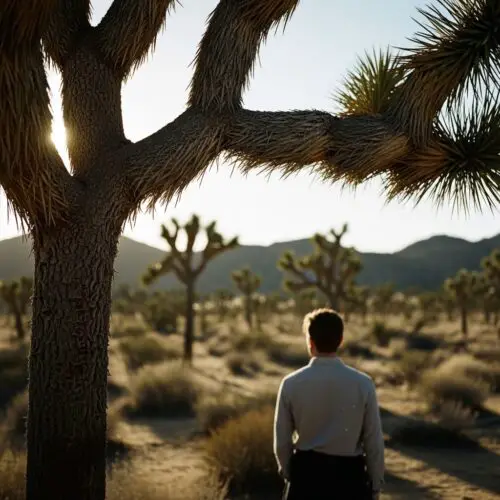
Joshua Tree National Park is famous for its unique flora, especially the iconic Joshua Trees. These quirky trees are more than just a pretty sight; they play a vital role in the park’s ecosystem. Let’s dive into where you can find these amazing plants and what else to look out for.
Best Locations to See Joshua Trees
You’ll find Joshua Trees scattered throughout the park, but some spots are better than others for a closer look. Here are the best places to see them:
- Cholla Cactus Garden: This area is packed with both Joshua Trees and cholla cacti. It’s especially stunning in the early morning light.
- Hidden Valley: Known for its rock formations, this valley is also home to many Joshua Trees. Hike the loop trail for a great view.
- Keys View: This viewpoint offers a panoramic gaze at the park and surrounding mountains, along with a chance to spot Joshua Trees below.
Seasonal Blooms and Wildlife
Timing your visit can enhance your experience. Each season brings different blooms and wildlife activity:
- Spring: Look out for wildflowers like desert lilies and evening primrose. The park comes alive with color!
- Summer: While temperatures soar, many animals are active at dawn and dusk. Keep an eye out for desert tortoises and jackrabbits.
- Fall: The cooler weather is perfect for hiking. You might spot migrating birds as they pass through.
Importance of Conservation
Joshua Trees are more than just a pretty sight; they are crucial to the desert ecosystem. They provide shelter and food for various wildlife. However, they face threats from climate change and habitat loss. Here’s how you can help:
Table of Contents
- Stay on trails: Protect the delicate soil and other plants.
- Leave no trace: Pack out what you bring in to keep the park clean.
- Educate others: Share what you know about conservation with fellow visitors.
Visitors often share tales of their magical moments among the Joshua Trees. One hiker recalled standing among them at sunrise, feeling like they were in another world. Another mentioned how calming it was to explore the park’s flora while listening to the sounds of nature. These experiences highlight the importance of preserving this unique environment for future generations.
Unmissable Hiking Trails for All Skill Levels
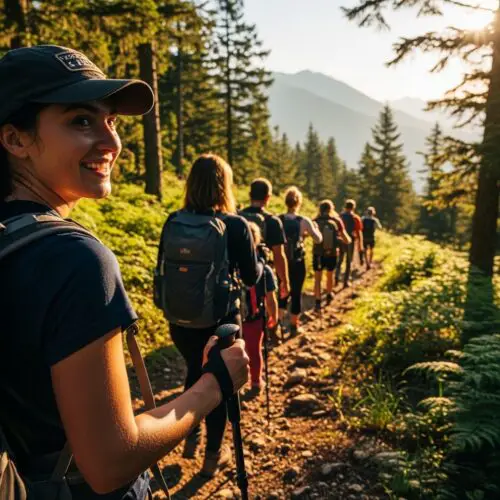
Joshua Tree National Park offers a stunning array of hiking trails suitable for everyone, from beginners to seasoned adventurers. Whether you’re looking for a leisurely stroll or a challenging climb, there’s a perfect path waiting for you.
Top Trails for Beginners
If you’re new to hiking, these trails are ideal for getting your feet wet.
- Hidden Valley: This easy 1-mile loop is a must-see. It’s surrounded by towering rock formations and plenty of Joshua Trees. Perfect for a picnic or some scenic photos!
- Barker Dam: This flat, 1.3-mile trail leads you to a historic dam, surrounded by beautiful landscapes. Keep an eye out for wildlife, especially during the early morning or late afternoon.
Moderate Hikes with Stunning Views
Looking for something a bit more challenging? Check out these moderate hikes that reward you with breathtaking views.
- Panorama Loop Trail: This 6.4-mile loop offers stunning vistas of the Coachella Valley. The trail winds through unique rock formations and beautiful desert scenery.
- Ryan Mountain: A 3-mile, out-and-back trail that takes you to one of the park’s highest points. With an elevation gain of 1,050 feet, you’ll be treated to spectacular views of the surrounding landscape.
Challenging Trails for Experienced Hikers
Ready to tackle some serious terrain? These trails will test your skills.
- Warren Peak: This 5.4-mile round-trip trail leads you to the highest point in the park. The views are worth every step!
- Lost Horse Mine: A 6.5-mile loop takes you to an old gold mine. This hike has a moderate difficulty level but offers a glimpse into the park’s mining history.
| Trail Name | Length | Difficulty Level | Notable Features |
|---|---|---|---|
| Hidden Valley | 1 mile | Easy | Scenic rock formations, picnic spots |
| Barker Dam | 1.3 miles | Easy | Historic dam, wildlife sightings |
| Panorama Loop | 6.4 miles | Moderate | Stunning valley views, unique geology |
| Ryan Mountain | 3 miles | Moderate | Highest point in the park, panoramic views |
| Warren Peak | 5.4 miles | Challenging | Highest point in the park |
| Lost Horse Mine | 6.5 miles | Moderate | Historic gold mine |
Tips for Hiking in Joshua Tree
- Stay Hydrated: Always bring plenty of water, especially during warmer months.
- Wear Appropriate Gear: Sturdy shoes and sun protection are a must.
- Check Conditions: Trails can vary in difficulty based on weather. Always check before you go!
Get ready to hit the trails! Joshua Tree’s magical landscapes await you.
Adventure Awaits: Rock Climbing and Bouldering
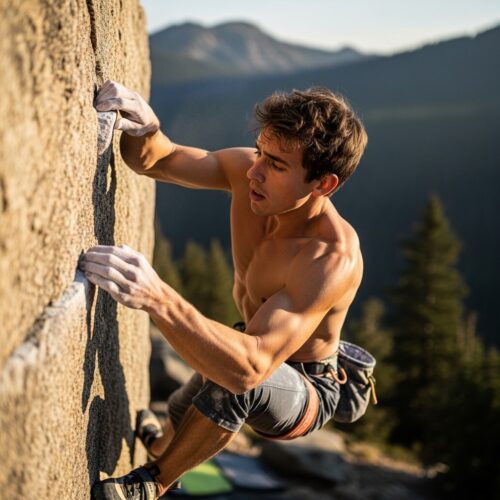
Joshua Tree National Park is a playground for rock climbers and boulderers. With over 8,000 climbing routes and unique rock formations, it’s a must-visit for adventure lovers. Whether you’re a pro or just starting, there’s something for everyone.
Popular Climbing Areas
1. Hidden Valley: This is the most popular climbing area. It offers a variety of routes for all skill levels. The stunning scenery is a bonus!
2. Barker Dam: Known for its easy climbs, Barker Dam is perfect for beginners. The views of the dam and surrounding desert are breathtaking.
3. Jumbo Rocks: This area features massive boulders and varied climbing challenges. It’s also a great spot for bouldering.
4. Skull Rock: Not only is it a famous landmark, but it also offers climbing opportunities. The unique formations here attract many climbers.
Safety Tips and Gear Recommendations
Climbing in the desert can be tricky. Here are some essential safety tips:
- Stay Hydrated: The desert heat can be intense. Drink plenty of water before, during, and after your climb.
- Wear the Right Gear: Sturdy climbing shoes and a helmet are crucial. Don’t forget a harness if you’re doing routes that require one.
- Check Weather Conditions: Desert weather can change quickly. Be prepared for sudden temperature drops or storms.
Essential Gear Checklist
- Climbing shoes
- Harness
- Chalk bag
- Helmet
- Water bottle
- First aid kit
- Sunscreen
Guided Tour Options
If you’re new to climbing or want a guided experience, consider booking a tour. Many companies offer rock climbing classes tailored to all skill levels. You’ll learn the basics and get to explore the park with an expert. Here are a few popular options:
- Climbing Tours: These typically last a full day and include gear rental.
- Family-Friendly Climbing: Some tours cater specifically to families, making it a fun outing for all ages.
- Private Guides: For a more personalized experience, hire a private guide. They can tailor the climbing routes to your skill level and interests.
Remember, whether you’re scaling a boulder or tackling a climbing route, the thrill of adventure awaits in Joshua Tree!
Stargazing: Experience the Night Sky Like Never Before
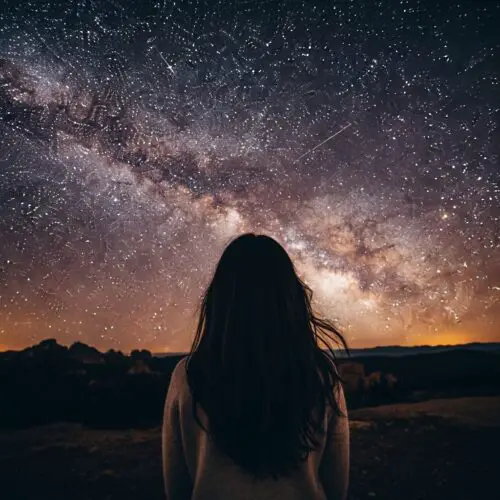
Joshua Tree National Park is a stargazer’s paradise. With its dark skies and stunning views, it’s the perfect place to witness the wonders of the universe. Whether you’re a photography enthusiast or just want to soak it all in, here’s how to make the most of your stargazing experience.
Best Stargazing Spots
There are several prime locations in the park for stargazing. Here are a few must-visit spots:
- Keys View: This viewpoint offers a panoramic view of the Coachella Valley. It’s not just great for sunsets; the night sky here is breathtaking.
- Cholla Cactus Garden: Imagine cacti silhouetted against a starry backdrop. This spot is both unique and beautiful.
- Hidden Valley: A popular hiking area during the day, it transforms into a serene stargazing location at night.
Seasonal Highlights in the Night Sky
Each season brings its own celestial treats in Joshua Tree. Here are some highlights to look out for:
- Winter: Look for the Orion constellation and the Pleiades star cluster. The crisp air makes for clear viewing.
- Spring: The Lyrid meteor shower peaks in April. Don’t miss this dazzling display!
- Summer: The Milky Way is most visible in July and August. Grab your blanket and enjoy the show.
- Fall: The Draconid meteor shower occurs in October, providing a beautiful night sky spectacle.
Tips for Capturing the Night Sky
Want to take stunning photos of the stars? Here are some practical tips:
- Use a Tripod: A stable base is crucial for long exposure shots.
- Long Exposure Settings: Set your camera for at least 15-30 seconds to capture more light.
- ISO Settings: Start with an ISO of 1600. Adjust based on your results to reduce noise.
- Scout Locations: Visit during the day to find the best angles and compositions.
By following these tips and visiting these spots, you’re sure to have an unforgettable stargazing experience in Joshua Tree National Park.
Frequently Asked Questions
These quick answers cover the most common questions about this topic, including key details, practical tips, and common concerns.
What should I not miss in Joshua Tree?
You shouldn’t miss the Cholla Cactus Garden for its unique plant display, Keys View for panoramic desert vistas, and Hidden Valley for its iconic rock formations and accessible hikes. These spots showcase the park’s most distinctive features and are must-see highlights.
How many days is enough for Joshua Tree?
A minimum of 2 to 3 days allows you to explore key areas, enjoy hikes, and experience stargazing. If you want a more relaxed visit with time for activities like rock climbing or wildlife viewing, consider extending your trip to 4 or more days.
What is the best month to go to Joshua Tree?
Spring (March to May) is ideal for wildflower blooms and moderate temperatures. Fall (September to November) offers cooler weather perfect for hiking and camping. Summer can be extremely hot, but early mornings and evenings are suitable for outdoor activities.
Are there scorpions in Joshua Tree?
Yes, desert scorpions are native to Joshua Tree. They are generally not aggressive and are most active at night. To avoid encounters, check your shoes and bedding, and shake out clothing before use.
What are the best hiking trails for families?
Hidden Valley and Barker Dam are excellent family-friendly trails. They are short, flat, and feature interesting scenery and wildlife. These hikes are suitable for children and beginner hikers.
Can I bring my dog to Joshua Tree?
Yes, dogs are allowed in the park but must be kept on a leash no longer than 6 feet. They are not permitted on certain trails and in wilderness areas. Be sure to bring water and clean up after your pet.
What are the camping regulations in the park?
Camping is permitted in designated campgrounds and backcountry areas with a permit. Campers should follow Leave No Trace principles, store food securely, and be aware of fire restrictions, especially in dry seasons.
How do I prepare for a desert hike?
Bring plenty of water, wear sun protection, and dress in breathable, lightweight clothing. Start hikes early in the morning to avoid heat and dehydration, and carry a map, sunscreen, and a basic first aid kit. Check trail conditions beforehand.