
South Carolina boasts a diverse collection of national parks, each offering unique experiences for visitors. In 2026, explore these 10 epic national parks that showcase the state’s rich history, stunning landscapes, and recreational opportunities.
1. Explore Congaree National Park for Old-Growth Forests
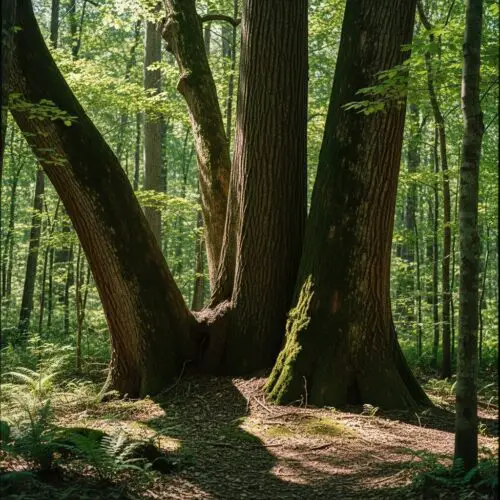
Congaree National Park is a must-see for nature lovers and adventure seekers. It’s home to the largest remaining tract of old-growth bottomland hardwood forest in the United States. Let’s dive into what makes this park so special.

Old-Growth Forest Characteristics
Old-growth forests are unique ecosystems. These forests have trees that are hundreds of years old. They provide a habitat for countless species. In Congaree, you can find towering oaks, sweetgum, and cypress trees. The canopy is thick, creating a cool, shaded environment below.
- Age of Trees: Some of the trees here are over 1,000 years old.
- Unique Features: Look for the massive, buttressed trunks of cypress trees. They help stabilize the trees in the wet soil.
Biodiversity and Ecosystem Health
Congaree National Park boasts incredible biodiversity. The park is a haven for wildlife. You might spot deer, otters, and over 200 species of birds. The combination of the floodplain and diverse plant life creates a rich ecosystem.
- Wildlife Spotting: Bring your binoculars for birdwatching. Look for the colorful prothonotary warbler and the elusive barred owl.
- Habitat Importance: The park’s floodplain helps filter water and supports various animal species.
Hiking Trails and Activities
With over 25 miles of hiking trails, Congaree offers something for everyone. The Boardwalk Loop Trail is a favorite. It’s accessible and winds through the forest. You’ll get up close to the towering trees and vibrant undergrowth.
Table of Contents
- Trail Options:
- Boardwalk Loop: Perfect for families and disabled visitors.
- Extended Trails: For those seeking a challenge, try the longer trails that lead deeper into the park.
Visitors rave about their experiences here—many describe it as a magical escape into nature. One visitor shared how they felt dwarfed by the ancient trees, feeling a deep sense of peace in the forest. This kind of experience is what makes Congaree National Park a highlight of South Carolina.
Whether you’re hiking, canoeing, or just soaking in the beauty, Congaree National Park is a gem waiting to be explored in 2026!
2. Discover Historical Significance at Charles Pinckney National Historic Site

The Charles Pinckney National Historic Site is a treasure trove of American history. This site offers a glimpse into the life of one of our founding fathers, Charles Pinckney. Visitors can explore his plantation and learn about the early days of American governance.
Historical contributions of Charles Pinckney
Charles Pinckney played a crucial role in shaping the United States. As a principal author of the Constitution, his contributions are significant. He advocated for a strong federal government and worked tirelessly to ensure the new nation thrived.
The site preserves his legacy by showcasing his plantation and the surrounding landscape. It’s not just about Pinckney; it also highlights the lives of enslaved African Americans who lived and worked here. Their stories are integral to understanding the full history of this area.
Guided tours and exhibits available
Visitors can enjoy guided tours of the main house, which is the centerpiece of the site. These tours provide insights into Pinckney’s life and the historical context of his time.
Exhibits include:
- Interactive displays: Learn about the Constitution and the founding fathers.
- Documentary films: Explore the impact of Pinckney’s policies on modern America.
- Nature walks: Experience the natural beauty of the plantation grounds.
This mix of education and exploration makes the site engaging for all ages.
Preservation of plantation history
The Charles Pinckney National Historic Site is dedicated to preserving plantation history. The property includes various historical structures, such as the main house and a corncrib.
Visitors can:
- Walk through lush gardens and see how the plantation operated.
- Participate in Junior Ranger programs that educate younger visitors about history.
- Enjoy nature trails that showcase the local ecosystem.
This combination of history and nature provides a unique experience. You’ll leave with a deeper understanding of South Carolina’s past and its significance in American history.
Visitor information
Before you go, here are some practical tips:
- Park fees: Admission is free, but check for any special programs that may have fees.
- Accessibility: The site is accessible for visitors with disabilities, ensuring everyone can enjoy the history.
- Best times to visit: Spring and fall offer pleasant weather for exploring the grounds.
Whether you’re a history buff or just curious, the Charles Pinckney National Historic Site is a must-visit in 2026!
3. Experience Revolutionary War History at Cowpens National Battlefield

Cowpens National Battlefield is a must-visit for history enthusiasts. This site marks the location of a pivotal battle in the Revolutionary War, where American forces secured a crucial victory. Let’s dive into what makes this park special.
Battlefield significance and overview
The Cowpens National Battlefield commemorates the Battle of Cowpens, fought on January 17, 1781. This battle was a key turning point in the war. Led by General Daniel Morgan, the American forces executed a brilliant military tactic known as the double envelopment. This maneuver played a vital role in defeating the British troops under Banastre Tarleton.
- Historical Impact: The victory here helped set the stage for the American success at Yorktown.
- Preservation: The site is preserved by the National Park Service, ensuring its history is protected for future generations.
Visitor center and educational resources
At the visitor center, you’ll find a wealth of information. Here are some highlights:
- Exhibits: Explore displays that detail the battle’s events and its significance in the war.
- Fiber-optic Map: This interactive map illustrates the Southern Campaign, helping visitors understand the broader context.
- Guided Tours: Knowledgeable rangers offer talks and tours, diving deep into the history and tactics of the battle.
Don’t miss the special events held throughout the year. For instance, during the Anniversary in January or the Revolutionary War Weekend in October, reenactors bring the history to life. Visitors often share how these events make them feel as if they’ve stepped back in time.
Scenic driving tours and trails
One of the best ways to experience the battlefield is through its scenic driving tour. The 3.8-mile route offers stunning views and stops at key locations of the battle.
- Audio Tour: An audio guide available via the NPS app enhances your visit, providing insights at five stops along the route.
- Walking Trails: There are also trails for those who prefer to stretch their legs. Walking the grounds allows you to immerse yourself in the landscape where history unfolded.
Whether you’re a history buff or just curious, Cowpens National Battlefield offers a unique experience. It’s a place where the past comes alive, making it one of the epic stops on your South Carolina national parks adventure in 2026.
4. Visit Fort Sumter for Civil War Insights
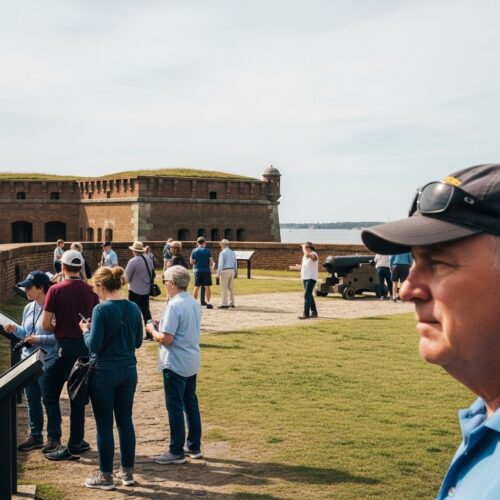
Fort Sumter is a must-visit site in South Carolina. It marks the beginning of the Civil War and is only accessible by boat. The experience offers a blend of history and breathtaking views.
Historical context of Fort Sumter
Fort Sumter is more than just a fort; it’s a symbol of the nation’s history. On April 12, 1861, Confederate troops fired on this fort, igniting the Civil War. This historic location played a crucial role in shaping America’s past.
Boat tour logistics and tips
Getting to Fort Sumter is part of the adventure. Here’s what you need to know:
- Ferry Rides: You can only reach the fort by ferry. Tours depart from Liberty Square and Patriots Point.
- Duration: The round-trip ferry ride takes about 2 hours and 15 minutes.
- Reservations: It’s a good idea to book your tickets in advance, especially during peak seasons.
Educational programs and exhibits
Fort Sumter offers unique educational experiences:
- Guided Tours: Knowledgeable rangers lead tours, sharing stories and insights about the fort’s history.
- Visitor Education Center: Check out exhibits that detail the fort’s role in the Civil War.
- Program Highlights: Look for special programs that delve into military strategies and life during the Civil War.
Visiting Fort Sumter isn’t just about seeing a historic site; it’s about stepping into a pivotal moment in American history. Whether you’re a history enthusiast or just curious, you’ll leave with a deeper understanding of our nation’s past.
5. Explore Kings Mountain National Military Park’s Revolutionary War Legacy
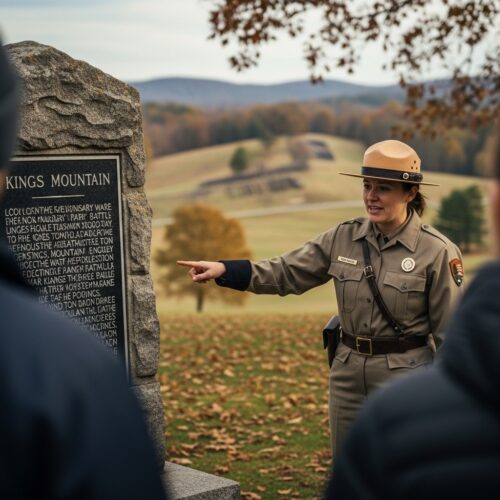
Kings Mountain National Military Park is a must-visit for history buffs and outdoor lovers alike. This park honors a pivotal battle in the Revolutionary War while offering stunning trails and educational experiences.
Overview of the Kings Mountain battle
The Battle of Kings Mountain took place on October 7, 1780. This fierce clash marked a significant turning point for the American patriots. It was the first major victory after the British captured Charleston. The park preserves this historic site, where patriot forces triumphed over loyalist troops. It’s a place where history comes alive.
Visitor center exhibits and programs
The visitor center is a treasure trove of information. It features exhibits that detail the battle’s events and its impact on the war. Here, you can find:
- Interactive displays: Engage with history through hands-on exhibits.
- Ranger-led programs: Join knowledgeable rangers who share insights about the battle and its significance.
These programs help visitors understand the context of the battle and its heroes.
Hiking and outdoor activities available
If you’re looking to stretch your legs, the park has several trails that offer beautiful views and historical markers. The 1.5-mile self-guided battlefield trail is a favorite. It winds through the area where the battle occurred, featuring monuments and information signs.
Here are some fun activities you can enjoy:
- Hiking: Explore diverse landscapes on well-marked trails.
- Picnicking: Relax in designated areas with scenic views.
- Wildlife watching: Keep an eye out for local wildlife.
Visitors often share stories about the peacefulness of the trails. Many leave feeling inspired by both the natural beauty and the historical significance of the park.
Kings Mountain National Military Park is not just a place to learn; it’s a spot to connect with both nature and history.
6. Navigate Ninety-Six National Historic Site’s Revolutionary War History

Ninety-Six National Historic Site is a gem that showcases early colonial life and the Revolutionary War. With its preserved earthworks and informative visitor center, it’s a must-visit for history buffs.
Historical Overview and Significance
Ninety-Six played a pivotal role in the Revolutionary War. It was the site of two significant battles that shaped the course of American history. Visitors can explore the remnants of the Star Fort and learn about the fierce struggles between settlers and Cherokee Indians.
- Historical Context: Founded in the 1700s, Ninety-Six was a bustling town. Its strategic location made it crucial for military operations during the war.
- Preservation Efforts: The park works hard to maintain the earthworks. This helps protect the site’s historical integrity while educating visitors.
Earthworks and Trails to Explore
The park offers several trails that lead you through its historic landscapes.
- Interpretive Trails: Walk along paths that tell the stories of battles fought here. Signs along the way provide insights into the events that took place.
- Visitor Center: Start your journey at the visitor center. It features a museum that showcases artifacts and oil paintings from the Revolutionary War.
Educational Resources for Visitors
Ninety-Six National Historic Site is more than just a place to walk. It’s an educational experience.
- Programs: The park hosts educational programs throughout the year. These programs engage visitors of all ages and deepen the understanding of the site’s significance.
- Visitor Testimonials: Many visitors share stories about their learning experiences. They often mention how the site brings history to life, making it relatable and memorable.
If you’re planning a visit, consider joining a guided tour or attending a special event. This way, you can gain a richer understanding of the history that unfolded at Ninety-Six.
7. Engage with Reconstruction Era National Historical Park’s Stories

The Reconstruction Era National Historical Park invites visitors to explore a pivotal time in American history. This park shines a spotlight on the social changes in the South after the Civil War. Here, you can immerse yourself in the stories that shaped a nation.
Historical Context of the Reconstruction Era
The Reconstruction Era lasted from 1865 to 1877. It was a time of significant transformation. The U.S. faced the challenge of integrating freed African Americans into society. This park preserves that essential history. It helps visitors understand the struggles and triumphs of that period.
Key historical aspects include:
- The establishment of new schools for freedmen.
- The creation of laws aimed at promoting equality.
- The societal challenges encountered during this transformation.
Visitor Center and Educational Programs
The park features a visitor center located at the Old Beaufort Firehouse. This center offers a wealth of resources. Here, you can find exhibits that detail the Reconstruction Era’s impact.
Educational programs are available year-round. These programs are designed for all ages, making history accessible and engaging. Visitors often share how these programs deepen their understanding of the era.
Key Sites and Trails Within the Park
Explore significant locations within the park that tell powerful stories. Some highlights include:
- Darrah Hall: An early school for freed slaves, showcasing educational advancements.
- Brick Baptist Church: Built by slaves, this site represents community and resilience.
- Guided trails: These paths lead you through areas of historical significance, providing context and stories along the way.
Visiting these sites offers a firsthand look at the era’s societal impacts. Engaging with local communities enhances your understanding of the ongoing legacy of Reconstruction.
Plan your visit during special events for a richer experience. Check for accessibility options to ensure everyone can enjoy the park’s offerings.
8. Celebrate Gullah/Geechee Cultural Heritage Corridor’s Rich Culture

The Gullah/Geechee Cultural Heritage Corridor is a vibrant testament to the heritage of the Gullah people in South Carolina. This unique culture is rooted in the history of African descendants who have preserved their traditions and language over generations.
Cultural significance of the Gullah people
The Gullah people are the descendants of enslaved Africans who worked along the coastal plantations of the Carolinas. Their culture is rich, with influences from West African traditions, languages, and crafts. You can see this in their art, music, and food. For example, Gullah cuisine features dishes like shrimp and grits and Hoppin’ John, combining traditional Southern ingredients with African flavors.
Events and festivals to experience
Visiting during cultural events can enhance your experience. Here are some notable events:
- Gullah Festival: Celebrated in Beaufort, this festival showcases Gullah music, food, and crafts. It’s a great way to connect with the community.
- Sea Island Heritage Festival: This event celebrates the cultural history of the Sea Islands with traditional Gullah storytelling, art, and performances.
These events not only highlight the Gullah culture but also allow visitors to engage directly with local traditions.
Educational resources and tours
For those eager to learn more, many resources and tours are available. Consider participating in:
- Guided tours of Gullah communities: These tours often feature local storytellers who share personal stories and history.
- Workshops on Gullah crafts: These hands-on experiences can teach you about traditional basket weaving or sweetgrass crafts.
These opportunities provide deeper insights into the Gullah lifestyle and its significance in South Carolina’s history. Engaging with the culture through these resources makes for a memorable and enriching visit.
9. Experience Overmountain Victory National Historic Trail’s Journey
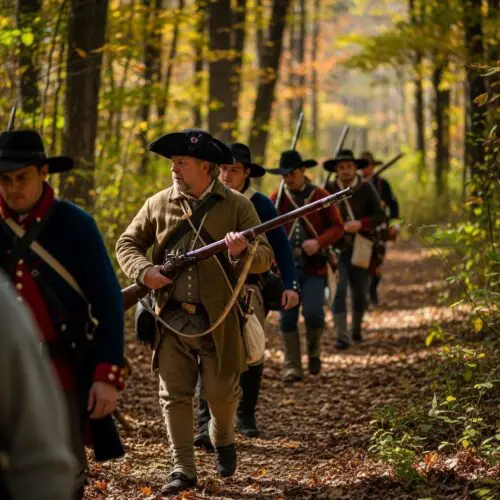
The Overmountain Victory National Historic Trail offers a unique blend of history and stunning landscapes. This trail commemorates the route taken by Patriot forces during the Revolutionary War. It’s perfect for those who want to hike while soaking in rich historical significance.
Overview of the trail’s historical significance
The Overmountain Victory National Historic Trail stretches 330 miles through South Carolina, North Carolina, Virginia, and Tennessee. It honors the bravery of the Overmountain Men, who played a crucial role in the American Revolution. The trail marks their journey leading up to the Battle of Kings Mountain in 1780. Walking this trail connects you with the past, providing insight into the sacrifices made for independence.
Hiking routes and scenic views
The trail offers various hiking options, including:
- Commemorative Motor Route: Drive along existing state highways marked with a distinctive trail logo.
- Walkable pathways: Explore over 80 miles of trails designed for hiking and immersing in nature.
As you hike, enjoy the diverse ecosystems and beautiful landscapes. Look for wildlife and take in the scenic views that change with the seasons. From vibrant wildflowers in spring to golden foliage in fall, each visit offers something new.
Visitor resources and guidance
Planning your trip? Here are some tips:
- Best times to visit: Spring and fall are ideal for comfortable weather and stunning scenery.
- Accessibility: Check for specific trail segments that accommodate visitors with disabilities.
- Safety tips: Be cautious of wildlife. Keep a safe distance and store food properly to avoid attracting animals.
For those looking to learn more about the trail’s history, consider joining a guided hike. Local experts often share stories and insights that enhance your experience.
10. Discover Unique Ecosystems at South Carolina’s National Parks
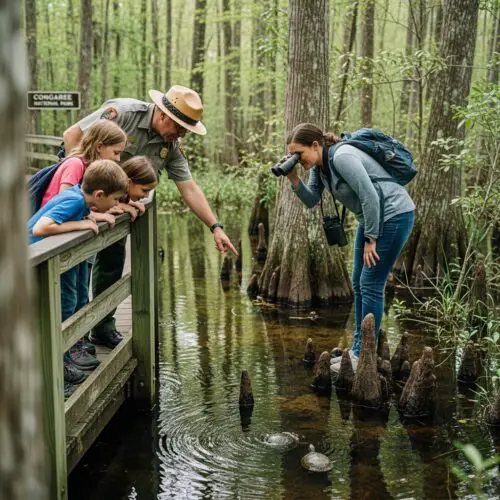
South Carolina’s national parks showcase a tapestry of unique ecosystems. From lush forests to serene marshlands, each park offers a distinct experience. Let’s dive into what makes these ecosystems so special.
Overview of Diverse Ecosystems
1. Congaree National Park: This park is a treasure trove of biodiversity. It features one of the largest intact old-growth bottomland hardwood forests in the U.S. Here, towering trees and rich undergrowth support diverse wildlife.
2. Fort Sumter National Monument: While known for its historical significance, the waters surrounding Fort Sumter host unique marine ecosystems. These areas are vital for various bird species and marine life.
3. Cowpens National Battlefield: This park isn’t just about history. It has rolling fields and woodlands that provide habitats for deer, birds, and other wildlife.
4. Reconstruction Era National Historical Park: This park blends history with nature. It protects areas that are crucial for conserving local ecosystems, including wetlands and forests.
Activities to Experience Each Ecosystem
- Hiking & Nature Walks: Most parks offer trails that allow you to explore different ecosystems up close. For instance, the boardwalk at Congaree lets you stroll through the swamp while observing wildlife.
- Bird Watching: Parks like Fort Sumter are perfect for bird enthusiasts. Bring binoculars to spot migratory birds and local species.
- Kayaking & Canoeing: Paddle through the waters of Congaree to experience its lush surroundings from a different perspective. It’s a great way to connect with nature.
- Historical Tours: Engage with guided tours that emphasize the relationship between the land and its history. This is especially vibrant at the Reconstruction Era park.
Visitor Impact and Conservation Efforts
Every visitor has a role in protecting these ecosystems. Here are a few tips to ensure your visit contributes positively:
- Stay on Designated Trails: This protects fragile ecosystems and helps maintain their beauty for future visitors.
- Leave No Trace: Pack out what you pack in. This simple act helps keep the parks pristine.
- Participate in Volunteer Programs: Many parks offer opportunities to help with conservation efforts. It’s a great way to give back!
- Educate Yourself: Learn about the local flora and fauna. The more you know, the more you can appreciate and advocate for these ecosystems.
Exploring South Carolina’s national parks reveals not just their beauty, but also the importance of preserving these diverse ecosystems for generations to come.
11. Plan Your Perfect Visit to South Carolina’s National Parks

Planning your trip to South Carolina’s national parks can be a breeze with the right info. Let’s dive into the best times to visit, accessibility options, and more to make your adventure unforgettable!
Best Times to Visit Each Park
Timing can make all the difference. Here’s a quick look at the best seasons to explore each park:
- Congaree National Park: Spring and fall offer mild weather and vibrant foliage.
- Charles Pinckney National Historic Site: Visit in the spring for blooming flowers and comfortable temps.
- Cowpens National Battlefield: Fall is perfect for reenactments and fewer crowds.
- Fort Sumter: Late spring and early fall are ideal for pleasant ferry rides and tours.
- Kings Mountain National Military Park: Spring brings beautiful wildflowers, while fall showcases stunning colors.
- Ninety-Six National Historic Site: Visit in the fall for cool weather and historical events.
- Reconstruction Era National Historic Park: Spring and fall are best for exploring the outdoor activities.
- Gullah/Geechee Cultural Heritage Corridor: Summer festivals are a great way to experience local culture.
Accessibility Options for Different Parks
South Carolina’s parks strive to be welcoming for all visitors. Here’s what you can expect:
- Congaree National Park: Offers accessible trails and restrooms. The visitor center is fully accessible.
- Charles Pinckney National Historic Site: Features accessible paths and facilities.
- Cowpens National Battlefield: Has accessible parking and trails.
- Fort Sumter: The ferry is wheelchair accessible, but some areas on the island may be challenging.
- Kings Mountain National Military Park: Provides accessible trails and picnic areas.
- Ninety-Six National Historic Site: Offers accessible visitor centers and paths.
- Reconstruction Era National Historic Park: Most areas are accessible, with proper signage.
- Gullah/Geechee Cultural Heritage Corridor: Many events are designed to be inclusive.
Camping and Lodging Recommendations
Staying close to nature can enhance your experience. Check out these options:
- Congaree National Park: Primitive camping is available. Bring your gear and enjoy the stars!
- Fort Sumter: No camping on the island, but nearby hotels in Charleston offer great accommodations.
- Kings Mountain: Several local campgrounds provide a rustic experience with amenities.
- Cowpens Battlefield: Nearby campgrounds are perfect for a night under the stars.
- Ninety-Six: Look for local inns and B&Bs for a cozy stay.
Visitor Planning Checklist
Make sure your trip is smooth with this handy checklist:
- Confirm park hours and any seasonal closures.
- Check for special events or programs during your visit.
- Pack appropriate clothing for the weather.
- Bring water, snacks, and a first aid kit.
- Reserve campgrounds or lodging in advance.
- Research local dining options to experience regional cuisine.
- Don’t forget your camera for stunning photos!
By keeping these tips in mind, you’ll be well-prepared for your adventure in South Carolina’s national parks!
Frequently Asked Questions
These quick answers cover the most common questions about this topic, including key details, practical tips, and common concerns.
What’s the prettiest town in South Carolina?
Many consider Charleston the prettiest town due to its historic architecture, waterfront views, and charming streets. Its well-preserved buildings and vibrant culture make it a top destination for visitors seeking scenic beauty.
What is considered the prettiest national park in the USA?
Yosemite National Park in California is often regarded as the most beautiful, thanks to its majestic granite cliffs, waterfalls, and giant sequoias. However, beauty is subjective, and South Carolina’s Congaree National Park offers a unique, lush forest landscape that many find stunning.
Which 5 states have no national parks?
As of now, Rhode Island, Delaware, Connecticut, Rhode Island, and New Hampshire do not have designated national parks. They may have national monuments or historic sites, but no official national parks.
What is the number one tourist destination in South Carolina?
The Myrtle Beach area is the top tourist destination, famous for its beaches, entertainment, and family-friendly attractions. It draws millions of visitors annually seeking fun in the sun.
How do I plan a visit to South Carolina national parks?
Start by choosing the parks you want to visit and check their hours and accessibility. Make reservations for accommodations or camping early, especially for popular parks like Congaree or Fort Sumter. Pack appropriate gear, and plan your activities based on the best visiting seasons.
How to get to Congaree National Park?
Congaree is located near Columbia, SC. You can drive directly from nearby cities or fly into Columbia Metropolitan Airport. The park is accessible via major highways, with ample parking and visitor facilities.
What activities are available at Cowpens National Battlefield?
Visitors can explore the battlefield via self-guided trails, attend ranger-led programs, and participate in reenactments during special events. The visitor center offers exhibits and films that deepen your understanding of the Revolutionary War battle.
Are there guided tours available in South Carolina national parks?
Yes, most parks offer ranger-led programs, guided walks, and educational tours. These provide in-depth insights into the history, ecology, and significance of each site, enhancing your visit.
What should I pack for a trip to South Carolina’s national parks?
Bring comfortable hiking shoes, weather-appropriate clothing, water, sunscreen, insect repellent, and a camera. For parks with water activities, pack swimsuits and waterproof gear. Always check the forecast before your trip.
Can I bring my pet to the national parks in South Carolina?
Pets are allowed in many parks but must be kept on a leash at all times. Check specific park rules for designated pet-friendly areas, and always clean up after your pet to keep the parks pristine.