
Yes, visiting Redwood National Park in winter offers a unique experience with mild temperatures, fewer crowds, and stunning natural beauty, making it a great time for hiking and wildlife viewing.
Redwood National Park transforms into a serene wonderland in winter, offering visitors a chance to explore its majestic forests with fewer crowds. This guide provides essential tips and insights for experiencing the park during the winter months, ensuring a memorable visit.
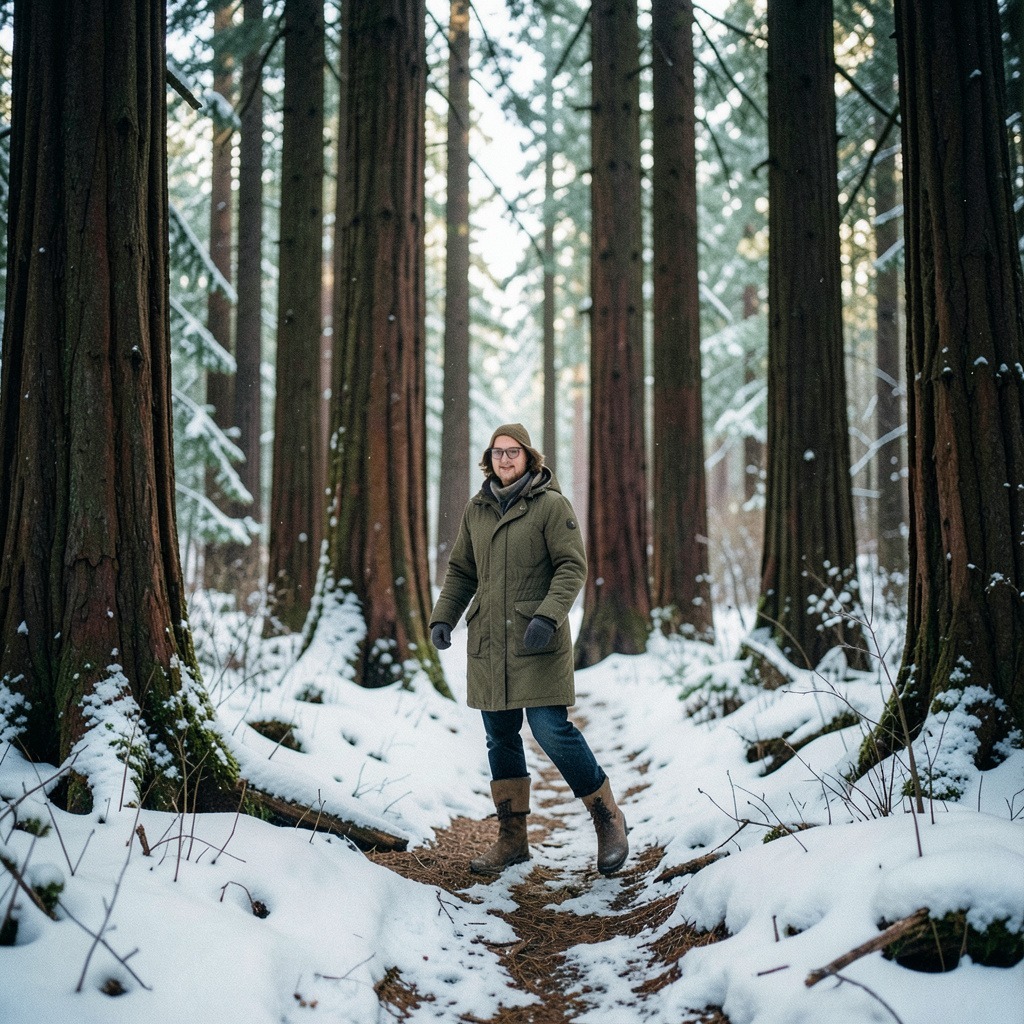
Why Visit Redwood National Park in Winter?
Winter offers a unique charm at Redwood National Park, transforming the landscape into a tranquil escape. Visitors can enjoy solitude, mild temperatures, and breathtaking photography opportunities while immersing themselves in nature.
Experience Solitude and Peace
During winter, the park experiences significantly fewer visitors. This quietude allows for a more intimate connection with the towering redwoods. You can wander along trails without the hustle and bustle of summer crowds. Many visitors have shared how the serene atmosphere enhances their experience. For example, one hiker described feeling as though they had the entire forest to themselves, allowing for contemplation and deep appreciation of nature.
Mild Temperatures Compared to Other Regions
Winter temperatures in Redwood National Park typically range from the mid-40s to low 60s°F. This climate is milder than many other national parks during the same season, making it an attractive option for outdoor enthusiasts. While rain is possible, it often adds to the park’s lushness rather than detracts from the experience. Dress in layers and consider waterproof hiking boots to stay comfortable while exploring.
Table of Contents
Unique Photography Opportunities
The winter season offers distinct photography chances. The low-angle sunlight creates striking contrasts among the trees and forest floor. Frost may blanket the underbrush, adding an ethereal quality to your images. One photographer noted that winter light enhances the redwoods’ colors, making for stunning landscape shots. Bring a tripod for long exposure photos, and experiment with different angles to capture the park’s beauty.
By visiting during winter, you’ll not only enjoy fewer crowds but also experience the park’s natural wonders in a refreshing way.
Best Winter Activities in Redwood National Park
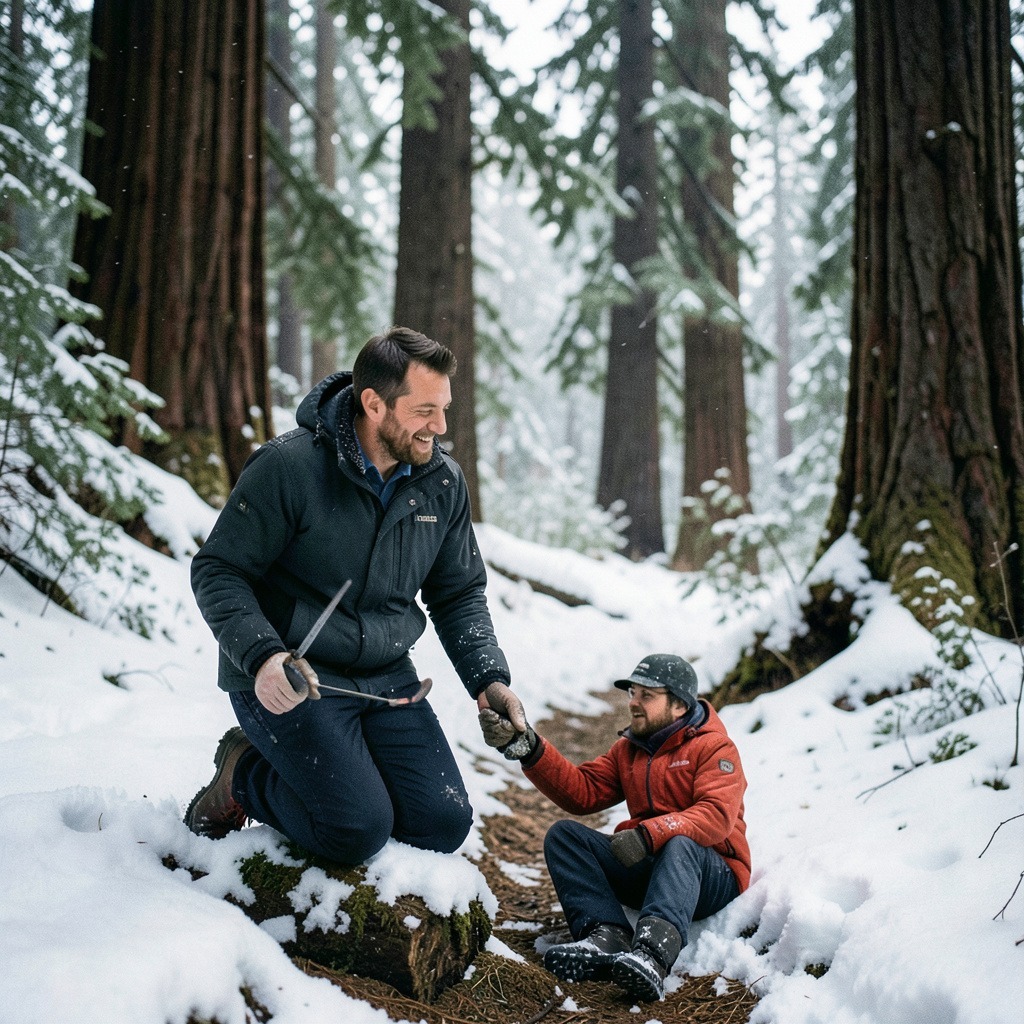
Winter transforms Redwood National Park into a serene wonderland. Visitors can engage in a variety of activities that showcase the park’s natural beauty while enjoying the tranquility of the season.
Hiking Trails to Explore
Winter offers unique hiking experiences in Redwood National Park. While some trails may be muddy, many remain accessible. Here are popular trails to consider:
- Tall Trees Grove: Known for its towering redwoods, this trail offers a serene hike through the forest. Expect some elevation changes, so wear sturdy footwear.
- Fern Canyon Trail: This short hike is perfect for families. The canyon walls are covered in lush ferns, creating a stunning winter backdrop.
- Stout Grove: A relatively flat trail surrounded by ancient redwoods. It’s an ideal spot for a peaceful stroll, especially after a fresh snowfall.
Packing Checklist for Hiking:
- Waterproof hiking boots. Check Price on Amazon
- Warm layers to adjust to changing temperatures.
- Trekking poles for stability on slippery trails.
- Snacks and plenty of water.
Wildlife Viewing Hotspots
Winter is a quieter time for wildlife, making it an excellent opportunity for observation. Visitors can spot various species, including:
- Roosevelt Elk: Look for them in the Elk Prairie area. They are often seen grazing in the meadows.
- Birdwatching: Many migratory birds pass through the park during winter. Bring binoculars for a closer look at species like the diverse woodpecker population.
Favorite Wildlife Viewing Spots:
- Elk Prairie: Best for elk sightings.
- Gold Bluffs Beach: Great for birdwatching by the coast.
Best Photography Spots in Winter
The winter landscape provides striking photography opportunities. Consider these tips for capturing the park’s beauty:
- Utilize Low-Angle Light: Early mornings and late afternoons provide the best lighting for landscape shots.
- Frosty Details: Look for frost on plants and trees for ethereal close-ups.
- Composition: Use leading lines from trails or streams to draw the viewer’s eye into the frame.
Visitor Insights:
One winter visitor shared, “Capturing the contrast between the dark bark of the redwoods and the white frost was magical. It transformed my usual photos into something extraordinary.”
By planning your activities around these highlights, you can fully embrace the winter beauty of Redwood National Park.
Weather and Trail Conditions in Winter
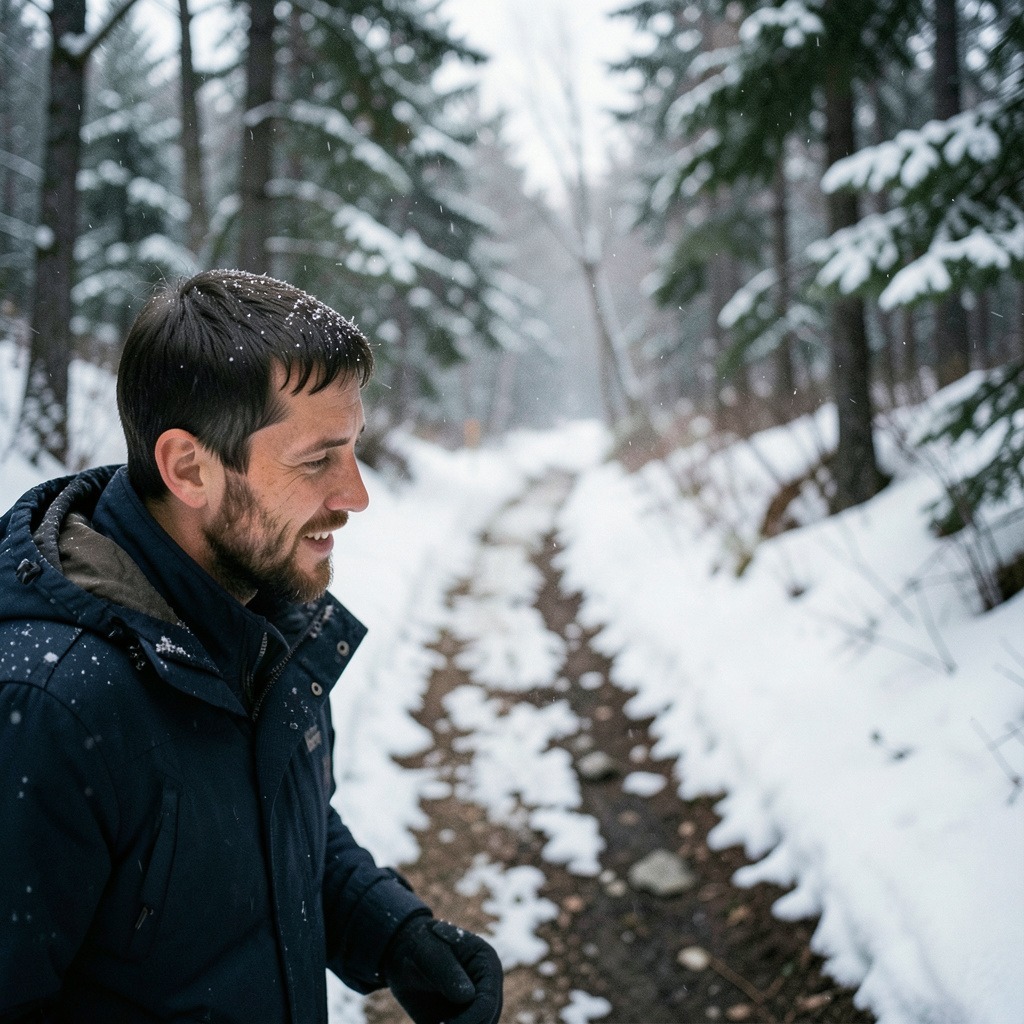
Winter at Redwood National Park brings unique weather patterns that significantly impact trail conditions and visitor experiences. Understanding these conditions will help you prepare for an enjoyable visit.
Average Winter Temperatures
During winter, temperatures in Redwood National Park average between 40°F and 60°F. Expect cooler temperatures, especially in the early morning and late evening. Here’s a month-by-month breakdown:
- December: 40°F – 55°F
- January: 40°F – 54°F
- February: 41°F – 56°F
Dressing in layers is critical, as temperatures can fluctuate throughout the day.
Rainfall and Its Impact on Trails
Winter is also the rainy season, with Crescent City experiencing around 9 inches of precipitation per month. This rain can lead to muddy trails and occasional closures. Given the conditions, it’s wise to:
- Check trail status before your visit.
- Wear waterproof hiking boots to maintain comfort and safety. Check Price on Amazon.
- Be prepared for slippery conditions, particularly on steep trails.
Trail Closures and Safety Precautions
Trail accessibility varies greatly during winter. Some trails may close due to weather conditions or maintenance. Key precautions include:
- Check for Closures: Visit the park’s website or contact rangers for real-time updates.
- Stay on Marked Trails: Wandering off paths can lead to hazardous situations.
- Plan for Daylight: Days are shorter in winter. Start hikes early to ensure you return before dark.
Winter offers a quieter experience at Redwood National Park. However, visitors must remain vigilant about changing weather and trail conditions to ensure a safe and enjoyable adventure.
Essential Packing Tips for Winter Visits
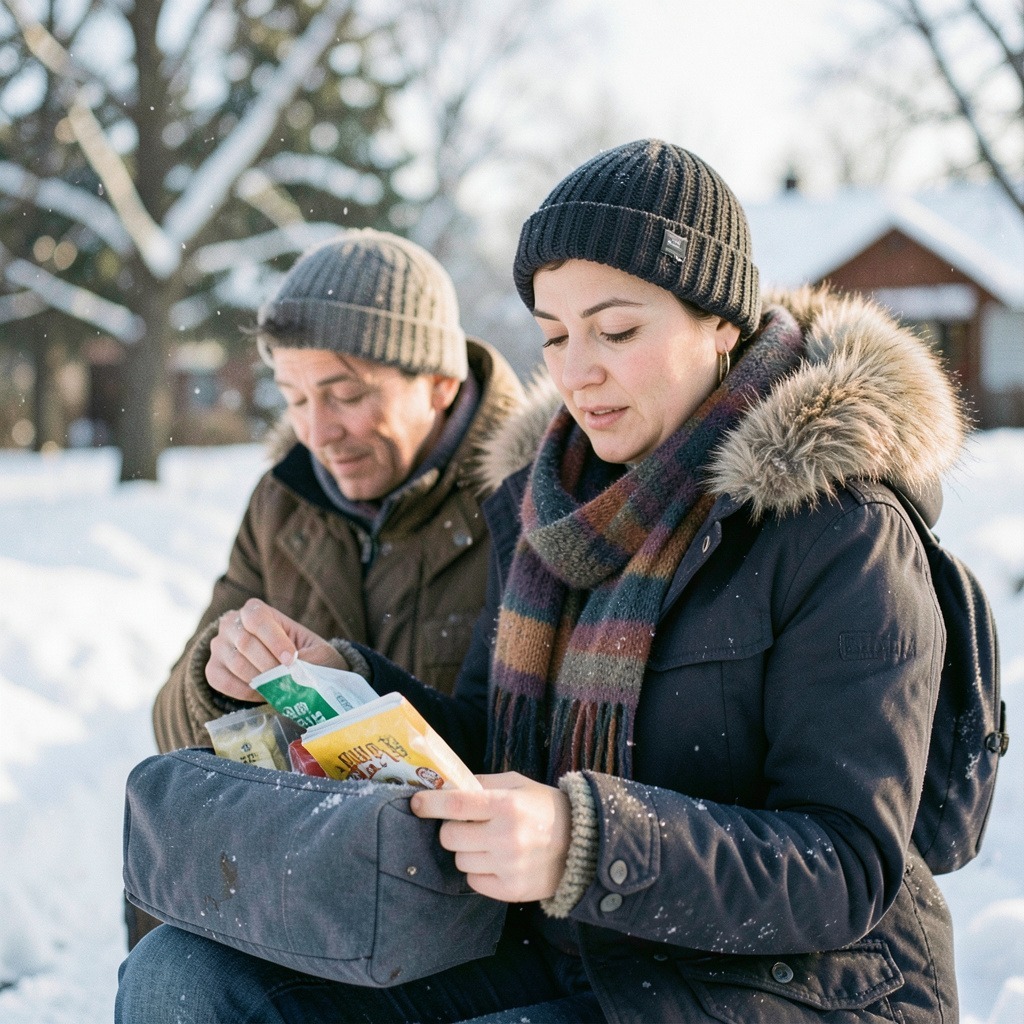
Preparing for winter in Redwood National Park requires careful consideration of your gear. The right clothing, hiking equipment, and safety gear can enhance your experience and ensure your safety in the variable winter weather.
Clothing for Variable Weather
Layering is crucial for staying comfortable. Choose moisture-wicking base layers, insulating mid-layers, and waterproof outer layers. Here’s a quick checklist:
- Base Layer: Thermal tops and bottoms.
- Insulating Layer: Fleece or down jackets.
- Outer Layer: Waterproof and breathable jacket and pants.
- Accessories: Warm hat, gloves, and a neck gaiter.
Hiking Gear Recommendations
Proper hiking gear enhances your safety and enjoyment while exploring the park’s trails. Consider these essentials:
- Footwear: Sturdy, waterproof hiking boots with good traction.
- Trekking Poles: Helpful for stability on muddy or uneven terrain.
- Backpack: Choose one that fits comfortably and has enough space for your gear.
- Navigation Tools: Map, compass, or GPS device.
Safety Equipment to Consider
Winter conditions can change rapidly. Equip yourself with safety gear to be prepared. Include the following items in your pack:
- First Aid Kit: Ensure it includes essentials for common injuries.
- Emergency Blanket: Lightweight and compact for warmth in emergencies.
- Headlamp or Flashlight: With extra batteries for shorter daylight hours.
- Portable Charger: To keep your devices powered.
Winter Packing Checklist
To streamline your packing process, here’s a quick interactive checklist for winter visitors:
- [ ] Moisture-wicking base layers
- [ ] Insulating mid-layers
- [ ] Waterproof outer layers
- [ ] Sturdy hiking boots
- [ ] Trekking poles
- [ ] First aid kit
- [ ] Emergency blanket
- [ ] Headlamp or flashlight
- [ ] Portable charger
This checklist can help you ensure that you are fully prepared for winter adventures in Redwood National Park.
Safety Tips for Winter Hiking
Winter hiking in Redwood National Park presents unique challenges. Proper preparation ensures a safe and enjoyable experience, allowing you to fully appreciate the park’s stunning winter landscapes.
Preparing for Unpredictable Weather
Weather conditions can change rapidly in winter. A sunny morning can shift to rain or snow in the afternoon. To stay safe:
- Check the forecast before your hike.
- Dress in layers. Start with moisture-wicking base layers, add insulating layers, and finish with a waterproof outer layer.
- Stay informed about trail conditions. Use park resources or visitor centers for updates.
Identifying and Avoiding Hazards
Winter trails can present specific hazards. Here’s how to navigate them effectively:
- Watch for slippery surfaces. Rain and snow can make trails muddy and hazardous.
- Identify potential hazards like fallen branches or icy patches.
- Use trekking poles for stability, especially on uneven terrain.
When you plan your route, consider a decision-making framework. For example, if a trail is reported as icy, you might decide to choose a more stable, lower-elevation trail instead. This helps you avoid risky situations.
Wildlife Encounters: What to Expect
Wildlife activity can be different in winter. While many animals may be less active, others are still present. Here’s what to keep in mind:
- Keep a safe distance from wildlife. This is especially true for elk, which can be more visible during winter.
- Be aware of bear activity. While bears hibernate, it’s crucial to understand their habits and avoid leaving food scraps behind.
Engaging in wildlife viewing can enhance your experience. Just remember to maintain respect for the animals and their habitats.
By following these safety tips, you can enjoy a rewarding winter adventure in Redwood National Park.
Comparing Winter Visits: Redwood vs. Sequoia National Parks
When planning a winter visit, understanding the differences between Redwood National Park and Sequoia National Park can enhance your experience. Each park offers unique attractions and challenges, from accessibility to available activities.
Accessibility and Trail Conditions
| Feature | Redwood National Park | Sequoia National Park |
|---|---|---|
| Entrance Fees | No entrance fee; some state parks charge | Entrance fee required |
| Trail Conditions | Trails may be muddy and slippery; check conditions | Snow can cover trails; crampons may be needed |
| Accessibility | Generally accessible; some trails may be closed | Higher elevation can limit access to certain areas |
Redwood National Park typically sees milder winter weather, making trails more accessible, although they can be muddy. In contrast, Sequoia experiences snow, which can create both challenges and opportunities for winter sports enthusiasts.
Wildlife and Scenery Differences
| Wildlife | Redwood National Park | Sequoia National Park |
|---|---|---|
| Common Sightings | Elk, deer, and various birds | Black bears, mule deer, and coyotes |
| Scenery | Towering redwoods and coastal views | Majestic sequoias and mountain landscapes |
Wildlife viewing varies significantly. In Redwood, elk are more visible, while Sequoia’s bears might be seen less frequently due to hibernation. The scenery also differs, with Redwood offering dramatic coastal vistas and Sequoia showcasing stunning mountain backdrops.
Best Activities in Each Park
| Activity | Redwood National Park | Sequoia National Park |
|---|---|---|
| Hiking | Coastal and forest trails | Snowshoeing and winter hiking |
| Photography | Capture foggy redwood groves | Snow-covered sequoias |
| Camping | Limited winter camping options | Winter camping in designated areas |
Redwood National Park is ideal for those seeking serene hikes amidst ancient trees, while Sequoia appeals to adventure seekers interested in snow sports.
Packing Checklist for Winter Visits:
- Waterproof hiking boots
- Layered clothing
- Camera for photography
- Trail map or GPS
- Snacks and water
By considering these differences, visitors can select the park that best aligns with their winter adventure goals.
Frequently Asked Questions
These quick answers cover the most common questions about this topic, including key details, practical tips, and common concerns.
Is it a good idea to visit Redwood National Park in winter?
Yes, visiting Redwood National Park in winter can be a fantastic experience. The park is less crowded, allowing for a more peaceful exploration of its stunning landscapes. Mild temperatures and the chance to see the redwoods dusted with frost create a unique atmosphere. Additionally, winter offers excellent opportunities for wildlife viewing and photography.
Are there grizzly bears in the redwoods?
No, there are no grizzly bears in Redwood National Park. The park is home to black bears, which are generally less aggressive than grizzlies. While encounters are rare, it’s important to practice bear safety by storing food properly and keeping a safe distance from any wildlife.
Which is better to see, sequoia or redwood?
Choosing between Sequoia and Redwood National Parks depends on your interests. Redwood National Park features the tallest trees in the world and lush coastal scenery, ideal for those who appreciate dramatic landscapes and tranquil hikes. Sequoia National Park, on the other hand, offers a diverse range of elevations and winter sports opportunities like snowshoeing. Both parks are stunning but cater to different experiences.
What should I pack for winter hiking in Redwood National Park?
When hiking in winter, pack layers to adapt to changing weather. Essential items include waterproof hiking boots, moisture-wicking base layers, and a warm, insulated jacket. Don’t forget trekking poles for stability, a first aid kit, and a headlamp for shorter daylight hours. Always check trail conditions before heading out, and consider bringing a map or GPS device.
How do I stay safe while hiking in winter conditions?
To stay safe while hiking in winter, prepare for rapidly changing weather. Dress in layers and choose sturdy, waterproof footwear. Always check trail conditions and be aware of potential hazards like slippery surfaces or fallen branches. It’s also advisable to hike with a buddy, carry a first aid kit, and have a plan for your route, including a turnaround time to ensure you return before dark.
What wildlife can I expect to see in winter?
In winter, you can expect to see Roosevelt elk grazing in meadows, especially in areas like Elk Prairie. Various bird species, including migratory birds, are also present. While many animals may be less active, the quieter season provides a great opportunity for birdwatching and observing elk without the distractions of larger crowds.
Are there any park closures during winter?
Yes, some trails and areas may close during winter due to weather conditions or maintenance. It’s essential to check the park’s official website or contact rangers for real-time updates on trail conditions and closures before your visit. Always stay on marked trails to ensure your safety and protect the park’s natural resources.