
Frogs can become unwelcome guests in your yard and home. Fortunately, there are several effective and humane methods to keep them at bay. This article outlines 11 easy ways to deter frogs and maintain a frog-free environment around your house.
Understand Why Frogs Are Attracted to Your Home
Frogs are drawn to our yards for a few key reasons. Understanding these can help you keep them away effectively.
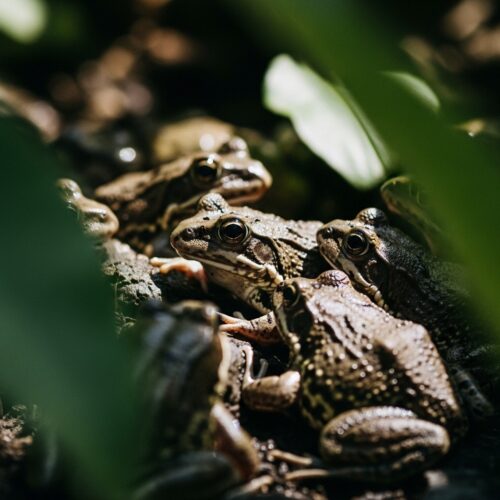
Frogs Need Water to Survive and Reproduce
Frogs thrive in moist environments. They lay their eggs in water. If your yard has standing water or poor drainage, it can become a frog nursery.
- Standing Water: Puddles, birdbaths, or clogged gutters can attract frogs.
- Moist Soil: Wet soil is a welcome mat for frogs.
To deter them, improve drainage and eliminate standing water where possible.
Insects Attract Frogs to Your Yard
Frogs love to munch on insects. A yard buzzing with bugs is like a buffet for them.
Table of Contents
- Remove Food Sources: Keep your yard tidy. Trim tall grass and reduce leaf litter.
- Use Lighting Wisely: Bright lights can attract insects. Consider using yellow or LED lights, which are less appealing to bugs.
By managing insect populations, you make your yard less inviting for frogs.
Shelter and Hiding Spots Increase Frog Presence
Frogs like to hide in cool, dark places. If your yard has plenty of hiding spots, frogs will feel right at home.
- Dense Vegetation: Thick bushes or tall grass provide cover.
- Debris Piles: Wood piles or compost heaps can become frog hotels.
Keep your yard clean and clear. This way, you reduce the chances of frogs setting up camp.
By understanding what attracts frogs, you can take proactive steps to keep them away. Small changes in your yard can lead to big differences in frog presence. If you’re looking for added help, consider using frog repellents from Amazon to enhance your efforts. Check Price on Amazon.
Remove Standing Water from Your Yard
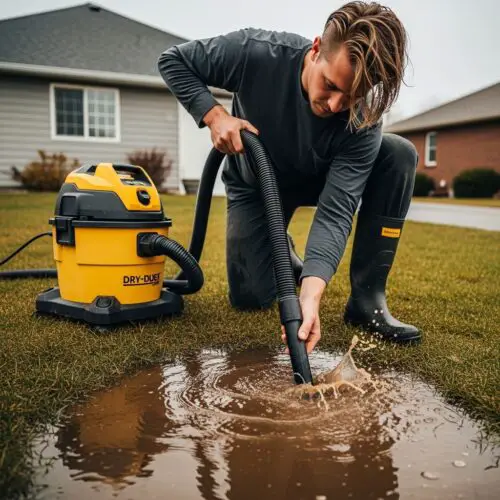
Standing water is a frog’s best friend. To keep them away, you need to find and eliminate these water sources. It’s easier than you think!
Regularly Check for Puddles and Stagnant Water
Start by inspecting your yard for any puddles. Even small amounts can attract frogs. Look in these common areas:
- Low spots in your yard
- Around plant pots or saucers
- Near downspouts or drainage areas
Make it a habit to check these spots weekly, especially after heavy rains.
Properly Maintain Birdbaths and Water Features
If you have birdbaths or ponds, keep them clean and fresh. Stagnant water is a big draw for frogs. Here’s how to maintain them:
- Change the water in birdbaths every few days.
- Consider adding a fountain to keep the water moving.
- If you have a pond, install a water filter to keep it clear.
This not only helps keep frogs away but is also better for the birds!
Fix Drainage Issues to Prevent Water Accumulation
Poor drainage can create puddles. If you notice water pooling, it’s time to act. Here’s what you can do:
- Check gutters for clogs. Clear them out regularly.
- Adjust slopes in your yard to direct water away from your home.
- Use drainage pipes or trenches to channel excess water.
For a frog-free yard, maintaining proper drainage is key.
Maintenance Schedule Checklist
To keep your yard uninviting for frogs, follow this simple checklist:
- Weekly: Inspect for puddles and stagnant water.
- Every few days: Refresh birdbath water.
- Monthly: Clean gutters and inspect drainage systems.
- As needed: Adjust landscape to improve drainage.
Keeping your yard clean and dry will go a long way in keeping frogs away. If you need extra help, consider using frog repellents from Amazon to enhance your efforts. Check Price on Amazon.
Utilize Natural Repellents to Deter Frogs
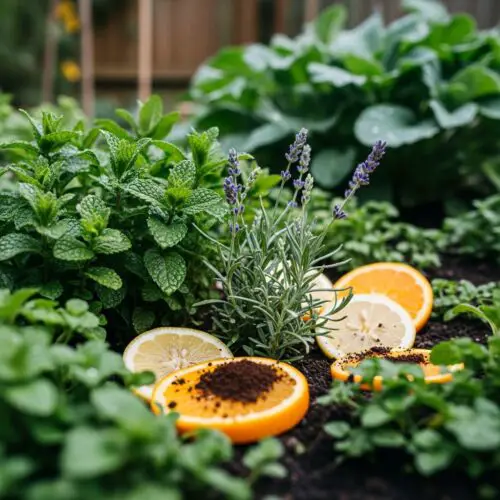
Natural repellents can be a game-changer when it comes to keeping frogs away from your home. They’re safe, easy to make, and often use items you already have on hand. Let’s explore a few effective options.
Salt and Vinegar Mixtures as Effective Barriers
Salt and vinegar are two powerful ingredients that frogs dislike. Here’s how to use them:
- Salt: Sprinkle salt around the edges of your garden or pathways. This creates a barrier frogs won’t want to cross. But be careful! Too much salt can harm your plants, so use it sparingly.
- Vinegar: Mix equal parts of vinegar and water in a spray bottle. This solution can be sprayed around your yard to deter frogs. They find the smell irritating. Just remember to reapply after rain.
Using Citrus to Create an Unwelcoming Environment
Citrus fruits are not just tasty; they can also keep frogs at bay. Frogs tend to avoid strong scents, and citrus does the trick. Here’s a simple recipe:
- DIY Citrus Frog Repellent:
1. Take the peels from oranges, lemons, or limes.
2. Place them in a pot of water and bring it to a boil.
3. Let it simmer for about 30 minutes.
4. Cool the mixture and strain it into a spray bottle.
5. Spray around your yard and garden.
The fresh citrus smell will make frogs think twice about hanging around.
Other Household Items That Can Repel Frogs
Besides salt and citrus, there are other common household items that can help:
- Caffeine: Mix a small amount of caffeine with water and spray it around your garden. Frogs find it unappealing.
- Dry Citric Acid: Mix dry citric acid with water and spray it wherever you see frogs.
- Coffee Grounds: Sprinkling used coffee grounds around your yard can deter frogs while also enriching your soil.
Using these items not only helps keep your yard frog-free, but they’re also eco-friendly and safe for pets. For a more extensive selection of frog repellents, you can always check out frog repellents from Amazon.
Maintain a Clean and Tidy Yard
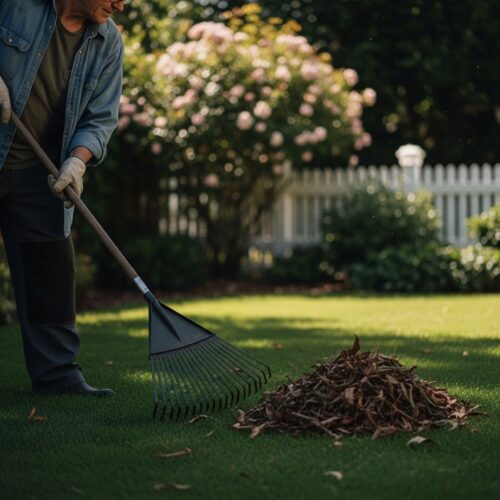
Regular yard maintenance can significantly reduce frog attraction by eliminating shelter and food sources. Keeping your yard neat not only helps deter frogs but also creates a more inviting outdoor space for you and your family.
Regularly mow the lawn and trim bushes
Frogs love tall grass and dense bushes. Mowing your lawn regularly keeps the grass short and dry, making it less appealing to frogs. Trim back any overgrown bushes to reduce their hiding spots.
- Tip: Aim to mow your lawn every two weeks during the growing season. This simple task can drastically cut down on frog activity.
Remove debris and clutter that provide hiding spots
Frogs seek shelter in piles of leaves, wood, or debris. Cleaning up these areas makes your yard less hospitable for them.
- Checklist for debris removal:
- Clear away leaf piles.
- Remove old wood piles or garden debris.
- Dispose of any clutter, like broken pots or tools.
Manage compost and mulch to reduce insect populations
Frogs are attracted to yards with plenty of insects to eat. If you have a compost pile or mulch, manage it carefully.
- Tips for effective management:
- Turn compost regularly to speed up decomposition and reduce odors.
- Use fine mulch instead of coarse mulch, which can attract insects.
By staying on top of yard maintenance, you can create an environment that’s less inviting to frogs while keeping your outdoor space looking great!
Change Outdoor Lighting to Reduce Insects
Adjusting your outdoor lighting can significantly minimize insect attraction, making your yard less inviting to frogs in search of a meal. Let’s explore some effective lighting solutions!
Switch to Yellow or Sodium Vapor Bulbs
Traditional white lights attract a lot of insects, which, in turn, attract frogs. Switching to yellow or sodium vapor bulbs can help.
- Why yellow? These bulbs emit less light in the spectrum that draws bugs.
- Sodium vapor bulbs are another great option. They’re less appealing to insects and use less energy.
By making this simple switch, you can light up your yard without creating a buffet for frogs.
Install Motion-Sensor Lights to Reduce Nighttime Attraction
Motion-sensor lights not only save energy but also deter frogs. When the light turns on only when someone is nearby, it limits the time insects are drawn to your yard.
- Benefits:
- Reduces constant light that attracts insects.
- Saves electricity, making it eco-friendly.
This solution is perfect for those who want to enjoy their outdoor space without the unwanted company of frogs.
Limit Lighting Near Gardens and Water Sources
Frogs love dark, cool, and damp hiding spots. Keeping lights away from these areas can reduce their attraction.
- Strategies:
- Position lights further from gardens and ponds.
- Use landscape lighting strategically to minimize illumination in frog-friendly zones.
This helps create a less inviting environment for our amphibious friends while still ensuring your yard looks great!
With these lighting changes, you can significantly cut down on the insects in your yard, making it a less appealing place for frogs to hang out.
Install Barriers and Fencing
Installing physical barriers is a smart and effective way to keep frogs out of your yard. Fencing not only stops frogs from hopping in but also creates a less inviting environment.
Types of Fencing That Are Effective Against Frogs
Not all fences are created equal when it comes to keeping frogs at bay. Here are the most effective options:
- Fine Mesh Fencing: This is a top choice. The small openings prevent frogs from slipping through. Make sure to bury the bottom a few inches underground to stop sneaky frogs from digging under.
- Wooden Fencing: A solid wooden fence can act as a barrier. Just ensure there are no gaps at the bottom. Frogs can squeeze through surprisingly small spaces.
- Plastic or Vinyl Fencing: Lightweight and easy to install, these options can also deter frogs. Look for designs with minimal gaps.
How to Install Barriers for Optimal Results
Installing barriers is straightforward if you follow these steps:
1. Choose the Right Material: Pick a fencing type based on your yard’s layout and frog activity.
2. Measure Your Yard: Determine the perimeter you want to cover. This helps you estimate how much material you’ll need.
3. Dig a Trench: For mesh fencing, dig a shallow trench about 4-6 inches deep. This helps to bury the bottom of the fence.
4. Install the Fence: Secure the fencing in place, ensuring it’s tight and free from gaps. Use stakes or anchors if needed.
5. Regularly Check Your Fencing: Look for any signs of wear or gaps that need fixing.
Regular Maintenance to Keep Barriers Effective
After installation, maintenance is key. Here’s what you should do:
- Inspect Monthly: Regularly check for any gaps or damage in the fencing. Fix them immediately.
- Clear Debris: Keep the area around the fence clean. Leaves and debris can create hiding spots for frogs.
- Adjust as Needed: If you notice frogs still getting in, consider raising the height or adjusting the angle of your fence.
Using barriers and fencing effectively can create a frog-free oasis in your yard. Take the time to install and maintain them, and you’ll enjoy a peaceful outdoor space without unwanted amphibious visitors!
Use Chemical Repellents with Caution
Chemical repellents can help keep frogs at bay, but it’s important to choose wisely. Not all repellents are safe for pets or the environment. Here’s what you need to know.
Understanding the Risks Associated with Chemical Repellents
Many chemical repellents work by emitting odors or tastes that frogs dislike. However, they can also pose risks. Some chemicals can irritate frogs’ skin or even harm them if applied directly. Always read the label carefully.
Consider these points:
- Potential Harm: Some chemicals are toxic to frogs and other wildlife.
- Pet Safety: Ensure the repellent won’t harm your pets, especially if they roam outside.
- Environmental Impact: Look for eco-friendly options that minimize harm to your yard’s ecosystem.
How to Choose Effective and Safe Products
When selecting a chemical repellent, focus on pet-safe options. Here’s a simple decision framework:
1. Research Brands: Look for reputable brands that prioritize safety.
2. Check Ingredients: Avoid harsh chemicals. Opt for natural or non-toxic alternatives when possible.
3. Read Reviews: See what others say about effectiveness and safety.
4. Consult Experts: If in doubt, ask a pest control professional for recommendations.
Application Tips for Chemical Repellents
Using chemical repellents effectively can make a big difference. Follow these application tips:
- Apply Sparingly: Use the recommended amount. More isn’t always better.
- Target Areas: Focus on spots where frogs are likely to enter, like doorways or garden edges.
- Reapply Regularly: Rain and watering can wash away repellents. Reapply as needed, especially after heavy rain.
- Monitor Frog Activity: Keep an eye on frog presence. If they return, reassess your choice of repellent.
By being cautious and informed about chemical repellents, you can keep frogs away while ensuring the safety of your pets and the environment.
Introduce Natural Predators to Your Yard
Adding natural predators to your yard can be a game-changer. They can help keep frog populations in check without harmful chemicals. Let’s explore how to invite these helpful critters into your space.
Birds that Help Control Frog Populations
Birds are fantastic natural pest controllers. Many species enjoy snacking on frogs and their eggs. Here are some birds to consider:
- Herons: Great at catching frogs in shallow water.
- Kingfishers: Quick and agile, perfect for catching frogs by ponds.
- Robins: They eat insects that frogs love, helping to reduce their food source.
To attract these birds, set up bird feeders and baths. Creating a welcoming environment encourages them to stick around.
Creating a Habitat for Beneficial Predators
You can make your yard more inviting for natural predators. Here are some tips:
- Plant Native Vegetation: Native plants attract insects and birds alike.
- Install Birdhouses: Provide safe nesting spots for birds.
- Avoid Pesticides: Chemicals can harm beneficial predators and disrupt the ecosystem.
By making these changes, you create a natural balance that deters frogs.
Observing Natural Predator Behaviors for Best Results
Take some time to watch how the predators behave in your yard. Here are a few things to note:
- Feeding Patterns: Observe when and where they hunt. This can help you understand their role in controlling frog populations.
- Habitat Preferences: Different predators may prefer different areas. Make sure you have a mix of open spaces and cover.
By paying attention to these behaviors, you can optimize your yard to support them effectively.
Case Study: A Successful Yard Transformation
Consider a yard that struggled with a frog invasion. The homeowner decided to introduce natural predators. They installed bird feeders, planted native flowers, and stopped using chemicals. Within a few months, they noticed fewer frogs. Birds came to feed, and the yard became a balanced ecosystem. It’s a real-world example of how small changes can lead to big results.
Incorporating natural predators is a fun, effective way to keep frogs away. Not only does it help your yard, but it also supports local wildlife.
Timing: When to Implement Frog Deterrents
Timing is crucial when it comes to keeping frogs away from your home. Knowing when to act can make all the difference. Here’s a quick guide to help you stay a step ahead.
Identifying Peak Frog Seasons in Your Area
Frog activity often peaks during specific seasons. Generally, frogs are most active during warmer months, especially in spring and summer. Keep an eye on these seasons:
- Spring (March to May): Frogs emerge after winter. This is mating season, and you’ll hear plenty of croaking.
- Summer (June to August): Frogs are in full swing, seeking water and food. They’re more likely to wander into your yard.
- Fall (September to November): Activity begins to decline as temperatures cool, but some species may still be around.
- Winter (December to February): Frogs hibernate, so your home is relatively safe.
Timing Your Maintenance and Deterrent Efforts
Plan your yard maintenance and deterrent strategies around these peak times. Here’s a handy checklist:
- Before Spring: Clear debris, remove standing water, and apply natural repellents.
- During Spring: Regularly monitor frog activity. Consider installing barriers if you notice increased visits.
- Summer: Maintain yard cleanliness. Refresh repellents as needed.
- Fall: Prepare for winter by double-checking barriers and removing water sources.
Monitoring Frog Activity to Adjust Strategies
Keep tabs on frog activity throughout the year. Here’s how:
- Check Weekly: Look for signs like croaking, tadpoles, or small frogs.
- Adjust as Needed: If you notice an uptick in activity, ramp up your deterrent efforts immediately.
- Document Changes: Keep a simple log of what works and what doesn’t. This way, you’ll know the best strategies for your yard.
By staying aware of frog activity patterns and adjusting your tactics accordingly, you can effectively keep these little critters at bay.
Common Mistakes to Avoid in Frog Deterrence
Keeping frogs away can be tricky. Many homeowners make simple mistakes that can lead to frustration. Let’s break down some common pitfalls and how to avoid them.
Over-relying on Chemical Solutions Without Maintenance
Many people think chemical repellents are the magic solution. While they can help, they shouldn’t be your only strategy. Relying solely on chemicals can lead to:
- Ineffective Results: Chemicals wear off over time. Without regular application and maintenance, their effectiveness diminishes.
- Potential Harm: Some chemicals can harm pets and beneficial wildlife. Always read labels carefully.
Instead, combine chemical repellents with natural methods. This creates a more balanced approach.
Ignoring the Role of Water Sources
Frogs love water. If you have standing water in your yard, it can attract them. Here’s what to consider:
- Remove Standing Water: Check for puddles, bird baths, and clogged gutters. Empty or fix these sources to reduce attraction.
- Improve Drainage: If your yard holds moisture, consider adding drainage solutions. This can be as simple as a trench or as complex as a drainage system.
Take action to eliminate these water sources. It’s one of the easiest ways to keep frogs at bay.
Failing to Observe Frog Behaviors
Understanding frog behavior can help you deter them effectively. Many homeowners overlook this key aspect. Common mistakes include:
- Not Monitoring Activity: Regularly check for signs of frogs. Look for croaking, tadpoles, or even their presence.
- Ignoring Timing: Frogs are more active during certain seasons. Adjust your strategies based on their activity patterns.
For example, if frogs are most active at night, consider using motion-activated lights. This can deter them while you sleep.
Checklist of Common Mistakes
- Relying only on chemical repellents without upkeep.
- Neglecting to remove standing water sources.
- Failing to monitor frog activity.
- Ignoring seasonal patterns in their behavior.
By avoiding these mistakes, you can create a more effective plan for keeping frogs away from your house.
Conclusion: Creating a Frog-Free Environment
Keeping frogs away from your home doesn’t have to be a daunting task. With a few simple strategies, you can create an environment that’s uninviting to these little jumpers.
Recap of Strategies Discussed
Here are some of the best methods to keep frogs at bay:
- Eliminate Water Sources: Remove any standing water, like puddles or bird baths. Frogs need water for breeding.
- Maintain Yard Cleanliness: Regularly mow your lawn and trim back bushes. This reduces hiding spots.
- Use Natural and Chemical Repellents: Consider options like vinegar or commercial sprays specifically designed for frogs.
- Install Barriers: Fencing can help keep frogs out. Make sure it’s buried a bit underground to prevent burrowing.
- Encourage Natural Predators: Birds and snakes can help control the frog population. Attract them by planting native flora.
Encouragement for Ongoing Maintenance
Frog control isn’t a one-time event. Regular upkeep is key. Inspect your yard frequently. Make adjustments as needed. Keeping your space clean and dry will make it less appealing to frogs.
Importance of a Balanced Approach to Pest Management
While it’s important to deter frogs, think about your entire yard ecosystem. Avoid harmful chemicals that can affect beneficial insects and wildlife. Choose natural methods when possible. Strive for a balance that makes your yard enjoyable for you while being unwelcoming to frogs.
By following these tips, you’re on your way to enjoying a frog-free home. With a little effort, your outdoor space can be a pleasant retreat!
Frequently Asked Questions
These quick answers cover the most common questions about this topic, including key details, practical tips, and common concerns.
What do frogs hate most?
Frogs dislike strong, pungent odors such as vinegar, citrus peels, and certain household chemicals. They also avoid dry, open, and well-lit areas. Natural repellents like citrus or garlic sprays can be effective, as frogs find these smells irritating. Additionally, moving water and loud noises can discourage their presence.
What makes frogs go away naturally?
Frogs are deterred by removing water sources, reducing insect populations, and creating less inviting habitats. Eliminating standing water, trimming dense vegetation, and using natural repellents like citrus or vinegar help. Encouraging natural predators like certain bird species can also keep frog numbers down.
What is a frog’s worst enemy?
Predators such as herons, kingfishers, snakes, and some birds prey on frogs. These natural enemies help control frog populations without harming the environment. Creating habitats that attract these predators can be an effective, humane way to keep frogs away.
What smells keep frogs away from your house?
Strong scents like citrus peels, vinegar, garlic, and coffee grounds repel frogs. Citrus oils or simmered citrus peels create an unpleasant environment for frogs. Spraying vinegar solutions or spreading coffee grounds around your yard can also help deter them.
Can frogs be harmful to pets?
Most frogs are harmless, but some species secrete toxins that can be dangerous if ingested or if they come into contact with pets’ skin or eyes. It’s best to keep pets away from frogs, especially wild or unfamiliar ones, to prevent potential poisoning or allergic reactions.
How can I make my yard less attractive to frogs?
Remove standing water, keep grass short, and trim dense bushes. Clear debris like leaves and wood piles that provide hiding spots. Managing insect populations with proper lighting and yard maintenance also reduces frogs’ food sources, making your yard less appealing.
Are there any plants that repel frogs?
Yes, certain plants like citronella, lavender, and marigolds emit scents that frogs dislike. Planting these around your yard or garden edges can create a natural barrier. Using citrus or garlic-scented plants is especially effective as a deterrent.
How to effectively implement barriers and fencing to keep frogs out?
Install fine mesh fencing buried a few inches underground to prevent burrowing. Ensure the fence is at least 3 feet tall and has no gaps. Regularly inspect and repair any damages or gaps. Combining fencing with other deterrents enhances effectiveness. Proper installation and maintenance are key to creating a reliable barrier.