
Keeping a dog from pooping in your yard requires a mix of strategies. From physical barriers to scent deterrents, there are effective methods to maintain your lawn’s cleanliness. Here are six easy ways to deter dogs from using your yard as their bathroom.
Install Effective Fencing to Define Boundaries
Installing a fence is one of the best ways to keep dogs out of your yard. It creates a clear boundary and helps maintain a clean space. Plus, there are various fencing options to fit any budget and aesthetic.
Types of Fencing to Consider
Here’s a quick rundown of popular fencing materials and their effectiveness:
| Fencing Type | Pros | Cons | Effectiveness Against Dogs |
|---|---|---|---|
| Wood | Attractive, customizable, sturdy | Requires maintenance, can rot | High |
| Chain-Link | Durable, inexpensive, allows visibility | Less visually appealing, can be climbed by larger dogs | Moderate to High |
| Vinyl | Low maintenance, weather-resistant | More expensive, can be less sturdy than wood | High |
| Picket | Aesthetic appeal, defines space | Not very tall, may not deter larger dogs | Low to Moderate |
| Electric | Highly effective, deters most dogs | Requires installation, may be costly | Very High |
Cost-Effective DIY Fencing Solutions
If you’re on a budget, consider DIY options. You can create a simple wooden fence or use natural barriers like hedges. These options can be both cost-effective and visually appealing.
- Wooden Pallets: You can repurpose pallets to create a rustic fence.
- Wire Fencing: Affordable and can be combined with plants for a natural look.
- Hedges: Planting thick shrubs can act as a barrier while enhancing your yard’s aesthetics.
Visual Appeal and Yard Aesthetics
When choosing a fence, think about how it fits into your yard’s overall look. A well-chosen fence can enhance your outdoor space. For a stylish yet effective solution, a low decorative picket fence can provide the visual appeal while still acting as a deterrent.
Table of Contents
Choosing the right fence can significantly reduce the chances of dogs pooping in your yard. It’s about finding the balance between aesthetics and functionality. If you’re looking for a way to train your dog while keeping your space clean, consider tools like the PetSafe Elite Little Dog Remote Trainer as part of your strategy.
Create Natural Barriers with Plants

Using plants to deter dogs can be both effective and beautiful. Certain plants naturally repel dogs, helping to create a barrier while enhancing your yard’s aesthetics.
Best Dog-Repelling Plants
Here are some plants that dogs typically dislike:
- Marigolds: Their strong scent keeps dogs at bay.
- Rosemary: This aromatic herb can deter dogs and is great for cooking.
- Rue: Known for its pungent smell, rue is a powerful dog repellent.
- Lavender: Dogs often avoid this fragrant plant, plus it smells divine.
- Citronella: This plant not only repels dogs but also keeps mosquitoes away.
Designing Your Yard with Natural Barriers
To create a functional and visually appealing barrier, consider these tips:
- Plant Density: Space plants closely to prevent gaps. Aim for a dense row.
- Height Variation: Mix taller and shorter plants for a layered look. This also confuses dogs.
- Curved Lines: Create wavy borders instead of straight lines. Dogs are less likely to navigate through curves.
A simple layout might look like this:
“`
———————————
| Lavender |
| Rosemary Marigolds |
| Rue Citronella |
———————————
“`
Maintenance Tips for Plant Barriers
Keep your plants healthy and effective with these care tips:
- Regular Pruning: Trim plants to maintain shape and density.
- Watering: Ensure your plants get enough water, especially in dry seasons.
- Fertilizing: Use organic fertilizers to nourish your plants without harming your yard.
These natural barriers not only beautify your space but also help keep your yard dog-free. With the right plants and care, you can enjoy a clean lawn!
Use Scent-Based Deterrents to Repel Dogs
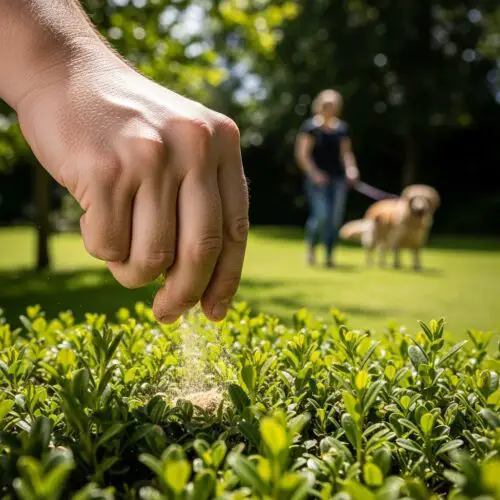
Scent-based deterrents can be a game-changer in keeping dogs from pooping in your yard. Dogs have an incredible sense of smell, so using scents they dislike can help keep them away. Let’s dive into some common scents and how to apply them effectively.
Common Scents That Deter Dogs
Here’s a quick list of scents that many dogs find unpleasant:
- Citrus (like lemon or orange)
- Vinegar
- Eucalyptus
- Peppermint
- Lavender
These scents can be used in various ways to make your yard less inviting for furry visitors.
How to Apply Scent Deterrents
Applying scent deterrents is simple. You can use commercial sprays or create your own. Here’s how:
1. Commercial Sprays: Buy dog repellent sprays that contain unpleasant scents. Follow the instructions on the label for best results.
2. DIY Repellent Recipes:
- Citrus Spray: Mix water with lemon or orange juice. Spray around the perimeter of your yard.
- Vinegar Solution: Combine equal parts vinegar and water. Apply it to areas where dogs tend to linger.
- Essential Oil Mix: Mix a few drops of eucalyptus or peppermint oil with water in a spray bottle. Spray this mixture in your yard.
3. Sprinkling Solutions: For a more natural approach, you can sprinkle ground coffee or used coffee grounds around your yard. Dogs tend to dislike the smell.
Safety Precautions with Chemical Repellents
When using commercial sprays, always check for safety. Some products might not be safe for plants or other pets. Make sure to:
- Test a small area first to ensure it won’t harm your lawn.
- Keep an eye on your pets to ensure they don’t have a negative reaction.
It’s always a good idea to choose non-toxic options. If you’re considering training your dog to stay away from certain areas, tools like the PetSafe Elite Little Dog Remote Trainer can also help reinforce boundaries.
Using these scent-based deterrents can effectively keep unwanted dogs out of your yard while maintaining a pleasant environment for your own pets.
Install Motion-Activated Devices to Startle Dogs
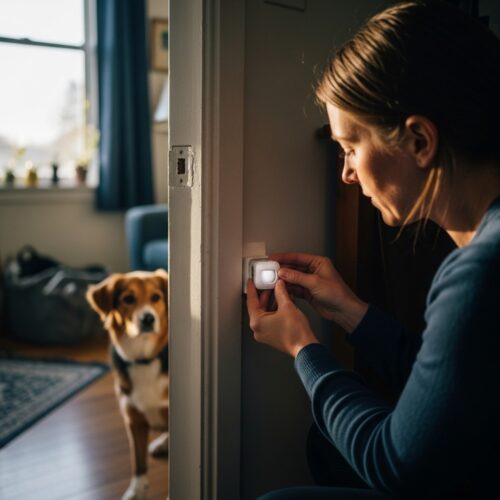
Motion-activated devices can be game-changers in keeping dogs out of your yard. These tools scare away unwanted pups with surprising sounds or sudden sprays. Let’s dive into how they work and what to choose.
How Motion-Activated Sprinklers Work
Motion-activated sprinklers detect movement in your yard. When a dog wanders too close, the sprinkler shoots out a burst of water. This sudden splash startles the dog, sending it running. Most dogs don’t like getting wet, making this an effective deterrent.
- Coverage Area: Many sprinklers cover a wide area, so one device can protect a large space.
- Adjustable Sensitivity: You can usually set how sensitive the motion detection is. This helps avoid false alarms from passing cars or critters.
- Eco-Friendly: They use water, making them a more natural option compared to chemical repellents.
Benefits of Ultrasonic Deterrents
Ultrasonic devices emit high-frequency sounds that dogs find unpleasant. Humans can’t hear these sounds, making them a discreet option for your yard.
- No Water Required: Unlike sprinklers, these devices don’t rely on water, making them suitable for any weather.
- Easy to Install: Most ultrasonic devices simply plug into an outlet or run on batteries. Place them where dogs frequently enter your yard.
- Variety of Options: Some models come with adjustable settings to control the frequency and volume, allowing you to customize the deterrent level.
Installation and Maintenance Tips
Installing these devices is straightforward, but here are some tips to maximize their effectiveness:
- Location is Key: Place sprinklers or ultrasonic devices near entry points where dogs are likely to enter.
- Test and Adjust: After installation, check to see if the devices activate at the right times. Adjust sensitivity settings if needed.
- Regular Maintenance: Clean the sprinkler heads to prevent clogs and check batteries for ultrasonic devices regularly.
Side-by-Side Comparison
Here’s a quick look at popular motion-activated devices:
| Device Type | Coverage Area | Power Source | Features |
|---|---|---|---|
| Motion-Activated Sprinkler | Up to 1,600 sq. ft. | Water supply | Adjustable sensitivity |
| Ultrasonic Deterrent | Up to 1,000 sq. ft. | Battery or Plug-in | Adjustable frequency |
Whichever option you choose, both motion-activated sprinklers and ultrasonic devices can effectively help keep your yard clean and pup-free!
Communicate Openly with Dog Owners in Your Neighborhood
Talking to your neighbors about their dogs can feel a bit daunting. But good communication is key to keeping your yard clean and fostering a sense of community. Here are some tips to make those conversations easier and more effective.
Starting the Conversation
1. Choose the Right Time: Approach your neighbor when they’re relaxed, not when they’re rushing out the door. A friendly chat can go a long way.
2. Be Friendly and Polite: Start with a smile. Compliment something about their dog. This makes it easier to bring up your concern.
3. Share Your Experience: Explain what you’ve noticed without sounding accusatory. For example, “I’ve seen your dog in my yard lately, and it’s been a bit of a challenge.”
Maintaining Good Neighborly Relations
1. Listen Actively: Give them a chance to share their thoughts. They might not even be aware of the issue.
2. Discuss Solutions Together: Brainstorm ways to keep their dog out of your yard. Suggest simple barriers or training tips.
3. Be Respectful: If they seem defensive, stay calm. Focus on finding a solution rather than placing blame.
Encouraging Responsible Pet Ownership
1. Share Information: Talk about the importance of cleaning up after pets. You can mention health risks associated with dog waste, like parasites.
2. Offer Resources: If they struggle with waste management, provide them with dog waste bags or suggest an affordable bag dispenser.
3. Create a Checklist: Here’s a handy checklist to guide your conversation:
- Greet them warmly.
- Politely mention the issue.
- Share health-related concerns.
- Suggest solutions (fencing, training).
- Offer to help or provide resources.
By fostering open communication, you can work together to keep your yard clean and maintain a friendly neighborhood vibe.
Offer Dog Waste Bags and Encourage Cleanup
Providing dog waste bags is a simple yet effective way to promote responsible pet ownership. It encourages dog owners to clean up after their furry friends, which helps keep your yard clean and pleasant.
Setting Up a Waste Bag Dispenser
Installing a dog waste bag dispenser in your yard is a game-changer. Here’s how to do it right:
- Choose a Visible Location: Place the dispenser near the entrance to your yard or by the sidewalk. This makes it easy for dog owners to grab a bag before their pets do their business.
- Keep It Stocked: Regularly check the dispenser and refill it with biodegradable bags. A well-stocked dispenser encourages use and shows you care about the community.
- Add a Friendly Sign: A simple sign reminding dog owners to use the bags can go a long way. Something like “Please clean up after your dog, thank you!” keeps the message friendly.
Educating Dog Owners on Cleanup
Communication is key. Talk to your neighbors about the importance of cleaning up pet waste. Here are some tips:
- Share Facts: Inform them that dog waste can carry parasites and diseases that affect both humans and pets.
- Offer Help: If anyone struggles with waste management, provide them with extra bags or suggest an affordable dispenser. Sometimes, a little help goes a long way.
The Benefits of Responsible Pet Waste Management
When communities promote responsible waste management, everyone benefits. Here’s how:
- Cleaner Neighborhoods: Studies show that areas with accessible waste bags see a significant reduction in pet waste left behind.
- Healthier Environment: Proper cleanup prevents the spread of parasites and protects local wildlife.
- Enhanced Community Spirit: Encouraging good habits fosters a friendlier neighborhood vibe. Everyone wins when we work together!
By implementing these strategies, you can help create a cleaner, more enjoyable space for everyone.
Frequently Asked Questions
These quick answers cover the most common questions about this topic, including key details, practical tips, and common concerns.
What smells do dogs hate to stop pooping?
Dogs generally dislike strong, pungent scents such as citrus (lemon, orange), vinegar, eucalyptus, peppermint, and lavender. These scents can be used as natural deterrents by spraying diluted solutions or planting aromatic herbs in your yard. Repeated exposure to these smells can help discourage dogs from frequenting certain areas.
What will stop a dog from pooping in my yard?
Effective methods include installing physical barriers like fences, using scent-based repellents, and employing motion-activated devices such as sprinklers or ultrasonic deterrents. Training your own dog and communicating with neighbors about their pets can also help. Combining these strategies often yields the best results.
How long will vinegar stop dog pooping in the same spot?
Vinegar acts as a natural repellent, but its effectiveness is temporary. Reapplication every few days is recommended to maintain its deterrent effect. Over time, dogs may become accustomed, so supplementing with other methods is advisable for long-term results.
What scent do dogs absolutely hate?
Dogs tend to despise strong citrus scents, vinegar, eucalyptus, peppermint, and rue. These smells are naturally aversive to them and can be used to create a scent barrier around your yard. Consistent application helps reinforce the deterrent effect.
Can training help prevent dogs from pooping in my yard?
Yes. Training your dog to avoid certain areas through positive reinforcement and boundary-setting techniques can be effective. Using tools like remote trainers or boundary sprays helps teach your dog where they should and shouldn’t go. Consistency is key for lasting behavior change.
Are there any legal actions I can take against dog owners?
If a neighbor’s dog repeatedly poops in your yard and the owner is unresponsive, you may be able to address the issue through local animal control or homeowners’ association rules. Document incidents and communicate politely first. Legal action is typically a last resort.
What are the health risks of dog waste in yards?
Dog waste can carry parasites like hookworms, roundworms, and bacteria such as Salmonella. These pose health risks to humans, especially children, and other pets. Proper waste management reduces exposure and helps maintain a healthy environment.
What are the best products for dog deterrents?
Look for reputable brands offering scent sprays containing citrus or herbal oils, motion-activated sprinklers, ultrasonic devices, and physical barriers like fencing. For natural deterrents, plant marigolds, rosemary, or citronella. Always choose non-toxic options safe for pets and plants.