
As of 2026, the largest U.S. national parks are ranked by their size, showcasing the vast and diverse landscapes protected across the country. This list highlights the top 11 national parks, providing essential information for nature enthusiasts and travelers.
1. Wrangell-St. Elias National Park is the largest U.S. national park
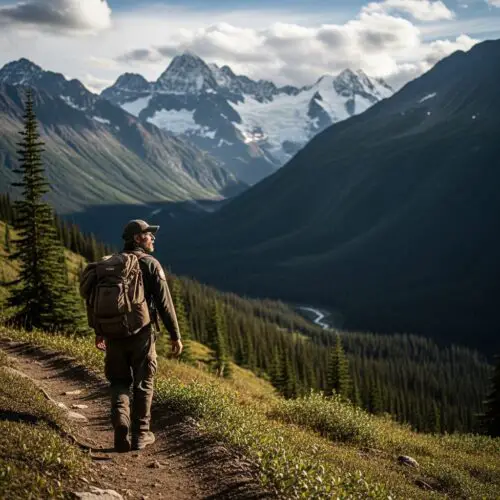
Wrangell-St. Elias National Park is a titan among national parks, spanning over 13 million acres. This massive park is not just the largest in the U.S. but also boasts incredible geological features and diverse ecosystems.
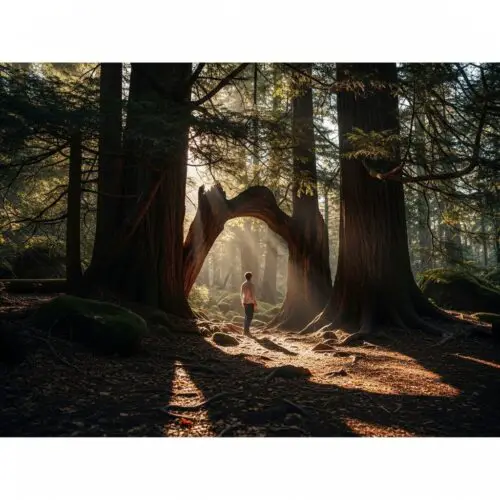
Wrangell-St. Elias spans over 13 million acres
- Size: At 13.2 million acres, it’s larger than all of the other U.S. national parks combined.
- Location: Nestled in Alaska, it’s part of the larger Wrangell-St. Elias National Park and Preserve.
- Comparison: This park is six times larger than Yellowstone National Park.
Unique geological features and wildlife
Wrangell-St. Elias is a geological wonder. It features:
- Mountain Ranges: Home to the Wrangell and Saint Elias mountains, with peaks exceeding 18,000 feet.
- Glaciers: Over 150 glaciers, including the famous Malaspina Glacier, which is one of the largest in North America.
- Wildlife: Diverse species thrive here, including grizzly bears, caribou, and Dall sheep. The park is vital for preserving these species and their habitats.
Visitor activities and accommodations
Visitors flock to Wrangell-St. Elias for various adventures:
- Hiking: Trails range from easy walks to challenging backcountry routes.
- Wildlife Viewing: Opportunities to see animals in their natural habitat.
- Camping: Several campgrounds and options for backcountry camping.
Visitor Stats: In recent years, the park has seen around 100,000 visitors annually, highlighting its growing popularity. Conservation efforts are ongoing to protect its vast ecosystems and wildlife.
Table of Contents
In Wrangell-St. Elias, you’re not just visiting a park; you’re stepping into one of the last great wilderness areas in the U.S.
2. Gates of the Arctic National Park showcases pristine wilderness
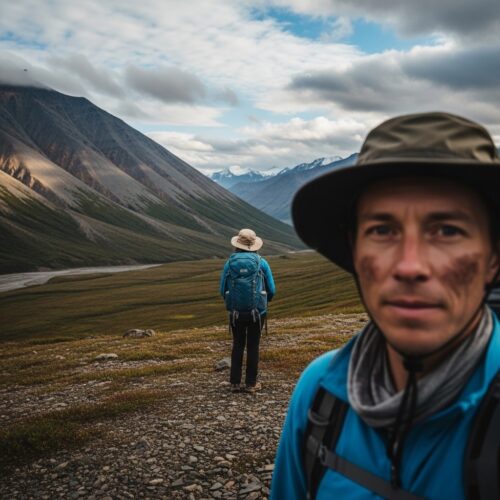
Gates of the Arctic National Park is a true gem of untouched nature. Spanning over 8.4 million acres, it’s a haven for those seeking solitude and adventure in Alaska’s wilderness.
Gates of the Arctic covers 8.4 million acres
Gates of the Arctic is the second largest national park in the U.S. It’s remote and lacks paved roads. This means you’ll need to plan carefully if you’re looking to visit. The park’s vastness ensures that its ecosystems remain undisturbed, making it a unique spot for wildlife and nature.
Wildlife and ecological importance
The park is home to incredible wildlife. You might encounter caribou, Arctic foxes, and golden eagles during your visit. These animals thrive in the harsh conditions, showcasing the park’s ecological diversity.
- Caribou: These migratory animals traverse the park, adapting to the changing seasons.
- Arctic Foxes: Known for their seasonal fur changes, they blend into the snowy landscape during winter.
- Golden Eagles: Important scavengers, they play a crucial role in maintaining ecological balance.
This rich biodiversity is a testament to the park’s health and vitality. Gates of the Arctic not only preserves wildlife but also offers a glimpse into the natural world as it once was.
Planning a visit: what to expect
Visiting Gates of the Arctic requires some preparation. Here’s a handy checklist to help you gear up for your adventure:
- Gear Recommendations:
- Waterproof clothing and sturdy boots.
- A reliable map and compass or GPS device, as cell service is limited.
- Bear-proof food containers for camping.
- Safety Tips:
- Always check weather conditions before heading out.
- Inform someone about your travel plans.
- Be prepared for wildlife encounters—keep a safe distance.
Expect a truly unique experience in a park that’s as wild as it gets. The remoteness and pristine nature of Gates of the Arctic make it a place for explorers, but it also presents challenges. Be ready for an adventure like no other!
3. Denali National Park offers iconic landscapes and wildlife

Denali National Park is a stunning gem in Alaska. It spans over 6 million acres and is home to North America’s tallest peak, Denali. This park is a paradise for wildlife lovers and adventure seekers alike.
Denali spans over 6 million acres
Denali National Park is the largest national park in the U.S. It offers vast wilderness and impressive landscapes. Here are some key facts:
- Size: 6 million acres
- Established: 1917
- Location: Alaska
- Elevation: Denali peak rises to 20,310 feet
The sheer size of the park means there are countless opportunities for exploration. Visitors can hike, camp, and enjoy the breathtaking views.
Famous for its mountain and wildlife
Denali isn’t just about its size; it’s famous for its unique ecosystems and diverse wildlife. You can spot amazing animals like:
- Grizzly bears
- Moose
- Wolves
- Dall sheep
These animals thrive in the park’s varied habitats, from tundra to forests. The park’s wildlife viewing is exceptional, offering visitors a chance to see these magnificent creatures in their natural setting.
Activities and visitor information
Denali offers a range of activities for all types of adventurers. Here’s what you can do:
- Wildlife Tours: Join a guided tour to spot animals.
- Hiking Trails: Explore numerous trails, from easy walks to challenging hikes.
- Photography: Capture stunning landscapes and wildlife.
When planning a visit, consider these tips:
- Best Time to Visit: Late spring to early fall for optimal weather.
- Accessibility: The park is remote. Plan ahead for lodging and transportation.
- Safety Guidelines: Always keep a safe distance from wildlife and inform someone of your plans.
Denali National Park truly embodies the spirit of adventure. With its incredible landscapes and wildlife, it’s a must-visit for nature enthusiasts.
4. Katmai National Park is known for volcanic landscapes and bears
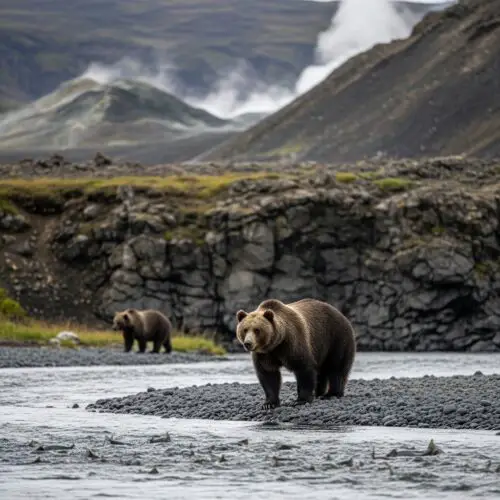
Katmai National Park spans about 4 million acres in Alaska. It’s famous for its stunning volcanic landscapes and abundant wildlife, particularly grizzly bears. Visitors flock here to witness these magnificent creatures up close.
Katmai covers 4 million acres
Katmai is the 7th largest national park in the U.S. It features diverse ecosystems, ranging from lush forests to rugged mountains. The park is home to the Valley of Ten Thousand Smokes, a dramatic volcanic landscape formed by the 1912 eruption of Novarupta. This area showcases a unique geological history and is a prime spot for exploration.
Volcanic activity and its impact on the ecosystem
The volcanic activity in Katmai creates a rich environment for wildlife. The ash from eruptions enriches the soil, leading to lush vegetation. This, in turn, supports a variety of animals.
- Grizzly Bears: Katmai is one of the best places in the world to see grizzly bears. They gather at brooks to catch salmon during the summer months.
- Other Wildlife: Besides bears, you can spot moose, wolves, and numerous bird species. The park’s diverse habitats attract various animals, making it a wildlife lover’s paradise.
Best times to visit and what to see
The ideal time to visit Katmai is from late June to early September. During this period, the weather is milder, and wildlife is more active. Here’s what you can expect:
- Bear Viewing: Head to Brooks Falls for an unforgettable bear-watching experience. Observe these giants as they fish for salmon.
- Hiking and Photography: Explore scenic trails and capture stunning volcanic landscapes. The contrast of the rugged terrain with wildlife makes for amazing photos.
- Safety Tips: Always keep a safe distance from bears and other wildlife. Be bear-aware, and inform others of your hiking plans.
Comparing wildlife viewing in Katmai with other national parks, the sheer number of grizzly bears here is unmatched. While parks like Yellowstone also have bears, the concentrated viewing opportunities in Katmai make it a unique experience.
5. Lake Clark National Park combines mountains and coastlines

Lake Clark National Park is a breathtaking mix of rugged mountains, pristine lakes, and stunning coastlines. Spanning over 4 million acres, this park is a hidden gem in Alaska. It offers abundant outdoor activities and rich wildlife.
Lake Clark spans over 4 million acres
This vast park is not just about size; it’s about diversity. Lake Clark National Park encompasses various ecosystems, from alpine tundra to coastal wetlands. This diversity supports a wide range of wildlife, including bears, moose, and countless bird species.
- Ecosystems: The park features glaciers, rivers, and forests. Each area provides unique habitats for wildlife.
- Wildlife: Spot grizzly bears fishing for salmon or moose grazing in the meadows.
Activities like fishing and kayaking
Recreational opportunities abound in Lake Clark. Visitors can fish, kayak, hike, or simply enjoy the scenery.
- Fishing: The park’s lakes and rivers are filled with salmon, making it a prime fishing spot.
- Kayaking: Paddle through the calm waters for a close-up view of the stunning landscapes and wildlife.
Visitor tips and seasonal highlights
Planning a visit? Here’s what you need to know.
- Best Times to Visit: Summer is ideal for wildlife viewing and outdoor activities. Spring and fall offer fewer crowds.
- Accessibility: The park is remote, so plan ahead. Flights and boat services are the main ways to reach it.
- Seasonal Changes: In spring, witness the migration of birds. Summer brings vibrant wildflowers. Fall showcases stunning foliage.
With its diverse landscapes and recreational opportunities, Lake Clark National Park is a must-visit for nature lovers and adventure seekers alike.
6. Death Valley National Park is the hottest place in North America
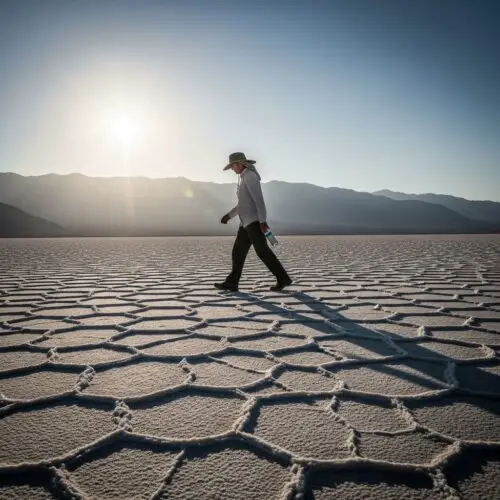
Death Valley National Park is a land of extremes. It’s not just the hottest; it’s also one of the driest places in the U.S. Stretching over 3.4 million acres, this park offers a unique glimpse into some of the most striking desert landscapes on Earth.
Death Valley covers 3.4 million acres
Death Valley is massive. It holds the title of the largest national park in the contiguous U.S. Here are some quick facts about its size and features:
- Total Area: Approximately 3.4 million acres
- Elevation Range: Lowest point is Badwater Basin at 282 feet below sea level
- Highest Point: Telescope Peak rises to 11,043 feet
Geological wonders such as Badwater Basin
One of Death Valley’s most famous features is Badwater Basin. This salt flat is a stunning sight. Here’s what makes it special:
- Salt Flats: The white crust you see is made of salt, formed from evaporated water.
- Unique Landscapes: From rugged mountains to rolling sand dunes, the park showcases varied geology.
- Mesquite Flat Sand Dunes: These dunes are accessible and perfect for photography.
Comparison with other desert parks highlights its uniqueness. Unlike the Sonoran Desert parks, which feature cacti, Death Valley’s landscapes are stark and dry, offering a different kind of beauty.
Visitor information and safety precautions
Planning a trip to Death Valley? Here’s what you need to know to stay safe in this extreme environment:
- Best Times to Visit: Fall and spring offer milder temperatures, perfect for exploring.
- Hydration is Key: Always carry plenty of water. Dehydration can happen quickly.
- Sun Protection: Wear sunscreen, hats, and sunglasses to guard against harsh sun exposure.
When visiting, be prepared for temperature swings. It can be scorching during the day and cool at night. Know your limits and respect the environment to make the most of your adventure in this incredible national park.
7. Yellowstone National Park is the first national park in the world
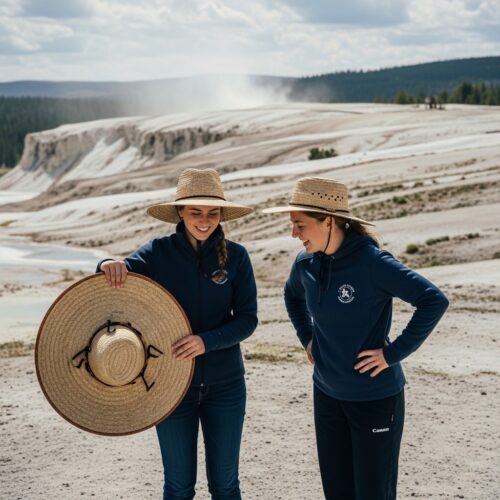
Yellowstone National Park holds a special place in history. It was established in 1872, making it not just America’s first national park, but also the world’s first. This iconic park spans over 3.4 million acres, showcasing stunning landscapes and unique geothermal features.
Yellowstone spans over 3.4 million acres
Yellowstone is vast, covering parts of Wyoming, Montana, and Idaho. Here are some key facts about its size:
- Total Area: 3,468,000 acres
- Comparison: This is larger than the states of Rhode Island and Delaware combined.
This massive area supports diverse ecosystems. From lush forests to open meadows, every corner of Yellowstone is rich with wildlife.
Famous geothermal features and wildlife
Yellowstone is famous for its geothermal wonders. It has more than half of the world’s geysers. Here are some highlights:
- Old Faithful: This geyser erupts approximately every 90 minutes. It’s a must-see for visitors.
- Hot Springs: The park’s hot springs are colorful and mesmerizing, showcasing vibrant bacteria that thrive in extreme temperatures.
Wildlife is abundant, too. You might spot:
- Bison
- Elk
- Grizzly bears
These animals roam freely, making every visit an adventure.
Planning your visit to Yellowstone
When planning a trip, consider these tips:
- Best Times to Visit: Late spring and early fall are ideal. The weather is pleasant, and crowds are smaller.
- Safety Guidelines: Always keep a safe distance from wildlife. Never approach animals, especially during calving season.
Yellowstone’s historical significance and unique features make it a treasure worth exploring. Its conservation efforts continue to protect this natural wonder for generations to come.
8. Kobuk Valley National Park features vast sand dunes
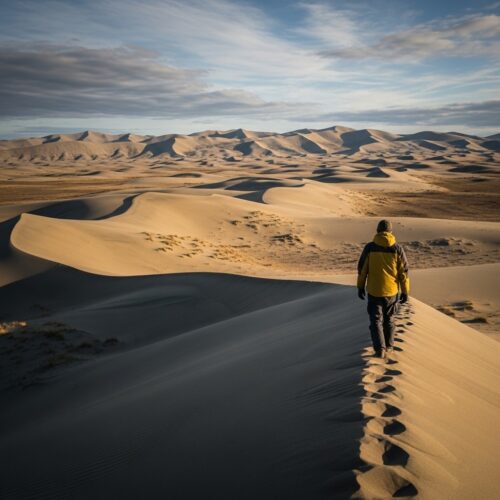
Kobuk Valley National Park is a hidden gem in Alaska. It covers about 1.7 million acres, showcasing stunning sand dunes and unique wildlife. However, getting there can be a bit of an adventure.
Kobuk Valley covers 1.7 million acres
Kobuk Valley is known for its vast sand dunes, which can reach heights of up to 100 feet. These dunes are shaped by the wind, creating a mesmerizing landscape. The park is also home to the Kobuk River, providing a scenic contrast to the desert-like surroundings.
Unique ecosystems and wildlife
Kobuk Valley boasts diverse ecosystems, from sand dunes to river valleys. Wildlife here is just as varied. You might spot:
- Caribou migrating through the park
- Arctic foxes scurrying across the dunes
- Golden eagles soaring above
This diversity showcases the park’s ecological importance and highlights the need for conservation efforts.
Visitor access and planning tips
Visiting Kobuk Valley is not as straightforward as some parks. Here are some transport options and tips:
- Air Travel: Most visitors arrive by air. The closest commercial airport is in Kotzebue. From there, you can charter a small plane to the park.
- Plan Ahead: Given its remote location, plan your trip well in advance. Check weather conditions and flight availability.
- Bring Supplies: There are no facilities in the park. Carry enough food, water, and gear for your visit.
In summary, while Kobuk Valley may be challenging to access, it offers a unique adventure for those willing to make the trek.
9. Everglades National Park is a unique wetland ecosystem
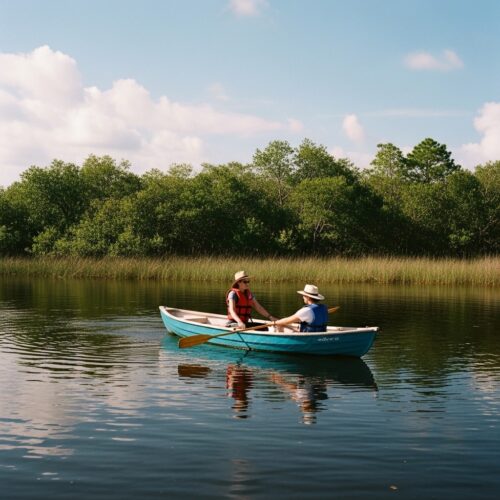
Everglades National Park is more than just a vast expanse of water. It covers over 1.5 million acres, making it the largest subtropical wilderness in the U.S. This park is vital for wildlife and ecosystems.
Everglades spans over 1.5 million acres
Located in Florida, the Everglades is known for its slow-moving waters and diverse landscapes. It includes wetlands, mangroves, and sawgrass marshes. This unique geography supports a range of habitats.
- Size: 1,508,976 acres
- Established: 1947
- Location: Southern Florida
Unique ecosystems and wildlife diversity
The Everglades is home to a rich variety of species. You can find alligators, manatees, and a myriad of bird species. This ecosystem is unique because it supports both freshwater and saltwater environments.
Some notable wildlife includes:
- American Crocodile: Rare and endangered, they thrive in the coastal areas.
- Florida Panther: An iconic symbol of the park, they roam the uplands.
- Roseate Spoonbill: These stunning birds are often seen wading in shallow waters.
This biodiversity is crucial for maintaining ecological balance. The health of the park reflects the health of its wildlife populations. Conservation efforts aim to protect these species and their habitats.
Best times to visit and safety tips
The best time to visit the Everglades is during the dry season, from November to April. This period offers cooler temperatures and fewer mosquitoes.
When visiting, keep these safety tips in mind:
- Stay on marked trails: This helps protect the fragile ecosystem.
- Keep a safe distance from wildlife: Respect the animals’ space.
- Bring insect repellent: Mosquitoes can be quite bothersome during the wet season.
Visitors can also contribute to conservation. Simple actions like leaving no trace and participating in park programs can make a difference. The Everglades needs our help to preserve its unique beauty for future generations.
10. Summary of the largest U.S. national parks by size
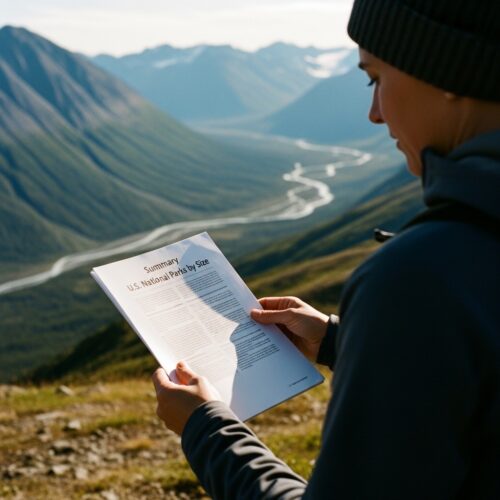
Let’s take a closer look at the largest national parks in the U.S. as of 2026. These parks offer stunning landscapes, diverse ecosystems, and unique wildlife. Here’s a handy recap of their sizes and standout features.
Table recapping park sizes and locations
| Rank | Park Name | Size (Acres) | Location |
|---|---|---|---|
| 1 | Wrangell-St. Elias National Park | 8.3 million | Alaska |
| 2 | Gates of the Arctic National Park | 7.5 million | Alaska |
| 3 | Denali National Park and Preserve | 6 million | Alaska |
| 4 | Katmai National Park | 4 million | Alaska |
| 5 | Lake Clark National Park | 1.8 million | Alaska |
| 6 | Yellowstone National Park | 3.5 million | Wyoming |
| 7 | Death Valley National Park | 3.4 million | California |
| 8 | Kobuk Valley National Park | 1.7 million | Alaska |
| 9 | Everglades National Park | 1.5 million | Florida |
| 10 | Glacier Bay National Park | 3.3 million | Alaska |
| 11 | Grand Canyon National Park | 1.2 million | Arizona |
Comparison of ecosystems and activities
Each park boasts its own unique ecosystem. For example, Denali features alpine tundra and taiga, while the Everglades showcases subtropical wetlands. Here’s a quick comparison of what you can expect:
- Wrangell-St. Elias: Glaciers and rugged mountains. Great for hiking and exploring.
- Gates of the Arctic: Remote wilderness. Perfect for solitude and wildlife spotting.
- Yellowstone: Geothermal features like geysers and hot springs. Ideal for photographers and wildlife enthusiasts.
- Death Valley: Extreme desert landscapes. Adventure awaits with sand dunes and canyons.
Visitor highlights across parks
When planning your visit, consider these highlights:
- Wrangell-St. Elias: Best for backcountry exploration. Bring your camping gear!
- Yellowstone: Don’t miss Old Faithful. Try to catch it in action!
- Everglades: Go for an airboat tour to see alligators up close. Remember, safety first!
These parks are not just vast; they’re also packed with adventure. Each one offers a unique experience that caters to different interests, from hiking to wildlife photography. So, pick your favorite and get ready for an unforgettable visit!
11. Final thoughts on visiting the largest U.S. national parks
Visiting the largest U.S. national parks is more than just an adventure. It’s a chance to connect with nature and understand our planet’s ecosystems. Let’s explore why these parks are essential and how you can enjoy them responsibly.
Importance of national parks in conservation
National parks play a vital role in conservation. They protect diverse ecosystems and wildlife. For instance, Denali National Park preserves subarctic tundra and supports species like grizzly bears and caribou. By visiting, you’re supporting conservation efforts and helping maintain these natural habitats.
Encouragement to explore and respect nature
Exploring these parks is exciting, but respect is key. Stay on marked trails to protect sensitive environments. Avoid littering and always follow park rules. Remember, you’re a guest in nature’s home. For example, when visiting the Everglades, keep a safe distance from wildlife. This ensures both your safety and the animals’ well-being.
Future of U.S. national parks
The future of national parks is crucial in the fight against climate change. These areas serve as carbon sinks, absorbing CO2 and helping mitigate global warming. As visitors, we can advocate for park funding and policies that protect these treasures.
Visitor safety tips
- Plan ahead: Check weather conditions and park alerts before you go.
- Stay hydrated: Always carry enough water, especially in desert parks like Death Valley.
- Wildlife awareness: Know what to do if you encounter animals. Keep a safe distance and never feed them.
- Pack essentials: Bring gear suited for the activities you plan, from hiking boots to binoculars for wildlife viewing.
Each park offers unique experiences. By visiting and respecting these vast landscapes, you help ensure they endure for future generations.
Frequently Asked Questions
These quick answers cover the most common questions about this topic, including key details, practical tips, and common concerns.
Can you carry a gun in Death Valley?
Yes, you can carry a firearm in Death Valley National Park, as long as you follow state and federal laws. Make sure to store guns safely and securely, and be aware of any specific park regulations regarding firearm use. Always practice responsible firearm safety and respect wildlife and other visitors.
Which president set aside Yellowstone?
Yellowstone National Park was established by President Ulysses S. Grant on March 1, 1872. It is recognized as the world’s first national park, marking the beginning of the national park movement in the United States and globally.
What is the lowest rated national park?
While ratings can vary, some parks receive fewer visitors and lower reviews due to remoteness or limited facilities. Kobuk Valley and Gates of the Arctic tend to have fewer visitors and less developed infrastructure, which may affect their ratings. However, these parks are highly valued for their untouched wilderness and ecological importance.
Who named Death Valley?
Death Valley was named by a group of California-bound pioneers in the mid-19th century during the California Gold Rush. They called it “Death Valley” because of the extreme heat and the difficulties faced by travelers crossing the area, which led to many deaths.
How do I plan a trip to Wrangell-St. Elias National Park?
Start by researching access points, as most visitors arrive via Anchorage or Fairbanks, Alaska. Plan for backcountry travel, as infrastructure is limited. Arrange transportation like guided tours, flights, or boat trips. Pack appropriate gear for wilderness conditions, and check weather and trail conditions in advance.
What wildlife can I see in Denali National Park?
Denali is home to species such as grizzly bears, moose, wolves, Dall sheep, and caribou. Wildlife viewing is best during summer months when animals are active and visible. Guided tours and park drives increase your chances of spotting these animals in their natural habitats.
Are there any entrance fees for national parks?
Most U.S. national parks charge entrance fees, which help fund maintenance and conservation. Fees vary by park, typically ranging from $20 to $35 per vehicle. Some parks offer annual passes or discounts for seniors, military members, and families.
What is the smallest national park in the U.S.?
The smallest national park is the American Samoa National Park, covering about 13,500 acres. It features tropical rainforests, coral reefs, and volcanic islands, offering a stark contrast to the large parks like Wrangell-St. Elias or Death Valley.