
Mount Rainier, towering at 14,411 feet, is considered one of America’s most underrated peaks. This iconic stratovolcano is not only the tallest mountain in the contiguous United States but also rich in biodiversity, history, and geological marvels. Discover these 12 amazing facts that highlight why Mount Rainier deserves more recognition.
1. Mount Rainier is the Tallest Peak in the Lower 48
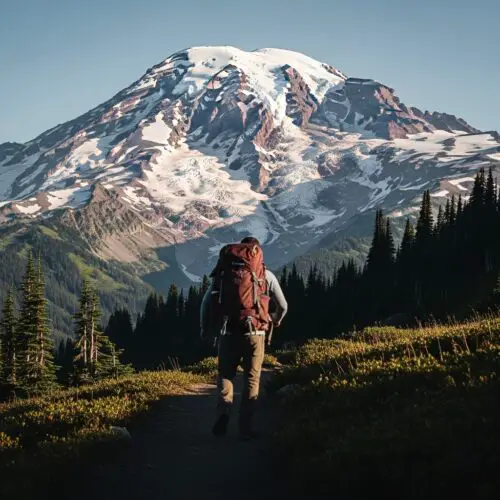
Mount Rainier, standing tall at 14,411 feet, is the highest mountain in the contiguous United States. Its impressive stature makes it a standout feature of the Cascade Range, drawing visitors year-round.
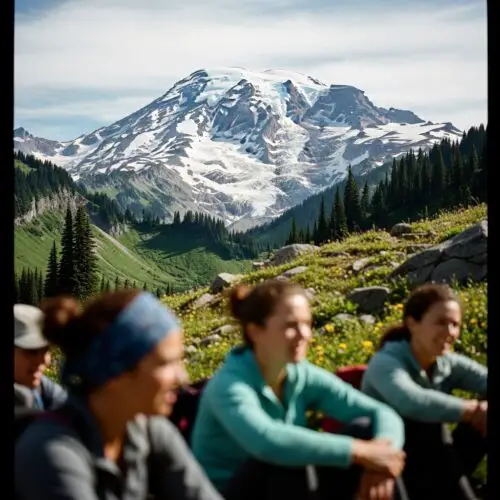
Mount Rainier’s Prominence in the Cascade Range
Mount Rainier is not just notable for its height. It holds significant geological and ecological importance. As an active stratovolcano, it shapes the landscape and influences local ecosystems.
- Height: At 14,411 feet, Mount Rainier is the tallest in the Lower 48.
- Volcanic Status: It’s an active stratovolcano, adding to its allure.
- Ecosystems: The area boasts diverse ecosystems, from lush forests to alpine meadows.
Comparison with Other Notable Peaks
When you compare Mount Rainier with other prominent peaks in the U.S., its height is impressive. Here’s how it stacks up:
| Mountain | Height (Feet) | Notable Features |
|---|---|---|
| Mount Rainier | 14,411 | Largest collection of glaciers in the contiguous U.S. |
| Mount Whitney | 14,505 | Highest in the contiguous U.S. |
| Mount Elbert | 14,440 | Tallest in Colorado |
While Mount Whitney takes the crown for the highest peak, Mount Rainier’s unique features make it a must-visit. Its glaciers are the largest in the mainland U.S., providing vital water resources.
Mount Rainier’s commanding presence is more than just its height. Its rich biodiversity and cultural significance make it a gem in the Pacific Northwest. In fact, it’s a key habitat for various wildlife, from black bears to rare wildflowers. Visitors often share stories of the breathtaking sights and experiences they encounter while exploring this majestic mountain.
2. Active Stratovolcano with Geological Wonders
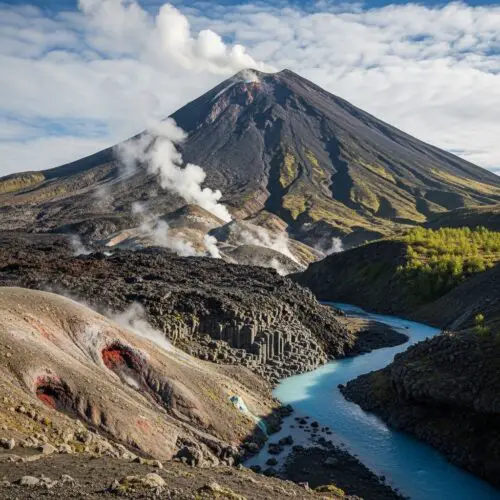
Mount Rainier is not just stunning; it’s also an active stratovolcano. It’s been a geological powerhouse for thousands of years. With its last significant eruption around 1,000 years ago, it remains a focus of study and intrigue.
Table of Contents
Understanding Stratovolcanic Activity
A stratovolcano is a volcano characterized by its steep profile and explosive eruptions. Mount Rainier, with its towering height, is a prime example. Here are some key features:
- Fumaroles: These are openings in the Earth’s crust that emit steam and gases. At Mount Rainier, they showcase the volcanic activity beneath the surface.
- Lava Flows: Evidence of past eruptions can be seen in the hardened lava flows surrounding the mountain. These flows shaped the landscape we see today.
Historical Eruptions and Their Impact on the Region
Mount Rainier’s volcanic history is rich and complex. Its eruptions have influenced not just the terrain but also the surrounding ecosystems. Here are some fascinating points:
- The last significant eruption occurred about 1,000 years ago, with smaller activities recorded since then.
- Ash layers from these eruptions provide valuable information about the mountain’s volcanic past.
- The resulting landscapes include valleys and ridges that offer diverse habitats for wildlife.
Understanding these geological features helps paint a picture of Mount Rainier as more than just a beautiful peak. It’s a living, breathing entity with a powerful past that continues to shape its environment.
3. Home to the Most Glacial Ice in the Contiguous U.S.
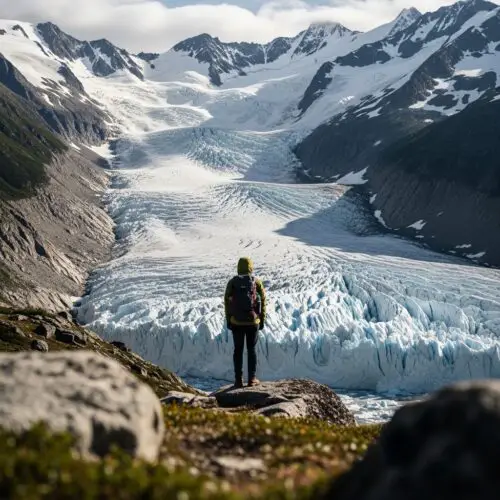
Mount Rainier is a true giant, with 25 major glaciers. This makes it the most glaciated peak in the contiguous United States. These glaciers are not just pretty to look at; they play a vital role in the local ecosystem.
Details on Glacier Formations
The glaciers on Mount Rainier are a sight to behold. They formed over thousands of years, shaped by volcanic activity and climate. Here are some key points about these icy formations:
- Size Matters: The glaciers cover about 35 square miles. That’s more glacial ice than all other Cascade volcanoes combined.
- Active and Dynamic: These glaciers are constantly moving. You can see crevasses and seracs, which are blocks of ice that break off and create dramatic landscapes.
- Lifesavers for Ecosystems: As they melt, the glaciers release fresh water into rivers and streams. This water nourishes the surrounding flora and fauna, making Mount Rainier a biodiversity hotspot.
Role of Glaciers in Environmental Conservation
Glaciers are vital for environmental health. They influence the water supply and local climate. Here’s how they make a difference:
- Water Supply: Glaciers act like natural reservoirs. They slowly release water during warmer months, keeping rivers flowing when it’s most needed. This is crucial for wildlife and plant life.
- Climate Regulation: The ice helps maintain cooler temperatures in the area. This is especially important as climate change impacts local weather patterns.
- Cultural Importance: For Native American tribes, the glaciers are not just physical features; they hold spiritual significance. They’ve been part of their land for thousands of years, serving as a source of inspiration and sustenance.
Mount Rainier’s glaciers aren’t just beautiful; they’re essential for life. Their impact on the environment and cultural history showcases why this peak deserves more recognition.
4. Cultural Significance to Native American Tribes
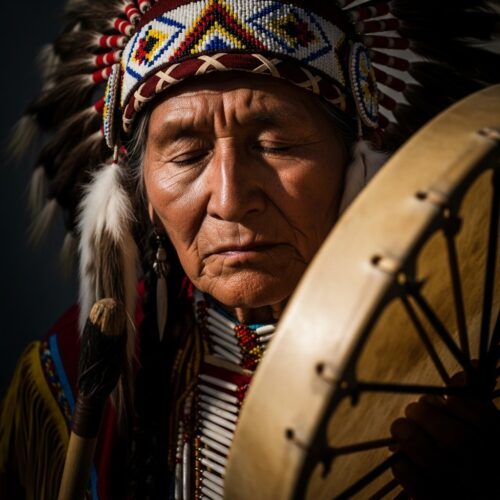
Mount Rainier is not just a stunning peak; it’s also a sacred site for several Native American tribes. They have revered this mountain for thousands of years, calling it Tahoma, which means “mother of waters.” This name reflects its deep cultural and spiritual importance.
Indigenous Names and Meanings
The mountain’s name, Tahoma, carries profound meaning. For the Puyallup and other tribes, it symbolizes sustenance and connection to the land. The mountain’s snow and glaciers supply vital water. This relationship highlights the tribe’s respect for nature and their dependency on it.
Contemporary Cultural Practices and Connections
Today, Native American tribes continue to honor their heritage tied to Mount Rainier. They hold ceremonies and rituals in designated areas within the park. These practices help preserve their culture and foster a connection with nature.
- Ceremonial Gatherings: Tribes often gather for seasonal ceremonies, celebrating the cycles of nature.
- Cultural Education: Many tribes are involved in educational programs, teaching visitors about their history and connection to the land.
- Storytelling: Tribal members share stories that explain the mountain’s significance, including legends that have been passed down through generations.
Each of these practices reinforces the bond between the tribes and Mount Rainier. By understanding this connection, we can appreciate why this peak deserves more recognition. It’s a living symbol of cultural heritage, and its stories enrich our understanding of America’s natural treasures.
5. A Historical Climbing Destination
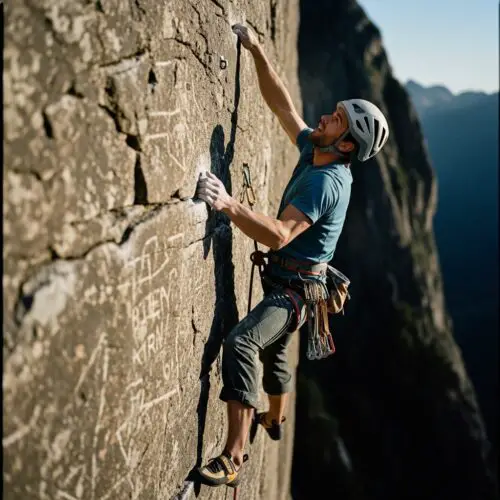
Mount Rainier has long been a magnet for climbers. Its first successful summit happened way back in 1870. Since then, it has attracted adventurers from all over the world. Let’s dive into some historic climbing achievements and current challenges faced by climbers.
Historic Climbing Achievements
- First Ascent: General Hazard Stevens and P.B. Van Trump made the first successful ascent in August 1870. Their journey paved the way for future climbers.
- Climbing Legacy: Over the years, many have followed in their footsteps. Mount Rainier has a rich climbing history, drawing both seasoned mountaineers and eager novices.
Current Challenges Faced by Climbers
Climbing Mount Rainier is not for the faint of heart. Here are some challenges climbers face today:
- Weather Conditions: The weather can change rapidly. Sudden storms can catch climbers off guard.
- Glacier Travel: Navigating the glaciers requires technical skills. Crevasses can be hidden under snow, adding to the risk.
- Route Difficulty: Popular routes like the Disappointment Cleaver and Emmons Glacier range in difficulty. Climbers should assess their skill level before attempting.
Practical Climbing Tips
If you’re planning to tackle Mount Rainier, here are some tips to consider:
- Train Physically: Make sure you’re in good shape. Cardio and strength training are essential.
- Choose the Right Time: The best climbing season is typically late June to early September.
- Join a Guided Climb: Consider going with an experienced guide, especially if you’re new to climbing. They know the terrain and can help ensure safety.
- Stay Informed: Check weather forecasts and avalanche reports before your climb.
Mount Rainier isn’t just a mountain; it’s a climbing destination steeped in history. By understanding its challenges and preparing properly, you can safely enjoy this incredible peak.
6. Diverse Flora and Fauna Habitats
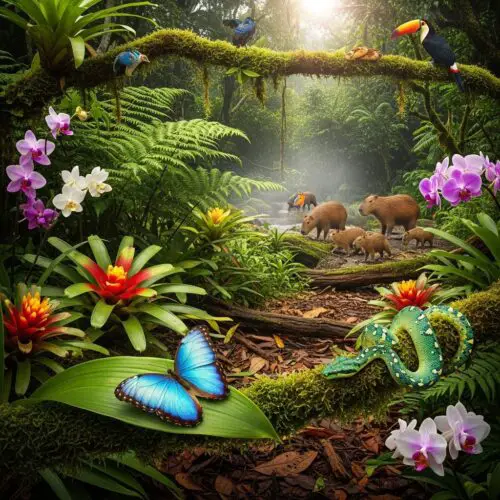
Mount Rainier is a treasure trove of ecosystems. Its old-growth forests, vibrant wildflower meadows, and rugged alpine habitats create a rich tapestry of life. Let’s dive into the unique plant species and the incredible wildlife you can find here.
Unique Plant Species in the Park
Mount Rainier boasts a stunning variety of plant life. Here are some highlights:
- Pacific Silver Fir: This tree thrives in high elevations and can grow up to 200 feet tall.
- Subalpine Meadows: In summer, these meadows burst with color, showcasing lupines, Indian paintbrush, and avalanche lilies.
- Old-Growth Forests: Some trees here are over 1,000 years old, providing habitats for many species.
These plants not only beautify the park but also play a crucial role in the ecosystem. They help stabilize the soil and provide food and shelter for wildlife.
Wildlife Diversity and Conservation Efforts
Mount Rainier is home to diverse wildlife, making it an ecological hotspot. Here are some notable residents:
- Cascade Red Fox: These elusive creatures are adapted to the harsh alpine environment.
- Mountain Goat: With their incredible climbing abilities, they roam the steep cliffs and rocky terrain.
- Black Bears and Elk: Commonly seen in the lower elevations, they contribute to the park’s biodiversity.
Conservation efforts are vital here. Park rangers monitor species populations and work to protect their habitats from threats like climate change and invasive species. For instance, they are actively working to preserve the delicate balance of alpine ecosystems as temperatures rise.
Whether you’re hiking through wildflower meadows or spotting wildlife, Mount Rainier’s flora and fauna showcase why this peak is truly underrated.
7. Seasonal Splendor and Visitor Experiences

Mount Rainier is a true spectacle throughout the year. Each season brings its own beauty, from vibrant wildflowers in summer to the stunning hues of autumn leaves. Let’s explore what makes each season special and share some visitor experiences.
Best times to visit for flora
- Spring (April – June): As the snow melts, wildflowers start to bloom. The meadows explode with color, especially around late July. Visitors rave about the stunning vistas, especially at Paradise and Sunrise.
- Summer (July – August): This is peak wildflower season. People flock to the park to hike and take in the vibrant meadows. One visitor shared, “Walking through the wildflowers felt like stepping into a painting. Every color was so vivid!”
- Fall (September – October): Autumn foliage transforms the landscape. The changing leaves create a breathtaking backdrop for hikes. Many visitors enjoy the crisp air and quieter trails. One hiker noted, “The fall colors were mesmerizing. It was less crowded, and I felt like I had the mountain to myself.”
Activities during different seasons
- Winter (November – March): The park becomes a winter wonderland. Snowshoeing and cross-country skiing are popular. The pristine landscapes attract those seeking solitude. Visitors often comment on the peacefulness that blankets the area.
- Spring Activities: Hiking trails begin to open up. It’s a great time for birdwatching as migratory species return. Families enjoy the blooming flowers and educational programs.
- Summer Fun: Hiking, photography, and camping are in full swing. The trails range from easy walks to challenging climbs. The views are absolutely rewarding. Many climbers tackle the summit during this season, sharing stories of their adventures.
- Fall Exploration: Perfect weather for hikes. Wildlife is active, and spotting elk or bears is more common. Many visitors take part in ranger-led programs to learn about the park’s ecosystem.
With each season offering something special, Mount Rainier proves to be a year-round destination. The experiences shared by visitors highlight its charm and the wonders that await at this underrated peak.
8. Recreational Opportunities for Adventure Seekers
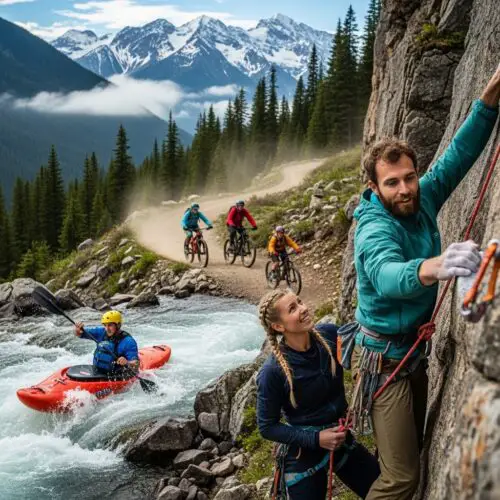
Mount Rainier National Park is an outdoor lover’s playground. With over 260 miles of trails, it’s perfect for hikers, climbers, and wildlife watchers alike. Whether you’re seeking a leisurely stroll or a challenging climb, this peak has something for everyone.
Popular Hiking Trails and Routes
Mount Rainier features a variety of hiking trails, each offering unique experiences. Here are some must-try trails:
- Paradise Loop Trail: This 5-mile loop is perfect for families. You’ll see stunning wildflowers in summer and breathtaking views of the mountain.
- Skyline Trail: A challenging 5.5-mile trail that rewards you with panoramic vistas of the park and its glaciers.
- Camp Muir: For the adventurous, this 10-mile round trip takes you to the base of the summit. It’s a strenuous hike but worth every step for the views.
Challenges and Preparation for Outdoor Activities
Before you hit the trails, prepare for the challenges that come with Mount Rainier’s diverse terrain. Here are some tips:
- Check Trail Conditions: Some trails might be closed due to snow or weather. Always check the latest updates before heading out.
- Know Your Limits: Choose a trail that matches your skill level. If you’re a beginner, stick to easier trails like the Paradise Loop.
- Pack Essentials: Bring plenty of water, snacks, and a first-aid kit. Don’t forget layers; the weather can change quickly.
Wildlife Viewing Opportunities
Mount Rainier is rich in fauna. Keep your eyes peeled for:
- Elk: Often spotted in the meadows, especially during the fall.
- Black Bears: These furry friends roam the park, but remember to keep your distance.
- Birdwatching: Look for the colorful Cascade red fox and various bird species throughout the park.
With its breathtaking scenery and diverse wildlife, Mount Rainier offers unparalleled recreational opportunities. Whether you’re hiking, climbing, or simply enjoying nature, this peak is sure to impress!
9. Environmental Challenges and Conservation Efforts

Mount Rainier is stunning, but it faces some serious environmental challenges. Climate change, invasive species, and the need for conservation efforts threaten its beauty. Let’s dive into what’s at stake and what’s being done.
Impact of climate change on glaciers
Mount Rainier boasts the largest collection of glaciers in the contiguous U.S. But these glaciers are shrinking. Rising temperatures are melting them at an alarming rate. This not only affects the stunning views but also impacts the ecosystems that rely on glacial meltwater.
- Glacial retreat: Some glaciers have lost up to 50% of their volume over the past century.
- Water supply: Glaciers provide critical water resources for surrounding communities. As they shrink, water availability may decrease.
Conservation programs in action
To combat these challenges, various conservation initiatives are actively working to protect Mount Rainier. Here are a few noteworthy efforts:
- Invasive species management: Park rangers are actively removing non-native plants that threaten local biodiversity.
- Climate monitoring: Ongoing research tracks climate impacts, helping to inform future conservation actions.
- Visitor education: Programs teach visitors about the importance of preserving natural habitats and responsible wildlife viewing.
These efforts are crucial. They ensure that Mount Rainier remains a thriving ecosystem for generations to come. Engaging with these programs can make a difference. Whether you’re hiking or volunteering, every little bit helps protect this gem.
10. Unique Weather Patterns and Their Impact
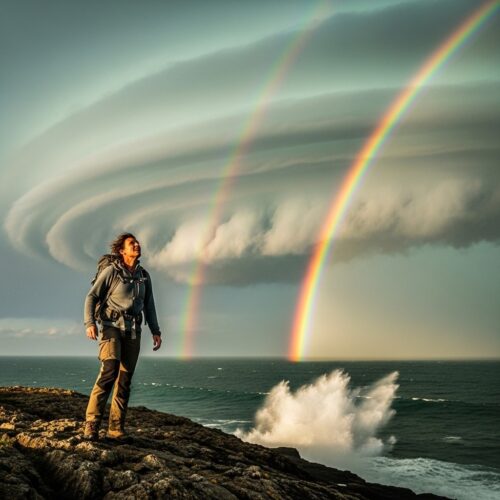
Mount Rainier is famous for its dramatic weather. This mountain sees some of the highest snowfall totals in the U.S., creating a unique environment that impacts both its ecosystems and visitors. Let’s dive into how its weather shapes the experience at this majestic peak.
Understanding Snowfall Records
Mount Rainier stands out for its impressive snowfall records. On average, the park receives about 640 inches of snow each year. That’s nearly 53 feet! This heavy snowpack is crucial for the mountain’s glaciers, which are the largest in the contiguous United States.
- Snowy Seasons: The heaviest snowfall occurs between November and March.
- Spring Thaw: As temperatures rise in late spring, the melting snow feeds rivers and nourishes the diverse flora and fauna.
Effects of Weather on Outdoor Activities
Weather plays a major role in what you can do at Mount Rainier. Here’s how it affects outdoor activities:
- Hiking: Conditions can change rapidly. Trails may be covered in snow until late June. Always check trail conditions before heading out.
- Climbing: Summer is the best time for climbing. However, even in July, snow and ice can remain on routes, making them more challenging.
- Wildlife Watching: Animals are more active during drier months. Spring and summer are prime times for spotting deer, elk, and various bird species.
Example: A visitor in July shared that they encountered a family of deer while hiking on a sunny day, but they also noted that some trails were still snowy and required extra care.
Weather is also a key factor in conservation. The snowpack supports local ecosystems, while changing weather patterns due to climate change threaten the glaciers. Keeping an eye on weather forecasts helps ensure a safe and enjoyable visit.
In short, Mount Rainier’s unique weather patterns not only contribute to its beauty but also create challenges and opportunities for those who explore its trails.
11. Mount Rainier in Popular Culture
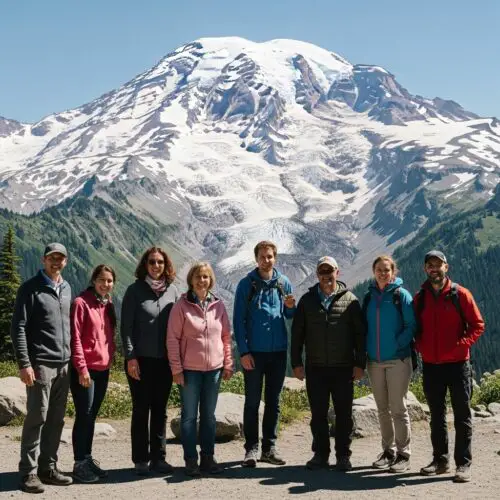
Mount Rainier has captured the hearts of many artists, writers, and filmmakers. It stands as a powerful symbol of the Pacific Northwest. Its beauty and majesty inspire countless creative expressions. Let’s explore how this iconic peak appears in various art forms.
Artistic Representations of Mount Rainier
Mount Rainier’s stunning landscapes have been a muse for many artists. Painters have captured its grandeur on canvas, reflecting its changing seasons and dramatic weather.
- Famous Artists: Notable painters like Albert Bierstadt and Thomas Moran highlighted the mountain’s beauty in their works.
- Photography: Modern photographers continue to document its stunning vistas, showcasing everything from vibrant wildflower meadows to its imposing glaciers.
These artistic endeavors help to communicate the mountain’s significance, both visually and emotionally.
Mount Rainier in Literature and Film
Mount Rainier has made its way into literature and film, reinforcing its cultural importance.
- Books: Writers have used the mountain as a backdrop for stories, emphasizing themes of adventure and exploration.
- Films: Movies often feature Mount Rainier to evoke a sense of wonder and connection to nature.
These narratives not only entertain but also foster a deeper appreciation for the mountain’s beauty and history.
Example of Cultural Impact
One striking example is the book “Mount Rainier: A Climber’s Guide.” This guide not only offers climbing tips but also shares tales of those who have ventured onto its slopes. It illustrates the mountain’s role in shaping the climbing culture in the region.
In summary, Mount Rainier’s influence extends beyond its physical presence. It resonates through art, literature, and film, enriching our understanding and appreciation of this incredible peak.
Frequently Asked Questions
These quick answers cover the most common questions about this topic, including key details, practical tips, and common concerns.
What are 5 interesting facts about Mount Rainier?
Mount Rainier is the tallest mountain in the lower 48 states at 14,411 feet. It has the most glaciers of any U.S. peak, covering about 35 square miles. The mountain is an active stratovolcano with eruptions dating back around 1,000 years. It is sacred to Native American tribes, who have called it Tahoma. Additionally, it supports diverse ecosystems, from lush forests to alpine meadows.
How many climbers have died on Mount Rainier?
Over 300 climbers have died attempting to summit Mount Rainier since records began. The mountain’s challenging weather, crevasses, and steep routes contribute to these risks. Most fatalities occur during the summer climbing season, often due to falls, avalanches, or weather-related incidents. Proper preparation and guided climbs significantly reduce these dangers.
What did Native Americans call Mount Rainier?
Native American tribes, including the Puyallup, Nisqually, and others, called Mount Rainier “Tahoma,” meaning “mother of waters.” They regarded it as a sacred mountain, vital for water sources and spiritual practices. The mountain features prominently in their legends and cultural traditions, symbolizing life, sustenance, and spiritual connection.
Are there grizzly bears on Mount Rainier?
No, grizzly bears are not found in Mount Rainier National Park. The park is home to black bears, which are smaller and more adaptable to the environment. Black bears are commonly seen in the lower elevations, especially in forested areas. Visitors should practice bear safety and keep a respectful distance if they encounter wildlife.
When is the best time to visit Mount Rainier for wildflowers?
The best time to see wildflowers at Mount Rainier is from late July to early August. During this period, alpine meadows burst with colorful blooms like lupines, Indian paintbrush, and avalanche lilies. Visiting during peak wildflower season offers stunning scenery and vibrant photo opportunities.
What are the main hazards when climbing Mount Rainier?
Key hazards include rapidly changing weather, crevasses on glaciers, avalanches, and altitude sickness. Climbers face steep, icy routes that require technical skills. Weather can shift from sunny to stormy quickly, so proper gear, training, and awareness are essential for safety.
How does Mount Rainier’s ecosystem support wildlife?
Mount Rainier’s diverse habitats—from forests to alpine zones—support species like black bears, mountain goats, elk, and numerous bird species. The glaciers supply freshwater, which sustains plant and animal life. Conservation efforts help protect these ecosystems from climate change and invasive species.
What recreational activities are available at Mount Rainier?
Visitors can enjoy hiking, camping, wildlife watching, and photography year-round. During winter, snowshoeing and cross-country skiing are popular. Climbers can attempt summits via various routes, often guided by experts. The park offers ranger-led programs and scenic drives to explore its natural beauty.