
Badlands National Park is a stunning geological wonder located in South Dakota, featuring unique rock formations and rich fossil beds. In this 2026 Visitor Edition, we present 12 incredible facts that will enhance your experience and appreciation of this spectacular park.
1. Badlands National Park is a Geological Marvel
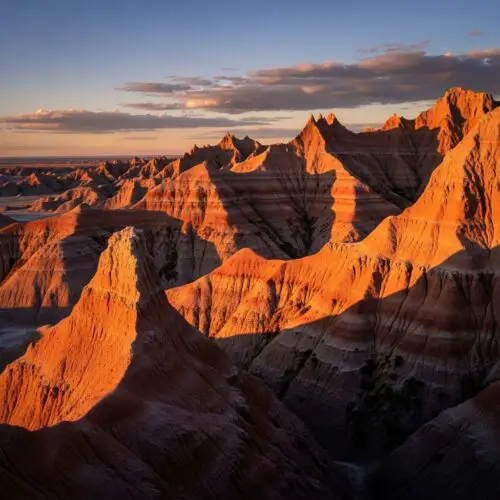
Badlands National Park is home to some of the most stunning geological formations you’ll ever see. Think buttes, pinnacles, and deep canyons that tell a story millions of years in the making.
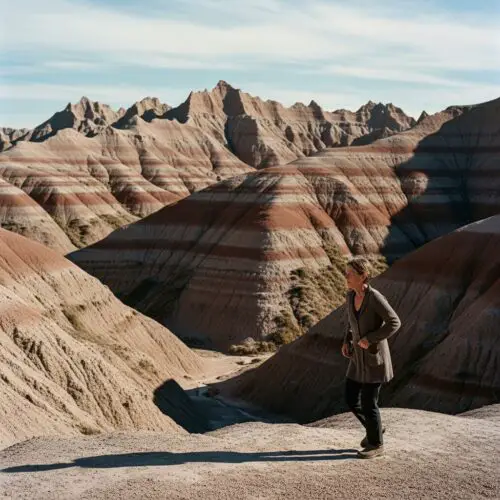
The Formation Process of the Badlands
The Badlands were formed through a combination of volcanic activity and sedimentation. Over time, layers of rock and ash piled up. Erosion, driven by wind and water, sculpted these layers into the dramatic cliffs and valleys we see today.
Erosion and Its Effects
Erosion has played a massive role in shaping Badlands National Park. The soft sedimentary rocks are constantly being worn away. This process creates unique features like:
- Buttes: Isolated hills with steep, often vertical sides.
- Pinnacles: Tall, thin spires of rock that rise sharply.
- Deep Canyons: Carved by rainwater, these canyons are perfect for hiking and exploring.
Unique Features to Look For
When you visit, keep an eye out for some of these geological wonders:
Table of Contents
- Striking Color Variations: The rocks display a palette of reds, yellows, and grays.
- Fossil Beds: The park is one of the richest fossil sites globally. You might even spot some dinosaur bones!
- Layered Rock Formations: These formations date back around 69 million years, showcasing different geological eras.
If you’ve been to other national parks, you might notice that the Badlands’ formations stand out. While parks like Grand Canyon feature massive cliffs and deep gorges, Badlands offers a more intricate, layered landscape. Each park has its charm, but the unique geology of Badlands National Park is truly one-of-a-kind.
So, pack your hiking boots and get ready to explore this geological marvel!
2. Home to the Richest Fossil Beds
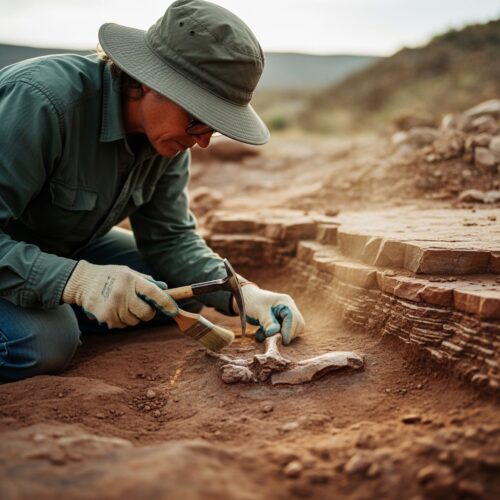
Badlands National Park is a treasure trove of fossils. These ancient remains tell stories of ecosystems long gone. Here, visitors can connect with the past in a unique way.
The Significance of Fossil Beds
The fossil beds in Badlands are among the richest in the world. They date back to the late Eocene and early Oligocene epochs. This means they hold clues about life from around 28 to 37 million years ago. The park preserves layers of rock that showcase various prehistoric species. It’s like a living museum of ancient life.
Notable Fossil Discoveries
Some incredible fossils have been discovered here, including:
- Three-toed horses: These fascinating creatures roamed the plains, adapting to their environment.
- Giant camels: Yes, camels in South Dakota! These animals were quite different from their modern relatives.
- Rhinoceroses and alligators: Fossils of these animals paint a picture of a once-thriving ecosystem.
Each discovery adds to our understanding of evolution and biodiversity.
How Fossils Contribute to Science
Fossils are vital for scientific research. They help paleontologists understand how life evolved. Studying these remains provides insights into ancient climates and habitats. The fossil beds also serve as a crucial educational resource. Visitors can learn about the park’s history and the importance of conservation.
Exploring the fossil beds is a must for anyone visiting Badlands National Park. You never know what ancient secrets might be waiting to be uncovered!
3. Diverse Wildlife Populations
Badlands National Park is bursting with life. From majestic mammals to colorful birds, the park is a haven for wildlife lovers. Let’s dive into some incredible species that call this unique landscape home.
Species to Watch For
- Bison: These massive creatures roam the park’s grasslands. They are a symbol of the American West and can weigh up to 2,000 pounds!
- Bighorn Sheep: Look for these agile climbers on rocky cliffs. They are known for their impressive horns and are a favorite among hikers.
- Prairie Dogs: These small, social rodents live in colonies. Their playful antics are fun to watch, especially in the early morning hours.
- Golden Eagles: Keep an eye on the sky for these magnificent birds. They soar high and can spot prey from miles away.
- Burrowing Owls: These adorable little owls nest in underground burrows. They’re small but full of personality!
Best Times for Wildlife Viewing
Timing your visit can make all the difference in spotting wildlife. Here are some tips for the best viewing experiences:
- Early Morning: Animals are most active at dawn. This is prime time for seeing bison and deer.
- Late Afternoon: As the sun begins to set, many animals come out to feed. Evening is a great time for birdwatching.
- Seasonal Changes: Different species appear throughout the year. Spring brings baby animals, while fall offers vibrant colors and migrations.
Conservation Efforts in the Park
Preserving wildlife is crucial. Badlands National Park actively works to protect its unique species. Here are some highlights:
- Endangered Species Protection: The park is home to vulnerable species like the black-footed ferret. Efforts are in place to monitor and boost their populations.
- Habitat Restoration: Projects are underway to restore habitats that support diverse wildlife. This helps maintain ecological balance within the park.
- Visitor Education: The park provides resources to educate visitors about the importance of conservation. Learning about local wildlife enhances the experience for everyone.
By being mindful of the park’s wildlife and following these tips, you can enjoy a truly unforgettable experience at Badlands National Park!
4. Cultural Significance and Native American History
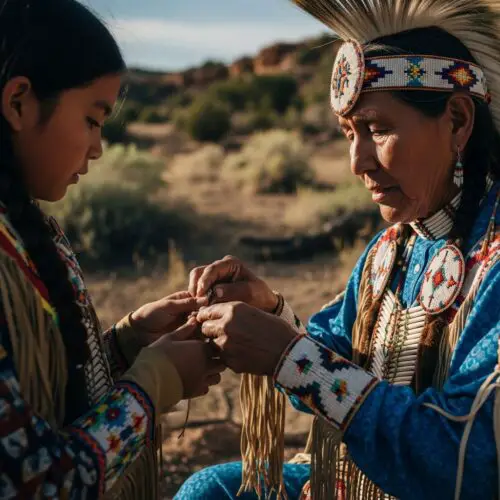
The Badlands are more than just stunning landscapes. They hold deep cultural significance, especially for the Lakota Sioux and other Native American tribes. Their stories and traditions enrich the park’s history.
Historical Usage of the Land
For thousands of years, Native American tribes have called this area home. The Lakota Sioux used the Badlands as a hunting ground for food and resources. They named it “Mako Sica,” which translates to “bad lands.” This name reflects both the landscape’s challenges and its beauty.
Impact on Modern Native Communities
Today, the legacy of Native American tribes continues to influence the region. Their connection to the Badlands remains strong. Many modern Lakota people work to preserve their culture and share their history with visitors. This includes hosting events and sharing oral histories that celebrate their rich heritage.
Key Cultural Sites in the Park
Visitors can explore several significant sites within Badlands National Park. Here are a few highlights:
- Petroglyphs: Ancient rock carvings offer glimpses into the lives of the tribes who once roamed this land.
- Archaeological Sites: These locations reveal artifacts and evidence of past cultures, illustrating how Native Americans lived and thrived here.
- Cultural Events: Check for events that allow visitors to experience traditional Lakota music, dance, and storytelling.
Engaging with these cultural elements enhances the visitor experience. It creates a deeper understanding of the land and its original inhabitants. Visitors often leave with a newfound respect for the history and culture embedded within the Badlands.
5. Unique Hiking Trails for All Levels
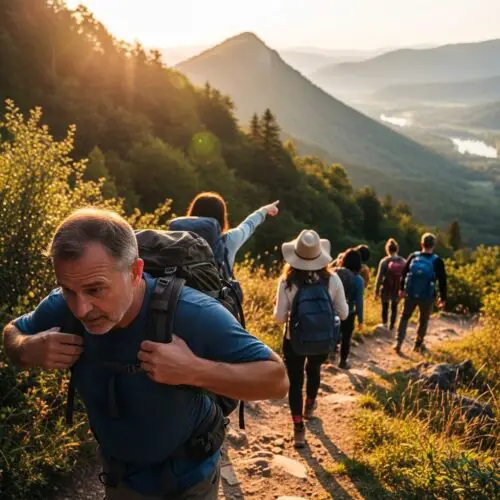
Badlands National Park offers a fantastic range of hiking trails for everyone. Whether you’re a beginner or an experienced hiker, there’s something here for you. Let’s dive into some recommended trails and tips to make your hiking experience unforgettable.
Top Recommended Trails
1. Notch Trail:
- Length: 1.5 miles
- Difficulty: Moderate
- Highlights: Stunning views from a cliff edge and a wooden ladder climb.
2. Castle Trail:
- Length: 10 miles (round trip)
- Difficulty: Moderate
- Highlights: Explore the park’s largest concentration of fossils and unique rock formations.
3. Window Trail:
- Length: 0.5 miles
- Difficulty: Easy
- Highlights: Perfect for families, this short hike leads to a picturesque viewpoint.
4. Fossil Exhibit Trail:
- Length: 0.25 miles
- Difficulty: Easy
- Highlights: An accessible path showcasing real fossil replicas and educational signs.
5. Saddle Pass Trail:
- Length: 0.5 miles
- Difficulty: Moderate
- Highlights: Ascend steeply for amazing panoramic views.
Safety Tips for Hiking
- Stay Hydrated: Carry enough water, especially in the summer.
- Dress Appropriately: Wear sturdy shoes and weather-appropriate clothing.
- Watch the Weather: Conditions can change quickly; check forecasts before heading out.
- Stay on Trails: Protect the park’s ecosystem by sticking to marked paths.
- Inform Someone: Let someone know your hiking plans for safety.
Family-Friendly Hiking Options
Families can enjoy several easy trails that are perfect for kids:
- Window Trail: A short, easy trek with a rewarding view.
- Fossil Exhibit Trail: Engaging for kids with its fun educational displays.
- Cliff Shelf Nature Trail: A 0.5-mile loop with shady spots and wildlife viewing opportunities.
Trail Difficulty Chart
| Trail Name | Length (miles) | Difficulty | Highlights |
|---|---|---|---|
| Notch Trail | 1.5 | Moderate | Cliff edge views |
| Castle Trail | 10 | Moderate | Fossil concentration |
| Window Trail | 0.5 | Easy | Scenic viewpoint |
| Fossil Exhibit Trail | 0.25 | Easy | Fossil replicas |
| Saddle Pass Trail | 0.5 | Moderate | Panoramic views |
With these trails and tips, you’ll be ready for an amazing hiking adventure in Badlands National Park. Enjoy the stunning landscapes and unique geological features along the way!
6. Scenic Drives and Overlooks

Badlands National Park is a feast for the eyes. With its unique landscapes, there are many scenic drives and overlooks that offer breathtaking views. Let’s dive into the best spots to soak in the beauty!
Must-see scenic drives
1. Badlands Loop Road (SD 240)
This is the main road through the park. It’s paved and perfect for all vehicles. Along the way, you’ll find access to trails, overlooks, and the visitor center. Make sure to take your time and stop at the many pull-offs for stunning views.
2. Sage Creek Rim Road (SD 590)
This unpaved road leads to some hidden gems and overlooks. It’s a bit bumpier but totally worth it. Keep an eye out for wildlife along the way. It’s a great spot for a quieter experience.
Best overlooks for photography
- Big Badlands Overlook
Located right at the entrance, this is a fantastic spot for sunrise. The soft morning light makes the Badlands’ colors pop.
- Pinnacles Overlook
This overlook offers panoramic views of the majestic formations. The contrast of the rock layers is simply stunning.
- Yellow Mounds Overlook
Known for its vibrant colors, this spot is perfect for capturing those Instagram-worthy shots. The layers of sediment create a rainbow effect!
Driving tips and precautions
- Stay on marked roads
It’s essential to stick to the paved or designated paths. The terrain can be tricky, and staying on the road ensures your safety.
- Watch for wildlife
Animals like bison and prairie dogs roam freely. Slow down and give them space. A close encounter can be memorable, but safety comes first!
- Plan for stops
Allow extra time for stops at overlooks. Each viewpoint offers unique perspectives. You won’t want to miss a single photo opportunity!
With these scenic drives and overlooks, your visit to Badlands National Park will be unforgettable! Make sure to have your camera ready and enjoy the stunning views.
7. Night Sky and Stargazing Opportunities

Badlands National Park isn’t just stunning during the day; it transforms into a celestial wonderland at night. As an International Dark Sky Park, it offers some of the best stargazing experiences around. Let’s dive into what makes this place so special after the sun sets.
Stargazing is special here
The park’s remote location means minimal light pollution. This allows for breathtaking views of the night sky. You can see the Milky Way stretching across the horizon and countless stars twinkling above. Visitors often spot constellations like Orion, Ursa Major, and even the Andromeda Galaxy!
Tips for stargazing
To make the most of your stargazing experience, keep these tips in mind:
- Bring a blanket or chair: Get comfortable while you gaze at the stars.
- Use a red flashlight: This helps preserve your night vision.
- Check the moon phase: A new moon night is best for viewing stars without interference.
- Dress warmly: It can get chilly at night, even in summer.
Events and programs related to astronomy
Badlands National Park hosts various events throughout the year. These include ranger-led stargazing programs. They offer insights into the night sky, constellations, and the significance of dark skies. Be sure to check the park’s schedule for upcoming events during your visit.
Exploring the night sky in Badlands is a magical experience that adds a whole new dimension to your visit. Whether you’re an amateur astronomer or just someone who loves the beauty of nature, the stars here will not disappoint.
8. Weather and Climate Variability
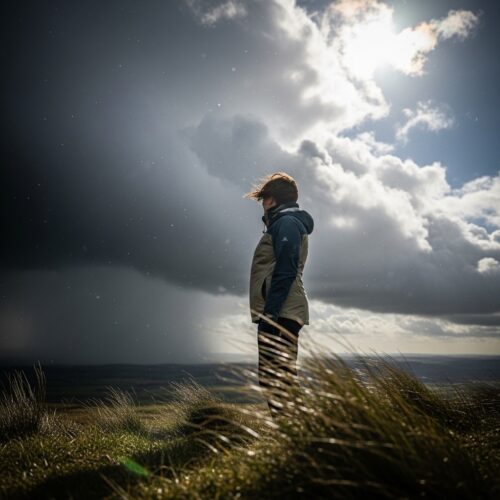
Understanding the climate at Badlands National Park is crucial for planning your visit. The weather can change quickly, so being prepared is key!
Typical Weather Patterns
Badlands National Park experiences dramatic temperature swings. Summer can be scorching, with highs reaching over 90°F. In contrast, winter brings bone-chilling cold, sometimes dropping to -40°F. Here’s a quick rundown:
- Summer (June-August): Hot and dry, occasional thunderstorms.
- Fall (September-October): Mild temperatures, vibrant colors.
- Winter (November-March): Cold, with snowfall and limited access.
- Spring (April-May): Mild temperatures and blooming wildflowers.
Best Times to Visit Based on Weather
For the best experience, consider visiting during the shoulder seasons—April to June and September to early October. These months offer pleasant weather and fewer crowds. If you’re planning a summer visit, aim for early mornings or late afternoons to avoid the heat. Here’s a simple guide:
- April-May: Wildflowers bloom, great for hiking.
- June: Can be hot; storms are possible.
- September-October: Perfect for fall colors and wildlife sightings.
Dress for the Climate
Packing smart is essential for a comfortable trip. Here’s a seasonal checklist:
- Summer:
- Lightweight clothing
- Sunscreen and a hat
- Plenty of water
- Fall:
- Layers for fluctuating temperatures
- Comfortable hiking shoes
- Winter:
- Warm clothing, including thermal layers
- Waterproof boots for snowy trails
- Spring:
- Light jacket for cooler mornings
- Binoculars for wildlife watching
By being aware of the climate and dressing accordingly, you can fully enjoy the stunning landscapes and unique geology of Badlands National Park!
9. Entrance Fees and Access

Planning your visit to Badlands National Park? Knowing the entrance fees and how to get around can make your trip smoother. Here’s what you need to know!
Current Entrance Fees
- Private Vehicle: $30 for a 7-day pass
- Motorcycle: $25 for a 7-day pass
- Individual (on foot or bike): $15 for a 7-day pass
- Annual Pass: $55 for unlimited visits in a year
These fees help maintain the park’s natural beauty and provide facilities for visitors. For a bit of perspective, entrance fees at nearby parks like Custer State Park are similar, making Badlands a great value for your adventure!
Access Points and Directions
Badlands National Park has several access points:
- Northeast Entrance: Close to Wall, SD. Ideal for quick access.
- Saddle Pass Entrance: Perfect for those looking to hike right away.
- South Entrance: A scenic route from the surrounding Black Hills.
Make sure to check park maps for the best routes. GPS might not always work perfectly in remote areas!
Transportation Options Around the Park
Getting around the park is easy, but planning helps. Here are your options:
- Private Vehicle: Ideal for self-guided tours. The Loop Road offers breathtaking views.
- Biking: Great for those looking to explore at a slower pace. Just be cautious on busy roads.
- Shuttle Services: Check local providers for shuttle services from nearby towns. This can save you the hassle of parking.
Remember, the park is vast. Bring plenty of water and snacks, especially if you plan to hike. Enjoy the stunning views, and happy exploring!
10. Unique Flora of Badlands National Park
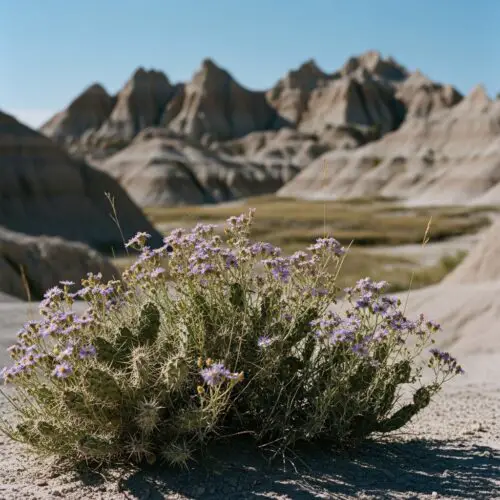
Badlands National Park is not just about stunning landscapes and fascinating geology. The park is also home to a unique variety of plant life. These plants play a crucial role in the ecosystem and add to the park’s beauty.
Common Plant Species
You’ll find several notable plant species in the Badlands. Here are a few you might spot:
- Prairie Grasses: These are the backbone of the park’s grasslands. Species like blue grama and needle-and-thread grass thrive here.
- Cacti: Look out for the prickly pear cactus. It’s well-adapted to the dry conditions.
- Wildflowers: In spring and summer, vibrant wildflowers like the Indian paintbrush and purple coneflower bloom, adding splashes of color.
Ecological Significance of Flora
The plants in Badlands serve many important ecological functions. They help stabilize the soil and prevent erosion. This is crucial in an area with such dramatic geological features.
- Habitat: Many animals depend on these plants for food and shelter. Birds, insects, and small mammals all benefit from the diverse plant life.
- Biodiversity: The variety of species supports a balanced ecosystem. This diversity is key to the park’s health and resilience.
Seasonal Changes in Plant Life
The flora in Badlands changes dramatically with the seasons. Here’s a quick overview:
- Spring: Wildflowers bloom, attracting pollinators. Green grasses emerge after winter.
- Summer: The landscape is lush, with full growth. Cacti produce stunning flowers.
- Fall: Grasses turn golden, and many plants prepare for dormancy. It’s a beautiful time for photography.
- Winter: Many plants go dormant. The stark beauty of the landscape makes for a different kind of charm.
Each season offers unique opportunities to experience the park’s flora. Whether you’re hiking or just enjoying the views, there’s always something new to see in the Badlands!
11. Visitor Programs and Educational Opportunities

Badlands National Park offers a variety of educational programs and ranger-led activities that make your visit memorable. Whether you’re traveling with family or exploring solo, there’s something for everyone to learn and enjoy.
Types of Educational Programs Offered
- Junior Ranger Program: Kids can earn a badge by completing fun activities that teach them about the park’s natural and cultural history. It’s a great way for children to connect with nature!
- Guided Nature Walks: Join a park ranger on a walk to discover the unique biodiversity of the Badlands. Learn about local plants and animals while enjoying stunning views.
- Educational Workshops: These hands-on workshops cover topics like geology, fossils, and wildlife. Activities might include fossil digging or rock identification, giving participants a deeper understanding of the park.
Participate in Ranger-Led Activities
Ranger-led activities are a highlight for many visitors. These include:
- Scenic Tours: Discover breathtaking landscapes while a ranger shares insights about the geology and ecology of the area.
- Wildlife Spotting: Join rangers to learn how to identify local wildlife. It’s an excellent opportunity to see animals in their natural habitat.
- Evening Programs: Some evenings, rangers host special talks about the night sky or local history. These programs enhance your experience after the sun sets.
Kids Programs and Family Activities
Families will find plenty to do in Badlands. Programs designed for kids include:
- Kids’ Camps: These camps immerse children in outdoor learning through activities like hiking and wildlife observation. They also promote teamwork and a love for nature.
- Craft Projects: Kids can engage in creative activities that relate to the park’s unique ecosystems. It’s a fun way to learn and create lasting memories.
Upcoming Events Calendar
Here’s a sneak peek at some upcoming events you won’t want to miss:
- Spring Wildflower Walks: Explore blooming wildflowers with a ranger.
- Summer Stargazing Nights: Join rangers for a night under the stars, learning about constellations.
- Fall Geology Talks: Discover the fascinating geological history of the Badlands.
Check the park’s official website for specific dates and more details on these exciting events!
12. Essential Tips for First-Time Visitors

Planning your first trip to Badlands National Park? You’re in for a treat! Here are some essential tips to make the most of your adventure.
Preparation Tips
- Check the Weather: Badlands can be unpredictable. Temperatures can swing from scorching to freezing. Dress in layers and be prepared for sudden changes.
- Stay Hydrated: Bring plenty of water, especially in summer. The dry climate can dehydrate you quickly.
- Plan Your Route: Use interactive maps available at the visitor center. They’ll help you navigate the park and highlight points of interest.
Safety Reminders
- Stay on Trails: Straying off marked trails can lead to injury and damage to the landscape. Respect the park’s natural beauty.
- Watch for Wildlife: The park is home to diverse species. Maintain a safe distance from animals; they are wild and can be unpredictable.
- Avoid Slick Trails: After rain, trails can become muddy and slippery. This clay can cling to your shoes, making it difficult to hike. If the ground looks wet, consider another route.
Cultural Sensitivity and Respect
- Learn the History: The Badlands hold significant Native American heritage. Take time to understand the cultural importance of the land.
- Leave No Trace: Follow the Leave No Trace principles. Pack out what you pack in to preserve this beautiful area for future generations.
- Be Mindful of Noise: Keep your volume down. This is a peaceful environment where wildlife thrives.
Visitor Checklist
Here’s a quick checklist for your visit:
- [ ] Layered clothing for changing weather
- [ ] Sufficient water supply
- [ ] Trail maps and guides
- [ ] Snacks for energy
- [ ] Respect for wildlife and cultural sites
Using these tips will help ensure that your visit to Badlands National Park is both enjoyable and respectful. Happy exploring!
Frequently Asked Questions
These quick answers cover the most common questions about this topic, including key details, practical tips, and common concerns.
What are some cool facts about the Badlands National Park?
Badlands National Park features stunning layered rock formations, including buttes, pinnacles, and deep canyons shaped by erosion over millions of years. It contains some of the world’s richest fossil beds, revealing ancient species like three-toed horses and giant camels. The park is also home to diverse wildlife, including bison, bighorn sheep, and golden eagles, and holds cultural significance for Native American tribes such as the Lakota Sioux.
What is the only state with no National Park?
Delaware is the only U.S. state without a designated National Park. However, it has national historic sites and parks managed by other agencies. South Dakota, where Badlands National Park is located, is known for multiple national parks and monuments.
What movie was filmed at the Badlands?
The 1970 film “Little Big Man,” starring Dustin Hoffman, was filmed in parts of the Badlands. Its rugged landscape has also served as a backdrop for numerous other movies and commercials due to its dramatic scenery.
What is considered the prettiest National Park?
Beauty is subjective, but many consider Banff National Park in Canada or Yellowstone in the U.S. as some of the prettiest. Within the U.S., parks like Yosemite and Glacier are frequently praised for their breathtaking landscapes. Badlands stands out for its unique, colorful rock formations and geological features.
How do I plan a visit to Badlands National Park?
Start by choosing the best time based on weather and wildlife viewing, typically spring or fall. Plan your route using the park’s scenic drives and trails, and check for current conditions. Pack essentials like water, layered clothing, and a camera. Reserve accommodations or plan for camping if needed, and review park regulations.
Why is Badlands National Park significant?
The park is geologically significant due to its unique layered formations and erosion processes that reveal millions of years of Earth’s history. It also holds invaluable fossil beds that provide insights into prehistoric life. Culturally, it is sacred to Native American tribes and preserves their history and traditions.
When is the best time to visit Badlands for wildlife viewing?
Early spring and fall are ideal for wildlife viewing. Spring brings active baby animals and blooming wildflowers, while fall offers vibrant foliage and migration opportunities. Early mornings and late afternoons are best for spotting animals like bison and pronghorn antelope.
What are some common challenges first-time visitors face at Badlands?
Visitors often underestimate the park’s weather variability and the need for proper preparation. Challenges include dehydration in summer heat, navigating rugged trails, and respecting wildlife. It’s important to stay on marked paths, carry enough water, and be mindful of cultural sites to ensure a safe and respectful visit.