
Olympic National Park is home to some of the most breathtaking hikes in America. In this expert-ranked guide, we explore the 11 best hikes in the park for 2026, catering to all skill levels and showcasing the diverse landscapes that make this destination a must-visit for outdoor enthusiasts.
Overview of Olympic National Park’s Hiking Trails
Olympic National Park is a hiker’s paradise, brimming with diverse landscapes. From towering mountains to lush forests and stunning coastlines, there’s something for everyone here. Let’s dive into what makes these trails special.
Diverse Ecosystems
Olympic National Park boasts several unique ecosystems. Here’s a quick overview:
- Mountains: Home to the majestic Mount Olympus, the rugged peaks offer challenging hikes and breathtaking views.
- Rainforests: The Hoh Rainforest is a wonderland of towering trees and vibrant moss. Expect to see unique flora and fauna here.
- Coastlines: The Pacific Coast features stunning beaches like Rialto Beach, where you can explore tide pools and watch for marine wildlife.
Trail Variety and Difficulty Levels
The park’s trails cater to all skill levels. Whether you’re a beginner or an experienced hiker, you’ll find a trail that suits you:
- Easy Trails: Family-friendly options like the Marymere Falls Trail are perfect for leisurely strolls.
- Moderate Trails: For those looking for a bit more challenge, the Sol Duc Falls Trail offers stunning views and a bit of elevation gain.
- Difficult Trails: Advanced hikers will love the Hoh River Trail, which leads to the heart of the rainforest.
Wildlife Encounters
Hiking in Olympic National Park isn’t just about the scenery; it’s also about the wildlife. Keep your eyes peeled for:
Table of Contents
- Black Bears: Often seen in the forested areas.
- Elk: Common in the meadows, especially around Hurricane Ridge.
- Marine Life: Watch for seals and sea otters along the coast.
Seasonal Tips
To make the most of your hiking experience, consider these seasonal tips:
- Spring: Wildflowers bloom, making it a vibrant time for hiking.
- Summer: This is peak season, so expect crowds. Arrive early for the best experience.
- Fall: The changing leaves provide stunning views and fewer hikers.
- Winter: Some trails may be snow-covered, so be prepared for winter hiking gear.
These diverse trails and ecosystems make Olympic National Park an incredible destination for hikers. No matter when you visit, there’s always something new to discover.
Top 11 Hikes in Olympic National Park for 2026
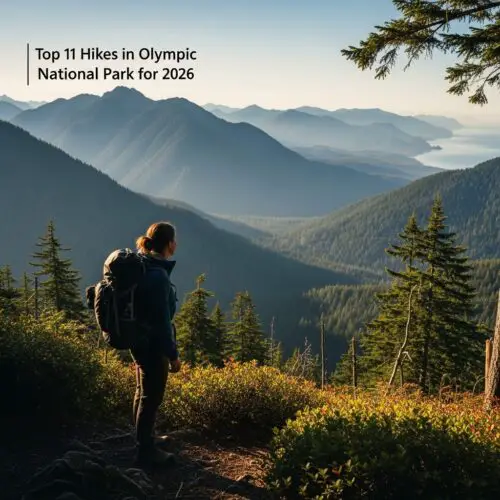
Olympic National Park is a hiker’s paradise. With diverse trails, stunning scenery, and unique ecosystems, there’s something for everyone. Here are the top 11 hikes you can explore in 2026.
1. Hurricane Hill – A Scenic Subalpine Adventure
- Difficulty: Moderate
- Distance: 3.2 miles round trip
- Scenic Highlights: Incredible views of the Olympic Mountains and the Strait of Juan de Fuca.
- Accessibility: A paved path makes it accessible for many visitors.
Hurricane Hill offers a gentle climb through wildflowers in summer. Keep an eye out for mountain goats! They love to roam this area, especially during the warmer months.
2. Hoh Rain Forest Trail – Immerse in Lush Greenery
- Difficulty: Easy
- Distance: 1.2 miles loop
- Scenic Highlights: A magical forest filled with towering trees and vibrant moss.
- Accessibility: The trail is well-maintained and suitable for families.
Walking this trail feels like stepping into a fairy tale. The vibrant greens and unique wildlife make it a must-see. Don’t forget your camera; the light filtering through the trees is breathtaking!
3. Sol Duc Falls – A Family-Friendly Hike
- Difficulty: Easy
- Distance: 1.6 miles round trip
- Scenic Highlights: Gorgeous waterfall views and old-growth forests.
- Accessibility: The trail is mostly flat and great for kids.
Sol Duc Falls is perfect for families. The sound of rushing water is soothing, and the trail is short enough for little ones to enjoy. Plus, there are picnic areas nearby for a post-hike snack!
4. Rialto Beach – A Coastal Wonder
- Difficulty: Easy to Moderate
- Distance: 4 miles round trip to Hole-in-the-Wall
- Scenic Highlights: Dramatic sea stacks and tide pools filled with marine life.
- Accessibility: Beach access is straightforward, but the sand can be tricky.
Rialto Beach is a fantastic spot for tide pooling. Visit during low tide to see the vibrant sea creatures up close. The sunset views here are unforgettable!
5. Mount Olympus – A Challenging Adventure
- Difficulty: Hard
- Distance: 16 miles one way
- Scenic Highlights: Glaciers, alpine lakes, and rugged mountain scenery.
- Accessibility: This trail is for experienced hikers only.
If you’re up for a challenge, Mount Olympus is the ultimate test. The views from the summit are worth the effort. Plan for multi-day trips, as it requires backcountry camping.
6. Enchanted Valley – The “Valley of 10,000 Waterfalls”
- Difficulty: Moderate
- Distance: 13 miles one way
- Scenic Highlights: Stunning waterfalls and lush foliage.
- Accessibility: A well-defined trail makes it accessible for most.
The Enchanted Valley is a favorite among backpackers. During spring, the waterfalls are at their peak. Keep an eye out for elk grazing in the meadows!
7. Marymere Falls – A Short but Sweet Hike
- Difficulty: Easy
- Distance: 1.2 miles round trip
- Scenic Highlights: A beautiful waterfall cascading down mossy rocks.
- Accessibility: Family-friendly and suitable for all ages.
Marymere Falls is perfect for a quick outing. The trail is well-marked and leads to a stunning viewpoint of the falls. It’s a great spot for a family photo!
8. Cathedral Trail – For the Adventurous
- Difficulty: Hard
- Distance: 7 miles round trip
- Scenic Highlights: Unique rock formations and breathtaking vistas.
- Accessibility: Steep sections require good hiking shoes and fitness.
Cathedral Trail offers an exhilarating climb. The views from the top are worth the effort. Bring plenty of water and snacks for the journey!
9. Cape Alava – Coastal Exploration
- Difficulty: Moderate
- Distance: 3 miles round trip
- Scenic Highlights: Secluded beaches and rich wildlife.
- Accessibility: Some muddy sections, so be prepared.
Cape Alava is a hidden gem. The beach is often quiet, perfect for a peaceful stroll. Watch for seals and interesting tide pool discoveries along the way!
10. Seven Lakes Basin – A Lakeside Paradise
- Difficulty: Hard
- Distance: 13 miles round trip
- Scenic Highlights: Beautiful alpine lakes and wildflower fields.
- Accessibility: Requires a good level of fitness.
Seven Lakes Basin is for those craving adventure. The scenery is stunning, with crystal-clear lakes reflecting the mountains. Plan your trip for summer to see the wildflowers in bloom.
11. Lower Big Quilcene Trail – A Hidden Treasure
- Difficulty: Moderate
- Distance: 8 miles round trip
- Scenic Highlights: Old-growth forests and river views.
- Accessibility: The trail is well-maintained but can be muddy.
This trail offers a more secluded experience. You’ll feel like you have the forest to yourself. It’s a great option for those looking to escape the crowds.
Whether you’re a seasoned hiker or just starting out, Olympic National Park has a trail waiting for you. Pack your gear, lace up your boots, and get ready to explore!
Planning Your Visit: Best Times to Hike
Timing your visit to Olympic National Park can make a big difference in your hiking experience. Each season offers something unique, from blooming wildflowers to snow-capped peaks.
Spring: A Burst of Color
Spring is magical in Olympic National Park. Wildflowers bloom, and the forests come alive.
- Best Months: April to June
- Trail Conditions: Some higher trails may still have snow, but lower trails are usually clear.
- Wildlife: Look out for baby animals and migrating birds.
Summer: Ideal Hiking Weather
Summer is peak season for a reason. The weather is warm and dry, perfect for hiking.
- Best Months: July to August
- Trail Conditions: Most trails are accessible, including higher elevations.
- Crowds: Expect more visitors, especially on weekends.
Fall: Crisp Air and Fewer Crowds
Fall is a wonderful time to explore the park. The crowds thin out, and the foliage turns vibrant shades of red and gold.
- Best Months: September to October
- Trail Conditions: Trails are generally in good shape, but be ready for some rain.
- Wildlife: It’s a great time for spotting elk and other wildlife preparing for winter.
Winter: A Peaceful Wonderland
Winter brings a new perspective to Olympic National Park. It’s quieter, and the scenery is stunning.
- Best Months: November to March
- Trail Conditions: Many trails are covered in snow. Snowshoes or cross-country skis might be needed.
- Wildlife: Look for tracks in the snow and enjoy the solitude.
Quick Tips for Each Season
- Spring: Bring layers; mornings can be chilly.
- Summer: Start early to avoid crowds and heat.
- Fall: Carry a rain jacket for unpredictable weather.
- Winter: Check for trail closures and prepare for slippery conditions.
Choosing the right season can elevate your hiking experience in Olympic National Park. Whether you prefer the vibrant spring blooms or the peaceful winter snows, there’s a perfect time waiting for you!
Essential Gear and Packing Tips for Hiking
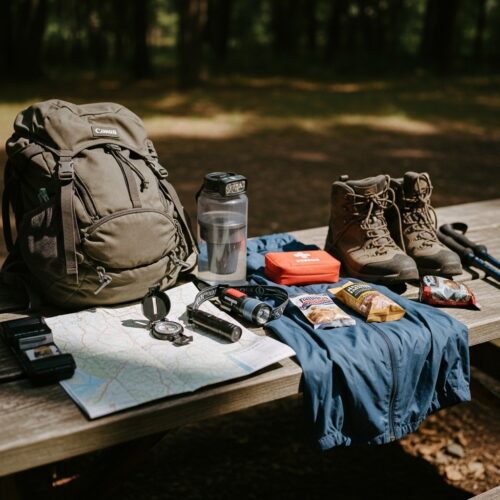
Packing wisely is key to enjoying your hikes in Olympic National Park. The right gear can make all the difference, whether you’re hitting the trails in summer or braving the chill of winter. Here’s how to prepare for various trail conditions.
What to Wear
Your clothing can help keep you comfortable and safe. Layering is your best friend. Here’s a quick list:
- Base Layer: Moisture-wicking shirts and pants.
- Insulating Layer: Fleece or down jackets for warmth.
- Outer Layer: Waterproof and windproof jacket.
- Footwear: Sturdy hiking boots with good traction.
- Accessories: Sun hat, wool beanie, and gloves for colder days.
Food and Hydration Essentials
Staying fueled is crucial. Pack snacks that are light yet energizing. Consider these options:
- Trail Mix: A mix of nuts, seeds, and dried fruits.
- Energy Bars: Easy to carry and packed with nutrients.
- Fresh Fruit: Apples or bananas travel well.
- Water: Bring at least two liters, more for longer hikes. Consider a hydration pack for easy sipping.
Safety Gear Checklist
Safety should always be a priority. Here’s what to include in your pack:
- First Aid Kit: Basic supplies for minor injuries.
- Map and Compass: Even if you have GPS, it’s good to have backups.
- Headlamp or Flashlight: Essential for unexpected delays.
- Multi-tool: Handy for various tasks on the trail.
- Bear Spray: If you’re hiking in areas with bear activity.
Seasonal Packing Tips
Different seasons call for different gear. Here’s a quick guide:
- Spring: Waterproof jacket and light layers for rain.
- Summer: Sunblock, insect repellent, and a wide-brimmed hat.
- Fall: Pack a warm layer and be ready for sudden weather changes.
- Winter: Bring snowshoes, crampons, and extra warm clothing.
By packing thoughtfully for your hikes, you’ll be set to enjoy the stunning landscapes and diverse trails of Olympic National Park!
Safety Tips for Hiking in Olympic National Park
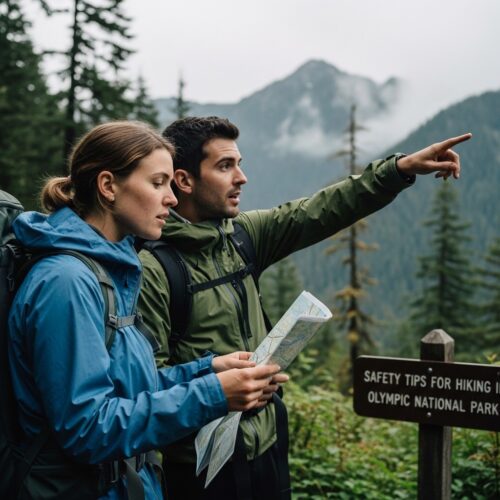
Hiking in Olympic National Park is an incredible adventure, but safety should always come first. Be prepared for wildlife encounters, sudden weather changes, and navigation challenges. Here are some essential tips to keep you safe on the trails.
Wildlife Encounters
Olympic National Park is home to diverse wildlife, including bears and cougars. To stay safe, follow these guidelines:
- Make Noise: Talk, sing, or clap to alert animals of your presence.
- Store Food Properly: Use bear-proof containers or hang food at least 10 feet off the ground.
- Keep Your Distance: If you spot wildlife, observe from a safe distance. Never approach or feed animals.
- Know Bear Behavior: Familiarize yourself with how to react if you encounter a bear. Stand your ground, avoid eye contact, and back away slowly.
Weather Preparedness
Weather in the park can change quickly. Here’s how to stay ready:
- Check Forecasts: Always check the weather before your hike. Be aware of potential rain, snow, or temperature drops.
- Dress in Layers: Wear moisture-wicking base layers, insulating mid-layers, and waterproof outer layers.
- Stay Hydrated: Bring enough water, and consider a water filter or purification tablets if you’re hiking longer trails.
Navigation Tips
Navigating the trails can be tricky, especially in dense forests. Keep these tips in mind:
- Use a Map and Compass: Familiarize yourself with the area and carry a physical map, even if you have a GPS.
- Trail Markers: Pay attention to trail signs and markers to stay on the right path.
- Download Offline Maps: If using a smartphone, download maps for offline use in case you lose signal.
By staying aware and prepared, you’ll have a safer and more enjoyable hiking experience in Olympic National Park!
Understanding Trail Ratings: Difficulty Levels Explained
Hiking in Olympic National Park is a joy, but knowing the trail ratings helps you choose the right hike. Each trail has a rating—easy, moderate, or challenging. Let’s break down what these mean for your adventure.
Easy Trails
Easy trails are perfect for families or those new to hiking. They have gentle inclines and well-maintained paths. Here’s what you can expect:
- Short distances, usually under 3 miles.
- Minimal elevation gain.
- Accessible for strollers and wheelchairs on some routes.
Example: The Hall of Mosses Trail in the Hoh Rain Forest is a great easy hike. It offers stunning views without breaking a sweat.
Moderate Trails
Moderate trails offer a bit more challenge without being overwhelming. They may have steeper sections and longer distances. Here’s what to look for:
- Distances between 3 to 7 miles.
- Some elevation gain, usually up to 1,000 feet.
- Suitable for hikers with some experience.
Example: The Sol Duc Falls Trail is a popular moderate hike. You’ll enjoy beautiful waterfalls and lush scenery.
Challenging Trails
Challenging trails are for seasoned hikers ready for a workout. Expect more difficult terrain and longer distances. Here’s what these hikes entail:
- Distances over 7 miles.
- Significant elevation gain, often exceeding 1,000 feet.
- Steeper climbs and possibly rugged paths.
Example: The Enchanted Valley Trail is a challenging hike. It rewards you with breathtaking views but requires stamina.
Trail Ratings Comparison Chart
| Trail Name | Difficulty Level | Distance | Elevation Gain |
|---|---|---|---|
| Hall of Mosses | Easy | 1.2 miles | 100 feet |
| Sol Duc Falls | Moderate | 1.6 miles | 400 feet |
| Enchanted Valley | Challenging | 13 miles | 2,000 feet |
Use these ratings to find the right hike for you. If you’re hiking with kids or want a leisurely stroll, stick to easy trails. Looking for a workout? Go for the challenging ones. Happy hiking!
Family-Friendly Hikes: Best Options for Kids
Hiking with kids can be an adventure filled with fun and exploration. Olympic National Park offers some fantastic trails that are safe and enjoyable for families. Here are the top picks for family-friendly hikes.
Easy Trails for Little Feet
1. Hall of Mosses Trail
- Distance: 1.2 miles
- Difficulty: Easy
- Highlights: Walk among ancient trees draped in moss. Kids will love spotting the unique plants and the sounds of the rainforest.
2. Sol Duc Falls Trail
- Distance: 1.6 miles
- Difficulty: Moderate
- Highlights: This trail leads to a stunning waterfall. The path is well-maintained, and the sight of the falls is a great reward for little hikers.
3. Marymere Falls Trail
- Distance: 1.5 miles
- Difficulty: Easy
- Highlights: A beautiful hike through old-growth forest. The waterfall at the end is perfect for a family photo!
Tips for a Great Family Hike
- Pack Snacks: Keep energy levels high with some trail snacks. Granola bars and fruit are always a hit.
- Dress in Layers: Weather can change quickly. Layers help keep everyone comfortable.
- Take Breaks: Encourage kids to explore. Little legs might need more breaks to enjoy the scenery.
- Wildlife Watching: Keep an eye out for deer, birds, and other wildlife. This can make the hike even more exciting for kids!
Safety First
- Stay on the Trail: This helps protect the environment and keeps everyone safe.
- Use a Buddy System: If you’re hiking with a group, make sure kids buddy up. This way, they can look out for each other.
- Know Your Limits: Choose trails that match your family’s fitness level. It’s all about having fun together!
These hikes are perfect for families looking to explore the beauty of Olympic National Park. With stunning views and plenty of opportunities for adventure, you’re sure to create lasting memories!
Popular Hiking Myths Debunked
Hiking in Olympic National Park can seem daunting. There are a lot of myths out there that might scare off potential adventurers. Let’s clear up some of these misconceptions so you can hit the trails with confidence!
Myth 1: Wildlife is a Major Threat
Many people worry about dangerous wildlife, like bears and cougars. While it’s true they live in the park, encounters are rare. Here’s what to remember:
- Stay Alert: Make noise while hiking to avoid surprising animals.
- Keep Food Secure: Store food properly to avoid attracting wildlife.
- Know the Guidelines: Follow park rules for safety around wildlife.
Myth 2: All Trails are Difficult
Not every trail in Olympic National Park is a grueling trek. There are plenty of easy and family-friendly hikes. Here are some great options:
- Hall of Mosses Trail: A short, enchanting walk through the Hoh Rainforest.
- Sol Duc Falls Trail: A beautiful, moderate hike leading to stunning waterfalls.
- Spruce Railroad Trail: Perfect for all ages, with scenic views along Lake Crescent.
Myth 3: Hiking Requires Special Gear
You don’t need fancy gear to enjoy the trails. Here’s a quick checklist of essentials:
- Comfortable Shoes: Good walking shoes or hiking boots are key.
- Water: Stay hydrated, especially on longer hikes.
- Layered Clothing: Weather can change quickly, so dress in layers.
Myth 4: You Need a Permit for Day Hikes
Most day hikes don’t require permits. However, if you plan to camp overnight, check the requirements. Here’s a simple rule:
- Day Hikes: No permit needed.
- Overnight Camping: Check for permits and availability.
Myth 5: Trails are Closed in the Winter
While some higher elevation trails may be inaccessible due to snow, many lower trails remain open year-round. Just keep an eye on the weather and be prepared for changing conditions.
Feel free to explore the beauty of Olympic National Park! With the right info, you can enjoy hiking without the worry.
Alternative Outdoor Activities in Olympic National Park
If hiking isn’t your thing, don’t worry! Olympic National Park offers plenty of other fun outdoor activities. From kayaking to wildlife watching, there’s something for everyone.
Kayaking Adventures
Kayaking is a fantastic way to experience the park’s stunning coastline and serene lakes. Here are some popular spots:
- Lake Crescent: Paddle across this beautiful glacial lake. The views are breathtaking!
- Hood Canal: Explore the fjord-like waters while spotting seals and otters.
- Rialto Beach: Kayak along the rugged coastline. Just be mindful of tides and weather conditions.
Tide Pooling Fun
Tide pooling is a must-do activity, especially for families. Here’s where to find the best tide pools:
- Kalaloch Beach: Great for spotting colorful starfish and anemones.
- Second Beach: A bit of a hike to get there, but the tide pools are worth it!
- Third Beach: Look for crabs and sea urchins during low tide.
Wildlife Watching
Olympic National Park is home to diverse wildlife. Keep your eyes peeled for:
- Elk: Spot them in the Hoh Rainforest or near the Sol Duc Valley.
- Bald Eagles: Look up! These majestic birds can often be seen soaring above.
- Whales: Depending on the season, you might catch a glimpse of gray whales off the coast.
Safety Tips for Outdoor Activities
When enjoying these activities, keep safety in mind:
- Always check tide schedules for tide pooling.
- Wear a life jacket when kayaking.
- Maintain a safe distance from wildlife—never approach them.
These alternative activities can make your visit to Olympic National Park just as memorable as hiking!
Conclusion: Your Next Hiking Adventure Awaits
Olympic National Park is a hiker’s paradise. With a variety of trails for all skill levels, there’s something for everyone to enjoy. Whether you’re chasing waterfalls, walking through old-growth forests, or standing atop a mountain, the beauty is unmatched.
Explore Diverse Trails
Here’s a quick look at what the park offers:
- Hurricane Ridge: Stunning views and accessible trails.
- Hoh Rainforest: Immerse yourself in lush greenery and unique wildlife.
- Sol Duc Falls: A spectacular waterfall hike that’s perfect for families.
- Rialto Beach: Experience the rugged coastline and tide pools.
Plan Your Adventure
As you plan your hiking trip, remember to check for:
- Trail Difficulty: Choose hikes that match your fitness level.
- Permits: Some trails require permits, especially for overnight camping.
- Seasonal Tips: Weather can change quickly, so dress in layers and be prepared.
Share Your Experiences
Have you hiked in Olympic National Park? Share your favorite trails or any tips you have! Your adventures could inspire others to hit the trails. No matter where you go, the park’s breathtaking scenery and wildlife encounters will leave you with unforgettable memories.
Frequently Asked Questions
These quick answers cover the most common questions about this topic, including key details, practical tips, and common concerns.
What is the best trail to hike in Olympic National Park?
The best trail depends on your skill level and interests. For stunning mountain views, Hurricane Hill is highly recommended for its moderate difficulty and panoramic scenery. If you prefer lush forests, the Hoh Rainforest Trail immerses you in vibrant greenery and moss-covered trees. For families, Sol Duc Falls offers an easy, scenic hike to a beautiful waterfall.
Why is Olympic National Park a must-visit for hikers?
Olympic National Park offers diverse ecosystems, from rugged mountains to lush rainforests and rugged coastlines. Its variety of trails caters to all skill levels, making it accessible for beginners and experienced hikers alike. The park’s unique wildlife, pristine landscapes, and seasonal beauty make it a top destination for outdoor enthusiasts.
Which is better, Rialto Beach or Ruby Beach?
Rialto Beach is known for its dramatic sea stacks, tide pools, and expansive shoreline, making it ideal for tide pooling and sunset views. Ruby Beach features striking red-hued rocks and is often less crowded, offering a more secluded experience. Both are beautiful; choose Rialto if you want a lively coastal scene, or Ruby for quieter exploration.
Are there grizzly bears in Olympic National Park?
No, Olympic National Park does not have grizzly bears. The park is home to black bears, which are generally less aggressive and more common in forested areas. Visitors should follow bear safety guidelines, but encounters with black bears are rare and manageable with proper precautions.
When is the best time to hike in Olympic National Park in 2026?
The optimal hiking season is summer (July to August), with warm, dry weather and accessible trails. Spring (April to June) offers wildflowers and fewer crowds but may have snow in higher elevations. Fall (September to October) provides vibrant foliage and fewer visitors. Winter (November to March) is best for snowshoeing and cross-country skiing, but some trails may be snow-covered or closed.
How do I choose the right hike for my skill level?
Assess the trail’s difficulty rating—easy, moderate, or challenging. Consider your fitness level, experience, and the trail length and elevation gain. Start with shorter, flatter trails if you’re new to hiking. For more experienced hikers, advanced trails like Mount Olympus or Seven Lakes Basin offer greater challenge and reward.
What permits are required for camping or special trails?
Overnight camping in designated areas requires a backcountry permit, which can be obtained in advance or at park offices. Some popular camping zones, like the Enchanted Valley, have limited permits due to high demand. Day hikes generally do not require permits, but check specific trail regulations before your trip.
What should I avoid while hiking in Olympic National Park?
Avoid approaching or feeding wildlife, especially bears and other large mammals. Stay on marked trails to protect ecosystems and prevent getting lost. Be cautious of weather changes, especially in higher elevations, and avoid hiking during storms or heavy rain. Also, don’t leave trash; pack out everything to preserve the park’s natural beauty.