
Geese can quickly transform a serene yard into a messy habitat. Fortunately, there are effective strategies to deter these birds and protect your outdoor space. In this article, we will explore 11 smart ways to keep geese out of your yard, ensuring a clean and enjoyable environment.
Understand Why Geese Are Attracted to Your Yard
To keep geese out, it’s key to understand why they are drawn to your yard in the first place. They seek out areas that provide food, water, and a safe space to nest. Let’s break down these factors.
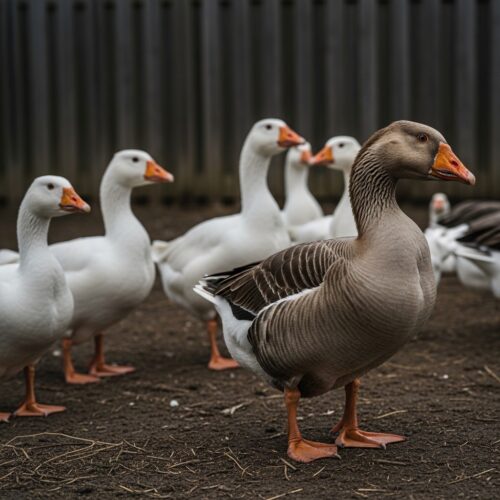
Geese’s Diet and Habitat Preferences
Geese are grazers. They love munching on well-maintained lawns. Your lush grass is like a buffet to them! Here are some reasons they might choose your yard:
- Food Sources: Geese are attracted to grass, seeds, and even fallen fruit. If your yard has these in abundance, it’s a goose magnet.
- Water Access: Proximity to ponds, lakes, or even puddles makes your yard more appealing. Geese need water to drink and bathe.
- Open Space: Geese prefer flat areas where they can easily spot predators. Your open lawn is perfect for them.
Nesting Behavior and Seasonal Patterns
Understanding their nesting habits is also crucial. Geese usually nest in the spring and summer. During this time, they become territorial and more persistent in seeking out safe spaces.
- Nesting Sites: Geese often look for spots near water. If you have flower beds or bushes near a water source, they might consider it a cozy home.
- Flock Behavior: Geese are social animals. They like to be in groups, which means if one finds your yard appealing, others are likely to follow.
Quick Tips for Goose Deterrence
1. Trim Grass Regularly: Shorter grass makes it less inviting for geese.
Table of Contents
2. Remove Food Sources: Pick up fallen fruit and seeds from your yard.
3. Limit Water Access: If possible, keep water sources away from your lawn.
4. Use Motion-Activated Sprinkler Systems: These can startle geese and make your yard less appealing. Check Price on Amazon.
By understanding what draws geese in, you can take proactive steps to keep them out of your space.
Implement Physical Barriers to Keep Geese Out
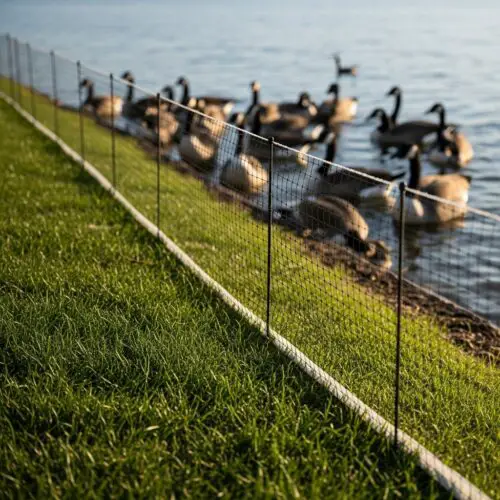
Physical barriers can be a game-changer when it comes to keeping geese out of your yard. Fences, netting, and other structures can provide effective deterrents. Let’s explore the best options.
Choosing the Right Fence Height and Material
When selecting a fence, height and material matter. Geese can easily fly over low barriers. Ideally, you want a fence that’s at least 4 to 6 feet tall. Here are some materials to consider:
- Chain Link Fences: Durable and effective but can be costly.
- Wooden Fences: Great for aesthetics but might require maintenance.
- Plastic Fencing: Lightweight and easy to install, but not as sturdy.
Remember, the goal is to create a physical barrier that geese cannot easily bypass.
Temporary vs. Permanent Solutions
Deciding between a temporary or permanent solution depends on your needs. Here’s a quick comparison:
| Type | Pros | Cons |
|---|---|---|
| Temporary | Easy to install, flexible | May not be very durable |
| Permanent | Long-lasting, sturdy | More expensive, requires installation |
Temporary options, like netting or portable fencing, can be effective for short-term use. If you’re looking for a long-term solution, investing in a solid fence is the way to go.
Additional Barrier Ideas
Besides fences, consider these options to enhance your yard’s defenses:
- Netting: Cover vulnerable areas, especially if you have plants geese like to munch on.
- Mylar Tape or Balloons: These can scare geese away due to their shiny, reflective surfaces.
- Landscaping Changes: Planting thorny bushes can act as a natural barrier.
Using a combination of these methods can create a more effective deterrent strategy. For instance, combining a fence with some netting and strategic planting can really boost your defenses.
By implementing these physical barriers, you’ll make your yard less inviting to geese, helping to keep your lawn pristine and your plants safe.
Use Auditory Deterrents to Scare Geese Away

Geese are sensitive to sounds. Using noise can be an effective way to keep them out of your yard. There are several auditory deterrents you can try, from simple homemade solutions to more advanced devices.
Types of Noise Deterrents: From Wind Chimes to Recorded Predator Calls
Here are some noise-making devices that can help:
- Wind Chimes: The gentle clanging of wind chimes can create a constant background noise that geese dislike.
- Recorded Predator Calls: Playing sounds of predators, like coyotes or hawks, can scare geese away. You can find many recordings online or use apps.
- Noisemakers: Devices that produce random loud noises, like air horns or alarms, can also be effective.
- Motion-Activated Sprinkler System: These not only spray water but also make noise when triggered, startling geese and encouraging them to leave. Check Price on Amazon.
Best Practices for Using Noise to Deter Geese
To maximize the effectiveness of noise deterrents, consider these tips:
- Vary the Sounds: Geese may get used to consistent noises. Change up the sounds or the timing to keep them guessing.
- Combine Methods: Use auditory deterrents alongside visual ones, like decoys or reflective materials, for a stronger effect.
- Monitor the Area: Pay attention to how geese react. If they seem unfazed by a sound, it’s time to switch things up.
Unique Insight on Sound Frequencies
Geese tend to dislike high-pitched sounds. Frequencies above 1,500 Hz can be particularly off-putting. You might consider using devices that emit these higher frequencies to enhance your deterrent strategy.
By employing these auditory methods, you can create an environment that’s less inviting for geese and more comfortable for you.
Introduce Natural Predators to Your Yard
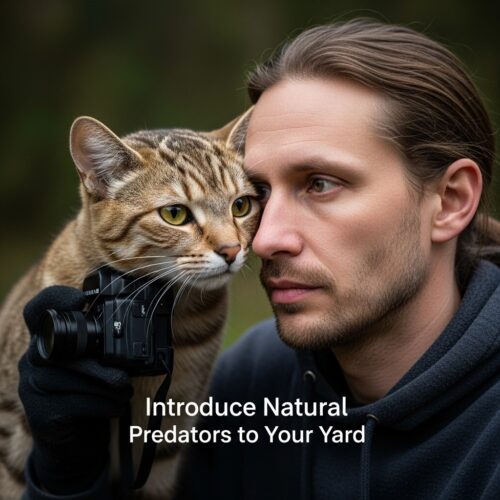
One of the best ways to keep geese away is to introduce natural predators into your yard. Dogs, in particular, are highly effective at deterring these birds. Their presence can create an environment that geese find less welcoming.
How Dogs Can Scare Geese
Dogs are natural predators of geese. Just having a dog around can make geese think twice about visiting your yard. Here’s how it works:
- Regular Walks: Take your dog out in the yard regularly. This establishes a routine that geese will notice.
- Vocalization: Dogs bark, which can further scare geese away. The sound of a barking dog signals danger.
- Movement: A dog running around can be intimidating. Geese prefer calm, open spaces without threats.
Consider breeds known for their protective instincts. Larger dogs like German Shepherds or Labrador Retrievers are often more effective, but even smaller dogs can help.
Using Decoys of Predators to Enhance the Effect
Another clever tactic is to use decoys of natural predators. This method can complement the presence of your dog. Here’s what you can do:
- Place Decoys: Put up decoys of hawks or owls around your yard. These birds of prey are natural enemies of geese.
- Change Locations: Move the decoys occasionally. This creates the illusion of an active predator presence.
- Combine Tactics: Use decoys alongside walking your dog. The combination can amplify the deterrent effect.
Real-Life Scenarios of Successful Goose Deterrence
Many homeowners have successfully kept geese away using these methods. For example:
- Neighborhood Success Story: In a suburban area, a family began walking their dog daily. Over time, the geese that once frequented their yard vanished. Neighbors noticed fewer geese in their yards too, thanks to the combined efforts.
- Decoy Experiment: Another homeowner deployed decoys of hawks and regularly walked their dog. They reported a noticeable decrease in goose activity within weeks.
By integrating dogs and decoys into your strategy, you can significantly reduce the chances of geese invading your yard.
Modify Your Landscaping to Deter Geese
One of the smartest ways to keep geese out of your yard is by tweaking your landscaping. The right plants and layout can make your yard less appealing to these feathered visitors. Let’s dive into some effective strategies.
Creating an Unwelcoming Environment with Flora
Certain plants can act as natural deterrents to geese. They dislike specific species that limit their comfort and food sources. Here’s a list of plants you might consider:
- Tall Ornamental Grasses: These provide cover and make it hard for geese to spot predators.
- Barberry: Its thorny branches deter many animals, including geese.
- Thyme: This herb has a strong scent that geese find unappealing.
- Lavender: The fragrance of lavender can help keep geese at bay.
Plant these around the edges of your property to create a barrier. The taller and denser, the better!
Designing Your Yard to Limit Open Spaces
Geese love open areas where they can easily spot danger. By modifying your yard’s layout, you can make it less attractive to them. Here are some tips:
- Add Fencing: Even a low fence can be a barrier. Geese prefer to walk where they feel safe and can see clearly.
- Use Boulders or Large Rocks: Strategically placing large rocks can break up open spaces and make geese feel more vulnerable.
- Create Plant Beds: Grouping plants into beds rather than having a large, open lawn can deter geese. This way, they don’t have clear lines of sight to spot lurking predators.
When considering these changes, think about how they fit into your overall yard design. A well-planned landscape not only beautifies your space but also keeps those pesky geese away!
Create Unsettling Visuals to Scare Geese
Visual deterrents are a great way to keep geese away from your yard. They rely on sight, so using certain objects can make them feel unsafe and encourage them to move on.
Using Reflective Surfaces and Objects
Reflective surfaces can confuse and frighten geese. Here are some effective options:
- Mylar Balloons: These shiny balloons move and reflect light, creating an unsettling environment for geese.
- Reflective Tape: Hang strips of reflective tape around your yard. The flapping movement and shiny surface will catch their eye and deter them.
- Old CDs: String up some old CDs. The reflective surfaces will create a dazzling display that geese dislike.
These methods work best when combined. Try placing a few different reflective items together to enhance the effect.
Employing Decoys to Mimic Predators
Decoys can trick geese into thinking that predators are nearby. Here are some options:
- Plastic Owls: These are classic decoys. Place them in your yard to create the illusion of danger.
- Coyote or Fox Statues: These predator decoys are effective and can be strategically placed near areas where geese tend to gather.
- Motion-Activated Sprinklers: Although not a traditional decoy, sprinklers can startle geese with unexpected water. This mimics the unpredictability of a predator’s approach.
Tip: Move your decoys around regularly. Geese can become accustomed to them if they stay in one spot for too long.
Insights from Behavior Studies
Research shows that geese are naturally cautious. They prefer open spaces where they can easily spot threats. By creating an environment with visual deterrents, you not only make your yard less appealing but also disrupt their comfort zones.
Scenario: Imagine a homeowner who combines reflective tape with a plastic owl. The shiny tape draws the geese’s attention while the owl reinforces the idea of a predator nearby. This combination can significantly reduce goose visits.
Using these visual tactics can be an effective way to keep your yard geese-free.
Use Goose Repellent Sprays and Natural Solutions
Keeping geese out of your yard can be a breeze with the right repellents. There are plenty of commercial options out there, but homemade solutions can be just as effective and friendly to your wallet.
Choosing the Right Commercial Repellent
When selecting a commercial goose repellent, look for products that are safe for pets and the environment. These sprays usually contain ingredients that make grass and plants taste unpleasant to geese. Here are a few tips for choosing the right one:
- Read Reviews: Look for products that have positive feedback from other homeowners.
- Check Ingredients: Ensure that the repellent is made from non-toxic materials.
- Consider Longevity: Some repellents last longer than others, so pick one that suits your weather conditions.
DIY Recipes for Natural Repellents
Creating your own goose repellent can be simple and satisfying. Here are two easy recipes you can try at home:
1. Peppermint Oil Spray
- Ingredients: 1 cup water, 2 tablespoons peppermint oil.
- Instructions: Mix the ingredients in a spray bottle. Spray it generously around your yard, especially on areas where geese frequent. Reapply after rain.
2. Vinegar Solution
- Ingredients: 1 cup vinegar, 1 cup water.
- Instructions: Combine the vinegar and water in a spray bottle. Spray on grass and plants. The strong smell deters geese and will need reapplication after heavy rain.
These homemade solutions not only help keep geese away, but they also add a pleasant aroma to your yard!
Effectiveness of Repellents
Using goose repellents can significantly decrease the likelihood of geese visiting. For example, a homeowner who applied a peppermint oil spray reported a drop in goose visits within days. The key is consistency. Regular application is crucial for maintaining the repellent’s effectiveness.
Remember, no single method is foolproof. Combining several strategies—like repellents, visual deterrents, and landscaping modifications—can give you the best results. Keep your yard less appealing to geese, and they’ll likely find somewhere else to hang out!
Maintain a Clean Yard to Disinvite Geese
Keeping your yard tidy is one of the smartest ways to keep geese at bay. A clean yard eliminates the food sources that attract these pesky birds. Let’s dive into how you can maintain your space to deter them effectively.
Regular Cleaning Routines
Set a regular cleaning schedule. This will help you stay on top of any potential goose attractants. Here are some steps to consider:
- Mow the lawn regularly. Keeping grass short makes your yard less inviting.
- Remove fallen fruit. If you have trees, pick up any fruit that drops. Geese love it!
- Clear debris. Get rid of leaves, twigs, and any other clutter. Geese might see it as shelter or food.
Consistency is key. The more regularly you clean, the less likely geese will see your yard as a buffet.
Identifying and Removing Food Sources
Next, identify what might be attracting geese to your yard. Here are some common food sources to check:
- Bird feeders. If you feed birds, geese might come to feast on the leftover seeds.
- Pet food. Avoid leaving pet bowls outside for long periods.
- Open compost bins. These can attract geese looking for easy meals.
Checklist for Removing Food Sources:
- [ ] Inspect your yard for potential food.
- [ ] Clean up after pets promptly.
- [ ] Store birdseed in sealed containers.
By removing these food sources, you make your yard a less desirable stop for geese. Keeping your space clean and food-free is a powerful deterrent!
Engage Your Community in Goose Deterrence Strategies
Working together with your neighbors can make a big difference in keeping geese out of your yard. A united front is often more effective than going solo. Let’s explore how you can collaborate and share resources.
Organizing Neighborhood Initiatives
Get your neighbors involved! Start by organizing community meetings. Discuss the goose problem and brainstorm solutions. Here are some ideas:
- Goose Patrols: Set up a schedule for residents to walk their dogs in shared spaces. Dogs are natural deterrents.
- Yard Clean-Up Events: Plan days to clean up yards and public spaces. Ensure food sources are removed.
- Signage: Create signs to remind everyone not to feed the geese.
Sharing Resources and Strategies with Neighbors
Knowledge is power! Share what you learn about goose deterrents. Here’s how:
- Homemade Repellent Recipes: Exchange recipes for natural repellents. For example, a mix of vinegar and water can deter geese when sprayed around your yard.
- Successful Deterrent Experiences: Share your successes. If a particular method worked for you, let others know!
- Resource Pooling: Consider pooling resources for deterrents. Buying in bulk can save money on items like fencing or noise devices.
Real-Life Success Stories
Communities that work together often see great results. For instance, a neighborhood in Ohio reduced their goose population by 75% by implementing regular clean-up days and dog patrols. Residents reported fewer droppings and healthier lawns.
By engaging your community, you can create a less welcoming environment for geese. Each small effort adds up, making your yard and neighborhood a no-go zone for these pesky birds!
Monitor and Evaluate Your Goose Deterrence Efforts
Keeping geese out of your yard is a team effort. It’s important to regularly check how well your methods are working and adjust them as needed. Here’s how to do it effectively.
Setting Benchmarks for Success
Start by setting clear goals. What do you want to achieve? Here are a few benchmarks to consider:
- Reduction in Sightings: Track how often you see geese in your yard.
- Decrease in Droppings: Count the number of droppings weekly.
- Neighborhood Feedback: Get input from neighbors on whether they notice fewer geese around.
Keep a simple log. This will help you see patterns over time. If your yard remains a geese hangout, it’s time to rethink your strategy.
Adapting Strategies Based on Results
Once you’ve established your benchmarks, it’s time to evaluate. If your initial methods aren’t working, it’s okay to switch things up. Here’s how to adjust:
- Mix and Match Deterrents: If noise devices aren’t enough, add visual deterrents like scarecrows or reflective tape.
- Change Your Landscape: Trim bushes and eliminate standing water. Geese love these spots!
- Community Involvement: Engage your neighbors. More eyes can lead to better overall results. Consider organizing a neighborhood cleanup to remove food sources.
Quick Evaluation Checklist
1. Track goose activity: Daily sightings and droppings.
2. Assess your deterrents: Are they still effective?
3. Gather feedback: What do your neighbors see?
4. Make changes: Adjust strategies based on observations.
Real-Life Example
Consider a homeowner who used a combination of noise machines and fencing. Initially, they noticed only a slight decrease in geese. After a month, they added visual deterrents like flags. Within two weeks, they saw a significant drop in goose activity. This shows that adjusting your approach can yield better results.
By monitoring and evaluating your efforts, you can create a less appealing space for those pesky geese. Keep tweaking your strategies until you find the winning combination!
Understand When to Seek Professional Help
Sometimes, despite your best efforts, geese can still be a persistent problem. If DIY methods aren’t cutting it, it might be time to call in the pros. Here’s when to consider professional wildlife control services and how to choose the right one.
Identifying Severe Goose Problems
Not all goose nuisances are created equal. Here are some signs that you might need professional help:
- Large Flocks: If you’re dealing with a huge number of geese, it’s tough to manage on your own.
- Frequent Damage: Constant lawn damage or droppings can signal a severe issue.
- Health Concerns: Geese can pose health risks through their droppings. If you’re worried about bacteria or other health hazards, don’t hesitate to seek help.
- Repeated Failures: If your DIY strategies aren’t working after several weeks, it’s time to rethink your approach.
Choosing the Right Professional Service
When it comes to wildlife control, not all services are created equal. Here’s a quick guide to help you choose the right one:
1. Check Credentials: Look for certified professionals who specialize in wildlife control.
2. Ask About Methods: Ensure they use humane strategies. You want solutions that respect wildlife laws and ethics.
3. Get Reviews: Look for testimonials or ask for references from previous clients. Success stories can give you peace of mind.
4. Compare Costs: Get quotes from multiple services. Don’t always go for the cheapest option; consider the value they provide.
Decision Framework for Professional Help
When considering whether to hire a professional, use this simple checklist:
- Severity of the Problem: Is it a minor annoyance or a major issue?
- Your Comfort Level: Are you comfortable handling the situation yourself?
- Time and Effort: Do you have the time to implement and maintain DIY methods?
- Long-Term Solutions: Are you looking for a permanent fix rather than a temporary solution?
If you answer “yes” to multiple points, it might be time to contact a professional.
Conclusion and Summary of Goose Deterrence Techniques
Keeping geese out of your yard doesn’t have to be a daunting task. A multi-faceted approach works best. By combining various strategies, you can create an environment that geese find unwelcoming.
Key Takeaways for Homeowners
Here’s a quick recap of effective goose deterrent strategies:
- Environmental Modifications: Make your yard less attractive. Remove food sources and standing water.
- Fencing: Install barriers to physically block geese from entering.
- Repellents: Use homemade solutions like vinegar or commercial products to deter them.
- Sound Devices: Employ noise-makers or motion-activated devices to scare them away.
- Plant Selection: Use geese-resistant plants in your landscaping.
- Neighborhood Engagement: Work with neighbors for a community-wide approach.
Final Thoughts on Goose Management
Remember, no single method guarantees success. Mixing different techniques can keep your yard goose-free.
- Patience is Key: It may take time to see results.
- Monitor Effectiveness: Keep track of what works and adjust accordingly.
- Stay Consistent: Regularly implement your strategies for the best outcome.
By understanding geese behavior and using these strategies, you can enjoy your outdoor space without unwanted guests.
Frequently Asked Questions
These quick answers cover the most common questions about this topic, including key details, practical tips, and common concerns.
What do geese hate the most?
Geese dislike loud, sudden noises and reflective surfaces. They are sensitive to high-pitched sounds and bright, moving reflections that make them feel unsafe. Visual deterrents like shiny tape or decoys of predators also scare them away. Additionally, they avoid areas with dense, thorny plants or tall grasses that limit their visibility and comfort.
Does grape Kool-Aid keep geese out of your yard?
Grape Kool-Aid is a popular home remedy believed to deter geese due to its strong smell and taste. However, there is limited scientific evidence supporting its effectiveness. It may work temporarily by making the grass less appealing if sprayed regularly, but it’s not a guaranteed long-term solution. Combining it with other deterrents usually yields better results.
What noise will scare geese away?
Geese are frightened by loud, unpredictable sounds. Recorded predator calls, such as hawks or coyotes, are effective. Motion-activated devices that produce sudden noises or sprays of water can also startle them. Consistent, varying sounds prevent geese from becoming accustomed, making noise deterrents more effective over time.
Will vinegar deter geese?
Vinegar has a strong smell that can discourage geese from feeding or lingering in certain areas. Spraying a vinegar solution on grass and plants may temporarily repel them. However, the effect diminishes after rain or watering, so reapplication is often necessary. It’s a natural, inexpensive option but works best when combined with other deterrent methods.
What are the best physical barriers to keep geese away?
Fences at least 4-6 feet high are effective since geese can fly over lower barriers. Mesh netting can protect specific areas like gardens or ponds. Using thorny bushes or large rocks around your yard creates obstacles and reduces open space, making it less inviting. Combining fencing with visual deterrents enhances overall effectiveness.
How can I train my dog to deter geese?
A dog that is comfortable around water and has protective instincts can help keep geese away. Regularly walking your dog in your yard or near water discourages geese from settling. Barking and movement also scare geese. Larger, alert breeds like German Shepherds or Labs tend to be more effective, but even smaller dogs can contribute to deterrence.
Are there specific plants that repel geese?
Yes, certain plants naturally repel geese. Tall, dense grasses and thorny shrubs like barberry make areas less appealing. Herbs like thyme and fragrant plants like lavender are disliked by geese. Planting these around your yard’s perimeter creates a natural barrier and reduces their interest in grazing.
What should I do if geese have already nested in my yard?
If geese have nested, it’s best to keep your distance to avoid disturbing them. Remove nearby food sources, limit water access, and use visual or auditory deterrents. If the nest is in a sensitive or protected area, consider consulting wildlife authorities for humane removal options. Breaking the nesting cycle early helps prevent future visits.
What should readers know about comprehensive analysis of each deterrent’s effectiveness?
No single method guarantees complete success. Effectiveness varies based on location, goose population, and specific yard conditions. Combining multiple strategies—physical barriers, repellents, landscaping, and community efforts—yields better results. Regular monitoring and adjusting tactics are essential for long-term success.
What should readers know about step-by-step implementation guides?
Implementing deterrents gradually and systematically improves results. Start with removing attractants, then install physical barriers, followed by visual and auditory deterrents. Consistency is key. Keep track of goose activity to evaluate what works best, and be prepared to modify your approach based on observations.