
Acadia National Park is a stunning destination that offers unique natural beauty and rich history. Here are 13 amazing facts that every visitor should know before planning their 2026 visit to this iconic park.
1. Acadia National Park is the First National Park East of the Mississippi
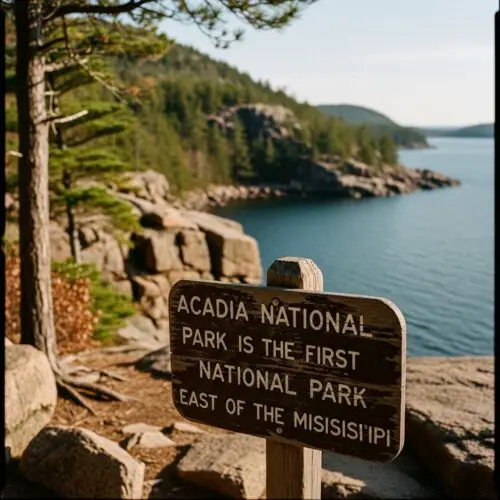
Acadia National Park holds a special place in American history. Established in 1916, it became the first national park east of the Mississippi River, paving the way for future parks in the eastern United States.

Established in 1916 as the First National Park in the East
Before Acadia, most national parks were located in the West, like Yellowstone and Yosemite. The establishment of Acadia marked a shift in focus to the unique landscapes of the East. It was originally designated as Sieur de Monts National Monument before gaining national park status.
- Year Established: 1916
- Original Name: Sieur de Monts National Monument
- Significance: First national park in the eastern U.S.
A Landmark for Conservation in America
Acadia’s creation was a turning point for the conservation movement. It highlighted the importance of preserving diverse ecosystems and cultural heritage amidst growing urbanization.
- Key Figures:
- George B. Dorr: Known as the “Father of Acadia,” he advocated for the park’s protection.
- Charles W. Eliot: Former Harvard president who supported Dorr’s vision.
- The Rockefeller Family: Donated land and funds to enhance the park.
By establishing Acadia, these visionaries set a precedent for protecting natural beauty in smaller, yet equally significant landscapes. This paved the way for the protection of more parks in the region, emphasizing that size doesn’t determine the value of nature.
Table of Contents
In 2021, Acadia was recognized for its substantial visitor engagement. It attracted over 3.5 million visitors, showcasing its appeal and importance as a conservation area. This number has likely grown, highlighting its role as a beloved destination in 2026 and beyond.
2. The Park Was Created from Land Donations

Acadia National Park has a unique origin story. It was built almost entirely from land donations made by passionate individuals who wanted to preserve its beauty.
Key figures in land donations
Several notable figures played crucial roles in establishing Acadia:
- George B. Dorr: Known as the “Father of Acadia,” he tirelessly advocated for the park’s creation. His efforts helped secure land and support for the park.
- John D. Rockefeller Jr.: A key benefactor, he donated significant land and funds. His vision for preserving the area led to the construction of historic carriage roads, enhancing visitor experiences.
- Charles W. Eliot: The former president of Harvard University, he backed Dorr’s efforts. Eliot believed strongly in conserving the scenic beauty of the region.
These individuals set the stage for Acadia’s transformation into a national park in 1916. Their contributions highlight how dedicated efforts can lead to the preservation of natural wonders.
Impact of donations on park preservation
The impact of these donations has been immense. They allowed for:
- Protection of ecosystems: Private donations helped secure diverse habitats, ensuring that wildlife can thrive.
- Continued expansion: The tradition of land donations persists. Local communities and organizations frequently contribute to the park’s growth.
- Educational outreach: Funds have supported programs that educate visitors about the park’s history and ecology.
In 2021, Acadia welcomed over 3.5 million visitors, reflecting its significance and ongoing allure. As you plan your trip for 2026, remember the remarkable people whose generosity helped create this stunning landscape.
3. Cadillac Mountain Offers the First Sunrise in the U.S. (Seasonally)
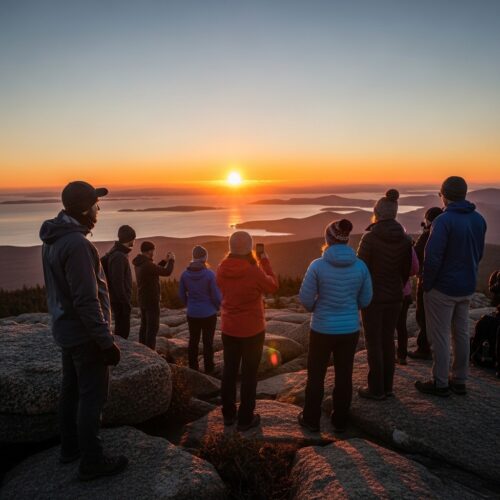
Cadillac Mountain is a must-see for sunrise lovers. It’s the first place in the U.S. to greet the sun, making it a special spot for many visitors.
Best times to view the sunrise
From early October to early March, Cadillac Mountain offers breathtaking sunrise views. The sun rises over the summit before anywhere else in the country. Here are some tips for catching that perfect moment:
- Arrive early: Get there at least 30 minutes before sunrise. This gives you time to find a good spot and soak in the atmosphere.
- Dress in layers: Mornings can be chilly, even in summer. Bring a jacket to stay cozy while you wait.
- Bring a camera: You’ll want to capture the stunning views. The pink granite rocks and the glistening waters of Frenchman Bay make for a perfect backdrop.
Visitor experiences and tips
Many visitors rave about their sunrise experiences. Here’s what they have to say:
- Breathtaking views: People often describe the sunrise as magical. The colors bursting over the horizon create a moment they won’t forget.
- Community vibe: Watching the sunrise with fellow visitors creates a unique sense of camaraderie. You’ll find people sharing stories, laughter, and excitement.
- Hiking options: For the more adventurous, consider hiking up. The Cadillac North Ridge Trail offers a 4.4-mile trek, rewarding you with stunning vistas all the way up.
If you’re planning your trip for 2026, make sure to include this experience. It’s a highlight that many describe as life-changing!
4. Over 45 Miles of Historic Carriage Roads Await Exploration
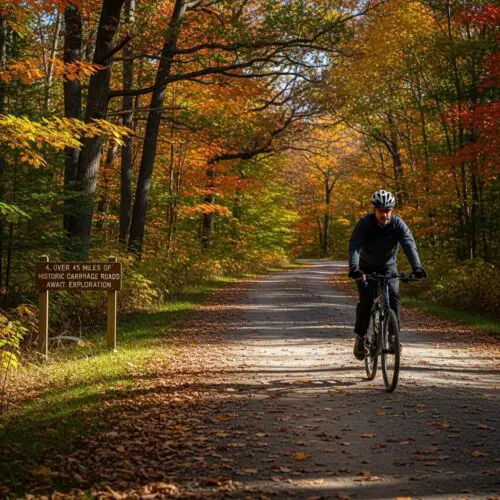
Acadia National Park boasts a unique network of historic carriage roads. These beautiful pathways offer a peaceful way to explore the park’s stunning landscapes.
John D. Rockefeller Jr.’s Contributions
John D. Rockefeller Jr. played a key role in creating these roads. Between 1913 and 1940, he funded their construction to provide visitors with a serene experience away from car traffic.
- Purpose: The carriage roads were designed for leisurely exploration.
- Design: They feature hand-cut stone bridges and granite coping stones.
- Length: There are over 45 miles of these scenic routes.
Today, they remain a testament to Rockefeller’s vision, allowing everyone to enjoy Acadia’s natural beauty.
Activities Available on the Carriage Roads
These carriage roads offer more than just scenic views. They are perfect for a variety of activities:
- Biking: The flat, well-maintained paths are ideal for cyclists of all skill levels. Families can enjoy leisurely rides, while enthusiasts can tackle longer distances.
- Walking: Perfect for a casual stroll or a more vigorous hike, the roads allow visitors to soak in the surroundings.
- Horseback Riding: Some sections are accessible for horseback riders, providing a unique way to experience the park.
With so many options, the carriage roads are a highlight for visitors planning their 2026 adventure. Whether you’re biking, walking, or riding, these paths create memorable experiences in a breathtaking setting.
5. Acadia National Park Includes Diverse Landscapes
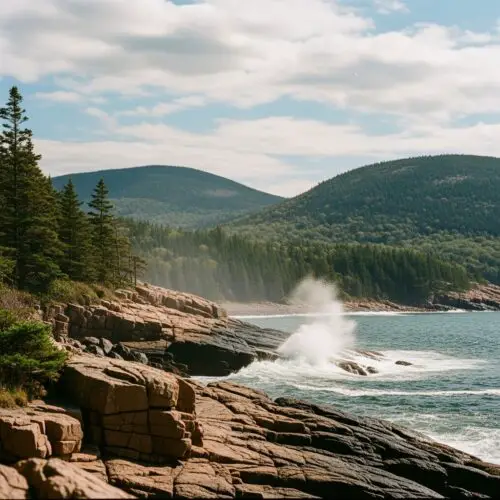
Acadia National Park is a treasure trove of unique landscapes. From rugged coastlines to serene islands, each area offers something special. Let’s explore the diverse geographical features that make it a must-visit.
Overview of the Park’s Geographical Diversity
Acadia is primarily located on Mount Desert Island, which boasts dramatic cliffs and beautiful beaches. The park covers about 49,000 acres, showcasing a mix of forest, wetlands, and coastline.
- Mount Desert Island: Known for its iconic Cadillac Mountain, this island offers breathtaking views and hiking trails. It’s the highest point on the U.S. East Coast.
- Schoodic Peninsula: This lesser-known area provides a quieter experience. You’ll find stunning ocean views and fewer crowds here.
- Isle au Haut: This remote island is perfect for those seeking solitude. It features wild landscapes and is accessible by ferry.
Comparison of Landscapes Across Different Areas
Each area of Acadia presents a distinct experience.
- Mount Desert Island: Features dramatic cliffs and lush forests. It’s popular for hiking and scenic drives.
- Schoodic Peninsula: Offers rugged coastlines and rocky beaches. Ideal for picnicking and enjoying the peaceful surroundings.
- Isle au Haut: Less developed and more natural. It’s great for adventurous souls looking to explore untouched landscapes.
These diverse landscapes provide countless opportunities for exploration and adventure. Whether you prefer the hustle of Mount Desert Island or the tranquility of Isle au Haut, Acadia has something for everyone.
6. The Park is Home to Over 300 Bird Species

Acadia National Park is a paradise for bird lovers. With over 300 species calling it home, this park offers incredible opportunities for birdwatching all year round.
Commonly Spotted Bird Species
Here are some of the most frequently seen birds in Acadia:
- Peregrine Falcon: Once near extinction, these majestic birds now nest on cliffs.
- Bald Eagle: A symbol of American wildlife, they can often be spotted soaring above the treetops.
- Osprey: Look for them diving into the water for fish.
- Loons: Their haunting calls echo across the lakes during the summer months.
- Warblers: These colorful little birds flit about in the trees, especially during migration.
Best Locations for Bird Watching
To make the most of your birdwatching experience, check out these prime spots in the park:
- Cadillac Mountain: Offers stunning views and a variety of bird species.
- Jordan Pond: A peaceful spot where you can see loons and other waterfowl.
- The Carriage Roads: Great for hiking and spotting warblers among the trees.
- Schoodic Peninsula: Less crowded, making it perfect for a quiet day of birdwatching.
Birdwatching Checklist
Before you head out, here’s a handy checklist for birdwatchers:
- Binoculars: Essential for seeing birds up close.
- Field Guide: Helps identify different species.
- Notebook: Jot down your sightings.
- Snacks and Water: Keep your energy up while you explore.
- Camera: Capture the beautiful moments.
By preparing and knowing where to look, you can enhance your Acadia experience and connect with its vibrant avian community.
7. Acadia Features Over 30 Historic Bridges
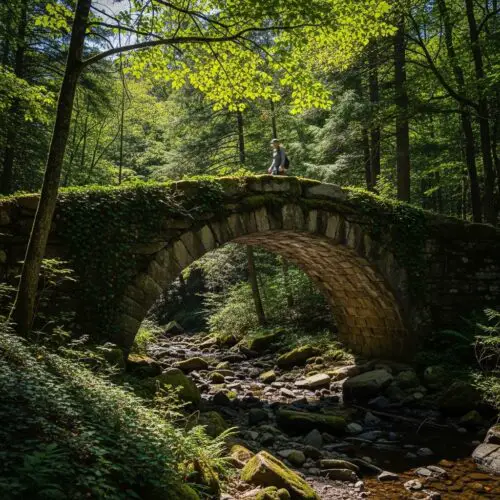
Acadia National Park is home to more than 30 stunning historic bridges. These architectural gems enhance the park’s picturesque carriage roads. Each bridge tells a story and adds to the park’s charm.
Architectural Significance of the Bridges
The bridges in Acadia are not just functional; they are works of art. Built with native stone, they blend beautifully into the natural landscape. Many feature unique designs and intricate stonework.
- Craftsmanship: Each bridge showcases the skill of early 20th-century engineers.
- Materials: They use local stone, making them part of the park’s ecosystem.
- Design: Features like arches and coping stones offer both aesthetic and structural benefits.
The most famous bridge is the Cobblestone Bridge, constructed in 1917. It uses rounded cobbles sourced from local streams, demonstrating both beauty and practicality.
Popular Bridges to Visit
When you visit, don’t miss these must-see bridges:
- Cobblestone Bridge: Iconic and picturesque, perfect for photos.
- Brown Mountain Bridge: Offers stunning views of the surrounding landscape.
- Duck Brook Bridge: A great spot to relax and take in the scenery.
These bridges not only connect parts of the park but also provide a glimpse into its history. Walking or biking along the carriage roads, you can appreciate their beauty up close. As you plan your 2026 visit, make sure to include these architectural wonders in your itinerary!
8. More Than 120 Miles of Hiking Trails are Available

Acadia National Park is a hiker’s paradise. With over 120 miles of trails, there’s something for everyone, from casual walkers to seasoned adventurers. Let’s dive into some popular trails and safety tips to keep in mind.
Popular Trails for Different Skill Levels
Acadia offers a variety of trails catering to all skill levels. Here’s a quick breakdown:
- Easy Trails:
- Jordan Pond Path: A flat, scenic loop around the pond. Perfect for families and beginners.
- Carriage Roads: Smooth, wide paths ideal for walking, biking, or even a leisurely stroll.
- Moderate Trails:
- Cadillac North Ridge Trail: A 4.4-mile out-and-back trail leading to stunning views from Cadillac Mountain.
- Beachcroft Path: A 2-mile trail featuring beautiful vistas, including 1,500 pink granite steps.
- Challenging Trails:
- Precipice Trail: An adrenaline-pumping climb with steep sections and iron rungs. Not for the faint of heart!
- Beehive Trail: A steep ascent with breathtaking views, but definitely requires some climbing skills.
Safety Tips for Hikers
When hitting the trails, safety should be your top priority. Here are a few tips:
- Know Your Limits: Choose trails that match your fitness level. Don’t push beyond your comfort zone.
- Stay Hydrated: Always carry water, especially on longer hikes.
- Check the Weather: Conditions can change quickly. Be prepared for anything!
- Leave No Trace: Respect the park by sticking to trails and packing out your trash.
Trail Difficulty Rating System
To help you choose the right trail, consider this quick rating system:
- Easy: Flat, good for families and casual walkers.
- Moderate: Some elevation gain, good for those with a bit of experience.
- Challenging: Steep climbs, requires good fitness and climbing skills.
With this handy information, you’re all set to explore Acadia’s amazing trails in 2026!
9. Thunder Hole Can Create Spectacular Wave Displays

Thunder Hole is one of Acadia’s must-see spots. This unique coastal inlet is famous for its dramatic wave displays. When conditions are just right, it can produce stunning bursts of water that shoot high into the air.
Best times to view the waves
To catch Thunder Hole at its best, timing is everything. Here are some tips to make the most of your visit:
- High Tide: Arrive just before high tide for the best show. The waves are typically more powerful then.
- Weather Conditions: A stormy sea will create larger waves. Check the forecast for rough weather.
- Early Morning or Late Afternoon: These times often provide fewer crowds, giving you a better view.
Visitor experiences at Thunder Hole
Visitors often share their excitement about witnessing the waves at Thunder Hole. Many describe the experience as exhilarating. Here are some common highlights:
- Sound: The booming noise of the waves crashing into the rocks is awe-inspiring.
- Spray: When the water shoots up, it creates a refreshing spray that cools you off on warm days.
- Photos: This spot is incredibly photogenic. Many people capture stunning shots of the waves in action.
One visitor recalls, “Watching the waves at Thunder Hole felt like nature’s own fireworks show. It was breathtaking!”
Thunder Hole is not just a sight to see; it’s an experience that embodies the raw beauty of Acadia National Park. Make sure to add it to your must-visit list for 2026!
10. Acadia is One of the Most Visited Parks in the U.S.
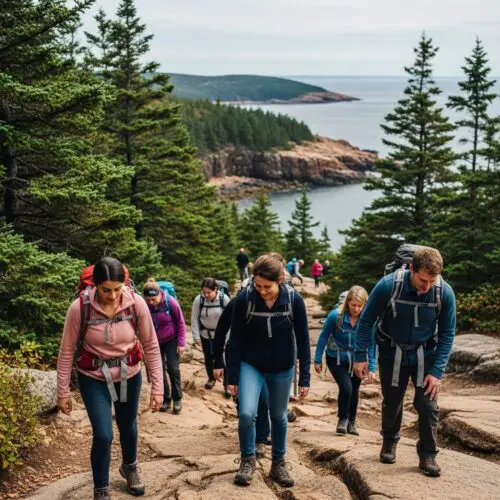
Acadia National Park is a favorite among travelers. It draws millions of visitors each year, making it a top spot for outdoor lovers. Let’s dive into the visitor statistics and peak times.
Visitor numbers over recent years
Acadia National Park attracts around 3 million visitors annually. This steady influx makes it one of the most visited national parks in the U.S. Here’s a quick breakdown of recent years:
- 2021: Approximately 3 million visitors
- 2022: Slight increase, around 3.1 million
- 2023: Estimated to reach 3.2 million
These numbers show the park’s growing popularity. Its stunning views and diverse activities keep people coming back.
Avoid crowds during peak season
The park’s busiest times are in the summer, particularly from July to August. During these months, you can expect over 20,000 visitors daily. That’s a lot of people!
To dodge the crowds, consider visiting during these times:
- Late Spring (May to June): Fewer crowds, but some areas may be closed or have limited access.
- Early Fall (September to October): Gorgeous fall foliage with a more relaxed atmosphere.
- Winter (November to March): Many sights are closed, but trails remain open. You’ll likely have them to yourself!
Visitor Flow Chart
| Month | Visitor Volume | Notes |
|---|---|---|
| May | Low | Some facilities closed |
| June | Moderate | Weather improving, fewer crowds |
| July | High | Peak season; expect heavy crowds |
| August | High | Still busy; best to arrive early |
| September | Moderate | Beautiful fall colors begin to emerge |
| October | Low | Peak fall foliage; great for photography |
| November | Low | Many park facilities closed |
| December-March | Very Low | Trails open; solitude in winter wonderland |
Planning your visit with these insights can enhance your experience in Acadia National Park. Enjoy the beauty without the hustle!
11. The Park Offers Unique Stargazing Opportunities

Acadia National Park is a hidden gem for stargazing. With its dark skies and breathtaking views, it’s a perfect spot to catch a glimpse of the cosmos.
Ideal locations for stargazing
Here are some of the best spots within the park for an unforgettable stargazing experience:
- Cadillac Mountain: As the highest point on the East Coast, Cadillac Mountain offers stunning panoramic views. It’s a popular spot, especially during sunrise and sunset, but the night sky here is just as mesmerizing.
- Sand Beach: This beautiful beach provides a wide-open view of the night sky. Lay back on the sand and soak in the stars while listening to the waves.
- Jordan Pond: The calm waters of Jordan Pond create a mirror effect, reflecting the stars above. It’s a serene spot for a peaceful night under the sky.
- Schoodic Peninsula: For those looking for a quieter location, the Schoodic Peninsula is less crowded. It offers clear views of the sky and a chance to spot constellations without the city lights.
Seasonal considerations for visibility
Stargazing can vary by season. Here’s a quick guide to help you plan your visit:
| Month | Visibility | Tips |
|---|---|---|
| January | Low | Cold nights; dress warmly. |
| February | Low | Rarely crowded; great for solitude. |
| March | Moderate | More clear nights; spring begins. |
| April | Moderate | Warmer nights; good for early stargazing. |
| May | High | Longer evenings and clearer skies. |
| June | High | Warm weather; expect more visitors. |
| July | Very High | Peak season; arrive early for the best spots. |
| August | High | Late summer offers warm nights. |
| September | Moderate | Fall colors add beauty to the scenery. |
| October | Low | Cooler nights; excellent for photography. |
| November | Low | Many facilities closed; check ahead. |
| December | Low | Quiet winter nights; stunning snow landscapes. |
Plan your stargazing adventure in Acadia carefully. Each season brings its own charm, making every visit unique!
12. Local Community Involvement in Park Conservation

Acadia National Park thrives thanks to the dedication of local communities. Their efforts play a crucial role in preserving the park’s natural beauty and cultural heritage.
Community programs supporting conservation
Local organizations and volunteers actively participate in various programs. Here are some noteworthy initiatives:
- Acadia Trails Forever: This program focuses on restoring and maintaining trails. Volunteers help ensure safe and accessible hiking paths throughout the park.
- The Island Explorer: A free shuttle service that reduces traffic and pollution. It encourages visitors to explore the park without their cars.
- Education and Outreach: Community workshops teach visitors about local wildlife and ecosystems. These events foster a deeper appreciation for nature.
Impact of local efforts on park sustainability
Community involvement significantly enhances the sustainability of Acadia National Park. Here’s how:
- Conservation Projects: Locals engage in habitat restoration and invasive species removal. These efforts protect native wildlife and promote biodiversity.
- Public Awareness: Community programs raise awareness about the importance of conservation. They help visitors understand their role in protecting the park.
- Collaboration with the Park Service: Local groups work alongside the National Park Service. This partnership ensures that conservation efforts align with park management goals.
By participating in these programs, locals not only help preserve Acadia but also create a more enriching experience for visitors. When planning your trip in 2026, consider joining a community event to learn more about the park and its ecosystems. It’s a great way to give back while enjoying the stunning landscapes!
13. Seasonal Changes Affect Wildlife and Activities
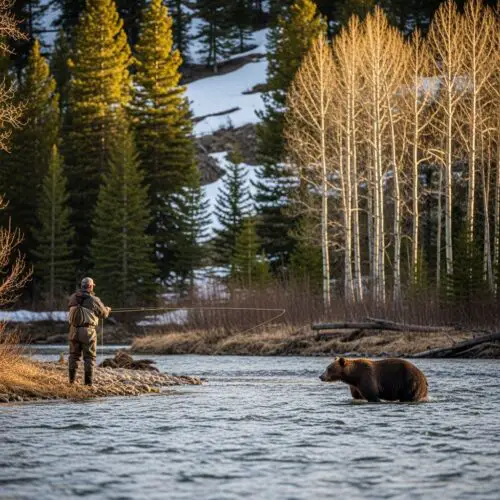
The seasons at Acadia National Park bring different experiences for visitors. Each time of year showcases unique wildlife sightings and activities. Here’s a breakdown of what to expect throughout the year.
Wildlife sightings throughout the year
Wildlife in Acadia thrives in every season, but what you see depends on when you visit. Here’s a quick look at what you might spot:
- Spring (March – May): Look for migratory birds returning, like the American robin and various warblers. You might also catch sight of baby animals, such as fawns and moose calves.
- Summer (June – August): This is peak season for wildlife. Moose, deer, and even seals can be spotted along the coast. The park buzzes with life, and early mornings are prime for birdwatching.
- Fall (September – November): As the leaves change, so does the wildlife. Look for hawks and other raptors migrating south. Deer are also more active as they prepare for winter.
- Winter (December – February): While many animals hibernate, you can spot winter birds like chickadees and cardinals. Tracks in the snow can reveal the presence of coyotes and foxes.
Recommended seasonal activities
Each season offers activities that highlight the park’s beauty. Here’s a seasonal checklist to help you plan:
- Spring:
- Go hiking on the blooming trails.
- Join a guided birdwatching tour to see the returning migratory species.
- Summer:
- Enjoy kayaking along the coastline.
- Hike the Precipice Trail for breathtaking views and wildlife sightings.
- Fall:
- Take a scenic drive along the Park Loop Road to see vibrant foliage.
- Attend the Acadia Night Sky Festival to enjoy stargazing.
- Winter:
- Explore the carriage roads for cross-country skiing or snowshoeing.
- Join a ranger-led winter wildlife tracking program.
By planning your visit around these seasonal highlights, you can make the most of your Acadia experience in 2026!
14. Planning Tips for a Successful 2026 Visit

Planning a trip to Acadia National Park in 2026? You’re in for a treat! With its stunning landscapes and diverse wildlife, it’s a destination you won’t want to miss. Here are some tips to help make your visit unforgettable.
Best times to visit for fewer crowds
If you want to avoid the hustle and bustle, timing is key. Here are the best times to visit:
- Late Spring (May to early June): Enjoy blooming wildflowers and fewer crowds. Perfect for hiking trails like Jordan Pond Path.
- Early Fall (September to mid-October): Witness the fall foliage at its peak. The vibrant colors can be breathtaking, and the weather is still mild.
- Weekdays over weekends: If you can, plan your visit during the week. This will help you dodge the weekend crowds, especially in popular areas like Cadillac Mountain.
Essential items to pack for your visit
Packing smart can make your trip smoother. Here’s a handy checklist of items you won’t want to forget:
- Comfortable hiking shoes: You’ll be exploring a lot, so make sure your feet are happy!
- Layered clothing: Weather can change quickly. Be prepared for sun, wind, or rain.
- Reusable water bottle: Stay hydrated while being eco-friendly.
- Camera or smartphone: Capture the stunning views and wildlife.
- Binoculars: Great for birdwatching and spotting wildlife from a distance.
- Sunscreen and insect repellent: Protect your skin while enjoying the outdoors.
Downloadable Packing Checklist
To make packing even easier, here’s a downloadable checklist to guide you:
- [Download Acadia National Park Packing Checklist](#)
With these tips in hand, you’re set for a fantastic adventure in Acadia National Park!
Frequently Asked Questions
These quick answers cover the most common questions about this topic, including key details, practical tips, and common concerns.
What are some cool facts about Acadia National Park?
Acadia is the first national park east of the Mississippi, established in 1916. It was created largely through land donations from figures like John D. Rockefeller Jr. and Charles W. Eliot. Cadillac Mountain is the first place in the U.S. to see sunrise during certain months, and the park features over 45 miles of historic carriage roads built for peaceful exploration. It also boasts diverse landscapes, including mountains, coastlines, and islands, and is home to more than 300 bird species.
What is the #1 visited National Park?
While Yellowstone often ranks as the most visited, Acadia is among the top in the eastern U.S., attracting over 3 million visitors annually as of recent years. Its popularity peaks in summer, but it draws crowds year-round, especially during fall foliage season and in early spring. Its accessibility, scenic beauty, and variety of activities make it a top destination.
Are there grizzly bears in Acadia?
No, there are no grizzly bears in Acadia National Park. The park’s wildlife includes deer, moose, foxes, and numerous bird species. The absence of large predators like grizzlies is typical for the park’s ecosystem, which is more suited to smaller mammals and birdlife. Visitors are more likely to encounter birds, seals, and small mammals.
What should you not miss in Acadia National Park?
You should not miss sunrise from Cadillac Mountain, the scenic carriage roads, and Thunder Hole for wave displays. Other highlights include hiking the Park Loop Road, exploring Jordan Pond, and visiting the historic carriage roads and bridges. Wildlife viewing, especially birdwatching, is also a key experience. These attractions showcase the park’s natural beauty and history.
What are the best hiking trails in Acadia National Park?
The best trails vary by skill level. For beginners, Jordan Pond Path offers a flat, scenic loop. Moderate hikers enjoy the Cadillac North Ridge Trail for panoramic views. For experienced hikers, the Precipice and Beehive Trails provide steep climbs and stunning vistas. Always check trail difficulty and weather conditions before heading out.
How can I access Cadillac Mountain?
Cadillac Mountain is accessible via the Cadillac South Ridge Trail or the Cadillac North Ridge Trail. The park also offers a scenic drive along the Park Loop Road that reaches the summit. During peak seasons, the summit can be crowded, so consider visiting early in the morning or late in the day for a better experience.
What wildlife can I expect to see in Acadia?
Expect to see over 300 bird species, including peregrine falcons, bald eagles, and loons. You might also spot moose, deer, foxes, and seals along the coast. Tracks in the snow during winter can reveal the presence of coyotes and other mammals. Birdwatching is especially popular in spring and fall.
What are the best times to visit Acadia National Park?
The best times are late spring (May-June) and early fall (September-October) for fewer crowds and pleasant weather. Summer (July-August) is peak season with the most visitors, so plan accordingly. Winter offers solitude and opportunities for snowshoeing and cross-country skiing but with limited facilities. Spring and fall also feature spectacular scenery and wildlife activity.