
Cuyahoga Valley National Park is home to many intriguing features that make it a unique destination for visitors. This article presents 13 fascinating facts about the park, highlighting its rich history, diverse wildlife, and recreational opportunities for the 2026 visitor.
1. Cuyahoga Valley National Park Is Ohio’s Only National Park
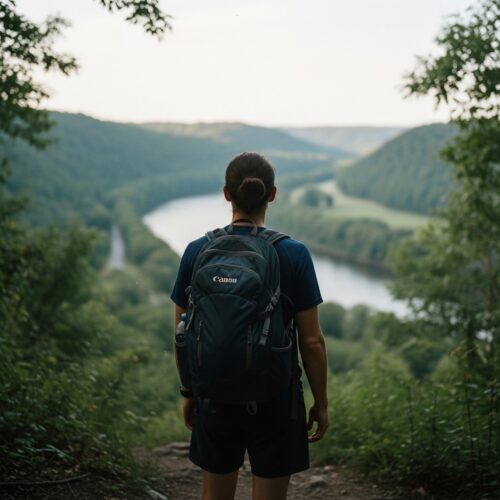
Cuyahoga Valley National Park is a true gem. Being Ohio’s only national park makes it special, showcasing the state’s natural beauty and history.
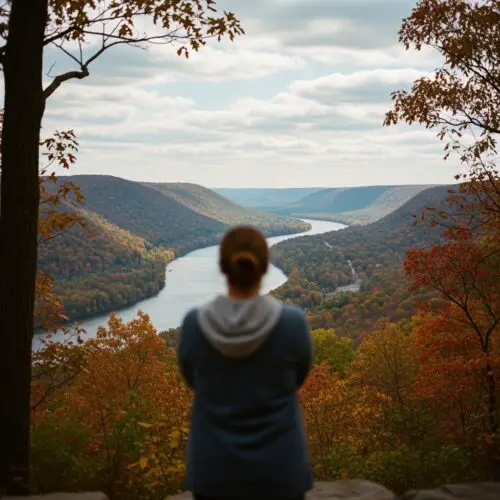
Established as a national recreation area in 1974
The park’s journey began in 1974 when it was designated as the Cuyahoga Valley National Recreation Area. This move aimed to protect the stunning landscapes and rich ecosystems of the Cuyahoga Valley.
- Purpose: The creation of the recreation area focused on preserving the Cuyahoga River and surrounding lands.
- Community Involvement: Local communities played a significant role in advocating for this preservation.
Redesignated as a national park in 2000
In 2000, the area took another step forward. It was redesignated as Cuyahoga Valley National Park. This change elevated its status and increased its importance for conservation.
- Enhanced Protection: National park status offers stronger protections for wildlife and habitats.
- Visitor Experience: With this designation, the park gained more funding, improving facilities and visitor services.
Importance in Ohio’s conservation efforts
Cuyahoga Valley National Park is a key player in Ohio’s conservation efforts. It serves as a model for other parks in the state.
Table of Contents
- Biodiversity: The park is home to diverse wildlife, including deer, foxes, and over 200 species of birds.
- Cultural Significance: It preserves historical sites, like the Ohio & Erie Canal, which tells the story of the region’s past.
- Recreational Opportunities: Visitors can hike, bike, and explore various trails, such as those leading to the beautiful Brandywine Falls.
The park’s commitment to conservation not only protects its natural beauty but also ensures that future generations can enjoy these stunning landscapes.
2. The Cuyahoga River Runs Through the Park
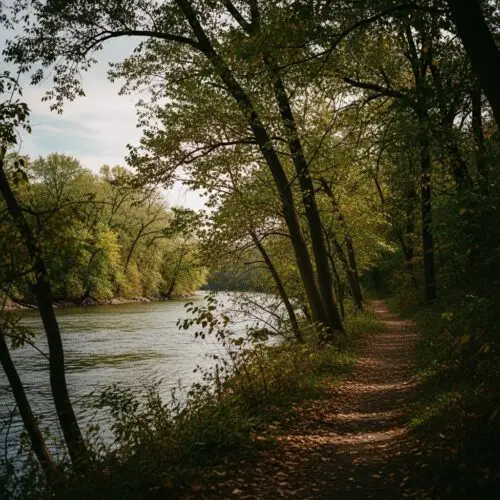
The Cuyahoga River is the heart of Cuyahoga Valley National Park. Its winding path offers stunning views and a vibrant ecosystem, making it a major attraction for visitors.
Historical significance of the river
The name “Cuyahoga” comes from a Native American term meaning “crooked river.” This river played a crucial role in the region’s history. It was once a vital transportation route for early settlers and industries. The river’s banks tell stories of the past, from the flourishing Ohio & Erie Canal to the environmental challenges it faced.
Wildlife habitats along the river
The Cuyahoga River supports diverse ecosystems. Its banks are home to various plants and animals. Here are some highlights:
- Birdwatching: Over 200 bird species thrive here. Look for herons, eagles, and songbirds.
- Mammals: Deer, raccoons, and foxes are common sightings along the river.
- Aquatic Life: The clean-up efforts have revived fish populations, making it a great spot for anglers.
Recreational activities like fishing and kayaking
Visitors can enjoy a range of activities on the Cuyahoga River. Here’s a quick list of fun options:
- Fishing: Cast your line and try to catch bass, trout, and more.
- Kayaking: Paddle along the serene waters and soak in the views.
- Scenic Train Rides: Take the Cuyahoga Valley Scenic Railroad for a unique perspective of the river’s beauty.
The river is not just a pretty sight; it’s a place for adventure and connection with nature. Whether you’re fishing, kayaking, or simply enjoying a train ride, the Cuyahoga River enriches every visit to the park.
3. Brandywine Falls Is a Must-See Attraction
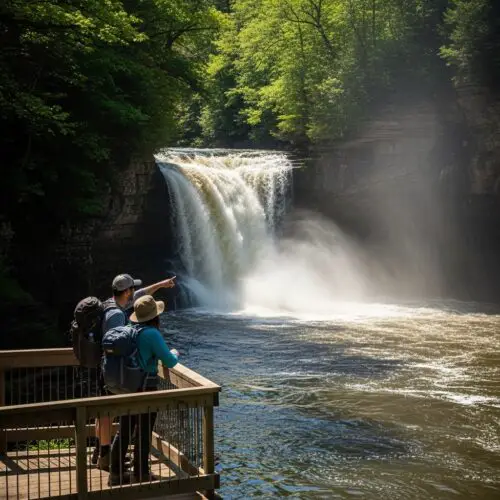
Brandywine Falls is the crown jewel of Cuyahoga Valley National Park. Standing at 65 feet tall, it’s Ohio’s tallest waterfall and a highlight for every visitor. Let’s dive into the best ways to enjoy this stunning spot.
Viewing Platforms and Accessibility
There are several viewing platforms to catch a glimpse of Brandywine Falls.
- Main Viewing Platform: This is the most popular spot. It offers a breathtaking view of the falls, and it’s just a short walk from the parking area.
- Accessible Trails: The main trail to the viewing platform is paved, making it accessible for everyone. It’s perfect for strollers or those with mobility challenges.
- Additional Viewing Points: For the adventurous, there are additional trails that lead to more intimate views of the falls. Just be cautious; some paths can be steep.
Photography Opportunities
Brandywine Falls is a photographer’s paradise. Here are some tips for capturing the perfect shot:
- Golden Hour: Early morning or late afternoon light makes for stunning photographs.
- Seasonal Changes: Visit in autumn for vibrant foliage or winter for a magical icy scene. Each season offers a unique perspective.
- Waterfall Effects: Use a slow shutter speed to capture the silky effect of the falling water. A tripod can help achieve this.
Seasonal Variations and Best Times to Visit
Each season brings something special to Brandywine Falls.
- Spring: Witness the rush of water as snow melts. Wildflowers also start to bloom, adding color to the landscape.
- Summer: This is peak season. The falls are lush and vibrant, attracting many visitors. Arrive early to avoid crowds.
- Fall: The foliage is breathtaking. The vibrant colors provide a stunning backdrop for the falls.
- Winter: The falls can freeze, creating beautiful ice formations. Be sure to dress warmly and tread carefully on icy paths.
Brandywine Falls is not just a sight to see; it’s an experience to savor. Whether you’re snapping photos or simply soaking in the beauty, this waterfall is a must-visit on your trip to Cuyahoga Valley National Park.
4. The Ohio & Erie Canal Has Rich Historical Roots
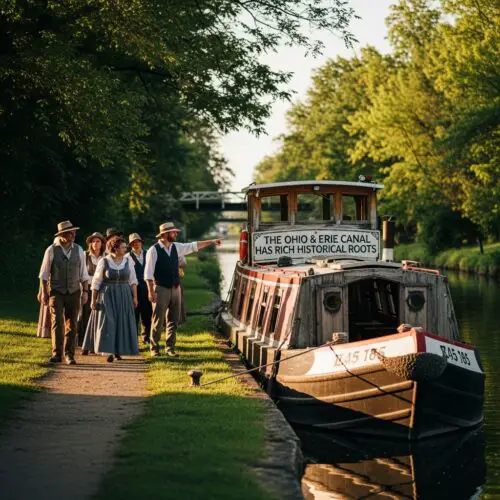
The Ohio & Erie Canal played a crucial role in shaping Cuyahoga Valley National Park. Its history is intertwined with the region’s development and the park’s allure today.
Canal Exploration Center Insights
The Canal Exploration Center is a fantastic spot to dive into the canal’s history. Here, visitors can learn how the canal facilitated trade and transport in the 19th century. It served as a lifeline for local communities, connecting them to markets and resources.
Historical Transportation Routes
The canal stretched over 100 miles, linking the Ohio River to Lake Erie. It transformed the way goods and people moved through Ohio. This historical route helped spark the growth of towns and industries along its path. Today, remnants of the canal can still be seen throughout the park, telling stories of a bustling past.
Impact on Local Communities
The Ohio & Erie Canal significantly impacted the local communities it touched. It fostered economic growth, allowing farmers to transport their goods to larger markets. This connection helped towns thrive and laid the foundation for the area’s development.
Visitors today can appreciate this historical significance as they explore the park. Walking or biking along the old towpath, you can imagine the bustling activity from a century ago. The blend of history and nature makes every visit to the Cuyahoga Valley National Park a unique experience.
- Key Takeaways:
- The canal was vital for trade and transportation in the 1800s.
- It supported local economies and communities.
- Today, it serves as a historical path for visitors to explore.
Embrace the past as you wander through the park and see how it has evolved from industrial roots to a natural sanctuary.
5. The Cuyahoga Valley Scenic Railroad Offers Unique Views

The Cuyahoga Valley Scenic Railroad is a fantastic way to explore the beauty of the park. It offers visitors stunning views and a glimpse into the area’s rich history. Let’s dive into what makes this railroad experience so special.
History of the Railroad
The Cuyahoga Valley Scenic Railroad is not just any train ride; it’s a piece of history. This railroad operates within the park, making it the only national park in the U.S. with a nonprofit railroad. It showcases the historical significance of the Ohio & Erie Canal and the region’s industrial past. As you ride, you’ll pass by landmarks that tell stories of days gone by.
Guided Tours and Special Events
The railroad hosts guided tours and special events throughout the year. These tours often feature knowledgeable guides who share fascinating facts about the park’s ecosystems and wildlife. Seasonal events, like fall foliage rides or holiday-themed excursions, provide unique experiences. Imagine sipping hot cocoa while the landscape transforms into a canvas of autumn colors!
Best Times for Scenic Rides
For the best experience, consider the time of year you visit. Spring and fall are particularly stunning. Spring brings blooming wildflowers, while fall showcases vibrant leaf colors. The train runs on a schedule, so check for specific times. A ride during golden hour offers breathtaking views as the sun sets over the Cuyahoga River.
Quick Tips for Your Ride:
- Timing: Early mornings or late afternoons for fewer crowds.
- Seating: Opt for the open-air cars for fresh air and unobstructed views.
- Photography: Bring a camera; there are plenty of picture-perfect moments!
In summary, the Cuyahoga Valley Scenic Railroad enhances the park experience with its unique blend of history, guided tours, and stunning seasonal views. Don’t miss the chance to see Cuyahoga Valley National Park from a different perspective!
6. Cuyahoga Valley Is Home to Diverse Wildlife
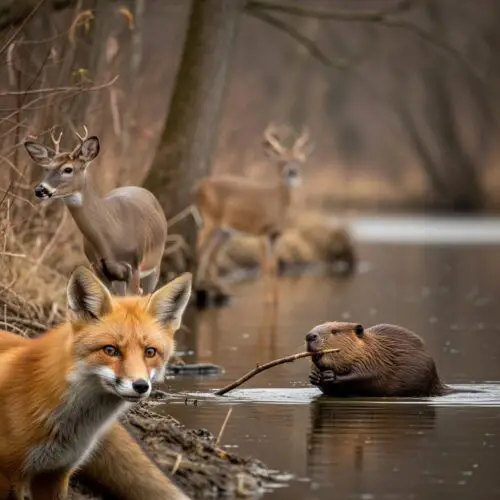
Cuyahoga Valley National Park boasts a vibrant array of wildlife. From soaring birds to playful mammals, this park is a haven for nature lovers. Let’s dive into what makes this ecosystem so special.
Birdwatching Opportunities
With over 250 species of birds, Cuyahoga Valley is a birdwatcher’s paradise. Whether you’re a seasoned birder or just starting, you’ll find plenty to see. Here are some highlights:
- Spring Migration: Thousands of birds return in spring, making it the perfect time for birdwatching.
- Unique Species: Look out for the majestic bald eagle and the colorful rose-breasted grosbeak.
- Best Spots: Head to the Ohio & Erie Canal Towpath Trail or the wetlands near the Cuyahoga River for the best views.
Unique Animal Species in the Park
Cuyahoga Valley is home to a variety of unique mammals and reptiles. Here are some species you might encounter:
- Mink: These sleek creatures can often be spotted near water.
- Coyotes: Listen for their howls at dusk and dawn.
- White-tailed Deer: Commonly seen grazing, especially in the early morning or late evening.
With 20 types of reptiles and 18 kinds of amphibians, there’s always something interesting lurking around!
Conservation Programs for Wildlife
Cuyahoga Valley National Park takes wildlife conservation seriously. Many programs help protect the park’s biodiversity. Here are a few notable efforts:
- Invasive Species Removal: Programs are in place to manage and remove invasive species that threaten native wildlife.
- Habitat Restoration: The park actively works to restore wetlands and forests, creating better habitats for wildlife.
- Community Involvement: Local volunteers often participate in conservation activities, fostering a strong community connection to the park.
These efforts ensure that Cuyahoga Valley remains a thriving ecosystem for generations to come. As you explore, remember that your visit supports these vital conservation initiatives!
7. Over 125 Miles of Hiking Trails Await Explorers

Cuyahoga Valley National Park is a hiker’s paradise. With over 125 miles of trails, there’s something for everyone. Whether you’re a beginner or an experienced adventurer, you’ll find the perfect path to explore.
Trail Difficulty Levels and Recommendations
The park offers trails that range from easy to strenuous. Here’s a quick guide to help you choose:
- Easy Trails: Great for families and beginners.
- Towpath Trail: A flat, scenic route along the Ohio & Erie Canal.
- Brandywine Falls Trail: A short, accessible trail leading to stunning waterfall views.
- Moderate Trails: Perfect for those looking for a bit of a challenge.
- Virginia Kendall Ledges: Enjoy beautiful rock formations and views.
- Blue Hen Falls: A moderately steep trail that rewards you with a picturesque waterfall.
- Strenuous Trails: For seasoned hikers craving adventure.
- Buckeye Trail: A long, rugged route that showcases the park’s natural beauty.
- Ledges Trail: Offers steep climbs and breathtaking vistas.
Unique Features Along the Trails
Each trail has its own charm. Here are some highlights:
- Brandywine Falls: The park’s tallest waterfall, standing at 65 feet.
- Cuyahoga River: Winding through the park, it offers scenic views and wildlife spotting.
- Ohio & Erie Canal: Once a major trade route, it now provides a glimpse into the area’s history.
Safety Tips and Preparation
Hiking is fun but comes with responsibility. Keep these tips in mind:
- Check the Weather: Conditions can change quickly. Dress in layers and prepare for rain.
- Stay Hydrated: Bring plenty of water, especially on longer hikes.
- Trail Etiquette: Stay on marked paths to protect wildlife and plants. Always yield to those going uphill.
Plan your hike based on your skill level and interests. Cuyahoga Valley National Park awaits with trails that promise adventure and discovery!
8. The Park Hosts Unique Seasonal Events

Cuyahoga Valley National Park is not just about stunning views and hiking trails. It also offers a variety of seasonal events that make every visit special. Here’s what you can look forward to throughout the year.
Spring Wildflower Walks
Spring brings vibrant colors to the park. Join guided wildflower walks to discover the beauty of blooming plants. These walks usually take place in April and May. You’ll learn about local flora and their ecological roles. It’s a great way to enjoy the fresh air and get some exercise while exploring the park’s rich biodiversity.
Summer Music Festivals
Summer is all about fun and music! The park hosts several music festivals featuring local artists. These events create a lively atmosphere and are perfect for families. Bring a picnic blanket and enjoy the tunes under the sun. The concerts often take place in July and August, bringing the community together for an unforgettable experience.
Fall Foliage Tours
As the leaves change colors, Cuyahoga Valley transforms into a breathtaking landscape. Fall foliage tours are popular from late September to mid-October. You can hike or take a scenic train ride on the Cuyahoga Valley Scenic Railroad. Either way, the views are spectacular. Don’t forget your camera to capture the stunning fall colors!
Winter Activities
Just because it’s cold doesn’t mean the fun stops! In winter, the park offers unique activities like snowshoeing and cross-country skiing. Bring your gear or rent some nearby. The peaceful, snowy landscapes provide a magical setting for winter sports enthusiasts.
Unique Experiences
Look out for special events like stargazing nights and ranger-led programs. These experiences add depth to your visit. You’ll learn about the park’s history and wildlife while enjoying the great outdoors.
Here’s a quick look at some seasonal events:
| Season | Event Type | Timeframe |
|---|---|---|
| Spring | Wildflower Walks | April – May |
| Summer | Music Festivals | July – August |
| Fall | Foliage Tours | Late September – Mid-October |
| Winter | Snowshoeing & Skiing | December – February |
Cuyahoga Valley National Park offers unique events year-round. Each season brings its own charm and activities, ensuring there’s always something to enjoy!
9. Cuyahoga Valley National Park Is Free to Enter
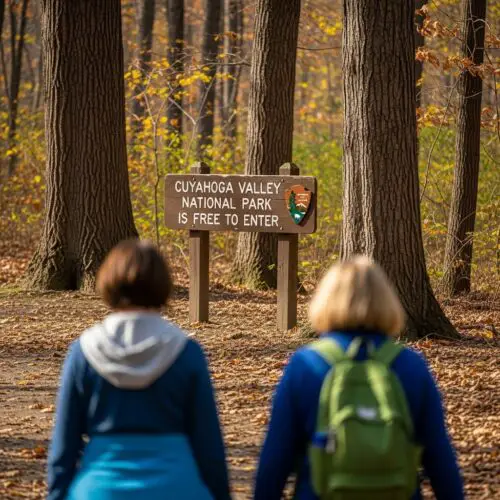
Cuyahoga Valley National Park stands out because it has no entrance fee. This policy plays a big role in attracting visitors, making it accessible to everyone.
Visitor Numbers and Trends
With free entry, visitor numbers have seen a significant boost. In recent years, the park welcomed over 2 million visitors annually. This accessibility invites families, students, and nature lovers from all walks of life.
- Visitor Growth: The park has experienced a steady increase in visitors since becoming a national park in 2000.
- Economic Impact: The influx of visitors contributes to local businesses, from restaurants to shops. More visitors mean more revenue for nearby communities.
Accessibility for All Visitors
The lack of an entrance fee means that more people can enjoy the park’s beauty. This approach aligns with the park’s mission to promote environmental education and appreciation.
- Inclusivity: Families with tight budgets can easily explore the park.
- Programs for Everyone: The park offers various programs and guided tours that are often free or low-cost.
Comparison with Other National Parks
Many national parks charge entrance fees, which can range from $10 to $35. Cuyahoga Valley National Park’s free access makes it a unique choice.
- Cost-Effective Adventure: Families can plan a day trip without worrying about fees.
- Encouraging Repeat Visits: Without the pressure of entrance fees, visitors are more likely to return.
This no-cost policy is a major draw for many, helping create lasting memories in the heart of Ohio’s natural beauty.
10. The Park Strives for Sustainable Practices
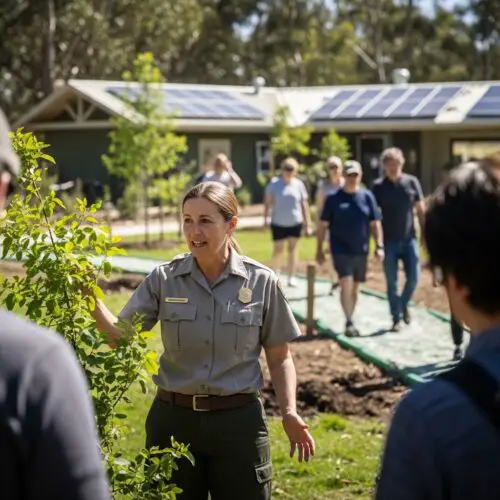
Cuyahoga Valley National Park is committed to preserving its natural beauty through various conservation and sustainability initiatives. These efforts not only protect the environment but also enhance visitor experiences.
Community Involvement in Conservation
The park encourages local communities to get involved in conservation efforts. Volunteer days are organized regularly, allowing visitors to participate in hands-on activities. This could include:
- Tree planting: Helping to restore natural habitats.
- Cleanup events: Removing litter from trails and waterways.
- Wildlife monitoring: Assisting with species counts and health assessments.
These activities foster a sense of connection to the park and promote environmental stewardship.
Sustainable Tourism Practices
Cuyahoga Valley National Park promotes sustainable tourism to minimize its ecological footprint. Here are some practices in place:
- Eco-friendly transportation: The Cuyahoga Valley Scenic Railroad offers a unique way to explore the park while reducing car traffic.
- Leave No Trace principles: Visitors are educated on how to enjoy the park responsibly, ensuring minimal impact on the environment.
- Sustainable dining options: Local eateries focus on farm-to-table practices, sourcing ingredients locally to reduce transportation emissions.
These initiatives encourage visitors to think about their impact while enjoying the park.
Long-term Ecological Goals
The park has set ambitious ecological goals for the future. Some key objectives include:
- Habitat restoration: Ongoing projects aim to restore wetlands and forests to support diverse wildlife.
- Water quality improvement: Efforts are made to reduce runoff into the Cuyahoga River, enhancing water quality for aquatic life.
- Biodiversity conservation: The park monitors and protects native species, working to prevent the spread of invasive plants and animals.
By focusing on these goals, Cuyahoga Valley National Park aims to create a thriving ecosystem for generations to come.
11. Local Dining and Shopping Options Enhance Visits

When visiting Cuyahoga Valley National Park, exploring local dining and shopping options can add to your adventure. These spots reflect the community spirit and offer tasty treats and unique finds.
Recommended Local Eateries
Nearby eateries serve up delicious meals that fuel your park explorations. Here are a few favorites:
- The Winking Lizard Tavern: Known for its casual vibe and extensive menu, this place is perfect for a hearty meal after a day of hiking.
- Sarah’s Vineyard: Enjoy a glass of local wine while soaking in scenic views. Their outdoor seating is a hit during warm months.
- The Blue Door Café: This charming café offers tasty breakfast and lunch options. The homemade pastries are a must-try!
Unique Shops and Artisan Markets
Shopping near the park can be a delightful experience. You’ll find unique shops that showcase local artisans:
- Cuyahoga Valley Art Gallery: Browse local artwork and crafts. It’s a great place to pick up a souvenir that supports local artists.
- The Valley Art Center: Check out classes and workshops. You might even catch a live demonstration!
- Local Farmers Markets: These are perfect for fresh produce and handmade goods. They often feature products from the surrounding areas.
Visitor Support for Local Economy
Supporting local businesses enhances your visit and benefits the community. When you dine, shop, or explore local attractions, you help sustain the economy surrounding Cuyahoga Valley National Park.
- Economic Impact: Every dollar spent at local shops or restaurants helps maintain jobs and supports local initiatives.
- Community Connection: Engaging with locals can lead to discovering hidden gems in the area. You might hear about a secret trail or a lesser-known viewpoint!
By choosing local dining and shopping options, you not only enrich your experience but also contribute to the vibrant community around Cuyahoga Valley National Park.
Frequently Asked Questions
These quick answers cover the most common questions about this topic, including key details, practical tips, and common concerns.
What are some fun facts about Cuyahoga Valley National Park?
Cuyahoga Valley National Park is Ohio’s only national park, established as a national recreation area in 1974 and redesignated in 2000. It features Ohio’s tallest waterfall, Brandywine Falls, and the historic Ohio & Erie Canal. The park is home to over 200 bird species and more than 125 miles of hiking trails. The Cuyahoga River, which runs through the park, supports diverse wildlife and recreational activities like kayaking and fishing.
What is the only state without a national park?
Ohio is the only U.S. state without a designated national park. However, Cuyahoga Valley National Park serves as the state’s premier protected natural area, offering many recreational and historical features similar to national parks in other states.
What is the #1 most visited national park?
As of recent data, Great Smoky Mountains National Park holds the title for the most visited national park in the United States. It attracts over 12 million visitors annually due to its scenic beauty, diverse wildlife, and extensive trail system. Cuyahoga Valley, while smaller, still draws over 2 million visitors each year, making it a popular destination in Ohio.
What is the hardest hike in Cuyahoga National Park?
The hardest hike in Cuyahoga Valley National Park is generally considered to be the Buckeye Trail sections that traverse rugged terrain and steep inclines. These trails are suited for experienced hikers seeking a challenging adventure and offer stunning vistas, rock formations, and remote natural areas.
What wildlife can be seen in Cuyahoga Valley National Park?
The park hosts a variety of wildlife, including white-tailed deer, foxes, raccoons, and beavers. Birdwatchers can spot over 200 species such as bald eagles, herons, and songbirds. Reptiles and amphibians like snakes, frogs, and turtles are also common, especially near wetlands and streams.
Are there guided tours available in Cuyahoga Valley National Park?
Yes, the park offers guided tours and ranger-led programs throughout the year. These include nature walks, historical talks, and seasonal events like fall foliage tours. The Cuyahoga Valley Scenic Railroad also provides narrated scenic rides that showcase the park’s natural beauty and history.
When is the best time to visit Cuyahoga Valley National Park?
The best times to visit are spring (April–May) for wildflowers, summer (June–August) for lush greenery and outdoor activities, fall (September–October) for vibrant foliage, and winter (December–February) for snow sports like snowshoeing. Each season offers unique scenery and experiences.
What activities can you do in Cuyahoga Valley National Park?
Visitors can hike, bike, and horseback ride on numerous trails; explore waterfalls like Brandywine Falls; enjoy scenic train rides; fish and kayak on the Cuyahoga River; and participate in seasonal events. The park also features historical sites, wildlife viewing, and educational programs to enhance your visit.