
Isle Royale National Park, located in Lake Superior, is a unique wilderness area that captivates visitors with its stunning landscapes and rich biodiversity. Here are 14 fascinating facts about this remote national park that exemplify its ecological significance and recreational opportunities.
1. Isle Royale Is a UNESCO Biosphere Reserve
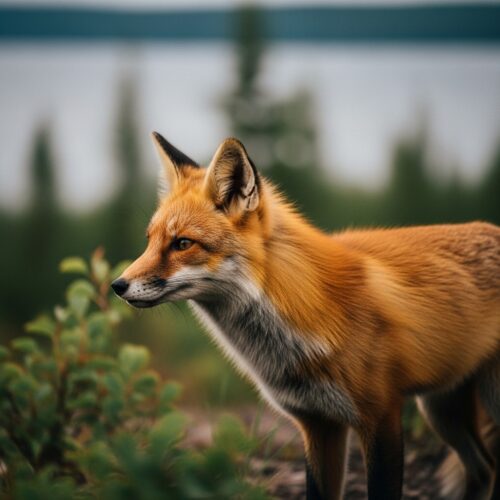
Isle Royale National Park is more than just a beautiful landscape. It holds the prestigious title of a UNESCO Biosphere Reserve, highlighting its global ecological significance and commitment to conservation.
Importance of Biosphere Reserves
Biosphere Reserves are designated areas that promote sustainable development and conservation of biodiversity. They serve as living laboratories for research and education. Isle Royale’s designation in 1980 underscores its rich ecosystems and the need for ongoing preservation efforts.
- Conservation Focus: These reserves aim to balance conservation with sustainable use. Isle Royale exemplifies this by protecting its unique wildlife and plant species while allowing for visitor engagement.
- Research Opportunities: The park provides critical data for scientists studying ecosystems and climate change.
Global Ecological Significance
Isle Royale’s unique environment plays a vital role in ecological studies. The park’s isolated location allows for distinct species interactions, particularly between wolves and moose.
- Wolves and Moose Dynamics: The wolf population here is studied intensively, revealing insights into predator-prey relationships. This ongoing research is the longest of its kind globally, enhancing our understanding of wildlife management.
- Biodiversity Conservation: With only 19 mammal species, the park offers a glimpse into how ecosystems function in isolation, making it a valuable site for biodiversity studies.
Examples of Conservation Efforts
The Biosphere Reserve status has led to significant conservation initiatives within Isle Royale. Here are a few key efforts:
Table of Contents
- Habitat Protection: Policies have been implemented to restrict human impact and preserve natural habitats.
- Research Funding: Grants and funding have been allocated for studies focused on the park’s unique species and their interactions.
- Visitor Education: Programs designed to educate visitors promote responsible engagement with the park’s ecosystems.
These efforts ensure that Isle Royale remains a pristine example of ecological balance and conservation, making it a true gem in the national park system.
2. The Park Is Home to a Unique Predator-Prey Dynamic
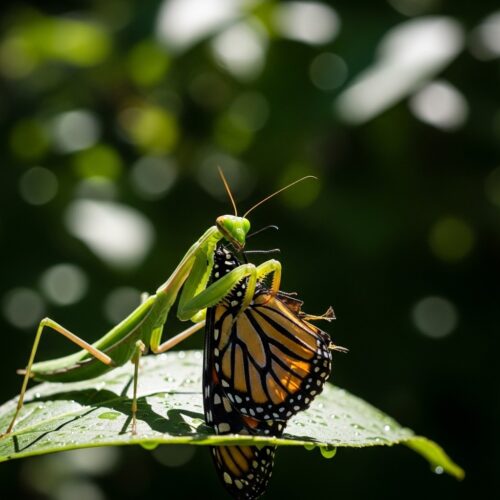
Isle Royale National Park is famous for its fascinating wolf-moose study. This long-term research highlights the delicate balance between predator and prey on the island. Let’s dive into the details.
Longevity of the Wolf-Moose Study
The wolf-moose study is one of the longest-running ecological studies in the world. It began in the late 1940s. Researchers observed how wolves control the moose population. Their findings have shaped our understanding of predator-prey relationships.
Findings from the Predator-Prey Dynamics
This study revealed some eye-opening facts:
- Population Control: Wolves help keep the moose population in check. When moose numbers rise, wolves hunt more. This balance prevents overgrazing and maintains healthy forests.
- Genetic Insights: The study showed that Isle Royale’s wolves descended from just one female. This has led to inbreeding, which affects their health and adaptability.
- Moose Migration: Interestingly, the moose on Isle Royale are closely related to those in northwestern Minnesota. This challenges the belief that they swam to the island.
Impact on Ecological Understanding
The wolf-moose study has broader implications. It informs wildlife management practices across North America. Here’s why it matters:
- Ecological Balance: Understanding predator-prey dynamics helps maintain biodiversity.
- Conservation Strategies: Findings guide conservation efforts, ensuring healthier ecosystems.
- Visitor Education: The study enhances visitor knowledge about wildlife interactions, enriching their park experience.
This intricate dance between wolves and moose showcases nature’s balance. Isle Royale serves as a living laboratory, offering insights that extend beyond its shores.
3. Isle Royale Is the Least Visited National Park
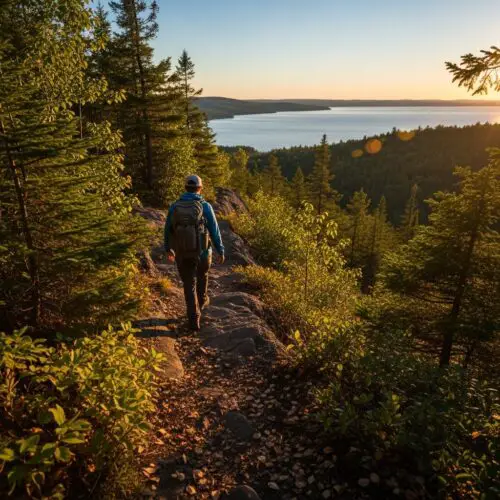
Isle Royale National Park is a hidden gem in the U.S. It’s the least visited national park, and that’s part of its charm. Imagine exploring a beautiful wilderness without crowds. Let’s dive into what this means for visitors and the park itself.
Visitor Numbers Compared to Other National Parks
In 2018, Isle Royale welcomed just over 25,000 visitors. For comparison, Yellowstone saw around 4 million that same year. This stark difference highlights Isle Royale’s peaceful atmosphere.
| National Park | Visitor Numbers (2018) |
|---|---|
| Isle Royale | 25,000 |
| Yellowstone | 4,000,000 |
Reasons for Low Visitation
Several factors contribute to Isle Royale’s low visitor count:
- Remote Location: It’s located in the northwestern part of Lake Superior. Getting there requires a boat or seaplane, which can deter some travelers.
- Seasonal Accessibility: The park closes from November to mid-April, limiting access.
- Limited Amenities: Fewer facilities and services compared to larger parks mean it attracts fewer visitors.
Benefits of a Less Crowded Park
Fewer visitors mean a more intimate experience with nature. Here are some perks of visiting this serene park:
- Wildlife Encounters: With less human presence, animals like moose and wolves roam more freely.
- Peaceful Hiking: Enjoy trails without the hustle and bustle of crowds.
- Stunning Views: The beauty of the landscape is even more striking when you can soak it in without distractions.
By visiting Isle Royale, you can experience a true wilderness escape. This park offers a rare chance to connect with nature in a tranquil setting. So if you crave solitude and stunning scenery, this is the place to be!
4. The Island’s Geological History Is Fascinating
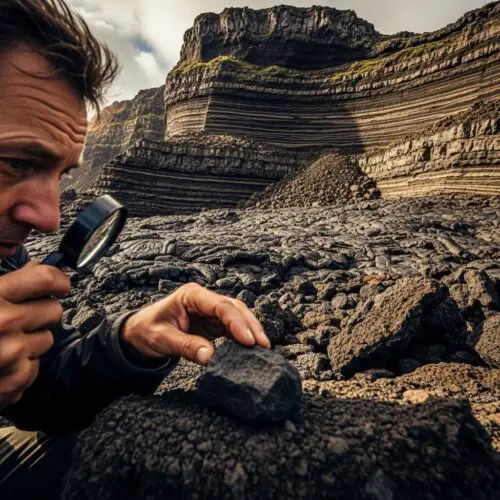
Isle Royale’s geological story is as captivating as the wildlife that roams its trails. This island has a rich history shaped by ancient forces over a billion years.
Formation of the island
Isle Royale was primarily formed by volcanic activity. Around 1.1 billion years ago, lava flows created the island’s rugged landscape. This volcanic activity shaped the Greenstone Ridge, which is a prominent feature of the park. Over time, glaciers sculpted the land, giving rise to its current topography.
Types of geological features present
Isle Royale boasts diverse geological features, including:
- Basalt formations: These ancient lava flows can be seen throughout the park.
- Rugged ridges: The Greenstone Ridge is a highlight, offering stunning views.
- Glacial lakes and ponds: Created by melting glaciers, they add to the park’s charm.
- Bogs and wetlands: These areas support unique ecosystems and diverse wildlife.
Significance of geological studies
Geological studies on Isle Royale provide insights into Earth’s history. They help us understand:
- Ecosystem dynamics: The island’s geology influences its biodiversity.
- Climate change impacts: Observing geological changes aids in understanding environmental shifts.
- Visitor experiences: The unique features attract hikers and nature lovers, enhancing their adventures.
By exploring Isle Royale’s geology, visitors connect with the island’s ancient past. Each rock and ridge tells a story that adds to the park’s allure.
5. Isle Royale Offers Unique Recreational Activities

Isle Royale National Park is a playground for outdoor enthusiasts. With stunning landscapes and diverse wildlife, it offers activities that cater to everyone. Whether you love hiking, kayaking, or scuba diving, there’s something for you.
Popular hiking trails
Isle Royale features a network of trails perfect for hiking. Here are a few standout options:
- Greenstone Ridge Trail: This is the park’s backbone. It offers breathtaking views and stretches 40 miles, connecting both ends of the island.
- Rock Harbor to Daisy Farm: A 5.2-mile trek, this trail takes you through lush forests and along the shores of Lake Superior. Look out for moose along the way!
- Moskey Basin Trail: Approximately 3.5 miles, this trail leads to a beautiful camping area. It’s a great spot for wildlife watching.
Kayaking and water activities
The waters surrounding Isle Royale are ideal for kayaking. Here’s what you need to know:
- Kayak rentals: Available at Rock Harbor and Windigo. Paddling is a fantastic way to explore hidden coves and enjoy the scenery.
- Fishing: Cast your line for walleye, trout, or perch. Several lakes and the surrounding waters are perfect for fishing enthusiasts.
- Wildlife spotting: While paddling, keep your eyes peeled for otters, eagles, and even the occasional moose near shorelines.
Scuba diving opportunities
Isle Royale is a diver’s paradise, especially if you’re into exploring shipwrecks. Here’s a quick guide:
- Wreck diving: The park is home to numerous shipwrecks. Some are easily accessible and perfect for divers looking for adventure.
- Best spots: The wreck of the “M/V America” is a popular dive site. It’s a well-preserved ship that tells a story of maritime history.
- Diving conditions: The waters can be chilly, so a wet suit is recommended. Make sure to check local diving regulations before you go.
By engaging in these activities, you’ll fully experience the beauty and adventure Isle Royale has to offer. Each step, paddle, and dive reveals the park’s fascinating ecosystem and stunning landscapes.
6. The Flora and Fauna Are Remarkably Diverse

Isle Royale National Park boasts a rich tapestry of plant and animal life. The park’s unique ecosystem is a haven for wildlife and flora, showcasing nature at its finest.
Overview of Native Species
Isle Royale is home to around 19 species of mammals. This includes the iconic moose and wolves, which are crucial to the park’s predator-prey dynamics. Here’s a quick look at some native species:
- Moose: The largest land mammals in the park. They can often be spotted near lakes and ponds.
- Wolves: These apex predators maintain the ecological balance by controlling the moose population.
- Birds: Over 200 bird species visit the park, including the great blue heron and the snowy owl.
Impact of Seasonal Changes on Wildlife
Seasons play a significant role in wildlife behavior. In spring, the park bursts with activity as animals emerge from winter dormancy. Here’s how different seasons affect wildlife:
- Spring: Moose calve, and birds return to nest. The forest comes alive with fresh blooms.
- Summer: Wildlife is at its most active. Hikers may spot moose foraging or wolves in their packs.
- Fall: Animals prepare for winter. Moose can be seen feeding on abundant foliage.
- Winter: Many animals are less active. Wolves become more visible as they hunt for food.
Unique Plant Species to Look For
The plant life at Isle Royale is just as fascinating. The park features diverse ecosystems, from dense forests to open meadows. Here are some unique plants to keep an eye out for:
- Balsam Fir: Common in forested areas, providing shelter for wildlife.
- Wildflowers: Look for trillium and lady’s slipper orchids in bloom during late spring.
- Mosses and Lichens: These thrive on the park’s rocky surfaces, adding to its biodiversity.
Understanding the flora and fauna of Isle Royale enhances the visitor experience. Whether you’re hiking, kayaking, or simply enjoying the view, the park’s biological diversity is sure to amaze you!
7. Isle Royale Has a Rich Cultural History
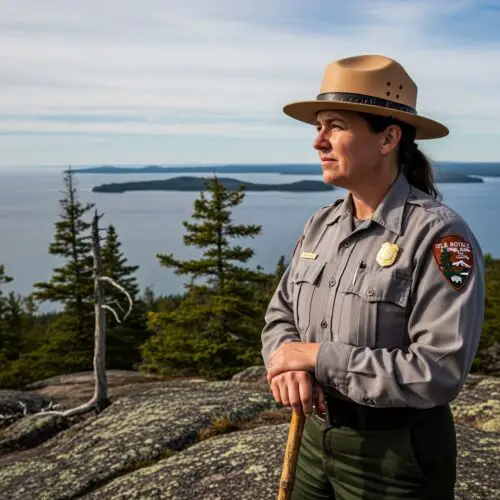
Isle Royale isn’t just about stunning landscapes and unique wildlife. It also has a captivating cultural history. This island has been home to Native Americans for thousands of years, and later, it attracted settlers who left their mark.
Indigenous peoples and their connection to the land
Long before European settlers arrived, Native American tribes thrived on Isle Royale. They relied on the island’s resources for fishing, hunting, and gathering. The Ojibwe people, in particular, held the island sacred. They used it as a place for fishing and harvesting wild rice. Their connection to the land runs deep, with stories and traditions passed down through generations.
- Fishing: The waters around Isle Royale teemed with life. Fish provided a vital food source.
- Wild Rice: This nutritious grain was harvested from the lakes. It was a staple in their diet.
- Spiritual Significance: The island is featured in many Native American stories, showcasing its importance.
Settler history and mining
In the 19th century, interest in Isle Royale grew among European settlers. The island’s rich copper deposits sparked a mining boom. Settlers established small communities, hoping to strike it rich. However, the harsh conditions and isolation made mining difficult. Many miners eventually left, but some remnants of their efforts remain today.
- Mining Towns: Places like Rock Harbor became bustling hubs during the copper rush.
- Ghost Towns: Many mining sites are now deserted, providing a glimpse into the island’s past.
- Historic Structures: Some buildings still stand, reminding us of the settlers’ ambitions.
Cultural sites within the park
Isle Royale is home to several historical sites that tell its story. These cultural landmarks offer a unique look at the island’s past. Visitors can explore remnants of mining operations and Native American heritage.
- Mine Sites: Explore the ruins of old copper mines.
- Lighthouses: Historic lighthouses dot the shoreline, guiding boats through treacherous waters.
- Petroglyphs: Some rock carvings left by Indigenous peoples can still be found, showcasing their artistry.
Understanding Isle Royale’s cultural history adds depth to your visit. It’s not just a natural wonder; it’s a place where stories of human connection and resilience unfold.
8. Accessibility and Planning Your Visit

Planning your trip to Isle Royale National Park is crucial for a smooth adventure. Accessibility is a key factor, so let’s break down your options.
Transportation options to Isle Royale
Getting to Isle Royale isn’t as straightforward as driving up to a park entrance. You’ll need to plan ahead. Here are your main options:
- Ferry Services: Several ferry companies operate between the mainland and Isle Royale. They usually run from late spring to early fall. Reservations are highly recommended.
- Seaplane Rides: If you prefer a bird’s eye view, seaplane services can take you from various locations like Houghton, Michigan. It’s a quicker, albeit pricier, option.
- Private Boat: If you’ve got access to a boat, you can dock at designated areas. Just be sure to check the regulations.
Best times to visit
Isle Royale is open from April 16 to October 31. However, the best months to enjoy the park are July, August, and September. Why? The weather is typically milder, making it perfect for hiking, camping, and other outdoor activities.
Here’s a quick seasonal guide:
- Spring (April – June): Great for solitude but expect unpredictable weather.
- Summer (July – August): Peak visitation. Ideal for all outdoor activities.
- Fall (September – October): Beautiful foliage and fewer crowds, but prepare for cooler temperatures.
Tips for planning your trip
Preparation is key for a successful visit. Here are some handy tips:
- Book Early: Lodging and transportation fill up fast, especially in summer. Make your reservations as soon as possible.
- Check Weather Updates: The weather can change rapidly. Be ready for anything—sunshine, rain, or even chilly winds.
- Pack Essentials: Bring camping gear, hiking shoes, and weather-appropriate clothing. Don’t forget a map and a compass!
- Wildlife Awareness: Keep an eye out for moose and wolves. Respect their space and enjoy observing them from a distance.
With these tips in hand, you’re ready to explore the wonders of Isle Royale National Park!
Frequently Asked Questions
These quick answers cover the most common questions about this topic, including key details, practical tips, and common concerns.
How can I access Isle Royale National Park?
You can reach Isle Royale by ferry or seaplane from the Michigan mainland, typically from Houghton or Copper Harbor. Ferries operate seasonally from late spring to early fall, and reservations are recommended. Seaplane flights offer a quicker, scenic route but are more expensive. If you have a private boat, you can dock at designated areas, but check park regulations beforehand.
What activities can I do at Isle Royale National Park?
The park offers hiking, kayaking, fishing, camping, and scuba diving. Trails like the Greenstone Ridge provide scenic hikes, while the surrounding waters are perfect for paddling and exploring shipwrecks. Camping is available in designated sites, and diving enthusiasts can explore historic wrecks like the M/V America. All activities require proper planning and equipment.
Why are wolves and moose significant to the park’s ecosystem?
Wolves and moose are key players in Isle Royale’s predator-prey dynamics. Wolves help control the moose population, preventing overgrazing. Their interactions have been studied for decades, providing insights into ecological balance. The health of both species reflects the overall health of the island’s ecosystem.
When is the best time to visit Isle Royale National Park?
The optimal time to visit is during July, August, or September when weather is mild and wildlife activity peaks. The park is open from April to October, but early spring and late fall can be unpredictable. Summer offers the best conditions for hiking, camping, and water activities.
How does Isle Royale compare to other national parks in terms of visitor numbers?
Isle Royale is the least visited national park in the U.S., with around 25,000 visitors annually. In contrast, parks like Yellowstone attract millions each year. Its remote location and limited accessibility contribute to its lower visitation, making it ideal for visitors seeking solitude.
What should I know about wildlife encounters at Isle Royale?
Wildlife encounters are common, especially with moose and wolves. Always observe animals from a safe distance and avoid feeding or approaching them. The park’s ecosystem is sensitive, so responsible behavior helps preserve the natural balance and ensures safe experiences for visitors.
Are there alternative parks or activities near Lake Superior?
Yes, nearby parks like Pictured Rocks National Lakeshore and Keweenaw Peninsula offer additional outdoor adventures such as kayaking, hiking, and exploring waterfalls. For a different experience, consider visiting Michigan’s other national or state parks, which provide diverse landscapes and recreational options.