
Mammoth Cave National Park is home to the world’s longest cave system, with over 400 miles of passageways. This article uncovers 15 surprising facts about this natural wonder that many visitors might not know, shedding light on its rich history, unique geology, and ecological significance.
1. Mammoth Cave is the longest cave system in the world
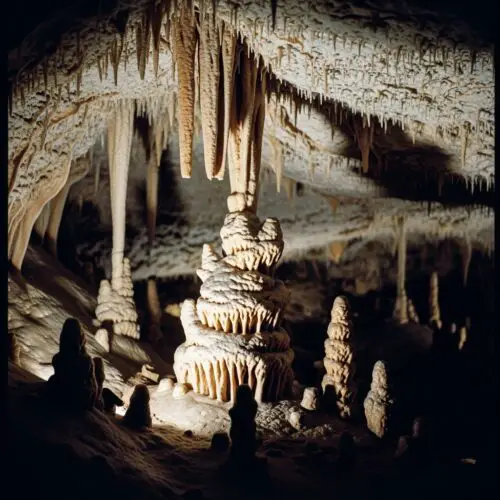
Mammoth Cave is truly astonishing. With over 400 miles of explored passageways, it holds the title of the longest cave system globally. Its geological significance is unmatched, making it a treasure trove for scientists and explorers alike.
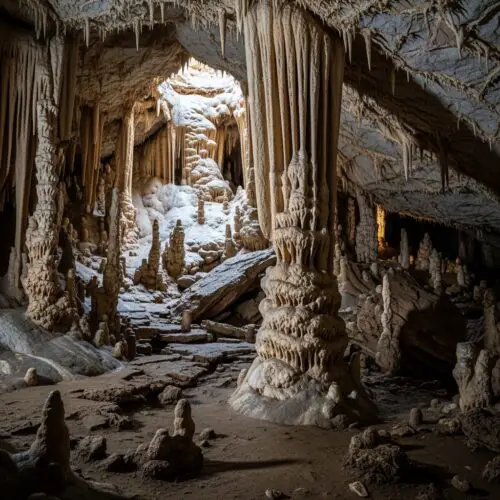
The scale of exploration
Exploration in Mammoth Cave began centuries ago. Today, the total measured length exceeds 400 miles. This extensive network includes intricate tunnels, deep chambers, and fascinating geological formations. Here are some key points:
- Depth: The cave plunges over 1,300 feet deep, revealing layers of history.
- Geological Processes: Formed primarily through the dissolution of limestone, this process has created a unique landscape.
- Ongoing Exploration: Even today, explorers continue to discover new passages, hinting at a potential 600 more miles yet to be uncovered.
Comparison with other notable caves
When comparing Mammoth Cave with other famous caves, its size stands out. For example:
- Wind Cave: About 150 miles long, it’s the second-longest cave in the U.S.
- Carlsbad Caverns: Measures 119 miles, but lacks the depth and extensive network of Mammoth Cave.
This vastness not only showcases geological diversity but also highlights the cave’s unique position in the world of spelunking.
Table of Contents
Current exploration efforts
Exploration is not just about mapping; it’s also about understanding. Recent studies focus on:
- Geological Significance: Researchers are examining how the cave’s formations offer insights into past climate changes.
- Biodiversity: Ongoing efforts aim to document unique species found within the cave, some of which are not found anywhere else.
Understanding these aspects enhances our appreciation of Mammoth Cave. It illustrates how this natural wonder is a living laboratory, continually revealing new secrets.
2. The cave was formed over millions of years
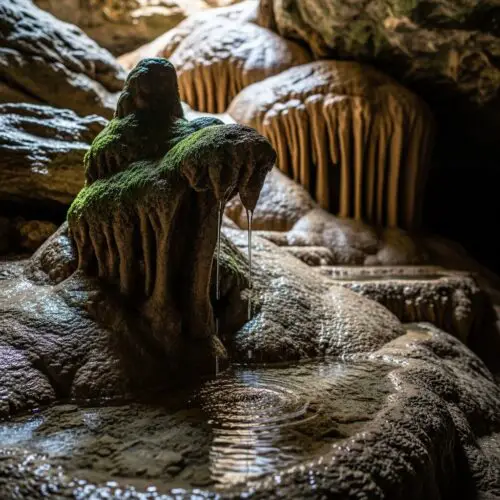
Mammoth Cave is more than just a cave; it’s a geological marvel. Its formation involves intricate processes that have unfolded over millions of years.
The process of cave formation
Limestone caves like Mammoth Cave form through a process called chemical weathering. Here’s how it works:
- Dissolution: Rainwater absorbs carbon dioxide from the atmosphere and soil, forming a weak acid. This acid seeps into the ground.
- Erosion: The acid water interacts with limestone, slowly dissolving it. This creates underground channels and caverns.
- Expansion: Over time, these channels expand as more water continues to flow through, forming larger caves.
Role of water and erosion
Water plays a crucial role in the cave’s development. It’s not just about rainfall; other factors are at play:
- Groundwater flow: As water moves through limestone, it carves out passageways. This process can take thousands of years.
- Erosion by minerals: Minerals carried by the water can erode rock surfaces, deepening and widening the cave.
Types of geological formations
Within Mammoth Cave, you’ll find fascinating geological features:
- Stalactites: These hang from the ceiling, formed by mineral deposits left behind as dripping water evaporates.
- Stalagmites: These rise from the ground, also formed by the deposition of minerals.
- Flowstones: These create beautiful, wavy sheets of minerals along cave walls.
Mammoth Cave showcases a dynamic interplay of geology and time. It’s a living testament to the power of nature’s forces, revealing secrets of our planet’s history.
3. Mammoth Cave is a UNESCO World Heritage Site
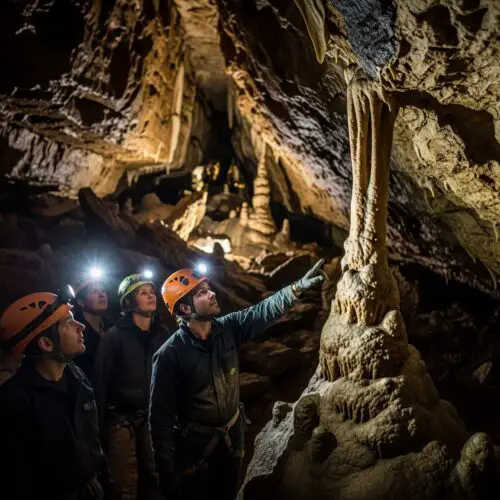
Mammoth Cave’s designation as a UNESCO World Heritage Site is a big deal. It highlights the cave’s unique value, both globally and locally. This recognition isn’t just a badge of honor—it has real implications for conservation efforts.
Criteria for UNESCO status
To earn this prestigious title, Mammoth Cave met several criteria:
- Outstanding Universal Value: The cave system is the longest in the world, with over 400 miles of explored passages.
- Exceptional Biodiversity: Home to more than 130 species of cave-dwelling animals, it showcases a rich ecosystem.
- Geological Significance: The cave’s formations tell a story of natural history and geological processes.
Global significance
Being a UNESCO World Heritage Site puts Mammoth Cave on the map. It attracts visitors from around the globe, eager to witness its wonders. This designation raises awareness about the need for protection and conservation.
- Increased Funding: Recognition often leads to more financial support for conservation efforts.
- Greater Tourism: More visitors mean more funding for local economies, benefiting the surrounding communities.
Impacts on local conservation efforts
The UNESCO designation helps foster a sense of responsibility. Local conservation efforts receive a boost as communities recognize the importance of preserving this natural treasure.
- Stricter Regulations: Enhanced protections are put in place to manage visitor impact and preserve delicate ecosystems.
- Community Engagement: Local groups often form to advocate for conservation, creating a stronger bond between the park and its visitors.
For instance, after Mammoth Cave secured its UNESCO status, initiatives were launched to protect rare species and restore damaged areas. These efforts showcase how global recognition can drive local action.
4. The cave has a diverse ecosystem
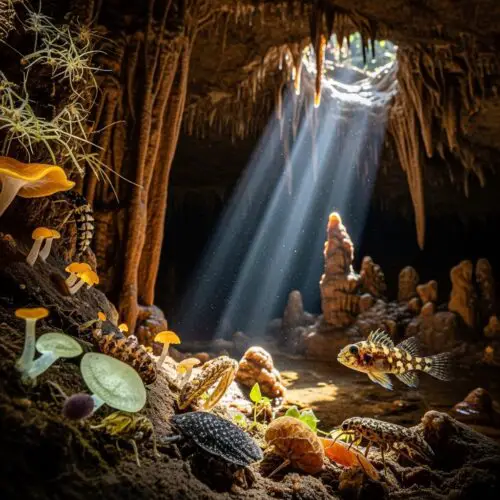
Mammoth Cave National Park is a hidden gem when it comes to biodiversity. The unique environment within the cave supports a variety of species found nowhere else on Earth. Let’s dive into some of these fascinating creatures and their roles in the ecosystem.
Endemic species
Mammoth Cave is home to many unique species. Here are some highlights:
- Mammoth Cave Cavefish: These eyeless fish have adapted to life in complete darkness. They rely on other senses to navigate their watery home.
- Kentucky Cave Shrimp: This blind shrimp has developed heightened senses to survive in the cave’s unique conditions.
- Cave Crickets: These critters thrive in the cave’s moist environment. They play a crucial role in the food web by consuming organic matter.
- Endangered Indiana Bats: These bats roost in the cave, helping control insect populations. Their presence indicates a healthy ecosystem.
Role of the cave in biodiversity
Mammoth Cave’s structure creates a unique habitat. The cave’s constant temperature and humidity levels provide a stable environment for species that can’t survive outside. Here’s what makes it special:
- Microhabitats: Various sections of the cave offer different conditions. This diversity allows for a range of species to thrive.
- Food Sources: The cave supports a delicate food web. Decomposing organic matter, fungi, and algae provide nourishment for various creatures.
- Adaptations: Many species have evolved unique traits to survive, such as blindness or specialized feeding habits.
Conservation status of species
Conservation efforts are vital for protecting Mammoth Cave’s unique inhabitants. Many species face threats from habitat loss and environmental changes. Here’s how they are being safeguarded:
- Ongoing Research: Scientists study the cave’s biodiversity to understand species interactions and ecosystem health.
- Protected Habitat: The park’s status as a UNESCO World Heritage Site means stricter regulations are in place to protect these unique species.
- Community Involvement: Local groups engage in conservation efforts, raising awareness and fostering a sense of responsibility among visitors.
Mammoth Cave isn’t just a geological wonder; it’s a vibrant ecosystem bursting with life. Each unique species plays a crucial role in maintaining this delicate balance.
5. Native Americans explored the cave thousands of years ago
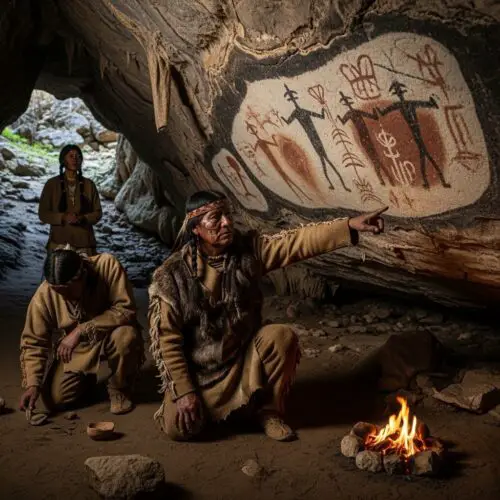
Mammoth Cave has a deep connection to Native American history. Archaeological evidence shows that these early inhabitants explored the cave system long before European settlers arrived.
Types of Native American tribes
Various tribes made their mark in the Mammoth Cave area:
- Adena Culture: Known for their mound-building practices, they inhabited the region around 1000 BC.
- Hopewell Culture: Active from 200 BC to 500 AD, they created elaborate burial mounds and traded widely.
- Cherokee: This tribe has historical ties to the area that continue today.
These groups utilized the cave for shelter, ceremonial practices, and resource gathering.
Artifacts found
Excavations in Mammoth Cave have uncovered numerous artifacts. These include:
- Pottery: Shards found in various locations inside the cave help us understand daily life.
- Tools: Stone tools indicate the cave was used for crafting and survival.
- Textiles: Fragments show evidence of woven materials, hinting at the creativity of its early inhabitants.
Each artifact tells a story about the lives of those who roamed these passageways thousands of years ago.
Cultural significance of the cave
Mammoth Cave holds great cultural importance. It served as a sacred space for rituals and gatherings. The cave’s depths provided a natural shelter, a refuge from the outside world.
This connection to Native American history is part of what makes Mammoth Cave so fascinating. It’s not just a geological wonder; it’s a glimpse into the lives of ancient peoples. Their stories are etched into the cave’s walls, waiting to be discovered by those who visit today.
6. The cave played a role in the War of 1812
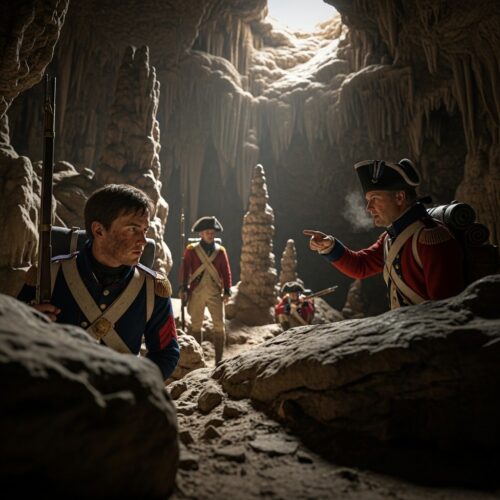
Mammoth Cave wasn’t just a stunning natural wonder; it also played a significant role during the War of 1812. The cave’s unique resources made it a strategic site for the war effort.
Role of saltpeter mining
Saltpeter, the essential ingredient for gunpowder, was mined in Mammoth Cave. During the war, this resource was crucial for the United States. Without it, the production of gunpowder would have been severely hampered.
- Location: The cave’s vast and complex system allowed for extensive mining operations.
- Historical impact: This mining helped supply U.S. troops, contributing to their efforts against the British.
Impact on the war efforts
The availability of saltpeter from Mammoth Cave had direct implications for the war. It enabled U.S. forces to maintain a steady supply of gunpowder.
- Military advantage: By securing this resource, the U.S. could continue fighting without interruption.
- Economic significance: The mining also boosted local economies, as workers flocked to the area for jobs.
Historical accounts of usage
While the cave’s role in the War of 1812 is fascinating, it’s also steeped in rich historical accounts.
- Exploration: Many soldiers and miners ventured into the cave, leaving behind stories and artifacts.
- Cultural footprint: The cave became a shared experience for those involved in the war, creating a lasting connection to its history.
Mammoth Cave stands as a testament to the intersection of natural beauty and historical significance. Its contributions during the War of 1812 highlight the cave’s importance beyond just being a tourist destination.
7. The cave continues to be explored today
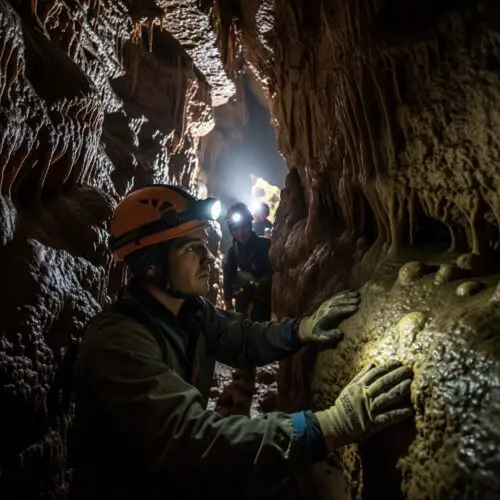
Mammoth Cave is a marvel that keeps on giving. Ongoing research and exploration efforts unveil new secrets and enhance our understanding of this incredible natural wonder.
Current exploration techniques
Researchers use cutting-edge technology to explore the depths of Mammoth Cave. Here are some of the techniques in play:
- 3D Mapping: This helps create detailed maps of the cave’s passages and chambers. It’s like giving the cave a high-tech makeover!
- Remote Sensing: Scientists deploy drones to survey hard-to-reach areas. This tech helps avoid disturbing the delicate ecosystem within the cave.
- Biological Sampling: Researchers collect samples to study unique species and their adaptations to the cave environment.
These methods allow scientists to explore areas that were once thought unreachable.
Recent discoveries
Exciting finds continue to emerge from Mammoth Cave. Notably:
- New Species: Recent expeditions have uncovered previously unknown species of cave-dwelling invertebrates. These creatures offer insights into evolution and adaptation.
- Archaeological Artifacts: New tools and techniques have led to the discovery of ancient artifacts left by Native Americans. This adds to the rich tapestry of the cave’s history.
These findings not only expand our knowledge but also emphasize the cave’s ecological significance.
Future exploration plans
The future of exploration at Mammoth Cave is bright. Plans include:
- Expanded Tours: New tours will take visitors to previously unvisited sections, enhancing the visitor experience.
- Long-term Research Projects: Ongoing studies will focus on the cave’s biodiversity and its role in climate change research.
Such initiatives ensure that Mammoth Cave remains a dynamic site for both exploration and education.
8. Tours offer unique experiences for visitors

Mammoth Cave National Park has a variety of tours that cater to different interests and activity levels. Each tour offers a unique way to explore the wonders of this incredible cave system. Here’s what you can expect.
Guided tours
Guided tours are the most popular option. They provide a fascinating insight into the cave’s history and geology. Here are some highlights:
- Main Tour: This tour showcases large chambers and stunning rock formations. It typically lasts 2 to 4 hours.
- Natural Entrance Tour: Enter through the cave’s original entrance. Experience its natural beauty as you descend into the depths.
- Adventure Tours: For those who crave excitement, these tours involve crawling through narrow passages and climbing. Be ready for a workout!
Self-guided tours
If you prefer to explore at your own pace, self-guided tours are available. You can wander through designated areas and take in the cave’s beauty on your own terms. This option provides flexibility but still allows you to experience the cave’s wonders.
Special programs
Mammoth Cave also offers special programs that enhance the visitor experience:
- Lantern Tours: These atmospheric tours use lanterns to light the way. You’ll feel a connection to the early explorers as you walk through the darkness.
- Educational Programs: Learn about the cave’s ecology and history through workshops and lectures. These programs are perfect for families or school groups.
Visitors rave about the unique experiences each tour offers. For example, one visitor shared that the Lantern Tour felt like stepping back in time, making the cave’s history come alive in a whole new way. Whether you’re a thrill-seeker or a history buff, Mammoth Cave has something special for everyone.
9. Unique geological formations abound in the cave
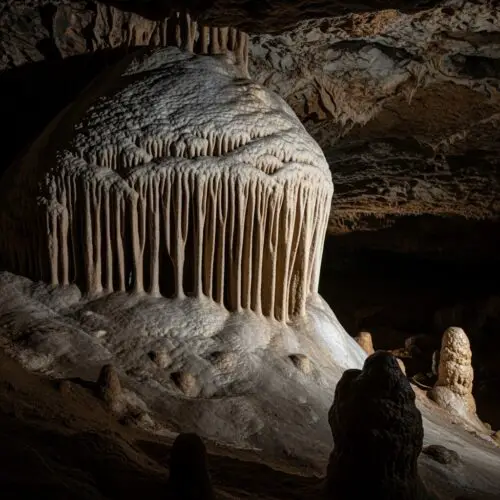
Mammoth Cave is a treasure trove of stunning geological formations. The unique features created over thousands of years make it a must-see for any nature lover.
Stalactites and stalagmites
These formations are perhaps the most famous in caves.
- Stalactites hang from the ceiling, formed by mineral-rich water dripping down.
- Stalagmites rise from the ground, created by the same dripping water that deposits minerals as it falls.
Both formations grow slowly, sometimes just a fraction of an inch each year. When you see them, you’re looking at nature’s artwork, sculpted over millennia.
Other formations
Mammoth Cave boasts a variety of other geological wonders:
- Flowstone: These smooth, sheet-like deposits form when water flows over rock surfaces. They look like flowing drapes of mineral deposits.
- Columns: When stalactites and stalagmites meet, they form columns. These towering structures can create breathtaking views inside the cave.
Geological diversity
The geology of Mammoth Cave is not just unique; it’s diverse. The cave system features:
- Limestone formations: These create the backbone of the cave, shaped by erosion and water over time.
- Karst landscape: This type of landscape includes sinkholes and underground rivers, adding to the cave’s complexity.
In comparison, many caves around the world have similar formations but rarely on such a grand scale. Mammoth Cave is recognized for its extensive network, making it a standout in the realm of cave geology.
Exploring Mammoth Cave gives visitors a firsthand look at these incredible formations. Each step reveals the beauty and mystery hidden beneath the surface.
10. Mammoth Cave is home to unique wildlife
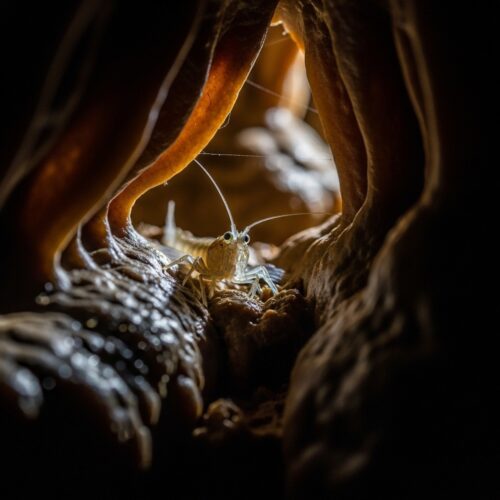
Mammoth Cave National Park is not just a geological wonder; it’s also a haven for unique wildlife. The cave’s dark, humid environment supports a variety of species, many of which are specially adapted to life underground.
Species found in the cave
Here are some of the remarkable species living in Mammoth Cave:
- Indiana Bat: This endangered bat roosts in the cave. It’s crucial for controlling insect populations.
- Mammoth Cave Cavefish: These eyeless fish have adapted to complete darkness, relying on other senses to navigate.
- Kentucky Cave Shrimp: A tiny, transparent crustacean that thrives in underground streams. They are only found in Kentucky’s caves.
- Cave Crickets: These insects forage in the dark, making them a common sight in the cave.
- Unique Invertebrates: Over 130 species of invertebrates call the cave home, including various cave beetles and amphipods.
Adaptations to darkness
Life in Mammoth Cave comes with unique challenges. Many species have evolved fascinating adaptations:
- Loss of Eyesight: Species like the Mammoth Cave cavefish have lost their eyes, as they are unnecessary in darkness.
- Enhanced Senses: Creatures such as the Kentucky cave shrimp have developed heightened senses to navigate and find food in their pitch-black habitat.
- Specialized Diets: Cave-dwelling plants and fungi play vital roles in the ecosystem, breaking down organic matter and recycling nutrients.
Conservation efforts for wildlife
Protecting this unique wildlife is essential. Conservation efforts focus on:
- Habitat Preservation: Ensuring the cave’s environment remains undisturbed is crucial for the survival of these species.
- Research Initiatives: Ongoing studies help scientists understand the ecological roles of cave-dwelling organisms.
- Public Education: Informing visitors about the importance of biodiversity in Mammoth Cave promotes conservation awareness.
Mammoth Cave National Park isn’t just a cave; it’s a thriving ecosystem full of surprising wildlife. Each species plays a role in the delicate balance of this underground world.
11. The cave’s temperature remains constant throughout the year
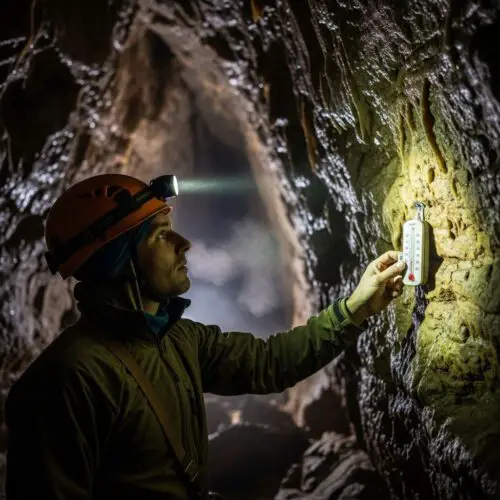
Mammoth Cave is known for its remarkable climate. Inside the cave, temperatures stay steady all year round. This consistency plays a vital role in the cave’s ecosystem and its unique features.
Average temperature
The average temperature in Mammoth Cave hovers around 54°F (12°C). This cool atmosphere is due to the cave’s depth and geological structure. Unlike the outside world, where temperatures can swing wildly, the cave provides a stable environment.
Factors affecting climate
Several factors contribute to the cave’s steady climate:
- Geological Composition: The limestone and other sedimentary rocks control heat exchange.
- Humidity Levels: The cave maintains high humidity, which affects both temperature and the types of organisms that thrive there.
- Airflow Patterns: Natural ventilation keeps the air circulating, preventing hot spots.
Impact of climate on flora and fauna
The constant temperature impacts the cave’s biodiversity significantly:
- Specialized Species: Many species, like the eyeless cavefish and various fungi, have adapted specifically to these conditions.
- Ecosystem Stability: A stable climate helps maintain the delicate balance of the cave’s ecosystem, allowing various organisms to thrive.
- Seasonal Independence: Unlike surface-dwelling species, cave organisms do not rely on seasonal changes, making them unique.
Understanding the cave’s climate helps us appreciate its biological diversity and geological wonders. Mammoth Cave is not just a cave; it’s a living laboratory of nature’s resilience.
12. Mammoth Cave has a rich cultural history
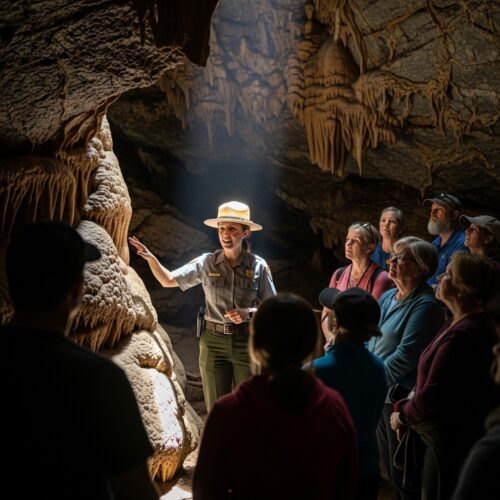
Mammoth Cave is more than just an extraordinary geological wonder; it’s a treasure trove of cultural history. The cave has witnessed different eras, each leaving its unique mark.
Historical narratives
The history of Mammoth Cave dates back thousands of years. Indigenous peoples, such as the Adena and Hopewell tribes, were among the first to explore its depths. They used the cave for shelter, ceremonial practices, and even as a burial site.
Later, during the War of 1812, Mammoth Cave was mined for saltpeter, a key ingredient in gunpowder. This highlights its significance in American history. The cave was then opened for commercial tours in the mid-1800s, attracting visitors from far and wide.
Influence on local culture
Mammoth Cave has played a vital role in shaping local culture. The stories and legends surrounding the cave have become part of the region’s identity. One popular tale is that of John Houchin, a young hunter who accidentally discovered the cave while chasing a bear. This legend is commemorated in the cave section known as “Houchin’s Narrows.”
The cave also served as a gathering place for local communities. It fostered a sense of belonging and connection among residents. Many locals share personal stories about their experiences in the cave, illustrating its impact on their lives.
Continuing significance
Today, Mammoth Cave remains a symbol of cultural heritage. It is recognized as a UNESCO World Heritage Site, emphasizing its global importance. Ongoing archaeological studies continue to reveal new insights into its past.
The cave is also a focal point for environmental conservation efforts. These initiatives aim to preserve its unique ecosystems and historical artifacts. Mammoth Cave is not just a natural wonder; it’s a living testament to the resilience and creativity of those who came before us.
13. There are numerous myths and legends surrounding the cave
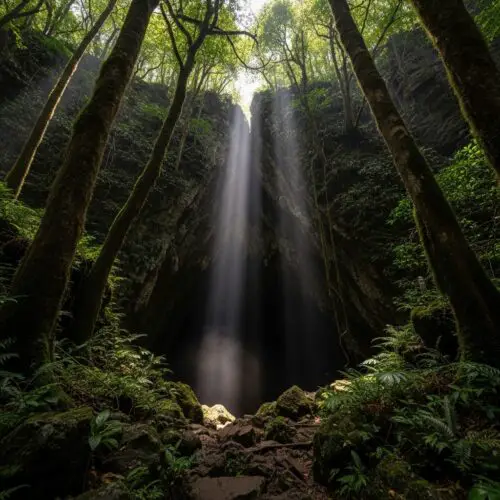
Mammoth Cave is steeped in legends and myths. These stories add intrigue and charm to its already fascinating history.
Popular legends
Several legends have emerged over the years, each contributing to the mystique of Mammoth Cave:
- The Ghost of the Bear: One tale tells of a bear that roamed the cave, leading to its discovery. Some say it still haunts the entrance, protecting its secrets.
- The Lost Treasure: There are whispers of hidden treasures buried deep within the cave. Many treasure hunters have tried to uncover them, spurred on by tales of gold and jewels.
Cultural significance
These myths reflect the cultural fabric of the local community. They shape how people view the cave and its history.
- Connection to Native American Roots: Indigenous tribes have their own stories about the cave, linking it to their spiritual practices.
- Influence on Tourism: Legends attract visitors, eager to explore and experience the tales firsthand. They turn the cave into a living storybook.
Historical truths behind myths
While legends can be captivating, it’s important to separate fact from fiction:
- Historical Events: The cave served as a refuge during the War of 1812. Soldiers used it for shelter, adding a layer of truth to its storied past.
- Scientific Discoveries: Recent archaeological studies have revealed ancient artifacts, confirming that people have sought refuge in the cave for thousands of years.
These myths and stories enrich the experience of Mammoth Cave, making it more than just a natural wonder. They connect visitors to the rich history and culture of the area.
14. Mammoth Cave has been a site for scientific research
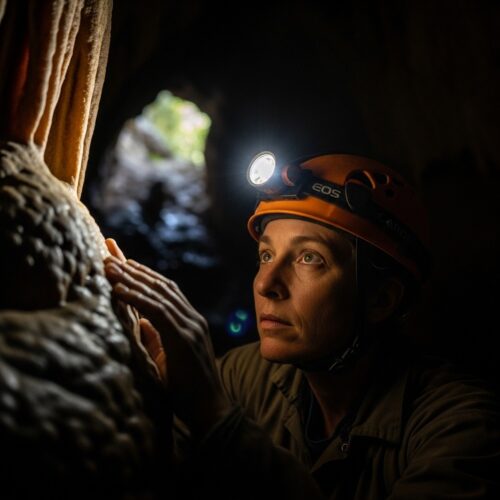
Mammoth Cave isn’t just a stunning natural wonder; it’s also a crucial hub for scientific research. Scientists flock here to explore its unique ecosystems and geological features. Let’s dive into what makes this cave a valuable research site.
Research topics
Researchers study various aspects of Mammoth Cave, including:
- Biodiversity: The cave is home to rare species, including bats and unique invertebrates. These creatures help scientists understand evolution and adaptation.
- Geological formations: The cave’s limestone structures provide insights into geological processes over millions of years.
- Climate change: Sediment layers in the cave offer clues about past environmental changes, aiding predictions about future impacts.
Contributions to science
Mammoth Cave has contributed significantly to our understanding of science. Here are some key points:
- Ecosystem studies: Scientists have identified numerous species that thrive in the cave’s dark, moist environment. This research aids conservation efforts.
- Geological insights: Studies of the cave’s formations help explain how natural processes shape our planet.
- Climate research: The cave acts as a natural archive, preserving data that informs broader climate change research.
Future research directions
Ongoing studies at Mammoth Cave pave the way for exciting developments:
- Conservation strategies: Researchers are working on ways to protect the cave’s delicate ecosystem from human impact.
- Public engagement: Future projects may involve citizen science, inviting visitors to participate in data collection and conservation efforts.
- Technological advancements: New methods, such as remote sensing, are being explored to study hard-to-reach areas of the cave.
Mammoth Cave’s role in scientific research is vital. It’s a living laboratory where every visit could contribute to our knowledge of nature and the environment.
15. Mammoth Cave attracts millions of visitors annually
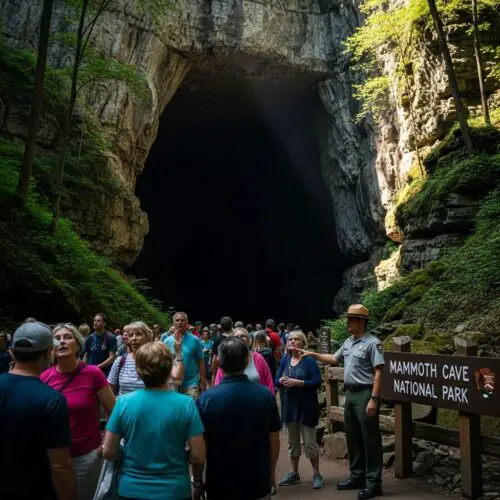
Mammoth Cave National Park is a magnet for adventurers and nature lovers alike. With its incredible beauty and fascinating history, it draws in millions of visitors every year.
Visitor statistics
Each year, around 500,000 people explore Mammoth Cave. They come from all over the world to see this natural wonder. The park’s vast cave system is a big part of the attraction. It stretches over 426 miles, making it the longest cave system known to man.
Economic impact
Tourism plays a significant role in the local economy. Visitors bring business to nearby towns like Cave City. Hotels, restaurants, and shops thrive thanks to park guests. This influx of tourists boosts job opportunities and income for local residents.
- Visitor spending: On average, each visitor spends about $50 per day.
- Job creation: Tourism supports around 1,000 jobs in the area.
- Local businesses: Many shops and eateries cater specifically to park visitors.
Visitor experiences
Visitors rave about their experiences in the cave. Guided tours offer a peek into the cave’s stunning formations. They get to see stalactites, stalagmites, and unique ecosystems.
One popular tour is the “Historic Tour,” which showcases the cave’s rich history. Another favorite is the “Frozen Niagara Tour,” famous for its breathtaking formations.
Personal stories from visitors highlight the magic of Mammoth Cave. Many leave feeling inspired and connected to nature. Some even participate in volunteer programs to help with conservation efforts. This engagement shows how tourism can foster a sense of responsibility for preserving the park’s natural beauty.
Frequently Asked Questions
These quick answers cover the most common questions about this topic, including key details, practical tips, and common concerns.
What are some cool facts about Mammoth Cave?
Mammoth Cave is the world’s longest cave system, with over 400 miles explored. It’s a UNESCO World Heritage Site due to its geological, ecological, and cultural significance. The cave has unique formations like stalactites, stalagmites, and flowstones, and is home to rare species such as cave salamanders and blind shrimp. Its constant temperature and rich Native American history add to its intrigue.
Has anyone ever been lost in Mammoth Cave?
Yes, there have been instances of explorers getting lost, especially in the more remote or uncharted sections. Modern safety measures, guided tours, and advanced mapping reduce these risks. However, the cave’s vast and complex passageways mean that visitors should follow official guides and stay within designated areas to ensure safety.
Why is Mammoth Cave a UNESCO World Heritage Site?
Mammoth Cave was designated a UNESCO World Heritage Site because it is the longest cave system in the world, with significant geological formations and biodiversity. It also has cultural importance due to Native American artifacts and its role in American history, such as saltpeter mining during the War of 1812. This recognition helps protect and conserve its natural and cultural resources.
How was Mammoth Cave formed?
Mammoth Cave formed over millions of years through the dissolution of limestone by acidic water. Rainwater absorbs carbon dioxide, creating a weak carbonic acid that erodes the limestone, carving out underground tunnels and chambers. The process continues today, gradually expanding the cave system and creating features like stalactites and stalagmites.
When is the best time to visit Mammoth Cave?
The best time to visit is during spring (March to May) and fall (September to November), when the weather is mild and the park is less crowded. Summer (June to August) is popular but busier, especially with families. Winter offers fewer visitors and a quieter experience, but some tours may be limited due to weather conditions.
What are the risks of exploring Mammoth Cave?
Exploring Mammoth Cave can pose risks such as falls, getting lost, or exposure to low oxygen levels in certain areas. Some sections involve crawling or climbing, which can be physically demanding. Guided tours and safety equipment help mitigate these risks, but visitors should be aware of their physical limits and follow all safety instructions.
Are there guided tours available in Mammoth Cave?
Yes, Mammoth Cave offers a variety of guided tours, including the Historic Tour, Lantern Tour, and Adventure Tours. These guides provide insights into the cave’s geology, history, and ecosystems. Tours vary in length and difficulty, catering to different interests and activity levels.
How does Mammoth Cave compare to other major caves?
Mammoth Cave is the longest cave system in the world, surpassing others like Carlsbad Caverns and Wind Cave. While Carlsbad is famous for its large chambers and stunning formations, Mammoth Cave’s extensive passage network and historical significance make it unique. It offers a broader exploration experience due to its size and diversity.