
Grand Teton National Park is a breathtaking destination that spans over 310,000 acres in Wyoming. Known for its stunning landscapes and diverse wildlife, the park has rich geological and historical significance. Here are 17 amazing facts every visitor should know before exploring this iconic national park.
1. Grand Teton National Park is a Geological Marvel
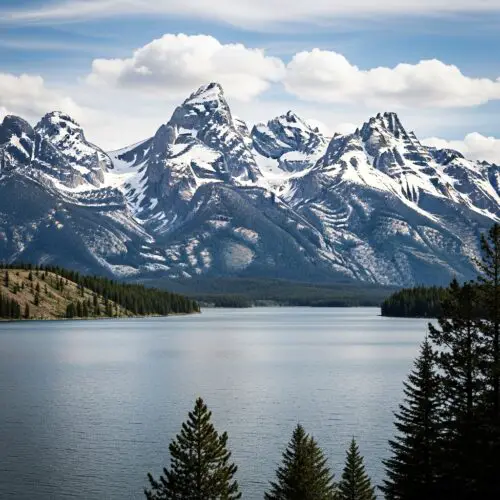
The Teton Range is one of the most striking geological formations in the U.S. These majestic peaks rise dramatically from the valley floor, creating a stunning backdrop for visitors. Let’s dive into what makes this area so special.
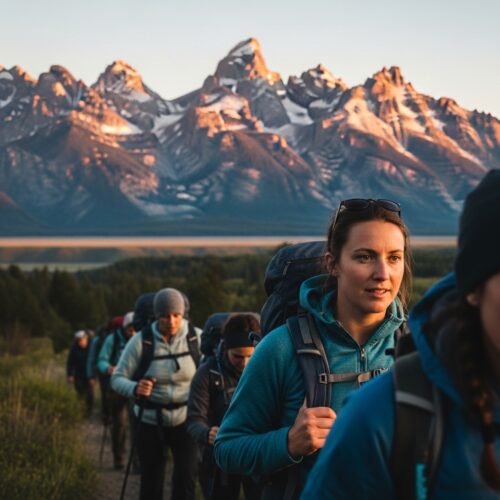
The Teton Range was formed through seismic activity.
The Teton Range is a young mountain range, formed by seismic events over millions of years. It’s an active fault block mountain range, meaning it was shaped by tectonic forces. These forces cause the earth’s crust to shift, pushing the mountains upward.
The mountains rise dramatically from the valley floor.
Grand Teton’s highest peak, aptly named Grand Teton, stands at 13,770 feet. This height is impressive, but what’s even more striking is how sharply these peaks rise from the valley. The surrounding Jackson Hole Valley sits at about 6,800 feet, making the contrast remarkable. This elevation difference creates breathtaking views that leave visitors in awe.
The park encompasses significant geological history.
The park is not just home to stunning peaks; it also tells a story of geological history. The rocks in the Teton Range date back over 2.7 billion years. They include ancient metamorphic rocks that reveal a rich history of our planet’s evolution. Glacial activity has shaped the landscape, carving out valleys and creating lakes, including the beautiful Jenny Lake.
Table of Contents
Here’s a quick list of key geological features in Grand Teton National Park:
- Teton Range: A young, active fault block mountain range.
- Grand Teton: The tallest peak at 13,770 feet.
- Jackson Hole Valley: A stunning contrast at 6,800 feet.
- Metamorphic rocks: Over 2.7 billion years old.
- Glacial valleys: Carved by ancient glaciers.
Exploring these geological marvels gives visitors a deeper connection to the park’s natural beauty. So, when you visit, take a moment to appreciate the forces that shaped this incredible landscape!
2. Established in 1929, the Park Has a Rich History

Grand Teton National Park boasts a fascinating history, intertwined with the efforts of dedicated conservationists. Understanding its background enriches your visit and appreciation of the park.
John D. Rockefeller Jr.’s Role in Park Conservation
John D. Rockefeller Jr. played a pivotal role in the establishment of Grand Teton National Park. His vision for conservation led to significant land donations. He believed in preserving America’s natural beauty for future generations. His contributions included:
- Financial Support: He funded the acquisition of key lands in the Teton Range.
- Advocacy: Rockefeller lobbied for the creation of the park, emphasizing its ecological importance.
- Parkway Development: The Rockefeller Parkway connects Grand Teton to Yellowstone, enhancing accessibility and conservation.
Key Events Leading to the Park’s Designation
Several significant events shaped the path to Grand Teton’s designation as a national park:
- 1920s Conservation Movement: A growing awareness of conservation led to discussions about protecting the Teton Range.
- Presidential Action: On February 26, 1929, President Calvin Coolidge signed the executive order to establish the park, following years of advocacy.
- Rockefeller’s Donations: Over the years, Rockefeller donated vast tracts of land, laying the foundation for the park we know today.
The Evolution of Park Boundaries Over Time
The boundaries of Grand Teton National Park have changed since its establishment. Here’s a quick look at how it evolved:
- Initial Size: Originally designated at 96,000 acres.
- Major Additions: Additional land was acquired in 1950, expanding the park to over 310,000 acres.
- Recent Changes: The 2007 donation of the JY Ranch by the Rockefeller family added important historical and ecological areas to the park.
Understanding these historical contexts enhances your appreciation of the park’s beauty and significance. The efforts of individuals like John D. Rockefeller Jr. remind us of the importance of conservation and the ongoing responsibility we share to protect these natural treasures.
3. Home to Unique Wildlife Species
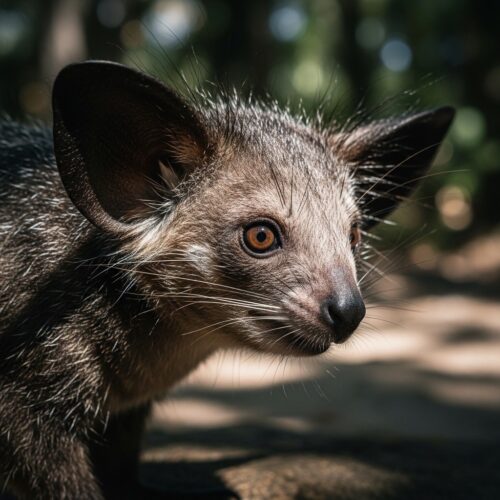
Grand Teton National Park is a wildlife lover’s paradise. With diverse habitats, the park hosts an array of fascinating species. Whether you’re hiking, driving, or just soaking in the views, you might spot some incredible animals.
The park hosts over 300 species of birds.
Birdwatchers will be thrilled! Grand Teton is home to over 300 bird species. Here are a few highlights:
- Bald Eagles: Majestic and powerful, these birds can often be seen soaring above the lakes.
- Ospreys: Watch for these fish-eating raptors diving into the waters.
- Sandhill Cranes: Their unique calls can be heard during mating season in the spring.
Birding is best in spring and fall. During these seasons, migratory birds flock to the area, making it an exciting experience for visitors.
Iconic mammals include moose, elk, and grizzly bears.
The park is famous for its iconic mammals. Here are some you might encounter:
- Moose: These large animals are often spotted near water sources, especially in the early morning or late evening.
- Elk: Look for them grazing in the meadows, particularly in the fall during mating season.
- Grizzly Bears: These majestic creatures roam the park, but keep your distance! Bear sightings are more common in spring and summer.
Each of these species plays a vital role in the park’s ecosystem. For instance, moose help shape the vegetation by browsing on aquatic plants, creating habitats for other animals.
Unique ecosystems support diverse wildlife habitats.
Grand Teton National Park features several ecosystems, each supporting unique wildlife. Here’s a quick look:
- Forests: Home to birds, deer, and smaller mammals. The mix of coniferous trees provides shelter and food.
- Wetlands: These areas attract amphibians, waterfowl, and various insects, crucial for the food chain.
- Alpine Zones: Higher elevations host specialized species adapted to harsh conditions, like mountain goats and pikas.
To enhance your wildlife viewing experience, consider the time of day and season. Early mornings and late afternoons are usually the best times to spot animals, as they are more active during cooler parts of the day. Remember to bring binoculars for a closer look!
Visiting Grand Teton National Park offers a chance to see these amazing creatures in their natural habitats. Whether you’re a seasoned wildlife enthusiast or a curious traveler, the park’s diverse wildlife will leave you in awe.
4. Over 200 Miles of Hiking Trails Await
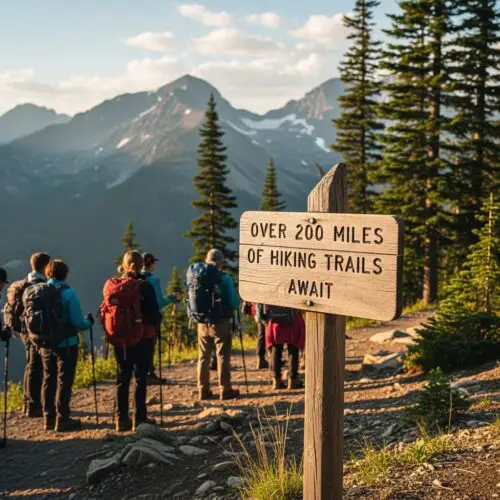
Grand Teton National Park is a hiker’s dream! With over 200 miles of trails, there’s something for everyone. From easy strolls to challenging climbs, you can soak in stunning views and fresh mountain air.
Trails Range from Easy Walks to Challenging Hikes
Whether you’re a beginner or an experienced hiker, you’ll find trails that match your skill level. Easy trails like the Jenny Lake Loop are perfect for families. They offer beautiful views without too much effort. On the other hand, if you’re looking for a challenge, check out the trails leading to the summit of Grand Teton.
Popular Trails Include Cascade Canyon and Jenny Lake
Two must-visit trails are Cascade Canyon and Jenny Lake.
- Cascade Canyon: This trail gives you a taste of the park’s stunning landscapes. You’ll see waterfalls, wildflowers, and maybe even some wildlife. It’s about 9 miles round trip and offers breathtaking views.
- Jenny Lake Loop: This 7.1-mile trail is a family favorite. It circles the lake and provides gorgeous views of the Teton Range. You can even catch a boat ride across the lake to save some time!
Guided Tours Enhance the Hiking Experience
Consider joining a guided tour for a richer experience. Guides share insights about the park’s history, geology, and wildlife. They can lead you to hidden gems and ensure you don’t miss out on any breathtaking views.
Hiking Checklist for Grand Teton
Before you hit the trails, here’s a quick checklist of what to bring:
- Comfortable hiking shoes
- Plenty of water
- Snacks or a packed lunch
- Sunscreen and sunglasses
- A map or GPS
- First-aid kit
- Binoculars for wildlife viewing
With these trails and tips, you’re all set for an unforgettable adventure in Grand Teton National Park!
5. The Park is Part of a Larger Ecosystem

Grand Teton National Park is not just a standalone beauty; it’s part of a larger, vibrant ecosystem that connects with neighboring areas, particularly Yellowstone National Park. This interconnectedness is crucial for maintaining ecological balance and promoting biodiversity.
Connections to Yellowstone National Park
Grand Teton and Yellowstone share a boundary and many ecological features. Together, they create a massive protected area that supports diverse wildlife and habitats.
- Wildlife Corridors: Animals like grizzly bears and wolves roam freely between the two parks. These corridors allow species to migrate, find food, and maintain genetic diversity.
- Shared Resources: Both parks benefit from shared water sources and similar geological features. The rivers flowing through Grand Teton also contribute to the ecosystems in Yellowstone.
Shared Ecosystems and Wildlife Corridors
The ecosystems in Grand Teton National Park are rich and varied. Here’s how they connect to the surrounding wilderness:
- Diverse Habitats: From alpine meadows to dense forests, the park hosts various ecosystems that support unique wildlife.
- Wildlife Interactions: Species such as moose, elk, and eagles thrive in these habitats. Their movements across park boundaries are essential for ecosystem health.
Importance of Conservation Across Park Boundaries
Conservation efforts in one park benefit the other. Here’s why that matters:
- Biodiversity: Healthy ecosystems in Grand Teton help sustain populations in Yellowstone. For example, protecting water sources in Grand Teton ensures that species in Yellowstone have clean drinking water.
- Ecological Health: Conservation practices, like controlled burns and habitat restoration, enhance the resilience of both parks. This resilience is vital in the face of climate change and human impact.
In summary, the ecological significance of Grand Teton National Park extends far beyond its borders. This connection with Yellowstone amplifies its importance, making conservation efforts crucial for preserving the beauty and biodiversity of this stunning region.
6. Glacial Activity Shaped the Landscape
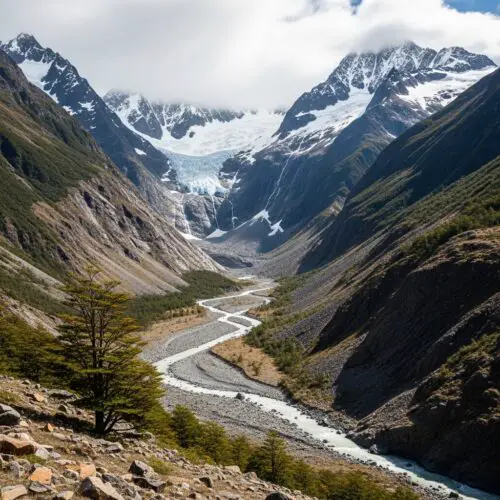
Grand Teton National Park is a stunning testament to the power of glaciers. These ancient ice masses have carved out the breathtaking features we see today. Let’s delve into the fascinating glacial history that shaped this beautiful park.
Major glaciers still active in the Teton range
The Teton Range is home to several impressive glaciers. Some of the most notable include:
- Teton Glacier: This glacier is one of the largest in the park. It’s a striking sight, especially when you’re hiking nearby.
- Middle Teton Glacier: Located on the east side of Middle Teton Peak, it offers incredible views and a glimpse into glacial activity.
- South Teton Glacier: This glacier feeds into glacial lakes, enhancing the scenic beauty of the area.
These glaciers continue to evolve the landscape. As they move, they shape valleys and create unique features.
Impact of glaciers on the park’s topography
Glaciers have had a significant impact on Grand Teton’s topography. Here are some key effects:
- U-shaped valleys: Glaciers carve out U-shaped valleys, giving the terrain its distinct profile. Jackson Hole is a prime example.
- Moraine formations: As glaciers advance and retreat, they leave behind moraines—ridges of debris that mark their paths.
- Glacial lakes: Melting glaciers form stunning lakes like Jenny Lake. These bodies of water add to the park’s charm and support diverse ecosystems.
The glacial processes have created habitats that are vital for wildlife. They also contribute to the park’s stunning vistas.
Visitor opportunities to see glaciers firsthand
If you want to experience the beauty of glaciers up close, Grand Teton offers great opportunities:
- Hiking trails: Trails like the Cascade Canyon Trail lead you through glacial landscapes, showcasing stunning views and unique geological features.
- Boat tours: Take a boat tour on Jenny Lake for a different perspective on the glaciers and their effects on the landscape.
- Scenic viewpoints: Don’t miss spots like Signal Mountain. Here, you can see the vastness of the glacial valleys below.
Visitors can witness firsthand the impressive work of glaciers. It’s an adventure you won’t forget!
7. The Park Features Historic Structures

Grand Teton National Park is not just about breathtaking views and wildlife. It’s also home to fascinating historic structures that tell the story of the land and its people. Exploring these sites adds depth to your visit.
Mormon Row is a key historic site
Mormon Row is a must-see. This area features iconic homesteads built by Mormon settlers in the 1890s. The most famous building here is the T.A. Moulton Barn. It’s a perfect backdrop for photos, especially with the Teton Range in the background.
- Historic significance: These structures show how early settlers adapted to life in this rugged terrain.
- Visitor experiences: Many visitors enjoy walking the area and imagining what life was like for the homesteaders.
Historic lodges provide visitor accommodations
The park has several historic lodges, like the Jenny Lake Lodge and the Signal Mountain Lodge. These lodges offer a cozy place to stay while immersing yourself in the park’s history.
- Unique architecture: Each lodge reflects the style of its time, often using local materials.
- Visitor stories: Guests often share stories of their stays, recalling evenings by the fire and views of the mountains.
The importance of preserving park heritage
Preserving these historic structures is crucial. They not only represent the park’s past but also enhance the visitor experience. Efforts to maintain these sites educate the public and honor the history of those who came before us.
- Cultural insights: Learning about the settlers and their challenges deepens your appreciation of the park.
- Visitor interactions: Engaging with park rangers at these locations can provide personal anecdotes, enriching your visit.
Exploring the historic structures in Grand Teton National Park gives you a glimpse into its rich heritage. Don’t miss the chance to connect with the stories behind these beautiful buildings!
8. A Unique Airport Located Within the Park
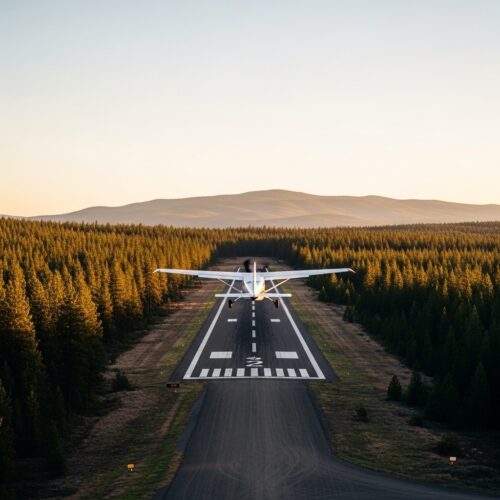
Grand Teton National Park is home to the Jackson Hole Airport, the only commercial airport located within a national park in the United States. This unique feature makes access to the park incredibly convenient for visitors.
The only national park to have an airport
The Jackson Hole Airport (JAC) sits right in the heart of Grand Teton National Park. This means travelers can step off a plane and find themselves surrounded by stunning mountain views almost immediately. It’s about nine miles from the town of Jackson, making it a perfect gateway to the park.
Historical context of the airport’s establishment
Established in the 1930s, the Jackson Hole Airport has a rich history. Initially built to serve the growing tourism in the area, it became part of the park when the Jackson Hole National Monument was absorbed into Grand Teton National Park in 1950. The airport not only offers a unique travel experience but also connects the rich history of the park with the convenience of modern travel.
Visitor convenience and travel options
Flying into the Jackson Hole Airport is a breeze. Here are some key points for travelers:
- Airlines: Major airlines like American, Delta, United, and Alaska provide year-round flights.
- Transportation: Rental cars are available, and shuttles can take you straight to your accommodations.
- Scenic Views: The approach to the airport offers breathtaking views of the Teton Range, giving you a sneak peek of the adventure ahead.
Tips for flying into the airport:
- Arrive early to soak in the views from the airport.
- Check out the visitor center at the airport for maps and park information.
- Consider booking your rental car in advance, especially during peak seasons.
With its unique location and rich history, the Jackson Hole Airport enhances the experience of visiting Grand Teton National Park. Whether you’re here for hiking, wildlife viewing, or simply soaking in the scenery, this airport is a fantastic starting point for your adventure.
9. Stunning Scenic Drives and Viewpoints

Grand Teton National Park offers breathtaking scenic drives that showcase its stunning landscapes. Whether you’re a photography enthusiast or just looking to soak in the views, these drives won’t disappoint.
The Teton Park Road offers breathtaking views.
The Teton Park Road is a must-do when you visit. It stretches for about 14 miles and takes you right into the heart of the park. Along the way, you’ll find several pullouts where you can stop and snap photos of the majestic Teton Range.
Oxbow Bend is a must-visit viewpoint.
Oxbow Bend is one of the most famous viewpoints in the park. It provides a stunning reflection of the mountains in the Snake River. Arrive early in the morning for the best light and fewer crowds. It’s a perfect spot for birdwatching, too!
Scenic drives for wildlife viewing opportunities.
Keep your eyes peeled while driving. The park is home to diverse wildlife, including moose, elk, and eagles. Some top spots for wildlife sightings include:
- Moose-Wilson Road: Great for spotting moose and black bears.
- Jenny Lake Scenic Drive: Offers chances to see bison and deer.
Here’s a quick checklist of must-stop viewpoints along these drives:
- Schwabacher’s Landing: Stunning sunrise views.
- Snake River Overlook: Iconic photography spot.
- Teton Viewpoint: Perfect for panoramic shots.
These scenic drives enhance your experience in Grand Teton National Park, making it easy to appreciate its natural beauty.
10. Home to Rare and Endangered Species

Grand Teton National Park is not just beautiful; it’s a sanctuary for some rare and endangered species. Protecting these animals is vital for maintaining the park’s rich biodiversity.
Efforts to Protect Species Like the Grizzly Bear
Grizzly bears are one of the most iconic species in the park. To protect them, the National Park Service has implemented several conservation strategies. These include:
- Monitoring Populations: Regular surveys help track bear numbers and health.
- Habitat Protection: Protecting their natural habitats ensures they can thrive.
- Public Education: Informing visitors about bear safety reduces human-wildlife conflicts.
These efforts are crucial, especially as grizzly bears face threats from habitat loss and climate change.
Importance of Biodiversity in Park Ecosystems
Biodiversity is essential for healthy ecosystems. Grand Teton hosts over 1,000 species of plants and numerous animal species. This variety supports everything from pollination to natural pest control.
Key benefits of biodiversity include:
- Ecosystem Resilience: Diverse systems can better withstand environmental changes.
- Cultural Heritage: Many species have significance in local indigenous cultures.
Visitors can appreciate this biodiversity by participating in guided nature walks or using park resources to learn about the flora and fauna.
Visitor Involvement in Conservation Initiatives
Visitors play a critical role in conservation. Here’s how you can help:
- Practice Leave No Trace: Follow guidelines to minimize your impact.
- Volunteer Opportunities: Join local conservation groups for cleanup days.
- Spread the Word: Share your experiences and educate others about the park’s wildlife.
By getting involved, visitors can contribute to the ongoing efforts to protect the park’s unique ecosystem.
11. The Park’s Climate is Varied and Unique
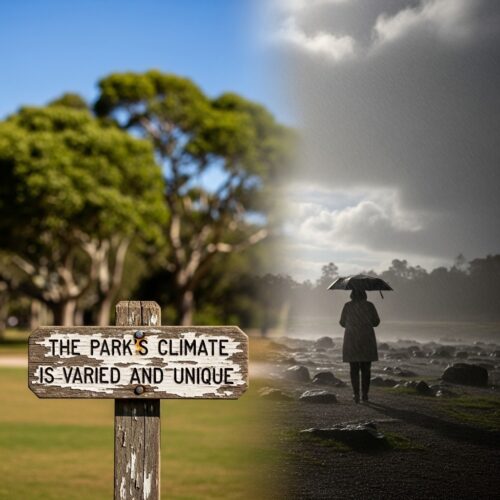
The climate in Grand Teton National Park is anything but boring. It changes rapidly, making it essential for visitors to be prepared for anything Mother Nature throws their way.
Weather Can Change Rapidly in the Teton Region
One minute, you might be basking in warm sunshine, and the next, a chilly wind sweeps through. This park experiences distinct seasonal shifts. Summer days can be warm, reaching into the 70s and 80s Fahrenheit. But nights? They can get pretty chilly. Winter, on the other hand, brings heavy snowfall and freezing temperatures, creating a winter wonderland.
Best Seasons for Visiting and Their Characteristics
- Spring (April to June): Expect mild temperatures and blooming wildflowers. Snow still lingers, especially in higher elevations.
- Summer (July to August): Warm and sunny, perfect for hiking and water activities. Just remember, summer storms can pop up unexpectedly.
- Autumn (September to October): Cooler temperatures and stunning fall colors. Wildlife is active as they prepare for winter.
- Winter (November to March): Ideal for snow sports. The park transforms into a snowy paradise, but be ready for cold temps and possible road closures.
What to Pack Based on Seasonal Climate
Packing smart is key to enjoying your visit. Here’s a seasonal checklist to keep you comfortable:
- Spring: Layered clothing, waterproof jacket, sturdy boots, and binoculars for wildlife watching.
- Summer: Lightweight clothes, sunblock, a hat, and plenty of water. Don’t forget a light jacket for the cooler evenings.
- Autumn: Warm layers, a rain jacket, hiking boots, and a camera for those breathtaking fall views.
- Winter: Heavy-duty winter jacket, thermal layers, snow boots, gloves, and a good thermos for hot drinks.
Being prepared for the park’s varied and unique climate will enhance your experience. Enjoy the beauty of Grand Teton National Park, no matter what the weather!
12. Popular Seasonal Activities in the Park

Grand Teton National Park is a year-round playground. Each season brings its own set of adventures. Let’s dive into what you can do when you visit, no matter the time of year!
Summer activities include hiking and boating.
Summer is the prime time for outdoor activities. The weather is warm, and the trails are open. Here are some popular options:
- Hiking: Over 200 miles of trails await! From easy walks to challenging climbs, there’s something for everyone. Don’t miss the Hidden Falls Trail and Cascade Canyon Trail.
- Boating: Kayaking and canoeing on Jackson Lake offer stunning views of the Teton Range. Rent a boat or join a guided tour for a fun day on the water.
- Wildlife Viewing: Spotting moose, elk, and bears is a highlight. Early mornings and late afternoons are best for wildlife encounters.
Winter offers skiing and snowshoeing opportunities.
When winter blankets the park in white, it transforms into a snowy wonderland. Here’s how to make the most of it:
- Skiing: Cross-country skiing is popular here. Glide through peaceful trails surrounded by snow-covered trees.
- Snowshoeing: Rent some snowshoes and explore the backcountry. It’s a great way to enjoy the quiet winter landscape.
- Wildlife Tracking: Look for animal tracks in the snow. It’s a unique way to learn about the park’s wildlife during the colder months.
Spring and fall activities for wildlife viewing.
Spring and fall are fantastic for observing wildlife as they transition between seasons. Here’s what you can enjoy:
- Spring Wildflowers: As the snow melts, wildflowers bloom. Take a hike to see the vibrant colors.
- Fall Foliage: Autumn paints the park in stunning reds and golds. Enjoy scenic drives or hikes to experience the beautiful landscapes.
- Local Events: Keep an eye out for seasonal festivals, like the Jackson Hole Fall Arts Festival in September. It’s a wonderful way to immerse yourself in local culture.
With so much to do year-round, Grand Teton National Park truly offers something for every visitor. Get ready to create unforgettable memories!
13. The Park’s Cultural Heritage is Rich
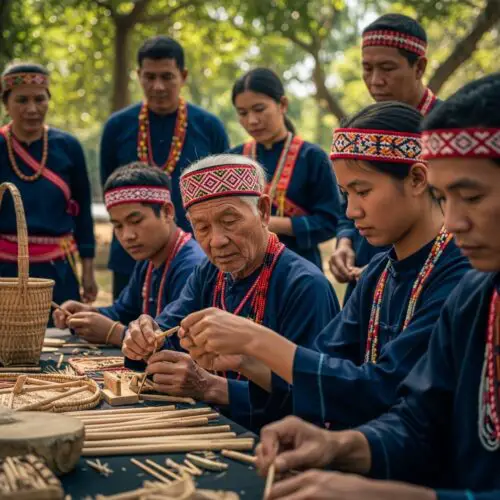
Grand Teton National Park is steeped in cultural significance. Native American tribes have deep-rooted connections to this land. Their history and traditions add a unique layer to the park’s story.
Native American tribes’ historical connection to the land
The Shoshone and Crow tribes regard the Grand Teton area as sacred. For centuries, they have lived in harmony with the land. Their stories and traditions reflect a deep respect for nature. The Tetons are not just mountains; they are a vital part of their cultural identity.
- Sacred Sites: Many locations in the park hold spiritual significance. Tribes used these sites for ceremonies and gatherings.
- Traditions: Hunting, fishing, and gathering practices have been passed down through generations. These activities helped sustain their communities.
Cultural events that celebrate this heritage
The park hosts events that honor the Native American heritage. These gatherings provide visitors with a chance to learn and appreciate local culture.
- Cultural Festivals: Events like the annual Powwow showcase traditional dances and crafts. They bring together tribal members and visitors in celebration.
- Art Exhibits: Local artists often display their work, reflecting the rich heritage of the tribes. This art tells stories and preserves history.
Educational programs highlighting local culture
Visitors can engage with the cultural heritage through various educational programs. These initiatives foster understanding and appreciation.
- Guided Tours: Park rangers offer tours that focus on Native American history. They share stories and insights into the tribes’ connection to the land.
- Workshops: Hands-on workshops let visitors explore traditional crafts, like beadwork or pottery. Participants leave with a deeper appreciation of the culture.
Understanding the cultural significance of Grand Teton National Park enriches the visitor experience. It connects people to the land and its history in a meaningful way.
14. Grand Teton National Park is a Birdwatcher’s Paradise
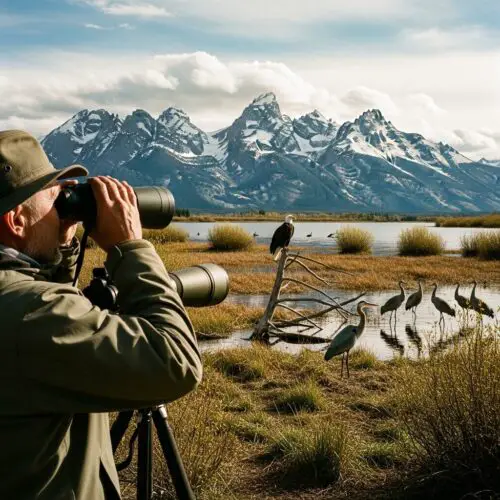
Grand Teton National Park is a haven for birdwatchers. With over 300 bird species, it offers diverse habitats and breathtaking views. Whether you’re a seasoned birdwatcher or a curious newbie, you’ll find plenty to explore.
Home to over 300 bird species
The park boasts a rich variety of avian life. Here are some key species you might spot:
- Bald Eagles: Majestic and powerful, they’re often seen soaring above the lakes.
- Ospreys: Watch them dive for fish in the waters.
- Sandhill Cranes: Their calls fill the air, especially during migration seasons.
- Mountain Bluebirds: Their bright colors add a splash of beauty against the landscape.
- Peregrine Falcons: Known for their incredible speed, they nest on the cliffs.
This diverse wildlife thrives in the park’s varied ecosystems, from wetlands to forests.
Best times and locations for birdwatching
Timing is key for birdwatching. Here are the best times and spots to catch a glimpse of the park’s feathered residents:
- Spring (April to June): Migration season brings in many species. Look near Jackson Lake and Jenny Lake.
- Summer (July to August): Breeding season is in full swing. Trails near Phelps Lake and the wetlands are hotspots.
- Fall (September to November): Another migration period. The areas around the Snake River are ideal for spotting birds preparing for winter.
Guided birdwatching tours available
For a deeper experience, consider joining a guided birdwatching tour. Local experts can enhance your visit with their knowledge. They know the best spots and can help you identify species you might miss on your own. Tours often include:
- Binoculars and guides: Many tours provide equipment, so you don’t need to bring your own.
- Expert insights: Learn about bird behavior and conservation efforts.
- Group camaraderie: Share the experience with fellow bird enthusiasts.
Birdwatching at Grand Teton National Park is more than just spotting birds. It’s about connecting with nature and appreciating the beauty around you.
15. The Park Welcomes Millions of Visitors Annually

Grand Teton National Park is a hot spot for nature lovers. Each year, millions flock to its stunning landscapes and diverse wildlife. Let’s take a closer look at the visitor statistics and trends.
Annual visitation numbers and trends
- Visitor Count: Over 3 million people visit Grand Teton National Park each year.
- Growth Trends: The park sees a steady increase in visitors year by year, with peaks during the summer months.
Peak times for visitors and their experiences
- Summer Rush: The most popular time to visit is from May to September. During this period, the park’s facilities and roads are fully operational.
- Visitor Experiences: Many visitors rave about the breathtaking views from the Jenny Lake area. For example, one visitor shared, “Hiking around Jenny Lake was like stepping into a postcard! The scenery was unreal!”
Visitor demographics and interests
- Diverse Interests: Visitors range from families to solo adventurers. Many enjoy hiking, photography, and wildlife watching.
- Visitor Feedback: A recent visitor noted, “Every corner of the park offers something new. You can hike, paddle, or just take in the beauty. It’s truly a paradise for outdoor enthusiasts!”
The park’s appeal lies not just in its beauty, but also in the variety of activities it offers. Whether you’re hiking a challenging trail or enjoying a scenic drive, there’s something for everyone at Grand Teton National Park.
16. Conservation Efforts are Ongoing and Vital
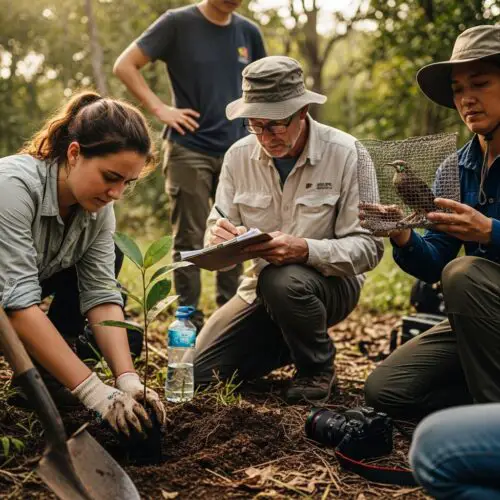
Grand Teton National Park is a treasure that needs protecting. Ongoing conservation efforts play a crucial role in preserving its unique ecosystems and wildlife.
Collaborative Efforts with Local Organizations
The park collaborates with local groups to promote sustainability. These partnerships help protect the park’s natural resources. For example, local conservation organizations often join forces with the National Park Service for habitat restoration. This teamwork enhances the park’s resilience against environmental threats.
Public Education on Conservation Practices
Education is key to conservation. The park runs programs that teach visitors about its ecosystems. These initiatives raise awareness of how climate change affects the area. Visitors learn simple actions they can take to help protect the park. For instance, the park encourages reducing waste and using sustainable transportation options.
Volunteering Opportunities for Visitors
Visitors can get involved directly! The park offers various volunteering opportunities. From trail maintenance to wildlife surveys, there’s something for everyone. Engaging in these activities fosters a deeper connection to the land. Plus, it’s a great way to meet fellow nature enthusiasts. A recent volunteer shared, “Helping out in the park made my visit even more special!”
By participating in these efforts, visitors contribute to the ongoing preservation of Grand Teton National Park. It’s a beautiful way to ensure this stunning landscape remains for future generations to enjoy.
17. Unique Challenges Faced by Park Management
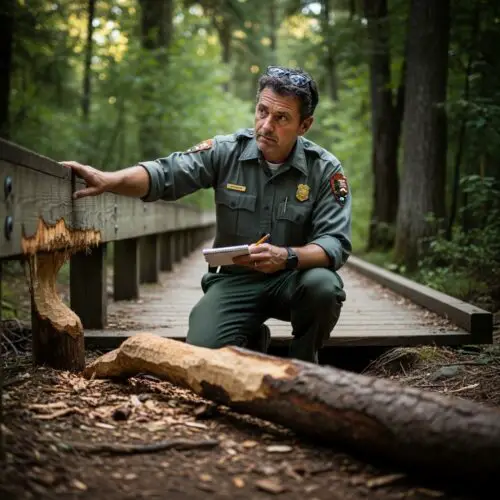
Managing a national park like Grand Teton comes with its own set of hurdles. Park management balances visitor access with the need to protect these stunning natural resources. Let’s dive into the key challenges they face.
Balancing Visitor Access with Conservation Needs
Grand Teton attracts millions of visitors each year. With so many people, it’s tough to keep the park pristine. Park management has to find ways to let people enjoy the beauty while also protecting it. Here are some strategies they use:
- Visitor Limits: During peak seasons, they may implement visitor caps on certain trails. This helps reduce overcrowding.
- Designated Areas: Focusing activities in certain areas keeps the most delicate spots safe.
- Education Programs: Informing visitors about Leave No Trace principles encourages responsible behavior.
Addressing Climate Change Impacts on the Park
Climate change is a big issue for natural parks. Grand Teton is no exception. The park experiences shifts in weather patterns that affect wildlife and ecosystems. Here’s how management is tackling these challenges:
- Monitoring Systems: They keep an eye on changing temperatures and precipitation levels. This data helps them adapt management strategies.
- Restoration Projects: Efforts to restore damaged habitats are crucial. Healthy ecosystems can better withstand climate impacts.
- Collaborative Research: Working with scientists allows the park to implement effective climate action plans.
Managing Wildlife Populations and Human Interactions
Grand Teton is home to a diverse range of wildlife. This variety creates a unique challenge. More visitors mean more interactions with animals. Here’s how the park manages these situations:
- Guided Tours: Offering guided wildlife tours educates visitors about maintaining a safe distance from animals.
- Wildlife Corridors: Creating pathways helps animals navigate their habitats safely, reducing human-wildlife conflicts.
- Public Awareness Campaigns: Campaigns remind visitors to respect wildlife and keep food secured to avoid attracting animals.
By understanding these challenges, visitors can play a role in preserving Grand Teton National Park. Simple actions like staying on trails and following park guidelines can make a big difference!
Frequently Asked Questions
These quick answers cover the most common questions about this topic, including key details, practical tips, and common concerns.
What are some fun facts about Grand Teton National Park?
Grand Teton National Park is home to the youngest mountain range in the U.S., formed by seismic activity. Its highest peak, Grand Teton, rises to 13,770 feet. The park contains over 2.7 billion-year-old rocks and features stunning glaciers, lakes, and valleys shaped by ancient glaciers. It also has historic sites like Mormon Row with iconic homesteads and the unique Jackson Hole Airport within the park.
What is the #1 visited national park?
Yellowstone National Park holds the title as the most visited national park in the U.S., with over 4 million visitors annually. It’s famous for its geothermal features like geysers and hot springs, along with diverse wildlife and vast landscapes. Grand Teton ranks among the top, attracting over 3 million visitors each year, drawn by its stunning peaks and outdoor activities.
Which 5 states have no national parks?
The five U.S. states without any national parks are Delaware, Rhode Island, Connecticut, Iowa, and Kansas. These states may have other protected areas or state parks, but they lack federally designated national parks.
Is grizzly 399 still alive in the Grand Tetons?
As of the latest reports, grizzly 399 remains alive and well in the Grand Teton area. She is a famous matriarch known for her large size and protective nature. She has been a symbol of the park’s wildlife conservation efforts and is often seen with her offspring.
When is the best time to visit Grand Teton National Park?
The best time to visit is from late June to early September when the weather is warm, and most trails and facilities are open. Summer offers ideal conditions for hiking, boating, and wildlife viewing. Spring and fall are great for fewer crowds and vibrant scenery, while winter is perfect for snow sports.
What wildlife can I expect to see in Grand Teton?
You can see elk, moose, bison, pronghorn antelope, and black bears. Grizzly bears and wolves also roam the area, but sightings are less predictable. Birdwatchers will enjoy spotting over 300 bird species, including eagles, ospreys, and sandhill cranes.
Are there any guided tours available in Grand Teton?
Yes, many guided tours are offered, including wildlife safaris, glacier hikes, and photography excursions. Guided tours provide expert insights, enhance wildlife viewing chances, and ensure safety on challenging trails or in bear habitats.
What are the top hiking trails in Grand Teton National Park?
Popular trails include Jenny Lake Loop, Cascade Canyon, and the hike to the summit of Grand Teton. These trails range from easy walks to strenuous climbs, offering spectacular views of mountains, lakes, and wildlife. Guided hikes are also available for more in-depth experiences.