
Joshua Tree National Park is a stunning natural wonder located in California, covering over 790,000 acres and showcasing unique ecosystems. This article reveals 17 amazing facts about the park that are worth knowing in 2026, including its cultural significance, biodiversity, and visitor activities.
1. Joshua Tree National Park is a Unique Desert Ecosystem

Joshua Tree National Park is a fascinating blend of two distinct desert ecosystems: the Mojave Desert and the Colorado Desert. Each has its unique characteristics that contribute to the park’s incredible biodiversity.
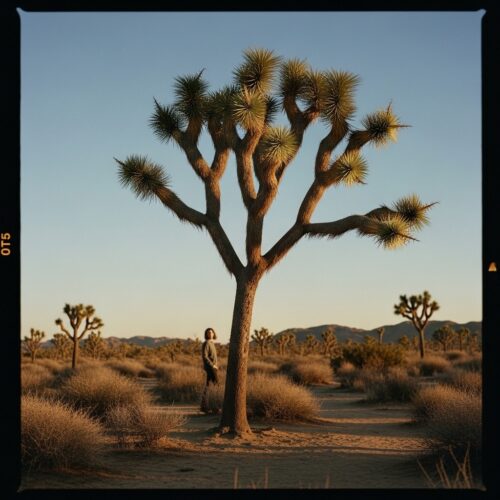
The Mojave Desert’s Unique Characteristics
The Mojave Desert is known for its striking landscapes and diverse flora and fauna. Here are some key features:
- Joshua Trees: The park’s namesake, these iconic yucca plants can grow up to 40 feet tall. They thrive in the Mojave’s higher elevations.
- Unique Wildlife: Home to bighorn sheep, desert tortoises, and various bird species, the Mojave supports a rich array of life.
- Geological Wonders: The Mojave is dotted with fascinating rock formations, offering stunning views and challenging climbs.
The Colorado Desert’s Distinct Features
The Colorado Desert, while part of the same park, has its own charm. Here’s what sets it apart:
- Lower Elevation: This desert is typically hotter and drier, featuring a different set of plants like creosote bushes and ocotillo.
- Biodiversity: The Colorado Desert is home to species such as the chuckwalla lizard and various rodents, which adapt to its harsher conditions.
- Unique Flora: You’ll find fewer Joshua trees here, but plenty of cacti and other resilient plants that showcase the desert’s adaptability.
How These Ecosystems Interact
The Mojave and Colorado Deserts converge in Joshua Tree, creating a unique interplay of ecosystems. This interaction supports an impressive variety of wildlife. For example:
Table of Contents
- Habitat Variety: Animals can migrate between the two ecosystems, finding food and shelter that suits their needs.
- Nutrient Exchange: The different plants influence the soil and water availability, supporting diverse life forms.
This cohabitation of ecosystems makes Joshua Tree a hotspot for biodiversity and a must-visit for nature enthusiasts. Whether you’re hiking through the Mojave or exploring the Colorado Desert, you’re bound to discover something amazing!
2. The Joshua Tree is Not Actually a Tree
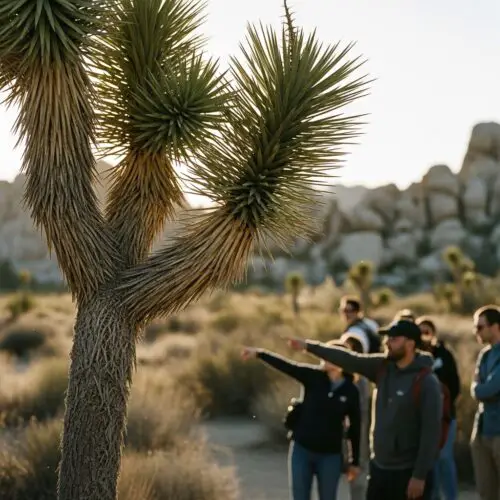
Surprise! The Joshua tree (Yucca brevifolia) isn’t a true tree at all. It’s a type of yucca plant. This fascinating plant plays a crucial role in the ecosystem of Joshua Tree National Park.
Characteristics of the Yucca Plant
Joshua trees have a unique appearance. They can grow up to 40 feet tall! Their spiky leaves and irregular branches make them look like something from another planet. Here are some key characteristics:
- Leaves: Long, narrow, and sharp. They can stay green for years.
- Flowers: Creamy white blooms appear in the spring. These flowers attract pollinators.
- Adaptations: Joshua trees store water in their thick trunks, helping them survive dry spells.
How the Joshua Tree Supports Local Wildlife
The Joshua tree is more than just a pretty face. It provides essential support for local wildlife. Here’s how:
- Habitat: Many birds, like the woodpecker, make their homes in Joshua trees.
- Food Source: The tree’s flowers and seeds are a tasty treat for various animals.
- Pollination: The yucca moth relies on the Joshua tree for survival. This tiny moth is its primary pollinator, showcasing nature’s perfect teamwork.
Lifespan and Growth Patterns of Joshua Trees
Joshua trees have a long life ahead. They can live for over 150 years! Their growth is slow but steady. Here’s what you should know:
- Growth Rate: They typically grow just a few inches each year.
- Reproduction: They flower every few years, depending on weather conditions.
- Ecosystem Role: As they age, they continue to provide critical habitats for wildlife.
The Joshua tree is a vital part of the park’s ecosystem. Its unique characteristics and interrelationships with wildlife make it a fascinating subject for anyone interested in nature.
3. Biodiversity: A Haven for Flora and Fauna
Joshua Tree National Park is bursting with life. Despite its desert setting, it’s home to a rich variety of plants and animals. Let’s dive into some amazing aspects of its biodiversity.
Endangered Species Within the Park
Joshua Tree is not just known for its iconic trees; it also hosts several endangered species. Here are a few noteworthy ones:
- Desert tortoise: This slow-moving reptile is a symbol of desert conservation efforts. Its habitat is threatened, making protection vital.
- Bighorn sheep: Once on the brink of extinction, these agile climbers are now thriving thanks to conservation work.
- California condor: These majestic birds are making a comeback in the area, showcasing successful captive breeding programs.
Unique Adaptations of Desert Wildlife
Life in Joshua Tree has some incredible adaptations. Here’s how plants and animals survive the harsh conditions:
- Water conservation: Many plants, like cacti, have adapted to store water for long periods. This helps them survive droughts.
- Nocturnal habits: Many animals, including rodents and foxes, are active at night to escape the daytime heat.
- Camouflage: Creatures like the desert tortoise blend into their surroundings, protecting them from predators.
The Importance of Habitat Conservation
Conservation plays a crucial role in maintaining this vibrant ecosystem. Here’s why it matters:
- Biodiversity stability: A diverse ecosystem is more resilient. Protecting various species helps sustain the park’s health.
- Cultural significance: Many species hold historical importance for local tribes. Preserving these species honors cultural heritage.
- Visitor experience: A rich variety of wildlife enhances the park experience. Spotting unique animals or plants makes every visit special.
Being aware of these amazing facts can deepen your appreciation for Joshua Tree National Park. It’s not just a pretty landscape; it’s a thriving ecosystem full of life waiting to be explored!
4. A Rock Climber’s Paradise
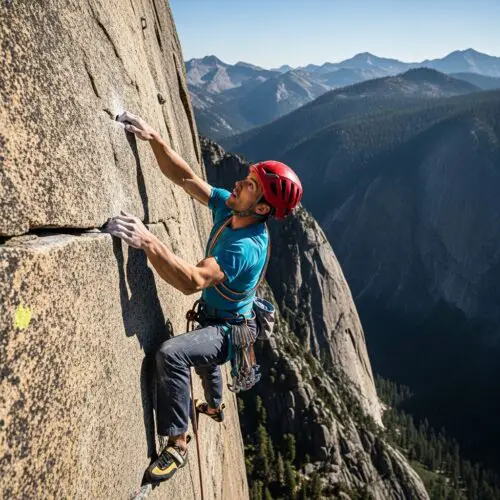
Joshua Tree National Park is a dream destination for rock climbers. With its stunning geological formations and diverse climbing routes, it attracts adventurers from all around the globe.
Popular climbing locations
Here are some of the top spots for climbers in the park:
- Intersection Rock: A favorite for beginners and experienced climbers alike, it offers routes ranging from easy to challenging.
- Hidden Valley: Known for its beautiful scenery and solid rock, this area has over 100 climbing routes.
- Barker Dam: This spot not only provides climbing but also stunning views and petroglyphs.
- Keys View: While primarily a viewpoint, it’s surrounded by climbing routes that offer breathtaking vistas.
Safety tips for climbers
Climbing in Joshua Tree can be thrilling, but safety is paramount. Here are essential tips to keep in mind:
- Always check the weather before your climb. Sudden storms can change conditions quickly.
- Bring plenty of water. The desert climate can be harsh, and staying hydrated is crucial.
- Use a helmet. Falling rocks can be a risk in certain areas.
- Familiarize yourself with climbing regulations. Respect the park rules to protect yourself and the environment.
Events and competitions held in the park
Joshua Tree hosts various climbing events throughout the year. These competitions attract climbers of all skill levels and often include:
- Rock climbing festivals: These events often feature workshops, gear demos, and climbing contests.
- Fundraisers for conservation: Many climbing events support park preservation and environmental initiatives.
Whether you’re a novice or a climbing pro, Joshua Tree National Park offers a unique blend of adventure and natural beauty. The park’s geology and climbing routes provide endless opportunities for exploration and excitement.
5. Stargazing in Joshua Tree: An Unforgettable Experience
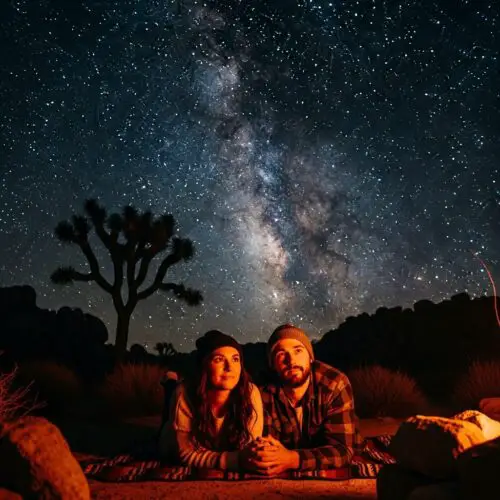
Joshua Tree National Park is a stargazer’s paradise. Designated as an International Dark Sky Park, it offers some of the clearest night skies in Southern California. Let’s dive into why this makes the park a must-visit for astronomy lovers.
The impact of light pollution
Light pollution can spoil the view of the stars. In urban areas, city lights drown out celestial beauty. But not in Joshua Tree! The park’s remote location allows for minimal light interference. This means visitors can see thousands of stars and the Milky Way stretching across the sky. It’s a breathtaking sight.
Best times for stargazing
Timing your visit is key for the best stargazing experience. Here are some tips:
- New Moon Nights: The sky is darkest, making stars more visible.
- Late Spring to Early Fall: Clearer skies and milder temperatures enhance viewing conditions.
- Avoiding Busy Holidays: Weekdays are usually quieter, providing a more peaceful experience.
Events for astronomy enthusiasts
Joshua Tree hosts several events focused on stargazing. These are great opportunities to learn from experts and enjoy the night sky:
- Star Parties: Local astronomy clubs often organize star parties. They provide telescopes and guided tours of the night sky.
- Solar Viewing Events: During the day, some events focus on observing the sun safely with specialized equipment.
- Night Sky Programs: Park rangers lead talks on constellations, planets, and the history of astronomy.
Expert tips for optimal stargazing
To make the most of your stargazing adventure, consider these expert tips:
- Bring Binoculars or a Telescope: They can enhance your experience, allowing you to see more details.
- Dress Warmly: Nights can get chilly, even in the desert. Layer up to stay comfortable.
- Stay Hydrated: Bring water! Dehydration can sneak up on you in the dry desert air.
Joshua Tree isn’t just about the stunning landscapes during the day. Its night skies hold a treasure trove of wonders waiting to be explored.
6. Historical Significance of Joshua Tree
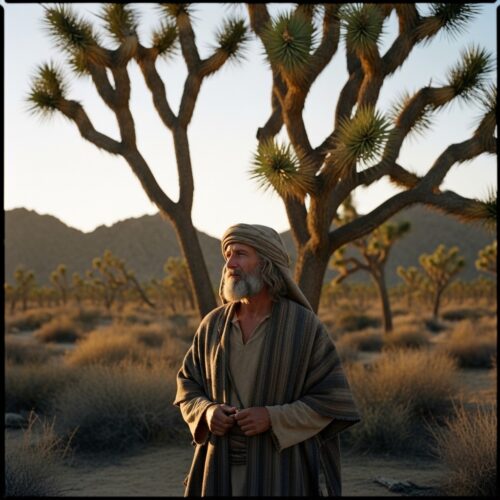
Joshua Tree National Park is rich in cultural and historical significance. From ancient inhabitants to modern artists, the park’s history is woven into its landscape. Let’s dive into some fascinating aspects of its heritage.
The Pinto Culture and its Legacy
Long before Joshua Tree became a national park, it was home to the Pinto people. They thrived in this harsh environment for thousands of years. Evidence of their existence includes rock art and artifacts scattered throughout the park.
- Rock Art: The petroglyphs carved into boulders tell stories of their connection to the land.
- Survival Skills: The Pinto people expertly utilized local resources for food, shelter, and tools.
Their legacy reminds us of humanity’s resilience and adaptability in the face of nature.
Mining History and its Impact
In the late 19th century, miners flocked to the area, drawn by its mineral wealth. They left behind remnants of their industry, shaping the park’s landscape.
- Gold and Silver Rush: The discovery of gold and silver led to the establishment of several mining camps.
- Ghost Towns: Today, you can explore the remnants of these towns, such as the old mining equipment and dilapidated structures.
This era highlights the park’s transition from a home for indigenous peoples to a site of economic ambition.
Modern Cultural References to Joshua Tree
Joshua Tree isn’t just a natural wonder; it’s also a muse for artists and musicians. Its unique beauty has inspired countless works of art and music.
- Iconic Album: The band U2 famously named their album “The Joshua Tree” after the park, showcasing its cultural significance.
- Artistic Retreat: Many artists find inspiration in the park’s stunning landscapes, often hosting workshops and exhibitions.
These modern connections continue to elevate the park’s status in popular culture, making it an essential destination for visitors seeking both inspiration and adventure.
7. Environmental Challenges and Conservation Efforts

Joshua Tree National Park is a stunning gem in the Mojave Desert. But it faces significant environmental challenges. Understanding these issues and the conservation efforts underway is crucial for protecting this unique ecosystem.
Threats to biodiversity
The park’s biodiversity is under threat from several factors. These include:
- Climate Change: Rising temperatures and changing precipitation patterns affect plant and animal life.
- Invasive Species: Non-native plants and animals disrupt local ecosystems and compete with native species.
- Human Impact: Increased visitor traffic can lead to soil erosion and habitat destruction.
These threats jeopardize the delicate balance of life in Joshua Tree. It’s vital to recognize how our actions impact this incredible environment.
Conservation strategies in action
Efforts are underway to safeguard the park’s unique ecosystems. Here are some notable conservation strategies:
- Restoration Projects: Initiatives to remove invasive species and restore native habitats are crucial. This helps maintain the park’s biodiversity.
- Education Programs: Park rangers lead workshops to inform visitors about the importance of conservation. Knowledge is power!
- Wildlife Monitoring: Tracking animal populations helps identify trends and potential threats, allowing for timely interventions.
Each of these strategies contributes to a healthier, more resilient ecosystem in Joshua Tree.
How visitors can help
You can play a role in protecting Joshua Tree National Park. Here’s how:
- Stay on Trails: This reduces soil erosion and protects fragile habitats.
- Follow Leave No Trace Principles: Carry out what you carry in. This simple act keeps the park clean and safe for wildlife.
- Participate in Volunteer Days: Join park staff and other volunteers in hands-on conservation projects. It’s a great way to give back!
By being mindful of your impact, you help preserve the beauty of Joshua Tree for future generations. Every small action counts!
8. Essential Visitor Tips for Joshua Tree

Planning a trip to Joshua Tree National Park? Great choice! Here are some essential tips to make your visit safe and enjoyable.
Planning your visit: Timing and accommodation
Timing is everything in Joshua Tree. The best months to visit are from March to May and from October to November. During these months, temperatures are pleasant, making for perfect hiking weather.
- Spring: Enjoy wildflowers blooming in vibrant colors.
- Fall: Experience cooler temperatures and fewer crowds.
When it comes to accommodation, options vary. You can camp under the stars or stay in nearby towns like Joshua Tree or Twentynine Palms. Reservations are recommended for camping spots, especially during peak seasons.
Safety tips for exploring the park
Safety should always come first. Here are some key tips to keep in mind:
- Stay Hydrated: Always carry enough water. The desert can be unforgiving, and hydration is crucial.
- Wear Sunscreen: Protect your skin from the strong sun, even on cloudy days.
- Follow Trail Markings: Stick to designated trails to avoid getting lost and to protect the environment.
- Wildlife Awareness: Keep your distance from animals. Observe them, but don’t approach.
- Emergency Preparedness: Have a first aid kit handy. Know the park’s emergency contact numbers.
Accessibility for all visitors
Joshua Tree National Park aims to be welcoming for everyone. Here are some of the accessible features:
- Accessible Trails: Some trails are wheelchair-friendly. Check the park map for details.
- Restroom Facilities: Many restrooms are accessible, equipped with features for visitors with disabilities.
- Visitor Center: The Joshua Tree Visitor Center has accessible exhibits and staff ready to assist.
By planning ahead and keeping these tips in mind, you can have a fantastic experience at Joshua Tree National Park. Enjoy the unique landscapes and make amazing memories!
Frequently Asked Questions
These quick answers cover the most common questions about this topic, including key details, practical tips, and common concerns.
What are some fun facts about the Joshua Tree?
One fun fact is that the Joshua tree (Yucca brevifolia) isn’t a true tree but a yucca plant. It can live over 150 years and grow up to 40 feet tall. Another interesting fact is that the park features two distinct desert ecosystems: the Mojave and Colorado deserts, each with unique plants and wildlife. Additionally, Joshua Tree is a designated International Dark Sky Park, making it one of the best places for stargazing.
What is the prettiest national park in the USA?
Beauty is subjective, but many consider Joshua Tree one of the most stunning due to its surreal landscapes, iconic trees, and dramatic rock formations. Its contrasting desert ecosystems and starry night skies create a uniquely captivating environment. Other contenders include Yellowstone, Yosemite, and Grand Canyon, but Joshua Tree’s otherworldly scenery makes it a standout.
What should I not miss in Joshua Tree?
You shouldn’t miss exploring the iconic Joshua trees themselves and the park’s famous rock formations like Intersection Rock and Hidden Valley. Visiting during sunset or sunrise enhances the experience with stunning light. Also, stargazing at night, hiking the Barker Dam trail, and experiencing the park’s cultural sites, such as ancient petroglyphs, are must-do activities.
Are there mountain lions in Joshua Tree?
Yes, mountain lions, also known as cougars or pumas, inhabit Joshua Tree National Park. They are elusive and typically active at dawn, dusk, or night. While encounters are rare, visitors should be aware of their presence and follow safety guidelines, such as avoiding hiking alone at night and keeping an eye on children.
When is the best time to visit Joshua Tree National Park?
The best time to visit is from March to May and October to November when temperatures are mild and comfortable for outdoor activities. Spring offers wildflower blooms, while fall provides cooler weather and fewer crowds. Summer can be extremely hot, making daytime activities challenging, and winter can be cold at higher elevations.
How can I safely explore Joshua Tree?
To explore safely, stay on designated trails, carry plenty of water, and wear sun protection. Avoid hiking alone, especially in remote areas, and check weather conditions before heading out. Be cautious of wildlife, including snakes and scorpions, and always inform someone about your plans. Using park maps and following ranger advice enhances safety.
What are some other desert parks similar to Joshua Tree?
If you enjoy Joshua Tree, consider visiting Death Valley National Park, known for its vast salt flats and extreme temperatures, or Anza-Barez Desert State Park, which features unique desert flora and wildlife. These parks offer similar desert landscapes, geological features, and opportunities for outdoor recreation.
How does Joshua Tree compare to other national parks?
Joshua Tree stands out for its unique combination of desert ecosystems, iconic yucca plants, and rock formations. Unlike parks like Yellowstone or Yosemite, it emphasizes desert landscapes and stargazing. Its accessibility for climbers and its cultural history also make it distinct among national parks.