
Death Valley National Park is renowned for its extreme conditions and stunning landscapes. In this expert edition, we present 17 mind-blowing facts about this unique desert region that will enhance your appreciation and understanding of one of the most fascinating places on Earth.
1. Death Valley is the Hottest Place on Earth
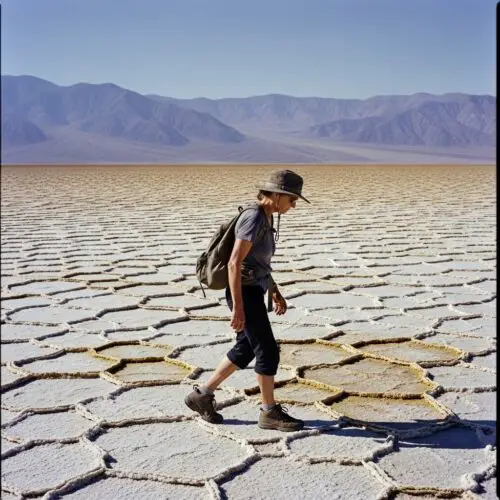
Furnace Creek holds the record for the highest temperature ever recorded on Earth. In July 1913, it reached a scorching 134°F (56.7°C). This incredible feat makes Death Valley a must-know for heat enthusiasts!
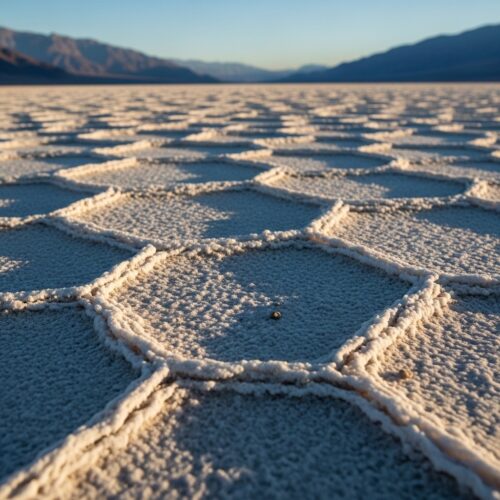
Understanding temperature extremes
- Historical Record: The 134°F reading has been a topic of debate. Some experts question its accuracy due to the measuring methods used back then.
- Recent Measurements: More recent verified temperatures show Death Valley regularly hits astonishing highs. For instance, in June 2013, it recorded 129.2°F (54°C) and 130°F (54.4°C) in August 2020, although the latter is still under verification.
Global context of Death Valley’s heat
- Comparison with Other Locations: Death Valley’s record temperature surpasses other extreme heat locations globally. For example, Kuwait’s highest recorded temperature is 129°F (54°C).
- Climate Studies: These extreme temperatures contribute significantly to climate research, enhancing our understanding of heat patterns and climate change.
Implications for visitors
- Visitor Safety: If you’re planning to visit, be prepared! Temperatures can soar above 120°F (49°C) in summer. Hydration and sun protection are essential.
- Wildlife Behavior: Animals adapt to these extremes by being more active during cooler parts of the day, providing unique viewing opportunities for visitors.
Death Valley’s climate extremes make it a fascinating spot for both adventure and learning. The records and conditions here tell a story of resilience and adaptation, showcasing nature’s fierce power.
2. Badwater Basin is the Lowest Point in North America
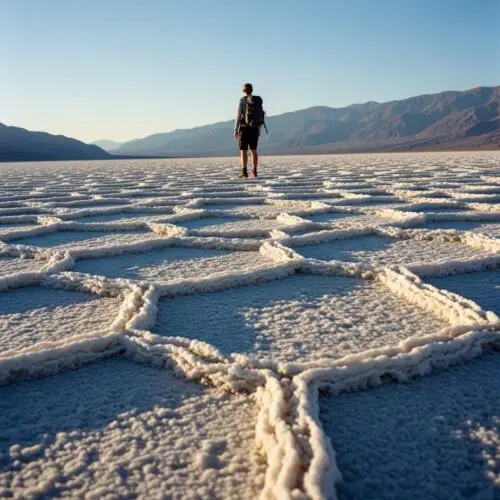
At a staggering 282 feet below sea level, Badwater Basin is a must-see feature of Death Valley. This unique geological formation holds fascinating stories about our planet’s extremes.
Formation of Badwater Basin
Badwater Basin is a classic example of a graben, a block of the Earth’s crust that has sunk between two mountain ranges. This sinking happened due to tectonic forces over millions of years. The basin is part of the larger Great Basin region, making it geologically significant.
Table of Contents
- Depth: At 282 feet below sea level, it’s the lowest point in North America.
- Surrounding Ranges: The Panamint Range to the west and the Amargosa Range to the east frame this stark landscape.
- Sediment Layers: The basin floor is covered in salt flats, formed from evaporated mineral deposits over time.
Salt Flats and Their Ecological Importance
The salt flats of Badwater Basin are not just a pretty sight; they play a crucial role in the local ecosystem. They create a unique habitat for various species adapted to this extreme environment.
- Salt Crust: The crust forms as water evaporates, leaving behind minerals like halite and borax.
- Wildlife: Species such as migratory birds can be spotted here, drawn by the saline environment.
- Plant Life: While harsh, some plants, like the saltbush, thrive in these conditions.
Visitor Considerations for Badwater
Planning a visit to Badwater Basin? Here are some tips to enhance your experience:
- Stay Hydrated: Bring plenty of water, especially in the summer heat.
- Footwear: Wear sturdy shoes; the salt flats can be rough on bare feet.
- Timing: Visit early in the morning or later in the evening to avoid the hottest temperatures.
- Safety: Be aware of the lack of shade and prepare for sudden weather changes.
Badwater Basin isn’t just a low point; it’s a remarkable feature that showcases the Earth’s geological wonders and unique adaptability to extreme conditions.
3. Telescope Peak is the Highest Point in the Park

Standing tall at 11,043 feet, Telescope Peak is a gem in Death Valley National Park. It not only offers breathtaking views but also supports diverse ecosystems that change with the elevation.
The hiking experience at Telescope Peak
Hiking to Telescope Peak is an adventure unlike any other. The trail is about 14 miles round trip and takes you through various landscapes.
- Trail Difficulty: Moderate to strenuous. Be prepared for steep sections.
- Elevation Gain: Around 3,000 feet. You’ll feel the burn!
- Trail Conditions: Rocky in some areas, so sturdy footwear is a must.
Hikers often share stories of the stunning vistas at the summit. Imagine standing on top of the world, looking down at the vastness of Death Valley. It’s a moment you won’t forget.
Flora and fauna diversity
The ecosystems along the trail are fascinating. As you climb, the landscape shifts from arid desert to pine forests.
- Plant Life: You’ll encounter Joshua trees and wildflowers in spring.
- Wildlife: Keep an eye out for bighorn sheep and various bird species. Their adaptability to the harsh conditions is impressive.
This biodiversity is a reminder of nature’s resilience, even in extreme environments.
Best times to visit
Timing your visit can make a huge difference. The best seasons to hike Telescope Peak are spring and fall.
- Spring: Wildflowers bloom, and temperatures are mild.
- Fall: Crisp air and stunning sunsets make for a memorable experience.
Avoid the summer heat, as temperatures can soar. Always check the weather before heading out, as conditions can change rapidly.
Hiking Telescope Peak offers a unique glimpse into Death Valley’s diverse natural beauty. It’s not just about reaching the top; it’s about experiencing the journey along the way.
4. Racetrack Playa Features Mysterious Moving Rocks
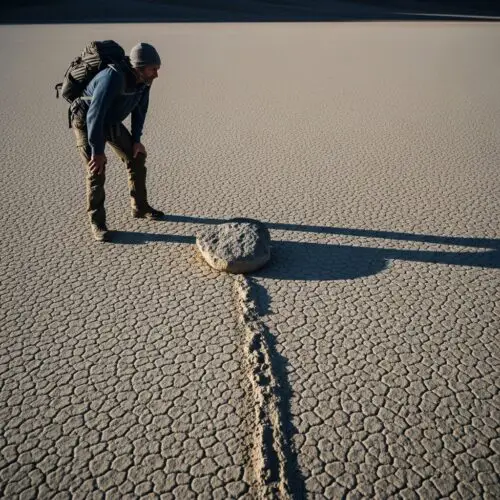
Racetrack Playa is famous for its unique phenomenon where rocks appear to glide across the dry lake bed, leaving trails behind them. This captivating mystery has puzzled visitors and scientists alike.
How the rocks move
The rocks at Racetrack Playa weigh up to 700 pounds. Yet, they seem to move on their own! The key to this phenomenon lies in specific weather conditions. When water gathers on the playa, it creates a thin layer of ice. As the ice melts, wind pushes the rocks, making them slide across the wet surface. This combination of ice and wind is what causes the rocks to leave their intriguing trails.
Scientific studies on the phenomenon
Researchers have dedicated years to studying this phenomenon. Recent studies confirmed that wind speeds of just 10-15 mph can move these heavy rocks. Scientists placed cameras and sensors on the playa to observe the rocks in action. They found that the rocks can travel several hundred feet during a single event. These findings help explain how such an unusual occurrence can happen in one of the hottest places on Earth.
Visitor tips for Racetrack Playa
If you plan to visit Racetrack Playa, keep these tips in mind:
- Timing: Visit in the cooler months, like late fall or early spring, to avoid extreme temperatures.
- Safety: Bring plenty of water and sunscreen. The sun can be intense, even in cooler seasons.
- Photography: Capture the trails by getting low to the ground. Early morning or late afternoon light creates stunning shadows.
- Respect the environment: Stay on designated paths to protect the delicate landscape. Your footprints can last for years!
Exploring Racetrack Playa offers a unique glimpse into the mysteries of Death Valley. It’s a must-see for any adventurer!
5. Death Valley is Home to Unique Wildlife

Despite its extreme conditions, Death Valley is a surprising haven for wildlife. Many species have adapted uniquely to thrive in this harsh environment.
Key species in Death Valley
1. Death Valley Pupfish: This tiny fish is famous for living in isolated pools. It’s one of the most endangered species in the U.S. These fish can survive in water temperatures that would be lethal to most others.
2. Desert Tortoise: This slow-moving reptile has a remarkable ability to store water. It can go for long periods without drinking, making it perfectly suited for life in Death Valley.
3. Bighorn Sheep: These majestic animals navigate the rocky terrain with ease. They have specialized hooves that help them climb steep cliffs and find food in sparse vegetation.
4. Kangaroo Rat: This little critter is a master of moisture conservation. It gets all the water it needs from the seeds it eats, meaning it rarely needs to drink.
Adaptations to extreme conditions
Wildlife in Death Valley has developed fascinating adaptations to survive:
- Heat Resistance: Many animals, like the pupfish and kangaroo rat, can tolerate high temperatures. They have physiological traits that help them manage heat stress.
- Nocturnal Behavior: To avoid the scorching sun, many species are active at night. This includes the desert tortoise, which emerges to feed when temperatures drop.
- Water Conservation: Animals like the bighorn sheep have evolved to minimize water loss. They are efficient at extracting moisture from their food.
Conservation efforts
Preserving the unique wildlife of Death Valley is crucial. Here are some key efforts:
- Habitat Protection: National park services work to maintain and protect the natural habitats where these species live.
- Endangered Species Programs: Specific initiatives aim to boost populations of endangered species like the Death Valley pupfish through breeding and habitat restoration.
- Public Awareness: Education programs help visitors understand the importance of wildlife conservation. This ensures that people appreciate and respect the fragile ecosystems of Death Valley.
By understanding these unique survival strategies, we can better appreciate the resilience of life in one of the harshest environments on Earth.
6. The Timbisha Shoshone Tribe’s Cultural Significance
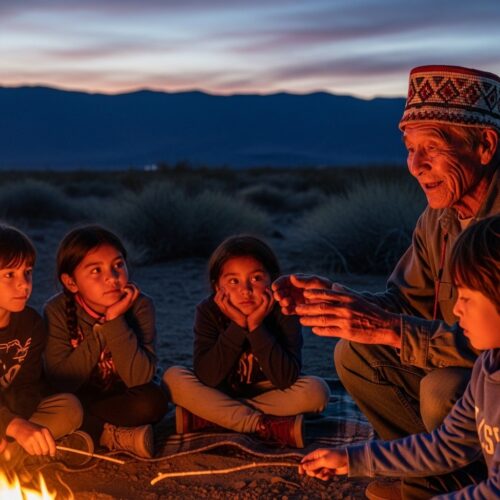
The Timbisha Shoshone Tribe has deep roots in Death Valley, calling it home for over a thousand years. Their connection to the land is rich and complex, shaped by history and culture.
History of the Timbisha Shoshone
The Timbisha Shoshone, formerly known as the Panamint Shoshone, have thrived in Death Valley for centuries. They adapted to the extreme environment, developing a unique way of life. Their name for Death Valley, Tümpisa, means “rock paint,” highlighting their relationship with the land and its resources.
Families still reside in the valley today, continuing traditions passed down through generations. They possess a deep understanding of the local ecology, including the plants and animals that sustain them. This knowledge is vital for their cultural identity.
Cultural Practices and Beliefs
The Timbisha Shoshone have a rich tapestry of cultural practices. These include traditional storytelling, music, and art. Their art often uses natural materials found in the valley, reflecting their surroundings.
Ceremonies play a significant role in their culture. They celebrate seasonal changes and important life events, reinforcing community bonds. The tribe also emphasizes the importance of nature and conservation, teaching younger generations to respect and protect their environment.
Impact of Modern Tourism on Their Heritage
Modern tourism in Death Valley brings both opportunities and challenges for the Timbisha Shoshone. While tourism can support economic growth, it also poses risks to their cultural heritage.
Many visitors are eager to learn about the tribe, but it’s essential to approach this with respect. The tribe encourages responsible tourism that honors their traditions and way of life. They share their stories and knowledge, fostering a deeper understanding of their rich history among visitors.
Incorporating the voices of community members offers a unique perspective. For example, a local elder might recount stories of growing up in the valley, highlighting the importance of preserving their culture in the face of change.
7. Flash Floods Occasionally Transform the Landscape
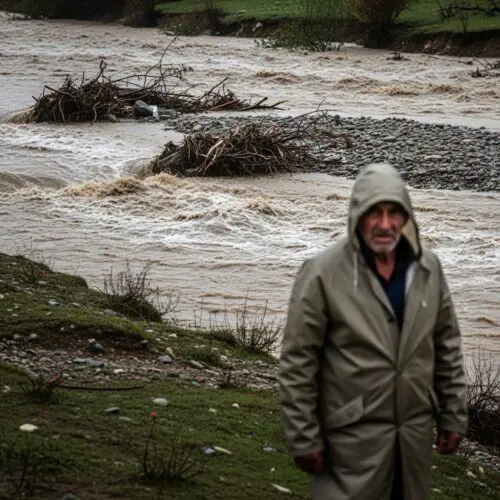
Death Valley isn’t just about scorching heat. It can surprise you with sudden rains that lead to dramatic flash floods. These rare events can reshape the landscape in amazing ways.
Causes of Flash Floods
Flash floods happen quickly in Death Valley. Here’s why:
- Heavy Rainfall: Even a small amount of rain can lead to flooding. The dry ground can’t soak it up fast enough.
- Topography: The steep canyons and valleys funnel water rapidly, creating powerful flows.
- Rare Weather Events: Sometimes, storms far away can send rain into the valley, catching everyone off guard.
Effects on the Landscape
When floods hit, the results can be stunning:
- Temporary Lakes: After heavy rains, you might see lakes where there were none just hours before.
- Eroded Terrain: Floodwaters can carve out new paths and reshape existing canyons.
- Wildflower Blooms: Floods can trigger beautiful wildflower blooms, turning the barren landscape vibrant.
Visitor Safety Guidelines
Safety is key during these unpredictable weather changes. Follow this checklist to stay safe:
- Stay Informed: Check weather forecasts before your visit.
- Avoid Canyons: Stay away from dry washes and canyons during storms.
- Plan an Escape Route: Know where to go if rain is forecasted.
- Stay Away from Flooded Areas: If you see water rushing, keep your distance. It can be dangerous.
By being mindful of these factors, you can enjoy the breathtaking beauty of Death Valley while staying safe.
8. The Sand Dunes of Death Valley Can ‘Sing’
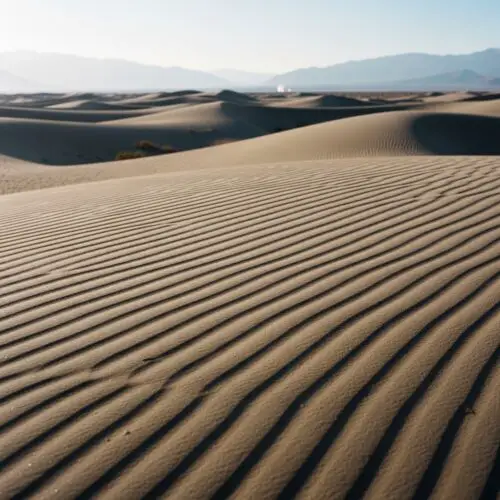
Death Valley is famous for its stunning sand dunes. But did you know some of these dunes can produce a unique humming sound? It’s a curious phenomenon that adds to the park’s allure.
Explaining the ‘singing’ phenomenon
The singing sound happens under specific conditions. When the sand grains shift, they create friction. This friction, combined with air pockets, generates a deep, resonant hum. It’s like nature’s own music!
- The sound can vary in volume and pitch.
- The best time to hear it is when the sand is dry and the wind is just right.
Locations of the best singing dunes
If you want to experience this phenomenon, head to these notable spots:
- Eureka Dunes: The tallest dunes in California, reaching nearly 700 feet. This remote area showcases both beauty and the famous hum.
- Mesquite Flat Sand Dunes: Easily accessible, these dunes are perfect for a quick visit. They are also known for their stunning landscapes, reminiscent of movie sets.
Visitor experiences
Many visitors describe the experience as surreal. Imagine standing on a vast dune, feeling the vibrations beneath your feet. Some even record the sounds to share with friends!
- Tips for capturing the moment:
- Bring a good quality microphone to pick up the subtle hum.
- Visit during early morning or late afternoon for the best sound conditions.
Hearing the singing dunes is a unique experience. It’s one of those mind-blowing facts about Death Valley that truly makes it special.
9. Death Valley’s Geological Features are Diverse
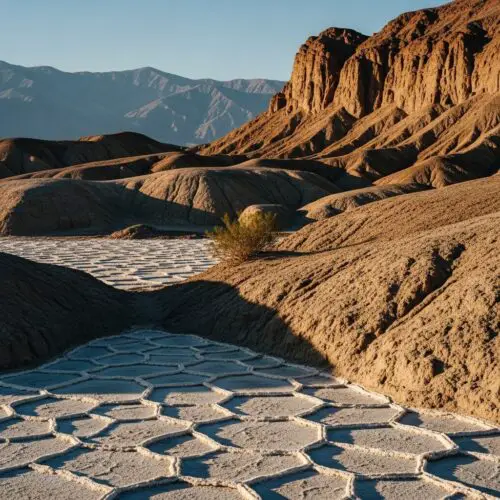
Death Valley is a geologist’s paradise. Its varied landscapes tell a captivating story about Earth’s history. From salt flats to towering dunes, each feature has its own tale to tell.
Major Geological Formations
The geological formations in Death Valley are nothing short of incredible. Here are some key highlights:
- Badwater Basin: This is the lowest point in North America, sitting at 282 feet below sea level. The salt flats here create a stark, beautiful contrast against the surrounding mountains.
- Telescope Peak: At 11,043 feet, this is the highest point in the park. It offers stunning views of the valley and a glimpse into the geological processes that shaped the area.
- Eureka Dunes: These are the tallest sand dunes in California, reaching heights of 680 feet. The sound they produce when the sand shifts is often referred to as “singing.”
The Role of Volcanic Activity
Volcanic activity has played a significant role in shaping Death Valley. For example:
- Ubehebe Crater: This massive crater was formed by a volcanic explosion about 2,000 years ago. It’s 700 feet deep and half a mile wide, showcasing the power of volcanic forces.
- Volcanic Rocks: The area is dotted with remnants of ancient lava flows. These rocks tell us about the intense geological activity that has occurred over millions of years.
Educational Opportunities
Visitors can learn a lot about geology in Death Valley. Here are some ways to explore:
- Visitor Centers: The Furnace Creek Visitor Center offers exhibits on the park’s geology and history. It’s a great starting point for understanding the area.
- Guided Tours: Several companies offer tours that delve into the geological features of the park. These tours often include stops at major formations and discussions about their significance.
- Self-Guided Trails: Trails like Golden Canyon and Mosaic Canyon provide opportunities to see geological formations up close. You can witness firsthand how erosion and sedimentation shape the landscape.
Understanding the geology of Death Valley helps us grasp the climate extremes and ecological adaptations in this unique environment. It’s a living classroom waiting to be explored!
10. The Park is a UNESCO World Heritage Site

Designated for its unique geological and ecological characteristics, Death Valley is recognized globally. This status boosts conservation efforts and enhances the park’s appeal for visitors.
Significance of the designation
Death Valley National Park became a UNESCO World Heritage Site due to its outstanding universal value. The park showcases dramatic landscapes, unique ecosystems, and exceptional geological features. These include:
- Badwater Basin: The lowest point in North America, sitting at 282 feet below sea level.
- Telescope Peak: The highest point in the park, rising to 11,043 feet.
- Diverse ecosystems: Home to unique wildlife, like the endangered Death Valley pupfish.
Conservation efforts supported by UNESCO
Being a UNESCO site brings global attention and resources for conservation. This recognition helps protect the park’s delicate ecosystems from threats like climate change and habitat loss. Here are some benefits of this designation:
- Increased funding: Supports preservation projects and research.
- Enhanced public awareness: Promotes responsible tourism and conservation.
- Collaboration with global organizations: Encourages partnerships to address environmental challenges.
What it means for visitors
For visitors, UNESCO status enhances the experience. It signifies that they are exploring a site of global importance. Here’s how this impacts your visit:
- Educational programs: Learn about the park’s unique history and ecology through guided tours and visitor centers.
- Conservation-focused activities: Participate in volunteer programs that help preserve the park.
- Improved facilities: Expect better amenities and resources, thanks to funding for conservation and tourism.
Visiting Death Valley is not just a trip; it’s a chance to connect with a globally significant landscape. The UNESCO designation ensures that this incredible park will be protected for future generations.
11. The History of Borax Mining in Death Valley
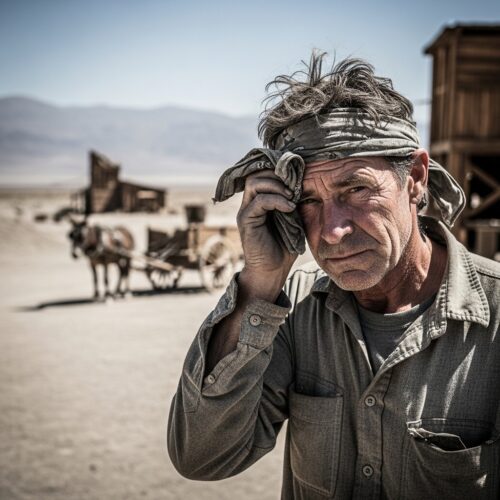
Borax mining played a huge role in shaping Death Valley’s history and economy. This mineral, used in many everyday products, influenced the lives of those who worked and lived in the area.
Historical Overview of Borax Mining
In the late 19th century, Death Valley became a hotspot for borax mining. The Harmony Borax Works, established in 1883, was the most notable operation. Miners extracted borax from the dry lake beds and transported it using the famous Twenty Mule Team Wagons. These wagons traveled over 165 miles to the nearest railroad, showcasing the determination and grit of those involved in this arduous work.
Impact on Local Communities
The mining industry significantly impacted local communities. Towns sprang up around mining sites, offering jobs and economic stability. Many families relied on borax for their livelihood. However, when the mines ran dry, these towns often became ghost towns, leaving behind stories and memories.
- Rhyolite: Once a booming gold-mining town, it had a population of 10,000 and thrived during the mining rush.
- Borax Heritage: Descendants of miners often share tales of their ancestors’ hard work and dedication, highlighting the importance of borax mining in their family histories.
Legacy of Mining in the Park
The legacy of borax mining is still felt today. It shaped the cultural landscape of Death Valley and influenced the environment. Today, visitors can explore remnants of this history, including old machinery and ghost towns. These sites tell stories of resilience and adaptation in an extreme environment.
Understanding this history gives context to Death Valley’s unique cultural heritage. It reminds us of the people who once called this harsh landscape home and the impact of their labor on the region.
12. Seasonal Changes Affect Wildlife Behavior

Wildlife in Death Valley shows fascinating changes in behavior with each season. These adaptations help them thrive in such an extreme environment.
Winter Behaviors of Local Species
In winter, temperatures drop significantly, often reaching the 30s at night. Many animals take this opportunity to be more active.
- Desert Tortoises often emerge from brumation. They can be spotted basking in the sun.
- Bighorn Sheep are more visible as they search for food in the cooler months.
- Birds like the Gambel’s quail start their mating rituals.
Summer Adaptations
Summer brings intense heat, pushing many animals to adapt their behaviors.
- Nocturnal Activity: Many creatures, like the kit fox, become active at night to avoid the scorching daytime temperatures.
- Burrowing: Small mammals dig deeper burrows to escape the heat.
- Water Sources: Animals gather around rare water sources like springs, making them easier to spot.
Visitor Tips for Wildlife Watching
To make the most of your wildlife watching experience, consider these tips:
- Best Times: Early mornings and late afternoons are ideal for sightings.
- Stay Quiet: Move slowly and quietly to avoid scaring animals away.
- Bring Binoculars: This enhances your chances of watching species from a distance without disturbing them.
Seasonal Wildlife Sightings Calendar
| Month | Wildlife to Watch |
|---|---|
| December | Desert tortoise, Bighorn sheep |
| March | Migrating birds |
| June | Nocturnal mammals |
| August | Kit fox, Gambel’s quail |
| October | Start of mating behaviors |
This seasonal calendar can help you plan your visit and maximize your wildlife encounters. Observing these unique adaptations adds another layer to the incredible experience that is Death Valley.
13. Death Valley’s Unique Flora Adaptations
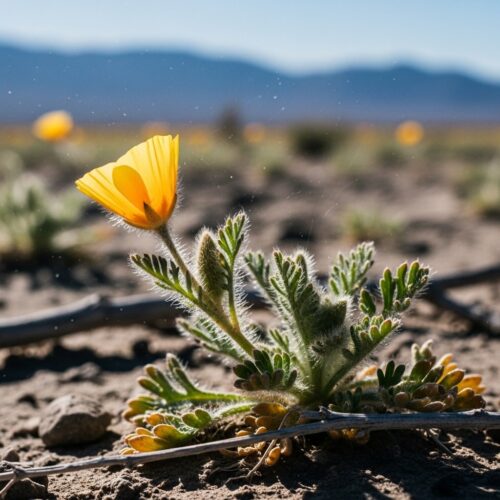
Death Valley’s plants are true survivors. They have adapted brilliantly to thrive in one of the hottest places on Earth. Let’s dive into some amazing examples of these resilient flora.
Key Plant Species
Several plants stand out for their unique adaptations:
- Creosote Bush: Known for its strong scent, this bush can survive with very little water. It has small leaves that reduce moisture loss.
- Desert Gold: This bright yellow flower blooms after rare rains. Its roots dig deep, seeking moisture below the surface.
- Teddy Bear Cholla: This cactus has spines that reflect sunlight, helping it stay cool. Plus, it can easily detach and re-root if damaged.
Adaptation Mechanisms
Plants in Death Valley have developed clever strategies:
- Drought Tolerance: Many plants enter a state of dormancy during dry spells, conserving energy until water becomes available.
- Water Storage: Some species, like cacti, store water in their tissues. This allows them to survive long periods without rain.
- Reflective Surfaces: The spiny surfaces of some cacti and shrubs reflect sunlight, minimizing heat absorption.
Visitor Experiences with Flora
Visitors often share memorable experiences with Death Valley’s plants.
- Photography Tips: Early morning or late afternoon is ideal for capturing the vibrant colors of blooming flowers. The soft light enhances their beauty.
- Guided Tours: Consider joining a tour focused on botany. Experts share fascinating insights about plant adaptations.
Exploring Death Valley’s unique flora is more than just seeing plants—it’s about witnessing nature’s incredible resilience.
14. Death Valley’s Role in Popular Culture
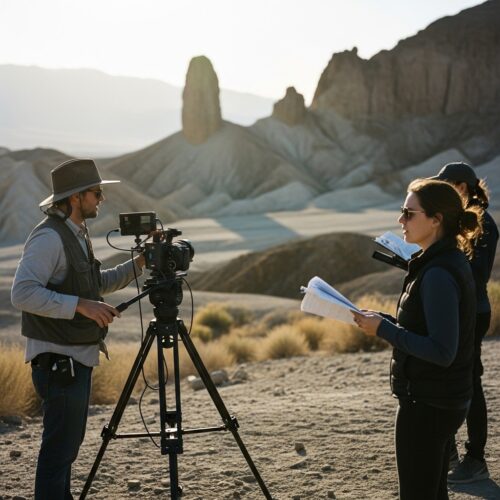
Death Valley isn’t just a stunning landscape; it’s a cultural icon. This park has inspired countless films, songs, and artworks, making it a staple in popular culture.
Notable Films and Shows
Death Valley has made appearances in various films and television shows. Its dramatic scenery adds a unique backdrop that filmmakers love.
- “Fear and Loathing in Las Vegas”: This cult classic features the park’s surreal landscapes, amplifying the film’s wild themes.
- “The Hills Have Eyes”: The eerie atmosphere of Death Valley perfectly complements this horror flick.
- Documentaries: Shows like “Planet Earth” highlight the park’s unique ecosystems.
Filmmakers often marvel at the park’s beauty. For instance, director Terry Gilliam noted, “Death Valley is like a place from another planet. It’s otherworldly.”
Music Inspired by Death Valley
Musicians have also drawn inspiration from Death Valley’s stark beauty.
- “Death Valley” by The Band Perry: This song captures the park’s essence, mixing themes of love and adventure.
- “Desert Song” by Eagles: The band reflects on the vastness and solitude of desert landscapes, including Death Valley.
Many artists have shared their thoughts. For example, songwriter Joni Mitchell once said, “The desert is a place of inspiration. It strips everything down to the essentials.”
Artistic Representations
The striking visuals of Death Valley have influenced many artists. Painters, photographers, and sculptors have found their muse in its unique features.
- Photographer Ansel Adams: His stunning black-and-white images of the park capture its rugged beauty.
- Local Artists: Many create pieces that reflect the park’s colors and textures, showcasing its allure.
Artistic interpretations often highlight the park’s extremes. The juxtaposition of harshness and beauty fascinates creators and audiences alike.
Death Valley’s cultural significance runs deep. It’s a place where nature meets art, inspiring countless stories and expressions.
15. Environmental Conservation Efforts in Death Valley
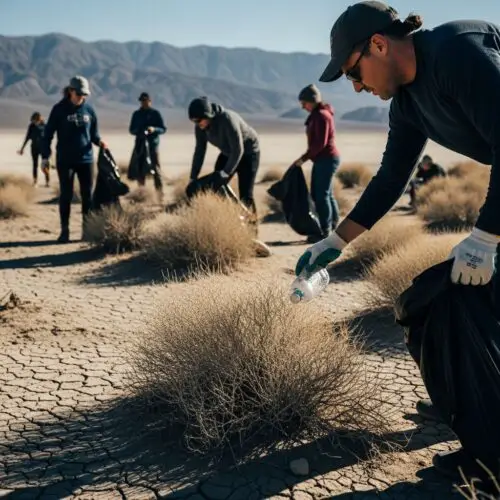
Death Valley is a unique ecosystem that needs protection. Various efforts are underway to preserve this extraordinary landscape and its wildlife. Here’s a closer look at some initiatives making a difference.
Current Conservation Initiatives
Several projects focus on the conservation of Death Valley’s delicate environments. These include:
- Restoration of Native Species: Efforts are ongoing to reintroduce native plants and animals to combat invasive species. This helps maintain the natural balance.
- Water Management Projects: Given the arid nature of Death Valley, water conservation is crucial. Programs aim to protect and manage water sources effectively.
- Wildlife Monitoring: Regular assessments help track the health of species like the Death Valley pupfish. Understanding their populations helps inform conservation strategies.
How Visitors Can Contribute
Visitors play a vital role in conservation. Here are ways you can help:
- Leave No Trace: Always follow the Leave No Trace principles. This protects the fragile ecosystems.
- Participate in Clean-Up Events: Join local conservation groups for clean-up days. It’s a great way to give back while enjoying the park.
- Spread Awareness: Share your experiences and knowledge about Death Valley. The more people know, the more we can all protect it!
Partnerships with Local Organizations
Collaboration is key to effective conservation. Local organizations team up with the National Park Service to enhance efforts:
- The Timbisha Shoshone Tribe: They work to preserve their cultural heritage and contribute to environmental stewardship.
- Non-Profits and Volunteers: Groups like Friends of Death Valley focus on education and outreach. They engage the community in conservation efforts.
- Research Collaborations: Scientists partner with park management to study ecosystems and develop best practices for conservation.
These initiatives reflect a commitment to preserving Death Valley for future generations. The unique beauty and diversity of this park rely on our collective effort to protect it.
16. Visitor Safety Tips for Extreme Conditions
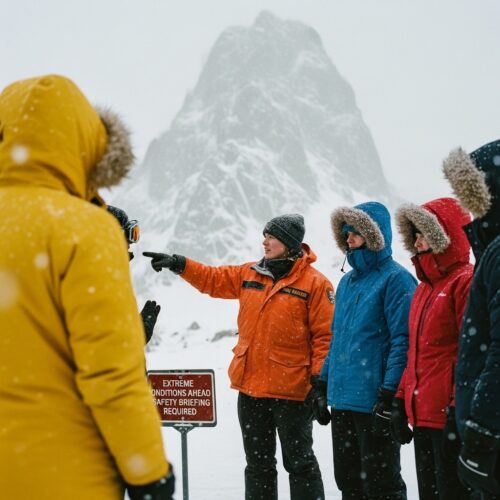
Staying safe in Death Valley is super important. The extreme environment can be tough, but with the right preparation, you can enjoy all its beauty without worry.
Preparing for Extreme Heat
- Stay Hydrated: Drink plenty of water. Aim for at least a gallon a day, especially in the summer.
- Wear Appropriate Clothing: Light-colored, loose-fitting clothes work best. Don’t forget a wide-brimmed hat and sunglasses!
- Plan Your Activities Wisely: Try to explore early in the morning or late in the afternoon. The middle of the day can be dangerously hot.
What to Do During Flash Floods
- Know the Signs: Watch for dark clouds and listen for thunder. If you see these, it’s time to move to higher ground.
- Avoid Low Areas: Stay clear of canyons and dry washes. They can fill up quickly with water.
- Emergency Kit: Keep a kit in your vehicle with essentials like food, water, and a flashlight.
Wildlife Encounters and Safety
- Keep Distance: Always observe wildlife from a safe distance. Don’t approach or feed them.
- Know the Local Species: Familiarize yourself with the wildlife, like snakes and scorpions. They often hide under rocks or in shade.
- Report Sightings: If you see an injured animal, report it to park rangers. They can provide the right assistance.
Safety Checklist for Your Trip
- [ ] Pack plenty of water (at least 1 gallon per person).
- [ ] Bring light, breathable clothes and sturdy shoes.
- [ ] Check weather conditions before your visit.
- [ ] Have a map and GPS device—cell service can be spotty.
- [ ] Carry a first aid kit and know basic emergency procedures.
By following these tips, you can safely explore Death Valley’s stunning landscapes and unique wildlife while keeping yourself out of harm’s way.
17. Best Times to Visit Death Valley
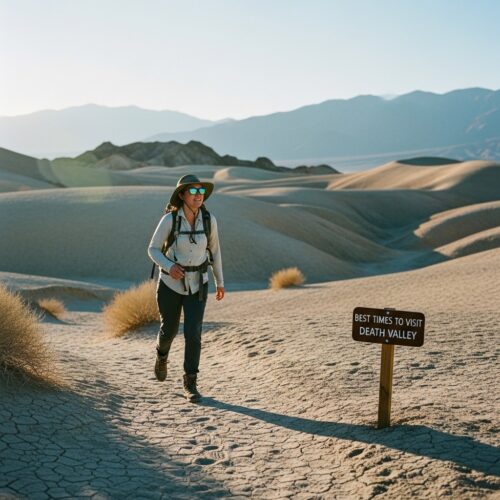
Timing your visit to Death Valley can make all the difference. The weather and crowd levels vary throughout the year, impacting your experience. Let’s dive into the best times to explore this stunning landscape.
Optimal Seasons for Weather
Death Valley is known for its extreme temperatures, but there are times when it’s more bearable. Here’s a quick breakdown:
- Winter (December to February): Mild temperatures, perfect for hiking. Daytime highs range from 60°F to 70°F (15°C to 21°C).
- Spring (March to May): Gorgeous wildflower blooms and comfortable weather. Expect highs in the 70s to 80s°F (21°C to 27°C).
- Fall (September to November): Another ideal time with pleasant temperatures. Highs typically reach the 70s°F (21°C to 27°C).
Crowd Levels Throughout the Year
Crowd levels can also affect your visit. Here’s what to expect:
- Winter: Moderate crowds, especially around holidays. It’s a popular time for visitors escaping colder climates.
- Spring: Peak season. The wildflowers attract many tourists, so expect larger crowds.
- Summer: Low crowds due to extreme heat. Perfect for those who enjoy solitude, just be cautious of the heat!
- Fall: Moderate crowds return as temperatures cool down. Great for photography and exploration.
Special Events and Phenomena
Keep an eye out for unique events and phenomena:
- Super Bloom: This occurs in spring when wildflowers burst into color. A sight not to be missed!
- Night Sky Programs: Death Valley is a dark sky park. Attend ranger-led stargazing events during the cooler months.
- Temperature Records: Check for any record-breaking temperature events, especially in summer. Witnessing extreme heat can be mind-blowing!
Visitor’s Calendar
| Month | Weather | Crowd Level | Special Events |
|---|---|---|---|
| January | Mild (60s°F) | Moderate | |
| February | Mild (60s°F) | Moderate | |
| March | Warm (70s°F) | Peak | Wildflower bloom |
| April | Warm (80s°F) | Peak | Wildflower bloom |
| May | Warm (80s°F) | Moderate | |
| June | Hot (90s°F) | Low | |
| July | Extremely Hot | Low | |
| August | Extremely Hot | Low | |
| September | Warm (80s°F) | Moderate | |
| October | Warm (70s°F) | Moderate | |
| November | Mild (60s°F) | Moderate | |
| December | Mild (60s°F) | Moderate |
By choosing the right time to visit, you’ll enhance your Death Valley experience. Embrace the beauty of this unique landscape!
Frequently Asked Questions
These quick answers cover the most common questions about this topic, including key details, practical tips, and common concerns.
What are 5 interesting facts about Death Valley?
Death Valley is the hottest place on Earth, with record temperatures exceeding 134°F. It contains Badwater Basin, the lowest point in North America at 282 feet below sea level. The park features the mysterious moving rocks of Racetrack Playa, where stones slide across the dry lake bed. Despite its extreme heat, it is home to unique wildlife like the desert pupfish and bighorn sheep. Additionally, Death Valley’s diverse geological features include salt flats, volcanic craters, and towering sand dunes.
Is it illegal to take rocks from Death Valley?
Yes, removing rocks or minerals from Death Valley National Park is illegal. The park is protected by federal law, and collecting natural artifacts damages the environment and disrupts ecosystems. Visitors are encouraged to enjoy the scenery and leave everything as they found it. Respecting park regulations helps preserve its natural beauty and geological integrity for future visitors.
Where is the real Death Valley located?
Death Valley is located in eastern California and parts of Nevada within the Mojave and Great Basin deserts. It covers approximately 3,000 square miles and is part of Death Valley National Park. The park’s main access points include Furnace Creek and Beatty, Nevada. It’s situated between the Sierra Nevada mountains to the west and the Amargosa Range to the east.
What did Death Valley look like 10,000 years ago?
Around 10,000 years ago, Death Valley was much wetter and supported a lush, grassland environment. It was part of a larger lake system called Lake Manly, which covered much of the valley floor. Climate changes over millennia led to the evaporation of these lakes, leaving behind salt flats and desert landscapes. Evidence of ancient riverbeds and volcanic activity shows a dynamic geological history.
What wildlife can be found in Death Valley?
Despite its extreme conditions, Death Valley hosts animals adapted to the environment. Key species include the endangered Death Valley pupfish, desert tortoises, bighorn sheep, and kangaroo rats. Birds like hawks and quail are common, especially around water sources. Many animals are nocturnal or burrow during the heat of the day to survive the high temperatures.
How do I prepare for a visit to Death Valley?
Plan ahead with plenty of water, sun protection, and appropriate clothing. Avoid peak heat hours—visit early mornings or late afternoons. Check weather and road conditions before your trip, especially during flash flood season. Carry a map, GPS, and a basic first aid kit. Respect wildlife and stay on designated trails to ensure safety and environmental preservation.
What are the best hiking trails in Death Valley?
Popular trails include Golden Canyon, Mosaic Canyon, and Telescope Peak. Golden Canyon offers colorful rock formations, while Mosaic Canyon features smooth marble walls. Hiking to Telescope Peak provides panoramic views from the highest point in the park. Always carry water, wear sturdy shoes, and check trail conditions before heading out.
What should I know about the weather in Death Valley?
Temperatures can soar above 120°F in summer, making outdoor activities dangerous without proper precautions. Winter and spring offer milder weather ideal for exploration. Sudden weather changes, like flash floods, can occur, especially after rain. Always check forecasts, avoid canyons during storms, and carry sufficient water and sun protection.