
Bryce Canyon National Park is a geological marvel in Utah, renowned for its stunning hoodoos and rich history. Here are 17 surprising facts about this breathtaking park that will leave you amazed and eager to explore its wonders.
1. Bryce Canyon Is Not Actually a Canyon
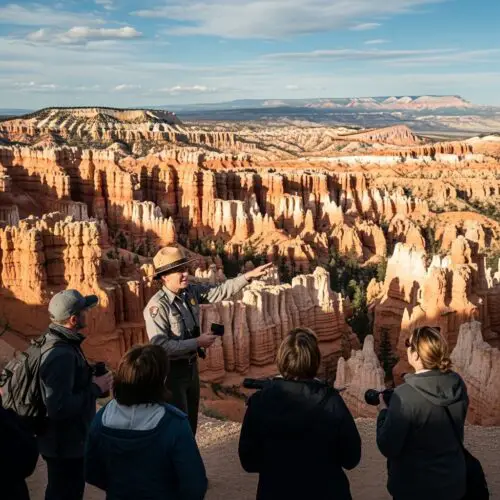
Surprise! Bryce Canyon isn’t a canyon at all. It’s a series of natural amphitheaters. Let’s dive into what that really means.
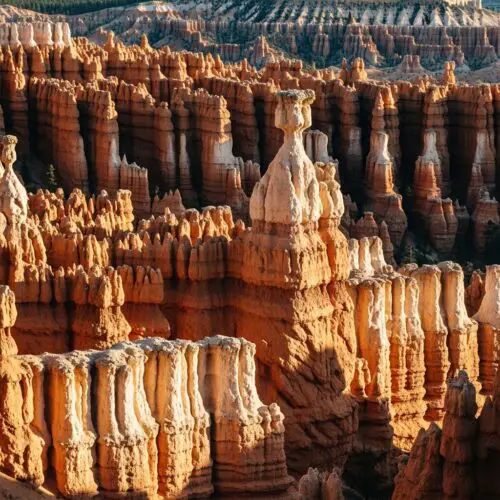
Understanding Canyon Classifications
A canyon, by definition, is usually formed by the erosive action of a river cutting through rock. Think of places like the Grand Canyon. Water plays a crucial role in creating those steep, narrow walls. In contrast, Bryce Canyon showcases a different story.
The Formation of Natural Amphitheaters
Bryce Canyon is classified as a natural amphitheater because it was formed through a combination of erosion and freeze-thaw cycles. Instead of a single river carving through rock, this park features a series of large, open spaces with steep walls.
- Erosion: Wind and rain wear away the rock, creating stunning formations.
- Freeze-Thaw Cycles: Water seeps into cracks, freezes, and expands, further shaping the landscape.
This unique process gives Bryce Canyon its iconic hoodoos—those tall, thin spires of rock that seem to defy gravity.
Table of Contents
Visual Differences
To help you understand the distinction, here’s a quick comparison:
| Feature | Traditional Canyon | Natural Amphitheater |
|---|---|---|
| Formation | River erosion | Erosion and freeze-thaw cycles |
| Shape | Steep, narrow walls | Wide, open spaces |
| Examples | Grand Canyon | Bryce Canyon |
| Key Feature | River flowing through | Hoodoos and unique rock formations |
By knowing these facts, you’ll appreciate Bryce Canyon even more. It’s not just a pretty view; it’s a geological wonder!
Home to the Largest Collection of Hoodoos
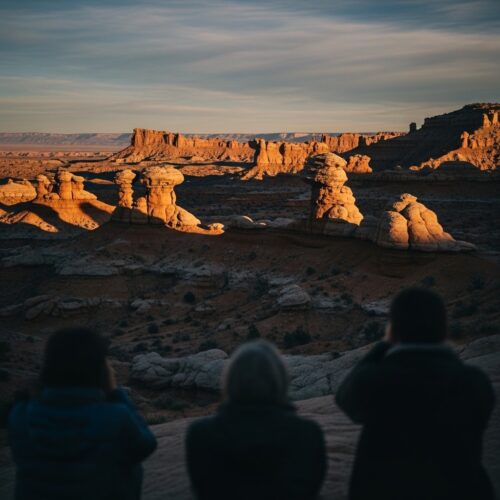
Bryce Canyon is famous for its stunning hoodoos. These unique rock formations are not just pretty to look at; they tell a fascinating story of natural artistry.
Unique Erosion Processes
Hoodoos are formed through a mix of erosion and freeze-thaw cycles. Rainwater seeps into cracks in the rock. When temperatures drop, that water freezes and expands. This process causes chunks of rock to break off, shaping the hoodoos over time. Bryce Canyon’s unique geology, with its limestone, mudstone, and siltstone, contributes to the vibrant colors and distinct shapes of these formations.
Famous Hoodoos to Spot
When visiting Bryce Canyon, keep an eye out for these iconic hoodoos:
- Thor’s Hammer: A must-see, this formation looks like a giant hammer and is one of the park’s most photographed spots.
- The Wall of Windows: This cluster of hoodoos creates a breathtaking view, especially at sunrise.
- The Queen’s Garden: A collection of hoodoos that resemble figures, perfect for imaginative minds.
Photographic Opportunities
Capturing the beauty of hoodoos is a photographer’s dream. Here are some tips for the best shots:
- Golden Hour: Shoot during sunrise or sunset for softer light and longer shadows that highlight the hoodoos’ textures.
- Foreground Elements: Include wildflowers or trees in your shots for added depth.
- Wide Angle Lens: Use this to capture the expansive landscapes and the towering hoodoos against the sky.
With these tips and insights, you’re ready to explore the largest collection of hoodoos in the world and appreciate their stunning beauty!
3. Rich Human History Spanning Thousands of Years
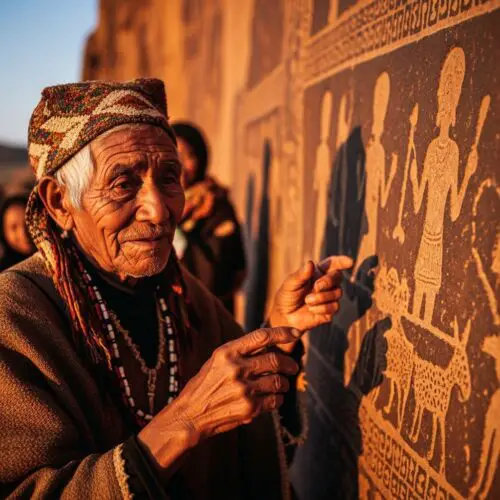
Bryce Canyon isn’t just about stunning landscapes. It’s also rich in human history. The area has been home to various cultures for thousands of years, each leaving its mark.
The Paiute Connection
The Paiute people have lived in this region for centuries. They have a deep cultural connection to Bryce Canyon, especially to the hoodoos. To them, these unique formations are more than just rocks; they represent the petrified remains of ancient beings.
Their stories and legends are fascinating. For instance, one legend tells of a group of mythical beings that were turned to stone by a powerful force. This narrative adds a mystical layer to the breathtaking views.
Mormon Settlement History
In the late 1800s, Mormon pioneers arrived in the area. One notable figure was Ebenezer Bryce, a homesteader who gave his name to the canyon. He called it “Bryce’s Canyon,” and the name stuck.
These pioneers played a crucial role in shaping the region. They helped establish the first trails and settlements. Their stories of resilience and adventure are woven into the fabric of Bryce Canyon’s history.
Cultural Legends
The legends surrounding Bryce Canyon are not just tales; they reflect the beliefs and values of the cultures that have thrived here.
- Hoodoo Legends: The Paiute legends often involve the hoodoos as characters in their stories, showcasing their respect for nature.
- Pioneer Stories: Mormon settlers shared tales of their challenges and triumphs, which continue to inspire visitors today.
Understanding these cultural narratives enriches your visit. It adds depth to the beauty you see. When you gaze upon the hoodoos, remember the ancient stories that have shaped this land for generations.
4. Incredible Night Sky for Stargazing
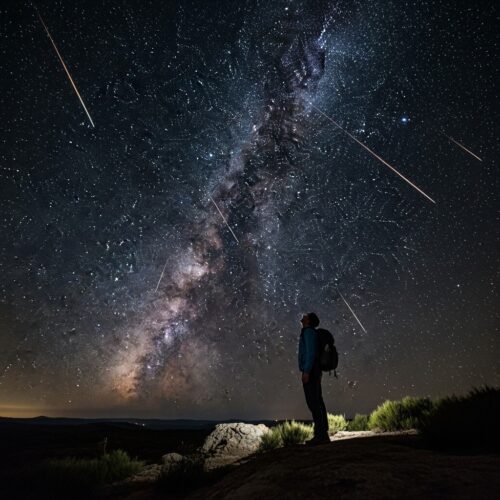
Bryce Canyon National Park is a stargazer’s paradise. Its designation as an International Dark Sky Park means it boasts some of the darkest skies in the U.S. This makes it a must-visit for anyone who loves the night sky.
Benefits of Dark Sky Designation
Being a Dark Sky Park has its perks. Here’s why it matters:
- Minimal Light Pollution: The park’s remote location keeps artificial lights at bay. This allows stars and celestial bodies to shine brightly.
- Educational Programs: Visitors can join ranger-led programs that teach about astronomy and the importance of dark skies.
- Community Engagement: The park promotes conservation and awareness about light pollution. You can be part of something bigger by participating in these efforts.
Best Stargazing Spots
Looking for the best views? Here are some top spots in Bryce Canyon:
- Sunset Point: Offers a stunning view of the hoodoos against the starry backdrop.
- Inspiration Point: A great vantage point for both sunset and stargazing.
- Bryce Point: Known for its expansive views, perfect for spotting constellations.
Upcoming Stargazing Events
Mark your calendars! Here’s a list of annual stargazing events at Bryce Canyon:
| Event | Date(s) | Details |
|---|---|---|
| Astronomy Festival | August (specific dates vary) | Enjoy telescopes, presentations, and night hikes. |
| New Moon Stargazing Nights | Monthly (check calendar) | Great for spotting celestial events. |
| Telescope Viewing Nights | Weekly in summer | Join rangers for guided telescope sessions. |
To participate, check the park’s schedule ahead of your visit. Bring a blanket, some snacks, and your curiosity. Stargazing at Bryce Canyon is an unforgettable experience!
5. Unique Flora and Fauna Adapted to Harsh Conditions
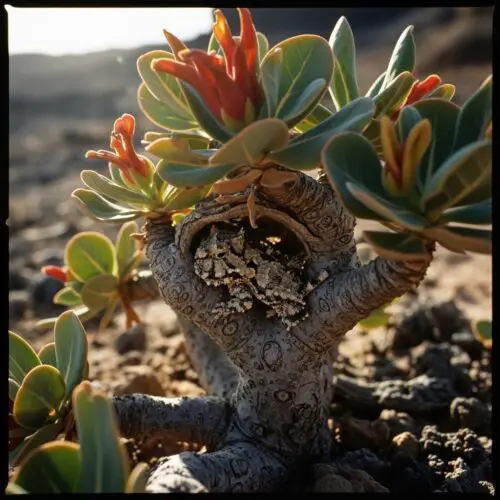
Bryce Canyon National Park is home to a vibrant ecosystem. Despite its harsh climate, many unique plant and animal species thrive here. Let’s dive into what makes this park’s flora and fauna so special.
Plant Species to Look For
Bryce Canyon features over 400 plant species. Some key players include:
- Ponderosa Pine: This tree is majestic and can reach heights of over 100 feet. Its sweet scent is a favorite among visitors.
- Douglas Fir: Known for its thick bark, this tree is well-adapted to survive cold winters.
- Wildflowers: In summer, the park bursts into color with beautiful wildflower blooms. Look for Indian paintbrush and lupine, which attract various pollinators.
These plants have adapted to survive in the park’s high elevation and variable weather conditions. For example, many have deep root systems to access water during dry spells.
Animals You Might Encounter
Bryce Canyon is alive with wildlife. You might spot:
- Mule Deer: Commonly seen grazing, these deer are well-camouflaged against the park’s rocky terrain.
- Mountain Lions: These elusive big cats roam the area, primarily active at dawn and dusk.
- Utah Prairie Dog: A threatened species, these little guys live in colonies and play a crucial role in the ecosystem.
Birdwatchers will love spotting over 200 bird species. Keep an eye out for the majestic California condor and the swift peregrine falcon.
Adaptations to the Environment
The flora and fauna in Bryce Canyon have some amazing adaptations.
- Drought Resistance: Many plants have thick leaves and waxy coatings to minimize water loss.
- Camouflage: Animals like the mountain lion blend seamlessly into the rocky landscape, making them hard to spot.
- Seasonal Behaviors: Many species adjust their habits with the seasons. For instance, some birds migrate to warmer areas during winter.
Understanding these adaptations helps visitors appreciate the resilience of life in Bryce Canyon. Whether you’re hiking or just enjoying the views, take a moment to observe how these plants and animals thrive in such a unique environment.
6. The Park Experiences Extreme Weather Patterns

Bryce Canyon National Park is known for its stunning landscapes, but the weather can be quite unpredictable. Understanding seasonal changes can help you plan your visit and make the most of your time in this natural wonder.
Understanding Seasonal Changes
Bryce Canyon experiences four distinct seasons, each offering a unique experience:
- Spring: Temperatures start to warm up, ranging from the 40s to 70s°F. Snow may linger early on, but wildflowers begin to bloom. It’s a great time for hiking and enjoying fewer crowds.
- Summer: Expect warm days, with highs often reaching the 80s°F. Nights can be cool. This is peak tourist season, perfect for stargazing and exploring trails. Just be prepared for afternoon thunderstorms!
- Fall: Temperatures drop back into the 40s to 70s°F. The fall foliage is breathtaking, with vibrant colors. It’s a lovely time to hike, as the crowds thin out and the weather is pleasant.
- Winter: Cold and snowy, with highs in the 30s°F. Many roads may close due to snow, but the park’s beauty is magical under a blanket of white. Winter sports like snowshoeing can be a fun alternative!
Best Time for Activities
When planning your activities, consider the best times based on weather conditions:
- Hiking: Late spring and early fall are ideal for comfortable temperatures.
- Stargazing: Summer nights are warm and clear, making for amazing views of the night sky.
- Photography: Early mornings and late afternoons offer the best lighting, especially in spring and fall.
Safety Tips for Weather Conditions
Weather can change quickly in Bryce Canyon. Here’s a checklist to keep you safe:
- Layer Your Clothing: Wear layers to adjust to temperature changes throughout the day.
- Stay Hydrated: Bring plenty of water, especially in the summer heat.
- Check Forecasts: Always check the weather before your visit and be prepared for sudden storms.
- Know Your Limits: Choose trails that match your fitness level. The elevation can make hiking more strenuous.
Understanding the weather patterns in Bryce Canyon makes your visit enjoyable and safe. Whether you’re hiking among the iconic hoodoos or stargazing under a clear sky, being prepared will enhance your experience.
7. Hiking Trails Offering Unique Perspectives
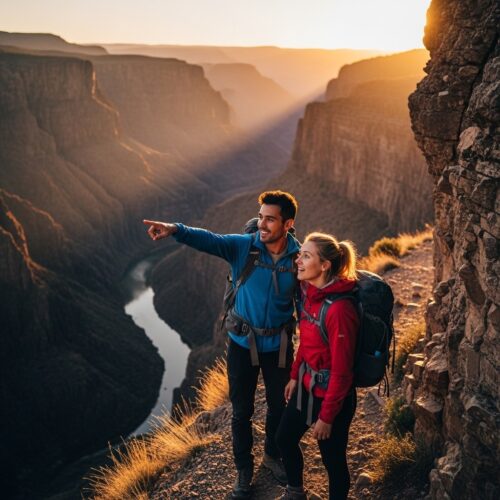
Bryce Canyon National Park is a hiker’s paradise. With trails winding through stunning landscapes, visitors can experience the park from different angles. Each trail offers its own unique view of the famous hoodoos and geological formations.
Top Trails to Explore
1. Navajo Loop Trail
- This 1.3-mile loop takes you down into the canyon. You’ll walk among towering hoodoos and see the famous Wall Street area. It’s a must-do for first-time visitors.
2. Queen’s Garden Trail
- A 1.8-mile trail that’s often rated as one of the easiest in the park. It offers a gentle descent into the canyon, leading you to beautiful views of the hoodoos. Perfect for families!
3. Fairyland Loop
- This 8-mile loop is for those looking for a bit of adventure. It offers stunning views and is less crowded. You’ll see unique rock formations and a variety of wildlife along the way.
Trail Difficulty Levels
- Easy: Queen’s Garden Trail is great for beginners and families.
- Moderate: Navajo Loop Trail provides a bit more challenge with its switchbacks.
- Difficult: Fairyland Loop is longer and more strenuous, recommended for experienced hikers.
Accessibility Options
Bryce Canyon is committed to making its trails accessible for everyone. The Rim Trail offers paved sections that are wheelchair-friendly. Additionally, the Visitor Center provides information on accessible routes and facilities.
Visitor Testimonial: “Hiking the Navajo Loop was breathtaking! The views were unlike anything I’ve seen. The climb was tough, but totally worth it!” – Sarah M.
This variety in trails ensures that every visitor can enjoy the unique beauty of Bryce Canyon. Whether you’re looking for a short stroll or a challenging hike, there’s something for everyone!
8. Ongoing Conservation Efforts in the Park
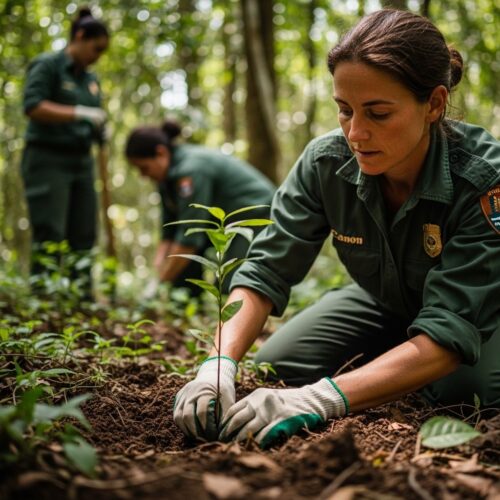
Bryce Canyon National Park is not just a pretty face; it’s also a place where conservation is key. The park’s unique ecosystems need protection to thrive. Here’s how they’re doing it and how you can help.
Current Conservation Projects
Bryce Canyon is home to several ongoing conservation projects. These include:
- Habitat Restoration: Teams work hard to restore native plants and habitats. This helps support local wildlife.
- Wildlife Monitoring: Park staff track animal populations to understand their health and habits better.
- Invasive Species Management: Efforts are underway to control invasive species that threaten local flora and fauna.
These projects are vital for preserving the park’s stunning landscapes and biodiversity.
Get Involved
You don’t have to be a scientist to help! Here are some ways visitors can pitch in:
- Volunteer Programs: Join a volunteer group that helps with trail maintenance or habitat restoration. It’s a great way to give back while enjoying the park.
- Participate in Clean-Up Days: Check the park’s calendar for scheduled clean-up events. Every little bit helps keep the park beautiful.
- Spread the Word: Share your experiences and knowledge about conservation with friends and family. Awareness is key!
Visitor Impact Awareness
Every visitor can make a difference. Being aware of your impact is crucial. Here are some tips:
- Stay on Trails: Protect delicate ecosystems by sticking to designated paths.
- Leave No Trace: Pack out what you pack in. This helps keep the park pristine for future visitors.
- Respect Wildlife: Observe animals from a distance. Feeding them disrupts their natural behavior.
By following these guidelines, you can help maintain the beauty of Bryce Canyon while enjoying all it has to offer.
Frequently Asked Questions
These quick answers cover the most common questions about this topic, including key details, practical tips, and common concerns.
What are some cool facts about Bryce Canyon?
Bryce Canyon is not actually a canyon but a series of natural amphitheaters. It contains the largest collection of hoodoos—tall, thin spires of rock—formed through erosion and freeze-thaw cycles. The park also has a rich human history, with Native American legends and early Mormon settlers shaping its story. Additionally, Bryce is a designated International Dark Sky Park, making it one of the best places for stargazing in the U.S.
What is the #1 visited national park?
As of recent data, Great Smoky Mountains National Park holds the title for the most visited national park in the United States. It attracts millions of visitors annually with its lush forests, diverse wildlife, and scenic mountain views. Bryce Canyon ranks among the top 10 most visited parks, especially popular for its unique geological formations and starry nights.
How many people died at Bryce Canyon?
Exact numbers of fatalities at Bryce Canyon are not publicly detailed, but the park emphasizes visitor safety through signage, ranger patrols, and trail maintenance. Most incidents involve falls or heat exhaustion, especially during strenuous hikes or extreme weather. Visitors are encouraged to stay on designated trails, carry sufficient water, and heed park warnings to ensure a safe visit.
Are the roads in Bryce Canyon scary?
Some roads in Bryce Canyon, like the switchbacks on the main park routes, can feel intimidating due to steep drops and narrow lanes. However, these roads are well-maintained and designed for safe driving. Visitors should drive cautiously, especially in winter or during adverse weather, and use pullouts to enjoy scenic views safely.
What wildlife can I expect to see at Bryce Canyon?
Bryce Canyon is home to diverse wildlife, including mule deer, mountain lions, and Utah prairie dogs. Birdwatchers might see peregrine falcons, California condors, and various songbirds. Many animals are adapted to the park’s high elevation and dry climate, often blending into their surroundings. Always observe wildlife from a safe distance.
What are the best hiking trails in Bryce Canyon?
Top trails include the Navajo Loop, Queen’s Garden Trail, and Fairyland Loop. The Navajo Loop offers dramatic views and a descent into the canyon, while Queen’s Garden is a gentle, family-friendly hike. The Fairyland Loop provides a longer, less crowded experience with stunning rock formations. Trails vary from easy to challenging, so choose based on your fitness level.
When is the best time to visit Bryce Canyon?
Spring (April–June) and fall (September–November) are ideal for pleasant weather and fewer crowds. Summer (July–August) offers warm days perfect for stargazing and hiking but can be crowded. Winter (December–February) transforms the park with snow, creating a magical landscape, but some roads and trails may be closed due to snow and ice.
How can I participate in stargazing events at Bryce Canyon?
Bryce Canyon offers ranger-led stargazing programs during clear summer nights, especially around new moon phases. Check the park’s schedule before your visit to join guided telescope sessions or night hikes. Bring warm clothing, a blanket, and a red flashlight to enhance your experience without disturbing the dark skies.