
Planning a trip to Rocky Mountain National Park in 2026? Discover the 17 epic things you must do to make the most of your visit. From breathtaking hikes to stunning scenic drives, this expert guide covers everything you need to know for an unforgettable experience.
1. Explore Bear Lake: A Must-See Destination
Bear Lake is the heart of Rocky Mountain National Park. It’s famous for its stunning views and family-friendly atmosphere. Whether you’re hiking or just soaking in the scenery, Bear Lake is a must-visit.
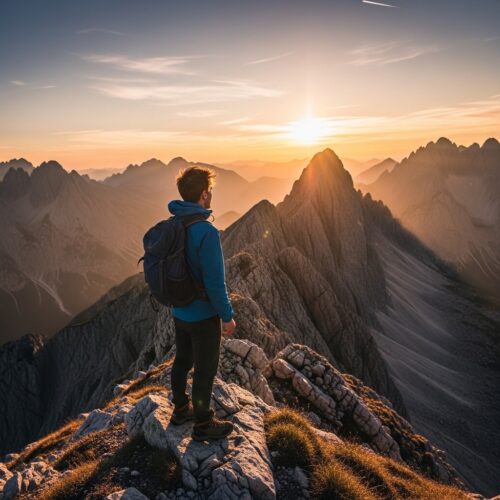
The Scenic Loop Trail Around Bear Lake
The Bear Lake Loop Trail is an easy, accessible path. It’s just a mile long, making it perfect for families. The trail wraps around the lake, offering gorgeous views of the surrounding mountains. You’ll see Longs Peak towering in the background, which is a fantastic photo op.
Trail Highlights:
- Length: 1 mile round trip
- Difficulty: Easy
- Accessibility: Wheelchair-friendly paths available
- Scenic Spots: Ideal for photography, especially at sunrise or sunset
Best Times to Visit Bear Lake
Timing can make a big difference at Bear Lake. Early mornings or late afternoons are best. You’ll avoid the crowds and catch the soft light for great photos. Plus, the wildlife is more active during these hours.
Table of Contents
Tips for Your Visit:
- Best Months: June to September for wildflowers
- Early Bird: Arrive by 8 AM for a quieter experience
- Seasonal Changes: Fall offers stunning foliage; winter brings snow-covered views
Wildlife Spotting Opportunities
Bear Lake is also a great place for wildlife watching. Keep your eyes peeled for elk, deer, and various bird species. Mornings are ideal for spotting them. Just remember to maintain a safe distance.
Wildlife Viewing Tips:
- Best Time: Early morning
- What to See: Elk, deer, and birds
- Be Respectful: Use binoculars for a closer look, and don’t approach the animals
Bear Lake is not just a beautiful spot; it’s an experience for everyone. Whether you hike the loop or relax by the water, you’ll find something epic at Bear Lake.
2. Drive the Iconic Trail Ridge Road
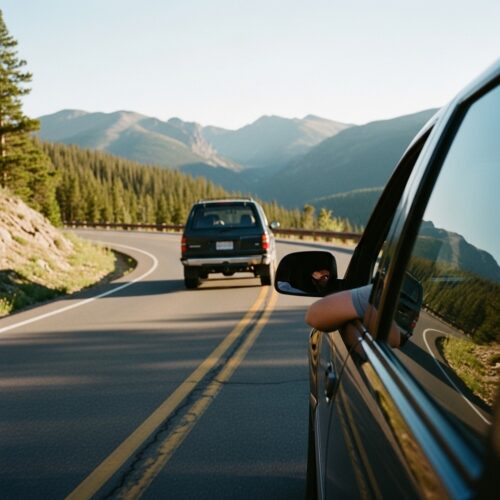
Trail Ridge Road is a must-visit when you’re in Rocky Mountain National Park. It’s not just any road; it’s the highest continuous paved road in North America. Get ready for breathtaking views and a chance to explore unique alpine ecosystems.
Must-Stop Viewpoints Along the Drive
As you cruise along Trail Ridge Road, be sure to check out these stunning viewpoints:
- Forest Canyon Overlook: Offers sweeping views of the canyon and distant peaks.
- Rock Cut: Perfect for snapping photos of the rugged terrain.
- Alpine Visitor Center: The highest visitor center in the U.S. at 11,796 feet. A great spot for a break and some snacks.
- Many Parks Curve: A fantastic viewpoint for capturing the beauty of the park.
Take your time at each stop. They each provide unique perspectives and photo ops.
Safety Tips for High-Altitude Driving
Driving at high altitudes can be tricky. Here are some safety tips:
- Stay Alert: Watch for wildlife crossing the road.
- Take Breaks: Frequent stops can help you acclimatize to the altitude.
- Check Weather Conditions: Weather can change rapidly. Be prepared for snow or rain, even in summer.
- Watch Your Fuel: There are no gas stations on the road, so fill up before you start.
Seasonal Timing for the Best Experience
Trail Ridge Road is typically open from late June to mid-October, depending on snow conditions. Here’s when to visit for the best experience:
- Summer: Perfect for wildflower blooms and wildlife sightings.
- Fall: Enjoy stunning fall colors. The views are spectacular during this time.
- Winter: The road closes but offers snowshoeing and cross-country skiing opportunities.
Quick Checklist for Your Drive
Before you hit the road, consider this checklist:
- Camera: Capture the stunning views.
- Snacks and Water: Stay fueled during your adventure.
- Binoculars: Great for wildlife spotting.
- Layered Clothing: Weather can change quickly, so be prepared.
Trail Ridge Road offers a unique way to experience Rocky Mountain National Park. Enjoy the ride!
3. Summit Longs Peak: The Ultimate Challenge
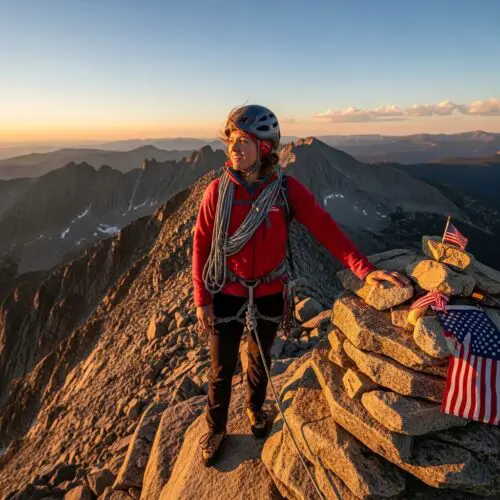
Summiting Longs Peak is a thrilling adventure. It’s the highest point in Rocky Mountain National Park at 14,259 feet. Climbing this majestic mountain offers breathtaking views and a sense of accomplishment. But, be warned, it’s not for the faint of heart.
Hiking Routes to Consider
The most popular route to the summit is the Keyhole Route. This trail is well-marked but challenging. Expect rocky scrambles and steep sections. It’s about 15 miles round-trip with an elevation gain of over 4,800 feet.
Important Note: Start early! Parking fills up fast, especially during peak season. Arriving before sunrise is key to securing a spot.
Essential Gear for the Summit
Packing the right gear is crucial. Here’s a quick checklist:
- Hiking Boots: Sturdy and well-fitted for rocky terrain.
- Weather-Appropriate Clothing: Dress in layers. Conditions can change rapidly.
- Water and Snacks: Stay hydrated and energized.
- First Aid Kit: Always be prepared for minor injuries.
- Map and Compass/GPS: Keep your bearings, especially in foggy conditions.
Weather Considerations
Weather can make or break your hike. Conditions on Longs Peak can turn from sunny to stormy in a flash. Here’s how to plan around it:
- Check the Forecast: Aim for clear days. Avoid hiking during storms.
- Time Your Hike: Start early to reach the summit before afternoon thunderstorms.
- Be Ready to Turn Back: If storms roll in, prioritize safety over reaching the summit.
For example, if the forecast shows a high chance of afternoon storms, consider a different hike or reschedule. Always have a backup plan!
With the right preparation and respect for the mountain, summiting Longs Peak can be one of your most memorable experiences in Rocky Mountain National Park.
4. Discover the Alpine Visitor Center
The Alpine Visitor Center is a must-see when you visit Rocky Mountain National Park. At 11,796 feet, it’s the highest visitor center in the National Park Service. Here, you’ll find breathtaking views, interactive exhibits, and plenty of resources to enhance your experience.
Programs and Events Offered
The visitor center hosts a variety of ranger-led programs. These programs are perfect for all ages and cover topics like wildlife, geology, and local history.
- Guided Nature Walks: Explore the tundra and learn about unique plants and animals.
- Wildlife Talks: Discover the creatures that call the park home.
- Seasonal Programs: Check the schedule for special events during your visit.
Best Times to Visit the Center
Timing your visit can enhance your experience. The center is open year-round, but certain times offer special benefits:
- Summer Months: The center is busiest. Expect ranger programs and the full range of exhibits.
- Fall: Fewer crowds and stunning autumn colors make it an ideal time for a visit.
- Winter: While the center may close, you can still find information at the Beaver Meadows Visitor Center.
Educational Resources for Families
Families will love the hands-on learning opportunities at the Alpine Visitor Center. Interactive displays make learning fun and engaging for kids.
- Kids’ Corner: A special area with activities designed for younger visitors.
- Nature Discovery Packs: Check out these free packs filled with tools for exploration.
- Exhibits: Learn about the park’s ecosystems, wildlife, and cultural history.
When planning your trip, don’t forget to stop by the Alpine Visitor Center. It’s a great way to kick off your adventure in Rocky Mountain National Park!
5. Enjoy Wildlife Watching in Moraine Park
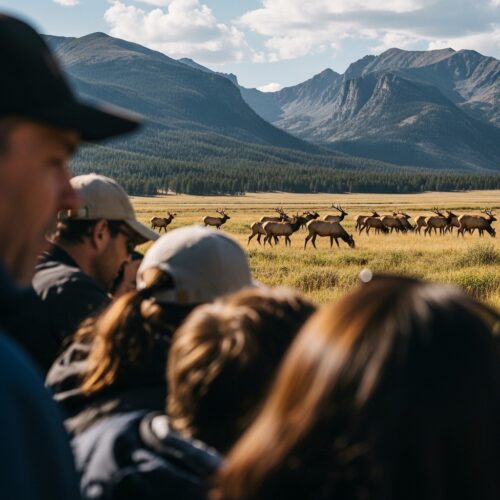
Moraine Park is a wildlife haven in Rocky Mountain National Park. It’s one of the best spots to see elk and deer. Timing your visit can make all the difference in your wildlife experience.
Morning vs. Evening Viewing
The best times to spot wildlife are early morning and late evening. Animals are most active during these hours. Here’s a quick guide:
- Morning (Dawn): Animals like elk are grazing. The park is quieter, giving you a better chance to see them.
- Evening (Dusk): Another prime time for viewing. Keep your eyes peeled for deer as they come out to feed.
Photography Tips for Wildlife
Capturing wildlife on camera can be thrilling! Here are some tips to enhance your experience:
- Use a zoom lens: This helps you get close-up shots without disturbing the animals.
- Stay still and quiet: Movement can scare wildlife away. Patience is key!
- Golden hour: Early morning and late evening light make for beautiful photos.
Respecting Wildlife Regulations
When observing wildlife, it’s crucial to follow park regulations:
- Keep a safe distance: Stay at least 75 feet away from elk and deer. They can be unpredictable.
- No feeding animals: This can harm their natural foraging habits.
- Stay on designated paths: Protect the fragile environments and your safety.
Planning Your Wildlife Viewing Trip
To maximize your experience, consider these factors:
- Season: Different animals are more active at various times of the year. Spring is great for babies, while fall is ideal for elk rutting season.
- Time of Day: As noted, early mornings and evenings are best.
- Weather: Animals may be less active during heavy rain or snow. Check the forecast for optimal viewing conditions.
By keeping these tips in mind, you can enjoy a memorable wildlife watching experience in Moraine Park!
6. Hike to Alberta Falls: A Family-Friendly Adventure
Alberta Falls is a fantastic spot for families looking to enjoy a beautiful hike in Rocky Mountain National Park. The trail is accessible and offers stunning views, making it a perfect introduction to the park’s natural beauty.
Trail Details and Duration
- Distance: 1.6 miles roundtrip
- Elevation Gain: 232 feet
- Trail Type: Out and back
The hike to Alberta Falls is relatively short and manageable for families. It takes about 30 minutes to 1 hour to reach the falls, depending on your pace. Along the way, you’ll encounter beautiful wildflowers and towering pine trees. Kids will love the sound of rushing water as you get closer to the falls!
Best Photography Spots
Don’t forget your camera! Some prime spots for photos include:
- Base of Alberta Falls: Capture the cascading water against the rocky backdrop.
- Viewpoints along the trail: Look for openings in the trees for panoramic views of the surrounding landscape.
- Wildlife Sightings: Keep an eye out for deer or birds perched nearby.
Safety Precautions on the Trail
While the trail is family-friendly, it’s important to keep a few safety tips in mind:
- Stay on the Path: This protects both the environment and your safety.
- Watch Your Step: The trail can be rocky and uneven in places. Be cautious, especially with little ones.
- Hydrate and Snack: Bring water and snacks to keep energy levels up.
Families who have hiked to Alberta Falls rave about the experience. One family shared how their kids were mesmerized by the falls, stopping to take pictures and enjoy the moment. The trail’s accessibility made it easy for their younger children to participate, making it a memorable outing for all.
Alberta Falls is not just a hike; it’s an opportunity for families to bond over nature and create lasting memories.
7. Explore Glacier Gorge Trail: An Adventurer’s Dream
The Glacier Gorge Trail offers breathtaking beauty and a thrilling challenge. It’s perfect for those looking to push their limits while soaking in stunning views.
Trail Difficulty and What to Expect
This trail is not for the faint of heart. It spans about 9 miles round trip and includes an elevation gain of about 1,600 feet. Expect rocky paths and steep sections. Here’s what to keep in mind:
- Challenging Terrain: The rocky surfaces can be tough, especially after rain.
- Elevation: Be prepared for changes in altitude. Take your time!
- Wildlife Encounters: Keep an eye out for elk and marmots along the trail.
Scenic Highlights Along the Way
You’ll find jaw-dropping views at every turn. Some highlights include:
- Alberta Falls: A picturesque waterfall that’s a great place to take a breather.
- Emerald Lake: A stunning glacial lake with crystal-clear waters.
- Longs Peak Views: The trail offers views of Colorado’s highest peak, making for fantastic photo ops.
Gear Essentials for the Hike
Packing smart can make your hike much more enjoyable. Here’s a quick checklist:
- Sturdy Hiking Boots: Essential for navigating rocky terrain.
- Water and Snacks: Keep hydrated and fueled up.
- Weather Gear: Dress in layers, as the weather can change quickly.
Decision Framework for Choosing Glacier Gorge
When considering Glacier Gorge, think about your hiking experience and fitness level. If you’re an experienced hiker looking for a challenge, this trail will not disappoint. For a more leisurely option, consider shorter trails like Bear Lake or Nymph Lake.
Here’s a quick comparison:
| Trail Name | Distance (Round Trip) | Elevation Gain | Difficulty Level |
|---|---|---|---|
| Glacier Gorge | 9 miles | 1,600 feet | Challenging |
| Bear Lake | 0.6 miles | 200 feet | Easy |
| Nymph Lake | 1.5 miles | 300 feet | Moderate |
Choosing the right trail can enhance your overall experience in Rocky Mountain National Park. Enjoy the adventure!
8. Camp Under the Stars: Best Campgrounds in RMNP
Camping in Rocky Mountain National Park is an unforgettable experience. With stunning views and the sounds of nature all around, it’s a chance to truly connect with the outdoors. Here are some of the best campgrounds you can choose from in 2026.
Family-Friendly vs. Solitary Campgrounds
Rocky Mountain National Park offers a mix of campgrounds to suit everyone.
- Family-Friendly Campgrounds: These spots are great for families with kids. They often have amenities like bathrooms, picnic tables, and fire rings.
- Aspenglen Campground: Close to the Fall River entrance, it’s perfect for families. It has easy access to trails and great views.
- Glen Haven Campground: This is another family favorite, featuring a charming, rustic atmosphere.
- Solitary Campgrounds: If you prefer peace and quiet, consider these.
- Timber Creek Campground: Located on the less busy west side, it offers a more secluded experience.
- Longs Peak Campground: Ideal for serious hikers, it’s near the trailhead for Longs Peak.
What to Bring for a Comfortable Stay
Packing the right gear is key to enjoying your camping experience. Here’s a quick checklist:
- Tent and stakes
- Sleeping bag (appropriate for the season)
- Cooking gear (stove, pots, utensils)
- Food and snacks
- First aid kit
- Flashlight or headlamp
- Warm clothing (it can get chilly at night)
Seasonal Availability and Conditions
When planning your visit, keep in mind that some campgrounds have seasonal availability. Most campgrounds open in late May and close in early September. However, weather can vary.
- Summer: Expect warm days but cool nights. Perfect for camping!
- Fall: The colors are stunning, but temperatures drop quickly. Be prepared for frost.
- Spring: Some campgrounds may still be closed due to snow.
Comparison Table of Campgrounds
Here’s a quick look at some of the campgrounds in RMNP:
| Campground | Amenities | Proximity to Attractions |
|---|---|---|
| Aspenglen | Restrooms, picnic tables, fire rings | Near Fall River Road |
| Glen Haven | Restrooms, picnic areas | Close to hiking trails |
| Timber Creek | Restrooms, picnic tables | Less crowded, scenic views |
| Longs Peak | Restrooms, fire rings | Trailhead for Longs Peak |
Reservation Tips
Reservations are essential for popular campgrounds. Here’s how to secure your spot:
1. Book Early: Sites fill up fast, especially in summer. Aim to book several months in advance.
2. Know the Process: Reservations can usually be made online. Familiarize yourself with the system to avoid last-minute stress.
3. Plan for Changes: Be flexible with your dates if possible. If your first choice is full, consider alternate campgrounds.
By choosing the right campground and preparing well, you’ll enhance your experience in Rocky Mountain National Park. Enjoy the stars and the fresh mountain air!
9. Attend a Ranger-Led Program for Deeper Insights
Ranger-led programs are a fantastic way to deepen your understanding of Rocky Mountain National Park. These sessions offer insights into the park’s ecology, wildlife, and history, making your visit even more enriching.
Popular Programs and Their Benefits
Ranger programs vary widely, catering to different interests and age groups. Here are some popular options:
- Wildlife Talks: Learn about the park’s diverse animals, from elk to bears. These sessions are engaging and informative.
- Guided Hikes: Join a ranger on a trail to discover hidden gems and learn about the ecosystem. It’s a great way to explore while getting expert insights.
- Evening Programs: Enjoy stargazing or campfire talks that delve into the park’s history and cultural significance. Perfect for winding down after a day of adventure.
Engaging with park rangers not only enhances your knowledge but also helps you appreciate the natural beauty around you.
How to Register for Programs
Signing up for ranger-led programs is simple. Here’s how to do it:
1. Check the Schedule: Visit the official park website for up-to-date program schedules.
2. Reserve Your Spot: Many programs require reservations, especially during peak season. It’s best to book in advance.
3. Arrive Early: Give yourself plenty of time to find the meeting point and get settled.
Tips for Engaging with Rangers
Maximize your experience by interacting with the rangers. Here are some tips:
- Ask Questions: Don’t hesitate to ask about anything that piques your interest.
- Participate Actively: Engage in discussions during the programs. It makes the experience more enjoyable.
- Take Notes: Jot down interesting facts or insights. You’ll appreciate them later!
By participating in these ranger-led programs, you’ll gain a deeper appreciation for Rocky Mountain National Park. They can transform your visit into a memorable adventure filled with knowledge and connection to nature.
10. Experience the Changing Seasons: Spring Wildflowers
Spring in Rocky Mountain National Park is a vibrant time. Wildflowers burst into bloom, painting the landscape with color. This is a must-see for any visitor in 2026.
Best Trails for Wildflower Viewing
To catch the best wildflower displays, head to these spots:
- Bear Lake Trail: This iconic trail offers stunning views and a variety of wildflowers. Visit from late June to early July for the best blooms.
- Moraine Park: Known for its lush meadows, Moraine Park is perfect for wildflower photography. Aim for mid-July for peak viewing.
- Emerald Lake Trail: This scenic hike features beautiful wildflowers along the way. Late June to early July is ideal for colorful displays.
Seasonal Events Related to Wildflowers
In 2026, consider timing your visit with local events celebrating these seasonal beauties. Check for guided wildflower walks or photography workshops. These events enhance your experience and deepen your connection to nature.
Photography Tips for Wildflower Season
Want to capture the magic of wildflowers? Here are some quick tips:
- Golden Hour: Shoot during early morning or late afternoon for the best lighting.
- Focus on Details: Get close-ups of individual flowers to highlight their beauty.
- Use a Tripod: This helps stabilize your shots, especially in low light.
Bloom Timeline and Locations
Here’s a quick timeline for wildflower blooms in the park:
| Time Frame | Location | Wildflowers to See |
|---|---|---|
| Late June | Bear Lake Trail | Columbine, Indian Paintbrush |
| Early July | Moraine Park | Bluebells, Fireweed |
| Mid-July | Emerald Lake Trail | Lupine, Mountain Daisy |
Exploring these wildflower hotspots will make your visit unforgettable. Enjoy the colorful sights and the fresh mountain air!
11. Discover Hidden Gems: Off-the-Beaten-Path Spots
Rocky Mountain National Park is full of surprises. While Bear Lake and Trail Ridge Road are popular, there are hidden gems waiting to be explored. Let’s dive into a few of these unique spots!
Unique Locations to Explore
1. Chasm Lake
This lesser-known trail leads you to breathtaking views of Longs Peak. The hike is about 8 miles round trip and offers a peaceful escape. Keep an eye out for wildflowers and wildlife along the way!
2. Moraine Park
While many flock to the main visitor center, Moraine Park provides stunning vistas and fewer crowds. It’s a great spot for picnicking or just soaking in the beauty of the mountains.
3. Gem Lake
A short but steep hike takes you to Gem Lake. The crystal-clear waters and granite cliffs create a serene atmosphere perfect for a quiet afternoon. Bring a camera; the views are Instagram-worthy!
How to Find These Hidden Gems
Finding these off-the-beaten-path spots can be a bit tricky. Here are some tips:
- Check Trail Maps: The park’s website offers detailed maps showing less-traveled trails.
- Ask Rangers: Don’t hesitate to ask park rangers for recommendations. They know the best spots!
- Use Apps: Hiking apps can help you discover hidden trails and provide real-time updates on trail conditions.
Benefits of Visiting Less Crowded Areas
Exploring these hidden gems comes with perks:
- Peace and Quiet: Enjoy nature without the hustle and bustle of the main attractions.
- Wildlife Encounters: Fewer people mean a better chance to see wildlife in their natural habitat.
- Stunning Views: Many hidden spots offer equally impressive views without the crowds.
Personal anecdote: One visitor shared that hiking to Gem Lake was their favorite part of the trip. They encountered a family of elk munching on grass right along the trail. Such moments make the journey unforgettable!
Keep these hidden gems in mind as you plan your visit to Rocky Mountain National Park in 2026. The adventure awaits!
12. Relax with a Picnic: Best Spots for Dining in Nature
Picnicking in Rocky Mountain National Park is a fantastic way to enjoy the stunning scenery while recharging for your next adventure. Here are some of the best spots to lay out your blanket and savor a meal surrounded by nature.
Top Picnic Areas and Their Features
1. Bear Lake
- Scenic views of the lake and surrounding peaks.
- Easy access to hiking trails.
- Restrooms available nearby.
2. Moraine Park
- Spacious meadows ideal for spreading out.
- Great wildlife viewing opportunities.
- Close to the Moraine Park Visitor Center.
3. Sprague Lake
- Picturesque lake setting with mountain backdrops.
- Paved path for easy access.
- Benches and tables available for dining.
4. Lily Lake
- Serene atmosphere and beautiful wildflowers.
- Close to the Lily Lake Trail for a post-picnic hike.
- Less crowded than Bear Lake.
5. Hidden Valley
- A quieter spot, perfect for a peaceful meal.
- Great views and picnic tables.
- Access to trails for a post-lunch stroll.
What to Pack for a Perfect Picnic
To make your picnic enjoyable, here’s a handy checklist of essentials:
- Blanket or Portable Table: For comfort while you dine.
- Cooler: Keep drinks and perishable items fresh.
- Utensils and Plates: Don’t forget napkins and cups!
- Trash Bags: Always clean up after yourself to protect nature.
- Snacks and Meals: Think sandwiches, fruits, and trail mix.
- Beverages: Hydrate with water, soda, or something refreshing.
- Sunscreen and Bug Spray: Stay protected from the elements.
Respecting Nature While Enjoying Your Meal
When picnicking, it’s crucial to respect the environment. Here are some tips:
- Stay on Designated Areas: Use picnic spots and avoid trampling vegetation.
- Pack Out What You Pack In: Leave no trace behind to keep the park pristine.
- Observe Wildlife from a Distance: Don’t feed animals; it’s harmful to them.
- Follow Fire Regulations: Check if cooking or grilling is allowed.
By choosing the right spot and packing wisely, your picnic in Rocky Mountain National Park can be a delightful part of your 2026 adventure!
13. Stargaze in the Park: Best Locations for Night Sky Viewing
Rocky Mountain National Park offers stunning night skies. With minimal light pollution, it’s a perfect spot for stargazing. Here are some of the best locations and tips for an unforgettable experience.
Equipment Needed for Stargazing
To make the most of your stargazing adventure, bring the right gear. Here’s a quick checklist:
- Binoculars or Telescope: These help you see more details in the night sky.
- Star Maps or Apps: Use these to identify constellations and celestial events.
- Flashlight: A red flashlight is best. It won’t ruin your night vision.
- Warm Clothes: Nights can get chilly, even in summer. Dress in layers!
- Blanket or Chair: Get comfortable while you gaze at the stars.
Best Times of Year for Viewing
When should you head out for the best stargazing? Here are some ideal times:
- Summer (June to August): Clear skies and warm temperatures make this the most popular season.
- Fall (September to November): Crisp air and fewer people. Plus, you might catch the Milky Way.
- Winter (December to February): The skies are often clearer, but dress warmly. The views can be breathtaking!
Nearby Facilities for Night Visits
While exploring the park at night, knowing where to find facilities is handy:
- Beaver Meadows Visitor Center: Great starting point for information and tips.
- Bear Lake Trailhead: Offers easy access to dark sky areas.
- Parking Areas: Several are available near popular stargazing spots. Always check for night access rules.
Don’t forget to check the lunar calendar. A new moon provides the best dark sky for viewing stars. Enjoy the magic of the night sky at Rocky Mountain National Park!
14. Visit Estes Park: Gateway to the Rockies
Estes Park is your go-to spot when visiting Rocky Mountain National Park. It’s a charming town filled with great food, unique shops, and cozy places to stay. Let’s dive into what you can find.
Must-Visit Restaurants and Cafes
When you’re hungry after a day of exploring, Estes Park has a variety of dining options. Here are some favorites:
- The Egg of Estes: Perfect for breakfast! They serve up delicious omelets and pancakes.
- Estes Park Brewery: Grab a local brew and some tasty pub food.
- Poppy’s Pizza & Grill: A family-friendly spot with great pizza and salads.
Shopping for Local Crafts
Want a souvenir? Estes Park is full of local shops where you can find unique crafts. Check out:
- Mountain Shop: Great for outdoor gear and local art.
- The Taffy Shop: Don’t miss their handmade taffy!
- Estes Park Gift Shop: Perfect for all things Rocky Mountain-themed.
Lodging Options for Every Budget
Finding a place to stay is easy in Estes Park. Here’s a quick comparison based on proximity to the park:
| Lodging Type | Name | Distance to Park | Price Range |
|---|---|---|---|
| Budget Hotel | Quality Inn Estes Park | 1 mile | $100 – $150/night |
| Mid-Range Hotel | The Stanley Hotel | 1.5 miles | $200 – $300/night |
| Luxury Lodging | YMCA of the Rockies | 2 miles | $150 – $250/night |
This gives you options whether you’re looking to save or splurge. Remember, booking in advance is key, especially in peak season!
Estes Park isn’t just a place to sleep; it’s an experience in itself. Enjoy the charm while you plan your Rocky Mountain adventure!
15. Learn About the Park’s History and Cultural Significance
Rocky Mountain National Park is not just a playground for adventurers. It’s a tapestry woven with rich cultural history and significance. Understanding this adds depth to your visit in 2026.
Historical Landmarks to Visit
As you explore, keep an eye out for historical landmarks. These spots tell the stories of the land and its original inhabitants, the Native American tribes. Here are a few key sites to check out:
- The Moraine Park Museum: This small museum offers insights into the park’s natural and cultural history.
- Longs Peak: This majestic mountain is sacred to the Ute Tribe. They have lived in this region for thousands of years, and their connection to the land is profound.
- Old Fall River Road: The first auto road into the park, built in the early 1920s, showcases the area’s stunning landscapes and was a marvel of engineering.
Importance of Respecting Native Cultures
When visiting, it’s crucial to respect the cultural significance of this land. The Ute and Arapaho tribes have a deep spiritual connection to the mountains. Here’s how you can honor that heritage:
- Stay on marked trails: This helps preserve the fragile ecosystem and respects the land.
- Avoid disturbing cultural sites: If you see artifacts or sacred areas, admire them from a distance and don’t touch.
- Learn local histories: Engage with local guides or read up on the tribes’ stories to enrich your understanding.
Events Celebrating Park History
In 2026, look out for events that celebrate the park’s history and cultural significance. These can enhance your experience and connection to the land. Some possible events may include:
- Cultural festivals: These showcase traditional music, dance, and crafts from local tribes.
- Guided hikes: Some organizations offer hikes led by Native American guides, sharing stories and customs related to the land.
- Workshops: Participating in workshops about traditional practices, like basket weaving or storytelling, can deepen your appreciation of the park’s heritage.
Visiting Rocky Mountain National Park is more than just enjoying its breathtaking views. It’s about recognizing and respecting the history and cultures that shaped it. Embrace these experiences in 2026!
16. Prepare for Your Trip: Essential Packing Tips
Packing for Rocky Mountain National Park can feel overwhelming, but it doesn’t have to be! Here’s a solid checklist to ensure you’re ready for every adventure the park has to offer.
Essential Gear for Hiking
When hitting the trails, packing the right gear is key. Here’s what you’ll need:
- Backpack: A comfortable, lightweight pack.
- Hiking boots: Sturdy shoes with good ankle support.
- Trekking poles: Great for stability on uneven terrain.
- Navigation tools: Map, compass, or GPS device.
- First aid kit: Always be prepared for minor scrapes or injuries.
Clothing Considerations for the Weather
Weather in the Rockies can change quickly. Dress in layers to adapt easily. Here’s what to include:
- Moisture-wicking base layer: Keeps sweat away.
- Insulating middle layer: Fleece or down jacket for warmth.
- Waterproof outer layer: A good rain jacket is a must.
- Hat and gloves: Lightweight options can keep you warm without bulk.
- Sunglasses and sunscreen: Protect your skin at high altitudes.
Food and Water Supplies
Staying fueled and hydrated is crucial. Here’s a checklist for your food and water needs:
- Water bottles or hydration system: Aim for at least 2 liters.
- Snacks: High-energy foods like nuts, energy bars, and dried fruits.
- Lunch: A hearty sandwich or wrap, plus some extras.
- Portable stove (if camping): Don’t forget fuel and cooking gear!
Packing Checklist
Here’s a quick packing checklist to ensure you don’t forget anything:
| Item | Quantity |
|---|---|
| Backpack | 1 |
| Hiking boots | 1 pair |
| Trekking poles | 1 pair |
| First aid kit | 1 |
| Water bottles | 2+ |
| Snacks | Enough for the day |
| Lunch | 1 |
| Moisture-wicking layers | 2-3 |
| Insulating layer | 1 |
| Waterproof jacket | 1 |
| Hat and gloves | 1 set |
| Sunglasses | 1 pair |
| Sunscreen | 1 bottle |
By following these packing tips, you’ll be set for a fantastic adventure in Rocky Mountain National Park!
17. Stay Safe: Essential Tips for Visiting Rocky Mountain National Park
Safety is key when exploring the breathtaking Rocky Mountain National Park. With wildlife roaming and weather changing rapidly, being prepared can make all the difference in your adventure.
How to Handle Wildlife Encounters
Wildlife is abundant in the park. From deer to bears, it’s essential to know how to coexist safely.
- Keep your distance: Always observe animals from afar. Approaching them can be dangerous.
- Stay calm: If you encounter a bear, don’t run. Back away slowly while speaking in a calm voice.
- Secure food and trash: Store food in bear-proof containers or your vehicle. Never leave food out, as it attracts wildlife.
Real-life scenario: Imagine hiking near Bear Lake. Spotting a moose is thrilling, but remember to keep at least 100 yards away. If it starts moving toward you, calmly back away to maintain distance.
Weather Awareness and Safety
Weather in the Rockies can change in a heartbeat. Be ready for anything.
- Check forecasts: Before heading out, look up the weather. Conditions can shift quickly.
- Dress in layers: Wear moisture-wicking and insulating layers. A waterproof jacket is crucial for unexpected rain.
- Know the signs: If you see dark clouds or feel a drop in temperature, it might be time to head back.
Example: You’re hiking Trail Ridge Road in July. Suddenly, dark clouds roll in. It’s smart to turn back before getting caught in a storm, even if the trail looked clear just moments before.
General Hiking Safety Tips
Hiking in the park is fantastic, but safety should always come first.
- Stay on marked trails: Wandering off trail can damage fragile ecosystems and lead to accidents.
- Tell someone your plans: Share your hiking route and expected return time with someone not on the trip.
- Carry a first aid kit: Be prepared for minor injuries. It’s better to have it and not need it.
Checklist for a safe hike:
- Water: At least 2 liters per person.
- Snacks: High-energy options like nuts or protein bars.
- Map: Know your route and landmarks.
- Cell phone: Keep it charged, but don’t rely on it for navigation.
By following these safety tips, you’ll enjoy all the stunning sights Rocky Mountain National Park offers while keeping yourself and the wildlife safe.
18. Final Thoughts: Crafting Your Perfect Rocky Mountain Adventure
Planning your trip to Rocky Mountain National Park can be a breeze with the right approach. Whether you’re all about adrenaline-pumping hikes or prefer a more relaxed pace, there’s something for everyone. Let’s dive into how to create a personalized itinerary that suits your style!
How to Prioritize Your Activities
Start by identifying your interests. Do you want to hike, view wildlife, or simply soak in the scenery? Here’s a quick checklist to help you prioritize:
- Adventurer: Focus on hiking trails like Bear Lake and Longs Peak.
- Wildlife Enthusiast: Plan visits during dawn or dusk for the best animal sightings.
- Relaxation Seeker: Explore scenic drives like Trail Ridge Road and find picnic spots with stunning views.
Sample Itineraries for Different Interests
Here are a few example itineraries based on different preferences:
- Adventure Lover (2 Days):
- Day 1: Hike Bear Lake and tackle a section of the Longs Peak trail.
- Day 2: Explore Alpine Visitor Center and drive Trail Ridge Road.
- Family Fun (2 Days):
- Day 1: Scenic drive along Trail Ridge Road, stopping for short walks.
- Day 2: Visit the Bear Lake area for easy trails and picnicking.
- Cultural Explorer (2 Days):
- Day 1: Visit the visitor center to learn about the Native American heritage.
- Day 2: Hike to the historic sites and enjoy guided ranger programs.
Tips for Flexibility in Your Plans
Weather can change quickly in the mountains, so be ready to adapt. Here are some tips:
- Check the forecast before you head out and plan alternate activities in case of rain or snow.
- Have a backup plan for your hikes. If one trail is closed, know another option nearby.
- Stay informed about park conditions. The official park website often has updates on road and trail status.
These strategies will help you balance adventure and relaxation, making the most of your visit to Rocky Mountain National Park. Enjoy crafting your perfect itinerary!
Frequently Asked Questions
These quick answers cover the most common questions about this topic, including key details, practical tips, and common concerns.
What is the top predator in the Rocky Mountains?
The top predator in the Rocky Mountains is the mountain lion, also known as the cougar or puma. They are elusive and primarily hunt deer and smaller mammals. While rarely seen by visitors, they play a vital role in maintaining the park’s ecosystem.
What to do in Rocky Mountain National Park if you only have one day?
If you have just one day, focus on iconic spots like Bear Lake for scenic views and easy hikes. Drive Trail Ridge Road for breathtaking vistas and visit the Alpine Visitor Center. Consider a short wildlife viewing session in Moraine Park or Estes Park to maximize your experience.
What is the most popular spot in Rocky Mountain National Park?
Bear Lake is the park’s most popular destination. Its accessible trail system, stunning water reflections, and proximity to key peaks like Longs Peak make it a perennial favorite for visitors of all ages.
How many days do you need to spend in Rocky Mountain National Park?
To see the highlights comfortably, plan for at least 2 to 3 days. This allows time for scenic drives, hikes, wildlife viewing, and exploring cultural sites without feeling rushed. Longer stays offer deeper immersion into the park’s diverse landscapes.
When is the best time to visit Rocky Mountain National Park?
The best time to visit is from late June to early September. This period offers stable weather, wildflower blooms, and accessible roads like Trail Ridge. Early mornings or late afternoons are ideal for wildlife sightings and avoiding crowds.
Are there guided tours available in Rocky Mountain National Park?
Yes, ranger-led programs and guided tours are available. These include educational talks, wildlife safaris, and hikes led by experienced rangers or local guides. Booking in advance is recommended, especially during peak seasons.
What should I pack for a visit to Rocky Mountain National Park?
Bring layered clothing suitable for variable weather, sturdy hiking boots, water, snacks, sun protection, and a camera. If camping, pack camping gear, toiletries, and essentials for outdoor living. Always carry a map and a first aid kit.
How can I stay safe while hiking in the park?
Stay on designated trails, carry enough water, and check weather forecasts before heading out. Be aware of wildlife, maintain safe distances, and never feed animals. Inform someone of your plans and turn back if conditions worsen.