
The Grand Canyon is a breathtaking natural wonder featuring geological and historical significance. Here are 18 fascinating facts about this iconic landmark that are so interesting they should be illegal, showcasing its beauty, biodiversity, and cultural importance.
1. The Grand Canyon is Over 277 Miles Long
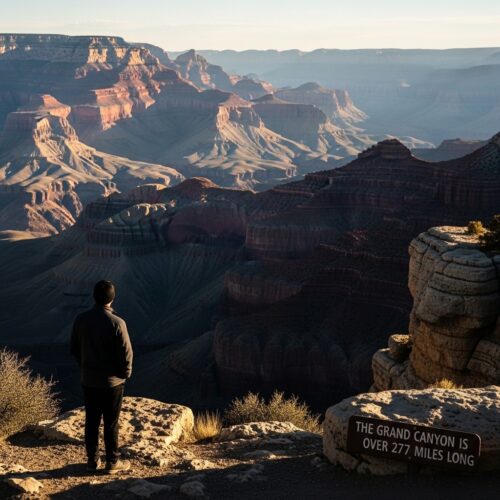
The Grand Canyon stretches an impressive 277 miles, making it one of the longest canyons in North America. This remarkable length plays a significant role in its geography and allure.
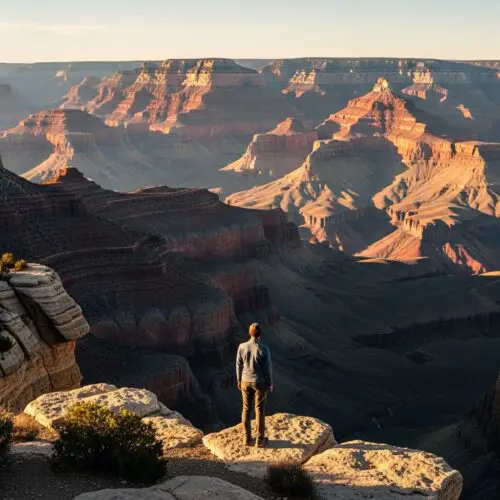
The significance of its length
- The Grand Canyon is a staggering 18 miles wide at its widest point.
- It reaches depths of over a mile, which is about 6,000 feet!
- This immense scale allows for diverse ecosystems and stunning views.
How it compares to other canyons
- The Grand Canyon is longer than the famous Fish River Canyon in Namibia, which is about 100 miles long.
- It dwarfs the Colca Canyon in Peru, known for its depth, which is only 70 miles long.
- Despite its length, the Grand Canyon is not just about size. Its geological features offer unique insights into Earth’s history.
Historical exploration of the length
- Early explorers like John Wesley Powell first navigated the Grand Canyon in 1869. His journey revealed its vastness to the world.
- The canyon’s length has inspired countless adventurers, making it a hotspot for exploration and tourism today.
Visitors often share their awe at the canyon’s scale, feeling like tiny specks against its towering walls. Whether hiking along the rim or rafting down the Colorado River, the Grand Canyon’s length creates unforgettable experiences.
2. The Grand Canyon Reaches Depths of Over a Mile
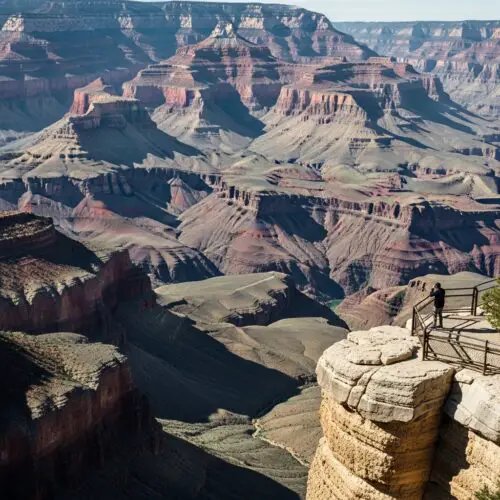
The Grand Canyon is not just deep; it’s a spectacular showcase of geological history. Its depths exceed a mile, revealing layers of rock that tell stories millions of years in the making.
Erosion and Geological History
The Grand Canyon formed over millions of years through a combination of erosion and geological activity.
Table of Contents
- Erosion by the Colorado River: The Colorado River is the main sculptor of the canyon. It carved through layers of rock, deepening the canyon and shaping its stunning cliffs.
- Geological Layers: The canyon displays nearly two billion years of geological history. Each layer represents different periods, from ancient granite to sedimentary rocks formed in seas, lakes, and deserts.
Impact of the Colorado River
The Colorado River plays a crucial role in the canyon’s ecosystem. Its flow affects both the landscape and the life within it.
- Habitat Diversity: The river creates diverse habitats. From riparian zones to deep canyon ecosystems, it supports various species.
- Water Source: It’s also a vital water source for wildlife and plants. This diversity is essential for maintaining the ecological balance.
Depth Matters for Biodiversity
The canyon’s depth significantly influences its biodiversity.
- Microclimates: Different depths create microclimates. The rim is cooler and wetter, while the bottom is warmer and drier. This variation supports unique plant and animal species.
- Visitor Experience: The immense depth enhances visitor experiences. Hiking down from the rim reveals stunning views and diverse ecosystems. Many hikers report feeling a sense of adventure and awe as they descend into the canyon.
The Grand Canyon is more than just a pretty view. Its depths and geological processes offer a fascinating glimpse into Earth’s history and support a vibrant ecosystem. Visitors can truly appreciate the canyon’s majesty by exploring its diverse layers and ecosystems.
3. The Canyon Was Formed by Erosion Over Millions of Years

The Grand Canyon’s stunning beauty and immense depth are the results of millions of years of geological processes, primarily erosion. Let’s break down how it all came together.
Timeline of Geological Events
1. 2.5 Billion Years Ago: The oldest rocks, Archean granite and schist, formed deep within the Earth.
2. 540 Million Years Ago: Proterozoic limestones, sandstones, and shales settled on top.
3. 300 Million Years Ago: Paleozoic rocks formed during a long depositional period.
4. 6 Million Years Ago: The Colorado River began carving its way through these layers, following its current path.
This timeline shows how the canyon evolved over eons, each layer telling a part of Earth’s history.
What Erosion Means for the Canyon
Erosion is nature’s way of wearing down materials. For the Grand Canyon, the Colorado River plays a starring role.
- Cutting Action: The river’s strong current and sediment load actively cut through rock, deepening the canyon.
- Widening: Rain, wind, and temperature changes also contribute. They help shape the canyon’s width and form its unique features.
Examples of Erosion in Action
You can see erosion at work today.
- Rapid Erosion: During heavy rains, sediment is washed away quickly, reshaping the canyon floor.
- Rockfalls: These are common due to the constant wearing down of the canyon walls.
Visitors often spot fresh rockfalls during hikes, showcasing the canyon’s ever-changing landscape.
The Grand Canyon is not just a pretty sight; it’s a living example of geological processes at work. Each visit reveals something new, reminding us of the power of nature.
4. The Grand Canyon is Home to 1,500 Plant Species
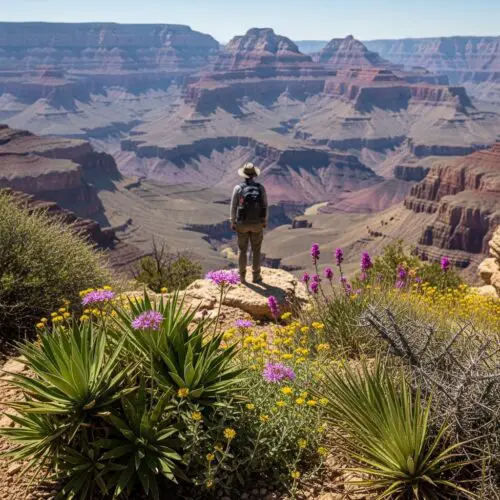
The Grand Canyon isn’t just a breathtaking view; it’s also a biodiversity hotspot. With around 1,500 different plant species, this stunning landscape showcases nature’s creativity and resilience.
Unique Plant Adaptations
Plants in the Grand Canyon have adapted uniquely to survive in this harsh environment. Here are a few fascinating examples:
- Mojave Yucca: This plant has long, spiky leaves that minimize water loss. It blooms beautiful white flowers, attracting pollinators even in dry conditions.
- Desert Marigold: These bright yellow flowers thrive in rocky soil. They bloom year-round, adding color to the canyon’s landscape.
- Cactus Species: Various cacti, like the iconic Saguaro, store water in their fleshy stems. They also have spines to protect against herbivores.
These adaptations allow plants to flourish in extreme temperatures and limited water.
Importance of Plant Species to the Ecosystem
Plant species play a crucial role in the Grand Canyon’s ecosystem. They provide shelter and food for various animals. Here’s how they contribute:
- Habitat Creation: Plants create environments for insects, birds, and mammals. For example, trees offer nesting sites for birds, while shrubs provide cover for smaller animals.
- Soil Stability: Roots anchor the soil, preventing erosion. This is vital in a region where heavy rains can quickly wash away loose sediment.
- Oxygen Production: Through photosynthesis, plants produce oxygen, which is essential for all life forms in the canyon.
Examples of Rare Flora
Some plant species in the Grand Canyon are rare and unique. Here are a couple that stand out:
- Grand Canyon Bluebell: This delicate flower blooms in spring, showcasing vibrant blue petals. It’s rarely found outside the canyon.
- Mule Ears: These plants have large, ear-shaped leaves. They thrive in the canyon’s rocky terrain and are a key food source for local wildlife.
In summary, the Grand Canyon’s plant life is not just diverse; it’s a vital part of the ecosystem’s health and beauty. Each species contributes something unique, making this natural wonder even more captivating.
5. More Than 400 Animal Species Call the Canyon Home
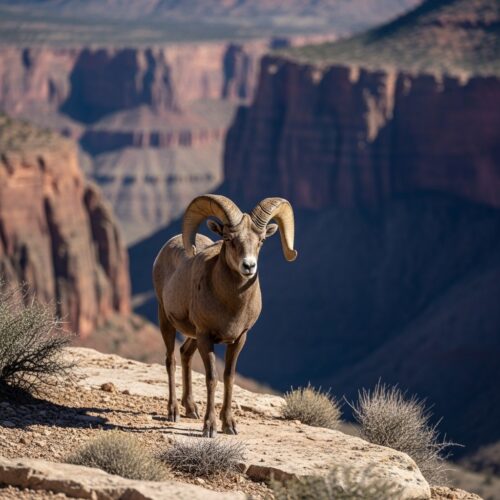
The Grand Canyon is a treasure trove of wildlife. With over 400 species, it’s a vibrant ecosystem that captivates nature lovers. Here’s a closer look at some of its fascinating inhabitants.
Key Species and Their Habitats
The diverse habitats within the canyon support a wide range of animals. Here are some key species you might encounter:
- California Condor: This majestic bird has a wingspan of up to 10 feet. They can be spotted soaring above the canyon.
- Mountain Lion: A top predator, mountain lions roam the canyon’s rugged terrain.
- Bighorn Sheep: These agile climbers navigate steep cliffs, showcasing their impressive skills.
- Rock Squirrel: Surprisingly, these small critters can be a nuisance. They often approach visitors, leading to bites if they’re fed.
Each species plays a role in maintaining the canyon’s delicate balance. Their habitats range from the riverbanks to the rocky ledges, reflecting the canyon’s varied landscapes.
Conservation Status of Wildlife
The Grand Canyon’s wildlife faces challenges. Conservation efforts are crucial to protect these species. Many are threatened by habitat loss and climate change. Notably:
- California Condors: Once on the brink of extinction, these birds are making a comeback thanks to dedicated breeding programs.
- Bighorn Sheep: Their populations are monitored closely to prevent overhunting and habitat degradation.
Preserving these animals ensures the canyon remains a dynamic ecosystem.
Interactions Between Species
The interactions among species create a complex web of life. For example:
- Predator and Prey: Mountain lions hunt deer and smaller mammals, helping keep populations in check.
- Competition: Species like squirrels and birds often compete for food sources, influencing each other’s behaviors.
Understanding these relationships highlights the importance of each species in the ecosystem. The Grand Canyon is more than just a scenic view; it’s a bustling community of life.
6. The Grand Canyon Was Designated a National Park in 1919
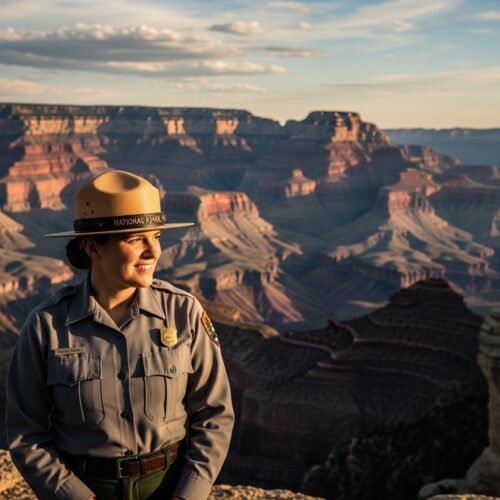
The Grand Canyon’s designation as a national park marked a significant moment in U.S. history. It highlighted the importance of preserving natural wonders for future generations.
Significance of national park status
The Grand Canyon became a national park on February 26, 1919. This status protects its unique landscapes and rich biodiversity. It ensures that the canyon’s stunning scenery remains untouched by commercial development.
- Conservation Efforts: National park status allows for stronger conservation measures. This means better protection for the flora and fauna that call the canyon home.
- Land Management: The National Park Service manages the land, ensuring it’s maintained for public enjoyment and ecological health.
Historical context of the designation
Before becoming a national park, the Grand Canyon was recognized for its beauty and geological significance. President Theodore Roosevelt played a crucial role in this. He visited the canyon in 1903 and became a strong advocate for its protection. His efforts led to the creation of the Grand Canyon Game Preserve in 1906.
- Cultural Significance: For centuries, Native American tribes, including the Havasupai and Navajo, have lived in and around the Grand Canyon. Their deep connection to the land adds to its historical richness.
- Legislation Journey: It took years of advocacy and legal battles to secure national park status. Finally, in 1919, the Grand Canyon became the 17th national park in the U.S.
Impact on tourism and conservation
National park status has made the Grand Canyon a major tourist destination. Millions visit each year to experience its grandeur.
- Visitor Access: The park offers numerous viewpoints and activities, from hiking to rafting on the Colorado River. This accessibility has made it a beloved spot for outdoor enthusiasts.
- Economic Benefits: Tourism supports local economies. It creates jobs and brings in revenue, which is reinvested in conservation efforts.
The Grand Canyon’s designation as a national park is not just about preserving a beautiful landscape. It’s about safeguarding a rich tapestry of history, culture, and nature for generations to come.
7. Native American Tribes Have Inhabited the Canyon for Thousands of Years
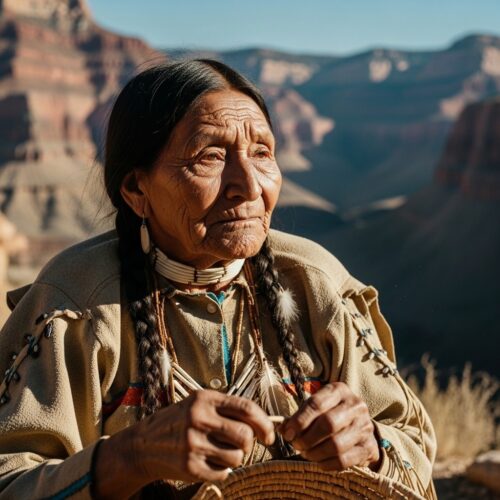
The Grand Canyon isn’t just a natural wonder; it’s a cultural treasure. For thousands of years, Native American tribes have called this area home. Their history and traditions are deeply intertwined with the land.
Cultural significance of the canyon
The Grand Canyon holds immense spiritual importance for many tribes. It’s seen as a sacred place, a connection to their ancestors, and a source of life. The canyon’s vastness mirrors the richness of their cultures. Each tribe has its own stories and teachings tied to the landscape.
Examples of tribes and their traditions
Several tribes have a long-standing connection to the Grand Canyon:
- Havasupai: Known for their stunning turquoise waterfalls, they live in the canyon and practice traditional farming and crafts.
- Hopi: Their beliefs focus on harmony with nature. They see the canyon as a living being, essential to their spirituality.
- Navajo: The canyon is part of their creation stories. They hold ceremonies and rituals that honor the land and its resources.
These tribes pass down their knowledge through generations, keeping their traditions alive.
Modern-day connections to the land
Today, these tribes continue to engage with the Grand Canyon. They lead tours, share stories, and educate visitors about their cultural heritage. This connection helps preserve their history while promoting respect for the land.
Visitors can experience this cultural richness through guided tours and cultural events. Engaging with tribal members allows for a deeper understanding of the canyon’s significance. It’s not just about the views; it’s about the stories that shaped this remarkable place.
8. The First European to Discover the Canyon Was García López de Cárdenas
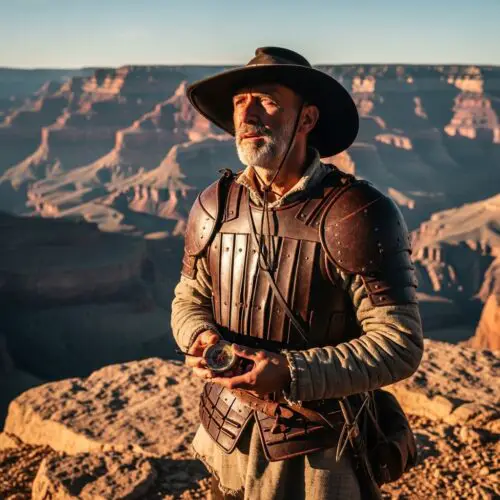
In 1540, Spanish explorer García López de Cárdenas made history as the first European to lay eyes on the Grand Canyon. His journey marked a pivotal moment in the canyon’s story, intertwining it with European exploration.
Historical Context of the Discovery
Cárdenas was part of an expedition led by Francisco Vázquez de Coronado. They were on a quest to find the legendary Seven Cities of Gold. Guided by the Hopi people, Cárdenas and his men ventured to the South Rim. They stood in awe of the vast canyon, noting its immense size and beauty. However, they were unprepared for the harsh conditions. They descended only partway into the canyon before turning back due to a lack of water.
Impact of the Discovery on Native Americans
The arrival of Cárdenas and his crew forever changed the dynamics of the Grand Canyon. The Hopi and other Native American tribes had lived in the region for centuries. They had a deep connection to the land, with traditions and stories tied to it. The European exploration brought new challenges, including conflict and disease, which would impact these communities for generations.
The Significance of European Interest
Cárdenas’s discovery sparked European interest in the Grand Canyon and the American Southwest. For many years, the area remained largely unexplored by Europeans. It wasn’t until the mid-19th century that more detailed maps were created and further explorations occurred. This initial contact laid the groundwork for future tourism and conservation efforts.
The Grand Canyon’s beauty and scale captured imaginations worldwide. Today, it’s not just a natural wonder but a symbol of the complex history between cultures. This blend of exploration and indigenous heritage makes the canyon a unique story of resilience and wonder.
9. The Grand Canyon is a UNESCO World Heritage Site
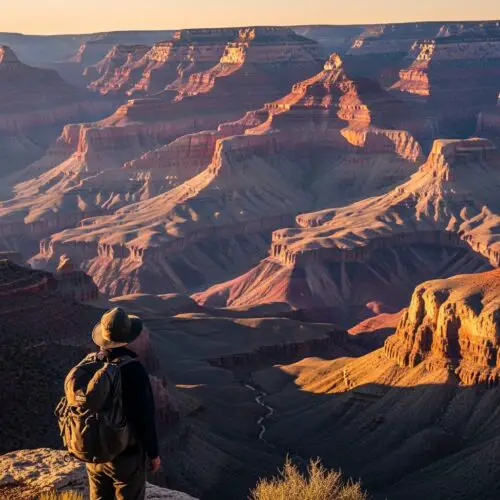
The Grand Canyon’s designation as a UNESCO World Heritage Site is a big deal. It highlights the canyon’s global significance and brings attention to its conservation efforts.
What UNESCO designation means
Being a UNESCO World Heritage Site means the Grand Canyon is recognized for its outstanding natural beauty and geological significance. This designation helps protect the canyon and its unique features. It also raises awareness about its cultural importance, especially to Native American tribes who have lived there for centuries.
Benefits of being a UNESCO site
1. Increased funding for conservation: The designation attracts more resources for preservation efforts.
2. Global recognition: It elevates the Grand Canyon’s status, encouraging responsible tourism.
3. Educational opportunities: This recognition opens doors for research and education about the canyon’s ecology and history.
Examples of conservation efforts
The Grand Canyon benefits from various conservation initiatives:
- Ecosystem protection: Programs focus on preserving native species and restoring habitats.
- Sustainable tourism practices: Efforts are made to limit the environmental impact of visitors.
- Collaborations with Native American tribes: Joint initiatives aim to honor cultural histories while promoting conservation.
These efforts not only protect the canyon but also enhance visitors’ experiences, allowing them to connect with its rich history and stunning landscapes.
10. The Grand Canyon is One of the Most Visited National Parks
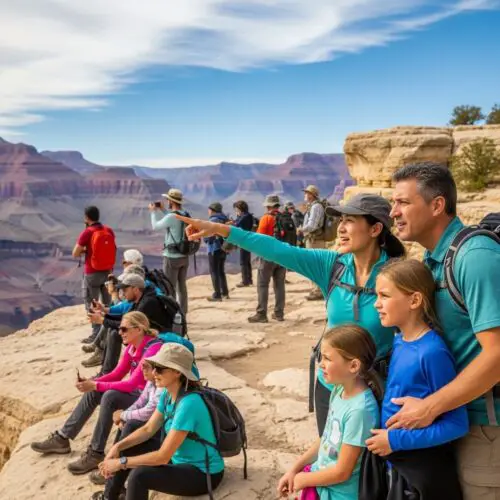
Each year, millions flock to the Grand Canyon. It’s one of the most popular national parks in the U.S. Let’s dive into some fascinating visitor statistics.
Visitor trends over the years
- In 2022, over 6 million people visited the Grand Canyon.
- This marks an increase from previous years, showcasing its growing popularity.
- The park is typically busiest during the summer months, especially in June, July, and August.
Popular activities for tourists
Visitors enjoy a variety of activities at the Grand Canyon, such as:
- Hiking: Trails like the Bright Angel Trail offer stunning views and challenging terrain.
- Rafting: The Colorado River provides thrilling white-water rafting experiences.
- Sightseeing: Iconic viewpoints like Mather Point and Desert View attract countless photo ops.
Comparison with other national parks
When compared to other national parks:
- The Grand Canyon ranks as the second-most visited park in the U.S., right after the Great Smoky Mountains.
- Its breathtaking landscapes and rich history make it a must-visit destination for many travelers.
These visitor statistics highlight the Grand Canyon’s significance. The sheer number of visitors impacts park management and conservation efforts. Balancing tourism with preservation is crucial. After all, we want future generations to enjoy this natural wonder too!
11. The Grand Canyon Features Multiple Rims with Unique Characteristics
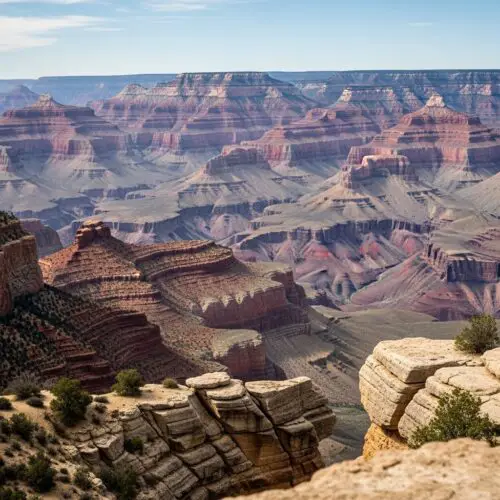
The Grand Canyon is more than just a breathtaking gorge. It boasts three distinct rims, each offering unique experiences and views. Let’s dive into what makes the South, North, and West Rims special.
Key Features of Each Rim
- South Rim:
- Most popular and accessible.
- Houses visitor centers, restaurants, and shops.
- Iconic viewpoints like Mather Point and Yavapai Observation Station.
- Average elevation: 7,000 feet (2,134 meters).
- North Rim:
- Less crowded, perfect for solitude seekers.
- Offers cooler temperatures and more greenery.
- Features the Bright Angel Point Trail for stunning views.
- Average elevation: 8,000 feet (2,438 meters).
- West Rim:
- Home to the famous Grand Canyon Skywalk.
- Managed by the Hualapai Tribe, with unique cultural experiences.
- Great for adventure lovers with zip-lining and helicopter tours.
- Average elevation: Similar to South Rim, but more rugged terrain.
Best Times to Visit Each Rim
- South Rim:
- Best from April to October.
- Offers full access to facilities and activities.
- North Rim:
- Open only from mid-May to mid-October due to snow.
- Ideal for those seeking cooler weather and fewer crowds.
- West Rim:
- Open year-round.
- Great for those wanting to experience unique attractions like the Skywalk, especially in spring and fall for pleasant temperatures.
Accessibility and Visitor Facilities
- South Rim:
- Easily accessible by car and has extensive facilities.
- Offers shuttle services within the park.
- North Rim:
- Remote with limited access.
- Facilities are more rustic, emphasizing a natural experience.
- West Rim:
- Accessible from Las Vegas, making it a quick day trip.
- Tourist-friendly with various services provided by the Hualapai Tribe.
Each rim has its charm. If you’re after a bustling atmosphere, head to the South Rim. For peace and quiet, the North Rim is your spot. Adventure seekers should definitely check out the West Rim. Choose wisely based on what experience you’re after!
12. The Grand Canyon is Not the Deepest Canyon in the World
While the Grand Canyon is iconic and breathtaking, it’s not the deepest canyon out there. Let’s dive into some fascinating comparisons!
Examples of deeper canyons
- Gandaki Gorge, Nepal: This gorge is the world’s deepest. It plunges over 6,000 meters (around 19,685 feet) deep. That’s way deeper than the Grand Canyon!
- Cotahuasi Canyon, Peru: Another contender, this canyon reaches depths of about 3,535 meters (11,500 feet). It’s also deeper than our beloved Grand Canyon.
- Hells Canyon, USA: Located on the border of Oregon and Idaho, Hells Canyon is about 2,436 meters (7,989 feet) deep. Still not as deep as the others, but impressive nonetheless.
What makes the Grand Canyon unique
Despite not being the deepest, the Grand Canyon has its own charm and unique features that set it apart:
- Vastness: It stretches over 277 miles long and is up to 18 miles wide. That’s a lot of stunning views!
- Geological history: The rock layers tell a story of over 2 billion years. The colorful layers showcase millions of years of geological activity.
- Biodiversity: The canyon is home to diverse ecosystems, with over 1,500 plant species, 447 bird species, and countless animals.
Visitor perceptions of depth
Visitors often perceive the Grand Canyon as deep because of its dramatic cliffs and breathtaking vistas. Here’s what many say:
- “The views are stunning!”: Many visitors report feeling a sense of awe looking down from the rim. The sheer scale can be overwhelming.
- “It feels endless!”: The vast expanses and intricate rock formations give a perception of depth that goes beyond mere measurements.
- “Every viewpoint is different.”: Different areas offer unique perspectives, making it feel deeper at times.
The Grand Canyon may not be the deepest canyon, but its beauty, history, and visitor experiences make it one of a kind!
13. The Grand Canyon Has Unique Weather Patterns
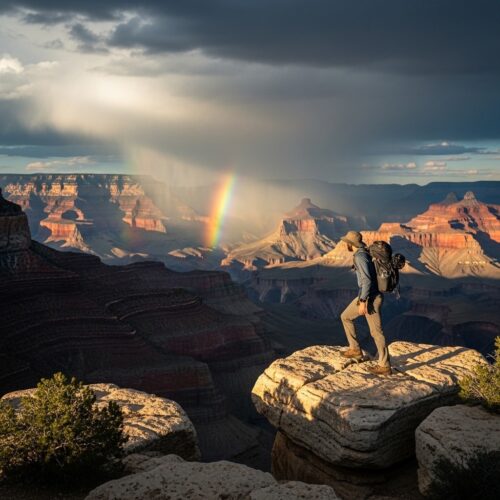
The Grand Canyon isn’t just about stunning views; it also has some pretty wild weather. With its varying elevation, the climate can change dramatically from rim to rim. Let’s dive into how this affects everything from hiking to sightseeing.
How elevation affects climate
The Grand Canyon’s elevation ranges from about 2,400 feet at the Colorado River to over 7,000 feet at the North Rim. This difference creates distinct weather zones.
- South Rim: Warmer and more accessible. Here, summer temperatures can soar above 100°F, while winters can see snowfall.
- North Rim: Cooler and less crowded. Summer highs might reach the 70s°F, but winter brings heavy snow, often closing the road from October to late June.
- Inner Canyon: Hot and dry. The temperature can be 20-30°F warmer than the rims, making it feel like a whole different world.
Weather variations throughout the year
The Grand Canyon experiences four distinct seasons, each bringing its own charm and challenges.
- Spring: Mild temperatures. Great for hiking, but be ready for sudden storms.
- Summer: Hot and dry. Ideal for early morning hikes, but stay hydrated and avoid peak sun hours.
- Fall: Crisp air and vibrant colors. Perfect for photography and exploring.
- Winter: Snowy and serene. The South Rim becomes a winter wonderland, while the North Rim is often closed.
Impact on visitor experiences
Weather can make or break your trip. It’s essential to plan accordingly.
- Hiking: Check the forecast. Highs in the inner canyon can be scorching, while the rims may be chilly. Layer up!
- Tourism: Crowds flock in summer. If you prefer peace, aim for spring or fall.
- Safety: Be aware of monsoon season in late summer. Flash floods can occur, especially in the inner canyon.
Understanding the Grand Canyon’s unique weather patterns helps you make the most of your visit. So pack wisely and prepare for whatever Mother Nature throws your way!
14. The Grand Canyon is Continuously Shaped by Natural Forces
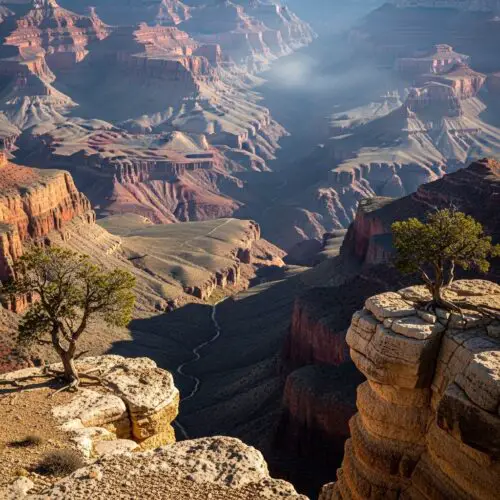
The Grand Canyon is a masterpiece in the making. It’s constantly reshaped by natural forces like erosion and weather. Let’s dive into how these processes impact this incredible landmark.
Examples of Erosion in Progress
Erosion is the Grand Canyon’s best-kept secret. Water, wind, and ice work together to sculpt its stunning features. Here are a few key ways erosion is at play:
- Water: The Colorado River is the main player. It cuts through rock, deepening the canyon over time.
- Wind: Wind carries sand and small particles that wear down rock surfaces.
- Ice: In winter, freezing temperatures cause water to expand in rock cracks. This process, called frost wedging, breaks down the rock further.
Impact of Weather on the Canyon
Weather changes the canyon’s landscape daily. Rain, sun, and snow all play their part. For instance:
- Rainfall: Heavy rains can lead to flash floods, reshaping the canyon’s edges.
- Temperature Changes: Hot summers and cold winters cause rocks to expand and contract. This movement can create fractures and eventually lead to rockfalls.
Future Predictions for the Canyon
So, what’s next for the Grand Canyon? Experts believe ongoing geological processes will continue to transform it. Here are some predictions:
- Increased Erosion: Climate change may intensify rainfall, accelerating erosion.
- New Features: As erosion continues, we might see new rock formations and landscapes appear over time.
- Visitor Experience: With these changes, future visitors may have different views and experiences of the canyon.
The Grand Canyon isn’t just a place to visit; it’s a living, breathing entity. Its continuous transformation makes it even more intriguing!
15. The Grand Canyon is at Risk from Climate Change
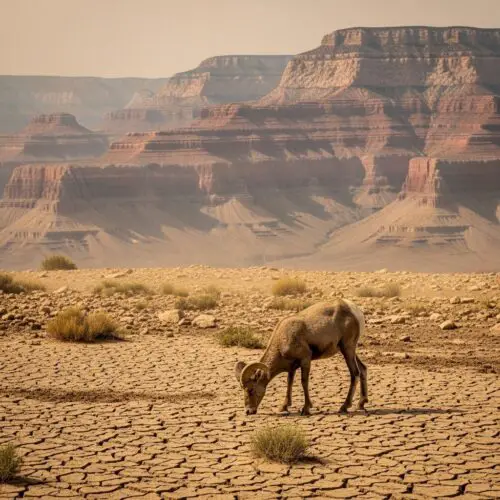
Climate change is a big deal for the Grand Canyon. It affects everything from the ecosystem to the visitor experience. Let’s dive into how it’s impacting this natural wonder.
Examples of Climate Impacts
- Rising Temperatures: Increased heat can affect local wildlife. Animals may struggle to find water and food.
- Changing Rainfall Patterns: More intense storms could lead to flash floods. This can cause erosion and rockfalls, changing the canyon’s landscape.
- Drought Conditions: Prolonged dry spells may threaten plant life. This could disrupt the entire food chain in the region.
Conservation Efforts in Response
The fight against climate change at the Grand Canyon involves various strategies:
- Restoration Projects: These aim to restore native habitats. They help improve biodiversity and resilience against climate impacts.
- Public Education: The park encourages visitors to learn about climate change. Awareness is key in promoting conservation efforts.
- Collaboration with Native Tribes: Many Native American tribes are involved in conservation. Their traditional knowledge supports sustainable practices.
Visitor Awareness and Actions
Visitors can play a role in conservation too. Here’s what you can do:
- Reduce Waste: Carry reusable bottles and bags to minimize trash.
- Stay on Trails: Protect fragile ecosystems by sticking to established paths.
- Support Local Conservation Efforts: Engage with local organizations working to protect the canyon.
By understanding these impacts and participating in conservation, we can help preserve the Grand Canyon for future generations.
16. The Grand Canyon’s Ecosystem is at Risk from Invasive Species
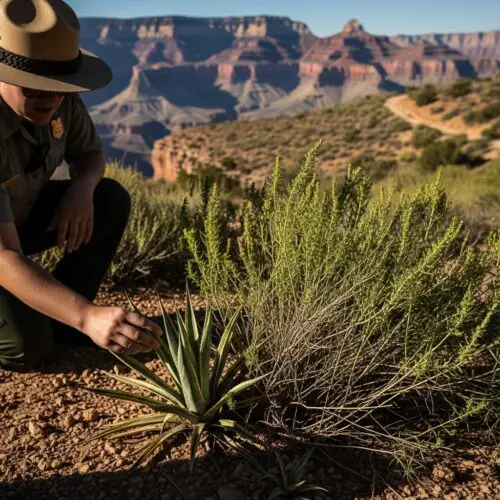
Invasive species pose a significant threat to the Grand Canyon’s rich biodiversity. These unwelcome plants and animals disrupt the delicate balance of the canyon’s ecosystem.
Examples of Invasive Species
Several invasive species have made their home in the Grand Canyon. Here are a few notable examples:
- Tamari: This aggressive plant chokes out native vegetation, reducing food sources for wildlife.
- Burmese Python: While not commonly found, there are reports of this snake, which can disrupt local animal populations.
- Salt Cedar: This tree drains water resources and alters the natural habitat.
Impact on Native Flora and Fauna
Invasive species can have devastating effects. Here’s how they impact the Grand Canyon’s ecosystem:
- Competition for Resources: Invasive plants like tamarisk compete with native species for water and nutrients, often leading to native species decline.
- Habitat Alteration: Changes to the ecosystem can force native animals to relocate or face extinction.
- Reduced Biodiversity: The introduction of non-native species can lead to a decrease in the variety of plants and animals, weakening the overall health of the ecosystem.
Conservation Responses
Efforts to combat invasive species in the Grand Canyon are ongoing. Here are some key strategies:
- Monitoring and Management: Park officials regularly monitor invasive species populations and develop management plans.
- Public Education: Visitors are educated about the importance of not introducing non-native species to the park.
- Restoration Projects: Initiatives are in place to restore native habitats and reintroduce native species where feasible.
Understanding the threat of invasive species helps protect the Grand Canyon’s unique natural heritage. Taking action now can ensure the canyon remains a vibrant ecosystem for generations to come.
17. The Grand Canyon Was Once the Site of a Major Scientific Discovery
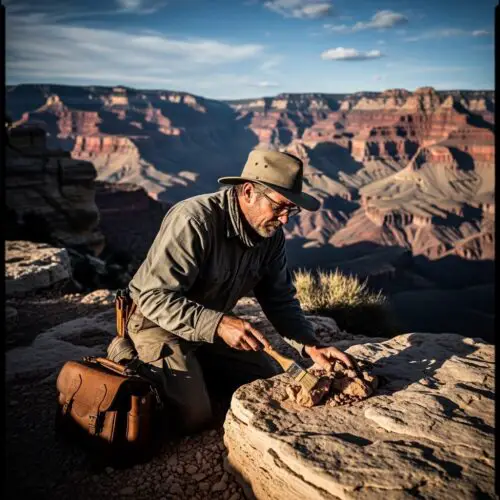
The Grand Canyon isn’t just a pretty sight; it’s a treasure trove of geological discoveries. Over the years, scientists have unearthed significant findings that have reshaped our understanding of geology.
What Was Discovered
One of the most notable discoveries was made by Major John Wesley Powell during the Powell Geographic Expedition in 1869. Powell and his team mapped the canyon and collected rock samples. They identified layers of sedimentary rock that revealed a timeline of Earth’s history. This included the oldest rocks at the bottom, over 2.5 billion years old, and younger layers above them.
Impact on Geological Science
These discoveries were game-changers. They provided evidence of how the Colorado River carved the canyon through erosion over millions of years. Scientists learned how geological processes shape landscapes. This understanding has influenced geology studies worldwide.
- Erosion Evidence: The Grand Canyon showcases erosion’s power, highlighting how rivers sculpt the earth.
- Stratification: The visible rock layers tell a story of Earth’s geological past, showing changes over billions of years.
- Fossils: Some layers contain fossils that offer insights into ancient life forms.
Legacy of the Discovery
The Grand Canyon continues to be a key location for geological research. Ongoing studies focus on its unique rock formations. New technologies, like 3D mapping, are uncovering even more secrets. For instance, researchers are exploring ancient volcanic activity around the canyon, which adds another layer to its geological story.
Visitors today can appreciate not just the beauty of the canyon but also its role in advancing scientific knowledge. The Grand Canyon is truly a living museum, where geology and history intertwine.
18. The Grand Canyon Offers Unique Adventure Opportunities
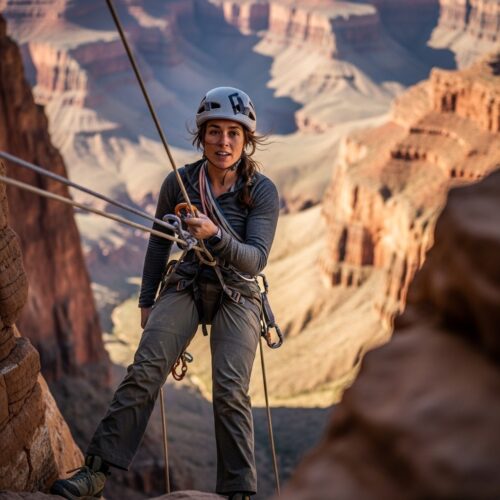
The Grand Canyon is more than just a pretty view. It’s an adventure seeker’s paradise! From hiking to rafting, there’s something for everyone. Let’s dive into the exciting activities you can enjoy.
Popular Activities for Tourists
1. Hiking: There are trails for all skill levels. The Bright Angel Trail is a favorite. It offers stunning views and a chance to see the canyon up close.
2. Rafting: Paddle down the Colorado River. Experience the thrill of the rapids. Guided tours are available for beginners.
3. Helicopter Tours: See the canyon from above. These tours give you a bird’s-eye view of its vastness.
4. Camping: Spend a night under the stars. The North Rim and Tuweep Campground are popular spots.
5. Mule Rides: Take a classic mule ride along the trails. It’s a unique way to explore the canyon.
Safety Tips for Adventure Seekers
Adventure is fun, but safety is key. Here are some tips to keep in mind:
- Stay Hydrated: The desert climate can be harsh. Always carry enough water.
- Wear Proper Gear: Good hiking boots can make a big difference. Dress in layers to adapt to changing weather.
- Know Your Limits: Choose activities that match your fitness level. Don’t push yourself too hard.
- Check Weather Conditions: Before heading out, check the forecast. Storms can roll in quickly.
Best Times for Specific Activities
Timing can enhance your experience. Here’s when to plan your adventures:
- Hiking: Spring and fall are ideal. The temperatures are milder, making it more comfortable.
- Rafting: Late spring through early summer is prime time. The snowmelt creates exciting rapids.
- Camping: Late spring to early fall is best. Be prepared for cooler nights, especially at the North Rim.
- Mule Rides: Available year-round, but summer is the busiest season. Book in advance!
The Grand Canyon offers unforgettable experiences. Whether you’re hiking, rafting, or simply soaking in the views, adventure awaits!
19. The Grand Canyon Has Hidden Gems That Most Visitors Miss
While many flock to the popular viewpoints, the Grand Canyon is full of lesser-known spots that offer unique experiences. Exploring these hidden gems can make your visit even more memorable.
Examples of Hidden Gems
1. Havasu Falls: This stunning waterfall features bright turquoise waters. It’s a bit of a trek but worth every step. Havasupai Reservation requires a permit, so plan ahead!
2. Point Sublime: Located on the North Rim, this secluded viewpoint offers breathtaking panoramas without the crowds. It’s a perfect spot for sunset lovers.
3. The Wave: Though technically in Arizona, this sandstone rock formation is a short drive from the Grand Canyon. Its surreal, undulating patterns are a photographer’s dream.
4. Tuweep: For those who crave solitude, Tuweep is a remote area with spectacular views. It’s less accessible, which keeps the crowds away. You’ll feel like you have the canyon all to yourself!
Visitor Experiences
Many visitors rave about their experiences at these hidden gems. For example, one hiker shared how Havasu Falls felt like stepping into paradise. The vibrant colors and serene environment left them speechless. Another visitor mentioned how Point Sublime provided a peaceful escape from the busyness at the South Rim.
Importance of Exploring Beyond the Rim
Exploring areas beyond the main viewpoints enriches your Grand Canyon experience. You’ll discover stunning landscapes, unique wildlife, and a deeper connection to nature. Plus, you’ll avoid the hustle and bustle of the tourist hotspots. Each hidden gem tells its own story and offers a different perspective on this natural wonder. So, grab your gear and venture off the beaten path!
20. The Grand Canyon is Home to Some of the Oldest Rocks on Earth
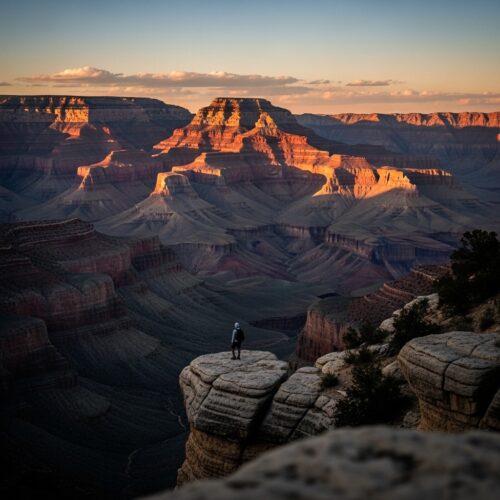
The Grand Canyon isn’t just a pretty view; it’s a geological treasure. Its ancient rock layers tell the story of our planet’s history. Let’s dive into the old rocks that make this place so special.
Age of the rocks
The Grand Canyon showcases some of the oldest rocks on the planet. Here are key points about their age:
- Archean Granite and Schist: These rocks are more than 2.5 billion years old. They sit at the canyon’s bottom, showcasing the Earth’s early crust.
- Proterozoic Layers: Above the Archean rocks, you’ll find limestones, sandstones, and shales over 540 million years old.
- Paleozoic Deposits: The canyon walls feature layers formed over 300 million years, rich in various minerals and fossils.
What the rocks reveal about Earth’s history
These rock layers are like a history book. Each layer tells us something different:
- Environmental Changes: The different types of rock show how the environment has shifted over billions of years, from oceans to deserts.
- Fossils and Life: Fossils found within these layers provide insights into ancient ecosystems. They reveal what kind of life existed and how it adapted.
- Geological Events: The absence of Mesozoic rocks in the canyon highlights significant erosion events that shaped today’s landscape.
Comparative geology with other regions
The Grand Canyon’s geology can be compared to other famous locations:
- Great Unconformity: This phenomenon occurs here, where 1.2 billion-year-old rocks sit atop much younger layers. Similar occurrences can be seen in other canyons, but the Grand Canyon’s example is the most notable.
- Other Canyons: While places like the Yosemite Valley have stunning rock formations, they lack the extensive geological timeline visible in the Grand Canyon.
The Grand Canyon’s ancient rocks offer a unique window into Earth’s past. They remind us of the power and beauty of nature’s processes over time.
21. The Grand Canyon is a Living Laboratory for Scientists
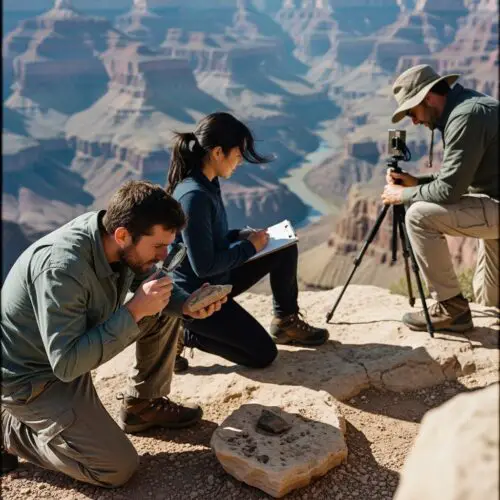
The Grand Canyon is more than just a breathtaking view. It’s a hub for ongoing research. Scientists study its geology, ecology, and cultural history to understand our planet better.
Current Research Projects
Several exciting research projects are taking place at the Grand Canyon. Here are some highlights:
- Geological Studies: Researchers analyze rock layers to uncover the canyon’s history. They look at the Great Unconformity and other geological features to understand Earth’s changes over billions of years.
- Hydrology Research: Scientists track the Colorado River’s flow and its impact on the canyon ecosystem. This research helps manage water resources and preserve habitats.
- Biodiversity Monitoring: Ongoing studies assess the various species living in the canyon. Understanding their interactions helps in conservation efforts.
Impact of Research on Conservation
Research at the Grand Canyon plays a crucial role in conservation. Here’s how:
- Ecosystem Management: Findings guide efforts to protect sensitive areas. For example, studies on invasive species inform strategies to control their spread.
- Climate Change Insights: Research sheds light on how climate change affects the canyon’s environment. This knowledge helps develop adaptive management plans.
- Cultural Preservation: Studies involving Native American tribes help preserve their cultural heritage. Respecting their histories enriches our understanding of the canyon’s significance.
Opportunities for Citizen Science
Visitors can get involved too! Citizen science projects at the Grand Canyon offer hands-on experiences:
- Volunteer Programs: Participate in habitat restoration or wildlife monitoring. It’s a chance to contribute while enjoying the outdoors.
- Data Collection: Help scientists gather information on local flora and fauna. Your observations can aid important research.
- Educational Workshops: Join workshops that teach about the canyon’s ecology. Learn from experts while connecting with nature.
The Grand Canyon is not just a spectacular sight. It’s a living laboratory that invites exploration and discovery. Whether you’re a scientist or a visitor, there’s always something new to learn!
Frequently Asked Questions
These quick answers cover the most common questions about this topic, including key details, practical tips, and common concerns.
Why is 90% of the Grand Canyon blocked off?
Most of the Grand Canyon is protected as part of the national park, with restricted access to preserve its natural and cultural resources. Certain areas, especially those with fragile ecosystems or significant archaeological sites, are off-limits to visitors to prevent damage and ensure safety. These restrictions help maintain the canyon’s integrity for future generations.
What are 10 interesting facts about the Grand Canyon?
1. It’s over 277 miles long.
2. The deepest point exceeds a mile (6,000 feet).
3. It features nearly 2 billion years of geological history.
4. The Colorado River carved it over millions of years.
5. It hosts around 1,500 plant species.
6. Over 400 animal species live within it.
7. Native American tribes have inhabited it for thousands of years.
8. It became a national park in 1919.
9. It’s a UNESCO World Heritage Site.
10. It offers diverse rims, each with unique features.
What was the terrifying discovery of the Grand Canyon?
One of the most startling discoveries was the presence of ancient, extremely old rock layers, some over 2.5 billion years old. These rocks provide critical insights into Earth’s early crust and geological processes. Additionally, fossils found in certain layers reveal ancient life forms, offering glimpses into Earth’s distant past.
What is the forbidden area of the Grand Canyon?
The “forbidden areas” generally refer to restricted zones within the park that are off-limits to visitors. These include sensitive archaeological sites, certain military or research zones, and parts of the canyon managed by Native tribes. These restrictions protect cultural heritage and ensure safety.
How was the Grand Canyon formed?
The canyon was primarily carved by the Colorado River through erosion over the past 5 to 6 million years. Tectonic uplift raised the Colorado Plateau, which increased the river’s erosive power. Layers of sedimentary rock reveal a history of environmental changes spanning billions of years.
When is the best time to visit the Grand Canyon?
Spring (March to May) and fall (September to November) are ideal for visiting due to milder weather and fewer crowds. The summer months (June to August) are hot, especially in the inner canyon, but offer longer daylight hours. Winter can be beautiful, especially at the South Rim, but some areas may be closed due to snow.
What precautions should I take when visiting the Grand Canyon?
Always carry plenty of water, wear appropriate footwear, and check weather conditions before heading out. Be aware of your physical limits, especially if hiking into the canyon. Avoid the hottest parts of the day in summer and stay on designated trails to prevent accidents and protect the environment.
What are the different rims of the Grand Canyon?
The main rims are the South Rim, North Rim, and West Rim. The South Rim is the most accessible and popular, with extensive facilities. The North Rim is less crowded and cooler, open seasonally. The West Rim, managed by the Hualapai Tribe, features attractions like the Skywalk and is accessible year-round from nearby cities like Las Vegas.