
The United States is home to numerous iconic landmarks that reflect its rich history and cultural diversity. Here are the 30 most famous landmarks you must see in America by 2026, along with stunning photos and travel tips to make the most of your visit.
1. Statue of Liberty: A Symbol of Freedom
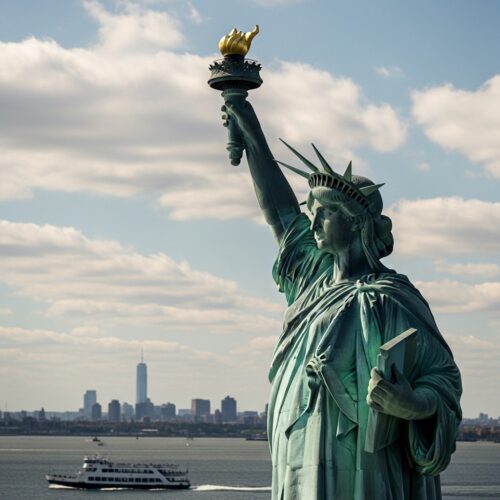
The Statue of Liberty stands tall in New York Harbor. She’s not just a statue; she’s a beacon of hope and freedom for millions. Let’s dive into her fascinating history and some handy tips for your visit.

Historical Context of the Statue
The Statue of Liberty was a gift from France, dedicated in 1886. Designed by Frédéric Auguste Bartholdi, her design symbolizes liberty and democracy. Standing at 305 feet, she was built using copper and iron. Originally, she was a welcoming sight for immigrants arriving in America.
Did you know? The statue’s full name is “Liberty Enlightening the World.” She represents freedom, and her torch signifies enlightenment. Over the years, she has become one of America’s most recognized symbols.
Visitor Information and Tips
Visiting the Statue of Liberty is a must. Here are some tips to enhance your experience:
Table of Contents
- Best Time to Visit: Go early in the morning or late in the afternoon to avoid crowds. Weekdays are generally less busy than weekends.
- Tickets: Purchase your tickets online in advance. This saves time and guarantees your spot.
- Ferry Ride: Enjoy the ferry ride from Battery Park. It offers stunning views of the Manhattan skyline.
- Explore Liberty Island: Don’t rush! Take time to walk around the island and soak in the views.
Best Photography Spots
Capture the perfect photo with these tips:
- Battery Park: Offers a great view of the statue from the mainland.
- On the Ferry: Snap shots as you approach the island. The angle is unbeatable!
- From the Pedestal: If you climb to the pedestal, you’ll get a unique perspective.
Remember, golden hour (just before sunset) is ideal for stunning shots. Bring your camera and enjoy the beauty of this iconic landmark!
2. Grand Canyon: Nature’s Masterpiece
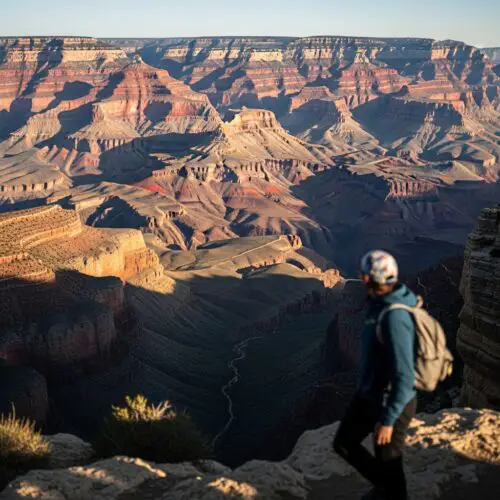
The Grand Canyon is a must-see for anyone visiting America. Its vastness and beauty are simply breathtaking. Let’s dive into what makes this landmark so special.
Geological significance of the canyon
The Grand Canyon stretches about 277 miles in Arizona. It was carved by the Colorado River over millions of years. This natural wonder showcases layers of colorful rock, revealing a history that dates back nearly two billion years. Visitors can witness the power of erosion and geological processes firsthand.
Activities for visitors
There’s no shortage of activities at the Grand Canyon. Here are some popular options:
- Hiking: Trails like the Bright Angel and South Kaibab offer stunning views. Don’t forget to bring water and snacks!
- Rafting: For the adventurous, whitewater rafting on the Colorado River is a thrilling experience.
- Helicopter Tours: See the canyon from above for a unique perspective. The views are jaw-dropping!
- Mule Rides: Take a guided mule ride down to the canyon floor for a memorable experience.
Best viewpoints for sunset
Watching the sunset at the Grand Canyon is a bucket list moment. Here are some of the best viewpoints:
- Mather Point: This is one of the most accessible viewpoints and offers stunning panoramic views.
- Hopi Point: Known for its wide views of the canyon, it’s a popular spot for sunset photography.
- Yavapai Observation Station: Provides an excellent vantage point with informative displays about the canyon’s geology.
Insider tips for visiting
To make the most of your visit, consider these insider tips:
- Plan Ahead: The park can get crowded, especially in peak season. Arrive early to beat the crowds.
- Stay Hydrated: The dry desert climate can be deceptive. Drink plenty of water, especially if you’re hiking.
- Respect the Environment: Follow Leave No Trace principles. Keep the park beautiful for everyone.
By following these tips and exploring the incredible activities, you’ll have an unforgettable experience at the Grand Canyon, one of America’s most famous landmarks!
3. Mount Rushmore: The Faces of History
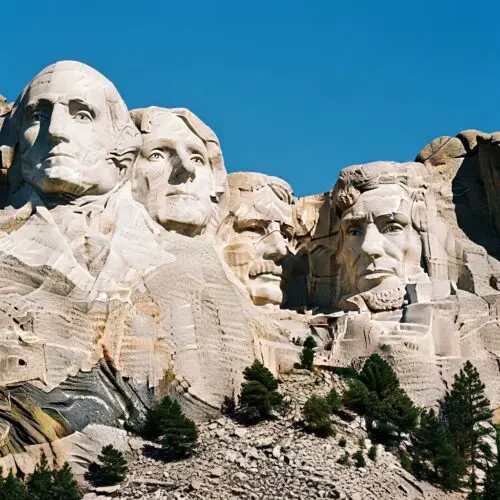
Mount Rushmore is a stunning tribute to four of America’s most influential presidents. Carved into the granite cliffs of South Dakota, it captures a pivotal moment in American history. Let’s dive into its story, visitor experiences, and tips for capturing the perfect photo.
The story behind the monument
Mount Rushmore features the faces of Presidents George Washington, Thomas Jefferson, Theodore Roosevelt, and Abraham Lincoln. Sculptor Gutzon Borglum started this ambitious project in 1927, and it took 14 years to complete. Each face represents a significant aspect of American history. Washington symbolizes the birth of the nation, Jefferson its expansion, Lincoln its preservation, and Roosevelt its development.
This iconic landmark attracts over 2 million visitors annually. People come to marvel at the craftsmanship and reflect on the historical significance of these leaders. Mount Rushmore is more than just a sculpture; it’s a testament to American ideals and democracy.
Visitor center and amenities
When you visit Mount Rushmore, the visitor center is a must-stop. It offers informative exhibits about the monument’s history and the men behind the faces. You can also enjoy a short film that details the carving process.
Amenities include:
- Restrooms: Clean and accessible.
- Gift Shop: Find souvenirs and educational materials.
- Dining Options: Grab a snack or meal at the on-site café.
Make sure to check out the walking trails around the memorial. They provide stunning views and a closer look at the monument.
Photography tips
Capturing the perfect shot at Mount Rushmore can be rewarding. Here are some tips to enhance your photography experience:
- Best Time to Visit: Early morning or late afternoon offers the best light.
- Use a Tripod: If you want to capture long exposure shots, a tripod is your best friend.
- Explore Different Angles: Walk around the viewing areas to find unique perspectives.
Personal anecdote: One traveler shared that shooting from the base provided a dramatic foreground, making the faces appear even larger than life. Don’t forget to snap a few selfies with the monument in the background!
By considering these aspects, you’ll be well-prepared to enjoy and capture the essence of Mount Rushmore, a true hallmark of American history.
4. Yosemite National Park: A Natural Wonder
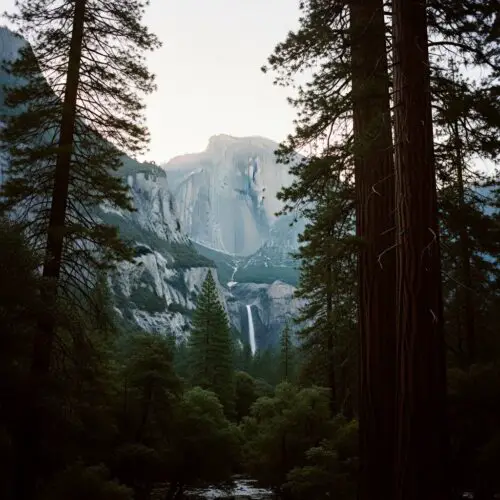
Yosemite National Park is a stunning gem in California, famous for its breathtaking landscapes and diverse wildlife. Whether you’re a nature lover or an adventure seeker, this park should be on your bucket list for 2026.
Key Attractions Within the Park
Yosemite is home to iconic landmarks that draw millions each year. Here are some must-see spots:
- El Capitan: This massive granite monolith is a climber’s paradise. Its sheer face presents a challenge for even the most experienced climbers.
- Half Dome: Another granite giant, Half Dome offers a challenging hike with rewarding views at the top.
- Yosemite Falls: One of the tallest waterfalls in North America, Yosemite Falls is a stunning sight, especially in spring when the snow melts.
Wildlife Viewing Opportunities
Yosemite is teeming with wildlife. Keep your eyes peeled for:
- Black Bears: These playful creatures roam the park, especially in spring and summer. Remember to keep a safe distance!
- Mule Deer: Commonly seen grazing in meadows, these gentle animals add charm to your visit.
- Bird Watching: Over 400 species of birds call Yosemite home. Bring your binoculars for a closer look.
Camping and Lodging Tips
Staying overnight in Yosemite can enhance your experience. Here’s a quick guide:
- Campgrounds: Reserve a spot early! Popular campgrounds fill up fast, especially in summer. Check out North Pines or Upper Pines for stunning views.
- Lodges: For a more comfortable stay, consider lodging options like the Yosemite Valley Lodge. It’s close to waterfalls and offers beautiful views.
- Seasonal Highlights: Visit in the spring for wildflower blooms or in the fall for vibrant autumn colors. Each season presents unique experiences.
Planning a Multi-Day Itinerary
To make the most of your visit:
1. Choose Your Base: Decide whether to camp or stay in a lodge.
2. Plan Your Hikes: Pick a mix of easy and challenging trails to suit your group’s energy levels.
3. Stay Hydrated and Snack Smart: Pack plenty of water and snacks for your adventures.
4. Check Regulations: Familiarize yourself with park rules to ensure a safe visit.
Yosemite National Park is a treasure trove of natural beauty. Its iconic sights and rich wildlife make it a must-visit for any traveler in 2026!
5. Niagara Falls: The Power of Nature
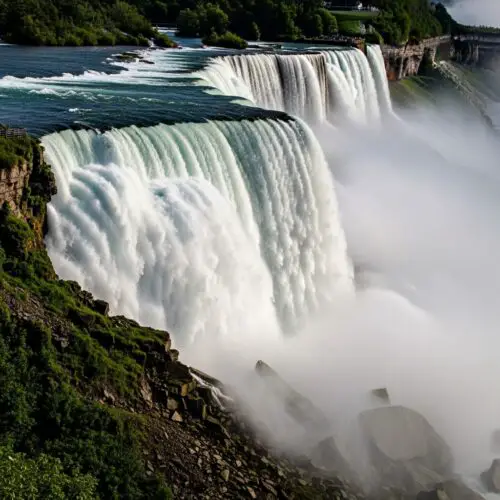
Niagara Falls is a breathtaking natural wonder. Its thundering waters draw millions each year. Let’s dive into what makes this landmark a must-see in 2026!
Overview of the Falls
Niagara Falls actually consists of three waterfalls: American Falls, Bridal Veil Falls, and Horseshoe Falls. Together, they create a stunning display of power and beauty. The falls are located on the border of New York and Canada, but the U.S. side offers some fantastic views!
Did you know that over 6 million cubic feet of water flow over the crest every minute at peak flow? That’s a lot of water! The falls have also been a key part of American history, symbolizing nature’s raw power and attracting countless visitors.
Popular Activities and Tours
When you visit Niagara Falls, there’s no shortage of things to do. Here are some popular activities:
- Maid of the Mist Boat Tour: Get up close to the thundering base of the falls. You’ll feel the mist on your face—an unforgettable experience!
- Cave of the Winds: Walk along wooden pathways to see the falls from a different perspective. You can even stand just a few feet away from the cascading water.
- Observation Decks: There are several spots for stunning views. Don’t forget your camera!
Safety Tips for Boat Tours
- Wear a poncho: The spray can be intense.
- Stay seated: Follow the guide’s instructions during the tour for safety.
- Secure belongings: Use waterproof bags for your valuables.
Best Viewing Times
The best time to visit Niagara Falls is during the spring and fall. Here’s why:
- Spring: The water flow is strong, and the surrounding flowers bloom beautifully.
- Fall: You can enjoy the stunning autumn foliage, making for a picturesque backdrop.
For a unique experience, visit at night. The falls are illuminated with colorful lights, creating a magical atmosphere.
Visiting Niagara Falls should definitely be on your bucket list for 2026. It’s a perfect blend of adventure and natural beauty!
6. Golden Gate Bridge: A Marvel of Engineering
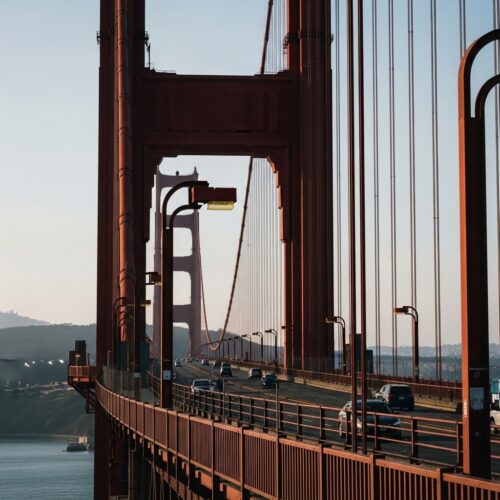
The Golden Gate Bridge is a true American icon. Spanning 1.7 miles, it connects San Francisco to Marin County. This engineering masterpiece is not just a bridge; it’s a symbol of innovation and beauty.
Historical Significance
Completed in 1937, the Golden Gate Bridge was an engineering marvel of its time. It was the longest suspension bridge in the world when it opened. Designed by Joseph Strauss, it features Art Deco elements that have stood the test of time. The bridge has become a symbol of San Francisco and a must-see for visitors.
Best Times for Photography
For stunning photos, visit during the golden hour—early morning or late afternoon. The sunlight casts a beautiful glow on the bridge and surrounding waters. Fog often rolls in, creating a mystical atmosphere. Don’t forget to capture shots from different angles, especially from Marin Headlands for a breathtaking view.
Walking and Biking Routes
You can walk or bike across the bridge for an unforgettable experience. The pedestrian walkway is open from 5 AM to 6:30 PM. Biking is a fantastic way to explore the area. Just be sure to follow safety rules and keep an eye out for other travelers.
Visitor Accessibility Tips:
- Public Transport: Use public transit to avoid parking hassles.
- Accessibility: The bridge is wheelchair accessible, with ramps at both ends.
- Safety Gear: If biking, wear a helmet and follow traffic signals.
Comparative Analysis of Similar Engineering Feats
While the Golden Gate Bridge is iconic, other remarkable bridges also deserve attention. The Mackinac Bridge in Michigan spans 26,372 feet, making it one of the longest suspension bridges in the world. However, the Golden Gate’s design and color make it uniquely photogenic and culturally significant.
Quick Facts:
- Height: 746 feet at its highest point.
- Color: International Orange, chosen to enhance visibility in fog.
- Visitors: Over 10 million people cross it every year.
The Golden Gate Bridge is more than just a landmark; it’s a place where history, art, and nature meet. Make sure it’s on your bucket list for 2026!
7. Las Vegas Strip: Entertainment Capital

The Las Vegas Strip is a dazzling stretch of lights, excitement, and iconic landmarks. It’s the heart of the city and a must-see for any traveler in America. Here’s what makes this strip a bucket list destination for 2026.
Overview of Key Attractions
The Las Vegas Strip is famous for its luxurious hotels and vibrant entertainment options. Here are some highlights:
- Bellagio: Known for its stunning fountain show, which dances to music. It’s a visual treat!
- Caesars Palace: A classic casino that offers opulence and history.
- The Venetian: Experience a taste of Italy with gondola rides along its canals.
- Paris Las Vegas: Don’t miss the replica Eiffel Tower, offering breathtaking views of the Strip.
These attractions draw millions of visitors each year. Each spot has its unique vibe, making it easy to find something for everyone.
Dining and Entertainment Options
When it comes to dining, the Strip is a food lover’s paradise. Here are some top picks:
- Gordon Ramsay Hell’s Kitchen: Dive into a culinary adventure with exquisite dishes in a lively atmosphere.
- Buffets: Try the famous buffets at places like The Wynn or Caesars Palace for an all-you-can-eat feast.
- Shows: Catch a Cirque du Soleil performance or a headlining concert. Each show offers a unique experience.
With so many options, you can easily fill your days and nights with mouthwatering meals and top-notch entertainment.
Best Tips for First-Time Visitors
Visiting the Strip can be overwhelming, but here are some tips to enhance your experience:
- Wear Comfortable Shoes: You’ll do a lot of walking. The Strip is about 4 miles long!
- Stay Hydrated: The desert climate can be dry and hot, so keep water handy.
- Explore Beyond the Strip: Check out nearby attractions like the High Roller Ferris wheel or the Neon Boneyard for a unique perspective.
For an unforgettable experience, consider catching lesser-known shows or exploring hidden gems along the Strip. You might stumble upon a fantastic street performer or a cozy café that isn’t packed with tourists. Enjoy your adventure in this entertainment capital!
8. National Mall: Heart of American History

Walking through the National Mall is like taking a stroll through American history. This iconic space in Washington, D.C., is home to some of the nation’s most significant monuments and memorials. Let’s dive into what makes this area a must-visit in 2026!
Significant monuments on the mall
The National Mall features several important landmarks, each telling a piece of America’s story. Here are a few highlights:
- Washington Monument: This towering obelisk honors George Washington. It’s a symbol of the nation’s first president and stands at 555 feet.
- Lincoln Memorial: Dedicated to Abraham Lincoln, this monument features a giant seated statue of him. It’s a site of reflection and inspiration.
- Vietnam Veterans Memorial: This poignant wall lists the names of over 58,000 servicemen who lost their lives. It’s a powerful tribute to those who served.
- World War II Memorial: This stunning memorial celebrates the sacrifices of those who fought in World War II. It features a beautiful fountain and granite pillars.
Visitor tips for exploring
Exploring the National Mall can be a rewarding experience, but a little planning goes a long way. Here are some tips to enhance your visit:
- Start Early: Arrive early in the day to avoid crowds. It’s also cooler in the morning.
- Use the Trolley Tour: Consider hopping on a trolley tour. It’s a fun way to see the sights without walking the entire length.
- Check for Events: Look up any special events or ceremonies happening during your visit. They can add a unique experience!
- Plan Your Route: The mall is vast. Make a list of the monuments you want to see and plan a route to minimize backtracking.
Cultural events at the mall
The National Mall is not just about monuments; it’s also a hub for cultural events. Here are some key happenings you might want to catch:
- National Cherry Blossom Festival: Each spring, the blooming cherry blossoms create a stunning backdrop for celebrations.
- Memorial Day Concert: Held annually, this concert honors military service members and features performances by well-known artists.
- 4th of July Fireworks: Celebrate Independence Day with a spectacular fireworks display over the National Mall. It’s a sight you won’t forget!
By visiting the National Mall, you can immerse yourself in the rich tapestry of American history while enjoying the vibrant cultural scene. Make sure to include it on your 2026 bucket list!
9. Hollywood Sign: Icon of American Cinema

The Hollywood Sign is more than just letters on a hill. It’s a symbol of the American dream and the film industry. Nestled in the Hollywood Hills, this iconic landmark attracts millions every year.
History of the Hollywood Sign
Originally erected in 1923, the Hollywood Sign was created as an advertisement for a real estate development called “Hollywoodland.” Over the years, it fell into disrepair. In 1978, a group of Hollywood celebrities stepped in to restore it. Now, it stands as a testament to the magic of cinema and the allure of Los Angeles.
Hiking Routes to the Sign
Want to get up close to this legendary sign? Several hiking trails lead you there.
- Griffith Park Trail: This is the most popular route. It offers stunning views of the sign and the city.
- Mount Lee Trail: A bit more challenging, this trail rewards you with panoramic views.
Both trails are well-marked and provide a great workout!
Photography Tips
Capturing the Hollywood Sign? Here are some tips to get that perfect shot:
- Golden Hour: Early morning or late afternoon light is best. The sign glows beautifully.
- Framing: Use trees or other landmarks to frame your shot. This adds depth to your photos.
- Distance: For a wider shot, head to Griffith Observatory. It offers an iconic view of the sign against the LA skyline.
The Hollywood Sign isn’t just a must-see site. It’s a piece of history and a great photo op!
10. The Alamo: A Symbol of Texan Pride
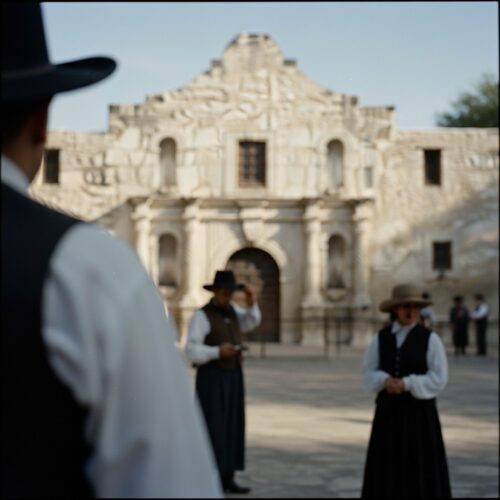
The Alamo stands as a powerful symbol of Texas liberty and resilience. This historic site is not just a building; it’s a testament to the bravery of those who fought for independence.
Historical Context of The Alamo
The Alamo was originally built in the 18th century as a Spanish mission. It became famous during the 1836 battle when a small group of Texan defenders fought against a much larger Mexican army. Their sacrifice has made the Alamo a cornerstone of Texan identity. Today, it represents the fight for freedom and courage in the face of overwhelming odds.
Visitor Experience and Tours
Visitors can explore the Alamo and learn about its rich history through guided tours. Here’s what to expect:
- Admission: Free, but donations are appreciated.
- Guided Tours: Available daily, offering insights into the events that took place there.
- Exhibits: The site features artifacts and displays detailing the battle and its significance.
Nearby Attractions
While visiting the Alamo, take time to explore other nearby landmarks:
- San Antonio Missions: A UNESCO World Heritage Site, these missions provide a glimpse into 18th-century life.
- River Walk: Just a short walk away, enjoy dining and shopping along the scenic waterways.
- Market Square: Experience local culture with shops and restaurants celebrating Texan and Mexican heritage.
The Alamo is more than just a historical site; it’s a pivotal part of Texas pride and American history. When planning your trip, consider visiting during Texas Independence Day in March for special events and reenactments.
11. Empire State Building: An Icon of New York City
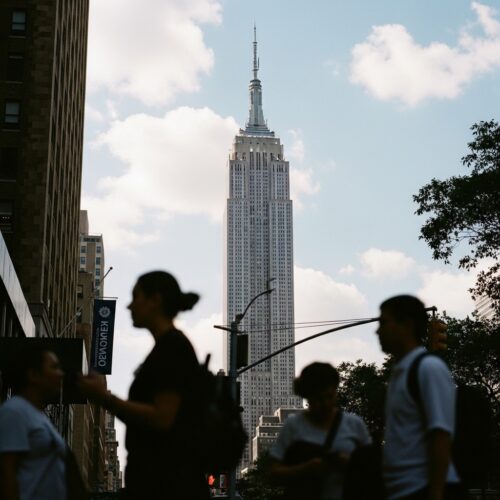
The Empire State Building is a must-see landmark. It’s not just tall; it’s filled with history and breathtaking views.
Historical Significance
Completed in 1931, this iconic skyscraper was once the tallest building in the world. Standing at 1,454 feet, it symbolizes New York City’s ambition. The building has been featured in countless films and has become a cultural touchstone. It’s recognized as a National Historic Landmark, attracting around three million visitors each year.
Visitor Tips and Ticket Information
- Tickets: Buy tickets online to skip the lines. Consider the VIP option for less waiting time.
- Best Viewing Levels: The 86th and 102nd-floor observatories offer stunning views.
- Accessibility: The building is wheelchair accessible, making it easy for everyone to enjoy.
Best Times for Photography
The best time to capture the Empire State Building is during the golden hour, just before sunset. Here’s a quick tip: try to visit on a clear day for the best visibility. If you want to avoid crowds, early mornings are your best bet.
Special Events and Exhibitions
Throughout the year, the Empire State Building hosts various exhibitions. These include showcases on its construction and architectural significance. During holidays, the building is beautifully lit, making for fantastic photo opportunities. Plan your visit around these special events for a unique experience!
12. Lincoln Memorial: Tribute to a Great Leader

The Lincoln Memorial stands as a powerful tribute to Abraham Lincoln, the 16th president of the United States. It symbolizes unity and freedom, making it a must-see landmark in America.
Historical Context of the Memorial
Completed in 1922, the Lincoln Memorial features a stunning 19-foot-tall marble statue of Lincoln seated in a grand neoclassical temple. The interior walls are inscribed with the Gettysburg Address and Lincoln’s Second Inaugural Address. These speeches echo the ideals of liberty and equality.
The memorial is not just about Lincoln; it played a significant role in civil rights movements. For example, Martin Luther King Jr. delivered his iconic “I Have a Dream” speech here in 1963. This landmark has become a site for social change and a gathering place for those advocating for equality.
Visitor Tips for Exploring
- Best Times to Visit: Early morning or late afternoon offers the best experience. You’ll avoid crowds and enjoy softer light for photos.
- Photography Tips: Capture the memorial from different angles. The reflection pool in front provides a stunning mirror effect.
- Safety Tips: Stay on designated paths and be mindful of evening security if visiting after dark.
Nearby Attractions
While at the Lincoln Memorial, consider these nearby spots:
- Washington Monument: Just a short walk away, this iconic structure is a must-visit.
- Vietnam Veterans Memorial: A poignant tribute that’s also within walking distance.
- National World War II Memorial: Located along the Reflecting Pool, it’s a beautiful reminder of the sacrifices made during the war.
These attractions enhance your experience and provide a deeper understanding of American history.
13. The White House: Seat of Power
The White House is not just a building; it’s a symbol of American democracy. This iconic landmark has been the official residence of every U.S. president since John Adams. It’s a must-see when you’re exploring America’s historical sites.
Historical background
Built between 1792 and 1800, the White House showcases Neoclassical architecture. Designed by James Hoban, it features a stunning façade of Aquia Creek sandstone. Over the years, it has undergone renovations and expansions, particularly after the British burned it during the War of 1812.
Key facts about the White House:
- Location: 1600 Pennsylvania Avenue, Washington, D.C.
- Style: Neoclassical
- Significant Events: Home to many historic meetings and gatherings, including the signing of important legislation.
Public tours and visitor information
The White House offers public tours, but you need to plan ahead. Tours require advance arrangements through a member of Congress. Visitors can view beautiful rooms like the East Room and the State Dining Room.
Visitor Tips:
- Advance Booking: Tours should be booked at least 21 days in advance.
- Security: Expect security checks. Bring a valid ID.
- Best Time to Visit: Spring and fall have the best weather and fewer crowds.
Significant events held at the White House
Throughout its history, the White House has hosted landmark events. Presidential inaugurations, state dinners, and even major policy announcements take place here.
Notable events include:
- The signing of the Civil Rights Act in 1964.
- Hosting international leaders for critical diplomatic negotiations.
The White House’s rich history and vibrant present make it an essential stop on your American landmark bucket list. Don’t forget your camera; the views of the building against the backdrop of Lafayette Square are stunning!
14. Independence Hall: Birthplace of America
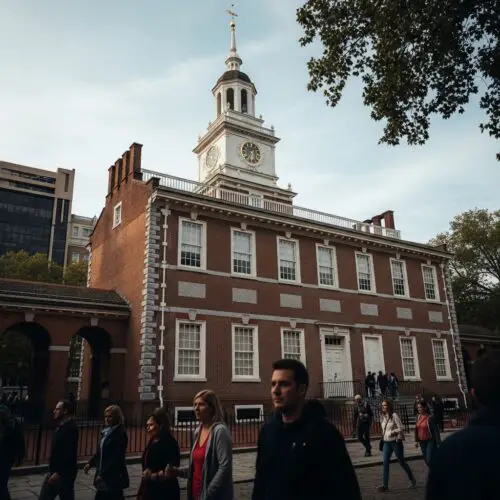
Independence Hall is a must-visit landmark in America. It’s where history was made, and it’s just as significant today. Let’s dive into what makes this place so special.
Historical context of Independence Hall
Independence Hall, located in Philadelphia, is the birthplace of both the Declaration of Independence and the U.S. Constitution. Here, the Founding Fathers debated and adopted these pivotal documents. It’s a prime example of American democracy in action.
- Built: 1753
- Significance: Site of the Second Continental Congress
- Notable Events:
- Adoption of the Declaration of Independence in 1776
- Signing of the U.S. Constitution in 1787
Visitor experience and tours
When you visit Independence Hall, you’ll want to take a guided tour. These tours are free but require tickets, which can be reserved online in advance. They fill up fast, especially during peak tourist seasons.
- Tour Highlights:
- Explore the Assembly Room, where the Declaration of Independence was signed.
- Learn about the debates and decisions that shaped the nation.
- See the original bell, which rang to mark the signing of the Declaration.
Nearby attractions
Independence Hall is surrounded by other historical sites, making it easy to spend a day exploring. Nearby, you can check out:
- Liberty Bell: Just a short walk away, this iconic symbol of freedom is a must-see.
- Independence Visitor Center: Great for picking up maps and learning about more sites in the area.
- Betsy Ross House: Discover the story of the woman who sewed the first American flag.
Visiting Independence Hall offers not just a glimpse into the past but a chance to connect with the ideals that shaped America. It’s an essential stop on your 2026 bucket list!
15. Gettysburg National Military Park: A Historic Battle Site
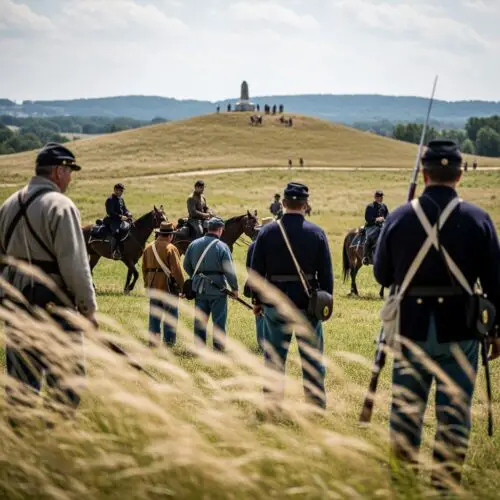
Gettysburg National Military Park is a must-visit for history buffs and anyone wanting to understand America’s past. This site marks one of the most crucial battles of the Civil War. It’s not just about the battles; it’s about the stories, the sacrifices, and the legacy left behind.
Overview of the Battle of Gettysburg
The Battle of Gettysburg took place in July 1863. It was a turning point in the Civil War, with Union and Confederate forces clashing fiercely. The Union victory here halted the Confederate invasion of the North. This three-day battle is often considered the war’s most significant conflict.
Visitor Tips and Museum Information
When visiting Gettysburg, plan to spend a full day exploring. The park features a visitor center that hosts a fantastic museum. Here are some tips for your visit:
- Take a guided tour: This will enhance your understanding of the battlefield.
- Explore the museum: It showcases artifacts, photographs, and personal stories from the war.
- Check out the film: The park offers a short film that provides context for the battle.
Significant Memorials in the Park
There are numerous memorials and monuments at Gettysburg. Each tells a story of bravery and sacrifice. Some notable ones include:
- The Pennsylvania Memorial: It honors the soldiers from Pennsylvania who fought here.
- The Eternal Light Peace Memorial: A symbol of reconciliation.
- Soldiers’ National Cemetery: Final resting place for many who fought in the battle.
These memorials are perfect spots for reflection. Don’t miss the chance to learn about the reenactments held here. They bring history to life, offering a unique perspective on the events of 1863.
16. Pearl Harbor: A Historical Landmark

Pearl Harbor stands as a poignant reminder of a pivotal moment in American history. This site marks the location of the 1941 attack that led the U.S. into World War II. Let’s dive into its significance and what you can expect when visiting.
Historical significance of Pearl Harbor
On December 7, 1941, Pearl Harbor was attacked by Japanese forces. This surprise assault led to the loss of over 2,400 American lives and prompted the U.S. to enter the war. The USS Arizona Memorial is the centerpiece of the site. It honors the sailors and Marines who perished that day.
- Memorial Facts:
- USS Arizona: The sunken battleship is a grave for 1,177 crew members.
- Visitor Stats: About 2 million people visit each year.
- Historical Context: The memorial serves to educate visitors about the attack’s impact and the sacrifices made by servicemen.
Visitor tips for the memorial
Planning your visit to Pearl Harbor? Here are some tips to enhance your experience:
- Arrive Early: The site gets crowded, especially during weekends and holidays.
- Take the Boat Tour: Access the USS Arizona Memorial only by boat. Make sure to reserve your tickets in advance.
- Guided Tours: Consider joining a ranger-led tour for deeper insights into the history and stories of Pearl Harbor.
- Respectful Attire: Since it’s a memorial, dress modestly to honor those who lost their lives.
Nearby attractions
While you’re in the area, check out these nearby sites:
- Battleship Missouri Memorial: Explore the battleship where WWII ended.
- Pearl Harbor Aviation Museum: Discover the history of aviation during the war.
- National Park Service Visitor Center: Learn more about the events of December 7 through exhibits and films.
Visiting Pearl Harbor is not just about seeing a landmark; it’s about experiencing a crucial chapter of American history. Make sure to take your time and soak in the stories that resonate from this historic site.
17. The Golden Spike National Historical Park: A Railroad Landmark

The Golden Spike National Historical Park marks a pivotal moment in American history. It symbolizes the completion of the first transcontinental railroad in 1869, connecting the East and West coasts. This achievement transformed travel and commerce in the United States.
Historical context of the Golden Spike
The Golden Spike was driven in Promontory Summit, Utah, on May 10, 1869. This event marked the union of the Central Pacific and Union Pacific railroads. It was an engineering marvel of its time. The railroad reduced travel time across the country from months to just days.
This connection opened up vast lands for settlement and economic opportunity. It played a crucial role in westward expansion. People flocked to new territories, and industries flourished. The railroad not only linked cities but also united a nation.
Visitor experience and tours
When you visit the Golden Spike National Historical Park, you can witness a reenactment of the historic event. The park features a visitor center with exhibits detailing the railroad’s history. You can also explore the original locomotives on display.
Here’s what to expect during your visit:
- Guided Tours: Knowledgeable rangers lead informative tours.
- Interactive Exhibits: Engage with hands-on displays about railroad technology.
- Scenic Views: Enjoy breathtaking landscapes of Utah’s high desert.
Nearby attractions
While in the area, consider visiting these nearby sites:
- Antelope Island State Park: Spot bison and enjoy stunning views of the Great Salt Lake.
- Ogden’s Historic 25th Street: Explore shops, restaurants, and local history.
- Bear Lake: Perfect for water activities and relaxing by the shore.
Visiting the Golden Spike National Historical Park is not just about seeing a landmark; it’s about experiencing a monumental achievement that shaped America. Make sure to take your time and appreciate the impact of the railroad on the nation’s growth.
18. The Space Needle: Seattle’s Iconic Structure

The Space Needle is a must-see landmark in Seattle. Towering at 605 feet, it offers stunning views of the city and beyond. Let’s dive into its significance and what you can expect when you visit.
Historical background of the Space Needle
The Space Needle was built for the 1962 World’s Fair. It represents Seattle’s vision of the future. This iconic structure was designed by architect Edward Carlson and sculptor John Graham. It quickly became a symbol of innovation and creativity. Over the years, it has attracted millions of visitors, solidifying its status as a cultural landmark.
Visitor experience and dining options
When you visit the Space Needle, the experience is unforgettable. You can take a high-speed elevator to the observation deck. Once there, enjoy panoramic views of Mount Rainier, Puget Sound, and the city skyline.
For a unique dining experience, check out the rotating restaurant at the top. It’s a great way to enjoy a meal while taking in the scenery. The Space Needle welcomes over a million visitors each year, making it a bustling hub of activity.
Best times for photography
For breathtaking photos, visit during the golden hour—just before sunset. The soft light creates a magical atmosphere. Also, consider weekdays for fewer crowds. Early mornings offer clear skies and stunning views.
Photography Tips:
- Use a wide-angle lens for expansive views.
- Capture the Space Needle with the city skyline as a backdrop.
- Don’t forget to snap some shots from below to show its towering height.
Special Events: The Space Needle hosts various events throughout the year. Check their calendar for seasonal celebrations, including New Year’s Eve fireworks and special light shows.
Visiting the Space Needle is an experience filled with history, breathtaking views, and delicious dining options. It’s a highlight in any trip to Seattle and definitely deserves a spot on your bucket list for 2026!
19. The Biltmore Estate: A Glimpse into History

The Biltmore Estate is a true gem nestled in Asheville, North Carolina. This majestic mansion is not just a house; it’s a piece of history that gives visitors a peek into the Gilded Age.
Overview of the Biltmore Estate’s history
Built by George Vanderbilt in the late 19th century, the Biltmore is the largest privately-owned estate in the U.S. The estate spans over 8,000 acres and features a stunning 250-room château. The architecture is inspired by European castles, making it a unique sight in America.
Did you know that the estate took six years to build? Completed in 1895, it showcases intricate details and luxurious finishes. From the grand staircases to the breathtaking gardens, every corner tells a story of opulence.
Visitor tips and tour information
Visiting the Biltmore is an experience you won’t forget. Here are some tips to make the most of your trip:
- Best Time to Visit: Spring and fall are ideal for enjoying the gardens in full bloom or vibrant autumn colors.
- Tours Available: Choose from self-guided or guided tours. Each offers insights into the estate’s history and architecture.
- Photography Opportunities: Don’t miss the iconic front facade and the beautifully landscaped gardens. Early morning light is perfect for stunning photos!
Nearby attractions
After exploring the Biltmore, check out these nearby spots:
- Blue Ridge Parkway: Perfect for scenic drives and hiking.
- Asheville’s River Arts District: A vibrant area filled with local artists and galleries.
- Pisgah National Forest: Ideal for nature lovers looking for outdoor activities.
With its rich history and stunning architecture, the Biltmore Estate is a must-see on your bucket list for 2026!
20. Mount Vernon: Home of George Washington
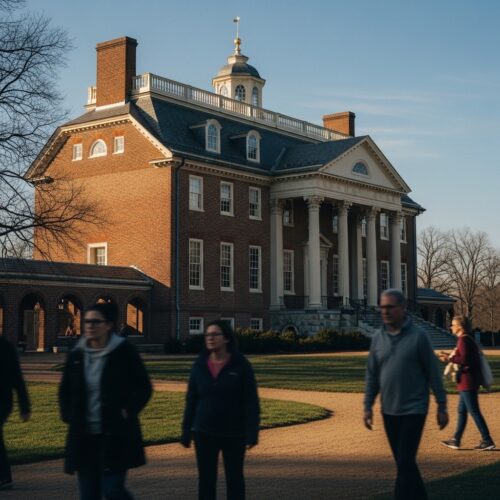
Mount Vernon is the historic estate of George Washington, the first President of the United States. Located just outside Washington, D.C., this landmark offers a glimpse into the life of one of America’s most influential figures.
Historical significance of Mount Vernon
Mount Vernon was established in the 18th century and served as Washington’s beloved home. The estate reflects his life, values, and the early years of America. Visitors can explore the mansion, which features original furnishings and stunning views of the Potomac River.
- George Washington’s Legacy: Mount Vernon symbolizes Washington’s leadership and dedication to the nation.
- Architectural Style: The mansion showcases Georgian architecture, making it a beautiful example of early American design.
Visitor experience and tours
When you visit Mount Vernon, expect guided tours that bring the estate’s history to life. Knowledgeable guides share fascinating stories about Washington’s daily life and the people who worked and lived there.
- Self-Guided Tours: Explore at your own pace with an audio guide.
- Daily Life Insights: Learn about the farming practices and household management during Washington’s time.
- Photography Opportunities: Capture the stunning gardens and the iconic mansion. Early morning light is perfect for photos!
Nearby attractions
After visiting Mount Vernon, consider exploring these nearby attractions:
- George Washington’s Gristmill and Distillery: Learn about Washington’s innovative agricultural practices.
- The National Mall: A short drive away, view other iconic landmarks such as the Washington Monument and the Lincoln Memorial.
- Alexandria’s Old Town: A charming area with historic buildings, shops, and restaurants.
Mount Vernon is more than just a landmark; it’s a chance to step back in time and appreciate the life of a great leader.
21. The USS Arizona Memorial: A Tribute to Heroes

The USS Arizona Memorial stands as a powerful reminder of sacrifice and bravery. It honors the 1,177 crew members who lost their lives during the attack on Pearl Harbor on December 7, 1941. This landmark is not just a historical site; it’s a place of reflection for all who visit.
Overview of the memorial’s history
The memorial was completed in 1962 and floats above the sunken battleship USS Arizona. It serves as a grave for many who perished during the attack. Visitors can learn about the events leading up to the attack and the impact it had on the United States. The site draws nearly two million visitors each year, making it one of Hawaii’s most significant landmarks.
Visitor tips and information
- Getting there: Access the memorial by taking a boat from the visitor center. It’s essential to reserve your tickets in advance, especially during peak tourist seasons.
- Best times to visit: Mornings are ideal for fewer crowds and cooler temperatures. Aim for a visit during the week for a more peaceful experience.
- What to bring: Wear comfortable shoes and bring water. The memorial is a place for quiet reflection, so keep noise to a minimum.
Nearby attractions
While you’re in the area, consider these nearby highlights:
- Pearl Harbor Historic Sites: Explore other sites like the Battleship Missouri and the Pacific Aviation Museum.
- Hickam Field: Visit the historic airfield where many pilots trained during World War II.
- Honolulu: Just a short drive away, enjoy local dining and beaches after your visit.
The USS Arizona Memorial is more than just a landmark; it’s a heartfelt tribute to the heroes who served. Your visit not only honors their memory but also deepens your understanding of an essential chapter in American history.
22. The Kennedy Space Center: A Journey into Space
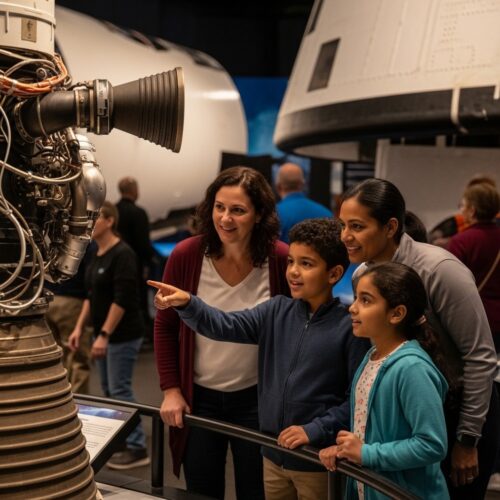
The Kennedy Space Center is a must-see for space enthusiasts and anyone curious about the cosmos. This iconic site not only celebrates America’s achievements in space exploration but also offers a peek into future missions.
Historical Overview of the Space Center
The Kennedy Space Center (KSC) opened in 1962. It was designed to support America’s space program. Since then, it has been the launch site for many famous missions, including the Apollo moon landings and Space Shuttle flights. KSC is located in Cape Canaveral, Florida, on the east coast. The facility is named after President John F. Kennedy, who famously said, “We choose to go to the moon.”
Visitor Experience and Tours
Visiting KSC is like stepping into a sci-fi movie. Here are some highlights:
- Rocket Garden: Walk among historic rockets that paved the way for space travel.
- Space Shuttle Atlantis: Get up close with the real shuttle, displayed as if it’s in flight.
- IMAX Theater: Watch stunning space-themed films on a giant screen.
- Meet Astronauts: Attend Q&A sessions with real astronauts and hear their incredible stories.
You can easily spend a whole day exploring. The center offers various tours, including guided visits to the launch sites. Check the schedule of events upon arrival for a full list of activities.
Best Times to Visit
The best time to visit KSC is during the cooler months, from November to March. This is when Florida enjoys pleasant weather. However, if you want to catch a rocket launch, check the launch schedule ahead of time. Launches can be rescheduled due to weather, so stay flexible!
Quick Tips for Your Visit:
- Plan Ahead: Book tickets online for discounts.
- Dress Comfortably: Wear comfortable shoes; there’s a lot to see.
- Stay Hydrated: Florida can get hot, so bring water.
Don’t miss the chance to learn about upcoming space missions, like Artemis, which aims to return humans to the moon. The Kennedy Space Center is not just a landmark; it’s a gateway to the future of space exploration.
23. The Chrysler Building: Iconic Architecture
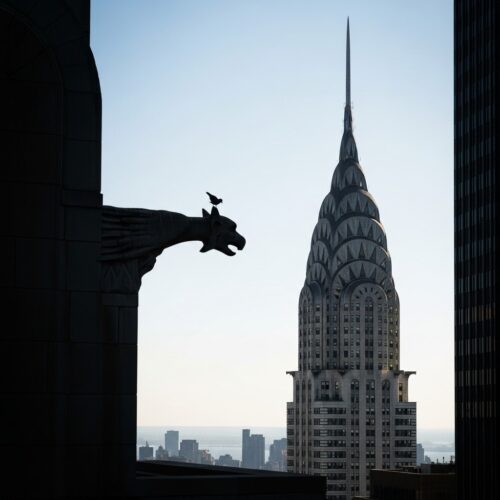
The Chrysler Building is a stunning example of Art Deco architecture. Located in New York City, it’s not just a skyscraper; it’s a symbol of the Jazz Age.
Overview of the building’s history
Completed in 1930, the Chrysler Building was designed by William Van Alen. It was once the tallest building in the world, reaching 1,046 feet. The building features a unique crown of stainless steel, which glows in the sunlight. It was built for the Chrysler automobile company, hence its name. This landmark showcases the opulence and innovation of its time.
Visitor experience and tips
When you visit the Chrysler Building, be sure to admire its intricate details. The lobby is a must-see, adorned with beautiful murals and a stunning ceiling. Unfortunately, the observation deck is not open to the public, but you can still appreciate the views from nearby locations.
Quick Tips for Your Visit:
- Best Time to Visit: Early mornings or weekdays are less crowded.
- Photography Tips: Capture the building’s art deco details from the street level.
- Nearby Attractions: Check out the New York Public Library and Bryant Park just a short walk away.
Nearby attractions
The Chrysler Building is surrounded by other iconic sites. You can stroll to Grand Central Terminal, another architectural gem, or visit the Museum of Modern Art. Each offers a glimpse into New York’s rich history and culture.
Visiting the Chrysler Building is like stepping back into a time of glamour and ambition. Don’t miss this architectural marvel on your American bucket list!
24. The Smithsonian Institution: A World of Knowledge

The Smithsonian Institution is a must-see landmark in America. It’s not just a collection of museums; it’s a treasure trove of history, culture, and science. With over 20 museums and research centers, there’s something for everyone.
Overview of the Smithsonian’s mission
The Smithsonian aims to increase and diffuse knowledge. Founded in 1846, it serves as a vital part of American culture. It houses millions of artifacts and specimens. You can find everything from dinosaurs to space shuttles. Each museum tells a unique story, showcasing the diversity of human experience.
Visitor experience and tips
Visiting the Smithsonian can be a delightful experience. Here are some tips to enhance your visit:
- Plan Ahead: With so many museums, decide which ones interest you most.
- Free Admission: All Smithsonian museums offer free entry. This makes it easy to explore without breaking the bank.
- Timed Passes: For popular spots like the National Air and Space Museum, consider reserving timed entry passes in advance.
- Transportation: Use the Metro for easy access to the National Mall, where most museums are located.
Popular museums within the Institution
Here are some of the most popular Smithsonian museums to check out:
- National Museum of American History: Dive into the stories that shape the nation.
- National Museum of Natural History: Discover the wonders of the natural world.
- National Air and Space Museum: Explore the history of aviation and space exploration.
- Smithsonian American Art Museum: Enjoy an extensive collection of American art.
Special Exhibitions and Events
Keep an eye out for special exhibitions and events throughout the year. These can range from guest lectures to hands-on activities for families. Check the Smithsonian’s official website for the latest updates.
Experiencing the Smithsonian is more than just a visit. It’s an exploration of knowledge that stays with you long after you leave. Whether you’re a history buff or just looking for a fun day out, the Smithsonian should be on your bucket list for 2026!
25. The Gateway Arch: A Tribute to the Westward Expansion
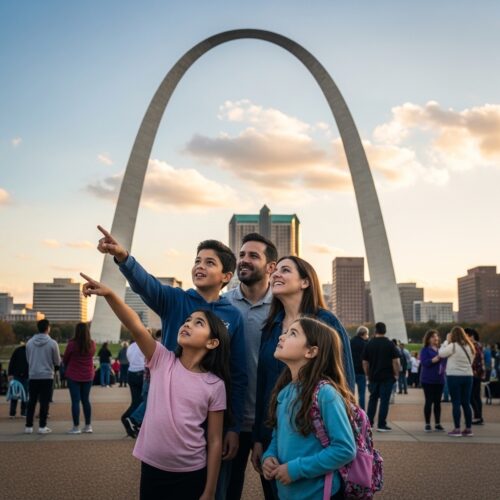
The Gateway Arch stands tall at 630 feet in St. Louis, Missouri. It’s a stunning symbol of America’s westward expansion and a must-see landmark in 2026.
Historical Background of the Gateway Arch
Designed by architect Eero Saarinen, the Gateway Arch was completed in 1965. It commemorates St. Louis’s role in the westward movement during the 19th century. The arch’s sleek stainless steel design is not just beautiful; it’s a reflection of modern engineering.
- Significance: Represents the “Gateway to the West.”
- Construction Details: Took two years to build, featuring a unique construction method that included a self-supporting structure.
Visitor Experience and Tours
Visiting the Gateway Arch is an unforgettable experience. You can take a tram ride to the top for panoramic views of St. Louis and the Mississippi River.
- Observation Deck: Offers breathtaking sights, especially at sunset.
- Museum: Explore the underground museum that details the history of the arch and the westward expansion.
Tips for your visit:
- Best Time to Go: Early morning or late afternoon to avoid crowds.
- Ticket Information: It’s advisable to book tickets in advance, especially during peak seasons.
Nearby Attractions
The Gateway Arch is in a vibrant area with plenty to do. After your visit, check out these nearby attractions:
- Citygarden: A beautiful urban park featuring art installations.
- Old Courthouse: Historic site where the Dred Scott case was tried.
- Laclede’s Landing: Offers dining and entertainment options along the riverfront.
These spots make for a perfect day trip alongside your visit to the Gateway Arch. Enjoy the blend of history, culture, and stunning views!
26. The National Park Service: Preserving America’s Treasures
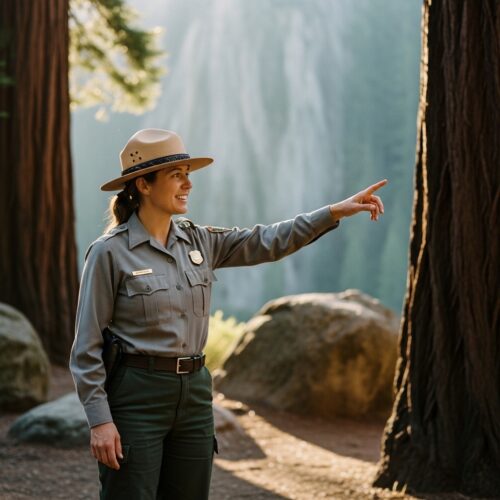
The National Park Service (NPS) plays a vital role in protecting America’s natural and cultural landmarks. With over 400 sites, it ensures these treasures remain for generations to enjoy.
Overview of the National Park Service’s mission
The NPS was established in 1916. Its mission is to conserve the scenery, natural and historic objects, and wildlife in national parks. This helps provide enjoyment for future visitors. They focus on education, preservation, and recreation.
Visitor experience and tips
Visiting national parks managed by the NPS can be an unforgettable experience. Here are some tips to enhance your visit:
- Plan Ahead: Always check the park’s website for current conditions and events.
- Arrive Early: Get there before the crowds to enjoy peace and quiet.
- Stay Hydrated: Bring plenty of water, especially on hikes.
- Respect Nature: Stay on designated trails to protect the environment.
Key parks managed by the service
Some of the most iconic landmarks in America are under the care of the NPS. Here are a few must-sees:
- Yellowstone National Park: The first national park in the world, known for geysers and diverse wildlife.
- Yosemite National Park: Famous for its massive granite cliffs and ancient sequoias.
- Grand Canyon National Park: Offers breathtaking views and hiking opportunities along its vast rim.
Conservation efforts and visitor engagement
The NPS actively engages visitors in conservation efforts. They offer programs like:
- Junior Ranger Programs: Kids can learn about nature and earn badges.
- Volunteer Opportunities: Help with park maintenance or educational programs.
- Guided Tours: Knowledgeable rangers provide insights into the park’s history and ecology.
Engaging with these programs enhances your experience and connects you deeper with the park. Whether you’re a history buff or a nature lover, the NPS ensures every visitor leaves with lasting memories.
27. The Martin Luther King Jr. Memorial: A Legacy of Peace

The Martin Luther King Jr. Memorial is a powerful tribute to one of America’s most iconic leaders. It honors his dedication to justice, equality, and nonviolence. This captivating memorial invites visitors to reflect on his legacy and the ongoing fight for civil rights.
Historical context of the memorial
The memorial, located in West Potomac Park, Washington, D.C., was dedicated in 2011. It features a stunning 30-foot-tall statue of Dr. King, known as the “Stone of Hope.” This sculpture emerges from a symbolic “Mountain of Despair,” representing the struggles he faced. Surrounding the statue are excerpts from his speeches, including the monumental “I Have a Dream.”
Visitor tips for exploring
When visiting the Martin Luther King Jr. Memorial, keep these tips in mind:
- Best times to visit: Early morning or late afternoon for fewer crowds and beautiful lighting.
- Guided tours: Consider taking a guided tour to gain deeper insights into Dr. King’s life and work.
- Photography: Capture the statue from different angles. The reflection pool nearby offers stunning shots.
Nearby attractions
The memorial is situated near other famous landmarks. Here are a few you might want to check out:
- Lincoln Memorial: A short walk away, this iconic site honors President Lincoln and features his famous speeches inscribed on the walls.
- Washington Monument: Just a few minutes from the memorial, this towering obelisk is a must-see.
- National World War II Memorial: Located at the east end of the Reflecting Pool, this memorial honors those who served in WWII.
Visiting the Martin Luther King Jr. Memorial is not just a trip; it’s an experience that connects you with American history and the ongoing journey toward equality.
28. The National WWII Museum: A Tribute to Valor

The National WWII Museum in New Orleans is a powerful reminder of the courage and sacrifice during World War II. It’s not just a museum; it’s an emotional journey through history.
Overview of the museum’s history
Founded in 2000, this museum started as the National D-Day Museum. It quickly grew into a comprehensive tribute to all aspects of the war. The museum showcases the American experience during WWII, from military operations to civilian efforts on the home front. Its mission is to educate and honor, making it a must-visit landmark.
Visitor experience and tips
Planning your visit? Here are some tips to enhance your experience:
- Allocate enough time: Aim for at least three hours to explore fully.
- Guided tours: Consider joining a guided tour for deeper insights.
- Interactive exhibits: Engage with hands-on displays to feel the history come alive.
- Check for events: Look out for special exhibits or events during your visit.
Key exhibits to explore
The museum features several key exhibits that you shouldn’t miss:
- The Road to Berlin: This exhibit details the European theater of the war, highlighting pivotal battles and strategies.
- The Pacific Theater: Explore the intense battles fought across the Pacific and the stories of those who served.
- The Home Front: Discover how everyday Americans contributed to the war effort, from rationing to manufacturing.
One unique aspect of the museum is the personal stories shared throughout the exhibits. You’ll find firsthand accounts from veterans, giving a personal touch to the historical narrative. These stories provide a deeper understanding of the sacrifices made and the impact of the war on American life.
For a memorable experience, pair your visit with a stop at local eateries nearby. Indulge in some classic New Orleans cuisine to round out your day!
29. The National Gallery of Art: A Hub of Culture
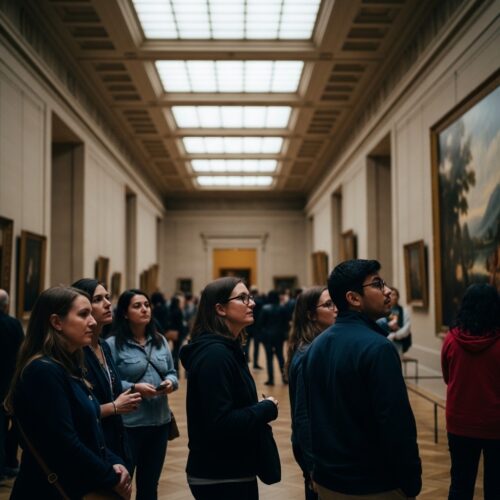
The National Gallery of Art is a must-visit landmark in Washington, D.C. It showcases an impressive collection of art that spans centuries. From classic masterpieces to modern works, there’s something for everyone.
Overview of the gallery’s collection
The gallery is divided into two main buildings: the West Building and the East Building.
- West Building: Home to European paintings, sculptures, and decorative arts. Here, you can find works by famous artists like Van Gogh, Rembrandt, and Monet.
- East Building: Focuses on modern and contemporary art. It features pieces from artists like Calder and Rothko.
Each piece tells a story, reflecting the cultural significance of its time.
Visitor experience and tips
Visiting the National Gallery of Art is an enriching experience. Here are some tips to enhance your visit:
- Admission: Free! Yes, you can enjoy world-class art without spending a dime.
- Hours: Open daily, but check for holiday hours.
- Guided Tours: Consider joining a guided tour for insights into the collection.
- Photography: Snap pictures in designated areas, but remember to respect the art.
Notable exhibitions
The gallery hosts rotating exhibitions that highlight specific artists or themes. Here are a few noteworthy upcoming exhibitions:
- Artist Showcases: Look for showcases featuring contemporary artists. These often include interactive installations.
- Historical Exhibitions: Themed exhibits that explore movements or styles, perfect for art history buffs.
Checking the gallery’s website for details on current and upcoming exhibitions can help you plan your visit around special events.
Make sure to stop by the museum shop for unique art-related gifts and books to remember your visit!
30. The Brooklyn Bridge: Connecting New York

The Brooklyn Bridge is an iconic symbol of New York City. It connects Manhattan and Brooklyn over the East River. Let’s dive into its history, visitor experiences, and best photography spots!
Historical context of the bridge
Completed in 1883, the Brooklyn Bridge was the first steel-wire suspension bridge. It transformed urban transportation. John A. Roebling designed it, but he passed away before its completion. His son, Washington Roebling, took over the project. This bridge was a marvel of engineering for its time, stretching 1,595 feet and once being the longest suspension bridge in the world.
Visitor experience and tours
Walking across the Brooklyn Bridge offers breathtaking views of the skyline and the river. It’s a favorite among locals and tourists alike. Here are some tips for your visit:
- Best time to visit: Early morning or late afternoon for fewer crowds and stunning light.
- Tours available: Many guided tours provide insights into the bridge’s history and engineering.
- Accessibility: The bridge has a pedestrian walkway, perfect for walkers and cyclists.
Best photography spots
Capture the beauty of the Brooklyn Bridge from several stunning angles. Here’s where to snap the best pics:
- From Brooklyn Bridge Park: Get a sweeping view of the bridge with the Manhattan skyline.
- DUMBO: The famous street view framed by the bridge is a must-do.
- On the bridge itself: Don’t forget to capture the unique details of the bridge’s towers and cables.
Unique insight: The Brooklyn Bridge faced significant engineering challenges, especially during its construction. The caissons used for the bridge’s foundation were innovative but posed risks, including decompression sickness for workers. This historical context adds depth to your visit, giving you a greater appreciation for the bridge’s beauty and significance.
31. Conclusion: Your Ultimate Bucket List

These landmarks are not just sites; they are stories, histories, and experiences waiting to be explored. Each offers a unique glimpse into America’s heart and soul. Are you ready to dive into this adventure?
Why You Should Visit
- Cultural Significance: Each landmark tells a part of America’s story. From the Statue of Liberty symbolizing freedom to the Grand Canyon showcasing nature’s beauty, these sites enrich your understanding of the country.
- Breathtaking Views: Imagine standing at the edge of the Grand Canyon or overlooking the skyline from the Empire State Building. These sights are unforgettable.
- Unique Experiences: Visiting these landmarks is more than just sightseeing. It’s about making memories. Whether you’re hiking in Yosemite or enjoying the nightlife on the Las Vegas Strip, adventure awaits.
Tips for Planning Your Visits
- Best Times to Go: Research the peak seasons for each landmark. For example, spring and fall are ideal for visiting national parks to avoid crowds and enjoy mild weather.
- Travel Itineraries: Consider a route that connects multiple landmarks. For instance, you can visit the Golden Gate Bridge, then head to Yosemite, and finish with the stunning views at Lake Tahoe.
- Safety First: Always check safety guidelines, especially in national parks. Be prepared for varying terrain and weather conditions.
Create Your Own Bucket List
Now that you know the must-see landmarks, it’s time to make it personal. Add your favorite spots and plan your journey. Here’s a simple checklist to get you started:
- List Landmarks: Write down your top 10 landmarks you want to see.
- Research Travel Tips: For each, gather tips on the best times to visit and what to do nearby.
- Connect with Others: Share your plans with friends or family. Maybe they’ll want to join the adventure!
Get your camera ready, pack your bags, and start planning! These iconic landmarks are calling your name.
Frequently Asked Questions
These quick answers cover the most common questions about this topic, including key details, practical tips, and common concerns.
How do I visit the Grand Canyon?
You can visit the Grand Canyon by car, bus, or guided tour. Most visitors fly into nearby airports like Flagstaff or Las Vegas and rent a car. Once there, explore viewpoints like Mather Point or Yavapai Observation Station. For a more immersive experience, consider hiking, mule rides, or rafting trips.
How to get to the Statue of Liberty?
The best way to visit the Statue of Liberty is by ferry from Battery Park in New York City. Tickets can be purchased online in advance, including options for pedestal or crown access. The ferry ride offers great views of Manhattan and Ellis Island.
Why is the Grand Canyon a must-see?
The Grand Canyon’s immense size and colorful rock layers tell a story of Earth’s geological history. Its breathtaking vistas and natural formations make it unique. Visiting offers a chance to connect with nature and witness one of the world’s most impressive natural wonders.
Why visit Mount Rushmore?
Mount Rushmore symbolizes American history and patriotism. Carved into granite, it features four presidents who shaped the nation. It’s a powerful reminder of democracy and leadership, attracting millions for its artistry and historical significance.
When is the best time to visit Yosemite National Park?
The best times are spring (April–June) and fall (September–October). Spring offers waterfalls at their fullest, while fall provides vibrant foliage and fewer crowds. Summer is popular but can be crowded, and winter is ideal for snow activities.
Are there any entry fees for these landmarks?
Most national landmarks and parks charge entrance fees. For example, the Statue of Liberty ferry and Mount Rushmore have ticket costs. Many national parks like Yosemite and Yellowstone require a pass, which can be purchased online or at the entrance. Some city landmarks, like the Golden Gate Bridge, are free to view but may charge for access to certain areas.
What are common mistakes when visiting landmarks?
Failing to plan ahead can lead to long lines or missed opportunities. Not checking opening hours, ticket requirements, or weather conditions can disrupt your visit. Overpacking or neglecting safety tips, especially in parks, can also cause issues.
Can I visit multiple landmarks in one day?
It’s possible but challenging. Focus on landmarks close to each other, like the Lincoln Memorial and Washington Monument in D.C., or the Golden Gate Bridge and Alcatraz in San Francisco. For longer trips, plan a multi-day itinerary to enjoy each site comfortably.