
Hackberry trees (Celtis occidentalis) are fascinating deciduous trees known for their ecological significance and unique characteristics [1]. In this article, we will explore 36 interesting facts about hackberry trees that highlight their importance in nature and their various uses.
1. Hackberry Trees Are Native to North America
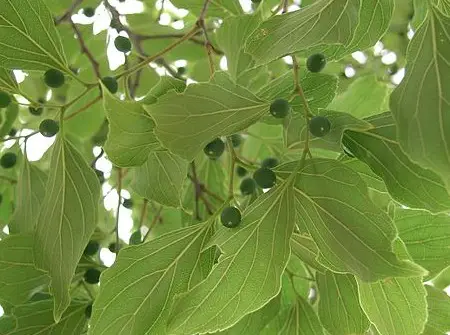
Hackberry trees (Celtis occidentalis) are primarily found in the central and eastern regions of North America. Their adaptability to various environments makes them vital to many ecosystems.
Native Habitats Include Woodlands and Riverbanks
Hackberry trees thrive in diverse habitats. They commonly grow in:
- Upland forests
- Lowland areas
- Along riverbanks
These locations provide essential resources for their growth. They flourish in both well-drained and moist soils, showcasing their ecological versatility.
Table of Contents
Ecological Significance in North American Forests
Hackberry trees play a crucial role in their ecosystems. They provide food and habitat for numerous wildlife species. Birds, such as the American Robin and Cedar Waxwing, rely on their berries for sustenance. Additionally, hackberry trees support insects, including butterflies and bees, which are essential for pollination.
- Biodiversity Support: Hackberry trees enhance biodiversity by serving as a food source for various species.
- Soil Improvement: Their root systems help stabilize soil, preventing erosion along riverbanks.
These trees are also valuable for urban planning. Their resilience to pollution and ability to thrive in compacted soil make them ideal for city environments. Hackberry trees contribute to the greenery and aesthetics in urban settings, improving air quality and providing shade.
Adaptability to Various Climates
Hackberry trees are known for their remarkable adaptability. They can endure both drought and flood conditions. This resilience allows them to grow in a wide range of climates across North America. From the Midwest to the eastern United States, hackberry trees have established themselves as a staple in many landscapes.
- Growth Range: They thrive in USDA hardiness zones 2 through 9, making them suitable for various regions.
- Environmental Role: Their ability to sequester carbon helps mitigate climate change impacts, proving beneficial for the environment.
Hackberry trees exemplify how one species can significantly impact ecological health and urban landscapes. Their presence supports wildlife, improves soil quality, and enhances human environments.
2. Hackberry Trees Play a Vital Role in Ecosystems
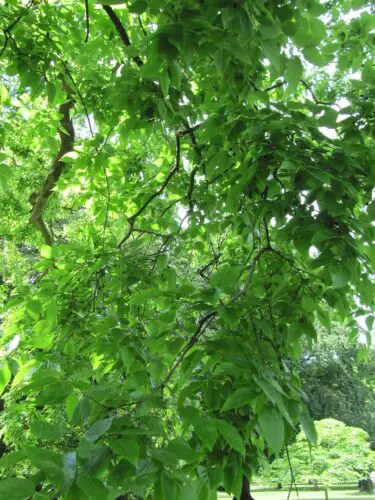
Hackberry trees (Celtis occidentalis) significantly contribute to their ecosystems. They provide essential food sources and habitats for various wildlife species. Understanding these roles highlights their ecological importance.
Support for Birds and Pollinators
Hackberry trees attract numerous birds and pollinators. Their berries serve as a nutritious food source, especially in late summer and fall. Birds like the American Robin and Cedar Waxwing flock to these trees for sustenance. Studies show that over 30 bird species depend on hackberry trees for food and shelter [1].
In addition to birds, hackberry trees support many insects, including butterflies and bees. These insects play a crucial role in pollination, enhancing the reproductive success of many plants.
Soil Stabilization Benefits
Hackberry trees also improve soil health. Their extensive root systems prevent erosion and promote nutrient cycling. This stabilization is vital in areas prone to heavy rains and flooding.
The trees help maintain soil integrity, making them beneficial for urban landscapes. In cities, hackberry trees contribute to better soil quality and reduce the risk of washouts.
Ecological Diversity and Habitat
Hackberry trees foster biodiversity within their ecosystems. They provide habitats for various species, from insects to small mammals. This diversity is crucial for maintaining balanced ecosystems.
By planting hackberry trees, we can help restore habitats lost to urbanization. Each tree contributes to the local food web and supports wildlife interactions. Their ability to thrive in various conditions makes them valuable for ecosystem health [1].
3. Hackberry Fruits Are Edible for Humans
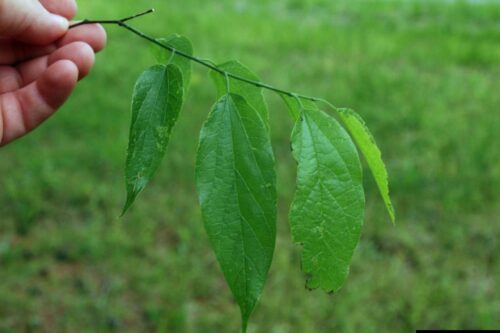
Hackberry fruits, often overlooked, are not just food for wildlife. They are nutritious and versatile for human consumption. Let’s explore their nutritional value and culinary uses.
Nutritional Value of Hackberry Berries
Hackberry berries are small, round, and packed with nutrients. They contain:
- Vitamins: Rich in Vitamin C and antioxidants, supporting immune health.
- Minerals: Include potassium, magnesium, and calcium, which are essential for various bodily functions.
- Fiber: Promotes digestive health.
These berries have a sweet, caramel-like flavor, making them enjoyable to eat raw or in dishes. They are low in calories, making them a healthy snack option [5].
Common Preparations and Uses
Hackberry fruits can be used in various culinary applications. Here are a few popular ways to enjoy them:
- Raw Consumption: Eat them fresh as a snack.
- Jams and Jellies: Cook hackberries down with sugar to create delicious spreads.
- Baking: Incorporate them into muffins or bread for added sweetness and nutrition.
- Smoothies: Blend them into smoothies for a natural sweetener.
One original recipe idea is to create Hackberry Pie. Combine ripe hackberries with sugar, cornstarch, and a splash of lemon juice. Pour the mixture into a pie crust, bake until bubbly, and enjoy a unique dessert that highlights the fruit’s flavor.
Traditional Uses in Indigenous Cultures
Indigenous peoples have long utilized hackberry fruits. They would harvest the berries in the fall, using them in various dishes. Traditional recipes often involved drying the fruits for winter use. This practice showcases the hackberry’s role as a reliable food source, emphasizing its cultural significance alongside its nutritional benefits [4].
4. Hackberry Trees Have Unique Physical Characteristics
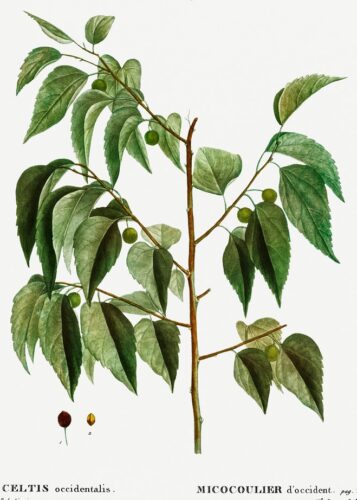
Hackberry trees possess distinctive physical traits that set them apart from other species. Their bark and leaves showcase unique characteristics that contribute to their ecological significance.
Color and Texture of the Bark
Hackberry trees feature rough, warty bark that is typically gray-brown. This texture becomes more pronounced as the tree matures. The bark not only provides a unique aesthetic but also serves practical functions. It offers protection from pests and environmental stressors. This resilience makes hackberries an excellent choice for urban landscapes.
Leaf Shapes and Seasonal Changes
Hackberry leaves are ovate with serrated edges, growing up to 4 inches long. Their bright green color in summer transforms into a lovely yellow in fall, adding vibrancy to the landscape. The asymmetrical base of the leaves is particularly charming and visually distinct.
Here’s a quick comparison of hackberry trees with similar species:
| Feature | Hackberry | Elm | Maple |
|---|---|---|---|
| Bark Texture | Warty and rough | Smooth to slightly rough | Smooth, sometimes furrowed |
| Leaf Shape | Ovate, serrated | Asymmetrical, serrated | Palmate, lobed |
| Height | Up to 100 feet | Up to 100 feet | Varies (up to 120 feet) |
Hackberry trees adapt well to various environments, thriving in forests, riverbanks, and urban settings. Their unique characteristics not only enhance aesthetic value but also support local wildlife by providing habitat and food sources.
5. Hackberry Trees Are Known for Their Fast Growth Rate
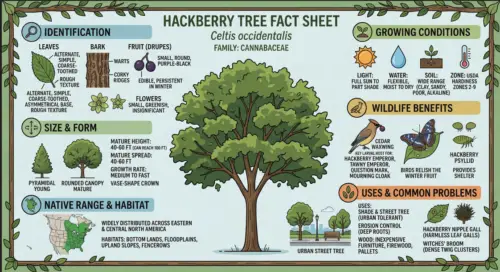
Hackberry trees are celebrated for their impressive growth rate and adaptability. They thrive in various conditions, making them a popular choice for landscapes and urban settings.
Optimal Soil and Light Conditions
Hackberry trees flourish in well-drained soil. They prefer a mix of sandy and clay soils but can tolerate a range of conditions. Full sun is ideal, though they can manage with partial shade. Here’s a quick checklist for optimal planting conditions:
- Soil Type: Well-drained, sandy to clay.
- Sunlight: Full sun to partial shade.
- Watering: Regularly during establishment; drought-tolerant once mature.
Care Tips for Young Trees
To ensure healthy growth, follow these care tips for young hackberry trees:
- Watering: Keep the soil moist but not soggy during the first two years.
- Mulching: Apply mulch around the base to retain moisture and suppress weeds.
- Pruning: Prune for shape and structure in early spring before new growth starts.
- Pest Monitoring: Check for common pests like aphids and scale insects regularly.
By adhering to these guidelines, you can nurture a thriving hackberry tree that contributes to your landscape and local ecosystem. Their fast growth and resilience make them a valuable addition to any environment.
6. Hackberry Trees Support Diverse Wildlife
Hackberry trees are vital for various wildlife species. Their presence enhances biodiversity and provides essential resources for many creatures.
Bird Species That Rely on Hackberries
Hackberry trees attract numerous bird species. They offer food and shelter, making them a favorite among avian populations. Notable bird species include:
- American Robin: These birds are often seen foraging for hackberry fruits, especially in late summer and fall.
- Cedar Waxwing: Known for their acrobatic feeding habits, these birds enjoy the small berries produced by hackberry trees.
- Northern Mockingbird: This species frequents hackberry trees, using them as perches to sing and scout for food.
The berries are rich in fats and proteins, which are crucial for birds preparing for migration. This makes hackberry trees a significant resource in their seasonal diets [1].
Insects That Benefit from Hackberry Trees
Hackberry trees also support diverse insect populations. They provide food and habitat for various insects, which in turn supports the birds that feed on them. Key insect species include:
- Hackberry Nipple Gall Maker: This insect creates galls on the leaves, which are a unique feature of hackberry trees.
- Bees and Butterflies: These pollinators are attracted to the tree’s flowers and fruits, playing a critical role in the ecosystem.
The presence of these insects enhances the ecological role of hackberry trees, fostering a rich food web that benefits many species [1].
Ecological Impact in Urban Environments
Ecologists emphasize the importance of hackberry trees in urban settings. They not only provide wildlife habitat but also improve air quality and reduce heat. Their robust root systems help prevent soil erosion and enhance nutrient cycling. In cities, where green spaces are often limited, planting hackberry trees can significantly boost local biodiversity and create healthier urban ecosystems [1].
By supporting a variety of wildlife and improving environmental conditions, hackberry trees stand out as an essential component of both natural and urban landscapes.
7. Historical Significance of Hackberry Trees
Hackberry trees hold a wealth of historical significance, particularly among indigenous peoples. These trees were integral to traditional lifestyles, serving multiple purposes beyond their ecological value.
Cultural significance among Native Americans
Native American tribes have long cherished hackberry trees. The berries, rich in nutrients and sweetness, provided a vital food source during the fall. Communities often gathered to harvest these berries, incorporating them into various dishes or drying them for winter use. This communal activity not only sustained tribes but also fostered social bonds.
- Harvesting Practices: Tribes would often organize collective harvests, showcasing the importance of community in gathering food.
- Nutritional Value: Hackberry berries are high in vitamins and minerals, making them an excellent dietary addition.
Medicinal uses throughout history
Hackberry trees also played a role in traditional medicine. The bark and leaves were used for their health benefits. Indigenous peoples brewed infusions from hackberry bark to alleviate coughs and respiratory issues. This practice highlights the tree’s medicinal potential and the wealth of knowledge passed down through generations.
- Infusion Benefits: Hackberry bark infusions can help soothe coughs and improve respiratory health.
- Traditional Knowledge: The use of hackberry in medicine reflects a deep understanding of local flora among indigenous cultures.
Anecdotes from historical texts
Historical texts reveal the significant role of hackberry trees. For instance, early settlers noted how Native Americans utilized hackberry wood for crafting tools and building structures. The wood’s durability made it a practical choice for various applications, aligning with indigenous peoples’ resourcefulness in using available materials [1].
In summary, the historical significance of hackberry trees runs deep. They provided nourishment, medicine, and materials vital to indigenous cultures. Understanding this context enriches our appreciation for these remarkable trees.
8. Common Misconceptions About Hackberry Trees
Hackberry trees often face misunderstandings that can misrepresent their value and role in the ecosystem. Here, we clarify some of the most prevalent myths surrounding these resilient trees.
Differences Between Hackberries and Elms
Many people confuse hackberry trees with elms. While both trees share some similarities, they have distinct features:
| Characteristic | Hackberry (Celtis occidentalis) | Elm |
|---|---|---|
| Leaf Shape | Ovate, serrated edges | Asymmetrical base |
| Bark | Rough, warty texture | Smooth or ridged |
| Fruit | Small, berry-like drupes | Winged samaras |
| Growth Habit | Spreading canopy | Upright, vase-shaped |
Hackberry trees are not only unique in appearance but also offer different ecological benefits compared to elms.
Misunderstandings About Their Edibility
Another common myth is that hackberries are inedible. In fact, the small fruits of hackberry trees are edible and nutritious. They have a sweet, nutty flavor, making them a food source for both wildlife and people. Native Americans historically consumed these berries and used them in various dishes. However, it’s essential to collect them from clean environments to avoid contamination from pesticides or pollutants.
Clarifying Invasive Species Concerns
Some assume that hackberry trees are invasive due to their fast growth rate. This misconception can be misleading. Hackberries thrive primarily in their native range and generally do not outcompete local flora, thus playing a beneficial role in their ecosystems. They support local wildlife by providing food and habitat without overwhelming existing plant species [1].
Summary of Common Misconceptions
- Lifespan: Hackberry trees can live for several decades, with some reaching over a hundred years.
- Growth Rate: Their rapid growth does not indicate a short lifespan; it reflects their adaptability.
- Invasiveness: They are not classified as invasive species, contributing positively to local ecosystems.
- Edibility: Hackberries are edible and nutritious, contrary to popular belief.
Understanding these misconceptions helps appreciate the true significance of hackberry trees in our landscapes and ecosystems.
9. Hackberry Trees Are Resilient and Hardy
Hackberry trees exhibit remarkable resilience in various environmental conditions. Their adaptability allows them to thrive in diverse settings, making them a valuable addition to urban and rural landscapes.
Tolerance to Drought and Flooding
Hackberry trees demonstrate exceptional drought tolerance. They can survive extended periods without water, thanks to their deep root systems. This characteristic allows them to access moisture even in arid conditions. Conversely, hackberry trees also withstand flooding. They thrive in areas with poor drainage, making them suitable for riverbanks and wetlands. Their adaptability to both extremes showcases their hardiness.
- Drought Tolerance: They can endure long dry spells without significant stress.
- Flood Resilience: They can survive waterlogged soils, thanks to their ability to tolerate poor soil quality [1].
Longevity and Lifespan of Hackberry Trees
Hackberry trees are not only resilient but also long-lived. They can survive for several decades, with some specimens reaching over a hundred years. Their rapid early growth does not compromise their lifespan; instead, it reflects their adaptability. Mature hackberry trees develop robust trunks and expansive canopies, providing shade and habitat for wildlife.
- Lifespan: Generally, they live for decades, with many surviving well over a century.
- Growth Rate: Their fast growth in youth contributes to overall resilience, allowing them to thrive in various environments.
Case Studies of Survival in Urban Settings
Hackberry trees thrive in urban environments, providing ecological benefits amidst concrete landscapes. For example, in cities like Chicago, hackberry trees flourish in parks and along streets. They not only enhance urban aesthetics but also improve air quality. Their ability to withstand pollution and compacted soils makes them ideal for city landscaping.
- Urban Adaptability: They cope well with pollution and poor soil conditions, contributing positively to urban ecosystems.
- Wildlife Support: Even in cities, they attract birds and insects, enhancing urban biodiversity.
Hackberry trees represent a perfect blend of resilience and ecological significance. Their hardiness ensures that they can adapt to a range of environmental challenges, benefiting both nature and communities alike.
10. Hackberry Trees Are Beneficial for Soil Health
Hackberry trees play a crucial role in enhancing soil health and stability. Their extensive root systems and adaptability contribute significantly to maintaining healthy ecosystems.
Impact on Soil Erosion Prevention
Hackberry trees are effective at preventing soil erosion. Their deep, robust roots bind the soil, reducing the risk of runoff during heavy rains. This stabilization is vital in areas prone to washouts. Research indicates that these trees can significantly decrease soil loss, ensuring that the land remains intact and fertile [1].
Contribution to Nutrient Cycling
Hackberry trees also enhance nutrient cycling in the soil. As they grow and shed leaves, they contribute organic matter, enriching the soil. This process fosters a rich microbial environment, promoting overall soil health. Studies show that hackberry trees can improve soil nutrient content, benefiting surrounding flora and fauna [2].
Benefits of Planting Hackberry Trees
- Soil Stabilization: Their roots prevent erosion and keep soil in place.
- Nutrient Enrichment: Fallen leaves and organic matter boost soil fertility.
- Microbial Support: They create a thriving habitat for beneficial soil organisms.
Planting hackberry trees not only beautifies landscapes but also supports a healthier soil ecosystem. Consider planting them in areas with exposed soil to maximize these benefits.
11. Hackberry Trees Are a Host for Moths and Butterflies
Hackberry trees play a crucial role in supporting various moth and butterfly species. These trees provide essential habitats and food sources, making them vital for biodiversity.
Importance of Hackberry Trees for Biodiversity
Hackberry trees, scientifically known as Celtis occidentalis, serve as host plants for numerous moth and butterfly species. Their leaves are a primary food source for larvae, enabling these insects to thrive. Notably, the common hackberry butterfly (Asterocampa celtis) relies heavily on hackberry trees for its lifecycle. The presence of these trees in an ecosystem can indicate a healthy, vibrant habitat.
- Supports Insects: Hackberry trees attract a range of insects. They are particularly important for the larvae of various moths, including the hackberry emperor moth [3].
- Bird Habitat: The abundance of insects around hackberry trees also attracts birds, creating a rich food web that benefits multiple species.
Lifecycle of Moths and Butterflies on Hackberry
The lifecycle stages of moths and butterflies are closely tied to hackberry trees. Eggs are laid on the leaves, and the resulting caterpillars feed on them. This relationship highlights the ecological importance of hackberry trees.
- Egg Stage: Female butterflies lay eggs on the underside of hackberry leaves.
- Caterpillar Stage: Newly hatched caterpillars feed on the leaves, which are rich in nutrients.
- Chrysalis Stage: After sufficient growth, caterpillars pupate, often near the tree, benefiting from the surrounding habitat.
This cycle continues, ensuring a sustainable population of these important pollinators. By planting hackberry trees, gardeners can promote the growth of local moth and butterfly populations.
Conservation Efforts Focused on Hackberry Trees
Conservation initiatives often highlight the importance of hackberry trees in maintaining biodiversity. Efforts to plant and preserve these trees can enhance local ecosystems.
- Planting Initiatives: Many environmental groups advocate for planting hackberry trees in urban and rural settings. This helps restore natural habitats.
- Monitoring Programs: Organizations monitor moth and butterfly populations to assess the health of ecosystems where hackberry trees are present.
Participating in these conservation efforts can contribute to a healthier environment and support the species that depend on hackberry trees for survival.
12. Hackberry Trees Can Be Used in Urban Landscaping
Hackberry trees thrive in urban environments, offering both aesthetic and practical benefits. Their resilience makes them a perfect choice for city planners and landscape designers.
Aesthetic Benefits in City Parks
Hackberry trees enhance the visual appeal of urban parks. Their broad canopies provide much-needed shade, making parks more inviting during hot months. They also exhibit beautiful fall colors, adding seasonal interest to urban landscapes.
- Shade Provision: Hackberry trees create comfortable areas for outdoor activities, reducing the urban heat island effect [10].
- Visual Diversity: The unique bark texture and leaf shape contribute to a varied landscape, attracting visitors.
Practical Uses in Urban Environments
Hackberry trees are not just pretty; they serve practical purposes in city planning.
- Air Quality Improvement: These trees help absorb pollutants, improving air quality in densely populated areas [11].
- Soil Stabilization: Their robust root systems prevent soil erosion, making them ideal for planting along streets and in parks [10].
- Wildlife Support: Hackberry trees provide habitats for birds and insects, promoting biodiversity in urban settings.
Design Scenarios Showcasing Hackberry Trees
Incorporating hackberry trees into urban designs can create functional and beautiful spaces. Here are some design scenarios:
- Street Plantings: Planting hackberry trees along sidewalks can provide shade for pedestrians while enhancing the street’s aesthetic.
- Park Landscapes: Use hackberry trees to create natural gathering spots within parks, offering shaded areas for relaxation and recreation.
- Community Gardens: Plant hackberry trees around community gardens to attract pollinators and provide a natural barrier against wind.
By understanding the versatility of hackberry trees, city planners can create vibrant urban spaces that benefit both residents and the environment.
13. Hackberry Trees Are Often Misidentified
Hackberry trees can easily be confused with other tree species, especially elms. This misidentification can lead to improper care and management.
Common Traits Shared with Elms
Both hackberry trees and elms share several characteristics:
- Leaf Shape: They often have serrated edges and a similar shape.
- Bark Texture: Both species exhibit rough, textured bark.
- Growth Habit: Hackberries and elms can grow to similar heights, creating a similar canopy.
These similarities can mislead even seasoned tree enthusiasts. Consequently, many people overlook the unique aspects of hackberry trees.
Key Identification Features of Hackberries
To differentiate hackberry trees from elms, focus on specific traits:
- Leaf Venation: Hackberry leaves feature uneven or asymmetrical bases, while elm leaves have a more uniform base.
- Bark Color: Hackberry bark is often lighter and can appear more grayish compared to the darker bark of elms.
- Fruit: Hackberries produce small, sweet drupes that are absent in elms.
A side-by-side visual guide can enhance your ability to identify these trees accurately. By observing the unique traits of hackberries, you can appreciate their distinct role in the ecosystem.
Misidentification Consequences
Confusing hackberries with elms can result in:
- Improper Care: Each tree species has different watering and sunlight needs.
- Ecological Impact: Mismanagement can disrupt local wildlife that relies on hackberry trees for food and habitat.
Understanding these distinctions is essential for proper tree care and ecological balance.
14. The Name ‘Hackberry’ Has Interesting Origins
The term “hackberry” carries a rich history. Its etymology reflects both linguistic roots and cultural significance.
Historical References to Hackberry
The name “hackberry” stems from the Old English word “hæcce,” meaning “a berry.” This reflects the tree’s small, sweet fruit, which plays a vital role in ecosystems and traditional diets. Native Americans harvested these berries for food. They recognized their nutritional value and often used them in various recipes, especially during autumn when the fruits ripen.
In addition, hackberry wood was historically useful. Indigenous peoples used it to create tools and structures. This multifunctionality underscores the tree’s importance in their daily lives.
Variations in Naming Across Cultures
Different cultures have their own names for hackberry trees. For instance, in some Native American languages, the tree is referred to by terms that directly relate to its ecological contributions. This highlights the tree’s significance beyond mere nomenclature.
Here are a few notable names and their meanings:
- Beaverwood: This name indicates the tree’s role in the habitat of beavers, which often use its branches in their dams.
- Sugar Hackberry: This variation emphasizes the sweetness of the fruit, attracting various wildlife.
Understanding these names provides insight into the cultural connections people have with hackberry trees. The stories and meanings behind them enrich their historical context and significance.
Folklore and Cultural Anecdotes
One interesting anecdote involves the belief that hackberry trees bring good luck. In some cultures, planting a hackberry near a home is thought to invite prosperity. Such beliefs illustrate how deeply intertwined hackberry trees are with human experiences and traditions.
Overall, the name “hackberry” encapsulates a blend of ecological importance and rich cultural narratives.
15. Hackberry Trees Thrive in Various Soil Types
Hackberry trees are known for their remarkable adaptability to different soil conditions. This flexibility allows them to flourish in a variety of environments, making them a popular choice for landscaping and ecological restoration.
Clay, Sandy, and Loamy Soils
Hackberry trees can grow in clay soil, which retains moisture and nutrients well. This ability helps them thrive in areas where other trees might struggle. Additionally, they tolerate poor soil conditions and can adapt to sandy soil, which drains quickly and can be nutrient-deficient. Most importantly, hackberry trees also excel in loamy soils, which are rich in organic matter and provide an ideal balance of drainage and moisture retention.
- Clay Soil: Moisture-retentive, perfect for growth.
- Sandy Soil: Well-draining, but nutrient-poor; hackberry trees manage to adapt.
- Loamy Soil: Ideal conditions; supports robust growth.
Tips for Soil Testing Before Planting
Testing soil before planting hackberry trees ensures optimal growth conditions. Here are steps to follow:
- Collect Soil Samples: Gather samples from different locations in your planting area.
- Test pH Levels: Use a home testing kit to determine soil acidity or alkalinity.
- Analyze Nutrient Content: Check for essential nutrients like nitrogen, phosphorus, and potassium.
- Assess Drainage: Perform a simple drainage test by digging a hole, filling it with water, and measuring how long it takes to drain.
This information helps you choose the best planting site and amendments, ensuring your hackberry trees establish strong roots and thrive.
16. Hackberry Trees Have Medicinal Properties
Hackberry trees, specifically Celtis occidentalis, are not just visually appealing; they also hold significant medicinal value. Various cultures have utilized different parts of the hackberry tree for their health benefits, particularly in traditional practices.
Medicinal Uses in Native American Cultures
Native American tribes have long recognized the medicinal properties of hackberry trees. They traditionally used the bark and leaves for various treatments. Some applications include:
- Cough Relief: An infusion made from hackberry bark can soothe coughs and respiratory issues.
- Nutritional Source: The berries are rich in nutrients and were consumed as food during the fall harvest season.
These practices highlight the tree’s role in promoting health and wellness within indigenous communities.
Modern Herbal Applications
Recent studies have begun to explore the potential medicinal benefits of hackberry. Research shows that hackberry fruits possess:
- Antioxidative Properties: They help combat oxidative stress in the body.
- Anti-inflammatory Effects: Hackberry extracts may reduce inflammation, making them useful for various conditions [14].
Modern herbalists are beginning to incorporate hackberry into remedies, echoing traditional uses and expanding their application in contemporary herbal medicine.
Summary of Medicinal Applications
Here’s a quick overview of the medicinal uses of hackberry:
| Use | Description |
|---|---|
| Cough Relief | Infusions made from bark for respiratory issues |
| Nutritional Benefits | Edible berries rich in nutrients |
| Antioxidative Effects | Combat oxidative stress |
| Anti-inflammatory | Potential reduction of inflammation |
These insights into the hackberry’s medicinal properties underscore its importance, both historically and in modern herbal practices.
17. Hackberry Trees Can Support Sustainable Practices
Hackberry trees play a vital role in sustainable forestry and conservation efforts. Their unique characteristics make them valuable assets in promoting ecological health.
Role in Carbon Sequestration
Hackberry trees excel in carbon sequestration. They absorb carbon dioxide from the atmosphere as they grow. This process helps reduce greenhouse gases and combat climate change.
- Storage Capacity: Hackberry trees store significant amounts of carbon in their biomass.
- Longevity: Their long lifespan enhances their carbon-absorbing capabilities over time.
Sustainable Harvesting Practices
Sustainable harvesting of hackberry wood is gaining attention. Its light to medium weight and fine texture make it suitable for various applications, from furniture to flooring.
- Eco-Friendly Wood: Hackberry wood is harvested responsibly, ensuring that tree populations remain stable.
- Local Impact: By sourcing hackberry wood locally, communities can reduce transportation emissions and support local economies.
Urban Forestry Benefits
Hackberry trees contribute to urban forestry by enhancing biodiversity and improving soil health. They provide habitats for various wildlife, supporting a balanced ecosystem.
- Soil Improvement: Their robust root systems prevent erosion and promote nutrient cycling, benefiting surrounding plants and soil quality [1].
- Biodiversity Support: Hackberry trees attract numerous species, from birds to beneficial insects, thus enriching urban environments [3].
Example of Sustainable Practices
Consider a community project that plants hackberry trees in urban areas. This initiative not only beautifies neighborhoods but also creates green spaces.
- Community Engagement: Residents participate in planting and caring for the trees, fostering a sense of ownership.
- Long-Term Benefits: Over time, these trees will provide shade, improve air quality, and support local wildlife.
By integrating hackberry trees into sustainable practices, we can enhance both environmental conservation and community well-being.
18. Hackberry Trees Are a Source of Fiber
Hackberry trees are not only known for their ecological benefits but also for their valuable fibers. These fibers have historical and modern applications that showcase the versatility of this tree species.
Traditional Uses of Hackberry Fibers
Indigenous peoples have long utilized hackberry fibers for various purposes. They crafted ropes and baskets from the inner bark. This fiber is strong yet flexible, making it ideal for weaving.
- Baskets: Hackberry bark was traditionally twisted into durable baskets.
- Rope: The fibrous nature of the bark allowed for the creation of strong ropes.
- Textiles: Some communities used the fibers to create textiles for clothing and other items.
Modern Applications in Crafts
Today, artisans continue to explore the potential of hackberry fibers. They incorporate these materials into contemporary crafts, combining tradition with innovation.
- Artisan Crafts: Hackberry fibers are used in handmade items like jewelry and decorative pieces.
- Sustainable Textiles: Designers are experimenting with hackberry fibers to create eco-friendly textiles. The sustainable nature of these fibers appeals to environmentally conscious consumers.
- Home Décor: Craftspeople use fibers in creating unique home décor items, blending aesthetics and functionality.
Hackberry trees provide sustainable fiber sources that contribute to both cultural heritage and modern craftsmanship [15]. By utilizing these fibers, we can appreciate the tree’s multifaceted role in society.
19. Hackberry Trees Are Important for Carbon Storage
Hackberry trees play a significant role in carbon sequestration, helping to mitigate climate change. Their ability to store carbon makes them valuable assets in urban and natural ecosystems.
Impact on Reducing Carbon Footprints
Hackberry trees absorb carbon dioxide (CO2) from the atmosphere. As they grow, they convert CO2 into biomass, effectively storing carbon within their trunks, branches, and leaves. This process contributes to reducing greenhouse gases in the atmosphere.
- Carbon Storage Capacity: Research shows that mature hackberry trees can sequester substantial amounts of carbon annually. For instance, a single hackberry tree can absorb approximately 22 kilograms of CO2 each year [16].
- Long-Term Benefits: As these trees mature, their carbon storage capacity increases, offering long-term benefits for climate stabilization [17].
Contribution to Local Ecosystems
Hackberry trees support local ecosystems beyond just carbon storage. They enhance biodiversity and soil health.
- Wildlife Habitat: Hackberry trees provide food and shelter for various species, including birds and insects. This biodiversity plays a crucial role in ecosystem resilience.
- Soil Improvement: Their extensive root systems help prevent soil erosion and promote nutrient cycling, further benefiting the environment [2].
In summary, hackberry trees are not only essential for carbon sequestration but also for maintaining healthy ecosystems. Their contributions to climate mitigation and local biodiversity make them vital components of our natural landscape.
20. Hackberry Trees Can Thrive in Drought-Prone Areas
Hackberry trees are remarkably resilient, especially in drought conditions. Their ability to adapt helps them survive where many other species cannot.
Survival Strategies During Dry Spells
Hackberry trees employ several strategies to thrive during periods of low water availability. Their extensive root systems allow them to access moisture deep in the soil. This adaptability is crucial for their survival in arid environments. They can also reduce water loss by closing their stomata during high temperatures.
Best Practices for Watering
To maintain hackberry trees during drought, follow these best practices:
- Deep Watering: Water deeply but infrequently. This encourages roots to grow deeper.
- Mulching: Apply mulch around the base. This retains moisture and suppresses weeds.
- Monitoring: Check soil moisture levels regularly. Water when the top inch of soil feels dry.
Checklist for Maintaining Health During Drought Conditions
- Inspect Soil Moisture: Ensure the soil is not too dry.
- Watering Schedule: Implement a consistent watering schedule.
- Mulch Application: Use organic mulch to retain moisture.
- Pruning: Remove dead or damaged branches to reduce stress.
- Fertilization: Avoid fertilizing during drought; it can stress the tree further.
By implementing these strategies, you can support the health of hackberry trees even in challenging conditions. Their drought resistance not only helps them survive but also enhances local ecosystems by providing habitat and food for wildlife. Hackberry trees truly exemplify resilience and ecological importance in their environments [1][2].
21. Hackberry Trees Are a Popular Shade Tree
Hackberry trees serve as excellent shade producers, making them a popular choice for landscaping. Their broad, rounded crowns provide ample coverage, enhancing outdoor spaces while offering relief from the summer heat.
Ideal for Urban Parks
Hackberry trees thrive in urban environments. They deliver significant shade, which lowers surrounding temperatures and improves comfort in public spaces. Parks with hackberry trees become inviting areas for families and communities.
- Temperature Reduction: Hackberry trees can lower energy costs by shielding buildings from direct sunlight, reducing the need for air conditioning [2].
- Urban Heat Island Mitigation: Their shade helps combat the urban heat island effect, making cities more livable during hot months.
Benefits for Residential Landscaping
Homeowners benefit from integrating hackberry trees into their yards. These trees not only provide shade but also enhance the aesthetic appeal of residential landscapes.
- Visual Appeal: The distinct bark and lush foliage of hackberry trees add character to gardens.
- Wildlife Support: They attract birds and insects, enriching local biodiversity.
For example, a front yard designed with a hackberry tree can create a vibrant space. This tree not only shades the home but also offers a habitat for local fauna. In contrast, similar trees like oak or maple may not adapt as well to varying soil types as the hackberry does, showcasing its versatility [1].
22. Hackberry Trees Have Varied Lifespans
Hackberry trees exhibit a fascinating range of lifespans influenced by multiple factors. Understanding these can help you appreciate their role in the ecosystem and make informed decisions about planting them.
Typical Lifespan Ranges
Hackberry trees generally live for several decades. On average, they can reach a lifespan of 30 to 60 years. However, some exceptional specimens thrive for over 100 years. This longevity makes them a valuable addition to any landscape, offering both beauty and shade for generations [1].
Factors Affecting Health and Longevity
Several factors influence the health and lifespan of hackberry trees:
- Soil Quality: Well-drained, nutrient-rich soil promotes growth.
- Water Availability: Regular watering, especially in dry conditions, supports health.
- Sunlight Exposure: Hackberry trees thrive in full sun to partial shade.
- Pest and Disease Pressure: Minimizing exposure to pests can enhance longevity.
- Climate Conditions: Adaptability to various climates helps them survive.
| Factors | Impact on Lifespan |
|---|---|
| Soil Quality | Higher nutrient levels extend lifespan |
| Water Availability | Regular moisture promotes growth |
| Sunlight Exposure | Adequate light increases health |
| Pest and Disease Pressure | Lower exposure improves longevity |
| Climate Conditions | Adaptable trees show resilience |
Hackberry trees not only provide ecological benefits but also contribute significantly to local biodiversity. They support various wildlife, making them essential for healthy ecosystems. Their adaptability also positions them favorably compared to other tree species, solidifying their role in urban landscapes.
23. Hackberry Trees Are Exhibited in Botanical Gardens
Hackberry trees play a significant role in botanical gardens, serving both as a vital educational resource and as an example of biodiversity. Their inclusion in these gardens highlights their ecological importance and unique characteristics.
Role in Conservation Education
Botanical gardens often use hackberry trees to educate visitors about their ecological significance. Programs focus on the tree’s adaptability and its role in local ecosystems. For instance, educational sessions can cover how hackberry trees provide habitat and food for various wildlife, including birds and insects. These trees also demonstrate how urban environments can support biodiversity.
Showcasing Biodiversity in Collections
Hackberry trees are commonly exhibited in botanical gardens, allowing visitors to appreciate their beauty and functionality. These gardens often highlight multiple varieties, such as the common hackberry and the sugar hackberry. Each variety showcases different growth habits and ecological benefits, enriching the visitor experience.
- Educational Value: Gardens frequently host workshops and guided tours that discuss the importance of hackberry trees in promoting local wildlife and improving soil quality.
- Conservation Initiatives: Many botanical gardens integrate hackberry trees into conservation efforts, emphasizing their role in urban forestry and climate resilience [3][19].
By showcasing hackberry trees, botanical gardens foster a connection between people and nature. They help visitors understand the value of these trees in sustaining ecosystems and encourage actions that support biodiversity.
24. Hackberry Trees Are Used in Traditional Crafts
Hackberry trees have long served as a valuable resource in traditional craftsmanship. Their wood is versatile and easy to work with, making it a popular choice for various cultural applications.
Examples of Traditional Craftsmanship
- Carving: Hackberry wood’s fine texture makes it ideal for intricate carvings. Artisans create decorative pieces and functional items, such as utensils and sculptures, showcasing its beauty and durability [20].
- Basketry: The flexible branches of hackberry trees are often used in traditional basket weaving. This practice leverages the natural elasticity of the wood to create sturdy and functional baskets [3].
- Tool Making: Historically, indigenous peoples crafted tools from hackberry wood. Its strength allowed for the production of durable implements for hunting and daily tasks, highlighting its significance in survival [4].
Modern Adaptations in Craft
Today, craftsmen continue to explore hackberry wood’s potential. Artists are incorporating it into contemporary furniture designs and decorative items.
- Furniture: Modern artisans appreciate hackberry for its warm color and ability to take stains well. Furniture pieces made from hackberry wood blend traditional craftsmanship with modern aesthetics.
- Artistic Creations: Hackberry’s unique grain patterns inspire artists to create one-of-a-kind art pieces. These creations often reflect a deep appreciation for nature and craftsmanship.
Hackberry trees not only provide wood for crafting but also carry cultural significance, bridging the past and present through their uses in traditional and modern crafts.
25. Hackberry Trees Can Benefit Urban Wildlife
Hackberry trees play a crucial role in urban wildlife conservation. They provide habitat and food for various species, making cities more biodiverse and vibrant.
Supporting biodiversity in cities
Hackberry trees create essential habitats for urban wildlife. Their branches offer shelter for birds, while their fruits serve as a food source. Birds like the American Robin and Cedar Waxwing thrive around these trees, especially during the fruiting season. These trees also attract small mammals, contributing to a diverse ecosystem. In urban areas, where natural habitats are limited, hackberry trees act as oases for wildlife.
- Food Source for Birds: The berries of hackberry trees are rich in nutrients, supporting avian populations during migration and breeding seasons.
- Shelter for Wildlife: Dense foliage provides nesting sites, promoting successful rearing of young birds.
- Support for Pollinators: Hackberry trees attract beneficial insects such as bees and butterflies, which are vital for pollination.
Attracting beneficial insects
Hackberry trees play a significant role in supporting beneficial insects. Their flowers draw pollinators, while the foliage serves as a habitat for various insect species. This interaction helps maintain ecological balance in urban settings.
- Pollinator Haven: Bees and butterflies visit hackberry trees for nectar, aiding in the pollination of other plants in the area.
- Insect Diversity: Hackberry trees host numerous insects, which in turn attract birds and other wildlife, creating a thriving food web.
Local wildlife conservationists recommend planting hackberry trees in urban areas to enhance biodiversity. They emphasize that these trees improve urban ecosystems by providing food, shelter, and a nurturing environment for wildlife. Communities that embrace hackberry trees can witness a vibrant resurgence of urban wildlife, contributing to healthier city environments.
26. Hackberry Trees Are Used for Windbreaks
Hackberry trees serve as effective windbreaks in agricultural settings. Their sturdy growth and dense foliage provide essential protection for crops against harsh winds.
Benefits for Crop Protection
- Wind Reduction: Hackberry trees can significantly lower wind speeds. This helps protect delicate crops and maintains moisture in the soil.
- Soil Erosion Control: Their extensive root systems help anchor soil, reducing erosion caused by wind and water [18].
- Microclimate Creation: By blocking strong winds, hackberry trees create a more favorable microclimate for crops. This can lead to improved growth and yield [1].
Optimal Planting Arrangements
To maximize the benefits of hackberry trees as windbreaks, consider the following planting strategies:
- Spacing: Plant hackberry trees at intervals of 20 to 30 feet apart. This allows for adequate airflow while maintaining effective wind protection.
- Orientation: Position trees perpendicular to prevailing winds. This alignment enhances their windbreak effectiveness.
- Layering: Combine hackberry trees with other species. This diversity can improve resilience and create a more robust barrier.
In many traditional agricultural practices, communities have utilized hackberry trees for their windbreak capabilities. Farmers benefit from increased crop yields and reduced soil loss, demonstrating the tree’s practical role in sustainable agriculture.
27. Hackberry Trees Are a Source of Biofuel
Hackberry trees offer significant potential as a renewable energy source. Their ability to produce high biomass makes them suitable for biofuel production. This not only supports energy needs but also aligns with sustainability goals.
Potential for Renewable Energy
Hackberry trees have a high biomass yield, which is critical for biofuel applications. They can be harvested sustainably without depleting natural resources. This makes them an attractive option for energy production. Studies show that the wood can be converted into various biofuels, contributing to a greener energy portfolio [1].
Sustainable Harvesting Methods
Harvesting hackberry trees for biofuel can be done sustainably. Here are some key methods:
- Selective Cutting: This involves removing only mature trees. This practice helps maintain the ecosystem while providing biomass.
- Plantation Management: Cultivating hackberry in dedicated plantations can enhance yield without harming native forests.
- Regeneration Practices: Encouraging natural regeneration ensures continuous biomass production while maintaining biodiversity.
By implementing these practices, the environmental impact of harvesting can be minimized, supporting both energy needs and ecological balance.
Case Studies of Biofuel Projects
Several projects have successfully utilized hackberry trees for biofuel. For example, a community initiative in the Midwest leverages hackberry plantations to produce bioethanol. This project not only provides renewable energy but also creates local jobs and promotes environmental stewardship. Such examples illustrate the multifaceted benefits of integrating hackberry trees into our energy strategies.
Overall, hackberry trees are a promising resource for sustainable biofuel production, contributing to both energy independence and ecological health.
28. Hackberry Trees Are Resilient to Pests and Diseases
Hackberry trees exhibit remarkable resilience against pests and diseases. Their natural defenses and adaptability contribute to their longevity and ecological importance.
Natural Defenses Against Infestations
Hackberry trees possess several inherent traits that help them resist common pests. Their tough bark acts as a barrier, deterring many insects. Additionally, these trees produce compounds that can repel or inhibit pest activity.
- Tough Bark: Protects against physical damage and insect entry.
- Chemical Compounds: Naturally repel common pests like aphids and scale insects.
Best Practices for Pest Management
While hackberry trees are generally resilient, monitoring is essential. Regular inspections can help catch potential infestations early. Here’s a checklist to maintain tree health:
- Inspect Leaves Regularly: Look for discoloration or unusual spots.
- Check for Insects: Examine branches and the trunk for signs of pests.
- Watering and Mulching: Maintain soil moisture and prevent stress.
- Avoid Over-fertilization: Too much fertilizer can attract pests.
Understanding the common pests affecting hackberry trees enhances tree management. Key pests include:
- Aphids: Small insects that can sap tree strength.
- Scale Insects: Often hidden, they can cause significant damage if not controlled.
By implementing these practices, you can ensure the health and longevity of your hackberry trees, allowing them to thrive in their natural habitat.
29. Hackberry Trees Have a Unique Bark Texture
Hackberry trees are recognized for their distinctive bark. This warty texture not only adds visual interest but also serves ecological purposes.
How Bark Texture Changes with Age
The bark of hackberry trees starts smooth and gradually develops a rough, warty surface. This transformation occurs as the tree matures, making older specimens particularly striking. The texture varies significantly, creating a unique character for each tree.
- Young Trees: Smooth and light brown.
- Mature Trees: Dark gray-brown with pronounced warts and ridges.
This evolution in texture provides habitat for various organisms, including insects and lichens, which thrive on the rough surface. These organisms contribute to the tree’s ecological role by supporting local wildlife and maintaining biodiversity [1].
Importance for Wildlife Interactions
Hackberry bark plays a crucial role in the ecosystem. Its unique texture supports various wildlife interactions. Many birds and insects rely on the bark for shelter and food.
- Birds: Nesting sites for species like the American Robin.
- Insects: Galls formed on the bark provide sustenance for various insects, enhancing the local food web.
Moreover, the bark’s hollows and crevices offer safe spaces for insects and small mammals. This connectivity highlights the importance of hackberry trees in sustaining local wildlife populations and promoting ecological balance [3].
30. Hackberry Trees Can Serve as Natural Screens
Hackberry trees offer an effective way to create natural privacy screens in residential areas. Their dense foliage and robust growth make them ideal for landscaping projects aimed at enhancing privacy.
Benefits for Residential Areas
- Privacy and Shelter: Hackberry trees can grow tall and wide, providing an excellent barrier against noise and prying eyes. This makes them perfect for backyards or garden borders.
- Windbreaks: Their thick branches and leaves serve as effective windbreaks, reducing wind velocity and creating a more comfortable outdoor space. This is especially beneficial in open areas where wind can be a nuisance [25].
- Wildlife Habitat: These trees attract various birds and beneficial insects, enhancing the ecosystem in residential areas. Their presence creates a lively atmosphere while still maintaining privacy [3].
Designing with Hackberry Trees
To effectively use hackberry trees for privacy, consider the following design layouts:
- Row Planting: Space hackberry trees 15-20 feet apart in a straight line. This creates a solid screen over time as they mature.
- Staggered Planting: Plant in a staggered formation for a more natural look. This also allows for denser coverage as the trees grow.
- Mixed Planting: Combine hackberry trees with other species like evergreens or shrubs. This variety can enhance visual interest while maintaining privacy.
When selecting a layout, consider factors like height, spread, and the specific area you wish to screen. Hackberry trees typically thrive in various soil types, making them adaptable to many garden conditions. Their ability to grow dense foliage ensures effective screening as they mature [6].
31. Hackberry Trees Are Used in Restoration Projects
Hackberry trees play a crucial role in ecological restoration efforts. Their adaptability and resilience make them ideal for various restoration projects aimed at improving habitats and ecosystems.
Importance in Habitat Restoration
Hackberry trees contribute to habitat restoration in several ways:
- Soil Quality Improvement: They enhance soil structure, preventing erosion and promoting nutrient retention [1].
- Wildlife Support: Hackberry trees provide food and shelter for numerous species. Birds, insects, and mammals thrive around them, fostering biodiversity [3].
- Drought Resistance: Their drought-resistant nature helps stabilize ecosystems in arid regions, making them valuable in restoration efforts [1].
Collaboration with Conservation Organizations
Many conservation organizations recognize the ecological importance of hackberry trees. They often incorporate them into restoration plans. For example:
- Urban Reforestation Projects: Hackberry trees are planted in urban areas to improve air quality and provide green spaces. Their ability to absorb pollutants makes them particularly valuable in cities.
- Community Engagement: Organizations encourage local communities to plant hackberry trees. This effort not only restores habitats but also educates the public about the tree’s benefits.
Case Studies of Successful Restoration Projects
Several successful restoration projects highlight the effectiveness of hackberry trees:
- Great Plains Restoration: In the Great Plains, hackberry trees have been pivotal in restoring degraded landscapes. They help reestablish native flora and fauna, creating healthier ecosystems.
- Urban Greening Initiatives: Cities like Chicago have implemented urban greening initiatives. Hackberry trees are integral to these programs, enhancing biodiversity and improving urban resilience.
These examples showcase how hackberry trees are more than just trees; they are essential components of restoration and conservation efforts.
32. Hackberry Trees Have a Strong Root System
Hackberry trees, or Celtis occidentalis, boast a robust root system that plays a crucial role in their ecological benefits. These roots not only anchor the tree but also enhance soil health and stability.
Understanding Hackberry Root Structures
Hackberry trees develop deep, extensive roots. This structure allows them to access water and nutrients from the soil effectively. Their roots can reach depths of up to 10 feet, providing strong anchorage even in windy conditions.
Benefits for Surrounding Flora
The root systems of hackberry trees offer numerous ecological advantages:
- Soil Erosion Prevention: The deep roots bind the soil, reducing erosion during heavy rains. This stabilization is critical in areas prone to washouts and flooding [26].
- Nutrient Cycling: Hackberry roots promote nutrient cycling. They break down organic matter and enhance soil fertility, benefiting surrounding plants.
- Moisture Retention: Their extensive roots help retain moisture in the soil. This is particularly beneficial during dry spells, supporting the growth of nearby flora.
- Habitat for Microorganisms: The root system supports beneficial soil microorganisms. These organisms contribute to soil health, fostering a vibrant ecosystem.
Hackberry trees exemplify how a strong root structure can positively influence the environment. Their ability to stabilize soil not only protects the tree but also enriches the surrounding ecosystem [1].
33. Hackberry Trees Can Help Reduce Urban Heat
Hackberry trees play a significant role in mitigating urban heat. Their presence in cities helps create cooler environments and improves air quality.
Cooling Effects in Urban Settings
Hackberry trees are effective at reducing temperatures in urban areas. Their leafy canopies provide shade, which lowers surface temperatures. Studies show that urban trees can reduce surrounding air temperatures by up to 10 degrees Fahrenheit [28]. This cooling effect is crucial in combating the urban heat island phenomenon.
- Shade Production: Hackberry trees can grow to 40-60 feet, offering ample shade for parks and sidewalks.
- Temperature Regulation: Their leaves transpire moisture, further cooling the air.
- Urban Canopy Benefits: A well-planned tree canopy can significantly lower energy costs for cooling buildings.
Importance for Urban Planning
Incorporating hackberry trees into urban landscapes is vital for sustainable city planning. They contribute to a healthier urban ecosystem. Their hardiness makes them suitable for various soil types and conditions.
- Resilience: Hackberry trees can thrive in compacted soils, making them ideal for city environments.
- Air Quality Improvement: Trees improve air quality by absorbing pollutants and releasing oxygen [29]. This is especially important in urban areas where air quality often suffers.
- Wildlife Habitat: They provide essential habitats for birds and insects, enhancing biodiversity in urban settings.
Hackberry trees serve as a practical solution to rising urban temperatures. Their ability to provide shade, improve air quality, and support wildlife makes them invaluable to city planners and residents alike.
34. Hackberry Trees Attract Beneficial Insects
Hackberry trees play a significant role in attracting beneficial insects, which are crucial for maintaining healthy ecosystems. Their unique characteristics and ecological contributions make them a valuable addition to gardens and landscapes.
Importance for Pollination
Hackberry trees serve as a food source for various beneficial insects. These include:
- Bees: They are essential for pollinating many plants.
- Butterflies: These insects add beauty and help in pollination.
- Ladybugs: They control pest populations, benefiting overall garden health.
Hackberry trees’ small fruits provide sustenance for these insects, making them a key player in the pollination process. By planting hackberry trees, gardeners can create a thriving environment for pollinators, which in turn supports fruit and vegetable production.
Supporting Biodiversity
Hackberry trees contribute to biodiversity by providing habitat for many species. They support:
- Insects: Various insects, including aphids, thrive on hackberry leaves, creating a food source for predators like ladybugs [1].
- Birds: Birds like the American Robin depend on hackberry fruits for nutrition while nesting in their branches.
These interactions illustrate how hackberry trees foster complex relationships within ecosystems. To enhance these benefits, gardeners should consider planting hackberry trees near flowering plants that attract additional beneficial insects. This strategic approach can create a more biodiverse and resilient garden.
By understanding the role of hackberry trees in attracting beneficial insects, gardeners can design spaces that not only beautify their surroundings but also promote ecological health.
35. Hackberry Trees Have Cultural Significance
Hackberry trees hold deep cultural and historical significance across various societies. Their roles extend beyond mere aesthetics, intertwining with traditions, food sources, and ecological beliefs.
Symbolism in Folklore
Hackberry trees often appear in folklore and cultural narratives. Many Native American tribes, for instance, regard the hackberry as a symbol of sustenance and survival. The berries serve as a vital food source, especially during the fall when they ripen. Stories are told of communities gathering to harvest these fruits, highlighting their importance in traditional diets.
- Nutritional Value: The small, sweet berries are rich in nutrients. Indigenous peoples would dry them for winter, showcasing their practical use.
- Cultural Practices: Some tribes use the wood for crafting tools and structures, symbolizing resilience and resourcefulness.
Use in Traditional Ceremonies
Hackberry trees also play a role in various traditional ceremonies. Their wood has been used in crafting ceremonial items, emphasizing their spiritual significance.
- Ceremonial Items: Items made from hackberry wood are often featured in rituals, representing life and connection to nature.
- Medicinal Uses: The bark and leaves have historical uses in traditional medicine. Infusions made from hackberry bark are believed to help with respiratory issues, illustrating their multifaceted importance [5].
These cultural ties illustrate the profound relationship between hackberry trees and the communities that cherish them. Their presence enriches the landscape not only ecologically but also culturally, reinforcing the interconnectedness of nature and human life.
36. Hackberry Trees Are Resilient to Climate Change
Hackberry trees exhibit remarkable adaptability to changing climates. They thrive in diverse environments, making them essential for ecological balance.
Adaptive Characteristics
Hackberry trees possess several traits that enhance their resilience:
- Drought Tolerance: They survive with minimal water, thanks to deep root systems.
- Soil Versatility: Hackberries grow in various soil types, including poor, rocky soils.
- Temperature Range: These trees can withstand extreme temperatures, from heat to frost.
Recent studies show that hackberry trees can adapt to changing environmental conditions, ensuring their survival even as climates shift. Their ability to sequester carbon further aids in combating climate change, storing carbon dioxide in their biomass as they grow [31].
Conservation Strategies for Hackberry Trees
To maximize the ecological benefits of hackberry trees, several conservation strategies can be employed:
- Planting in Urban Areas: Integrating hackberry trees in cities can improve air quality and reduce heat islands. Urban environments benefit from their shade and cooling effect, enhancing livability [18].
- Habitat Restoration: Using hackberry trees in reforestation projects helps restore native ecosystems. Their presence provides food and shelter for various wildlife species, including birds and insects.
- Public Education: Raising awareness about the ecological significance of hackberry trees encourages communities to plant and care for them. Engaging local schools and conservation groups can foster a sense of stewardship.
Hackberry trees not only adapt to climate change but also play a critical role in maintaining biodiversity and ecological health. Their resilience offers hope and practical solutions for sustainable landscapes in a changing world [3].
Frequently Asked Questions
These quick answers cover the homeowner questions that come up most often about hackberry trees, including growth, care, and common problems.
What are the interesting facts about hackberry trees?
Hackberry trees (Celtis occidentalis) are native to North America and are known for their ecological benefits and unique characteristics. They provide food and habitat for various wildlife, including over 30 bird species. The trees produce small, edible berries that are rich in nutrients and can be consumed by both humans and wildlife. Their adaptability allows them to thrive in diverse soil types and conditions, making them excellent choices for urban landscaping and restoration projects.
Are hackberry trees rare?
No, hackberry trees are not considered rare. They are widely distributed across central and eastern North America and can be found in various habitats, including woodlands and riverbanks. Their resilience to drought and flooding contributes to their prevalence, making them a common sight in many landscapes.
How do hackberry trees benefit wildlife?
Hackberry trees provide essential food and shelter for numerous wildlife species. Their berries serve as a nutritious food source for birds, particularly during migration. Additionally, the trees support various insects, including pollinators like bees and butterflies, which are vital for maintaining ecological balance. The dense foliage also offers nesting sites for birds and habitats for small mammals.
How do hackberry trees compare to elm trees?
Hackberry trees and elm trees share some similarities, such as height and leaf shape, but they have distinct differences. Hackberry leaves are ovate with serrated edges, while elm leaves have asymmetrical bases. Hackberry bark is rough and warty, whereas elm bark is smoother. In terms of ecological benefits, hackberry trees are more drought-resistant and adaptable to various soil types, making them suitable for diverse environments.
When do hackberry trees produce fruit?
Hackberry trees typically produce fruit in late summer to early fall. The small, round berries ripen around August to September, providing a vital food source for birds and other wildlife during this time. This fruiting period is crucial for many species preparing for migration or winter.
Can humans eat hackberry fruits?
Yes, hackberry fruits are edible and nutritious. They have a sweet, caramel-like flavor and are rich in vitamins and minerals. People can consume them raw, use them in jams, or incorporate them into baked goods. Historically, indigenous peoples harvested hackberries for food, showcasing their value as a reliable food source.
What conditions do hackberry trees thrive in?
Hackberry trees thrive in well-drained soils but are adaptable to various soil types, including clay, sandy, and loamy soils. They prefer full sun to partial shade and can tolerate drought conditions once established. These characteristics make them suitable for urban environments and restoration projects, where they can contribute to soil health and support local wildlife.
References
3. Celtis occidentalis (American Hackberry, Beaverwood …
5. Nutritional, antioxidative, and antimicrobial analysis of the …
6. Common Hackberry | Missouri Department of Conservation
8. Managing Pests in Gardens: Trees and Shrubs: Hackberry …
9. Kansas Insect Newsletter – K-State’s entomology
10. Common hackberry
11. Air Quality Effects of Urban Trees and Parks
12. Trees | Emily Ohio Plants – U.OSU
13. Tree Identification | Missouri Department of Conservation
14. Evaluation of hackberry (Celtis australis L.) fruits as sources of …
15. Netleaf Hackberry – Celtis Reticulata – Legacy Landscaping Tucson
16. method-calculating-carbon-sequestration-trees-urban-and- …
17. Benefits of Trees for Climate Change Mitigation
18. Hackberry | Nebraska Forest Service
19. Common Hackberry – Conservation Garden Park
20. FNR Hardwood – Hackberry – Purdue Arboretum Explorer
21. Supporting Birds In Your Yard and Garden, plus Bareroot …
22. Native Trees of Maryland: Common Hackberry, Celtis …
23. Native Plant Spotlights for Wildlife-Friendly Landscaping
24. Common Insect Pests of Hackberry
25. Hackberry
26. Root Systems Research for Bioinspired Resilient Design – PMC
28. Using Trees and Vegetation to Reduce Heat Islands
29. Benefits of Trees and Vegetation
30. Beneficial Insects – Cornell CALS
31. hackberry (Celtis occidentalis)