
Groundhogs can cause significant damage when they burrow under your shed. Fortunately, there are easy and humane methods to encourage them to leave. Here are six effective ways to safely remove groundhogs from your property without harming them.
Understand the Groundhog Problem
Groundhogs are clever little critters. They love to burrow, and your shed offers a perfect spot. Let’s explore why they choose this cozy hideaway and the damage they can cause.
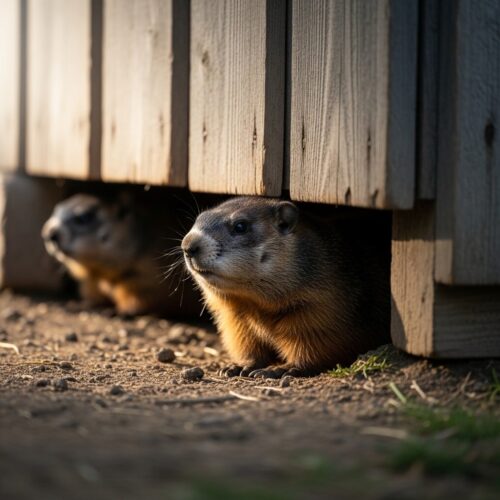
Recognizing Signs of Groundhog Infestation
Look out for these signs that groundhogs have moved in:
- Fresh Digging: Look for new holes or mounds of dirt.
- Chewing Damage: Check for gnawed plants or wood.
- Droppings: Small, dark pellets are a giveaway.
- Tracks: You might spot paw prints around your shed.
Timely detection is crucial. The sooner you spot these signs, the faster you can act.
Understanding Groundhog Behavior
Groundhogs are social and territorial. They dig burrows to create a safe home and store food. Under your shed, they feel protected from predators.
Table of Contents
These burrows can be extensive, often leading to multiple entrances. Groundhogs typically dig in moist, well-drained soil, making your shed an ideal location.
Potential Damage and Risks
Groundhogs can cause significant issues for your property, including:
- Structural Damage: Their burrowing can weaken the foundation of your shed.
- Land Erosion: They can create tunnels that lead to soil erosion.
- Pest Attraction: Groundhog burrows can attract fleas, ticks, and other unwanted pests.
Ignoring a groundhog problem can lead to costly repairs. Protect your property by addressing any signs of infestation quickly. For a safe and humane approach, consider using repellents or traps. One popular option is the Victor 063 PestChaser Rodent Repeller, which can help deter these furry pests from making your shed their home.
Use Live Traps for Safe Removal
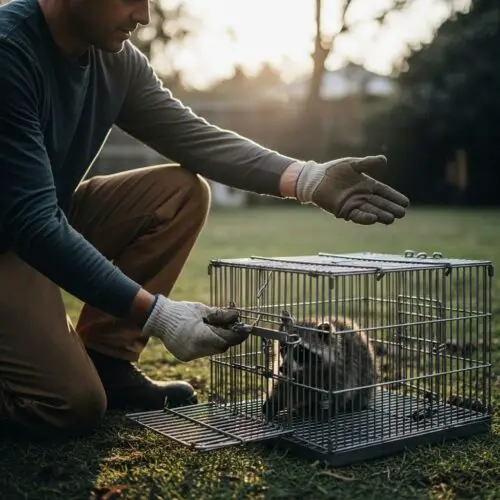
Live traps are a humane way to catch groundhogs without harming them. They allow you to relocate these furry critters safely. Let’s dive into how to set them up effectively.
Choosing the Right Trap
When selecting a trap, consider the size. Groundhogs are pretty hefty, so you’ll need a trap that’s at least 32 inches long. Here are some popular options:
- Havahart Live Animal Traps: Known for their durability and effectiveness.
- Tomahawk Live Traps: These are easy to set up and come in various sizes.
- Victor Live Animal Traps: A reliable choice for humane trapping.
Make sure the trap has a proper door mechanism that closes securely. This prevents the groundhog from escaping once inside.
Effective Bait Options
Baiting the trap is key to catching a groundhog. They’re herbivores and love a good snack! Here are some effective bait options:
- Fresh fruits: Apples and peaches work wonders.
- Vegetables: Carrots and lettuce are favorites.
- Peanut butter: Slathering some on the trigger plate can lure them in.
Place the bait at the back of the trap, ensuring it’s secure enough to trigger the door when the groundhog enters.
Proper Release Techniques
Once you’ve caught a groundhog, it’s important to release it properly. Here’s how to do it:
1. Transport the Trap: Use gloves to handle the trap. This helps avoid any scent transfer.
2. Choose a Release Location: Find a wooded area at least 5-10 miles away from your home. Groundhogs prefer places with ample cover.
3. Open the Trap: Place it on the ground and open the door slowly. Step back and let the groundhog exit at its own pace.
Always check local regulations about trapping and releasing wildlife to stay compliant with laws.
Setting up a live trap can be a straightforward process. With the right trap, bait, and release method, you can humanely relocate groundhogs and keep your shed safe.
Natural Repellents to Deter Groundhogs

Natural repellents are a great way to encourage groundhogs to leave without harming them. These methods are humane and often effective. Let’s dive into some popular options.
Spicy Solutions: Using Cayenne and Garlic
Spicy ingredients can be a game-changer. Groundhogs dislike strong scents, making cayenne pepper and garlic excellent choices.
- Cayenne Pepper: Sprinkle it around the burrow and shed. The heat will deter groundhogs. Remember to reapply after rain.
- Garlic: Crush some cloves and mix them with water. Spray the solution around the area. The pungent smell will send groundhogs packing.
Essential Oils that Work
Essential oils are not just for relaxation; they can also keep pesky groundhogs at bay. Here are a couple of favorites:
- Peppermint Oil: Mix a few drops with water in a spray bottle. Spray around the shed. The strong aroma drives groundhogs away.
- Castor Oil: This oil works wonders too. Mix it with water and spray near entry points. Groundhogs dislike the scent and texture.
Epsom Salt: How it Helps
Epsom salt isn’t just for soaking tired feet; it can also be an effective deterrent. Here’s how to use it:
- Application: Sprinkle Epsom salt around the burrow entrances. Groundhogs find the smell unpleasant.
- Reapplication: Make sure to refresh the salt after rain or every couple of weeks to maintain its effectiveness.
Comparison of Natural Repellents
Here’s a quick comparison of some natural repellents based on user experiences:
| Repellent | Effectiveness | Notes |
|---|---|---|
| Cayenne Pepper | High | Needs reapplication after rain |
| Garlic | Medium | Can be mixed with water for spray |
| Peppermint Oil | High | Strong scent, easy to apply |
| Castor Oil | Medium | Works best when mixed with water |
| Epsom Salt | High | Reapply regularly for best results |
Using these natural repellents can effectively encourage groundhogs to leave your shed alone. For added protection, consider using a deterrent device like the Victor 063 PestChaser Rodent Repeller alongside these methods.
Strong Smells to Keep Groundhogs Away
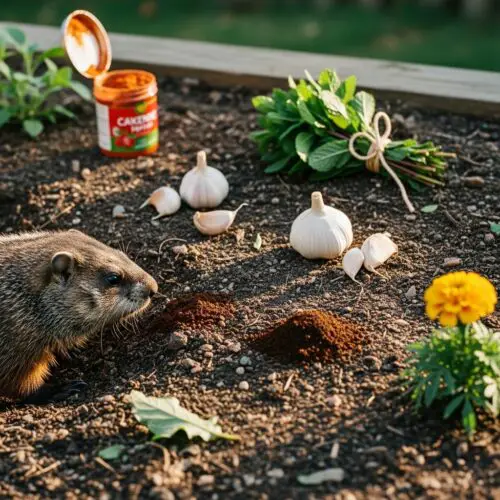
Groundhogs have sensitive noses. They can’t stand certain strong smells. You can use everyday items from your home to repel them. Here’s how to harness these strong odors effectively.
Using Ammonia and Vinegar
Both ammonia and vinegar pack a punch when it comes to smells. Their strong scents can drive groundhogs away.
- Ammonia: Soak rags in ammonia and place them near the burrow entrance. The smell will create an uncomfortable environment for groundhogs.
- Vinegar: Mix equal parts vinegar and water in a spray bottle. Spray around the shed and burrow entrances. The pungent odor can make them think twice about sticking around.
Planting Strong-Scented Herbs
Certain herbs are not only tasty but also serve as natural repellents. Consider planting these around your shed:
- Mint: Groundhogs dislike the strong scent of mint. You can plant peppermint or spearmint around the area.
- Lavender: This pleasant-smelling herb can deter groundhogs too. Plus, it adds beauty to your garden!
Utilizing Predator Urine
Using predator urine can mimic the presence of natural enemies. This can scare groundhogs away.
- Coyote or Fox Urine: These can be found at garden centers or online. Sprinkle it around the shed’s perimeter. The scent tells groundhogs that danger is nearby.
Quick Reference List of Strong Smells
| Item | Method of Use | Effectiveness |
|---|---|---|
| Ammonia | Soak rags and place near burrow | High |
| Vinegar | Spray around the shed | Medium to High |
| Mint (plants) | Plant around shed | High |
| Lavender (plants) | Plant around shed | Medium |
| Predator Urine | Sprinkle around perimeter | High |
Homeowners have found success with these methods. For example, one user planted mint around their shed and noticed groundhogs kept their distance. Another used ammonia rags and reported a quick exit of the groundhogs from under their shed.
These strong smells can be a simple yet effective way to encourage groundhogs to leave your space without harm.
Making the Area Uncomfortable
To get groundhogs out from under your shed, you can make their living conditions less inviting. By altering the environment, you can encourage them to find a new home without harming them. Here are some effective methods.
Using Gravel and Chicken Wire
Groundhogs dislike digging in certain materials. Placing gravel around the area can make it uncomfortable for them. Here’s how to do it:
- Gravel Layer: Spread a thick layer of gravel under and around the shed. This creates an unstable surface that’s hard for groundhogs to dig through.
- Chicken Wire Barrier: Install chicken wire around the base of the shed. Bury it a foot deep in the ground to prevent digging. This barrier makes it difficult for groundhogs to access their burrowing spot.
Creating Noise and Vibration
Groundhogs are sensitive to noise and vibrations. You can use this to your advantage:
- Loud Radio: Place a radio near the shed and turn it up. The noise can scare them away.
- Vibrating Devices: Use garden stakes that create vibrations in the ground. These can be found at garden centers and are effective in deterring groundhogs.
Blocking Entry Points
Preventing access is key. Make sure there are no easy entry points for groundhogs:
- Seal Cracks and Holes: Inspect the shed for any gaps or holes. Use sturdy materials to seal these openings.
- Remove Debris: Clear away any wood piles or debris near the shed. Groundhogs love these hiding spots. Keeping the area tidy can discourage them from settling in.
These methods not only deter groundhogs but also help prevent future burrowing. Combining these physical deterrents with natural repellents can further enhance your efforts.
Prevention Strategies to Avoid Future Infestations
Keeping groundhogs away from your shed is all about prevention. Once you’ve removed them, it’s crucial to take steps to ensure they don’t come back. Here are some effective strategies.
Sealing Entry Points
Start by blocking any potential access points. Groundhogs can squeeze through surprisingly small gaps.
- Inspect Thoroughly: Look for cracks or holes in your shed’s foundation.
- Use Strong Materials: Seal these openings with durable materials like metal mesh or hardware cloth.
- Bury the Mesh: For extra protection, bury the mesh at least 12 inches underground to deter digging.
Removing Food Sources
Groundhogs are always on the lookout for easy meals. By eliminating food sources, you make your shed less appealing.
- Clean Up Fallen Produce: If you have fruit or nut trees, gather fallen items promptly.
- Secure Compost Bins: Use sealed bins for food scraps to prevent attracting groundhogs.
- Avoid Planting Favorites: Don’t plant vegetables or fruits that groundhogs love near your shed.
Regular Yard Maintenance
Maintaining your yard is key to keeping groundhogs at bay.
- Mow Regularly: Keep grass short to reduce hiding spots.
- Clear Brush and Debris: Remove tall weeds and clutter that provide cover.
- Check for New Burrows: Regularly inspect your yard for signs of burrowing activity.
Checklist for Prevention
Here’s a quick checklist to help you stay on top of prevention:
- [ ] Seal all gaps and holes in the shed.
- [ ] Remove food sources and secure compost.
- [ ] Maintain a tidy yard with short grass and no debris.
- [ ] Regularly check for new burrows or signs of groundhogs.
By following these strategies, you can create an environment that discourages groundhogs from returning. Stay proactive, and your shed will remain groundhog-free!
When to Call a Professional
Sometimes, you might need a little extra help to deal with groundhogs under your shed. Here are some scenarios where calling in a pro makes sense.
Identifying Severe Infestations
If you notice any of the following signs, it might be time to get professional help:
- Multiple Burrows: If you see several burrows, it indicates a larger colony. This situation can lead to more significant damage.
- Damage to Structures: Groundhogs can weaken your shed’s foundation. If you see cracks or shifting, don’t wait.
- Frequent Sightings: If groundhogs are regularly visible in your yard, they are likely comfortable and well-established.
Legal Regulations Surrounding Trapping
Before you attempt any trapping, be aware of local laws. Many areas have regulations about wildlife removal. Here’s what to know:
- Permits Required: Some regions require permits for trapping wildlife, including groundhogs.
- Humane Treatment Laws: Professionals are trained to follow humane guidelines. They ensure that the animals are treated properly during removal.
Assessing Risk Factors
Consider these factors when deciding to go with a professional:
- Safety Concerns: If you’re uncomfortable handling traps or dealing with wild animals, it’s best to call someone who knows what they’re doing.
- Health Hazards: Groundhogs can carry diseases. If you have pets or small children, professional help is a safer option.
- Cost vs. Damage: Weigh the cost of hiring professionals against potential damage to your property. Sometimes, it’s cheaper in the long run to get help.
In summary, knowing when to call a professional can save you time, money, and headaches. If you find yourself facing a severe infestation or have safety concerns, don’t hesitate to reach out for help.
Frequently Asked Questions
These quick answers cover the most common questions about this topic, including key details, practical tips, and common concerns.
What can I put under my shed to get rid of groundhogs?
You can use natural repellents like cayenne pepper, garlic, or castor oil around the perimeter of your shed. Additionally, placing strong-smelling substances such as ammonia-soaked rags or vinegar near burrow entrances can deter groundhogs. Installing physical barriers like chicken wire buried underground and spreading gravel can also make the area less inviting for burrowing.
What smell do groundhogs hate the most?
Groundhogs dislike strong, pungent odors such as peppermint, garlic, ammonia, and vinegar. These scents mimic predator presence or are simply unpleasant to them. Spraying or placing these smells near their entry points or around your shed can effectively encourage them to leave.
What does Epsom salt do to groundhogs?
Epsom salt acts as a natural deterrent when sprinkled around burrow entrances. Its strong smell and texture make the environment uncomfortable for groundhogs, encouraging them to vacate. Reapply after rain to maintain its effectiveness.
How do farmers get rid of groundhogs?
Farmers often use live trapping and relocation methods, combined with habitat modification. They may also use natural repellents or fencing to prevent groundhog access. In some cases, they employ professional pest control services to ensure humane and legal removal.
Is it legal to trap groundhogs in my area?
Legal regulations vary by location. In many areas, trapping groundhogs requires permits and must follow humane guidelines. Check local wildlife laws before trapping, and consider hiring professionals if unsure about legal requirements.
What are the signs of a groundhog infestation?
Signs include fresh digging or new burrows, chewed plants or wood, droppings (small dark pellets), and groundhog tracks. Multiple entrances or visible activity around your shed indicate an active infestation.
How deep do groundhog burrows go?
Groundhog burrows can extend 3 to 5 feet deep, with multiple tunnels and entrances. These extensive systems provide safe shelter and food storage, making removal challenging without proper methods.
Can groundhogs cause structural damage to my shed?
Yes, their burrowing can undermine the foundation, create holes, and weaken the structure. Over time, this can lead to costly repairs and safety issues, so prompt removal is important.
What should readers know about groundhog habitat and behavior?
Groundhogs prefer moist, well-drained soil and are attracted to areas with abundant food and cover. They are territorial and dig extensive burrows for shelter and food storage. Understanding their habits helps in effective removal and prevention.
What should readers know about legal considerations and permits for trapping?
Before trapping, verify local laws regarding wildlife. Permits may be required, and humane treatment is mandated. Using licensed professionals ensures compliance and reduces legal risks.