
If you’re looking to keep your house dry without traditional gutters, there are several effective alternatives. From ground gutters to rain chains, these options not only manage rainwater efficiently but also enhance your home’s aesthetics.
1. Ground Gutters Manage Water Efficiently
Ground gutters are a clever alternative to traditional gutters. They work underground to redirect water away from your home’s foundation. This keeps your house dry while maintaining a clean, aesthetic appeal.
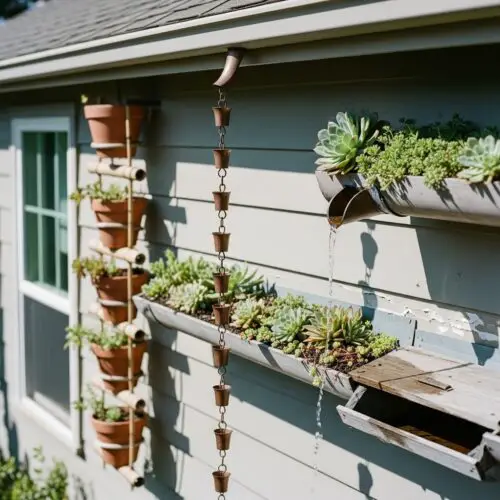
Ground gutters are hidden and effective
Ground gutters function by collecting water from the roof and channeling it away from the foundation. They are installed beneath the surface, so they’re out of sight. This makes them a fantastic option for homeowners who want to keep their property’s curb appeal intact.
- How they work: Water flows down from the roof into the ground gutters. They lead the water through a series of underground pipes, directing it to a safer location, like your driveway or the street.
- Benefits: Since they are underground, they don’t interfere with landscaping or the overall look of your home. They also reduce the risk of overflowing, which can happen with traditional gutters.
Installation steps for ground gutters
Installing ground gutters might sound daunting, but it’s pretty straightforward. Here’s a step-by-step guide to help you get started:
1. Planning: Choose where the ground gutters will be installed. Ensure it’s a path where water can flow easily away from your home.
2. Digging the trench: Dig a trench that’s about 12 inches wide and 18-24 inches deep. Make sure it slopes away from your house at a 1-2% grade.
3. Laying the pipe: Place perforated drainage pipes in the trench. Ensure the holes face down to let water in.
Table of Contents
4. Covering it up: Fill the trench with gravel or soil, leaving the top of the pipe exposed for easy access.
5. Testing: Pour water into the system. Make sure it flows smoothly and doesn’t pool anywhere.
Maintenance tips for ground gutters
Even though ground gutters are relatively low-maintenance, some care is still needed:
- Regular checks: Inspect your system a couple of times a year. Look for clogs or blockages.
- Clean out debris: Remove any leaves or dirt that may collect on top of the ground gutters.
- Monitor drainage: After heavy rain, check to see that water is flowing as it should.
Ground gutters are practical and effective. They keep your home dry without sacrificing aesthetics. If you’re looking for a charming way to manage rainwater, consider options like rain chains. They can add a decorative touch to your drainage system. Check Price on Amazon for some beautiful rain chain decorative downspouts to complement your home!
2. Rain Chains Add Aesthetic Appeal

Rain chains are a beautiful alternative to traditional gutters. They don’t just function well; they also enhance your home’s curb appeal. Originating from Japan, these chains have a rich cultural significance and a unique way of managing rainwater.
Rain Chains Enhance Home Exteriors
Rain chains are more than just practical; they’re decorative. They come in various styles and materials, from copper to aluminum. You can choose designs that match your home’s architecture.
- Visual Interest: Unlike plain downspouts, rain chains can turn rainwater management into an art form.
- Customization: Many homeowners enjoy selecting styles that reflect their personality, from sleek modern looks to intricate traditional designs.
How Rain Chains Redirect Water
These chains work by guiding rainwater from your roof down to the ground. They consist of linked cups or decorative elements that catch the water. As rain falls, it travels down the chain, creating a gentle waterfall effect.
- Surface Tension: The cups use surface tension to keep water flowing smoothly.
- Effective Drainage: Rainwater is directed away from your foundation, just like traditional gutters.
Ideal Climates for Using Rain Chains
Rain chains shine in areas with light to moderate rainfall. They may not be the best choice if you live in a region with heavy storms. However, in places where rain is infrequent, they can be both functional and stunning.
- Cultural Significance: In Japan, rain chains are often seen in temples and traditional homes. They symbolize a connection to nature and the beauty of water.
- Practical Usage: When paired with a rain barrel, they can collect rainwater for later use, making them eco-friendly too.
If you’re looking to beautify your home’s drainage while keeping it dry, consider adding a rain chain. Check Price on Amazon for some beautiful rain chain decorative downspouts to complement your home!
3. Built-In Gutters Offer Seamless Solutions
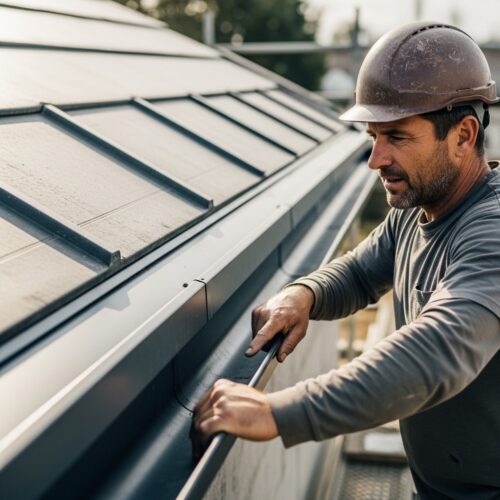
Built-in gutters are a sleek and stylish alternative to traditional gutters. They blend right into your home’s architecture, so you can enjoy rainwater management without sacrificing aesthetics.
Built-in gutters blend with architecture
These gutters are designed into the roof structure. This means they’re hidden from view. They often sit between two parallel roof sections, directing rainwater through downpipes discreetly. This integration not only enhances your home’s look but also protects it from water damage.
How built-in gutters function
Built-in gutters work by collecting rainwater directly from the roof. They channel the water to downpipes, which lead it away from the house. This system prevents overflow and minimizes the risk of leaks. Plus, since they’re built-in, you won’t see any unsightly pipes hanging down.
Common issues with built-in gutters
While built-in gutters have great benefits, they aren’t without challenges. Here are some potential downsides to consider:
- Clogging: Leaves and debris can accumulate, leading to blockages.
- Maintenance: Cleaning can be trickier since they’re tucked away.
- Cost: Installation might be pricier than traditional options.
Real-life example: Many homeowners with built-in gutters report that while they require regular maintenance, the seamless look is worth it. One homeowner in a historic district noted that their built-in gutters preserved the vintage charm while effectively managing rainwater.
In summary, built-in gutters provide a functional and aesthetic solution for keeping your house dry. They blend seamlessly with your roof design, making them a great choice for style-savvy homeowners.
4. Drip Edges Protect Foundations
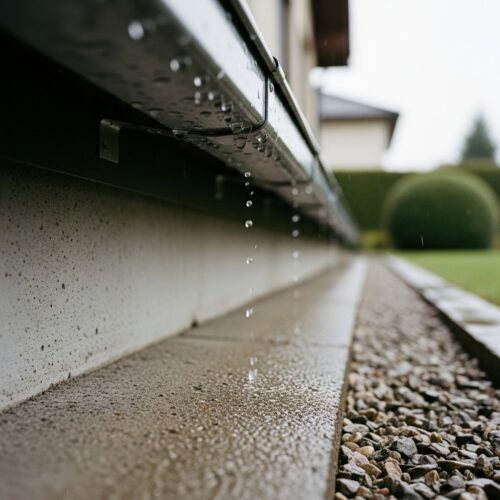
Drip edges are a simple but effective solution for managing water runoff from roofs. They work hard to keep your home dry by directing water away from the fascia and foundation.
Drip Edges Prevent Water Damage
Drip edges are L-shaped metal strips installed along the edges of your roof. They extend beyond the roofline, allowing rainwater to drip off without hitting your home’s siding. This helps prevent water from pooling around your foundation.
- Function: Redirects water away from fascia.
- Design: Keeps walls dry, reducing mold risk.
- Installation: Works well with or without traditional gutters.
Installation Considerations for Drip Edges
Installing drip edges is relatively straightforward, but there are some key points to keep in mind:
- Material Choice: Aluminum or galvanized steel are common options.
- Placement: Ensure they extend past the roof edge for optimal drainage.
- Sealing: Use roofing cement to seal joints and prevent leaks.
Installation Checklist:
- Measure roof edges accurately.
- Select durable materials.
- Install with a slight downward angle for better runoff.
- Secure with roofing nails.
Maintenance Tips for Drip Edges
Drip edges require minimal maintenance, but a few checks can ensure they remain effective:
- Inspect Regularly: Look for rust or damage.
- Clear Debris: Remove leaves or dirt that may obstruct water flow.
- Check Seals: Ensure joints are sealed properly to avoid leaks.
By keeping your drip edges in good condition, you enhance their ability to protect your foundation and maintain your home’s integrity.
5. Rain Dispersal Systems Offer Versatile Solutions
Rain dispersal systems are a unique way to manage rainwater. They work by breaking down heavy rainfall into smaller drops. This helps prevent erosion and flooding around your home.
Rain Dispersal Systems Manage Large Volumes of Water
These systems are designed to handle significant amounts of rain. Instead of directing water into a downspout, they scatter it across your yard. This gentle dispersal reduces the impact of heavy rain.
- Functionality: The system distributes water evenly.
- Prevents pooling: Water doesn’t sit around, which minimizes erosion.
- Aesthetics: They can enhance your landscape by adding a natural look.
Install a Rain Dispersal System
Installing a rain dispersal system is straightforward. Here’s a quick checklist:
1. Choose the right location: Ideally, install it under eaves or roof overhangs.
2. Select materials: Use durable, weather-resistant materials.
3. Create drainage paths: Ensure the ground is sloped to guide the water away from your foundation.
Comparative Effectiveness to Traditional Gutters
Rain dispersal systems offer some advantages over traditional gutters:
- Maintenance: They require less upkeep. No clogging means fewer headaches.
- Cost-effective: Typically, these systems are less expensive to install than traditional gutters.
- Versatility: They work well in areas with light to moderate rainfall.
However, they may not be suitable for regions with heavy, consistent rain. In those cases, traditional gutters could be a better option.
In summary, rain dispersal systems are a fantastic alternative for managing rainwater. They’re effective, low-maintenance, and can look great in your yard. Consider your local climate and needs before making the switch!
6. Rain Barrels Promote Water Conservation
Rain barrels are a fantastic way to collect and reuse rainwater. They help you conserve water while keeping your home dry. Plus, they can be a stylish addition to your yard!
Rain barrels save water and reduce runoff
Rain barrels work by capturing rainwater from your roof. When it rains, the water flows into the barrel instead of pooling around your foundation. This reduces runoff and soil erosion.
Benefits of rain barrels:
- Water conservation: You can use the collected water for your garden, lawn, or even cleaning.
- Reduced water bills: Using rainwater for non-potable uses can cut down on your water expenses.
- Environmental impact: Collecting rainwater helps reduce stormwater runoff, which can carry pollutants to local waterways.
Installing a rain barrel
Installing a rain barrel is a simple DIY project. Here’s a quick guide to get you started:
1. Choose a location: Find a spot near your downspout for easy water collection.
2. Select your barrel: Look for a food-grade barrel or one designed for rainwater collection.
3. Prepare the area: Elevate your barrel on a platform to make it easier to fill buckets and watering cans.
4. Connect it: Attach your downspout to the barrel using a diverter or cut the downspout directly.
5. Secure the top: Make sure the barrel has a lid to keep debris and mosquitoes out.
Maintenance tips for rain barrels
Keeping your rain barrel in good shape is key to its functionality. Here are some quick maintenance tips:
- Clean regularly: Rinse the barrel out a few times a year to prevent algae growth.
- Check for leaks: Inspect the connections and seals to ensure they’re tight.
- Winter care: In colder climates, empty the barrel before winter to prevent freezing and cracking.
Real-life example: Many homeowners in the Pacific Northwest use rain barrels to collect excess rainfall, which they then use for their gardens during the dry summer months. This not only helps with water conservation but also keeps their gardens thriving.
Using rain barrels is an effective way to manage rainwater while promoting sustainability. They’re practical, eco-friendly, and can easily fit into your home’s aesthetic!
7. Understanding the Dutch Gutter Concept
Dutch gutters are a unique alternative to traditional gutters. They combine functionality and aesthetics, making them a popular choice in various architectural styles. Let’s dive into what makes them special!
What makes Dutch gutters unique
Dutch gutters, also known as box gutters, are built into the roof structure. This design keeps them hidden, creating a sleek look. They often sit between two roof lines, allowing water to flow down into a hidden drainage system.
- Aesthetic appeal: They blend seamlessly with the roof design.
- Space-saving: No visible components detract from the home’s appearance.
- Versatility: Suitable for both modern and traditional homes.
How Dutch gutters prevent water damage
These gutters effectively manage rainwater. By channeling water away from the roof and foundation, they help prevent leaks and structural damage.
- Integrated design: Water flows directly into the gutter, reducing overflow risks.
- Enhanced drainage: Many systems include downpipes leading to drainage areas.
- Minimal maintenance: With fewer exposed parts, they often require less upkeep.
Modern applications of Dutch gutter systems
Dutch gutters are still relevant today, especially in areas with heavy rainfall. Homeowners use them to protect their homes while enhancing curb appeal.
- Historical significance: Originally used in Europe, they gained popularity in the U.S. for their efficiency.
- Adaptations: Some modern installations use advanced materials for durability.
- Real-life examples: Many historic homes in cities like New Orleans feature Dutch gutters, showcasing their effectiveness and charm.
Incorporating Dutch gutters into your home can be a smart choice. They’re functional, stylish, and can help keep your house dry for years to come!
Frequently Asked Questions
These quick answers cover the most common questions about this topic, including key details, practical tips, and common concerns.
What to use instead of gutters on a house?
Alternatives to traditional gutters include ground gutters, rain chains, built-in gutters, drip edges, rain dispersal systems, and rain barrels. These options help manage rainwater effectively while enhancing your home’s appearance. Ground gutters and rain dispersal systems divert water underground or across your yard, reducing the need for visible pipes.
Why does Japan use chains instead of gutters?
Rain chains originated in Japan as a decorative and functional alternative to traditional downspouts. They are used to guide rainwater from the roof to the ground in a visually appealing way. Rain chains are popular because they add aesthetic charm and are easier to maintain than conventional gutters.
How to divert water away from a house without gutters?
You can install ground gutters, rain dispersal systems, or use rain barrels to manage rainwater. Ground gutters underground channel water away from your foundation. Rain dispersal systems break down heavy rain into smaller drops, reducing erosion. Rain barrels collect water for reuse, reducing runoff.
What is a Dutch gutter?
A Dutch gutter, also known as a box gutter, is integrated into the roof structure. It’s built into the eaves or between roof sections, hiding the gutter from view. Dutch gutters effectively channel rainwater into underground drainage systems, offering a sleek, seamless appearance.
Are rain barrels effective for water conservation?
Yes, rain barrels are highly effective. They capture rainwater from your roof, reducing runoff and providing free water for gardening or outdoor use. They help lower water bills, conserve resources, and minimize stormwater pollution.
What are the maintenance requirements for rain chains?
Rain chains require minimal maintenance. Regularly inspect for debris buildup, clean out leaves or dirt, and ensure the chain and fittings are secure. During heavy rain, check that water flows smoothly and adjust if necessary to prevent overflow.
How do built-in gutters compare to traditional gutters?
Built-in gutters are integrated into the roof design, creating a seamless look. They are less visible and often require less maintenance. However, they can be more expensive to install and may need regular inspections for clogs or damage.
When should I consider gutter alternatives?
Consider alternatives if you want a more aesthetic or low-maintenance solution, have a smaller or historic property, or live in an area with light to moderate rainfall. Also, if traditional gutters are prone to clogging or damage, alternatives like ground gutters or rain chains may be better options.