
Freezing and reheating pulled pork can be done effectively without sacrificing flavor or texture. With the right techniques, you can enjoy tender, juicy pulled pork even after storage. This guide offers seven essential tips to ensure your pulled pork maintains its delicious qualities.
Understanding Pulled Pork and Its Freezing Potential
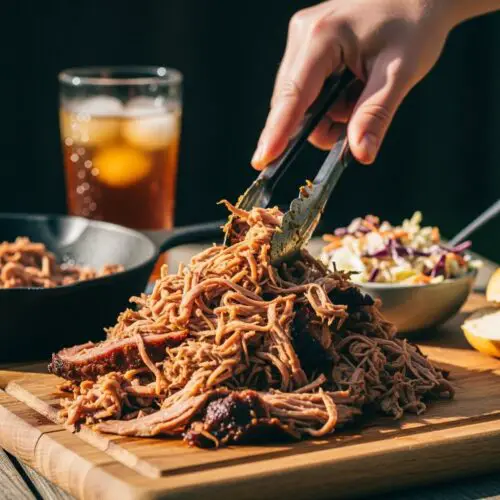
Pulled pork is a delicious, tender dish made by slow-cooking pork until it’s easy to shred. It’s packed with flavor and perfect for meals. Freezing pulled pork is a fantastic way to preserve its taste and texture for future meals.
What Makes Pulled Pork Great for Freezing?
Pulled pork is ideal for freezing for several reasons:
- Flavor: The seasoning and marinades infuse into the meat, making it even tastier after freezing.
- Texture: When cooked properly, pulled pork retains its moisture, which helps it stay juicy when reheated.
- Versatility: You can use thawed pulled pork in many dishes, from sandwiches to tacos.
Freezing Techniques for Pulled Pork
To freeze pulled pork successfully, follow these steps:
1. Cool It Down: Let the pulled pork cool to room temperature before freezing.
Table of Contents
2. Portion It: Divide it into meal-sized portions. This makes reheating easier.
3. Use Air-Tight Containers: Store pulled pork in vacuum-sealed bags or airtight containers. Removing air helps prevent freezer burn. If you want to invest in a reliable option, consider a Vacuum Sealer for Food Storage.
4. Label and Date: Always label your containers with the date and contents. This way, you can keep track of how long it’s been in the freezer.
Common Mistakes to Avoid
Avoid these pitfalls to ensure your pulled pork stays delicious:
- Freezing It Too Soon: If the pork is still warm, it can create steam inside the container, leading to ice crystals.
- Overfilling Containers: Leave some space in your containers or bags. This allows for expansion as the meat freezes.
- Keeping It Too Long: For the best quality, use frozen pulled pork within three months. After that, it may lose flavor and texture.
By following these tips, you can enjoy flavorful pulled pork anytime, without worrying about it drying out.
1. Cool Your Pulled Pork Before Freezing
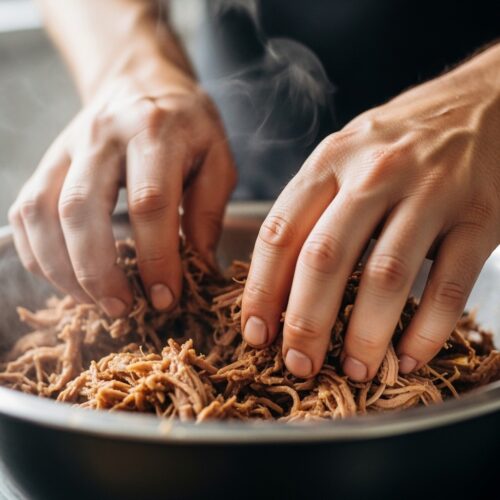
Cooling your pulled pork before freezing is crucial for keeping it juicy and flavorful. If you freeze it while it’s still warm, you risk creating ice crystals that can lead to dryness. Let’s break down why this matters and how to do it right.
Why Cooling is Crucial
When you place warm pulled pork directly into the freezer, steam forms inside the container. This steam quickly turns to ice, causing freezer burn. Freezer burn can ruin the texture and taste of your delicious pork. Cooling helps minimize this risk and keeps your pulled pork scrumptious.
Steps to Cool Properly
Here’s a simple checklist to ensure your pulled pork cools down effectively before freezing:
- Spread It Out: Place the pulled pork in a shallow dish. This increases the surface area and speeds up cooling.
- Use the Fridge: If you have time, pop it in the fridge for about 30 minutes. This helps it cool slowly and evenly.
- Check the Temperature: Aim for room temperature (around 70°F). Never leave it out for more than two hours to avoid bacteria growth.
- Seal It Up: Once cooled, transfer it to airtight containers or freezer bags. Remove as much air as possible to prevent freezer burn. For extra protection, consider using a Vacuum Sealer for Food Storage.
By following these steps, you’ll help maintain the moisture and flavor of your pulled pork, making reheating a breeze later on!
2. Use Airtight Containers or Vacuum Sealing

Storing your pulled pork the right way is key to keeping it juicy and flavorful. Let’s dive into the best methods for freezing that deliciousness without sacrificing quality.
Types of Containers
When it comes to freezing pulled pork, you have a few solid options. Here are the most effective containers to use:
- Airtight Containers: These are great for keeping air out. Look for BPA-free options that can handle low temperatures.
- Freezer Bags: Use heavy-duty freezer bags and squeeze out as much air as possible before sealing. This helps prevent freezer burn.
- Vacuum-Sealed Bags: These are top-notch for long-term storage. They remove air completely, keeping your pulled pork safe from freezer burn and retaining its flavor.
Benefits of Vacuum Sealing
Vacuum sealing your pulled pork offers some serious perks. Here’s why you might want to consider this method:
- Prevents Freezer Burn: With air removed, there’s no room for ice crystals that can ruin texture.
- Retains Flavor: The tight seal helps preserve the taste, so your pulled pork stays delicious when you reheat it.
- Saves Space: Vacuum-sealed bags are compact, allowing you to stack them easily in your freezer.
| Storage Method | Effectiveness Against Freezer Burn | Flavor Retention | Ease of Use |
|---|---|---|---|
| Airtight Containers | Medium | Good | Easy |
| Freezer Bags | Medium | Fair | Very Easy |
| Vacuum-Sealed Bags | High | Excellent | Moderate |
For the best results, consider using a Vacuum Sealer for Food Storage. It’s a small investment that can make a big difference in how your pulled pork tastes after freezing!
3. Label and Date Your Frozen Pulled Pork
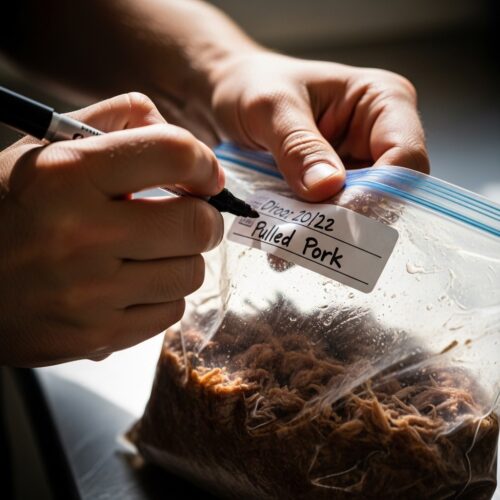
Keeping track of your frozen pulled pork is crucial for food safety. Proper labeling helps you know when it’s time to use it.
Why Labeling Matters
Labeling is more than just a good habit; it’s essential for quality control. When you freeze pulled pork, it can last a while, but its taste and texture decline over time. Here’s why you should label:
- Prevents Confusion: You’ll know exactly what’s in each container.
- Tracks Freshness: Helps you use up older items before they lose quality.
- Food Safety: Reduces the risk of eating something that’s been in the freezer too long.
How to Label Effectively
Here are some tips for labeling your frozen pulled pork:
- Use Permanent Marker: Write clearly on freezer bags or containers.
- Include the Date: Always add the date you froze it.
- Describe the Contents: Note if it’s plain pulled pork or a flavored version.
Sample Label Format
Consider this simple format for your labels:
“`
Pulled Pork
Date: MM/DD/YYYY
Notes: BBQ Seasoned, 2 servings
“`
By following these tips, you’ll ensure that your pulled pork stays delicious and safe to eat. Plus, it makes meal prep a breeze!
4. Thaw Safely for Optimal Results
Thawing your pulled pork the right way is crucial for keeping it juicy and flavorful. Let’s explore the best thawing methods that ensure your pork maintains its texture.
Best Thawing Methods
1. Refrigerator Thawing
- How It Works: Place your frozen pulled pork in a leak-proof bag or an airtight container. Leave it in the fridge overnight.
- Benefits: This method is the safest. It keeps the pork at a consistent, cool temperature, preventing bacteria growth. Plus, it helps maintain the texture.
2. Cold Water Thawing
- How It Works: Submerge the sealed bag of pulled pork in cold water. Change the water every 30 minutes.
- Benefits: It’s faster than refrigerator thawing, but still safe when done correctly. This method keeps the meat’s moisture intact.
3. Microwave Thawing
- How It Works: Use your microwave’s defrost setting. Make sure to follow your microwave’s instructions for meat.
- Benefits: This is the quickest method. However, it can partially cook the pork, which might dry it out during reheating.
Common Mistakes During Thawing
- Thawing at Room Temperature: Don’t leave your pulled pork out on the counter. This can promote harmful bacteria growth.
- Not Cooking Immediately After Thawing: If you use the cold water or microwave methods, cook the pork right after thawing. Don’t refreeze it unless it’s cooked.
Scenario-Based Insight
Imagine you’re having guests over, and you forgot to take your pulled pork out of the freezer. If you choose refrigerator thawing, your pork will be ready the next day, perfectly juicy. But if you’re in a hurry and opt for microwave thawing, you might end up with uneven heating. The edges could be tough while the center remains frozen. Selecting the right method can make all the difference in your final dish.
5. Reheat with Moisture in Mind
Reheating pulled pork is all about keeping it juicy and flavorful. Adding moisture during the reheating process helps prevent dryness and enhances the overall taste. Let’s dive into some effective techniques!
Adding Juices or Broths
A little extra liquid can make a world of difference. Here are some great options to consider:
- BBQ Sauce: This is a classic choice. It adds both moisture and that smoky flavor we love.
- Beef or Chicken Broth: These are perfect for adding a savory depth. Just pour a bit over the pork before reheating.
- Apple Juice: For a sweet twist, apple juice can bring out some delicious flavors in your pulled pork.
- Beer: If you’re feeling adventurous, a splash of beer can add a unique taste.
Reheating Techniques
How you reheat matters just as much as what you add. Here are some tried-and-true methods:
1. Slow Cooker: Set it on low for 6-8 hours or high for 3-4 hours. This method allows the pork to absorb those added liquids over time.
2. Oven: Preheat to 250°F. Place the pork in a covered dish with your chosen liquid. Heat until warm, about 30-45 minutes. This helps keep it juicy.
3. Stovetop: In a skillet, add a splash of liquid and the pork. Cover and heat on low. Stir occasionally to maintain even moisture.
4. Microwave: If you’re short on time, place the pork in a microwave-safe dish with a few tablespoons of liquid. Cover loosely and heat in short bursts, stirring in between.
Common Mistakes to Avoid
- Overdoing It: Adding too much liquid can make the pork soggy. Start small and add more as needed.
- Skipping the Cover: Always cover your dish while reheating. This traps steam and helps retain moisture.
- High Heat: Avoid reheating on high heat. It can dry out the pork quickly. Low and slow is the way to go!
By keeping moisture in mind and using these techniques, you’ll enjoy pulled pork that tastes just as good as the day you made it.
6. Choose the Right Reheating Method
Finding the right method to reheat your pulled pork can make all the difference in keeping it juicy and flavorful. Let’s break down the main options so you can choose the best one for your needs.
Oven vs. Microwave vs. Slow Cooker
Here’s a quick comparison of the three popular reheating methods:
| Method | Pros | Cons |
|---|---|---|
| Oven | Even heating, great for larger portions. | Takes longer; can dry out if not covered. |
| Microwave | Quick and convenient for single servings. | Risk of drying out; can heat unevenly. |
| Slow Cooker | Low and slow retains moisture well. | Takes the most time; requires planning. |
When to Use Each Method
- Oven: Ideal for reheating a large batch. Preheat to about 300°F (150°C). Place the pork in a covered dish with a splash of liquid. Heat until warmed through. This method keeps the meat moist while allowing for a bit of browning.
- Microwave: Best for a quick meal. Place the pork in a microwave-safe dish, add a bit of liquid, and cover it. Heat in short intervals, stirring in between. This helps to keep the pork from drying out.
- Slow Cooker: Perfect for when you have time. Place the frozen pork directly in the slow cooker with some broth or BBQ sauce. Set it on low and let it heat for several hours. This method is forgiving and keeps the meat juicy.
Decision Framework for Selecting a Method
To decide which method to use, consider these questions:
1. How much time do you have?
- Short on time? Go for the microwave.
- Have a couple of hours? The oven is your friend.
- Got the whole day? The slow cooker will work wonders.
2. How much pork are you reheating?
- A small amount? Microwave or stovetop is fine.
- A large batch? Oven or slow cooker is the best choice.
3. What texture do you want?
- Want some crispiness? The oven is the way to go.
- Prefer juicy and tender? Opt for the slow cooker.
By using this framework, you can choose the reheating method that suits your schedule and taste preferences best.
7. Avoid Common Mistakes When Reheating Pulled Pork
Reheating pulled pork can be tricky. It’s easy to make mistakes that can lead to dry or tough meat. Let’s look at some common pitfalls and how to dodge them.
Signs of Overcooked Pork
Overcooked pulled pork can ruin your meal. Here are some signs to watch for:
- Dry Texture: If it feels crumbly or chalky, it’s likely overdone.
- Lack of Flavor: If it tastes bland, the moisture has likely evaporated.
- Toughness: If it’s hard to pull apart, you’ve probably cooked it too long.
If you notice any of these signs, it may be time to rethink your reheating method.
Tips for Best Practices
1. Always Add Moisture: Whether you’re using the microwave, oven, or slow cooker, adding a splash of broth or water can keep the meat juicy.
2. Cover It Up: Use foil or a lid to trap steam. This helps retain moisture while reheating.
3. Go Low and Slow: For larger batches, use a slow cooker on low. This gentle heat helps keep the pork tender.
4. Check the Temperature: Use a meat thermometer to ensure your pulled pork reaches 165°F (74°C). This is key for both safety and texture.
5. Don’t Rush: Avoid the microwave for large quantities. It can heat unevenly, leading to dry spots.
6. Experiment with Flavors: When reheating, add a little extra BBQ sauce or spices to enhance flavor. It can make a big difference!
7. Avoid Thawing Mistakes: If reheating from frozen, remember to add extra time and moisture. Reheating from frozen can be done safely, but it requires a careful approach.
By avoiding these common mistakes, you’ll be well on your way to enjoying delicious, tender pulled pork every time. Happy reheating!
Frequently Asked Questions
These quick answers cover the most common questions about this topic, including key details, practical tips, and common concerns.
Does pulled pork freeze and reheat well?
Yes, pulled pork freezes and reheats effectively if stored properly. Freezing preserves its flavor and moisture, especially when using airtight containers or vacuum-sealed bags. Reheating with added moisture helps maintain its tenderness, making it taste nearly as fresh as when first cooked.
Is pulled pork good for cholesterol?
Pulled pork can be high in cholesterol and saturated fat, depending on the cut and preparation. Choosing leaner cuts like pork loin and trimming excess fat can make it a healthier option. Moderation is key, especially for those managing cholesterol levels.
What’s the best way to reheat pulled pork without drying it out?
The best method is to reheat slowly in the oven or on the stovetop with added moisture, such as broth or BBQ sauce. Cover the meat to trap steam, and reheat at low temperatures until warmed through. This preserves juiciness and prevents dryness.
What are common mistakes when reheating pork?
Common mistakes include reheating at too high a temperature, which dries out the meat, and skipping added moisture, leading to dryness. Reheating from warm or frozen states without proper thawing can also cause uneven heating and texture loss. Over-reheating multiple times can further degrade quality.
Can I freeze pulled pork with BBQ sauce?
Yes, you can freeze pulled pork with BBQ sauce. Just ensure it’s stored in airtight containers or vacuum-sealed bags. The sauce helps retain moisture and flavor during freezing and reheating. However, for best texture, consider freezing the pork separately and adding sauce after reheating.
How long can I keep frozen pulled pork?
Frozen pulled pork maintains good quality for up to three months. After that, flavor and texture may decline, though it remains safe to eat if kept at consistent freezing temperatures. Label your packages with the date to track storage time.
What’s the best way to thaw frozen pulled pork?
The safest method is to thaw in the refrigerator overnight. This keeps the pork at a safe temperature and preserves moisture. Alternatively, you can use the cold water method for quicker thawing, or microwave with caution, but cook immediately afterward.
What should I do if my reheated pulled pork is dry?
If your pulled pork turns out dry, try adding moisture by mixing in BBQ sauce, broth, or apple juice. Reheat it gently and cover during the process to trap steam. Restoring moisture can revive its tenderness and flavor.
Can I reheat pulled pork multiple times?
Reheating pulled pork multiple times is not recommended. Each reheating cycle increases the risk of dryness and bacterial growth. For best quality and safety, reheat only what you plan to eat and store leftovers promptly.