
Las Vegas is a prime starting point for exploring stunning national parks. This guide highlights the 11 best national parks near Las Vegas in 2026, complete with expert tips for day trips and essential information for outdoor enthusiasts.
Introduction to National Parks Near Las Vegas
Las Vegas isn’t just about the Strip. It’s also a fantastic launchpad for adventurers eager to explore breathtaking national parks. With stunning landscapes just a short drive away, you can easily escape the city hustle and dive into nature.
Why Las Vegas is a Great Base
Las Vegas offers unique geographic advantages:
- Proximity: Several national parks are within a 5-hour drive. This makes day trips a breeze.
- Variety: From the rugged beauty of Death Valley to the stunning cliffs of Zion, there’s something for everyone.
- Accessibility: Well-maintained roads connect you to these natural wonders, ensuring a smooth journey.
Parks Covered
Here’s a sneak peek of the parks we’ll explore:
- Death Valley National Park: 2 hours away, known for its extreme landscapes.
- Zion National Park: Just 2.5 hours north, famous for its towering cliffs.
- Joshua Tree National Park: 3 hours to the southwest, celebrated for its unique Joshua trees.
Each park offers its own charm and activities, making them perfect for both quick getaways and longer adventures. Pack your bags, grab your camera, and let’s hit the trails!
Table of Contents
1. Death Valley National Park: The Hottest Place on Earth
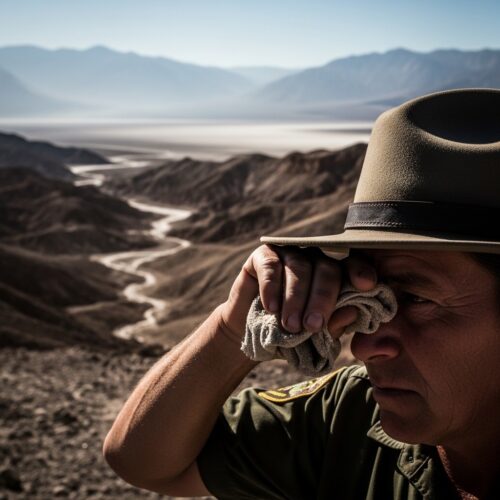
Death Valley National Park is a stunning destination just a couple of hours from Las Vegas. It’s famous for its extreme temperatures and unique landscapes. Here’s what you need to know to make the most of your visit.
Key Attractions and Activities
- Badwater Basin: This is the lowest point in North America, sitting at 282 feet below sea level. The salt flats here make for some great photos!
- Mesquite Flat Sand Dunes: These dunes are perfect for hiking and sandboarding. The best time to visit is early morning or late afternoon to catch the sunrise or sunset.
- Artist’s Palette: This colorful area is a must-see, especially for photographers. The vibrant hues of the hills come from oxidized metals in the soil.
- Golden Canyon: A great spot for hiking, this trail leads to stunning views and connects to the longer Red Cathedral trail.
Best Time to Visit
The best time to visit Death Valley is during the cooler months. Here’s a quick breakdown:
- Fall (October – November): Mild temperatures make it perfect for hiking.
- Winter (December – February): Cool days and chilly nights. Ideal for camping and exploring.
- Spring (March – May): Wildflower blooms can be a spectacular sight.
- Summer (June – September): Extremely hot, often exceeding 120°F. If you visit then, stay hydrated and limit outdoor activities to early mornings or evenings.
Safety Tips for Visitors
- Stay Hydrated: Always carry plenty of water. The dry climate can dehydrate you quickly.
- Plan Your Route: Cell service can be spotty. Download maps beforehand.
- Dress Appropriately: Wear layers. It can be cool at night but scorching during the day.
- Respect Wildlife: Keep a safe distance from animals and do not feed them.
- Check Weather Conditions: Summer storms can happen. Be aware of flash flood risks.
By keeping these tips in mind, you’ll have an unforgettable adventure in Death Valley National Park!
2. Zion National Park: A Hiker’s Paradise
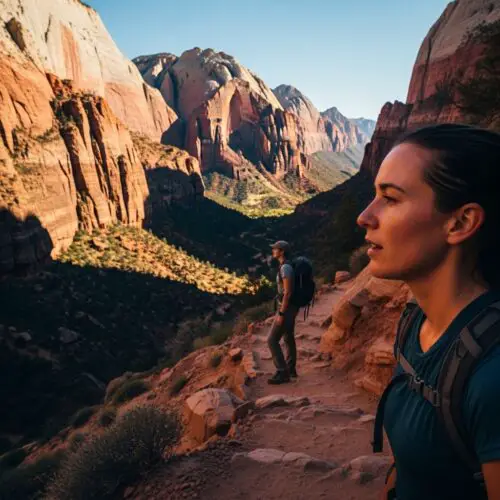
Zion National Park is a must-visit for nature lovers and adventure seekers. Just a 2.5-hour drive from Las Vegas, it offers stunning scenery and incredible hiking trails.
Popular Hiking Trails
Zion is famous for its breathtaking hikes. Here are a few trails you shouldn’t miss:
- Angels Landing: This iconic trail is not for the faint-hearted. It’s a challenging 4.5-mile hike with a 1,600-foot elevation gain. The views from the top are absolutely worth it! Just be careful if you’re afraid of heights.
- Zion Narrows: This unique hike takes you through a slot canyon, wading through the Virgin River. The trail can be as long as 16 miles, but you can turn back whenever you like. Be sure to check water levels before you go!
- Emerald Pools: If you’re looking for something easier, the Emerald Pools trail is perfect. It’s a relatively short hike with beautiful waterfalls and pools. Great for families!
Visitor Services and Amenities
Zion offers several amenities to make your visit enjoyable:
- Visitor Center: Start here for maps, trail information, and park updates. The rangers can help you plan your day.
- Shuttle System: During peak season, a free shuttle service operates throughout the park. It’s an easy way to get to popular trailheads without worrying about parking.
- Camping: There are campgrounds available, but spots fill up quickly. Make reservations well in advance, especially in the summer.
Planning Your Visit
Here are some tips to enhance your experience at Zion:
- Best Time to Visit: Spring and fall are ideal. The weather is mild, and the crowds are smaller.
- Safety Tips: Always carry water, wear sturdy shoes, and check the weather before heading out. Flash floods can occur suddenly in narrow canyons.
- Photography Tips: Sunrise and sunset offer the best lighting. Don’t forget to capture the stunning red rocks against the sky!
Zion National Park is not just about hiking; it’s about connecting with nature and creating memorable experiences. Whether you’re scaling Angels Landing or strolling along the Emerald Pools, you’ll find beauty at every turn.
3. Joshua Tree National Park: Unique Flora and Fauna
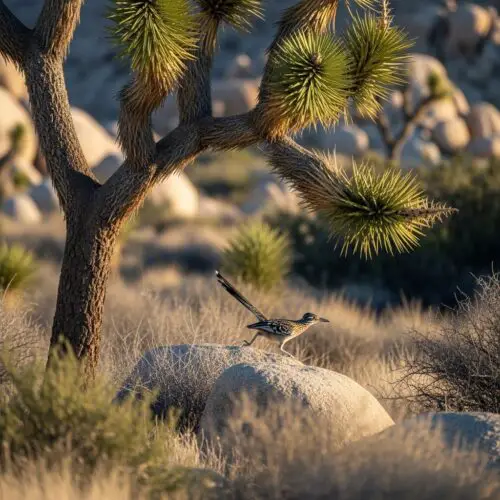
Joshua Tree National Park is a magical spot where the Mojave and Colorado deserts meet. It’s famous for its quirky Joshua trees and amazing rock formations. Let’s dive into what makes this park a must-visit from Las Vegas!
Top Attractions
- Joshua Trees: These unique plants aren’t trees at all; they belong to the lily family! Their twisted branches create stunning landscapes, especially during sunrise and sunset.
- Skull Rock: A natural rock formation that looks like a skull. It’s a popular photo spot!
- Cholla Cactus Garden: This area is filled with beautiful cholla cacti. It’s especially breathtaking when the sun hits them just right.
Activities for Adventurers
Joshua Tree is a playground for outdoor lovers. Here are some activities you won’t want to miss:
- Rock Climbing: The park is known for its world-class climbing routes. Whether you’re a beginner or an expert, there’s something for everyone.
- Hiking: There are over 8 hiking trails, varying in difficulty. Trails like Hidden Valley offer incredible views and unique rock formations.
- Photography: Capture the stunning landscapes, especially during golden hour. The contrast between the trees and the vibrant sky makes for unforgettable photos.
Best Times to Visit
- Spring (March to May): This is when wildflowers bloom, turning the desert into a colorful canvas.
- Fall (September to November): The weather is mild, making it perfect for hiking and exploring.
- Winter (December to February): It can get chilly, but the park is less crowded. Just be prepared for cooler temperatures!
Joshua Tree National Park is about a three-hour drive from Las Vegas. It’s worth the trip for its unique scenery and adventurous spirit. Don’t forget your camera and plenty of water!
4. Grand Canyon National Park: A Natural Wonder
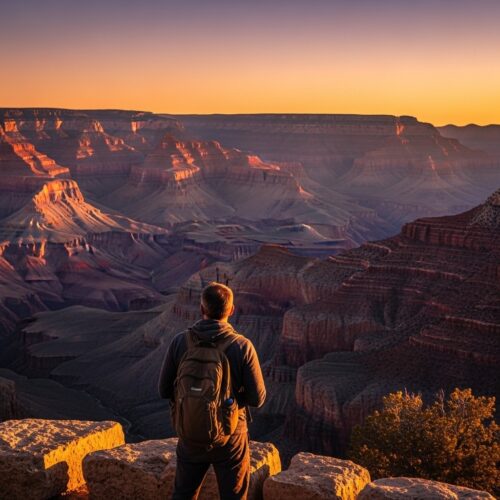
The Grand Canyon is a must-visit when you’re near Las Vegas. Just a four-hour drive away, it offers stunning views and unforgettable adventures. Let’s explore what makes the South Rim so special.
Scenic Viewpoints
The South Rim is renowned for its breathtaking viewpoints. Here are some highlights:
- Mather Point: This is the park’s most popular viewpoint. It offers sweeping views right from the visitor center.
- Yavapai Observation Station: A great spot for educational displays about the canyon’s geology. The views are just as impressive.
- Hermit’s Rest: A charming spot at the end of the Hermit Road. Perfect for a picnic with a view.
These spots are ideal for taking photos. Sunrise and sunset are the best times to capture the canyon’s vibrant colors.
Hiking and Camping Options
Hiking is a favorite activity at the Grand Canyon. Options vary based on your skill level:
- Bright Angel Trail: A well-maintained trail that leads deep into the canyon. It’s about 9.5 miles to the first rest house.
- South Kaibab Trail: Offers stunning views but is steeper and less shaded. The hike to Ooh Aah Point is about 1.8 miles and worth it for the views.
- Camping: You can reserve a spot at Mather Campground. It’s a great way to immerse yourself in the park’s beauty.
Make sure to bring plenty of water and snacks. The desert climate can be harsh, especially in the summer.
Planning Your Trip
Here are some tips to make the most of your visit:
- Best Time to Visit: Spring and fall are ideal. The weather is mild, and crowds are smaller.
- Park Fees: Entrance fees are $35 per vehicle. Consider an annual pass if you plan to visit multiple parks.
- Safety Tips: Stay on marked trails and inform someone of your plans. The canyon can be dangerous, especially for inexperienced hikers.
Suggested Itinerary for a Multi-Park Trip
If you want to combine multiple parks in one trip, here’s a quick itinerary:
1. Day 1: Drive from Las Vegas to the Grand Canyon. Spend the day exploring viewpoints.
2. Day 2: Hike a trail in the Grand Canyon. Camp overnight at Mather Campground.
3. Day 3: Head to Zion National Park (about 2.5 hours away). Explore Zion Canyon and enjoy a hike.
4. Day 4: Visit Bryce Canyon National Park (just a short drive from Zion). Take in the unique hoodoos and landscapes.
This itinerary allows you to experience the best of the natural wonders near Las Vegas. Happy exploring!
5. Lake Mead National Recreation Area: Outdoor Water Fun
Lake Mead National Recreation Area is a fantastic spot for outdoor enthusiasts. Just a short drive from Las Vegas, it offers stunning views and plenty of activities. Whether you’re into water sports or hiking, there’s something for everyone.
Water Activities
Lake Mead is perfect for water lovers. Here are some fun activities you can enjoy:
- Boating: Rent a boat or bring your own. Explore the vast waters and hidden coves.
- Kayaking: Paddle through serene waters. It’s a great way to soak in the scenery.
- Fishing: Cast your line for bass and catfish. The lake is known for its great fishing spots.
- Swimming: Find a beach area to relax and cool off. The water is refreshing, especially in summer.
Hiking Trails
If you prefer land adventures, Lake Mead has hiking trails that cater to all skill levels. Some popular trails include:
- Historic Railroad Trail: Easy 3.7-mile hike with beautiful views of the lake. Perfect for families.
- Black Canyon Trail: A bit more challenging, this trail offers stunning vistas and unique rock formations.
- Sandy Cove: A short trail leading to a secluded beach. Ideal for a picnic or some quiet time.
Visitor Information
Before you go, here are some essential tips:
- Entrance Fees: There’s a fee for entering the park. Consider getting the America the Beautiful Pass for access to multiple parks.
- Facilities: The park has picnic areas, restrooms, and visitor centers. Stop by to get maps and tips.
- Safety Tips: Stay hydrated, wear sunscreen, and be aware of wildlife. It’s best to hike early in the morning or later in the evening to avoid the heat.
Lake Mead is a gem near Las Vegas. With its blend of water fun and hiking opportunities, it’s a must-visit for anyone looking to enjoy nature!
6. Bryce Canyon National Park: The Hoodoo Capital
Bryce Canyon National Park is a stunning destination just waiting to be explored. Known for its unique hoodoos, this park offers breathtaking views and plenty of activities. Let’s dive into what makes Bryce Canyon so special!
Unique Geological Features
Bryce Canyon is famous for its hoodoos—tall, thin spires of rock that create a surreal landscape. These formations are the result of erosion and frost-wedging over thousands of years.
- Hoodoo Highlights: Some of the most iconic hoodoos can be found in areas like the Bryce Amphitheater.
- Color Changes: The rocks change color throughout the day, especially during sunrise and sunset.
Best Viewing Points
To make the most of your visit, check out these prime viewing spots:
- Sunrise Point: Perfect for early risers, this point offers stunning views of the canyon bathed in morning light.
- Sunset Point: Ideal for evening visits, where you can enjoy the vibrant colors of dusk against the hoodoos.
- Inspiration Point: A short hike leads to one of the best panoramic views of the park.
Hiking and Safety Tips
Hiking in Bryce Canyon can be a magical experience, but it’s essential to stay safe.
- Top Trails: Try the Navajo Loop Trail for a classic hike that takes you down among the hoodoos.
- Stay Hydrated: Bring plenty of water. The dry desert air can dehydrate you quickly.
- Hiking Times: Early morning or late afternoon is best to avoid the heat and capture stunning photos.
Photography Tip: The best time for photography is during the golden hour—just after sunrise and just before sunset. This is when the light brings out the beautiful colors of the rocks.
With its unique features and breathtaking views, Bryce Canyon is a must-see national park near Las Vegas. Make sure to plan your trip to soak in all its beauty!
7. Mojave National Preserve: Explore the Desert Wilderness
Mojave National Preserve is a stunning desert playground just a short drive from Las Vegas. With its unique landscapes, diverse wildlife, and rich history, it’s a must-visit for nature lovers and adventurers alike.
Desert Landscapes and Wildlife
The preserve covers over 1.6 million acres of breathtaking desert scenery. You’ll find everything from cacti to volcanic formations. Here are some highlights:
- Joshua Trees: The largest grove of Joshua trees can be found here. These quirky trees are iconic and provide a unique backdrop for photos.
- Cacti: Various species thrive in this arid environment, adding color and texture to the landscape.
- Wildlife: Keep your eyes peeled for desert tortoises, bighorn sheep, and countless bird species. The diverse habitats support a rich array of wildlife.
Activities Available
Mojave National Preserve is perfect for outdoor adventures. Here are some popular activities:
- Hiking: The Ring Loop Trail near the Hole-in-the-Wall Information Center is a favorite. It features iron rings to help you navigate the canyon walls.
- Photography: Capture the stunning sunsets that paint the desert skies. Early morning and late afternoon are ideal for vibrant shots.
- Exploration: Discover ancient petroglyphs and remnants of historic sites throughout the park. Each tells a story of the area’s past.
Visitor Tips
Planning your visit to Mojave National Preserve? Here are some handy tips:
- Best Time to Visit: Spring and fall are ideal for comfortable temperatures. Summer can be extremely hot.
- Stay Hydrated: Bring plenty of water. The dry desert air can dehydrate you quickly.
- Safety: Wear sunscreen and sturdy shoes. The terrain can be rocky and uneven.
Take your time exploring this desert gem. With its striking beauty and diverse activities, Mojave National Preserve offers a memorable escape from the hustle and bustle of Las Vegas.
8. Travel Planning Tips for National Parks Near Las Vegas
Planning your visit to the national parks near Las Vegas can be a breeze with the right tips. Here’s what you need to know to make the most of your adventure!
Best Times to Visit Each Park
Timing is everything! Here’s a quick guide to the best times to explore these parks:
- Death Valley National Park: Visit in late fall or early spring for milder temperatures.
- Zion National Park: Spring and fall offer perfect weather and fewer crowds.
- Joshua Tree National Park: Spring and fall are ideal; summers can be scorching.
- Grand Canyon National Park: Visit in spring or fall to avoid the heat and crowds.
- Bryce Canyon National Park: Late spring and early fall are best for beautiful views and comfortable hiking.
- Mojave National Preserve: Spring and fall feature pleasant temperatures.
Common Challenges and Solutions
Every adventure has its bumps! Here’s how to tackle common challenges:
- Heat: Always carry plenty of water, especially in summer. Dehydration can sneak up on you.
- Trail Conditions: Some trails can be rocky and uneven. Wear sturdy shoes and take it slow.
- Crowds: If you’re visiting popular parks like Zion, try going during weekdays or early in the morning for a quieter experience.
Recommended Resources for Planning
Use these resources to enhance your trip:
- National Park Service Website: This is your go-to for park-specific information, maps, and updates.
- America the Beautiful Pass: If you plan to visit multiple parks, this pass can save you money. It covers entrance fees for over 400 national sites.
- Local Guides and Apps: Apps like AllTrails can help you find the best hiking routes and reviews.
Quick Checklist for Day Trippers
- Water: Bring at least 2 liters per person.
- Snacks: Trail mix and energy bars are great for keeping your energy up.
- Sunscreen: Protect your skin, especially in open areas.
- Map/Navigation: Download offline maps in case of poor cell service.
- First Aid Kit: Always good to have on hand for minor injuries.
With these tips in your pocket, you’re set for an unforgettable experience at the parks near Las Vegas!
Frequently Asked Questions
These quick answers cover the most common questions about this topic, including key details, practical tips, and common concerns.
What are the best national parks near Las Vegas?
The top parks include Death Valley, Zion, Joshua Tree, Bryce Canyon, Grand Canyon, Lake Mead, Mojave National Preserve, and Red Rock Canyon. Each offers unique landscapes, from desert flats and colorful canyons to towering cliffs and rock formations. They are all within a 5-hour drive, making them ideal for day trips or overnight visits.
What are the best day trips from Las Vegas?
Popular day trips include Death Valley National Park, Zion National Park, and Red Rock Canyon. These parks are accessible within a few hours and offer diverse activities like hiking, sightseeing, and photography. For a more relaxed experience, Lake Mead and Mojave National Preserve are also great options for water activities and scenic drives.
What is considered the prettiest national park in the USA?
Beauty is subjective, but many consider Grand Canyon National Park the most stunning due to its vast vistas and vibrant colors. Zion and Bryce Canyon are also highly praised for their dramatic cliffs and unique rock formations. Each park offers breathtaking scenery, depending on your preferences.
Is Bryce or Zion closer to Las Vegas?
Zion National Park is closer, approximately 2.5 hours away. Bryce Canyon is about 4 hours from Las Vegas. Zion is more accessible for quick trips, while Bryce offers a more distinctive landscape with its hoodoos and unique formations.
What activities can I do in Death Valley National Park?
Death Valley offers hiking, photography, and sightseeing. Popular activities include exploring Badwater Basin, sandboarding on Mesquite Flat Dunes, and visiting Artist’s Palette. Due to extreme heat, plan outdoor activities during cooler months and early mornings or evenings.
How much does it cost to enter the national parks?
Entry fees vary by park, typically ranging from $20 to $35 per vehicle. An America the Beautiful Pass provides access to over 400 parks for an annual fee, which can save money if visiting multiple sites.
What is the best time of year to visit Zion National Park?
Spring (March to May) and fall (September to November) are ideal. These seasons offer mild weather, fewer crowds, and vibrant scenery. Summer can be very hot, especially for hiking, so plan accordingly.
Are there guided tours available for these parks?
Yes, many parks offer guided tours, ranger-led programs, and shuttle services. These tours can enhance your experience by providing local insights and ensuring safety, especially for challenging hikes or canyon explorations.
How do I plan a safe and enjoyable visit to these parks?
Research each park’s weather and trail conditions beforehand. Carry plenty of water, wear appropriate clothing, and start early to avoid crowds and heat. Check park websites for alerts, trail closures, and safety tips to ensure a smooth trip.