
In 2026, experts have ranked all 63 US national parks from best to worst, providing insights on what makes each park unique. This guide not only ranks the parks but also offers visitor tips to enhance your experience.
1. Overview of the 63 US National Parks Ranked
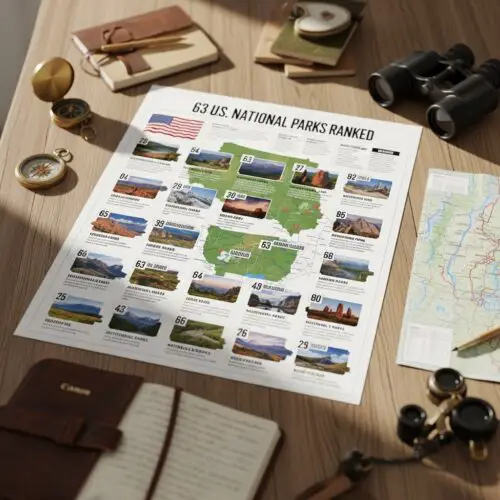
In 2026, experts have ranked all 63 US national parks from best to worst. This ranking helps visitors choose the perfect park for their adventures. It combines expert evaluations with tips from fellow travelers.
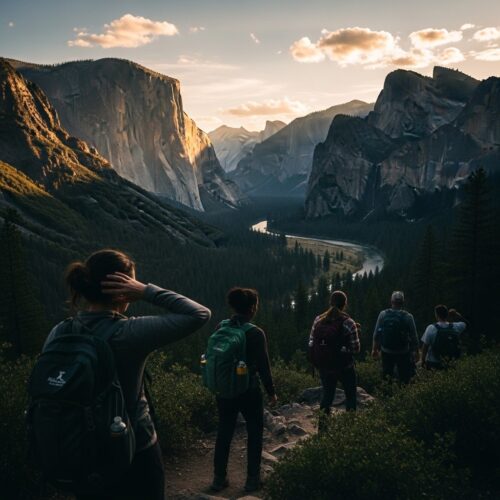
Understanding the Importance of National Parks
National parks are treasures of natural beauty and biodiversity. They protect wildlife and preserve unique landscapes. Here’s why they matter:
- Conservation: They safeguard natural habitats.
- Recreation: They offer a variety of outdoor activities like hiking, camping, and wildlife viewing.
- Education: They provide opportunities to learn about nature and history.
What This Ranking Means for Visitors
This ranking isn’t just a list; it’s a roadmap for your next trip. Here’s how to use it:
- Choose Wisely: Find parks that match your interests. Love mountains? Check out Glacier National Park. Prefer deserts? The Grand Canyon might be for you.
- Plan Your Visit: Each park has its best times to visit. Research to avoid crowds and enjoy the scenery.
- Visitor Tips: Each park comes with insights from those who’ve been there. Learn about must-see spots and hidden gems.
Ranking Criteria
The parks are ranked based on several criteria:
Table of Contents
- Accessibility: How easy is it to get there?
- Crowd Sizes: Is it a tranquil escape or a busy hotspot?
- Recreational Opportunities: What activities can you enjoy?
- Park Amenities: Are there facilities like restrooms, visitor centers, and campgrounds?
- Scenic Beauty: How stunning are the views?
By understanding these factors, you can choose a park that suits your preferences.
For a deeper dive into national parks, consider grabbing a National Park Guidebook to help you navigate your adventures!
2. Ranking Criteria Explained for National Parks
Understanding how national parks are ranked helps you choose the right one for your adventure. The criteria focus on key aspects like accessibility, scenery, and visitor experience. Here’s a closer look at how each factor plays a role in the rankings.
Factors Considered in the Rankings
1. Scenic Beauty (14 points): This is all about the stunning views. It’s subjective, but most folks agree that breathtaking landscapes are a must.
2. Accessibility (8 points): How easy is it to get there? This covers everything from road access to nearby accommodations, including ADA-friendly options.
3. Crowd Sizes (6 points): Is it a peaceful getaway or a busy hotspot? Fewer crowds can mean a more enjoyable experience.
4. Recreational Opportunities (10 points): What activities are available? From hiking to birdwatching, more options add to your experience.
5. Park Amenities (5 points): Facilities like restrooms, visitor centers, and campgrounds can significantly enhance your visit.
How Each Criteria Impacts Your Visit
- Scenic Beauty: If you’re after Instagram-worthy views, parks like Yosemite and Glacier will be at the top of your list. They offer jaw-dropping landscapes that leave visitors in awe.
- Accessibility: Busy folks might prefer parks that are easy to access, like Yellowstone. It’s well-connected and has plenty of options for getting around.
- Crowd Sizes: If you crave solitude, consider visiting lesser-known parks. They often provide a more intimate connection with nature.
- Recreational Opportunities: Families might look for parks with diverse activities. Parks like Grand Canyon offer everything from easy trails to thrilling rafting adventures.
- Park Amenities: Make sure to check the facilities available. Parks with good amenities can make your trip more comfortable, especially for families or those with special needs.
Each park is evaluated on this scale, so you can find one that fits your style. If you’re planning a visit, consider grabbing a National Park Guidebook to help you navigate your choices!
3. Top 10 National Parks Ranked from Best to Worst
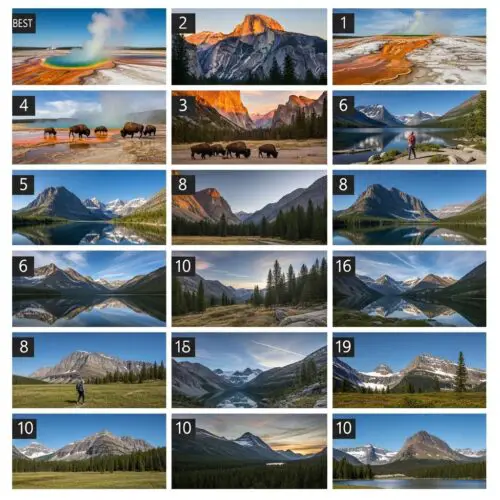
Ready to explore the crème de la crème of America’s national parks? Here’s a rundown of the top 10 parks, ranked from best to worst. Each park offers something unique, whether it’s stunning scenery, diverse wildlife, or thrilling activities. Let’s dive in!
Park #1: Yellowstone National Park
- Highlights: Known as the first national park in the world, Yellowstone is famous for its geothermal features like Old Faithful and vibrant hot springs.
- Visitor Tips: Arrive early to beat the crowds. Don’t miss the chance to see bison and elk roaming freely.
Park #2: Yosemite National Park
- Highlights: Yosemite boasts iconic landmarks such as El Capitan and Half Dome. Its waterfalls are breathtaking, especially in spring.
- Visitor Tips: During summer, consider booking accommodations well in advance. Explore the less-traveled trails for a quieter experience.
Park #3: Grand Canyon National Park
- Highlights: The Grand Canyon offers stunning vistas that are hard to match. The view from the South Rim is a must-see.
- Visitor Tips: Sunrise and sunset offer the best lighting for photos. If you’re feeling adventurous, try a rafting trip on the Colorado River.
Park #4: Zion National Park
- Highlights: Zion is famous for its soaring cliffs and canyoneering opportunities. Angels Landing is a popular, albeit challenging, hike.
- Visitor Tips: Use the shuttle system during peak seasons to avoid parking hassles. Bring plenty of water on hikes!
Park #5: Glacier National Park
- Highlights: Glacier is home to stunning mountain landscapes and over 700 miles of hiking trails. Don’t miss the famous Going-to-the-Sun Road.
- Visitor Tips: Visit in late June to see wildflowers in full bloom. Wildlife spotting is best in the early morning or late evening.
Park #6: Rocky Mountain National Park
- Highlights: With over 300 miles of trails and breathtaking mountain views, this park is a hiker’s paradise.
- Visitor Tips: Explore the alpine lakes and take a scenic drive on Trail Ridge Road for stunning views.
Park #7: Olympic National Park
- Highlights: Olympic features diverse ecosystems, from mountains to rainforests. It’s a great spot for wildlife viewing.
- Visitor Tips: Visit the Hoh Rain Forest for a unique experience. Pack layers; the weather can change quickly!
Park #8: Acadia National Park
- Highlights: Acadia is the first national park established east of the Mississippi. It offers beautiful coastal views and scenic drives.
- Visitor Tips: Try to catch sunrise from Cadillac Mountain, the first place in the U.S. to see the sun rise.
Park #9: Joshua Tree National Park
- Highlights: Known for its unique Joshua trees and striking rock formations, it’s a haven for rock climbers.
- Visitor Tips: Spring is the best time to visit for wildflower blooms. Stargazing here is phenomenal due to low light pollution.
Park #10: Shenandoah National Park
- Highlights: Shenandoah offers beautiful mountain views along Skyline Drive and numerous hiking trails.
- Visitor Tips: Fall is the best time for leaf-peeping. Don’t forget to stop at the overlooks for stunning views.
Each of these parks has its own charm and features that make it special. When planning your visit, consider what experiences resonate most with you. A National Park Guidebook can be an excellent resource to help you navigate your choices!
4. Parks Ranked 11-20 with Visitor Insights

Here’s a look at the national parks ranked 11-20. Each park offers unique experiences and tips to help you make the most of your visit.
Park #11: Zion National Park
- Highlights: Known for its stunning red rock formations and canyons.
- Visitor Tips: Visit during early spring or late fall to avoid crowds. Don’t miss the famous Angels Landing hike for breathtaking views.
Park #12: Glacier National Park
- Highlights: Home to stunning glaciers and diverse wildlife.
- Visitor Tips: The Going-to-the-Sun Road opens late June. Plan your trip around this time for the best access to park attractions. Early morning is ideal for wildlife spotting.
Park #13: Olympic National Park
- Highlights: Features diverse ecosystems, from mountains to rainforests.
- Visitor Tips: Check weather conditions before visiting. The Hoh Rain Forest is magical but can be muddy. Bring waterproof gear!
Park #14: Rocky Mountain National Park
- Highlights: Offers breathtaking mountain views and numerous trails.
- Visitor Tips: Peak summer can get crowded. Consider visiting in the shoulder seasons for a quieter experience. Don’t forget to stop at Bear Lake for a picturesque view.
Park #15: Joshua Tree National Park
- Highlights: Famous for its unique Joshua trees and striking rock formations.
- Visitor Tips: Spring is the best time for wildflower blooms. Stargazing here is phenomenal due to low light pollution.
Park #16: Acadia National Park
- Highlights: Known for its rugged coastline and beautiful fall foliage.
- Visitor Tips: Visit early in the morning to catch the sunrise from Cadillac Mountain, one of the first places in the U.S. to see the sunrise.
Park #17: Grand Teton National Park
- Highlights: Iconic mountain scenery and pristine lakes.
- Visitor Tips: The best time to visit is summer for full access to trails and activities. Don’t miss the opportunity to kayak on Jenny Lake.
Park #18: Cuyahoga Valley National Park
- Highlights: Offers lush forests and scenic waterfalls.
- Visitor Tips: Visit in the fall for spectacular leaf colors. The Towpath Trail is great for biking and walking.
Park #19: Badlands National Park
- Highlights: Known for its dramatic landscapes and fossil beds.
- Visitor Tips: Sunrise and sunset are the best times for photography. Be sure to bring plenty of water, as it can get extremely hot.
Park #20: Channel Islands National Park
- Highlights: Features five beautiful islands with rich marine life.
- Visitor Tips: Access is primarily by boat or plane. Plan ahead for tours and be ready for some amazing kayaking opportunities.
These parks might not always be at the top of everyone’s list, but they hold some hidden gems worth exploring. Each one has its own charm and experiences that can cater to your adventure style!
5. Parks Ranked 21-30 with Unique Features

Here, we explore parks ranked 21-30, highlighting their unique features and sharing valuable visitor tips. Each park offers something special, making them worth a visit!
Park #21: Acadia National Park
- Highlights: Acadia boasts stunning coastal views and diverse ecosystems.
- Visitor Tips: Visit during fall for vibrant foliage. Don’t miss the sunrise from Cadillac Mountain, the highest point on the East Coast.
Park #22: Rocky Mountain National Park
- Highlights: Known for its breathtaking mountain scenery and wildlife.
- Visitor Tips: Drive the scenic Trail Ridge Road for panoramic views. Bring layers; weather can change quickly at high altitudes.
Park #23: Death Valley National Park
- Highlights: Home to the hottest place on Earth and diverse landscapes, from sand dunes to salt flats.
- Visitor Tips: Visit in winter or spring for milder temperatures. Make sure to stay hydrated, and check your vehicle’s coolant system before exploring.
Park #24: Olympic National Park
- Highlights: Features lush rainforests, rugged coastlines, and majestic mountains.
- Visitor Tips: Explore Hoh Rain Forest for a unique experience. Layer your clothing; temperatures can vary drastically.
Park #25: Joshua Tree National Park
- Highlights: Famous for its unique Joshua trees and striking desert landscapes.
- Visitor Tips: Visit at sunrise or sunset for the best light. Bring a star chart; stargazing here is phenomenal!
Park #26: Channel Islands National Park
- Highlights: Offers spectacular marine life and opportunities for kayaking and snorkeling.
- Visitor Tips: Access is mainly by boat. Book tours in advance to ensure a spot, especially in summer.
Park #27: Glacier National Park
- Highlights: Known for its stunning glaciers and diverse wildlife.
- Visitor Tips: Go in late June to see wildflowers bloom. Consider hiking the Highline Trail for breathtaking views.
Park #28: New River Gorge National Park
- Highlights: Offers thrilling whitewater rafting and rock climbing.
- Visitor Tips: Spring is best for rafting. Check water levels before heading out for a safe experience.
Park #29: Lassen Volcanic National Park
- Highlights: Unique geothermal features and volcanic landscapes.
- Visitor Tips: Visit in summer when all roads are open. Don’t miss the boiling springs and fumaroles!
Park #30: Congaree National Park
- Highlights: Home to the largest intact expanse of old growth bottomland hardwood forest in the U.S.
- Visitor Tips: Try the boardwalk loop for a quick overview. Bring bug spray—mosquitos can be eager here!
These parks may not always be in the spotlight, but they offer unique experiences for every type of traveler. Happy exploring!
6. Parks Ranked 31-40 with Accessibility Tips

As we dive into parks ranked 31 to 40, you’ll find a mix of stunning landscapes and unique experiences. Each park has its own charm and accessibility features to consider. Here’s a look at each one along with tips to make your visit smoother.
Park #31: Badlands National Park
- Accessibility: The main road is paved and accessible for most vehicles. There are several accessible overlooks and picnic areas.
- Visitor Tips: Visit in the early morning or late afternoon for the best lighting on the rock formations. Wear sturdy shoes; some trails can be rocky.
Park #32: Channel Islands National Park
- Accessibility: Access to the islands is only by boat or plane. The visitor center on the mainland is accessible, but once on the islands, trails can be rugged.
- Visitor Tips: Consider booking a tour that accommodates diverse needs. Check the weather as conditions can change rapidly.
Park #33: Congaree National Park
- Accessibility: The boardwalk loop is fully accessible, making it easy to explore the stunning old-growth forest. Some trails are more challenging.
- Visitor Tips: Bring bug spray, especially in the summer. The park can be humid, so dress accordingly. Early morning visits can help avoid crowds.
Quick Accessibility Comparison
| Park | Main Accessibility Features | Suggested Visit Time |
|---|---|---|
| Badlands National Park | Paved roads, accessible overlooks | Early morning or late afternoon |
| Channel Islands National Park | Boat/plane access only, rugged island trails | Check weather before visiting |
| Congaree National Park | Accessible boardwalks, some rugged trails | Early morning to avoid crowds |
These parks may not always make the headlines, but they offer memorable experiences for everyone. Whether you’re into hiking or just soaking up nature, you’ll find something special in each one. Happy exploring!
7. Parks Ranked 41-50 with Visitor Feedback

In this section, we dive into parks ranked 41-50. Each park offers something unique, and real visitor feedback helps highlight what you can expect. Let’s see what people are saying!
Park #41: Cuyahoga Valley National Park
Cuyahoga Valley is a hidden gem near Cleveland, Ohio. Visitors love its scenic views and charming trails.
- Visitor Tip: Don’t miss the Cuyahoga Valley Scenic Railroad. It’s a fun way to see the park.
- What to Expect: Many visitors rave about the lush greenery and the beautiful waterfalls, especially Brandywine Falls.
- Best Time to Visit: Fall is a favorite for leaf-peeping.
Park #42: New River Gorge National Park
New River Gorge is known for its stunning cliffs and whitewater rafting. It’s a thrill-seeker’s paradise.
- Visitor Tip: Check out the Endless Wall Trail for breathtaking views.
- What to Expect: Hikers enjoy the diverse trails, but some find the rocky paths challenging.
- Best Time to Visit: Spring and fall are ideal for pleasant temperatures and fewer crowds.
Park #43: Great Sand Dunes National Park
Great Sand Dunes offers a unique landscape with the tallest sand dunes in North America.
- Visitor Tip: Bring a sled for some downhill fun!
- What to Expect: Visitors appreciate the contrast of the dunes against the backdrop of the Rocky Mountains.
- Best Time to Visit: Early summer is perfect for sandboarding and stargazing at night.
Park #44: Congaree National Park
Congaree is all about biodiversity. It’s a swampy paradise that attracts nature lovers.
- Visitor Tip: Take the boardwalk loop for an easy introduction to the park.
- What to Expect: Visitors often highlight the peacefulness and the chance to see unique wildlife.
- Best Time to Visit: Spring for wildflowers and fall for foliage.
Park #45: Lassen Volcanic National Park
Lassen is known for its geothermal features and volcanic landscapes.
- Visitor Tip: Don’t miss Bumpass Hell, a geothermal area with boiling mud pots.
- What to Expect: Many visitors are amazed by the variety of landscapes, from mountains to lakes.
- Best Time to Visit: Summer is best for access to trails and campgrounds.
Park #46: Theodore Roosevelt National Park
This park is a tribute to the conservation efforts of Teddy Roosevelt. It features rugged badlands and diverse wildlife.
- Visitor Tip: Drive the scenic loop for the best views.
- What to Expect: Wildlife sightings, especially bison, are a highlight for visitors.
- Best Time to Visit: Late spring and early fall offer mild weather and fewer bugs.
Park #47: Black Canyon of the Gunnison National Park
Black Canyon offers dramatic views and steep cliffs. It’s perfect for those who love a good view.
- Visitor Tip: Visit the South Rim for easier access and breathtaking overlooks.
- What to Expect: Visitors are often struck by the canyon’s depth and unique rock formations.
- Best Time to Visit: Spring and fall are optimal for hiking and photography.
Park #48: Great Basin National Park
Great Basin is known for its ancient bristlecone pines and the stunning Lehman Caves.
- Visitor Tip: Make cave reservations in advance for guided tours.
- What to Expect: Visitors enjoy the quiet beauty and starry nights due to low light pollution.
- Best Time to Visit: Summer for warm weather and full access to trails.
Park #49: Channel Islands National Park
Channel Islands is an isolated paradise. Access is primarily by boat or plane.
- Visitor Tip: Plan ahead for boat schedules and weather conditions.
- What to Expect: Visitors love the pristine beaches and opportunities for snorkeling.
- Best Time to Visit: Late spring and summer are best for warmer weather and marine life.
Park #50: Virgin Islands National Park
This park is all about stunning beaches and rich history. It’s a tropical escape.
- Visitor Tip: Snorkeling at Trunk Bay is a must-do for underwater adventures.
- What to Expect: Visitors appreciate the blend of beach relaxation and hiking trails.
- Best Time to Visit: December to April for the best weather and fewer crowds.
These parks may not be the most popular, but they offer incredible experiences. Visitor feedback highlights their unique charms and what to watch out for. Happy exploring!
8. Parks Ranked 51-63 for the Adventurous Traveler
These parks may sit at the bottom of the rankings, but they offer unique adventures for those willing to explore. If you’re an adventurous traveler, you might just find hidden gems in these lesser-visited spots.
Park #51: Gateway Arch National Park
- Visitor Tip: Take the tram to the top of the arch for stunning views of the Mississippi River.
- What to Expect: This park is compact but rich in history. It’s perfect for those interested in America’s westward expansion.
- Best Time to Visit: Spring and fall for pleasant weather.
Park #52: Hot Springs National Park
- Visitor Tip: Don’t miss the historic Bathhouse Row. Soaking in thermal waters is a must!
- What to Expect: Enjoy hiking trails that weave through the Ouachita Mountains. The park’s unique thermal springs are a highlight.
- Best Time to Visit: Fall is ideal, offering vibrant foliage and mild temperatures.
Park #63: Dry Tortugas National Park
- Visitor Tip: Bring snorkeling gear to explore the vibrant coral reefs.
- What to Expect: Remote and beautiful, this park is accessible only by boat or seaplane, making it a true adventure.
- Best Time to Visit: December to April is best to avoid storms and enjoy calm waters.
Unique Adventures in Lower-Ranked Parks
While these parks might not have the fame of others, they offer unique adventures that can be rewarding:
- Gateway Arch: Explore the visitor center for interactive exhibits on the Westward Expansion.
- Hot Springs: Discover the hiking trails that lead to scenic overlooks. The park has over 26 miles of trails!
- Dry Tortugas: Camp under the stars on a secluded beach for an unforgettable experience.
When planning your visit, consider what kind of adventure you seek. Each park offers a different vibe and set of activities. Check out visitor reviews to find what resonates with your travel style!
9. Common Mistakes to Avoid When Visiting National Parks

Visiting national parks is an incredible adventure, but it’s easy to make a misstep. Here are some common mistakes to avoid for a smoother experience.
Planning Your Visit
- Don’t Skip Reservations. Popular parks fill up fast. Many campgrounds and lodges book a year in advance. Plan ahead and reserve your spot early.
- Check for Timed Entry. Some parks require timed entry passes. These can disappear quickly, especially during peak seasons.
- Research Park Hours. Each park has different operating hours. Some close early or have seasonal access restrictions.
Packing Essentials for National Parks
- Pack Layers. Weather can change in an instant. Bring layers to stay comfortable in varying temperatures.
- Leave Technology Behind. Many parks have limited cell service. Download maps before you arrive and carry a physical compass.
- Don’t Overpack. Stick to the essentials. Heavy packs can make hiking a chore. Focus on lightweight gear that’s easy to carry.
Understanding Park Regulations
- Follow Wildlife Safety Guidelines. Keep a safe distance from animals. This protects both you and the wildlife. Maintain at least 25 yards from most animals, and 100 yards from bears and wolves.
- Heed Trail Closures. Park rangers know best. Ignoring closures can lead to dangerous situations. Always follow their advice for your safety.
- Respect the Environment. Feeding wildlife can change their behavior and harm them. Always observe from a distance and leave no trace.
Quick Checklist for First-Time Visitors
- Plan and book accommodations in advance.
- Pack weather-appropriate clothing.
- Carry a physical map and compass.
- Respect wildlife and park regulations.
- Take your time to enjoy the scenery.
Avoiding these common pitfalls will help ensure you have a memorable visit to any of the 63 US National Parks!
10. Best Times to Visit Each National Park
Timing your visit to a national park can make all the difference. You want to avoid crowds and enjoy the best conditions. Here’s a guide to help you choose the right time for your adventure.
Peak vs Off-Peak Times
- Spring (March to May): Great for blooming flowers and mild weather. This is often considered off-peak, except for popular parks like Yosemite, which can get busy during spring break.
- Summer (June to August): Peak season for almost all parks. Expect large crowds, especially in Yellowstone and the Grand Canyon. If you can, visit during the weekdays for a quieter experience.
- Fall (September to November): Another off-peak time. The weather is still nice, and fall foliage is stunning in parks like Acadia and Shenandoah.
- Winter (December to February): Off-peak for most parks, except those known for winter activities, like Yellowstone and Glacier. If you enjoy solitude and snow-capped scenery, winter is your season!
Seasonal Attractions in Each Park
Different seasons bring unique experiences at national parks. Here’s a quick look:
- Yellowstone: Winter offers snowshoeing and thermal features. Summer is for wildlife watching.
- Yosemite: Spring features waterfalls at their peak. Fall offers vibrant colors and fewer tourists.
- Grand Canyon: Visit in spring or fall for moderate temperatures and lesser crowds. Winter is chilly but beautiful.
Weather Considerations for Planning
Weather varies greatly across parks and seasons. Here are some tips:
- Know the Elevation: Higher elevations can mean cooler temperatures. For example, Rocky Mountain National Park can be chilly even in summer.
- Check Rainfall: Some parks, like Olympic National Park, have significant rainfall in spring and fall.
- Be Prepared for Sudden Changes: Weather can shift quickly in mountainous areas. Always pack layers!
Quick Checklist for Best Times to Visit
- Spring: Mild weather, blooming flora.
- Summer: Crowded, ideal for families.
- Fall: Colors and fewer people.
- Winter: Quiet, perfect for snow activities.
Plan your visit based on these insights to enjoy the best of what each national park has to offer!
11. Conclusion and Final Recommendations for National Park Visits
Visiting national parks can be a thrilling adventure! Here’s a quick recap of what to remember for your trips and some handy tips to enhance your experience.
Recap of Key Rankings
Here’s a snapshot of the top national parks based on expert evaluations:
- Yellowstone National Park: The pioneer of national parks, famous for its geothermal features.
- Yosemite National Park: Known for its stunning waterfalls and giant sequoias.
- Grand Canyon National Park: Home to breathtaking views and diverse geology.
- Glacier National Park: Offers incredible scenery and wildlife.
Each park has its unique charm and challenges, so choose wisely based on what you want to experience!
Final Visitor Tips for Enjoying National Parks
To ensure a great visit, keep these tips in mind:
- Plan Ahead: Research each park’s offerings. Some parks require permits for specific activities.
- Stay Hydrated and Snack Smart: Bring plenty of water and energy-boosting snacks. Trails can be longer than expected!
- Respect Wildlife: Keep a safe distance from animals. Feeding them is a no-go!
- Follow Park Rules: Adhering to guidelines helps preserve the beauty for future visitors.
- Be Flexible: Weather can change quickly. Have a backup plan just in case!
Encouragement to Explore and Preserve
Your visits to these national parks are vital. They support conservation efforts and help keep these natural wonders alive.
- Explore Lesser-Known Parks: Don’t just stick to the famous ones. Parks like Congaree and Lassen Volcanic offer unique experiences.
- Share Your Experience: Encourage others to visit by sharing your stories and photos. You might inspire someone to fall in love with nature!
Whether you’re a seasoned park-goer or a first-timer, take these recommendations to heart. Enjoy the journey, and let nature inspire you!
Frequently Asked Questions
These quick answers cover the most common questions about this topic, including key details, practical tips, and common concerns.
Can you carry a gun in Death Valley?
Yes, you can carry a firearm in Death Valley National Park, provided you follow state and federal laws. Be sure to store weapons safely and use them responsibly. Always check current regulations before your visit, as rules can change.
Which president set aside Yellowstone?
Yellowstone was established as the first national park by President Ulysses S. Grant in 1872. His decision helped create the foundation for national parks across the U.S. and worldwide.
What is the prettiest national park in the USA?
Beauty is subjective, but many consider Yosemite, Grand Canyon, and Glacier to be among the prettiest. Yosemite is famous for its waterfalls and giant sequoias, while Glacier offers dramatic mountain scenery. The best park depends on your personal preferences.
What is the least visited national park in the US?
Gates of the Arctic in Alaska is often cited as the least visited national park. Its remote location and limited access keep visitor numbers low, making it ideal for solitude and wilderness experiences.
What should I pack for a national park visit?
Pack essentials like sturdy hiking shoes, layered clothing, water, snacks, sun protection, and a first aid kit. If visiting in winter, include warm gear and waterproof layers. Don’t forget a camera or binoculars for wildlife viewing.
How do I avoid crowds in national parks?
Visit during shoulder seasons like early spring or late fall. Arrive early in the morning or late in the afternoon. Consider exploring lesser-known parks or remote areas within popular parks to enjoy tranquility.
What are the best national parks for families?
Parks like Yellowstone, Acadia, and Shenandoah are great for families. They offer accessible trails, visitor centers, and family-friendly activities. Look for parks with amenities like campgrounds, ranger programs, and easy hikes.
Are there any hidden gems among the national parks?
Yes, parks like Congaree, Great Basin, and Dry Tortugas are less crowded but offer unique landscapes and experiences. These parks often provide more solitude and opportunities for off-the-beaten-path adventures.
What should readers know about Visitor Testimonials and Personal Experiences?
Visitor testimonials provide insights into real experiences, highlighting what to expect. They can reveal hidden gems, tips for avoiding issues, and how parks feel during different seasons. Use these stories to plan better.
What should readers know about Interactive Maps and Visual Guides?
Interactive maps help plan routes, locate amenities, and identify scenic spots. Visual guides, like photos and videos, give a preview of park landscapes and conditions. These tools enhance trip planning and help set expectations.