
Winter is a vibrant season for nutrition, offering a variety of berries and fruits that are not only delicious but also packed with essential nutrients. This guide will explore the best winter berries and fruits, their health benefits, and how to easily incorporate them into your diet.
The Nutritional Power of Winter Berries and Fruits
Winter berries and fruits are more than just tasty treats. They are packed with vital nutrients that can support your health during the colder months. Let’s dive into the specifics!
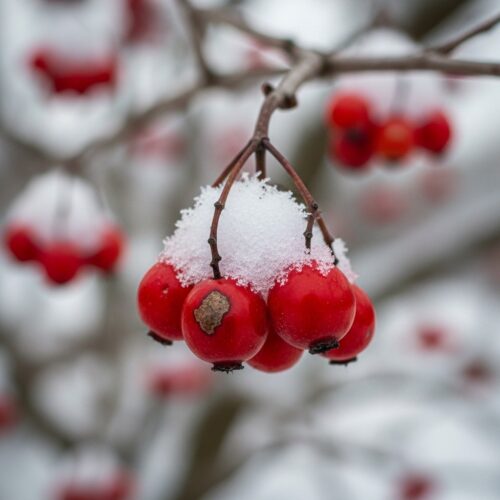
Key Nutrients Found in Winter Berries
Winter berries shine when it comes to nutrition. They are loaded with essential vitamins and minerals. Here are some key nutrients you can find in these berries:
- Vitamin C: Crucial for a strong immune system. It helps your body produce white blood cells to fend off infections.
- Antioxidants: These protect your cells from damage. Blueberries and cranberries are particularly high in antioxidants.
- Fiber: Helps regulate digestion and blood sugar levels. It’s especially beneficial for pregnant women and those managing blood sugar.
- Folate: Important for cell function and tissue growth, particularly vital for expectant mothers.
Health Benefits of Seasonal Fruits
Eating seasonal fruits in winter comes with numerous health perks. Here’s how they can benefit you:
- Boosts Immunity: Citrus fruits like oranges and grapefruits are rich in Vitamin C. They help strengthen your immune defenses.
- Supports Heart Health: Many winter fruits, such as pomegranates, are known for their heart health benefits. They can help reduce blood pressure and cholesterol levels.
- Fights Inflammation: Berries, especially elderberries, have anti-inflammatory properties. They can help reduce the risk of chronic diseases.
Antioxidants and Their Role in Health
Antioxidants are essential for overall health. They combat oxidative stress and can lower the risk of chronic diseases. Here’s a quick look at the role of antioxidants:
Table of Contents
- Protect Cells: They neutralize free radicals, which can cause cellular damage.
- Support Aging: A diet rich in antioxidants can slow down the aging process at the cellular level.
- Improve Overall Health: Regular consumption of antioxidant-rich foods like winter berries can lead to better heart health, improved memory, and enhanced immunity.
Lesser-Known Winter Fruits and Their Benefits
While we often hear about popular winter berries, some lesser-known fruits deserve a spotlight too. Check out these unique options:
- Goji Berries: Packed with Vitamin A and antioxidants, they can improve eye health and boost immunity.
- Elderberries: Known for their immune-boosting properties, elderberries are often used in syrups and jams.
- Persimmons: Rich in fiber and Vitamin C, they support digestive health and skin health.
These fruits not only offer unique flavors but also a variety of health benefits. Incorporating them into your meals can be both delicious and nutritious!
How to Choose the Best Winter Berries and Fruits
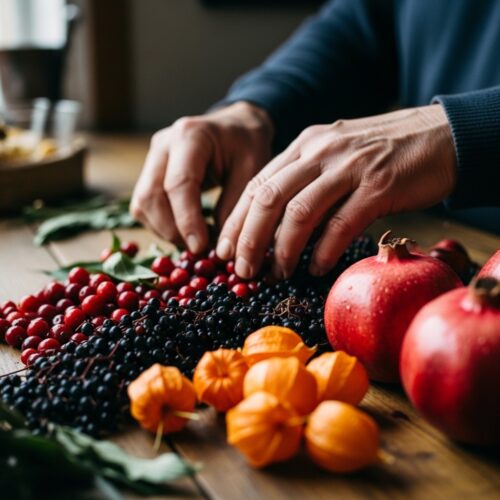
Selecting high-quality winter berries and fruits can elevate your winter diet. Here’s how to ensure you’re picking the best of the bunch.
Identifying Fresh Winter Berries
When choosing winter berries, look for these key traits:
- Color: Bright and vibrant colors indicate ripeness.
- Firmness: Berries should feel plump and firm, not mushy.
- No blemishes: Avoid any that show signs of mold or bruising.
For example, cranberries should be bright red and bounce a bit when you gently squeeze them. If they feel squishy, it’s best to pass.
What to Look for in Fruits
Winter fruits also have specific qualities to consider:
- Firmness: Choose fruits that are firm to the touch.
- Surface: Look for smooth, unblemished skin.
- Aroma: A fragrant smell often means the fruit is ripe and ready to eat.
Citrus fruits, like oranges and grapefruits, should have a bright color and a fresh scent. If they smell off, it’s a sign they may be past their prime.
Local vs. Store-Bought Options
Opting for local produce can make a big difference:
- Freshness: Local fruits are often harvested at their peak, meaning better taste and nutrition.
- Seasonality: Know what’s in season. This not only supports local farmers but also ensures you get the freshest options available.
To help you choose wisely, here’s a quick visual checklist for selecting seasonal produce:
| Criteria | Winter Berries | Winter Fruits |
|---|---|---|
| Color | Bright and vibrant | Bright and fragrant |
| Firmness | Plump and firm | Firm and unblemished |
| Aroma | Fresh scent (especially citrus) | Sweet and fragrant |
| Surface | No mold or blemishes | Smooth skin |
Use this checklist next time you’re shopping for winter berries and fruits to make informed choices. Happy berry hunting!
Creative Ways to Cook with Winter Berries and Fruits

Winter is the perfect time to get creative in the kitchen with seasonal berries and fruits. These ingredients are not just tasty; they also pack a nutritional punch. Let’s dive into some fun and simple ways to incorporate them into your meals!
Simple Recipes Featuring Winter Berries
1. Berry-Boosted Oatmeal
Start your day right! Add a handful of fresh or frozen cranberries and blueberries to your morning oatmeal. The berries will add sweetness and a burst of flavor, plus vitamins and antioxidants.
2. Savory Berry Sauce
For a unique twist on your meats, try a berry sauce. Sauté some shallots, then add a cup of pureed winter berries like raspberries or blackberries. Stir in a splash of balsamic vinegar for a tangy sauce that pairs beautifully with grilled chicken or pork.
3. Berry Chutney
Combine chopped winter berries with ginger, vinegar, and a touch of sugar. Simmer until thickened. Serve it alongside cheese or meats for a sweet and savory treat.
Incorporating Fruits into Breakfast and Snacks
Winter fruits are a great addition to breakfast. Here are some ideas:
- Citrus Salad: Mix segments of oranges and grapefruits with a drizzle of honey and a sprinkle of mint. It’s refreshing and packed with immune-boosting vitamin C.
- Yogurt Parfait: Layer Greek yogurt with winter fruits like pomegranate seeds and sliced kiwi. Top with your favorite granola for a crunchy finish.
- Smoothie Magic: Blend frozen berries with a banana and a splash of almond milk. It’s a quick, nutritious snack that’s perfect for any time of the day.
Desserts with a Winter Twist
Winter berries can shine in your desserts, too! Here are some delicious ideas:
1. Cranberry Crumble
Mix fresh or frozen cranberries with a bit of sugar and lemon juice. Top with a crumble made from oats, flour, and butter. Bake until golden brown for a warm, comforting dessert.
2. Berry Tart
Use a pre-made tart shell and fill it with a mixture of cream cheese, sugar, and vanilla. Top with an assortment of winter berries for a sweet and vibrant treat.
3. Chocolate-Dipped Berries
Melt dark chocolate and dip fresh strawberries or raspberries. Let them cool on parchment paper for a simple yet indulgent dessert.
These recipes are just a starting point. Feel free to mix and match ingredients. The world of winter fruits and berries is full of flavor and creativity waiting to be explored!
Foraging for Edible Winter Berries: A Comprehensive Guide

Foraging for winter berries can be a fun and rewarding experience. Not only do you get to enjoy the great outdoors, but you also discover delicious and nutritious treats. Let’s dive into how to identify safe edible berries and ensure a successful foraging adventure.
Identifying Safe Edible Berries
Knowing what to look for is key when foraging. Here are some popular winter berries you can find:
- Cranberries: Small, red, and tart. Often found in bogs.
- Elderberries: Dark purple and sweet when cooked. Be cautious with raw berries; they can be toxic.
- Wintergreen Berries: Bright red and flavorful. They grow in wooded areas.
- Holly Berries: Bright red but not edible. Use them for decoration, not eating!
Use a field guide or a foraging app to help identify these berries. Look for distinct features like color, shape, and growth patterns.
Safety Tips for Foraging
Safety is a top priority when foraging. Here are some tips to keep in mind:
- Know Your Berries: Only eat berries you can positively identify. When in doubt, leave it out!
- Avoid Contaminated Areas: Stay away from areas near roads or polluted sites.
- Check for Pesticides: If foraging in urban areas, be aware of pesticide use.
- Taste Test: Start with a small amount. Wait to see how your body reacts before consuming more.
Best Practices for Sustainable Foraging
Foraging should be done responsibly to protect the environment. Follow these best practices:
- Take Only What You Need: Avoid overharvesting. Leave enough for wildlife and future growth.
- Use Clean Tools: Bring a knife or scissors to avoid damaging plants.
- Leave No Trace: Clean up after yourself. Pack out any trash and minimize your impact.
Foraging Checklist
Here’s a handy checklist to ensure a successful foraging trip:
- [ ] Field Guide or App: To identify edible berries.
- [ ] Basket or Bag: For collecting berries.
- [ ] Knife or Scissors: To harvest without harming plants.
- [ ] Water and Snacks: Stay hydrated and energized.
- [ ] First Aid Kit: For minor injuries while outdoors.
With this guide, you’re ready to explore the world of winter berries. Happy foraging!
Seasonal Availability: When to Find Winter Berries and Fruits
Winter is a fantastic time to explore seasonal berries and fruits. Knowing when to find them can enhance your meals and boost your health. Let’s dive into the seasonal availability of winter berries and fruits across different regions.
Peak Seasons for Winter Berries
Winter berries often have their peak seasons from December to February. Here are some popular varieties and their availability:
- Cranberries: Available fresh until January. Perfect for holiday dishes.
- Blueberries: Frozen blueberries are accessible year-round, but fresh ones are usually found from late winter.
- Arctic Bramble: These hardy berries thrive in colder climates and can be found from late winter to early spring.
- Elderberries: Available late winter, often used in syrups and jams.
Regional Availability Differences
Different regions offer various winter fruits and berries. Here’s a quick look:
| Region | Berries Available | Best Time |
|---|---|---|
| Northeast | Cranberries, Blueberries | December – January |
| Pacific Northwest | Huckleberries, Elderberries | January – February |
| Midwest | Cranberries, Arctic Bramble | December – February |
| Southeast | Citrus Fruits, Blueberries | January – March |
Tips for Buying Seasonal Produce
When shopping for winter berries and fruits, keep these tips in mind:
- Look for Freshness: Choose berries that are firm and free from mold.
- Check for Color: Vibrant colors indicate ripeness, especially in citrus fruits.
- Consider Frozen Options: Frozen berries retain their nutrients and are often available year-round.
With this knowledge, you’ll be ready to enjoy the best winter berries and fruits in your meals!
Comparing Nutritional Values of Winter Fruits and Berries
Winter fruits and berries pack a nutritional punch, especially during the colder months. They’re not only tasty but also loaded with vitamins and minerals. Let’s see how they stack up against their summer counterparts.
Nutritional Profiles of Winter vs. Summer Fruits
When comparing winter and summer fruits, we can see significant differences in their nutritional profiles. Here’s a quick look at some popular options:
| Fruit Type | Vitamin C (mg) | Fiber (g) | Antioxidants | Calories |
|---|---|---|---|---|
| Winter Berries (e.g., cranberries, blueberries) | 15 – 20 | 3 – 4 | High | 50 |
| Citrus Fruits (e.g., oranges, grapefruits) | 70 – 90 | 2 – 3 | Moderate | 60 |
| Summer Berries (e.g., strawberries, raspberries) | 60 – 70 | 4 – 6 | Very High | 30 |
| Stone Fruits (e.g., peaches, cherries) | 10 – 15 | 1 – 2 | Low | 40 |
- Winter Berries: High in antioxidants and fiber, they support heart health and digestion.
- Citrus Fruits: Rich in Vitamin C, perfect for boosting your immune system.
- Summer Berries: Lower in calories and high in fiber, they make a great snack.
Benefits of Choosing Seasonal Produce
Eating seasonal fruits and berries has its perks. Here’s why you should choose winter options:
- Freshness: Seasonal produce is often fresher and more flavorful.
- Nutritional Density: Winter fruits tend to have higher nutrient levels, as they’re harvested at their peak.
- Cost-Effective: Seasonal fruits are usually cheaper when they’re in abundance.
Impact of Fresh vs. Frozen Options
Fresh fruits are fantastic, but don’t underestimate frozen varieties. Here’s how they compare:
- Nutritional Value: Frozen berries often retain their nutrients since they’re picked at peak ripeness and quickly frozen.
- Convenience: Frozen fruits are available year-round and can be added to smoothies, oatmeal, or baked goods easily.
- Storage: Fresh fruits have a shorter shelf life compared to frozen options, which can last for months.
By understanding the nutritional differences between winter and summer fruits, you can make informed choices for a healthy winter diet.
Tips for Storing Winter Fruits to Maximize Freshness
Keeping your winter fruits and berries fresh is essential for enjoying their full flavor and health benefits. Here are some best practices to help you store them properly.
Ideal Storage Conditions
Different fruits have varying storage needs. Here’s a quick guide:
- Citrus Fruits: Store at room temperature for up to a week. They can also last 2-3 weeks in the fridge.
- Berries: Keep unwashed berries in a breathable container in the fridge. They last about 3-7 days.
- Apples and Pears: Store in a cool, dark place or the fridge. They can last several weeks.
- Pomegranates: These can be stored at room temperature for about a week or in the fridge for a few months.
Common Mistakes to Avoid
Avoid these common pitfalls to keep your fruits fresh:
- Washing Before Storage: Don’t wash berries until you’re ready to eat them. Moisture promotes mold.
- Storing in Plastic Bags: Use breathable containers instead. Plastic traps moisture and leads to spoilage.
- Ignoring Ethylene Gas: Some fruits, like apples, emit ethylene gas, which can speed up ripening for other fruits. Keep ethylene producers separate from sensitive fruits.
How Long to Expect Freshness
Understanding the shelf life of your winter fruits helps you plan meals better. Here’s a quick freshness guide:
- Citrus Fruits: 1-3 weeks
- Berries: 3-7 days
- Apples: 3-6 weeks
- Pears: 1-2 weeks
- Pomegranates: Up to 3 months
By following these tips, you can enjoy your winter fruits at their best!
Unique Recipes Featuring Winter Berries and Fruits
Winter is a great time to explore the delicious possibilities of seasonal berries and fruits. From savory to sweet, these ingredients can brighten up your meals and snacks. Let’s dive into some creative recipes that showcase the unique flavors of winter.
Savory Dishes with Winter Fruits
Winter fruits can elevate your savory dishes. Here are a few ideas to get you started:
- Cranberry-Glazed Chicken: Sauté chicken breasts and glaze them with a mixture of cranberry sauce, orange juice, and a hint of rosemary. Serve it over a bed of quinoa for a nutritious meal.
- Beet and Citrus Salad: Roast beets until tender. Toss them with segments of grapefruit or orange, add some chopped walnuts, and drizzle with a balsamic vinaigrette.
- Stuffed Acorn Squash: Halve acorn squash and roast until soft. Fill with a mix of sautéed onions, cranberries, and farro for a hearty vegetarian dish.
Sweet Treats with Berries
Winter berries shine in desserts too! Try these sweet recipes:
- Cranberry Orange Muffins: Mix fresh or frozen cranberries into a fluffy muffin batter with orange zest. Bake until golden for a perfect breakfast treat.
- Berry Compote: Simmer a mix of frozen berries with a splash of water and a bit of sugar. Use it as a topping for pancakes, yogurt, or ice cream.
- Chocolate Raspberry Tart: Make a simple tart crust, fill it with rich chocolate ganache, and top with fresh raspberries for a decadent dessert.
Creative Smoothie Combinations
Smoothies are a quick way to pack in nutrients. Here are some winter-inspired blends:
- Citrus Berry Blast: Blend together frozen blueberries, orange juice, and a splash of almond milk. Add a handful of spinach for extra nutrients.
- Tropical Winter Smoothie: Combine frozen cranberries, banana, and coconut water for a refreshing drink that feels like summer in a glass.
- Oatmeal Berry Smoothie: Blend rolled oats, a banana, frozen strawberries, and milk of your choice. This smoothie is perfect for a filling breakfast on the go.
With these unique recipes, you can enjoy the flavors of winter while reaping the health benefits of seasonal fruits and berries. Get creative and make the most of your winter diet!
Frequently Asked Questions
These quick answers cover the most common questions about this topic, including key details, practical tips, and common concerns.
What berries are considered winter berries?
Winter berries include varieties like cranberries, elderberries, snowberries, and certain types of huckleberries and lingonberries. These berries are hardy and can survive cold temperatures, often foraging in wetlands, forests, or mountainous regions. They are typically ripe and available from late fall through winter.
Which fruit is better in winter?
Citrus fruits such as oranges, grapefruits, and mandarins are especially beneficial in winter. They are rich in vitamin C, support immune health, and are widely available during the season. However, berries like cranberries and elderberries also offer unique health benefits and can be excellent choices.
What fruit to eat in winter?
Opt for seasonal fruits like citrus (oranges, grapefruits), pomegranates, persimmons, and apples. These fruits are in peak season, flavorful, and packed with nutrients. Incorporating a variety of these can support your immune system and provide essential vitamins during colder months.
Why are berries so good in the winter?
Berries are rich in antioxidants, vitamin C, and fiber, which help boost immunity and reduce inflammation. Their high antioxidant content is especially valuable in winter, as it helps combat oxidative stress from indoor heating and seasonal stressors.
How can I incorporate winter fruits into my diet?
Add them to smoothies, oatmeal, salads, or yogurt. Use berries to make sauces, chutneys, or desserts. You can also enjoy fresh citrus segments or bake with seasonal fruits like persimmons and apples. Freezing berries in advance allows for easy use year-round.
What are the health benefits of eating winter berries?
Winter berries are high in antioxidants, supporting immune health and reducing inflammation. They also provide dietary fiber, vitamins, and minerals that promote digestion, skin health, and cardiovascular wellness.
Are there any risks associated with foraging for winter berries?
Yes. Some wild berries can be toxic if misidentified. Always forage with a reliable guide or expert, and only pick berries you are certain are edible. Avoid foraging near polluted areas or roads to prevent contamination.
What are the best winter berries to eat?
Cranberries, elderberries, goji berries, and lingonberries are among the top winter options. They are not only nutritious but also versatile for cooking, baking, and making beverages. Always ensure they are properly identified and prepared before consumption.