
Yes, koi fish are technically edible, but there are significant reasons why you might want to think twice before making them part of your diet. This guide explores the complexities surrounding koi fish consumption, from cultural significance to health risks and taste considerations.
Understanding Koi Fish and Their Cultural Significance
Koi fish have a rich history and deep cultural significance, especially in Japan. They are more than just beautiful fish; they symbolize values and meanings that resonate across generations.
The History of Koi Breeding
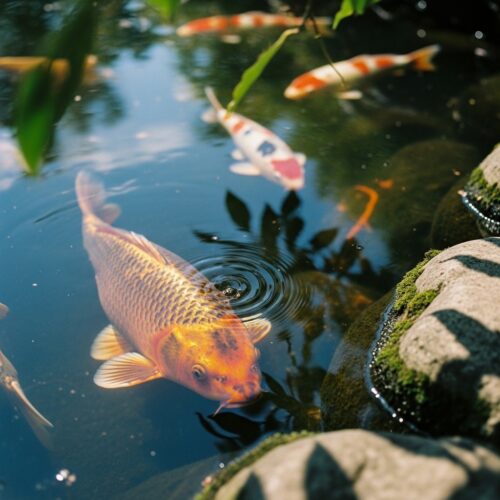
Koi originated from the common carp. In Japan, they were initially bred for food but quickly became symbols of beauty and grace. Over time, selective breeding led to vibrant colors and unique patterns. Today, koi are primarily ornamental fish, treasured in backyard ponds.
Key points about koi breeding include:
- Origin: Koi were first domesticated in Japan over 200 years ago.
- Breeding: Selective breeding focused on color, pattern, and size.
- Varieties: Popular types include Kohaku (white and red), Sanke (white with red and black), and Showa (black with red and white).
Symbolism in Japanese Culture
In Japanese culture, koi fish hold significant symbolic meanings. They represent strength, perseverance, and good fortune. This symbolism often stems from their ability to swim upstream against strong currents.
Table of Contents
Examples of koi symbolism include:
- Strength: Koi are admired for their ability to overcome obstacles.
- Good Luck: Many believe koi bring prosperity and success.
- Courage: Koi are often associated with bravery and determination.
Koi as Living Art
Koi are not just pets; they are considered living art. Their beauty transforms ponds into serene landscapes. Many koi enthusiasts invest in high-quality fish, often spending hundreds or even thousands of dollars.
When considering whether to eat koi, it’s essential to weigh their ornamental value against the idea of consumption:
- Cost: Many koi are expensive and bred for aesthetic appeal.
- Experience: Keeping koi offers enjoyment and connection over many years.
- Ethical Considerations: Eating a cherished pet can feel wasteful, given their cultural significance and beauty.
Koi fish symbolize much more than just a meal. They are a blend of art, culture, and history, making the decision to eat them a complex one.
Health and Safety Considerations of Eating Koi Fish
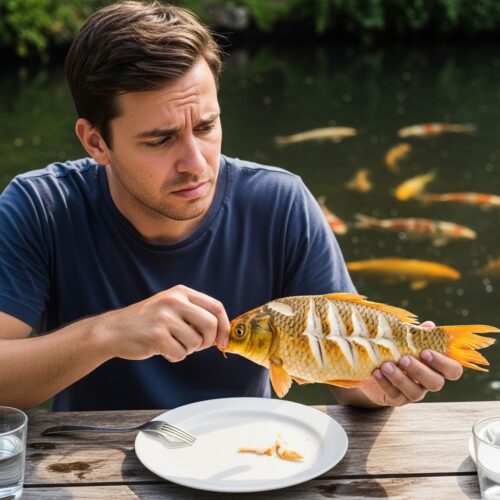
Eating koi fish may not be as straightforward as it seems. While they are technically edible, there are significant health risks to consider. Let’s break down the potential dangers and how to prepare koi safely.
Are Koi Fish Toxic or Poisonous?
Koi fish are not inherently toxic, but certain factors can make them unsafe to eat:
- Chemical Contaminants: Koi are often raised in backyard ponds, which may contain harmful chemicals or pollutants. These can accumulate in the fish’s body.
- Bottom-Feeding Habits: Koi, like their relatives, common carp, are bottom feeders. This means they can ingest harmful substances from the pond floor, including parasites and bacteria.
Parasites and Contaminants
When it comes to parasites and contaminants, here are a few key points:
- Parasites: Koi can harbor parasites such as flukes and tapeworms. These can pose health risks if not properly dealt with.
- Chemical Residues: If koi are kept in ponds treated with pesticides or herbicides, these chemicals can accumulate in their flesh. Eating contaminated fish can lead to serious health issues.
To minimize risks:
- Always source koi from reputable suppliers.
- Avoid consuming koi from unknown or untreated waters.
Safe Preparation Methods
Proper preparation is crucial for making koi safe to eat:
- Purging: Before cooking, keep the koi in clean water for 24-48 hours. This helps flush out impurities and improves flavor.
- Cooking Temperature: Cook koi to an internal temperature of 145°F (63°C) to ensure any parasites or bacteria are eliminated.
- Cleaning: Use gloves when handling koi to prevent transferring contaminants. Wash your hands thoroughly after preparation.
Quick Checklist for Safe Koi Consumption
- Source koi from clean, reputable ponds.
- Purge in clean water before cooking.
- Cook to 145°F (63°C).
- Wear gloves when handling.
By following these guidelines, you can enjoy koi while minimizing potential health risks. Just remember, it’s essential to weigh the risks against the rewards when considering this unique culinary choice.
Taste Profile and Culinary Uses of Koi Fish
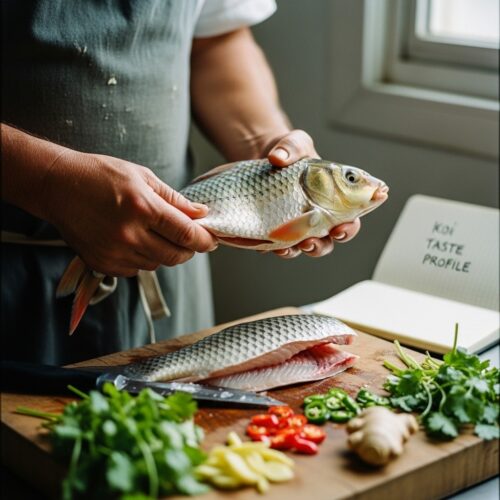
Koi fish might not be your first choice for dinner, but their flavor and culinary uses are worth exploring. Let’s dive into what koi tastes like and how people prepare it around the world.
What Does Koi Fish Taste Like?
Koi fish have a distinct flavor that can take some getting used to. Many describe it as earthy or muddy. This taste comes from the fish’s diet and habitat, often influenced by the algae and plants in their ponds. Compared to common fish like salmon or tilapia, koi’s flavor is much stronger and more pronounced.
- Flavor Notes:
- Earthy and muddy.
- Bony with a firm texture.
- Often improved by proper preparation.
While koi can be eaten, it’s not generally considered a delicacy. Many find it lacks the mildness of traditional food fish, rating it lower on the taste scale. If you’re looking for a culinary adventure, koi might intrigue you. But if you prefer predictable flavors, you might want to stick with more common fish options.
Cooking Methods for Koi
If you decide to cook koi, there are several methods to enhance its flavor. Here are some popular techniques:
- Frying: A quick way to cook koi and add crunch.
- Baking: This method can help retain moisture and enhance flavors.
- Stewing: Slow cooking in broth can soften the bony texture and infuse flavors.
Before cooking, it’s essential to purge koi in clean water for 24 to 48 hours. This process helps remove some of the earthy taste. Always ensure you cook koi to an internal temperature of 145°F (63°C) to eliminate any health risks.
Regional Variations in Koi Cuisine
Culinary traditions around the world treat koi differently, especially in cultures where carp is more common.
- Asian Cuisine: In some Asian countries, koi is appreciated for its unique flavor and is often used in traditional dishes. Recipes might include spicy stews or grilled preparations that complement its stronger taste.
- Eastern European Dishes: Here, koi is sometimes featured as a smoked or pickled fish, making the most of its distinct flavor.
While koi can be enjoyed in various dishes, it’s crucial to understand its origins and how it was raised. Ethical considerations play a part in whether one should consume koi, especially since many are bred as ornamental pets. Always consider the source and preparation methods to enjoy koi safely and deliciously.
Reasons You Might Not Want to Eat Koi Fish
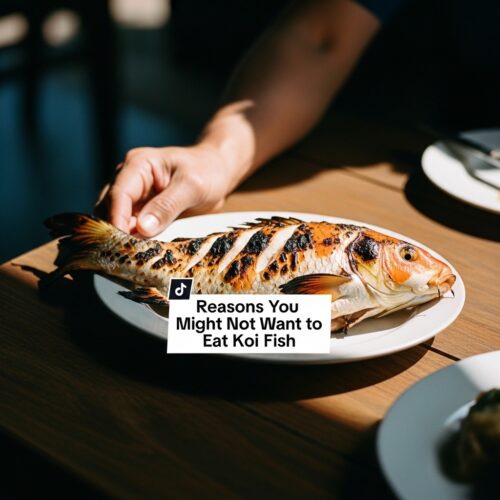
While koi fish may be technically edible, there are several compelling reasons to think twice before cooking one up. Let’s dive into the ethical, cultural, and practical aspects surrounding koi fish consumption.
Ethical Considerations: Koi as Pets
Koi are not just fish; they are often beloved pets. Many people invest time and money into caring for them. They have unique personalities and can even recognize their owners. Consuming a fish that you’ve nurtured can feel like a betrayal.
- Emotional Connection: Koi can bond with their owners, much like dogs or cats. Imagine cooking a creature that has greeted you daily at the pond.
- Care and Investment: Koi can cost hundreds or even thousands of dollars. Eating a pet seems wasteful when you consider the joy it brings.
Cultural Taboos Against Eating Koi
In many cultures, particularly in Japan, koi symbolize luck, prosperity, and resilience. Eating them can be seen as disrespectful to their cultural significance.
- Symbolism: Koi are often associated with good fortune and are celebrated in festivals. Consuming them could contradict these beliefs.
- Cultural Practices: Many people keep koi for aesthetic enjoyment and spiritual appreciation, rather than for food. This perspective makes eating them socially unacceptable in certain communities.
Economic Factors: Cost of Koi vs. Other Fish
Koi fish are often expensive due to their ornamental value. When considering what to eat, the economic factors can play a large role.
- High Cost: Koi can range from a few dollars to thousands, depending on their color and pattern. Why spend that much money only to eat it?
- Better Alternatives: There are plenty of more affordable and tastier fish options available for consumption. Fish like tilapia, salmon, or cod are not only cheaper but also widely accepted in culinary contexts.
In summary, while koi fish are technically edible, their status as pets, cultural significance, and high cost make them an unappealing choice for many.
Alternatives to Eating Koi Fish
If you’re pondering whether to eat koi fish, consider some tasty alternatives instead. Several edible fish are not only better options but also more widely accepted in culinary circles.
Common Edible Fish Compared
When it comes to flavor and versatility, koi doesn’t quite measure up. Let’s see how it stacks against other fish options:
| Fish Type | Flavor Profile | Texture | Cooking Methods |
|---|---|---|---|
| Koi | Earthy, muddy | Bony | Frying, baking, stewing |
| Salmon | Rich, buttery | Flaky | Grilling, baking, poaching |
| Tilapia | Mild, sweet | Firm | Baking, grilling, frying |
| Cod | Mild, slightly sweet | Flaky | Baking, frying, steaming |
| Trout | Delicate, fresh | Tender | Grilling, baking, pan-frying |
Koi’s flavor can be off-putting due to its muddy taste. In contrast, fish like salmon and tilapia are popular for their mild and pleasant flavors.
Sustainable Fish Options
Choosing sustainable fish is good for the planet and your plate. Here are some options that are both eco-friendly and delicious:
- Wild-Caught Salmon: Rich in omega-3 fatty acids and sustainably sourced.
- Mackerel: Affordable, flavorful, and packed with nutrients.
- Sardines: High in omega-3s and require less feed to produce.
These fish not only offer better flavors but also have lower environmental impacts compared to raising koi, which are often kept in ornamental ponds.
Nutritional Benefits of Alternatives
Eating fish is a great way to boost your nutrition. Here’s how some alternatives stack up:
- Salmon: High in protein and omega-3 fatty acids, great for heart health.
- Tilapia: Low in calories, high in protein, and a good source of B vitamins.
- Cod: Lean with a good amount of protein and nutrients like vitamin B12.
In comparison, koi lacks the same nutritional benefits and is generally considered less appealing for consumption. So, when it comes to dinner choices, there are plenty of better fish options out there!
Frequently Asked Questions
These quick answers cover the most common questions about this topic, including key details, practical tips, and common concerns.
Why is koi fish not edible?
Koi fish are primarily bred for ornamental purposes and hold strong cultural significance, especially in Japan. They are often kept as pets and symbols of good luck, making eating them culturally taboo. Additionally, koi are usually raised in ponds that may contain pollutants or chemicals, which can accumulate in their flesh and pose health risks.
Why don’t we eat carp in the USA?
In the USA, carp are often considered bottom-feeders and are associated with muddy flavors, which many find unappealing. Cultural preferences and perceptions also play a role; carp are viewed more as invasive or undesirable fish rather than food sources. As a result, they are rarely eaten, except in certain traditional cuisines or specific regional dishes.
What fish cost $1 million dollars?
The most expensive fish ever sold is a koi named “S Legend,” which reportedly sold for around $1.8 million. Such high prices are usually due to rare coloration, pattern, or breeding lineage. These koi are considered collector’s items and are not meant for consumption.
What does koi fish taste like?
Koi fish have a strong, earthy, and muddy flavor, influenced by their diet and pond environment. Their taste is often described as bony with a firm texture and is generally less mild than common edible fish. Many find the flavor unappealing for culinary use.
Can koi fish be safely eaten?
While koi are technically edible, safety depends on their source and how they are prepared. Fish from contaminated ponds may carry pollutants, parasites, or bacteria. Proper sourcing, purging, and cooking to appropriate temperatures are essential to reduce health risks.
What are the health risks of eating koi fish?
Eating koi from unregulated or contaminated ponds can expose you to chemical residues, parasites, and bacteria. Parasites like flukes or tapeworms can infect humans if the fish isn’t cooked thoroughly. Chemical contaminants from pond treatments can also pose long-term health risks.
Why are koi fish considered pets?
Koi are valued for their beauty, symbolism, and the emotional bonds they form with owners. They can recognize their caretakers and are often kept for decades. Their high cost and cultural significance make them more akin to pets or living art than food.
Are there cultural taboos against eating koi?
Yes, in many cultures, especially Japan, koi symbolize luck, perseverance, and prosperity. Eating koi can be seen as disrespectful or taboo because it contradicts their symbolic role. Many people prefer to admire koi as ornamental or spiritual symbols rather than food.
How should koi fish be prepared for cooking?
If you choose to cook koi, start by purging it in clean water for 24-48 hours to reduce earthy flavors. Remove scales and fillet the fish carefully. Cook to an internal temperature of 145°F (63°C) to ensure safety. Use methods like frying, baking, or stewing for best results.
What are the differences between koi and common carp?
Koi are selectively bred ornamental fish with vibrant colors and patterns, while common carp are wild or farmed fish primarily used for food. Koi are usually more colorful and prized for their aesthetic qualities, whereas carp are more utilitarian and have a stronger, muddier flavor.