
While chipmunks might seem adorable and tempting as pets, the reality is more complex. Understanding the specific challenges and considerations is crucial before making a decision. This guide outlines key reasons to think twice about having a chipmunk as a pet.
1. Legal Considerations for Chipmunk Ownership
Thinking about making a chipmunk your new furry friend? Hold on! The legality of owning one can be tricky and varies quite a bit from state to state. Let’s break it down.
Understanding State Regulations
In many places, owning a chipmunk is not a straightforward decision. Here are some key points to consider:
- Permits Required: Some states require special permits to own a chipmunk. If you’re in one of these states, you’ll need to navigate the application process.
- Bans and Restrictions: A number of states have outright bans on owning chipmunks. This is often due to concerns about them being invasive species.
- Legal Consequences: Keeping a chipmunk without proper permits can lead to hefty fines or even confiscation of the animal.
Examples of State Regulations
Here’s a quick look at how chipmunk ownership laws differ across a few states:
| State | Ownership Status | Permit Needed |
|---|---|---|
| California | Restricted (bans certain species) | Yes |
| Florida | Illegal | N/A |
| Texas | Allowed (with permit) | Yes |
| New York | Legal | No |
| Illinois | Restricted | Yes |
Always check your local laws before making any decisions. It’s better to be safe than sorry!
Table of Contents
Consequences of Illegal Ownership
The repercussions of owning a chipmunk illegally can be severe.
- Fines: If caught, you could face fines that vary based on your state’s laws.
- Pet Confiscation: Authorities may take your chipmunk away, leaving you heartbroken.
- Legal Trouble: Owning a banned animal can lead to legal issues on top of financial penalties.
Before you get attached, consider these factors. Research is key. If you decide to go for it, make sure you have a proper setup. A good start is a Pet Chipmunk Enclosure Kit to keep your little buddy safe and happy!
2. Care Requirements for Chipmunks
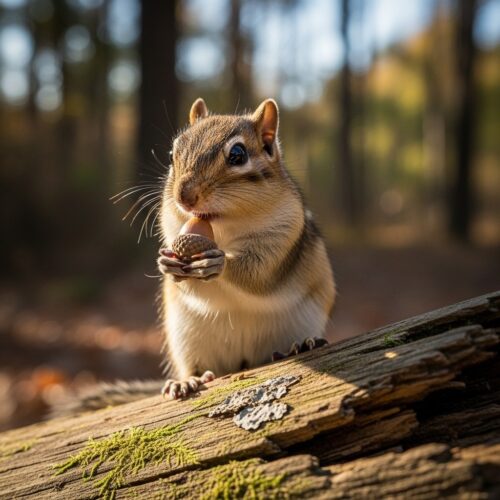
If you’re considering a chipmunk as a pet, understanding their care needs is essential. These little critters have specific requirements for housing, diet, and health monitoring.
Creating the Ideal Habitat
Chipmunks need a safe and spacious environment. Here’s a checklist to help you set up their habitat:
- Enclosure Size: Minimum of 24”x24”x36” for adequate room to explore.
- Bedding: Use paper-based bedding or aspen shavings. Avoid cedar as it can be harmful.
- Hiding Spots: Include tunnels, logs, or small boxes for burrowing and hiding.
- Climbing Structures: Add shelves or branches for climbing. Chipmunks love to explore vertically.
- Safe Toys: Provide chew toys to keep their teeth healthy and prevent boredom.
Feeding Your Chipmunk Properly
A balanced diet is crucial for your chipmunk’s health. Here’s what to include:
- Staple Foods: High-quality rodent pellets should form the base of their diet.
- Fresh Fruits and Vegetables: Offer small amounts of safe options like apples, carrots, and leafy greens.
- Nuts and Seeds: Treats like sunflower seeds and almonds should be given sparingly.
- Water: Fresh, clean water must always be available.
Keep an eye on their diet. Avoid sugary and fatty foods as they can lead to health issues.
Routine Health Checks
Regular health monitoring can catch issues early. Here’s what to look for:
- Behavior: Are they active and alert? Lethargy can be a sign of illness.
- Weight: Monitor their weight regularly. Sudden changes can indicate problems.
- Fur and Skin: Check for any bald patches or skin irritations.
- Eyes and Nose: Clear eyes and nose are signs of health. Discharge could indicate illness.
A good vet check-up can help keep your chipmunk in tip-top shape. With the right care and commitment, you can ensure a happy life for your little buddy!
3. Social Behavior and Temperament of Chipmunks
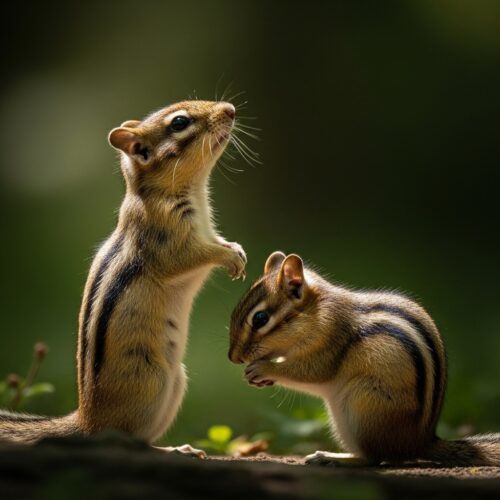
Chipmunks are curious little creatures, but they don’t always fit the mold of a cuddly pet. Understanding their social behavior and temperament is crucial before deciding to bring one home.
Understanding Their Natural Instincts
Chipmunks are naturally independent animals. In the wild, they spend most of their time alone, foraging and exploring. This means they often prefer their own company over that of humans. They can be shy and nervous, especially around new people or environments.
Here are some key points to consider:
- Territorial Nature: Chipmunks can be territorial. They might show aggression if they feel their space is invaded.
- Solitary Behavior: Unlike some pets, they don’t crave constant social interaction.
- Exploratory Instincts: They love to explore their surroundings. A stimulating environment is essential for keeping them happy.
Are Chipmunks Affectionate?
While some pet owners might hope for a snuggly companion, chipmunks aren’t generally known for their affection towards humans. They can be tamed to some extent, but it takes time and patience. Here’s what you should know:
- Limited Affection: Chipmunks may not seek out affection like a dog or cat. They’re more likely to appreciate gentle handling rather than constant cuddling.
- Gentle Interaction: If you want to bond with your chipmunk, be gentle. Give them time to adjust to your presence.
- Behavioral Issues: Common issues like biting can arise from fear or stress. Always approach them calmly and allow them to come to you.
Tips for Creating a Positive Environment
Creating the right environment can help your chipmunk feel more at ease. Here are some tips:
- Space: Provide a spacious enclosure. A cramped environment can lead to stress and aggression.
- Enrichment: Include toys, tunnels, and places to hide. This keeps them mentally stimulated.
- Diet: Offer a balanced diet. A proper diet can impact their mood and behavior.
For a comfortable and engaging space, consider investing in a Pet Chipmunk Enclosure Kit. It can help create a safe and fun environment for your furry friend!
Understanding chipmunks’ social behavior is key to ensuring a successful pet ownership experience. Their unique temperament requires special attention to meet their needs.
4. Health Issues Common in Pet Chipmunks
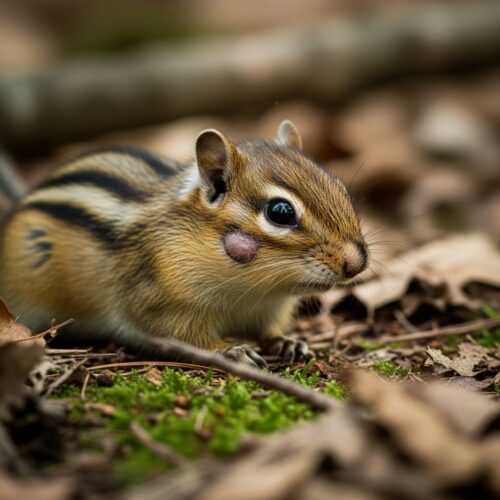
Chipmunks can be adorable pets, but they come with their own set of health concerns. Knowing what to watch for can help keep your furry friend happy and healthy.
Common Health Problems
Chipmunks are prone to certain health issues. Here are the most common ones:
- Respiratory Infections: Look for sneezing, coughing, or discharge from the nose. These can indicate a respiratory infection.
- Dental Problems: Chipmunks’ teeth grow continuously. If they don’t wear down properly, it can lead to overgrown teeth, causing pain and difficulty eating.
- Obesity: A poor diet or lack of exercise can lead to obesity, which can cause serious health problems.
- Stress-Related Behaviors: Signs of stress include excessive grooming or aggression. Stress can arise from a cramped living space or lack of mental stimulation.
Preventative Care Measures
Taking care of a chipmunk involves proactive health measures. Here’s what you can do:
- Regular Vet Checkups: Schedule visits with a vet who understands exotic pets. This is crucial for early detection of issues.
- Healthy Diet: Provide a balanced diet rich in fruits, vegetables, and nuts. A poor diet can lead to obesity and dental problems.
- Monitor Behavior Daily: Keep an eye on your chipmunk’s behavior and appearance. Changes can indicate health problems.
- Create a Comfortable Environment: Ensure their enclosure is spacious and enriching. A comfortable habitat can reduce stress and promote better health.
Being aware of these health issues and taking preventative steps can make a big difference. Your chipmunk deserves the best care you can provide!
5. Ethical Implications of Keeping Chipmunks as Pets
When considering a chipmunk as a pet, ethics play a huge role. Chipmunks are wild animals. They thrive in their natural habitats, not in homes. Let’s dive into some important ethical points to think about.
Wild vs. Domestic Animals
Chipmunks are not domesticated pets like dogs or cats. They have wild instincts.
- Behavior: Chipmunks are not social animals. They prefer solitude. This can make them difficult to handle or train.
- Stress Levels: Captivity can cause stress. In the wild, they have freedom and space to roam. A small cage can lead to anxiety and health issues.
In contrast, domestic pets have adjusted to living with humans. They often seek companionship and thrive in a home environment.
The Impact on Wildlife and Ecosystems
Keeping wild animals as pets can disrupt local ecosystems.
- Survival Skills: A chipmunk raised in captivity may lack survival skills. If released, it might struggle to find food or avoid predators.
- Disease Transmission: Domesticated chipmunks can introduce diseases to wild populations. This can harm local wildlife and upset the balance of the ecosystem.
Consider this: if a chipmunk escapes or is released, it could compete with native chipmunks. This can lead to overpopulation and resource depletion.
Ethical Treatment of Wild Animals
Ethics also involve how we treat these animals.
- Confinement Concerns: Keeping a chipmunk in a small enclosure isn’t just impractical; it’s potentially harmful. They need space to explore and forage.
- Legal Considerations: Many places have strict laws about owning wild animals. It’s important to check local regulations. Ignoring this can lead to penalties and further issues.
Checklist for Ethical Considerations:
- Research local laws regarding chipmunk ownership.
- Assess whether you can provide a suitable environment.
- Consider the long-term implications of keeping a wild animal as a pet.
Ultimately, while chipmunks are adorable, their wild nature means they aren’t suited for pet life. Think carefully before making a decision.
6. Alternatives to Keeping Chipmunks as Pets
If you’re considering a pet but are unsure about a chipmunk, you’re not alone! There are many furry friends out there that might be a better fit for your home and lifestyle.
Comparing Chipmunks to Other Small Pets
Chipmunks are cute, but they’re not the only small pets you can consider. Here’s a quick comparison of chipmunks versus some popular small pets:
| Pet Type | Social Behavior | Care Requirements | Legal Considerations |
|---|---|---|---|
| Chipmunk | Solitary, wild | Large enclosure, foraging | Often illegal in many areas |
| Hamster | Generally solitary | Small cage, wheel, bedding | Legal in most places |
| Guinea Pig | Social, needs company | Spacious cage, fresh veggies | Legal in most places |
| Gerbil | Social, can live in pairs | Small cage, bedding, toys | Legal in most places |
| Rat | Very social, can bond with owners | Cage, toys, healthy diet | Legal in most places |
Finding the Right Pet for You
When choosing a pet, consider these factors:
- Space: Do you have room for a large cage or enclosure? Chipmunks need more space than many small pets.
- Social Needs: Chipmunks are solitary creatures. If you want a pet that enjoys company, consider guinea pigs or rats.
- Care Level: Some pets, like hamsters, are low maintenance compared to chipmunks, which require more attention and space.
- Legalities: Always check your local laws. Many places restrict or prohibit chipmunk ownership, while hamsters and guinea pigs are widely accepted.
Choosing the right pet can be a fun journey! Just make sure to weigh all your options and find a furry friend that fits your lifestyle.
Frequently Asked Questions
These quick answers cover the most common questions about this topic, including key details, practical tips, and common concerns.
Can you have chipmunks as a pet?
In many regions, owning a chipmunk as a pet is legally restricted or outright banned due to concerns about invasive species and wildlife protection. Even where legal, it requires special permits and adherence to local regulations. Always check your state or local laws before considering a chipmunk as a pet.
Do chipmunks make good pets?
Generally, chipmunks are not ideal pets. They are solitary, wild animals with specific care needs. They tend to be shy, can be territorial, and may not enjoy human interaction. Their natural behaviors and stress levels often make them unsuitable for typical pet environments.
Do chipmunks let you pet them?
Most chipmunks are not naturally affectionate and may be skittish around humans. With patience and gentle handling, some can be tamed to tolerate petting, but they usually do not seek out affection. They are more likely to appreciate a calm environment and space to explore.
What are the legal limitations of owning a chipmunk?
Legal restrictions vary by state and country. Many places require permits, and some states prohibit ownership altogether due to ecological and safety concerns. Violating these laws can result in fines, confiscation, or legal action. Always research local regulations before acquiring a chipmunk.
What should I feed a pet chipmunk?
A balanced diet for a chipmunk includes high-quality rodent pellets, small portions of fresh fruits and vegetables like apples and leafy greens, and occasional nuts or seeds such as sunflower seeds or almonds. Avoid sugary, fatty, or processed foods, and always provide fresh water.
How large should a chipmunk enclosure be?
A suitable enclosure should be at least 24 inches wide, 24 inches deep, and 36 inches tall to allow for movement and enrichment. It should include tunnels, climbing structures, hiding spots, and toys to mimic their natural burrowing and exploring behaviors.
What common health issues do chipmunks face?
Chipmunks can suffer from respiratory infections, dental overgrowth, obesity, and stress-related behaviors. Regular veterinary checkups, a proper diet, and a stimulating environment help prevent these issues. Watch for signs like lethargy, weight changes, or skin problems.
When should I seek veterinary care for a chipmunk?
Seek veterinary attention if your chipmunk shows signs of illness, such as difficulty breathing, lethargy, abnormal behavior, loss of appetite, or physical injuries. Early intervention can prevent minor issues from becoming serious health problems.