
Chipmunks and squirrels, though both members of the Sciuridae family, differ significantly in various aspects. Understanding these differences can enhance your backyard wildlife experience and help identify these critters more accurately.
1. Size Comparison: Chipmunks vs. Squirrels
When it comes to size, chipmunks and squirrels have some clear differences that can help you tell them apart. Let’s break it down.
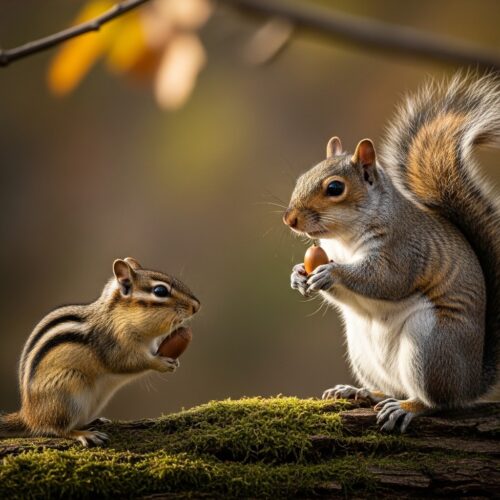
Average Size of Chipmunks
Chipmunks are the smaller of the two. Here’s what you need to know:
- Length: Typically, they measure between 8 to 10 inches from nose to tail.
- Weight: Chipmunks weigh around 1 to 4 ounces.
- Body Shape: They have a more compact and agile build, which helps them navigate tight spaces.
Average Size of Squirrels
Squirrels are generally larger. Here’s a quick comparison:
- Length: Squirrels can range from 12 to 20 inches, depending on the species.
- Weight: They weigh between 5 to 20 ounces.
- Body Shape: Squirrels have a sturdier body, which aids in climbing and carrying larger food items.
Size Comparison Table
| Characteristic | Chipmunks | Squirrels |
|---|---|---|
| Length | 8 – 10 inches | 12 – 20 inches |
| Weight | 1 – 4 ounces | 5 – 20 ounces |
| Body Structure | Compact and agile | Sturdy and robust |
Identification Tips
- Look for Size: If it’s small and quick, it might be a chipmunk. If it’s larger and more leisurely, it’s likely a squirrel.
- Behavior: Chipmunks often scurry quickly into bushes, while squirrels tend to be more visible as they forage on the ground or in trees.
Understanding these size differences can make spotting chipmunks and squirrels easier and more fun!
Table of Contents
2. Fur Patterns and Coloration Differences
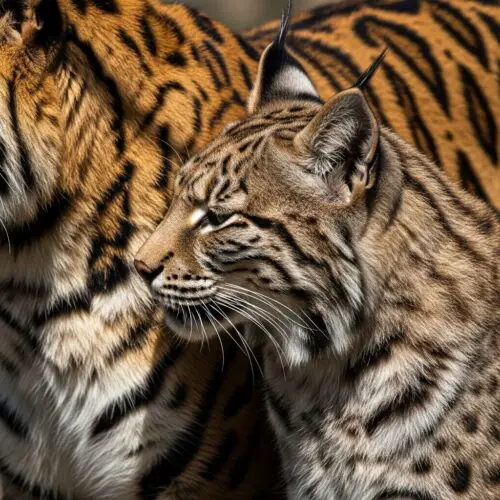
When it comes to fur patterns and coloration, chipmunks and squirrels have some striking differences. These distinctions can help you identify them easily in the wild.
Chipmunks: Striped Fur Patterns
Chipmunks are known for their unique striped fur. Here’s what sets them apart:
- Stripes: Chipmunks have distinct stripes running down their backs. These stripes are usually alternating dark and light bands. They help chipmunks blend into their forest surroundings.
- Color Variations: Chipmunks can have different shades, including brown, gray, and even reddish tones. But those stripes? They’re always there, making them a visual standout.
- Facial Features: Their faces often have lighter stripes or patches. This adds to their cute, expressive look.
Squirrels: Uniform Colorings
Squirrels, on the other hand, sport a more uniform appearance. Here’s what you’ll notice:
- Solid Colors: Squirrels typically have a consistent coat color. Common shades include gray, brown, black, and reddish-brown. No stripes here!
- Bushy Tails: Their tails are bushy and often multi-colored, but the body fur remains solid. This helps them maintain balance while jumping and climbing.
- Facial Characteristics: Squirrels have smooth facial fur that matches their body color. They lack the distinctive markings that chipmunks showcase.
Quick Comparison
| Feature | Chipmunks | Squirrels |
|---|---|---|
| Fur Pattern | Striped | Uniform |
| Color Variations | Brown, gray, reddish (striped) | Gray, brown, black, reddish (solid) |
| Tail | Shorter, less bushy | Longer, bushy |
| Facial Features | Striped face | Uniform face |
Understanding these differences can enhance your wildlife watching experience. Next time you spot one, you’ll know exactly what you’re looking at!
3. Habitat Preferences: Where They Live
Chipmunks and squirrels have different tastes when it comes to their habitats. Understanding where they thrive can help you spot them in the wild.
Preferred Habitats of Chipmunks
Chipmunks love wooded areas. They prefer places with plenty of ground cover where they can hide and forage. Here are some key points about their habitats:
- Ground Dwellers: Chipmunks are mainly ground-dwelling. They rely on the forest floor for food and safety.
- Burrowing: They dig intricate burrows underground for nesting and storing food.
- Dense Underbrush: Chipmunks thrive in environments with dense underbrush, fallen logs, and ample ground cover. This helps keep them safe from predators.
These preferences shape their lifestyle and ecological role. They contribute to soil aeration and seed dispersal, supporting the forest ecosystem.
Preferred Habitats of Squirrels
Squirrels, on the other hand, are quite adaptable. They can be found in various settings, from dense forests to urban parks. Here’s what you need to know:
- Arboreal Lifestyle: Squirrels spend much of their time in trees. They use branches for shelter and nesting.
- Urban Adaptability: They thrive in parks and urban areas, often seen scavenging for food. They can navigate buildings and power lines with ease.
- Dietary Flexibility: Their ability to forage both in trees and on the ground allows them to exploit a variety of food sources.
Squirrels play a crucial role in forest health by helping to spread seeds and nuts, which promotes plant growth in their habitats.
Quick Comparison of Habitat Preferences
| Feature | Chipmunks | Squirrels |
|---|---|---|
| Habitat Type | Wooded areas | Forests, parks, urban spaces |
| Nesting Style | Ground burrows | Tree nests |
| Social Behavior | Solitary and territorial | More social, can live in groups |
| Foraging Height | Ground level | Both ground and trees |
Understanding these habitat preferences helps clarify how chipmunks and squirrels interact with their environments. Next time you’re out in nature, look for these little critters in their favorite spots!
4. Dietary Habits: What They Eat

Chipmunks and squirrels may belong to the same family, but their diets tell a different story. Let’s dig into what each critter munches on and how they go about finding their meals.
Chipmunks’ Diverse Diet
Chipmunks have a varied diet that changes with the seasons. They primarily feast on:
- Seeds and nuts: These are their top choices. Chipmunks love acorns and sunflower seeds.
- Fruits: Berries and apples are favorites when they’re in season.
- Insects: They don’t shy away from a little protein, munching on small bugs and even tiny reptiles.
Chipmunks are known for their cheek pouches, which they use to store food. They can carry a lot of snacks back to their burrows. This behavior is crucial, especially in winter when food is scarce. They rely on their stored food to survive the cold months.
Squirrels’ Food Preferences
Squirrels, on the other hand, have a more diverse menu. Their diet includes:
- Nuts: Like chipmunks, squirrels enjoy acorns and walnuts.
- Seeds: They also munch on seeds from various plants.
- Fruits and vegetables: Squirrels are opportunistic eaters and will grab fruits, corn, and even garden veggies.
- Human food: Squirrels are known to raid bird feeders and garbage cans, making them quite adaptable.
Squirrels tend to forage both on the ground and in trees. They often store food in tree cavities or scatter it around their territory. This method helps them access food quickly while staying safe from ground predators.
Seasonal Dietary Variations
Both chipmunks and squirrels adjust their diets based on what’s available. For instance, during autumn, both will gather and store more food to prepare for winter. In spring, they focus on fresh fruits and new plant growth.
When you spot these critters, pay attention to what they’re eating. It’s a fun way to see their eating habits in action!
5. Behavioral Traits: Social Structures
When it comes to social behaviors, chipmunks and squirrels take very different approaches. Their lifestyles create unique patterns in how they interact with each other and their environments.
Chipmunks: Solitary and Territorial
Chipmunks are known for their solitary nature. They prefer to live alone, except during mating season. Here are some key traits:
- Territorial: Chipmunks fiercely guard their territory. They often chase away intruders.
- Burrowing: They spend much of their time in underground tunnels. These burrows provide safety and storage for food.
- Low Social Interaction: Outside of breeding, chipmunks avoid each other. If they meet, they can be aggressive.
Their behavior is perfectly suited for life on the ground. They rely on their burrows to stay safe from predators.
Squirrels: Social and Communal
Squirrels, on the other hand, are much more social. They thrive in groups and often interact with one another. Here’s what sets them apart:
- Social Structures: Squirrels often live close together. Tree squirrels can be seen playing or sharing food.
- Communication: They use a variety of sounds, like chirps and clicks, to communicate. Their tails also play a role in signaling to others.
- Nesting: Squirrels build nests called dreys in trees. These nests serve as homes and are often shared among family members.
Squirrels’ social behavior makes them adaptable, especially in urban environments. They often thrive where chipmunks might struggle.
Comparing Their Behaviors
Here’s a quick comparison of their social traits:
| Trait | Chipmunks | Squirrels |
|---|---|---|
| Social Structure | Solitary and Territorial | Social and Communal |
| Interaction | Minimal | Frequent |
| Nesting Habits | Underground Burrows | Tree Nests (Dreys) |
| Communication | Limited | Vocal and Tail Signals |
Understanding these differences helps us appreciate how each species thrives in its habitat. Whether they’re digging deep in the ground or leaping through trees, chipmunks and squirrels showcase the beauty of nature’s adaptability.
6. Lifespan and Activity Patterns
Chipmunks and squirrels have different lifespans and seasonal activity habits. Understanding these patterns can help you spot them in your backyard or local park.
Lifespan of Chipmunks
Chipmunks generally live around 2 to 3 years in the wild. Some may even reach 5 years under ideal conditions. Their short lifespan is often due to predators and environmental factors.
Lifespan of Squirrels
Squirrels, on the other hand, have a longer lifespan. They can live anywhere from 6 to 12 years, depending on the species and habitat. Urban squirrels tend to face more dangers, which can shorten their lives.
Seasonal Activity Patterns
Both chipmunks and squirrels are active year-round, but their behaviors change with the seasons.
- Spring and Summer:
- Chipmunks are busy foraging and mating. They store food for winter.
- Squirrels build nests and gather nuts. Their social interactions peak during this time.
- Fall:
- Chipmunks prepare for hibernation by hoarding food.
- Squirrels ramp up their gathering, often seen darting across yards.
- Winter:
- Chipmunks hibernate, retreating to their burrows.
- Squirrels remain active, relying on their cached food.
Quick Comparison
| Aspect | Chipmunks | Squirrels |
|---|---|---|
| Lifespan | 2-5 years | 6-12 years |
| Spring/Summer Activity | Foraging and mating | Nest building and socializing |
| Fall Activity | Food hoarding | Intense nut gathering |
| Winter Activity | Hibernates | Active and foraging |
Understanding these differences helps you appreciate how each species adapts to its environment throughout the year. Whether you’re watching them scurry around or nestle into their homes, chipmunks and squirrels showcase the wonders of nature’s rhythms.
7. Communication: Vocalizations and Signals
Chipmunks and squirrels have unique ways of communicating. They use both sounds and body language to express themselves. Let’s dive into how each species conveys messages to one another.
Chipmunks’ High-Pitched Calls
Chipmunks are quite chatty! They emit high-pitched chirps and whistles. These sounds serve different purposes. For example, they may call out to alert others of danger or to attract a mate.
- Alarm Calls: Quick, sharp chirps warn fellow chipmunks of predators.
- Mating Calls: Soft whistles are used during courtship.
Their vocalizations are essential for survival. They help maintain social bonds and alert others to threats.
Squirrels’ Variety of Sounds
Squirrels have a broader range of sounds. They can bark, chatter, and even make a clicking noise. Each sound has a specific meaning.
- Barking: A warning to other squirrels about potential danger.
- Chattering: A way to express excitement or agitation.
- Tail Signals: Squirrel tails are expressive! Flicking and waving can indicate different emotions, from excitement to alarm.
Squirrels rely on these vocalizations and tail movements to navigate their social structures and communicate within their groups.
Quick Comparison of Communication
| Aspect | Chipmunks | Squirrels |
|---|---|---|
| Primary Sounds | High-pitched chirps | Barking, chattering, clicking |
| Body Language | Minimal, mostly vocal | Expressive tail movements |
| Social Structure | More solitary | Often social and communal |
Understanding these differences helps you appreciate how chipmunks and squirrels interact within their environments. Next time you spot them, listen closely! You might catch a glimpse of their unique communication styles in action.
8. Common Misconceptions: Chipmunks vs. Squirrels
When it comes to chipmunks and squirrels, there are plenty of myths flying around. Let’s clear those up!
Are Chipmunks Just Small Squirrels?
This is a common misunderstanding. While chipmunks and squirrels are both part of the rodent family, they are distinct species. Chipmunks are smaller, typically measuring 6-10 inches long, while squirrels can range from 12 to 24 inches. Their behaviors also differ significantly.
Do Chipmunks and Squirrels Eat the Same Food?
Many think both critters munch on the same diet. While they do share some food preferences, there are differences. Chipmunks are more opportunistic eaters. They often forage for seeds, nuts, and even insects. Squirrels, on the other hand, tend to focus more on nuts and fruits but can also consume fungi and bark.
Can Chipmunks and Squirrels Live Together?
It’s a popular belief that chipmunks and squirrels can easily coexist. While they can be found in similar habitats, chipmunks prefer ground-level spaces, while squirrels are more arboreal. This means they often occupy different niches in the ecosystem, reducing competition.
Quick Myth-Busting Checklist
- Size Difference: Chipmunks are smaller than squirrels.
- Diet: They may overlap in diet, but chipmunks have a wider range.
- Habitat: Chipmunks stay on the ground; squirrels love the trees.
- Social Behavior: Chipmunks are mostly solitary; squirrels can be social.
Knowing these differences helps you better appreciate their unique roles in nature. Next time you see one, you’ll know exactly what makes them tick!
9. Impact on Local Ecosystems
Chipmunks and squirrels play vital roles in their environments. Their activities help shape forest health and contribute to biodiversity. Let’s dive into how each species impacts their ecosystems.
Chipmunks as Seed Dispersers
Chipmunks are known for their foraging habits. They collect seeds and nuts, storing them in burrows. This behavior helps distribute seeds across the forest floor.
- Seed Dispersal: When chipmunks forget about some of their hidden treasures, new plants can sprout. This action supports plant diversity.
- Soil Aeration: Their burrowing activities aerate the soil, helping water and nutrients reach plant roots.
Squirrels and Tree Growth
Squirrels also contribute significantly to their habitats. Their love for nuts and seeds means they play a role in forest regeneration.
- Nut Gathering: Squirrels collect and bury acorns. If they don’t recover these acorns, many can grow into new trees. This process supports forest growth.
- Tree Health: By eating pests, squirrels help maintain the health of trees. They keep harmful insect populations in check, promoting healthier ecosystems.
Quick Comparison of Ecosystem Roles
| Species | Role in Ecosystem | Key Impact |
|---|---|---|
| Chipmunks | Seed dispersers, soil aerators | Increases plant diversity |
| Squirrels | Nut gatherers, pest controllers | Supports tree growth and health |
Both chipmunks and squirrels enrich their environments, each in their own unique way. Understanding these differences helps us appreciate their contributions to the ecosystem.
10. Unique Species: Chipmunks and Squirrels
Chipmunks and squirrels belong to the same family, Sciuridae, but they come in various species, each with unique traits. Let’s dive into the different types of chipmunks and squirrels, highlighting what makes them special.
Types of Chipmunks
Chipmunks are small, striped rodents that thrive in terrestrial habitats. Here are some notable species:
- Eastern Chipmunk: This is the most common chipmunk. It has distinctive stripes and is known for its cheeky food-hoarding behavior.
- Western Chipmunk: Found mainly in the western U.S., this species has similar stripes but can be slightly larger than its eastern cousin.
- Siberian Chipmunk: Unlike its American relatives, this chipmunk can be found in Asia. It has a varied diet and is known for being adaptable to different environments.
Types of Squirrels
Squirrels are generally larger than chipmunks and can be found in trees or on the ground. Here are some key species:
- Eastern Gray Squirrel: Common in urban areas, this squirrel has a bushy tail and a gray coat. It’s known for its playful nature and agility.
- Fox Squirrel: This is one of the largest tree squirrels. It has a reddish-brown coat and is often seen foraging for nuts in parks.
- Red Squirrel: Smaller and more aggressive, the red squirrel has a reddish coat and is known for its territorial behavior.
- Ground Squirrel: Unlike tree squirrels, ground squirrels live in burrows. They are social and often seen in groups.
Quick Comparison of Chipmunks and Squirrels
| Feature | Chipmunks | Squirrels |
|---|---|---|
| Size | 8-10 inches | 12-20 inches |
| Weight | 1-4 ounces | 5-20 ounces |
| Fur Patterns | Striped | Uniform color |
| Habitat | Ground-level | Arboreal or ground |
| Social Behavior | Solitary | Social (especially tree squirrels) |
Understanding these unique species helps you spot the differences between chipmunks and squirrels in your backyard or local park. Keep an eye out for their distinct behaviors and habitats!
11. Final Thoughts: Understanding Chipmunks and Squirrels
Knowing the differences between chipmunks and squirrels can enhance your appreciation for these lively little creatures. Let’s break down their key traits to help you spot them in your backyard.
Why Knowing These Differences Matters
Chipmunks and squirrels, while both adorable, have distinct characteristics. Understanding these differences can deepen your connection with nature. Here are a few key points:
- Size: Chipmunks are smaller, measuring 8-10 inches. Squirrels range from 12-20 inches.
- Weight: Chipmunks weigh 1-4 ounces, while squirrels can weigh between 5-20 ounces.
- Fur Patterns: Chipmunks sport stripes; squirrels have solid fur.
- Habitat: Chipmunks prefer ground-level habitats, while squirrels are often found in trees or on the ground.
- Social Behavior: Chipmunks tend to be solitary. Squirrels, especially tree squirrels, are more social.
Encouraging Backyard Wildlife Awareness
It’s not just about size and stripes. Observing these animals can teach us a lot about our local ecosystems. For example, chipmunks are known for their clever foraging techniques. They often gather food and stash it away in their burrows, while squirrels may bury nuts or hide them in tree hollows.
When you’re outside, take a moment to watch their behaviors. Try to identify which is which by looking at their size, tail characteristics, and social interactions.
To make it easier, here’s a quick decision framework:
- See a small, striped rodent near the ground? It’s likely a chipmunk.
- Spot a larger, bushy-tailed creature climbing a tree? That’s probably a squirrel.
Understanding these differences not only enhances your observation skills but also fosters a greater appreciation for wildlife in your own backyard. So, keep your eyes peeled and enjoy the show!
Frequently Asked Questions
These quick answers cover the most common questions about this topic, including key details, practical tips, and common concerns.
How are chipmunks different than squirrels?
Chipmunks are smaller, measuring about 8-10 inches and weighing 1-4 ounces, with distinctive striped fur. They are primarily ground-dwellers and solitary. Squirrels are larger, ranging from 12-20 inches and weighing 5-20 ounces, with solid-colored fur and bushy tails. They are more arboreal and social, often living in groups and building nests in trees.
What smell do chipmunks hate the most?
Chipmunks dislike strong smells like peppermint oil, cayenne pepper, and garlic. These scents can act as natural repellents when sprinkled around gardens or entry points. However, their effectiveness varies, so combining methods is best for deterring them.
What is a squirrel’s biggest enemy?
Predators such as hawks, owls, foxes, and domestic cats pose the biggest threats to squirrels. These predators hunt squirrels primarily in trees and on the ground, making vigilance essential for squirrel survival.
Do chipmunks like to be petted?
Generally, chipmunks do not enjoy being petted. They are wild animals with instinctual caution around humans. Approaching them carefully and respecting their space is best. Some tame or habituated chipmunks might tolerate gentle handling, but it’s not typical.
Can chipmunks and squirrels coexist in the same habitat?
Yes, they often coexist in overlapping habitats like forests, parks, and yards. They occupy different niches—chipmunks stay on the ground and in burrows, while squirrels are mostly arboreal. Competition is minimal, allowing them to share environments peacefully.
What do chipmunks and squirrels eat?
Both species primarily eat nuts, seeds, fruits, and vegetables. Chipmunks also consume insects and small reptiles, storing food in burrows. Squirrels forage for nuts, acorns, and sometimes human food, often burying or caching their supplies for later.
How long do chipmunks and squirrels live?
In the wild, chipmunks typically live 2-3 years, with some reaching up to 5 years. Squirrels generally live longer, from 6 to 12 years, depending on species and environment. Urban squirrels may have shorter lifespans due to hazards.
What problems do chipmunks cause in gardens?
Chipmunks can dig up flower beds, bulbs, and vegetables while searching for food. Their burrowing can also damage plant roots and create holes that pose tripping hazards. Managing their activity involves fencing and habitat modification.
Are chipmunks and squirrels dangerous to pets?
They are generally not dangerous but can carry parasites like fleas or ticks. Squirrels may become aggressive if cornered. It’s best to supervise pets around wildlife and avoid encouraging close contact with wild rodents.
What should readers know about visual comparison charts for size and fur patterns?
Visual charts help distinguish chipmunks from squirrels by showing size differences and fur markings. Chipmunks are smaller with striped backs, while squirrels are larger with solid-colored fur and bushy tails. Using these aids makes identification easier in the wild.