
In 2026, there are 138 designated National Monuments across the United States, each preserving unique cultural and natural resources. This comprehensive guide includes a printable map and detailed listings by state, helping you explore these remarkable sites.
Understanding National Monuments
National Monuments are designated areas that protect significant cultural and natural resources. They offer a glimpse into America’s rich history and diverse landscapes.
The Antiquities Act and Its Importance
The Antiquities Act, passed in 1906, allows the President to create National Monuments. This law is vital for preserving sites of historical and scientific interest. By using this act, many unique places have been safeguarded for future generations.
- Presidential Proclamation: National Monuments are often established through a presidential proclamation.
- Protected Areas: They can include archaeological sites, historic landmarks, and natural wonders.
- Managed by National Park Service: Many National Monuments are administered by the National Park Service, ensuring they are maintained and enjoyed.
Key Characteristics of National Monuments
National Monuments share several key traits that set them apart from other protected areas like National Parks. Here’s what makes them unique:
- Cultural Significance: Many monuments protect sites of cultural importance, such as Native American heritage locations.
- Natural Wonders: They preserve stunning landscapes, geological features, and ecosystems.
- Size Variation: National Monuments can range from small urban sites to vast wilderness areas.
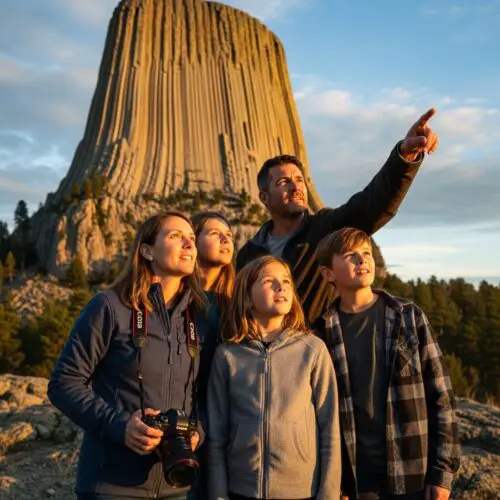
For example, Devil’s Tower in Wyoming is the first National Monument established in the U.S. It’s not just a rock formation; it’s a sacred place for many Native American tribes.
Table of Contents
Understanding these elements helps you appreciate the value and significance of National Monuments as you explore the complete list and plan your visits in 2026.
Historical Context of National Monuments
The history of National Monuments in the U.S. is rich and full of significant milestones. These protected areas showcase our natural wonders and cultural heritage. Let’s take a closer look at how they came to be.
Establishment of the First National Monuments
The concept of National Monuments started with the Antiquities Act of 1906. This law allowed the President to designate national monuments to protect landmarks, structures, and objects of historic or scientific interest. The first National Monument, Devil’s Tower in Wyoming, was established in 1906. It marked the beginning of a movement to preserve unique landscapes.
Notable Presidents and Their Contributions
Several U.S. Presidents played key roles in expanding the National Monuments system:
- Theodore Roosevelt: Often called the “Conservation President,” he designated 18 National Monuments during his time in office. His passion for conservation led to the protection of significant areas like the Grand Canyon.
- Bill Clinton: In the 1990s, Clinton created 19 National Monuments, including the stunning Grand Staircase-Escalante in Utah. His efforts highlighted the importance of preserving lands for future generations.
- Barack Obama: He designated multiple National Monuments, including the Bears Ears and Gold Butte. His actions emphasized the need to protect cultural sites and native lands.
Timeline of Key Events
Here’s a quick timeline highlighting significant events in the establishment and evolution of National Monuments:
| Year | Event |
|---|---|
| 1906 | Antiquities Act passed |
| 1906 | Devil’s Tower designated as the first National Monument |
| 1933 | Franklin D. Roosevelt designates over 30 National Monuments |
| 1996 | Bill Clinton creates 19 new National Monuments |
| 2016 | Barack Obama designates Bears Ears National Monument |
Understanding this history helps us appreciate the value of National Monuments today. These sites not only protect our natural resources but also preserve the rich tapestry of our cultural heritage.
Complete List of National Monuments by State

Ready to explore the beauty and history of U.S. National Monuments? Here’s a handy list organized by state. This makes it super easy to find what you’re looking for, whether you’re planning a visit or just curious!
Alabama to Arkansas National Monuments
- Alabama:
- Tuskegee Airmen National Historic Site
- Arizona:
- Grand Canyon-Parashant National Monument
- Ironwood Forest National Monument
- Sonoran Desert National Monument
- Vermilion Cliffs National Monument
- Arkansas:
- Buffalo National River
California to Colorado National Monuments
- California:
- Channel Islands National Park (National Monument)
- Cascade-Siskiyou National Monument
- Desert National Wildlife Refuge
- San Gabriel Mountains National Monument
- Colorado:
- Chimney Rock National Monument
- Canyons of the Ancients National Monument
- Browns Canyon National Monument
Connecticut to Florida National Monuments
- Connecticut:
- Weir Farm National Historic Site
- Delaware:
- First State National Historical Park
- Florida:
- Biscayne National Park (National Monument)
- Dry Tortugas National Park (National Monument)
This is just a peek at the amazing National Monuments across the U.S. You can easily download and print the map to keep track of your adventures. Each monument tells a story about our nation’s heritage, protecting both natural wonders and historical sites. Keep exploring and discovering!
The Most Notable National Monuments
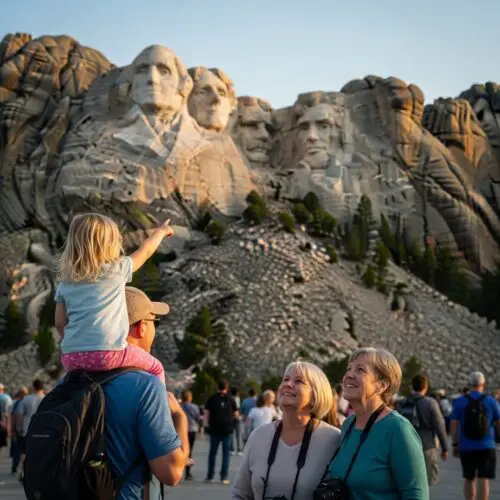
The U.S. is home to many incredible national monuments, each with its own unique history and significance. Here, we highlight some of the most notable ones that you won’t want to miss.
Famous Monuments Worth Visiting
1. Statue of Liberty National Monument (New York)
- A symbol of freedom and democracy.
- Welcomes millions of visitors each year.
- Offers stunning views of New York Harbor.
2. Mount Rushmore National Memorial (South Dakota)
- Features the carved faces of four U.S. presidents.
- Attracts over two million visitors annually.
- A testament to American history and artistry.
3. Machu Picchu National Monument (Arizona)
- Preserves ancient Native American ruins.
- Known for its breathtaking desert landscapes.
- Engages visitors with its rich cultural heritage.
4. Grand Canyon-Parashant National Monument (Arizona)
- Home to stunning geological formations.
- Offers outdoor adventures, including hiking and camping.
- Less crowded than the Grand Canyon, providing a serene experience.
5. Bears Ears National Monument (Utah)
- Protects significant archaeological sites and cultural landscapes.
- A haven for outdoor enthusiasts and history buffs alike.
- Advocates for the preservation of Native American heritage.
Visitor Experience and Engagement
Visitor experiences at these monuments vary widely, but common threads unite them. Here are some insights:
- Educational Programs: Many monuments offer ranger-led tours, workshops, and events. These provide deep dives into the history and ecology of the sites.
- Visitor Statistics: Popular monuments like the Statue of Liberty see millions of visitors, while others, like Bears Ears, provide more intimate experiences with small crowds.
- Unique Features: Each monument has something special. For instance, the Statue of Liberty has a museum, while Mount Rushmore offers night lighting ceremonies.
By exploring these notable monuments, you gain a deeper appreciation for America’s diverse heritage. Don’t forget to check out the printable map to plan your visits efficiently!
Challenges Facing National Monuments
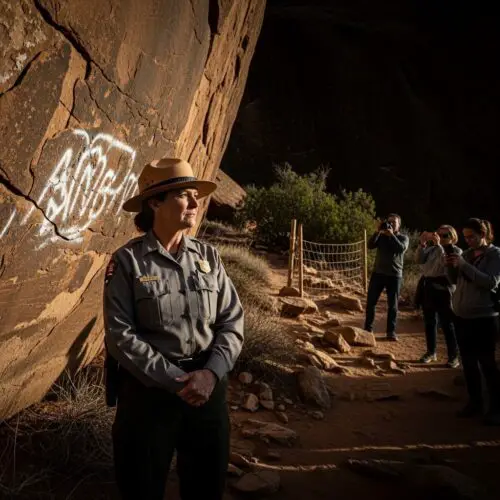
National Monuments face a variety of challenges today. These issues often spark heated debates among lawmakers, environmentalists, and local communities.
Environmental Challenges
National Monuments protect some of America’s most beautiful landscapes. However, they also confront serious environmental threats. These threats include:
- Climate Change: Rising temperatures and changing weather patterns can disrupt ecosystems.
- Wildlife Protection: Many monuments are home to endangered species that need safeguarding.
- Pollution: Nearby industrial activities can affect air and water quality in these protected areas.
For example, the Bears Ears National Monument has been at the center of discussions about balancing resource extraction and environmental conservation. The unique ecosystems there face pressures from outside interests, highlighting the need for sustainable management.
Legislative Controversies
Changes in legislation can significantly impact National Monuments. Here’s what to keep an eye on:
- Designation Changes: Presidents can designate or modify monuments, leading to controversies about land use and preservation.
- Funding Issues: Budget cuts can limit resources for protection and maintenance.
- Local Input: Communities often have differing opinions on how to manage these lands, creating conflicts between conservation and local economic needs.
A notable instance is the debate around the Grand Staircase-Escalante National Monument. Discussions about its boundaries and management have sparked both support and opposition from various groups.
These challenges underline the complexities of managing National Monuments. They require careful consideration to balance preservation and public interest.
Comparing National Monuments and National Parks
National Monuments and National Parks both protect unique treasures in the U.S., but they do it in different ways. Understanding these differences helps in planning your visits and appreciating what each designation stands for.
Designation Processes
The way National Monuments and National Parks are designated varies significantly.
- National Monuments: These are established by presidential proclamation, often under the Antiquities Act. This allows for quicker protection of important sites.
- National Parks: These require a more lengthy process. Congress must pass legislation to create a National Park, making it a more formal designation.
Visitor Experiences and Management
How visitors experience these protected areas can differ quite a bit.
- Management: National Parks are typically managed by the National Park Service (NPS). They focus on recreation and conservation. National Monuments may also fall under NPS, but other agencies can manage them, leading to varied experiences.
- Visitor Access: National Parks often have more developed visitor centers and amenities. Monuments may be less developed, focusing on preserving natural or historical features over visitor facilities.
Key Differences at a Glance
Here’s a quick comparison to illustrate the key differences:
| Feature | National Monuments | National Parks |
|---|---|---|
| Designation Authority | Presidential Proclamation | Congressional Legislation |
| Management | Varies (NPS or other agencies) | National Park Service (NPS) |
| Visitor Amenities | Often limited | Generally more developed |
| Focus | Preservation of specific objects | Broader conservation and recreation |
| Size | Can vary widely, often smaller | Typically larger and more expansive |
This table shows how these designations shape the experience you’ll have at each site. Whether you’re visiting a monument or a park, each has its own charm and significance!
Alternatives to National Monuments
While National Monuments are fascinating and important, there are other options for exploring protected areas and historical sites. Many of these offer unique experiences and stories of their own.
State Parks and Historical Sites
State parks and historical sites are excellent alternatives to National Monuments. They focus on preserving local history and natural beauty. Here are some highlights:
- State Parks: These parks vary in size and amenities. They often feature hiking, camping, and picnicking. Many state parks protect unique ecosystems and landscapes.
- Historical Sites: These sites highlight events or people significant to a state’s history. They can range from battlefields to preserved buildings. Examples include the Gettysburg National Military Park or the historic homes of famous Americans.
Other Federal Protected Areas
There are other federal protected areas that complement the National Monuments. Here’s a quick look:
- National Parks: Larger and more developed, these parks offer extensive facilities. They focus on broader conservation efforts and recreational activities.
- National Historic Sites: These areas protect specific locations of historical significance. They often include visitor centers and educational programs.
- Wildlife Refuges: Aimed at protecting wildlife habitats, these areas are perfect for birdwatchers and nature enthusiasts.
Quick Comparison
| Type of Area | Focus | Visitor Amenities |
|---|---|---|
| National Monuments | Specific objects | Limited |
| State Parks | Local ecosystems | Varies |
| National Parks | Conservation and recreation | Well-developed |
| Historical Sites | Historic events and figures | Educational resources |
| Wildlife Refuges | Protecting wildlife habitats | Basic facilities |
Each type of area offers something special. Whether you’re looking for a peaceful hike or a deep dive into history, there’s plenty to explore beyond just National Monuments!
FAQs about National Monuments
Curious about national monuments? You’re not alone! Here are some frequently asked questions that can help you understand what these sites are all about.
What is a National Monument?
A national monument is a protected area, designated by the President, that preserves significant natural, cultural, or historical features. This can include unique landscapes, archaeological sites, or objects of scientific interest. They are similar to national parks but often focus on specific features instead of broad landscapes.
How Are National Monuments Different from National Parks?
While both serve to protect important sites, national monuments are typically established through a presidential proclamation. National parks, on the other hand, are created by an act of Congress. National monuments can have limited visitor amenities compared to national parks, which often offer more developed facilities and recreational opportunities.
How Many National Monuments Are There?
As of 2026, there are 128 national monuments in the United States. They are spread across various states, with California, Arizona, and New Mexico having the most. Each monument varies in size and significance, protecting both natural and cultural resources.
Where Can I Find a List of National Monuments by State?
You can find a complete list of national monuments sorted by state in our printable map section. It’s a great resource for planning your visits and exploring these fascinating areas.
What Should I Know Before Visiting a National Monument?
- Check Accessibility: Some monuments may have limited access or facilities.
- Respect the Rules: Follow all park guidelines to protect these special areas.
- Plan Ahead: Research visitor centers, trails, and any seasonal events.
These tips will help ensure a smooth trip to any national monument. Happy exploring!
Frequently Asked Questions
These quick answers cover the most common questions about this topic, including key details, practical tips, and common concerns.
What are the proposed new national monuments in 2026?
In 2026, several sites are under consideration for designation as new national monuments. These proposals often originate from advocacy groups, Native American tribes, or local communities seeking to protect culturally or naturally significant areas. The process involves federal agencies, public input, and presidential approval. Keep an eye on official announcements for the latest updates on these proposals.
Which state has the most national monuments?
California leads with the highest number of national monuments, thanks to its diverse landscapes and rich cultural history. Other states with many monuments include Arizona, Utah, and New Mexico. These sites range from natural wonders to archaeological and cultural landmarks, offering a wide variety of exploration options.
Are there 423 or 63 national parks?
There are 63 officially designated national parks in the United States. However, the country has over 400 national monuments and other protected areas managed by the National Park Service and other agencies. National monuments are often smaller or more specialized than national parks but are equally important for preservation.
Which 5 states have no national parks?
The five states without any designated national parks are Delaware, Rhode Island, Connecticut, Iowa, and Kansas. Despite lacking national parks, these states still feature numerous state parks, historic sites, and protected natural areas worth exploring.
How can I find a National Monument near me?
To locate a nearby national monument, use official resources like the National Park Service website or interactive maps. You can search by your city or state to find the closest sites. Many monuments are accessible year-round, but check for seasonal hours or special alerts before planning your visit.
What is the process for establishing a National Monument?
A site becomes a national monument through a presidential proclamation, often based on recommendations from federal agencies, tribes, or advocacy groups. The process involves assessing the site’s significance, consulting stakeholders, and then formalizing protection through executive action. In some cases, Congress may also pass legislation to establish or modify a monument.
What are the most visited National Monuments?
Some of the most popular national monuments include the Statue of Liberty, Mount Rushmore, and the Grand Canyon-Parashant in Arizona. These sites attract millions of visitors annually due to their iconic status, accessibility, and educational value. Visiting these monuments often requires advance planning for transportation and accommodations.
What should readers know about interactive map features (e.g., clickable regions, zoom functions)?
An interactive map allows you to explore national monuments by clicking on regions or zooming in for detailed views. These features help plan visits, discover nearby sites, and learn about each monument’s location and significance. Many maps also include links to official pages, visitor tips, and opening hours for each site.