
Corned beef and brisket are often confused, but they are distinct cuts of meat with different preparation methods. Understanding their unique characteristics can enhance your culinary experience and guide your cooking choices. This article delves into all you need to know about corned beef and brisket.
Understanding Corned Beef and Brisket
Corned beef and brisket are often mistaken for one another, but they have distinct identities. Let’s break down what each one is and how they relate.
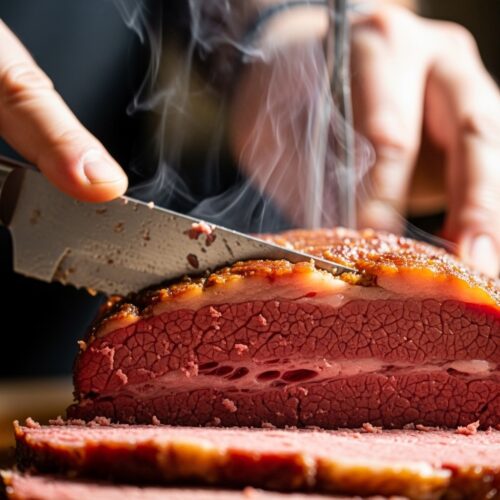
What is Brisket?
Brisket comes from the lower chest of the cow. It’s a tough cut of meat, with lots of connective tissue. This means it needs low and slow cooking to become tender and juicy. Traditionally, brisket is a favorite for smoking, braising, or roasting.
Brisket has a rich flavor, especially when cooked properly. It’s often the star of BBQs and holiday feasts. You might find it served as a roast, in sandwiches, or even in tacos.
What is Corned Beef?
Corned beef is essentially brisket that has undergone a curing process. The term “corned” comes from the large grains of salt used to cure the meat. This brining process infuses the beef with spices, resulting in a unique, savory flavor.
Table of Contents
Corned beef often has a vibrant red hue, thanks to the curing agents. It’s commonly used in dishes like corned beef and cabbage or served in sandwiches. The texture is tender, thanks to the lengthy curing process.
How They Are Related
So, how do corned beef and brisket connect? Here’s the scoop:
- Corned beef is a type of brisket. It’s brisket that has been cured in a brine with spices.
- Cooking methods differ. Brisket can be roasted or smoked, while corned beef is typically boiled or steamed.
- Flavor profiles vary. Brisket has a rich, beefy flavor, whereas corned beef is saltier and spiced due to the curing process.
Quick Comparison
| Feature | Brisket | Corned Beef |
|---|---|---|
| Origin Cut | Lower chest of the cow | Cured brisket |
| Cooking Method | Roasted, smoked, or braised | Boiled or steamed |
| Flavor Profile | Rich and beefy | Savory, salty, and spiced |
| Common Uses | BBQs, sandwiches, tacos | Corned beef and cabbage, sandwiches |
When choosing between the two, consider the dish you’re making and the flavors you want. If you’re after that classic corned beef flavor, go with corned beef. For a hearty roast or BBQ, brisket is your best bet.
The Curing Process: How Corned Beef is Made
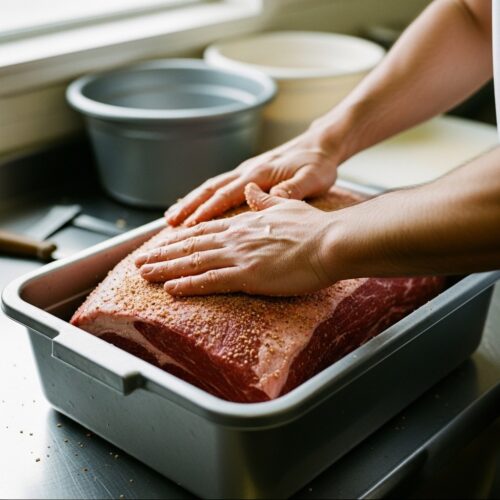
Corned beef starts its journey as brisket, but it undergoes a transformation through a curing process. This process infuses the meat with flavor and tenderness. Let’s break down how that happens.
Ingredients Used in Curing
To make corned beef, you need specific ingredients. Here’s what goes into the brine:
- Water: The base for your brine.
- Salt: Essential for curing; it prevents spoilage.
- Sugar: Balances the saltiness and enhances flavor.
- Spices: Common choices include:
- Peppercorns
- Mustard seeds
- Coriander seeds
- Bay leaves
- Cloves
These ingredients work together to create that signature corned beef taste.
The Brining Process Explained
The brining process is where the magic happens. Here’s how it works:
1. Prepare the Brine: Combine water, salt, sugar, and spices in a pot. Heat until the salt and sugar dissolve.
2. Cool the Brine: Allow the brine to cool completely. Hot brine can cook the meat!
3. Submerge the Brisket: Place the brisket in a large container. Pour the cooled brine over it, ensuring the meat is fully submerged.
4. Curing Time: Seal the container and refrigerate. The brisket should cure for about 5 to 10 days, depending on its thickness.
Here’s a handy table comparing brining times for different cuts of brisket:
| Cut of Brisket | Brining Time |
|---|---|
| Flat-Cut Brisket | 5-7 days |
| Point-Cut Brisket | 7-10 days |
Effects of Curing on Flavor and Texture
Curing does more than just change the color of the meat. It also impacts the flavor and texture.
- Flavor: The brine infuses the meat with a savory, salty, and spiced profile. The longer it brines, the more intense the flavor.
- Texture: Curing breaks down connective tissues, making the brisket tender and easy to slice.
Remember, corned beef is a brisket that has been transformed. So, when you bite into that savory goodness, you’re enjoying the result of a careful and flavorful process!
Cooking Methods for Brisket and Corned Beef
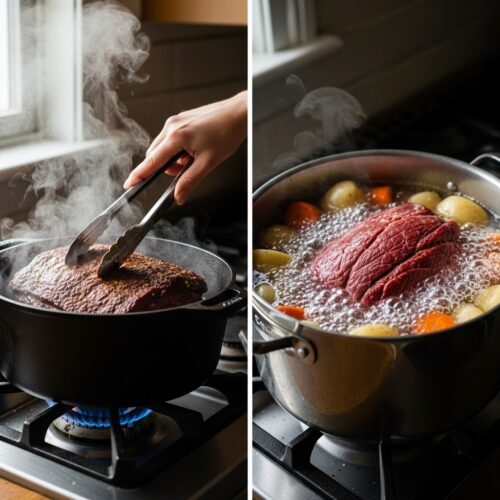
Cooking brisket and corned beef may seem daunting, but with the right methods, you can achieve mouth-watering results. Here’s how to get the best out of both.
Best Methods for Cooking Brisket
Brisket is versatile and responds well to various cooking techniques. Here are the top methods:
- Smoking: Ideal for that rich, smoky flavor. Cook low and slow at 225-250°F for 1 to 1.5 hours per pound. Aim for an internal temperature of 195-205°F for tenderness.
- Oven Roasting: Preheat to 300°F. Season your brisket and place it in a covered roasting pan with some liquid. Roast for 3-4 hours, or until it reaches 195°F.
- Slow Cooking: Great for busy days! Set your slow cooker on low for 8-10 hours. Add liquid and spices for flavor.
Checklist for Cooking Brisket:
- Choose the right cut: Flat or point-cut.
- Season generously.
- Use a meat thermometer for accuracy.
- Let it rest before slicing.
Cooking Techniques for Corned Beef
Corned beef has its own special charm, thanks to the brining process. Here’s how to cook it perfectly:
- Boiling: Place in a pot with enough water to cover. Add spices and simmer for 2.5-3 hours. Check for tenderness.
- Slow Cooker: Place the corned beef with veggies and enough liquid to cover. Cook on low for 8-10 hours. Perfect for a hearty meal.
- Oven Braising: Sear the beef first, then add liquid and cover tightly. Bake at 300°F for 3-4 hours for melt-in-your-mouth results.
Checklist for Cooking Corned Beef:
- Use a flavorful brine.
- Cook with aromatics like onions and garlic.
- Check internal temperature: aim for about 190°F.
- Allow resting time for easier slicing.
Common Mistakes to Avoid
Cooking brisket and corned beef can lead to mishaps if you’re not careful. Avoid these pitfalls:
- Skipping the Rest: Always let your meat rest before slicing. This helps retain juices.
- Overcooking: Keep an eye on the temperature. Overcooked brisket can become dry, while undercooked corned beef may be tough.
- Not Enough Flavor: Don’t skimp on seasoning! Both meats benefit from a good rub or marinade.
By following these methods and tips, you’ll be well on your way to mastering both corned beef and brisket. Enjoy the process and the delicious results!
Flavor Profiles and Culinary Uses

When it comes to corned beef and brisket, the flavors are distinct, but they can also complement each other beautifully. Understanding these profiles helps you choose the right meat for your meal.
How Each Meat Tastes
Corned Beef: This meat is rich and savory. The curing process infuses it with a unique blend of spices, giving it a slightly tangy flavor. Think peppercorns, mustard seeds, and bay leaves. It’s tender, juicy, and often has a bit of a kick.
Brisket: On the other hand, brisket has a beefy, robust flavor. When smoked or braised, it becomes incredibly tender. The fat content varies depending on whether you have a flat-cut or point-cut, affecting both taste and texture. Smoked brisket often carries a smoky, sweet profile, especially with a good rub.
Popular Dishes Featuring Brisket
Brisket shines in many dishes. Here are some favorites:
- Brisket Tacos: Shredded brisket in a soft tortilla with fresh toppings is a crowd-pleaser.
- Smoked Brisket Sandwiches: Layered with BBQ sauce and pickles, it’s a classic.
- Beef Brisket Chili: Rich and hearty, perfect for cold days.
Classic Recipes with Corned Beef
Corned beef is incredibly versatile. Here are some classic dishes to try:
- Corned Beef and Cabbage: A traditional Irish dish, it’s perfect for St. Patrick’s Day.
- Corned Beef Hash: Diced corned beef, potatoes, and onions, pan-fried to perfection. Breakfast heaven!
- Reuben Sandwich: This classic sandwich combines corned beef with sauerkraut and Swiss cheese, all on rye bread.
Flavor Pairing Suggestions
When cooking with these meats, consider these flavor pairings:
- Corned Beef: Pairs well with mustard, pickles, and tangy sauces. Try it in salads with vinaigrette for a twist.
- Brisket: Complements smoky flavors, sweet BBQ sauces, and even spicy rubs. Adding a splash of apple cider vinegar during cooking can enhance its richness.
Decision Framework for Choosing Between Corned Beef and Brisket
To decide which meat to use, ask yourself:
- What’s the Occasion? For casual gatherings, brisket tacos or sandwiches are great. For holidays, corned beef and cabbage is a hit.
- Do You Want Bold Flavors? Opt for corned beef. It’s packed with spices. If you prefer a classic beef taste, brisket is your go-to.
- Are You Short on Time? Corned beef cooks faster in most recipes. Brisket often needs a longer cooking time to reach that tender texture.
By keeping these flavors and uses in mind, you can elevate any meal with the right choice of meat!
Nutritional Differences and Health Considerations
When comparing corned beef and brisket, nutrition plays a key role. Both meats offer unique tastes and textures, but their nutritional profiles differ. Let’s dive into what you need to know.
Nutritional Breakdown of Each Meat
Here’s a quick comparison of corned beef and brisket based on calories, protein, and fat content:
| Nutrient | Corned Beef (3 oz) | Brisket (3 oz) |
|---|---|---|
| Calories | 210 | 250 |
| Protein | 26g | 22g |
| Total Fat | 11g | 18g |
| Saturated Fat | 4g | 7g |
| Sodium | 900mg | 60mg |
As you can see, corned beef is typically higher in sodium due to the curing process. However, it can be lower in fat compared to regular brisket.
Health Considerations: Is Corned Beef Healthy?
Corned beef has its pros and cons. On one hand, it’s rich in protein, which is great for muscle maintenance. On the other hand, its high sodium content can be a concern for those watching their salt intake.
If you’re considering incorporating corned beef into your diet, keep these tips in mind:
- Moderation is Key: Enjoy corned beef occasionally rather than as a staple.
- Pair with Veggies: Balance your meal with fiber-rich vegetables to improve overall health.
- Watch the Portions: Stick to smaller servings to manage sodium intake.
Dietary Restrictions and Recommendations
If you have specific dietary needs, here’s how to navigate your choices:
- Low-Sodium Diet: Choose regular brisket over corned beef. It’s much lower in sodium and can be prepared in healthier ways.
- Protein Needs: Both options are high in protein, so you can use either to meet your protein goals.
- Fat Content: If you’re concerned about fat, trim visible fat from brisket before cooking.
When selecting between corned beef and brisket, consider your health goals and how each meat fits into your overall diet.
Common Misconceptions and FAQs
Many people confuse corned beef and brisket. Let’s clear up some common myths and answer your burning questions about these delicious meats.
Are Corned Beef and Brisket Interchangeable?
Not quite! Corned beef is made from brisket that has been cured in a salty brine. This curing process gives corned beef its distinctive flavor. While all corned beef is brisket, not all brisket is corned beef. If you use regular brisket instead of corned beef, you’ll miss out on that unique taste.
What is a Poor Man’s Brisket?
“Poor Man’s Brisket” is a term for a more budget-friendly cut of meat that resembles brisket. It’s often a chuck roast or a similar cut. While it can be cooked like brisket, the flavor and texture will differ. It can still be delicious when seasoned and cooked properly, but it won’t have the same characteristics as actual brisket or corned beef.
Other Common Questions
- Can I cook corned beef like regular brisket?
Yes! You can cook corned beef using methods like slow cooking or braising. Just remember, it’s already seasoned from the brining process.
- How should I store leftovers?
Store both corned beef and brisket in an airtight container in the fridge. They can last up to four days.
- What’s the best way to enjoy corned beef?
Classic dishes include corned beef and cabbage or sandwiches piled high. It’s a versatile meat that can be adapted to many recipes!
- Is corned beef healthier than brisket?
Corned beef is generally higher in sodium due to the curing process. If you’re watching your salt intake, regular brisket might be the better option for you.
Here’s a quick comparison to summarize:
| Feature | Corned Beef | Brisket |
|---|---|---|
| Curing Process | Yes, brined with spices | No, cooked as-is |
| Flavor | Savory, with pickling spices | Mild, varies with cooking method |
| Common Uses | Sandwiches, hash, with cabbage | Barbecue, braised, stews |
| Nutritional Profile | Higher in sodium | Generally lower in sodium |
Understanding these differences helps you choose the right meat for your next meal!
Frequently Asked Questions
These quick answers cover the most common questions about this topic, including key details, practical tips, and common concerns.
Is corned beef ok for IBS?
Corned beef is high in sodium and spices, which can trigger symptoms in some people with IBS. If you have IBS, it’s best to consume it in moderation and choose low-sodium or homemade versions without added spices. Always listen to your body’s reactions and consult with a healthcare professional if unsure.
Is there a difference between brisket and corned beef brisket?
Yes. Brisket is a raw cut from the cow’s chest, prepared through roasting, smoking, or braising. Corned beef brisket is brisket that has been cured in a salty, spiced brine, giving it a distinct flavor and color. The curing process alters its taste and texture, making it more tender and savory.
Is corned beef ok for diabetics?
Corned beef can be enjoyed by diabetics in moderation due to its high sodium content. It is high in protein and low in carbs, which can fit into many diabetic diets. However, the salt may affect blood pressure, so it’s best to consume it sparingly and balance it with vegetables and other low-sodium foods.
What is a poor man’s brisket?
“Poor Man’s Brisket” refers to budget-friendly cuts like chuck roast or bottom round, which can be cooked similarly to brisket. These cuts are usually less tender and flavorful but can be made delicious with slow cooking, seasoning, and proper preparation. They are a good alternative when traditional brisket is too expensive.
How do I cook corned beef brisket?
To cook corned beef brisket, boil or slow-cook it with spices and vegetables for about 2.5-3 hours until tender. Ensure the internal temperature reaches around 190°F. Let it rest before slicing. You can also oven-braise it at 300°F for 3-4 hours for a tender result.
Can I make my own corned beef?
Yes. Making homemade corned beef involves curing a brisket in a salt and spice brine for 5-10 days in the refrigerator. This process infuses the meat with flavor and tenderness. It allows you to control the ingredients and reduce sodium if desired.
What are the best side dishes for brisket?
Popular sides include roasted vegetables, mashed potatoes, coleslaw, pickles, and cornbread. For smoked brisket, classic BBQ sides like baked beans and corn on the cob also pair well. These sides complement the rich, smoky flavors of the meat.
What are the differences in cooking times for corned beef and brisket?
Corned beef typically takes about 2.5-3 hours when boiled or slow-cooked until tender. Brisket, depending on the method, can take 3-4 hours in the oven or 1-1.5 hours per pound when smoked. Slow cooking is a common method for both, but cooking times vary based on cut size and technique.