
Death Valley National Park is a breathtaking destination in Southern California known for its extreme landscapes and rich history. This ultimate 2026 visitor guide will provide you with everything you need to know to make the most of your trip, from travel logistics to the best attractions and activities.
Introduction to Death Valley National Park
Death Valley National Park is a remarkable spot in Southern California. It boasts stunning landscapes and a fascinating history. This park is a must-visit for anyone seeking adventure and beauty in the great outdoors.
What Makes Death Valley Unique?
Death Valley National Park is packed with unique features:
- Extreme Temperatures: It’s one of the hottest places on Earth. Summer temperatures can soar above 120°F. Be prepared!
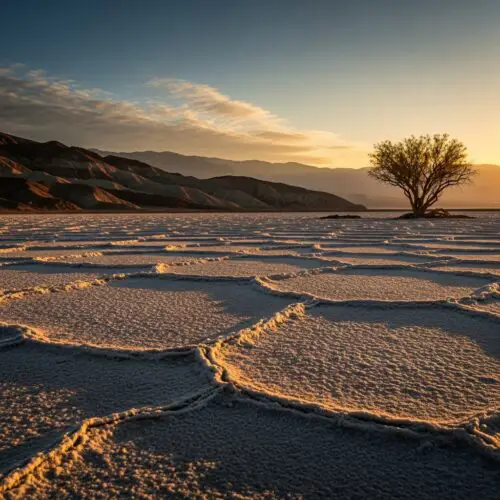
- Diverse Landscapes: From salt flats to sand dunes, the park offers varied terrains. Badwater Basin, the lowest point in North America, sits at 282 feet below sea level.
- Rich History: This place has a story. Once a national monument, it became a national park in 1994. The infamous Scotty’s Castle adds a historical twist to your visit.
Key Facts About the Park
Here are some essential facts to know:
- Size: Death Valley is the largest national park in the contiguous United States, covering over 3.4 million acres.
- Wildlife: Despite the harsh conditions, the park is home to diverse wildlife, including bighorn sheep and desert tortoises. Keep your eyes peeled!
- Stargazing: It’s an International Dark Sky Park, making it perfect for stargazing. Bring your telescope or simply lay back and gaze at the stars.
Planning Your Visit
Before you go, consider these planning tips:
Table of Contents
- Best Time to Visit: Fall and spring are ideal for pleasant weather. Summers can be brutally hot.
- What to Pack: Water, sunscreen, and a hat are essentials. Don’t forget your camera for those incredible views and unique photo spots, especially during the wildflower superbloom in spring.
With these insights, you’re set to explore the wonders of Death Valley National Park!
How to Get to Death Valley National Park
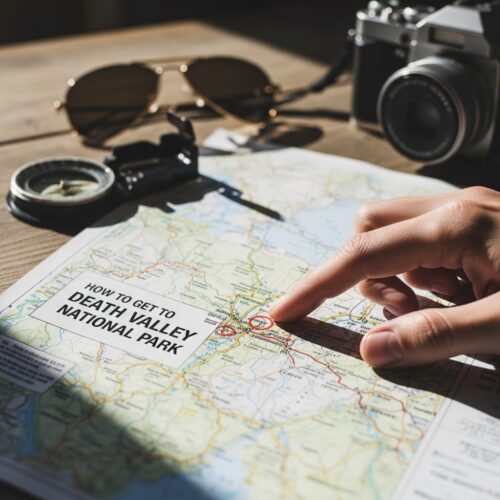
Getting to Death Valley National Park is part of the adventure! Whether you’re coming from Los Angeles or Las Vegas, you’ve got some great options to consider. Let’s dive into the best ways to reach this stunning desert landscape.
Major Airports Nearby
If you’re flying in, you’ll want to know which airports are closest to Death Valley:
| Airport Name | Distance to Death Valley | Estimated Drive Time |
|---|---|---|
| Harry Reid International Airport (LAS) | 120 miles | 2.5 hours |
| Los Angeles International Airport (LAX) | 270 miles | 4.5 hours |
| San Diego International Airport (SAN) | 360 miles | 5.5 hours |
These airports offer direct flights from many cities, making it easy to kickstart your trip!
Driving Directions
Driving is a popular choice. Here’s how to get there from two main cities:
- From Los Angeles:
- Take CA-14 North to Cantil.
- Follow Redrock Ransburg Road to US-395.
- Then take CA-178 and CA-192 into Death Valley.
- From Las Vegas:
- Head west on US-95.
- Merge onto NV-373 and follow signs toward Death Valley.
- The drive takes you through scenic landscapes.
Public Transport Options
Public transport isn’t the most convenient option, but it’s possible! Here are your choices:
- Shuttle Services: Some shuttles operate between Las Vegas and Death Valley. Check local listings for schedules.
- Bus Services: Greyhound and similar services can get you close. However, you’ll need a rental car or rideshare to reach the park entrance.
Keep in mind that public transport options may be limited, especially outside peak tourist seasons.
Checklist for Your Journey
Before you hit the road, here’s a quick checklist to ensure a smooth trip:
- Check your fuel: Gas stations are sparse in the park.
- Pack water and snacks: Staying hydrated is key!
- Bring a map or download offline directions: Cell service can be spotty.
- Prepare for temperature changes: It can be hot during the day and cool at night.
Now you’re all set to plan your journey to Death Valley National Park! Enjoy the ride and the breathtaking views that await you.
Best Times to Visit Death Valley in 2026
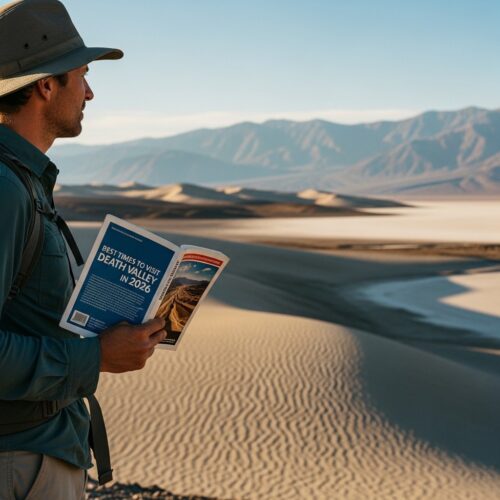
Planning your trip to Death Valley National Park? Timing is everything! The park offers unique experiences throughout the year. Let’s break down the best times to visit based on weather, activities, and events.
Weather Patterns
Death Valley is famous for its extreme temperatures. Here’s a quick look at what to expect throughout the year:
- Winter (December – February): Mild days, chilly nights. Expect highs in the 60s and lows in the 40s. Perfect for hiking and exploring.
- Spring (March – May): Warm days and cool nights. Temperatures rise into the 80s by May. Ideal for wildflower viewing and stargazing.
- Summer (June – August): Very hot! Highs can exceed 120°F. Best for those who want to experience the park with fewer crowds. Early morning hikes are a must.
- Fall (September – November): Comfortable temperatures return. Highs in the 70s and 80s make this a great time for camping and wildlife spotting.
Wildflower Superbloom Timing
One of the most magical sights in Death Valley is the wildflower superbloom. This typically happens in February to April. The exact timing depends on rainfall, so keep an eye on weather reports.
- February: Early blooms may appear, especially after a wet winter.
- March: Peak blooming season. Expect vibrant colors across the landscape.
- April: The blooms start to fade, but you can still catch some late stragglers.
Stargazing Opportunities
Death Valley is a designated International Dark Sky Park. This makes it one of the best places for stargazing in the U.S.
- Best Times: Fall and winter months offer clear skies and cooler temperatures.
- Events: Check for astronomy events hosted by the park. They often feature telescopes and knowledgeable guides.
Seasonal Calendar
Here’s a quick overview of key events and conditions throughout the year:
| Month | Highlights | Best Activities |
|---|---|---|
| January | Mild weather | Hiking, photography |
| February | Wildflower blooms begin | Hiking, stargazing |
| March | Peak wildflower season | Photography, hiking |
| April | Late blooms | Camping, wildlife watching |
| May | Rising temperatures | Early morning hikes |
| June | Very hot, few crowds | Stargazing, sunrise hikes |
| July | Hottest month | Night hikes, stargazing |
| August | Extreme heat | Early morning adventures |
| September | Cooler temps return | Hiking, wildlife spotting |
| October | Comfortable weather | Camping, photography |
| November | Fall events, mild weather | Wildflower viewing, stargazing |
| December | Cooler, fewer crowds | Hiking, festivals |
With this guide, you’re ready to plan your visit to Death Valley National Park. Choose your timing wisely, and enjoy all the stunning sights this unique landscape has to offer!
Where to Stay in and Around Death Valley
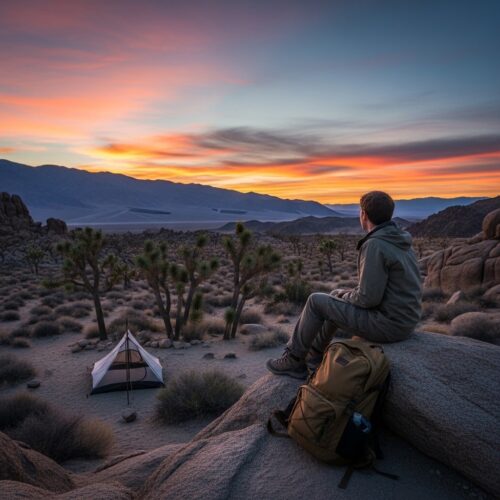
Finding the right place to stay during your visit to Death Valley National Park can enhance your experience. Whether you prefer the comfort of a lodge or the adventure of camping, there are plenty of options. Let’s dive into the best lodging choices inside the park and in nearby towns.
Lodging Inside the Park
When it comes to staying within Death Valley, you have several great options. Here’s a quick comparison of amenities and prices for key lodging areas:
| Lodging Option | Price Range per Night | Amenities | Proximity to Attractions |
|---|---|---|---|
| The Ranch at Death Valley | $200 – $400 | Restaurant, golf course, pool | Near Furnace Creek, close to hiking trails |
| Stovepipe Wells Village | $150 – $250 | Rustic charm, restaurant, gift shop | Close to Mesquite Sand Dunes |
| Panamint Springs Resort | $100 – $200 | Smaller, remote, restaurant | Ideal for exploring the west side of the park |
Tip: The Ranch at Death Valley is family-friendly, offering activities like horseback riding and Jeep rentals. If you’re looking for a rustic experience, Stovepipe Wells Village is perfect for you!
Nearby Towns and Accommodation
If you’re open to staying outside the park, several towns nearby offer great lodging options. Here are three towns to consider:
- Beatty, NV: A short drive from the park, Beatty has historic motels and RV parks. It’s perfect for budget travelers.
- Lone Pine, CA: Located further from the park, this town offers both hotels and campgrounds. It’s known for stunning views of the Sierra Nevada mountains.
- Shoshone, CA: A small, quiet town with a few inns and RV spots. Great for those seeking tranquility after a day of exploring.
Decision Rule: If you want more amenities and dining options, stay in Beatty or Lone Pine. If you prefer a more remote experience, Shoshone is your best bet.
Camping Options
Camping in Death Valley is a fantastic way to immerse yourself in nature. Here are some popular campgrounds:
- Furnace Creek Campground: The most accessible, with basic amenities. Reservations recommended.
- Stovepipe Wells Campground: Offers a more rustic experience. Great for stargazing at night.
- Wildrose Campground: Located higher up, perfect for cooler temperatures and hiking access.
Checklist for Camping Preparation:
- Bring plenty of water and snacks.
- Pack a warm sleeping bag for chilly nights.
- Don’t forget your camera for those stunning sunsets!
With these options, you’re set to find the perfect place to stay during your Death Valley adventure!
What to Pack for Your Death Valley Adventure
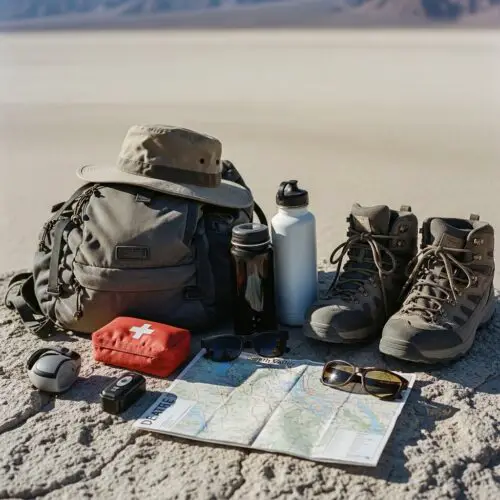
Planning a trip to Death Valley? You’ll want to pack smart. The weather can be extreme, and the terrain varies. Here’s what you need for a comfortable and safe visit.
Clothing Recommendations
Dressing right is key. Here’s a quick list based on the season:
- Summer (June to September): Light, breathable fabrics. Think shorts, tank tops, and wide-brimmed hats. Don’t forget sunscreen!
- Fall (October to November): Layers are essential. Mornings can be chilly, but afternoons warm up. Bring long sleeves and light jackets.
- Winter (December to February): Warm clothing is a must. Pack sweaters, jackets, and long pants. Nights can get really cold!
- Spring (March to May): This is wildflower season! Light jackets and comfortable clothes are perfect for hiking.
Gear for Hiking and Exploration
Death Valley offers stunning hiking trails. Here’s what you should bring:
- Sturdy Hiking Boots: Good grip is crucial on rocky terrain.
- Daypack: A comfortable bag for your gear, snacks, and water.
- Water Bottle or Hydration Pack: Staying hydrated is super important in the heat. Aim for at least 2-3 liters per day.
- Navigation Tools: Maps or a GPS device can help you stay on track.
Safety Equipment
Safety first! Make sure you have these essentials:
- First Aid Kit: Always handy for minor injuries.
- Emergency Whistle: Useful if you get lost or need assistance.
- Flashlight or Headlamp: Perfect for exploring at night, especially for stargazing.
- Multi-tool or Swiss Army Knife: Great for all sorts of unexpected situations.
Packing Checklist
Here’s a handy checklist for your Death Valley adventure:
- Clothing according to the season
- Sturdy hiking boots
- Daypack
- Water bottles or hydration pack
- Navigation tools
- First aid kit
- Emergency whistle
- Flashlight or headlamp
- Multi-tool
Being prepared will make your visit to Death Valley memorable and safe! Enjoy the stunning landscapes and unique experiences that await you.
Top 26 Attractions and Activities in Death Valley
Death Valley National Park is a treasure trove of stunning sights and exciting activities. Whether you’re a history buff, a nature lover, or just looking for some fun, there’s something for everyone. Here are the top attractions and activities you won’t want to miss!
Historical Sites
1. Scotty’s Castle
A hidden gem in the park, Scotty’s Castle is a historic mansion with a fascinating backstory. Though it’s currently closed for restoration, you can still explore the surrounding area and learn about its colorful history.
2. Furnace Creek Visitor Center
Start your adventure here! The visitor center offers a wealth of information about the park’s history, geology, and wildlife. Don’t forget to chat with the rangers for insider tips.
3. Harmony Borax Works
Dive into the park’s mining history at this site, where you can see remnants of the borax industry. It’s a quick stop, but the story it tells is captivating.
Scenic Viewpoints
1. Dante’s View
This overlook gives you breathtaking panoramic views of the valley below. It’s a fantastic spot for sunrise or sunset photography. Bring your camera!
2. Zabriskie Point
Known for its stunning badlands, Zabriskie Point is another must-see. The colors of the landscape change dramatically with the light, making it a popular spot for photographers.
3. Golden Canyon
Enjoy a hike through this beautiful canyon, where you’ll see colorful rock formations. The trail leads to the Red Cathedral, a stunning natural amphitheater.
Unique Natural Features
1. Badwater Basin
As the lowest point in North America, Badwater Basin is a unique must-visit. Walk on the salt flats and take in the vastness of the landscape. It’s a surreal experience!
2. Mesquite Flat Sand Dunes
These dunes are perfect for a leisurely stroll or some fun sandboarding. Explore the rippling sands and enjoy the tranquility of this unique environment.
3. Mosaic Canyon
This slot canyon is a favorite for its smooth, colorful walls and unique rock formations. It’s a great spot for a short hike and some impressive photos.
Bonus Activities
- Stargazing: Death Valley is a designated International Dark Sky Park. Bring your telescope or just lie back and enjoy the stars.
- Wildflower Superbloom: Visit in spring for a chance to see the desert come alive with wildflowers. It’s a spectacle you won’t want to miss!
- Hiking Trails: There are numerous trails for all skill levels. From easy walks to challenging hikes, explore the park’s stunning landscapes.
With so many attractions and activities, Death Valley National Park is sure to provide an unforgettable experience in 2026!
Best Hiking Trails for All Skill Levels
Death Valley National Park is a hiker’s paradise, offering trails for everyone. Whether you’re just starting or looking for a challenge, you’ll find something to love. Let’s break down some of the best hikes by difficulty.
Easy Trails
1. Golden Canyon
- Distance: 3 miles round-trip
- Time: About 2 hours
- This trail is perfect for beginners. It winds through stunning canyon walls painted in hues of red and gold. You’ll end at the impressive Red Cathedral.
2. Mesquite Flat Sand Dunes
- Distance: 2 miles round-trip (or more if you explore)
- Time: 1-1.5 hours
- Feel like a kid again as you wander through the soft sands. The dunes are especially stunning at sunrise or sunset.
3. Harmony Borax Works
- Distance: 0.4 miles round-trip
- Time: 30 minutes
- Explore the park’s historic mining history with this short walk. The interpretive signs make it a great educational stop.
Moderate Trails
1. Telescope Peak
- Distance: 14 miles round-trip
- Time: 6-8 hours
- This trail leads to the highest point in Death Valley. You’ll gain over 3,000 feet in elevation, so be prepared for some serious views!
2. Fall Canyon
- Distance: 2.5 miles round-trip
- Time: 2-3 hours
- A scenic hike that takes you through narrow canyon walls. The unique rock formations will leave you in awe.
3. Wildrose Peak
- Distance: 4 miles round-trip
- Time: 3-4 hours
- This trail offers stunning panoramic views of the park. It’s a great way to see the diverse landscapes.
Challenging Trails
1. Mosaic Canyon
- Distance: 2 miles round-trip
- Time: 2-3 hours
- Known for its smooth, polished walls, this trail is a bit more adventurous. It involves some scrambling, so wear sturdy shoes!
2. Cottonwood Canyon
- Distance: 6 miles round-trip
- Time: 4-5 hours
- This hike takes you through a remote canyon. You’ll see unique geological formations and possibly some wildlife.
3. Desolation Canyon
- Distance: 8 miles round-trip
- Time: 5-6 hours
- A true off-the-beaten-path experience! This trail is for those who want to escape the crowds and enjoy solitude.
Trail Maps and Estimated Times
| Trail | Difficulty | Distance | Estimated Time |
|---|---|---|---|
| Golden Canyon | Easy | 3 miles | 2 hours |
| Telescope Peak | Moderate | 14 miles | 6-8 hours |
| Mosaic Canyon | Challenging | 2 miles | 2-3 hours |
| Wildrose Peak | Moderate | 4 miles | 3-4 hours |
When hiking, always bring plenty of water, snacks, and sun protection. Check trail conditions before heading out, especially in the hotter months. Happy hiking!
Scenic Drives You Can’t Miss
Death Valley National Park is a treasure trove of stunning scenic drives. Whether you’re looking for breathtaking views or a leisurely ride, these roads offer unforgettable experiences.
Badwater Road
Start your adventure on Badwater Road. This iconic route takes you to Badwater Basin, the lowest point in North America at 282 feet below sea level. Along the way, you’ll see unique salt flats and striking geological formations.
- Notable Stops:
- Devil’s Golf Course: A vast area of jagged salt formations.
- Badwater Basin: A must-see, especially at sunrise or sunset for the best photo ops.
Artist’s Drive
Next up is Artist’s Drive. This 9-mile loop showcases the vibrant colors of the park’s hills. The drive is perfect for a short excursion and offers several pullouts for photos.
- Highlights:
- Artist’s Palette: A stunning viewpoint where you can see the rainbow of colors in the rocks.
- Scenic Overlooks: Multiple spots to stop and soak in the views.
Dante’s View Road
For panoramic vistas, don’t miss Dante’s View Road. This drive takes you high above the valley floor, offering sweeping views of the entire park. It’s an excellent spot for sunrise or sunset.
- Key Features:
- Dante’s View Overlook: A breathtaking viewpoint that’s perfect for photography.
- Cooler Temperatures: At over 5,400 feet, it’s a refreshing escape from the valley heat.
Driving Route Map
Here’s a simple driving route map for your trip:
1. Start at Furnace Creek.
2. Head south on Badwater Road.
- Stop at Devil’s Golf Course.
- End at Badwater Basin.
3. Loop back to Furnace Creek.
4. Take Artist’s Drive.
- Stop at Artist’s Palette.
5. Finish with Dante’s View Road.
Visitor Tips
- Timing: Early morning or late afternoon is best for lighting and fewer crowds.
- Photography: Bring a wide-angle lens to capture the vast landscapes.
- Safety: Always carry water and check your vehicle before heading out.
These drives provide a perfect way to explore Death Valley’s dramatic scenery. Each route has its unique charm, ensuring you won’t miss any of the park’s natural beauty.
Historical Context of Death Valley National Park
Death Valley National Park has a rich and fascinating history. From its ancient inhabitants to the gold rush, this area has seen it all. Let’s dive into its past!
Native American Heritage
Long before it became a national park, Death Valley was home to Native American tribes. The Timbisha Shoshone people lived in this harsh environment for thousands of years. They adapted to the extreme conditions and thrived by using local resources.
The park is dotted with petroglyphs and artifacts left behind by these early inhabitants. Exploring these sites gives you a glimpse into their lives and culture. Keep an eye out for interpretive signs that share their stories!
Mining History
The quest for gold and silver brought many settlers to Death Valley in the 19th century. The discovery of rich mineral deposits sparked a mining boom. Towns like Rhyolite and Ballarat sprang up almost overnight.
However, the harsh climate took its toll. Many miners left, but some stayed, leaving behind remnants of their dreams. You can still see old mining equipment and structures scattered throughout the park.
Scotty’s Castle Story
One of the most intriguing stories in Death Valley is that of Scotty’s Castle. This grand mansion was built in the 1920s by Walter Scott, a con man who claimed to be a gold mine owner. In reality, he was just an entertainer who spun fantastic tales.
Despite its flashy reputation, Scotty’s Castle was never finished. Today, visitors can tour this unique landmark and hear tales of Scott’s colorful life. It’s a great way to connect with the park’s quirky history.
Quick Facts About Death Valley’s History
- Established: Originally a national monument in 1933, designated a national park in 1994.
- Mining Boom: Late 1800s saw a rush for gold and silver.
- Scotty’s Castle: Built in the 1920s, a mix of myth and reality.
Death Valley’s history is layered and captivating. Each story adds depth to your visit, making it more than just a trip to a beautiful landscape.
Unique Natural Phenomena to Observe
Death Valley is not just about stunning landscapes. It offers some rare natural phenomena that make your visit truly special. Two highlights are the wildflower superbloom and ephemeral lakes. Let’s dive into what makes these experiences so unique!
Wildflower Superbloom
When conditions are just right, Death Valley bursts into color with a wildflower superbloom. This phenomenon usually occurs between February and April. It’s triggered by a combination of winter rains and mild temperatures.
During a superbloom, you can see vibrant colors across the desert floor. You’ll find everything from delicate poppies to bright desert lilies. The best places to view them include Golden Canyon and the area around Furnace Creek.
Timing Tips:
- February to April: Peak blooming often occurs in March.
- Check Weather: Rainfall is key, so keep an eye on the forecast!
Ephemeral Lakes
Another fascinating sight is the ephemeral lakes that appear during certain times of the year. These temporary lakes form after heavy rains, particularly at Badwater Basin, the lowest point in North America.
When these lakes appear, they create a stunning reflection of the surrounding mountains. They are a photographer’s dream! However, these lakes can dry up quickly, so timing is everything.
Best Viewing Times:
- Late Winter to Early Spring: After significant rainfall.
- Morning or Late Afternoon: For the best lighting conditions.
Dark Sky Park Status
Death Valley is designated as a Dark Sky Park, making it perfect for stargazing. This status means minimal light pollution, allowing you to see countless stars, planets, and even the Milky Way.
Plan your visit during a new moon for the best experience. Bring a telescope or a good camera for some amazing nighttime photography!
Stargazing Tips:
- Check Moon Phases: Aim for new moons.
- Choose a Dark Spot: Avoid areas with artificial lights.
These unique natural phenomena make Death Valley National Park a must-visit in 2026. Whether you’re there for the blooms, the lakes, or the stars, you’re in for a treat!
Tips for Safe Exploration in Extreme Weather
Exploring Death Valley National Park can be an unforgettable experience, but safety should always come first. The extreme heat and unique environment require some preparation. Here’s how to stay safe while enjoying all the park has to offer.
Hydration Strategies
Staying hydrated is crucial in the desert. Here are some smart hydration tips:
- Drink Water Regularly: Aim for at least a gallon of water a day, more if you’re active.
- Use Electrolyte Drinks: Consider drinks with electrolytes to replenish lost minerals.
- Plan for Breaks: Stop and hydrate before you feel thirsty.
Recognizing Heat Exhaustion
Knowing the signs of heat exhaustion can save you from serious trouble. Look for these symptoms:
- Heavy Sweating: You’re sweating more than usual.
- Weakness or Dizziness: Feeling faint or unusually tired.
- Nausea: An upset stomach can signal overheating.
If you notice these symptoms, find shade, hydrate, and rest immediately.
Emergency Contacts
In case of an emergency, know who to call. Here’s a quick-contact guide:
- Park Ranger Station: 760-786-3200 (for immediate assistance)
- Local Hospitals: Check the visitor center for the nearest medical facilities.
Safety Checklist for Activities
Before you head out, use this checklist to prepare for your adventure:
- Water: At least one gallon per person.
- Snacks: High-energy foods like nuts or energy bars.
- Sun Protection: Sunscreen, hats, and sunglasses.
- First Aid Kit: A basic kit for minor injuries.
- Map and Compass: Essential for navigating the park.
With these tips in mind, you can explore Death Valley National Park safely and confidently. Enjoy the stunning landscapes, but always prioritize your well-being!
Wildlife and Biodiversity in Death Valley
Death Valley National Park is more than just stunning landscapes. It’s a unique ecosystem teeming with diverse wildlife and plants perfectly adapted to the harsh desert conditions. Let’s dive into what makes this park a special home for its inhabitants.
Common Species
In Death Valley, you’ll find a variety of wildlife. Some common species include:
- Desert Tortoise: A slow-moving reptile that can live for over 50 years.
- Bighorn Sheep: These agile creatures are often seen scaling rocky cliffs.
- Kangaroo Rats: Small rodents that thrive in the desert, known for their impressive ability to survive without water.
- Roadrunners: These birds are quick and can often be seen darting across the roads.
Each species plays a vital role in the ecosystem. For instance, the Desert Tortoise helps maintain plant health by dispersing seeds.
Conservation Efforts
Conservation is key in maintaining the delicate balance of life in Death Valley. The park actively promotes several initiatives, such as:
- Habitat Restoration: Efforts to restore native plant species that benefit local wildlife.
- Wildlife Monitoring: Regular surveys help track population health and habitat usage.
- Public Education: The park provides resources to help visitors understand the importance of conserving wildlife.
These efforts ensure that the unique biodiversity of Death Valley thrives for future generations.
Best Viewing Times
Want to catch a glimpse of the park’s wildlife? Timing is everything! Here are the best times to see these amazing creatures:
- Early Morning and Late Afternoon: Animals are most active during these cooler parts of the day.
- Spring: This season brings wildflower superblooms, attracting various pollinators and other wildlife.
- Winter Months: Cooler temperatures make it easier to spot animals as they venture out for food.
Remember, patience is key. Stay quiet and observant, and you may be rewarded with a sighting. Always respect the wildlife and keep a safe distance to avoid disturbing their natural behavior.
Photography Tips for Capturing Death Valley’s Beauty
Death Valley is a photographer’s dream. With stunning landscapes and unique geological features, it’s a place where every shot can be a masterpiece. Here are some tips to help you capture its beauty.
Best Times for Lighting
Lighting is essential in photography. Here are the best times to shoot:
- Golden Hour: Just after sunrise and before sunset. The soft light creates beautiful shadows and highlights.
- Midday: Not ideal for landscapes, but if you’re after stark contrasts, it can work. Just be ready for harsh shadows.
- Blue Hour: The time right before sunrise or after sunset. The cool tones can add a magical feel to your shots.
Recommended Equipment
Bringing the right gear is key. Here’s a quick checklist:
- Camera: DSLR or mirrorless for the best quality.
- Lenses: A wide-angle lens to capture vast landscapes. A telephoto lens can help isolate features.
- Tripod: Essential for stability, especially during low light conditions.
- Filters: Consider a polarizing filter to enhance colors and contrast.
Composition Tips
Composition can make or break your photos. Keep these tips in mind:
- Rule of Thirds: Divide your frame into thirds. Place points of interest along these lines or at their intersections.
- Leading Lines: Use roads, trails, or natural features to draw the eye into your photo.
- Foreground Interest: Add elements in the foreground to create depth. Rocks or plants can add context to your shots.
Photography Checklist
Before you head out, make sure to pack these essentials:
- Camera and lenses
- Tripod
- Extra batteries and memory cards
- Water and snacks
- Sunscreen and hat
- Comfortable shoes for hiking
With these tips in hand, you’re ready to capture the unique beauty of Death Valley National Park! Enjoy the adventure and let your creativity shine.
Stargazing in Death Valley: A Celestial Experience
Death Valley National Park is a stargazer’s paradise. Designated as an International Dark Sky Park, it offers some of the clearest night skies in the country. With minimal light pollution, you can enjoy breathtaking views of the Milky Way and countless stars.
Best Stargazing Locations
For the best viewing experience, head to these prime spots:
- Furnace Creek: The main hub of the park. Easy access and great amenities.
- Dante’s View: Offers a stunning panoramic view of the valley below.
- Badwater Basin: The lowest point in North America, perfect for clear skies.
- Mesquite Flat Sand Dunes: A unique backdrop for your stargazing adventure.
Seasonal Stargazing Events
Mark your calendars! Here are some exciting stargazing events happening in 2026:
- Death Valley Dark Sky Festival: Typically held in February, this festival includes workshops and guided night sky viewing.
- Meteor Showers: Look out for the Perseids in August and the Geminids in December. These events provide stunning celestial displays.
- New Moon Nights: These nights are ideal for stargazing since there’s no moonlight to wash out the stars.
Tips for Stargazing Gear
To make the most of your stargazing experience, pack the right gear:
- Binoculars or Telescope: Enhance your view of celestial objects.
- Star Map or App: Help you identify constellations and planets.
- Warm Clothing: Nights can get chilly, even in the desert.
- Red Flashlight: Preserve your night vision while navigating.
With these tips and locations, you’re all set for a stellar experience in Death Valley National Park!
Special Events in Death Valley for 2026
Death Valley National Park has a lineup of exciting events in 2026. These happenings highlight the park’s beauty and unique features. Here are a few to mark on your calendar!
Death Valley Dark Sky Festival
The Death Valley Dark Sky Festival is an annual favorite. In 2026, it promises breathtaking views of the night sky. You’ll get a chance to join guided stargazing sessions, attend talks from astronomers, and enjoy activities for all ages.
- When: February 17-19, 2026
- Highlights:
- Telescope viewing stations
- Astronomy workshops
- Night sky photography tips
Wildflower Festival
Spring brings the Wildflower Festival, showcasing the vibrant blooms of Death Valley. If conditions are right, you might witness a stunning wildflower superbloom.
- When: March 18-20, 2026
- Highlights:
- Guided wildflower walks
- Photography contests
- Talks on desert ecology
Guided Tours and Workshops
Throughout the year, the park offers various guided tours and workshops. These range from geology hikes to photography clinics. It’s a great way to connect with the park’s natural beauty and learn something new!
- Ongoing Events: Various dates throughout 2026
- Topics Include:
- Desert wildlife and biodiversity
- Historical tours of Scotty’s Castle
- Landscape photography techniques
Make sure to check the park’s official calendar closer to your visit for any updates or changes. Enjoy your adventures in this stunning desert paradise!
Common Mistakes to Avoid When Visiting
Planning a trip to Death Valley National Park is exciting! But it’s easy to make some common mistakes that can lead to a less-than-ideal experience. Here are a few pitfalls to watch out for.
Underestimating the Weather
Death Valley is known for its extreme temperatures. Summer can be brutal, with highs soaring above 120°F. Don’t think you can just “tough it out.”
Tips to Prepare:
- Check the forecast before you go.
- Dress in lightweight, breathable clothing.
- Plan outdoor activities for early morning or late afternoon.
Scenario Insight: Imagine hiking in the midday sun, feeling dizzy and overheated. Not fun, right? Plan wisely to avoid this.
Skipping Hydration
Staying hydrated is crucial in the desert. The dry air can dehydrate you faster than you think.
Hydration Checklist:
- Carry at least 4 liters of water per person.
- Drink regularly, even if you don’t feel thirsty.
- Take breaks in shaded areas to cool off.
Real-Life Example: A visitor once ignored their water needs and ended up in a medical tent. Don’t let this be you!
Ignoring Park Regulations
Following park rules keeps everyone safe and helps protect the environment.
Key Regulations to Remember:
- Stay on designated trails.
- Respect wildlife and keep a safe distance.
- Camp only in designated areas.
What Happens If You Don’t: One careless act can lead to fines or worse—an injury to you or an animal. Respecting regulations keeps the park beautiful for everyone.
By avoiding these common mistakes, you’ll have a smoother, more enjoyable visit to Death Valley National Park. Happy exploring!
Alternatives to Popular Attractions
Death Valley is famous for its stunning landscapes, but it can get crowded. If you want to escape the crowds and discover hidden gems, check out these lesser-known spots.
Hidden Gems
1. Telescope Peak
This is the highest point in the park. The hike offers breathtaking views of the valley and is less frequented compared to other trails. It’s a perfect spot for those who love a good challenge and want to see the park from a different perspective.
2. Golden Canyon
A stunning hike that features colorful rock formations. It’s often overlooked for more popular trails but offers a serene experience with fewer visitors.
3. Wildrose Peak
This trail leads to a lesser-known summit with panoramic views. It’s a great option for hiking enthusiasts looking for a peaceful escape.
Off-the-Beaten-Path Trails
1. Desolation Canyon
Expect solitude as you explore this hidden canyon. It’s a bit more rugged, making it ideal for adventurous spirits.
2. Mosaic Canyon
Known for its smooth, polished walls, this trail is a fun exploration through unique rock formations. It’s a fantastic spot for photography, especially in the early morning light.
3. Fall Canyon
This hike leads you through narrow passages and towering walls. It’s a perfect choice for those looking for a bit of adventure without the crowds.
Unique Scenic Drives
1. Artist’s Drive
A one-way loop that showcases colorful hills and rock formations. It’s less crowded than other scenic routes and perfect for a leisurely drive with stunning views.
2. Wildrose Road
This drive takes you to the Charcoal Kilns, an intriguing historical site. The road is mostly unpaved but well worth it for those seeking a more remote experience.
3. Saline Valley Road
For the more adventurous, this road leads to the Saline Valley Hot Springs. It’s a bit rough, but the reward is a soak in natural hot springs with fewer people around.
Exploring these alternatives will help you enjoy Death Valley’s beauty without the hustle and bustle. Don’t forget your camera—these spots offer stunning photography opportunities, especially during sunrise and sunset!
Conclusion: Your Adventure Awaits in Death Valley
As you wrap up your exploration of Death Valley National Park, remember that this unique landscape is more than just a name. It’s a treasure trove of adventure, beauty, and history waiting for you to uncover.
Why Visit Death Valley?
Death Valley isn’t just about the harsh terrain. It’s a wonderland of contrasts. From the stunning Badwater Basin, the lowest point in North America, to the heights of Dante’s View, the park offers breathtaking views and unique experiences.
Visitor Tips for an Unforgettable Experience
- Stay Hydrated: The desert can be unforgiving. Always carry water, especially during hikes.
- Dress in Layers: Temperatures can swing dramatically. Be prepared for the heat of the day and the chill of the night.
- Plan for Stargazing: Death Valley is an International Dark Sky Park. Bring your telescope or just enjoy the stars with your naked eye.
Capture the Beauty
Don’t forget your camera! The park’s landscapes change with the seasons. Spring brings wildflower superblooms, while autumn offers vibrant sunsets. Here are some photography tips:
- Golden Hour: Shoot during sunrise or sunset for the best light.
- Wide Angles: Capture the vastness of the landscapes; they’re larger than life.
- Look for Wildlife: Be patient. You might spot bighorn sheep or desert tortoises.
Death Valley National Park is calling! Whether you’re hiking, taking photos, or just soaking in the scenery, your adventure awaits. Explore, discover, and make memories that will last a lifetime.
Frequently Asked Questions
These quick answers cover the most common questions about this topic, including key details, practical tips, and common concerns.
What are the entrance fees for Death Valley National Park?
The park’s entrance fee is $30 per vehicle, valid for seven days. If you plan to visit multiple times or stay longer, consider purchasing an America the Beautiful annual pass for $80, which grants access to all national parks and federal recreation sites. Some parks also offer discounts for seniors, military members, and certain groups.
What should I pack for a trip to Death Valley?
Pack lightweight, breathable clothing, plenty of water, sunscreen, and a wide-brimmed hat. Bring sturdy hiking shoes, sunglasses, and a camera for photography. In cooler months, include layers and a jacket for early mornings and evenings. Don’t forget a map, flashlight, and a basic first aid kit.
Are there guided tours available in the park?
Yes, several tour operators offer guided excursions, including scenic drives, hiking, and stargazing tours. Park rangers also lead educational programs and ranger-led walks at various times during the year. Check the park’s official schedule for upcoming events and tours.
What are the best hiking trails for beginners?
Golden Canyon and Mesquite Flat Sand Dunes are ideal for beginners. Both are relatively short, easy to navigate, and offer stunning scenery. Always carry plenty of water, start early in the day, and stay on designated trails to ensure safety.
How can I prepare for extreme temperatures?
Start your activities early in the morning or late in the afternoon. Wear lightweight, light-colored clothing, and use sun protection like sunscreen and hats. Carry sufficient water and avoid strenuous activity during peak heat hours, especially in summer when temperatures can exceed 120°F.
What wildlife can I expect to see in Death Valley?
You might see desert tortoises, bighorn sheep, roadrunners, and kangaroo rats. Birdwatchers can spot hawks, owls, and migratory birds during certain seasons. Always observe from a distance and do not disturb the animals.
Are there any special events happening in 2026?
Yes, the Death Valley Dark Sky Festival in February and the Wildflower Festival in spring are annual highlights. The park also hosts various ranger-led programs, astronomy nights, and educational workshops throughout the year. Check the official calendar for specific dates and activities.
What are the best viewpoints for sunset?
Dante’s View and Zabriskie Point are renowned for their spectacular sunset views. These locations offer wide vistas and dramatic lighting, perfect for photography and enjoying the park’s natural beauty as the day ends. Arrive early to secure a good spot.